GROW Project leader calls for patriotism and practical skills to drive Uganda’s next generation
Writes Brian Mugenyi

mugenyijj@gmail.com

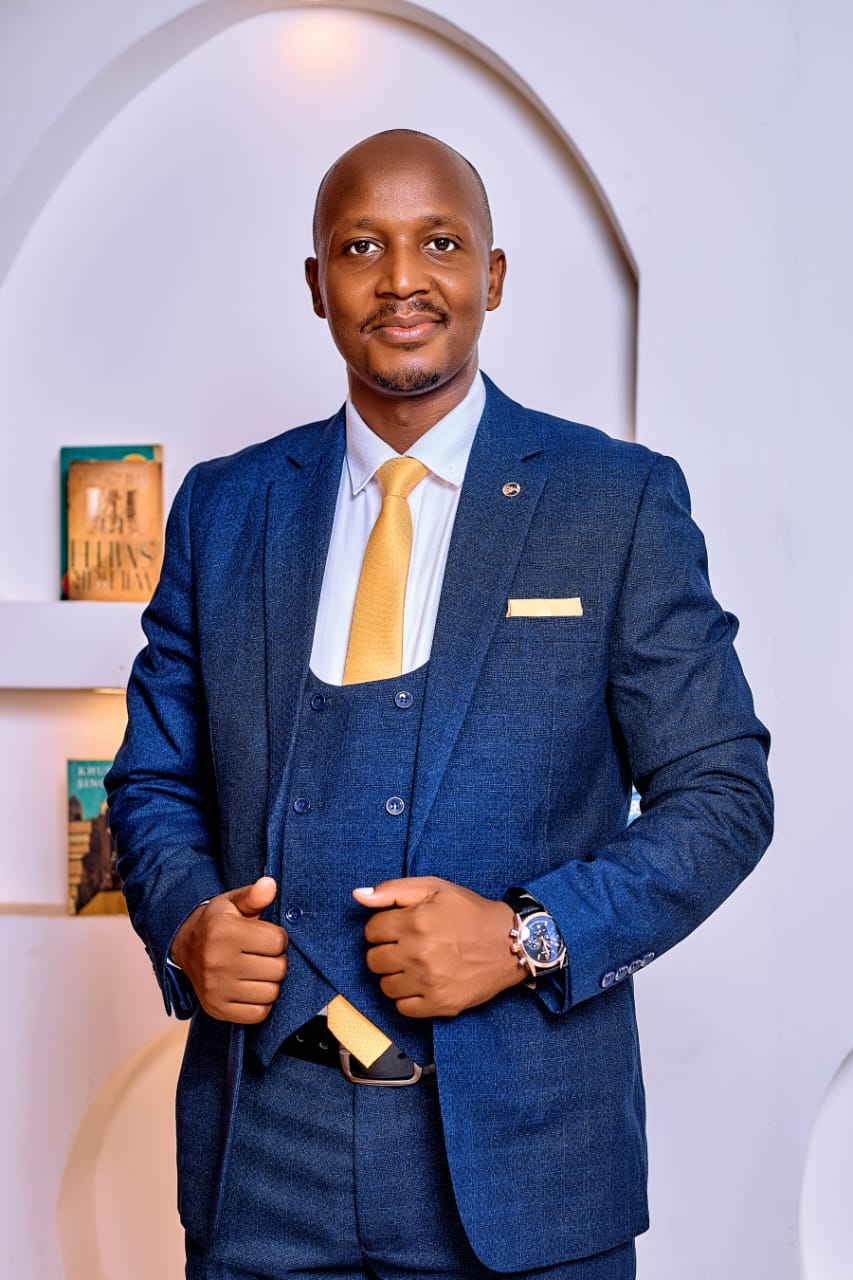
Kampala: Dr. Ruth Biyinzika Kasolo, the brain behind Uganda’s Generating Growth Opportunities and Productivity for Women Enterprises (GROW) Project, has challenged President Yoweri Museveni’s government to re-ignite patriotism and strengthen skills development, saying Uganda’s education system must produce citizens who can both love their country and contribute meaningfully to its transformation.
Speaking at Speke Resort Munyonyo on Thursday, August 20, 2026, Dr. Kasolo said education should not be judged only by the number of certificates produced, but by the skills, values and sense of responsibility graduates carry into society.

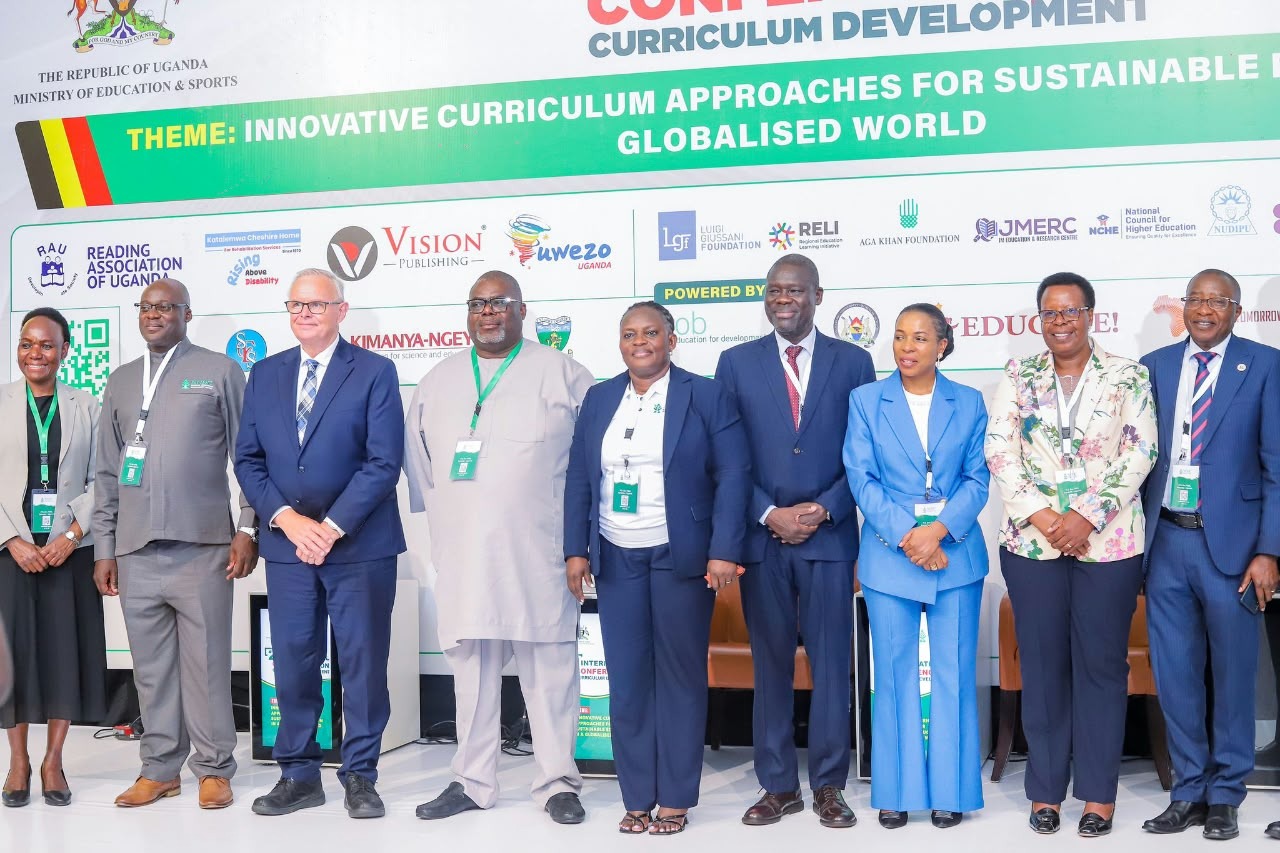
Her remarks came during the International Conference on Curriculum Development, where about 400 scholars, educators, policymakers and education practitioners gathered to discuss the future of Uganda’s education system.
Organised by the National Curriculum Development Centre under the theme “Innovative Curriculum Approaches for Sustainable Education in a Globalised World,” the conference examined how curriculum can better respond to the needs of learners and the economy.
But Dr. Kasolo brought the discussion to the heart of the matter — the kind of citizen Uganda wants to produce.
‘WE NEED TO RE-IGNITE PATRIOTISM’
Dr. Kasolo said patriotism should start early and become part of a learner’s everyday conduct.
“We need to re-ignite patriotism among our people,” she said.
For her, patriotism cannot be confined to national ceremonies or taught as a slogan.
It must be reflected in how citizens work, protect public property, serve communities, create employment and use their knowledge to solve problems.
“Patriotism must be something that our young people practise, not something they simply hear about,” Dr. Kasolo said.
She wants education to shape not only the mind of the learner, but also the character.
A graduate should leave school understanding that personal success and national development can move together.
SKILLS MUST MATCH EDUCATION
Dr. Kasolo also put practical skills at the centre of the debate, warning against an education system that produces graduates who are qualified on paper but struggle to translate their knowledge into productive work.
“We have to equip our young people with skills that can help them create opportunities,” she said.
For Uganda, that means giving greater attention to vocational, technical and entrepreneurial skills.
A young person trained in agriculture should understand production as a business.
A vocational graduate should possess a skill that can generate income.
A university graduate should be able to turn knowledge into solutions.
The question after school should therefore not only be, “What did you study?”
It should also be, “What can you do?”
THE GROW LESSON
Dr. Kasolo’s experience with GROW gives her argument a practical economic foundation.
GROW, a Government of Uganda programme supported by the World Bank, is designed to help women entrepreneurs overcome barriers that limit the growth of their businesses.
The programme supports areas including entrepreneurship, skills development, mentorship, business development, access to finance and markets.
For Dr. Kasolo, the lesson is clear: opportunity only becomes meaningful when people have the capacity to use it.
The same applies to education.
A certificate can open a door, but skills determine what a person does after entering.
Uganda therefore needs an education system that prepares learners not only to seek employment, but also to create value.
PATRIOTISM AND SKILLS MUST MOVE TOGETHER
Dr. Kasolo’s message is that patriotism and skills should not be treated as separate issues.
Patriotism gives a citizen a sense of responsibility.
Skills give that citizen the ability to act.
A skilled young Ugandan can establish a business, employ others, improve production or develop solutions to community problems.
When that ability is combined with national responsibility, education becomes an instrument of transformation.
“Education should not only give our young people certificates. It should give them values, responsibility and a sense of purpose,” she said.
THE CHALLENGE TO GOVERNMENT
Dr. Kasolo’s call places responsibility on government to ensure that curriculum reform reaches beyond policy documents.
Teacher preparation, practical learning and skills development must be strengthened.
Schools must give learners opportunities to apply what they learn.
And patriotism must be encouraged through practical responsibility rather than slogans.
Her message is ultimately about the future of Uganda’s young population.
The country does not simply need more graduates.
It needs skilled citizens with the character to use their abilities for the common good.
Prof. Benson Banda captured the wider African challenge in his observation:
“Africa doesn’t lack curriculum. It lacks alignment.”
For Uganda, that alignment must connect patriotism with skills, education with productivity and individual success with national development.
The real measure of Uganda’s education system will not only be the certificates it produces, but the citizens those certificates create.