Following a critically acclaimed first season, Spinners returns for a second season, bringing more action, higher stakes and a brand-new broadcast home on Pearl Magic Prime. Season 2 puts the pedal to the metal as the stakes get higher and the players become more dangerous – introducing new locations, new cast members, new enemies and fresh challenges. Beyond the adrenaline-fuelled world of spinning culture, the new season explores the price of power, the cycle of violence and the lingering impact of grief.
Set to premiere on Pearl Magic Prime on 25 October 2026 at 22:00, the eight-episode drama series sees the return of lead character Ethan (Cantona James), who leaves the Cape Flats in the Western Cape of South Africa behind and settles into his new life as a rising spinning star in the city of Johannesburg, South Africa.
Alongside friends Trevor (Braedon Buys), Shane (Dillon Windvogel), Angelo (Nahum Hughes), and his love interest Amber (Chelsea Thomas), Ethan finds himself navigating a world filled with opportunity, ambition and danger. Having ended Season 1 on a high note and now embarking on a highly anticipated second season, Cantona James says one of the most rewarding aspects of working on the series has been filming in communities that reflect the realities portrayed on screen.
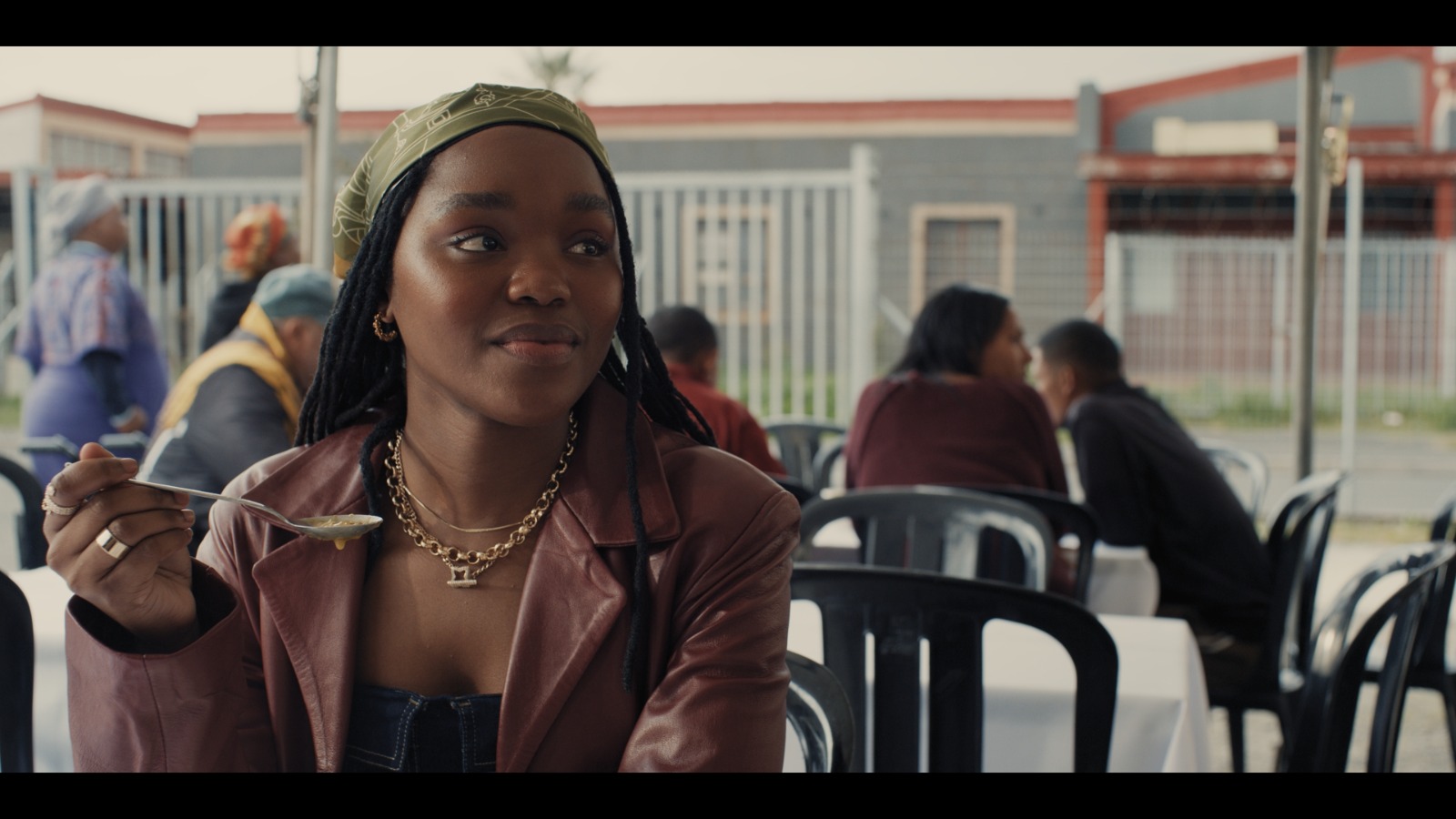
“I had the opportunity to act in spaces where you cannot be oblivious to the dire circumstances that you are presenting. You find yourself filming at 9:00 in the morning while seeing young people hustle to make something out of nothing and it reminds you why I chose this craft. It is a reminder that I am representing young people who live in communities that have lost hope. Cantona adds that the series’ journey from Cape Town to Johannesburg mirrors a personal journey of his own.
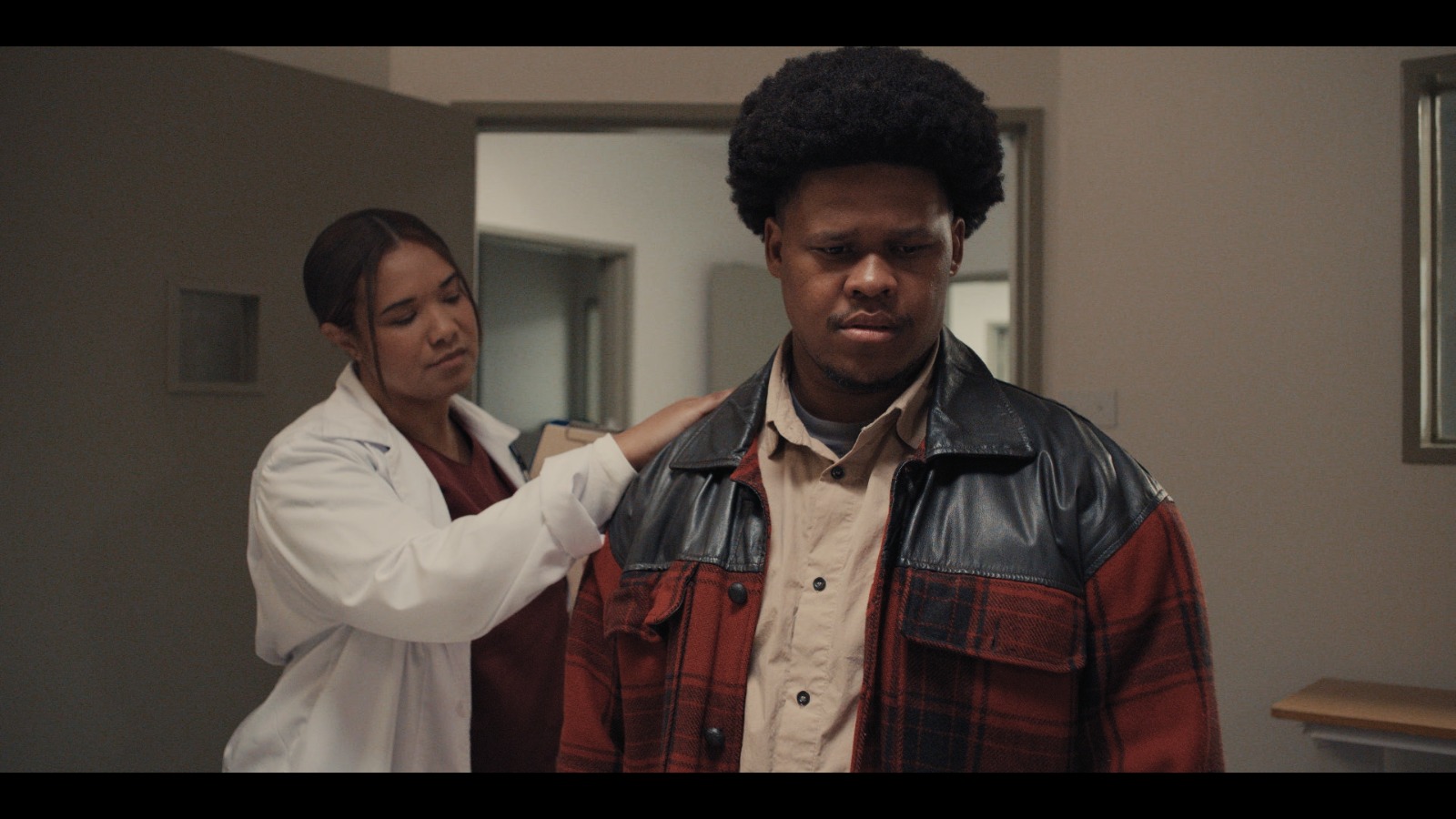
“As a Jozi boy playing a character who moves from Cape Town to Johannesburg, there’s something deeply meaningful about telling this story. I’m also proud to represent spinning culture, which has long been shared across black and coloured communities. Growing up in Johannesburg and particularly in Randfontein, I was exposed to many different cultures. Being part of a show that celebrates and mobilises those connections is special. We live in a rainbow nation, but we rarely see that represented authentically on our screens. I believe Spinners is one of those shows that brings young black and coloured people together in a way that feels honest and real.”
The MasekosJoining Spinners Season 2 is the Maseko family, led by matriarch Ma Sithole (Clementine Mosimane), alongside her grandson and Ethan’s new rival, Sayi (Aphiwe Mkefe) and granddaughter Amahle (Luyanda Zwane). Here’s what Luyanda Zwane had to say about joining the second season and what excites her most about her character: “Being part of Spinners Season 2 represents an exciting moment not only for me, but for African storytelling. With the investment being made in African content, we’re seeing our stories told with world-class production values and shared on a global stage. It’s an incredible opportunity to showcase my talent to international audiences, producers and casting directors, while continuing to grow as a South African actress. Africa has always had extraordinary talent – now the world has more opportunities to see it.
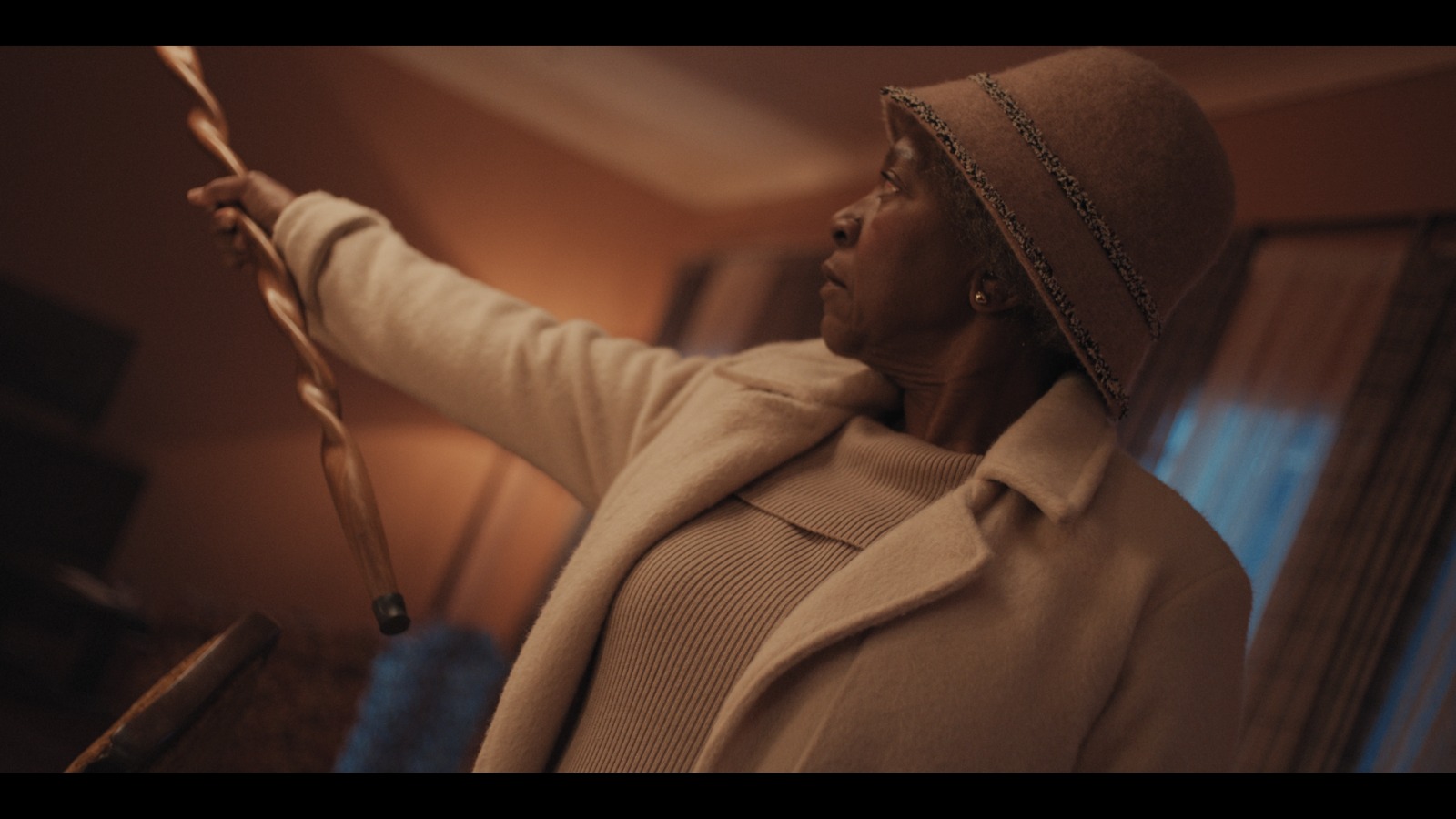
“She adds that her character represents Black excellence in the proudest way. “What excites me most about Amahle is that she represents success, creativity and possibility. She’s a Black artist who travels the world, sells her work and thrives in her craft. It’s powerful to see that kind of representation on screen because it shows young Black creatives that their dreams are valid and achievable. Amahle isn’t defined by struggle – she’s a woman already succeeding and pursuing her passion. I hope audiences see her as a reminder that our stories can also be stories of excellence, ambition and achievement. Africa is rising, and this is our time to shine.”
Fellow cast member Aphiwe Mkefe echoed this sentiment. “This moment is everything to me. To tell a story the best way I know how – that means more than I can put into words. There’s something deeply important about telling authentic African stories on a global scale, about bringing our world to audiences who may have never seen it before. And with this character, I carry that responsibility with utmost care and dedication. He deserves nothing less.”
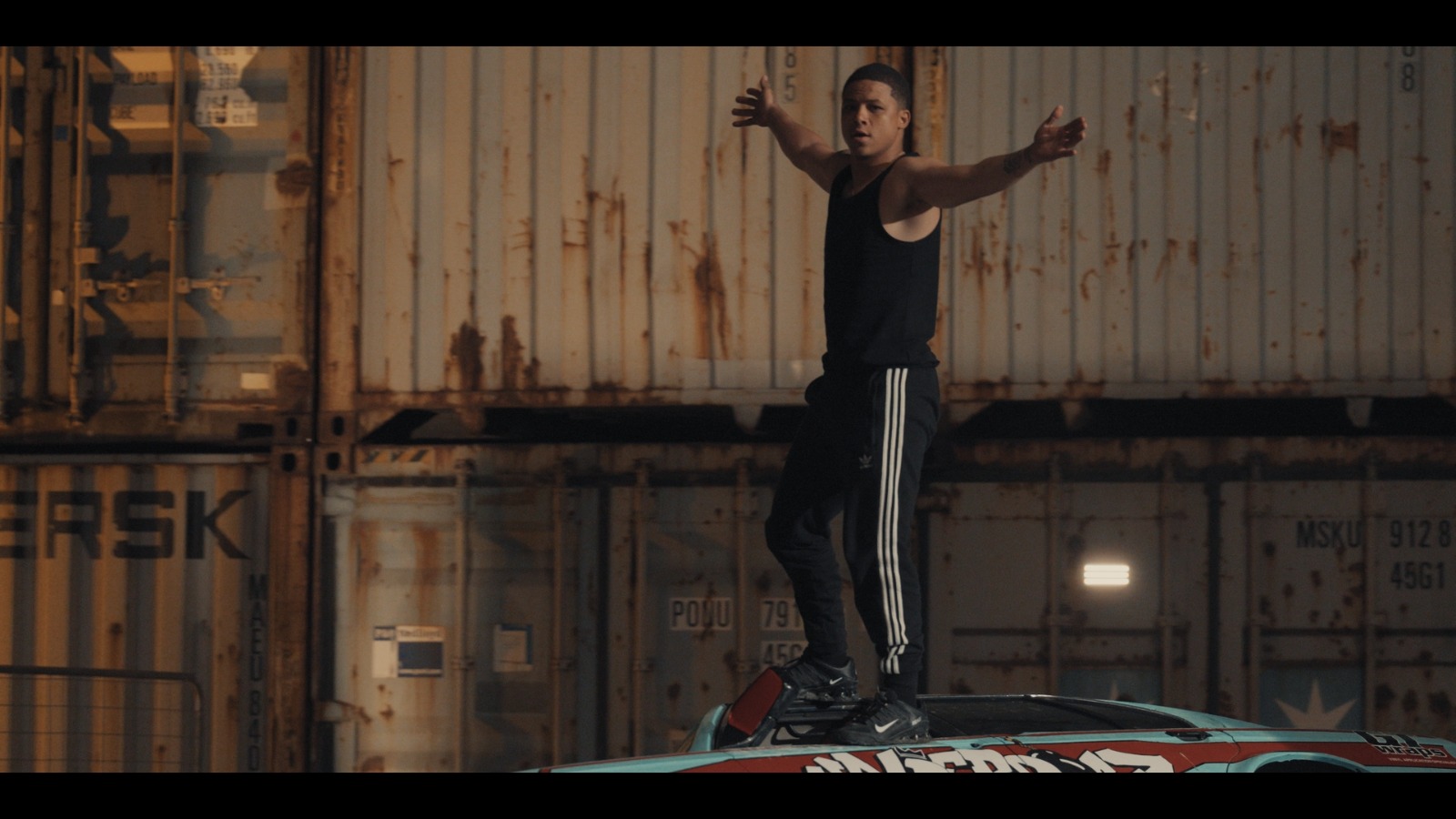
Aphiwe adds that he shares a deep personal connection with his character.“This is definitely a kid I’ve come across and to some extent, a kid I’ve been. Navigating his inner turmoil, his family dynamics, all while chasing what feels like a dying dream… that was both an incredible challenge and an honour to carry. To walk into a world that’s already been built with such love and be trusted to grow it further as a contributor – that’s not something I take lightly.”
Spinners Season 2 is co-created by Joachim Landau, developed by Sean Steinber and Matthew Jankes with Benjamin Hoffman serving as showrunner and Jaco Bouwer returning as director. Bouwer explains that, in Season 2, spinning becomes a powerful symbol of the show’s central question: are you in control of your destiny or simply trying to hold on? “This season is personal,” says Jaco Bouwer. “Not just for Ethan, but for all of us who’ve lost something while chasing freedom. Spinners Season 2 is about the scars we carry – the ones that don’t show up in rear-view mirrors.”
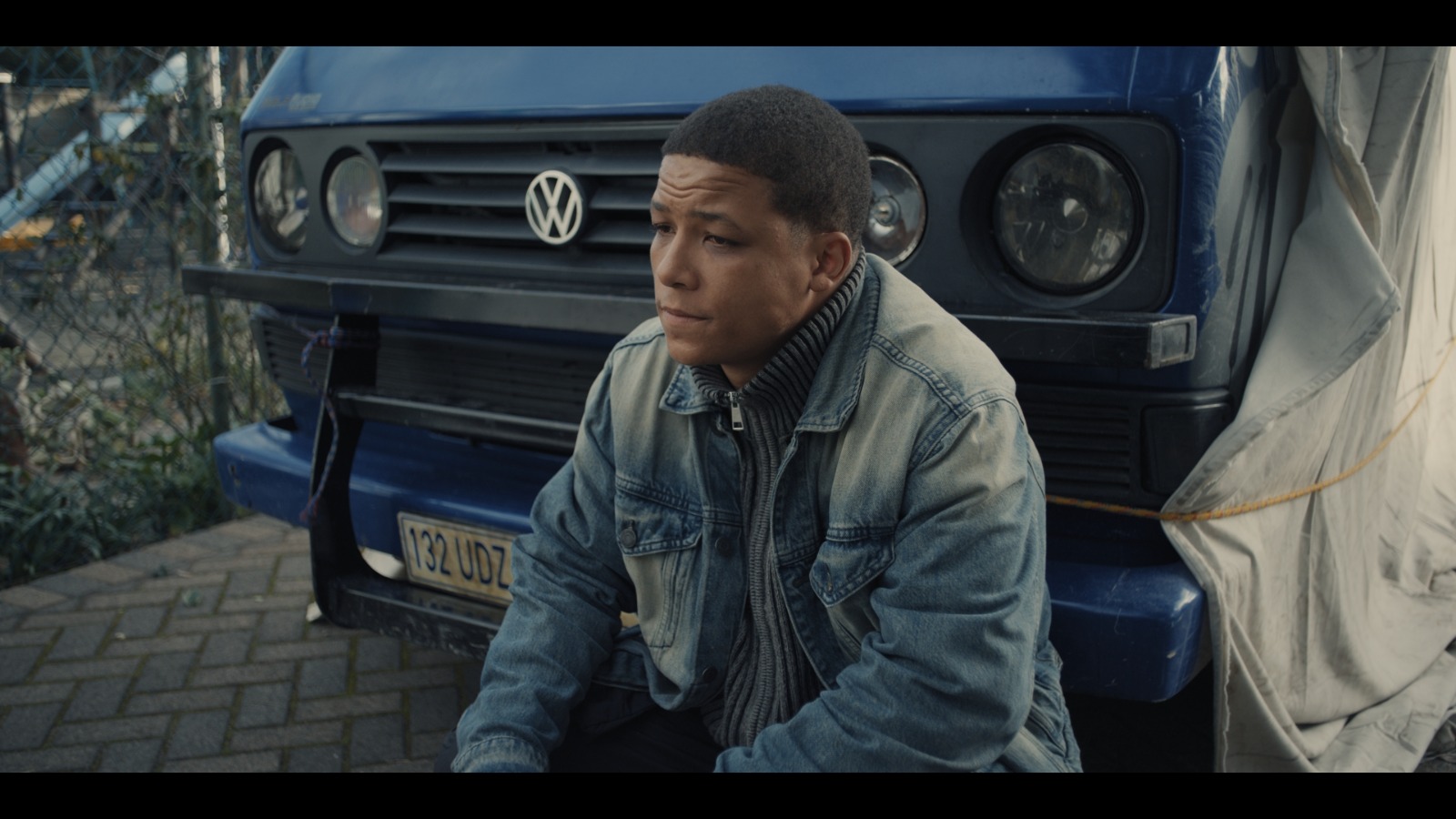
Spinners Season 2 premieres on Pearl Magic Prime (Channel 148 on Dstv and 303 on GOtv) on 25 October 2026 at 22:00.