By Brian Mugenyi
mugenyijj@gmail.com
Busia: NRM National Treasurer Ambassador Barbara Nekesa Oundo has scored a major grassroots political victory after the ruling National Resistance Movement (NRM) Party recorded a strong performance in the Local Council One (LC1) elections, strengthening its village-level structures across Uganda.

The LC1 elections, conducted in 71,214 villages nationwide, provided a key test of the NRM’s grassroots mobilisation capacity, with the party entering the polls with candidates and structures established across the country.

Although the Electoral Commission is yet to release the final nationwide tally of LC1 chairperson positions won by each political party, early results and nomination outcomes indicate a strong performance by the NRM grassroots network.
The party had prepared candidates in all 71,214 villages, according to its leadership, highlighting the scale of its mobilisation ahead of the village elections.

The performance adds to the NRM’s recent grassroots achievements, including the Village Women Council elections where the party reported winning 326,248 out of 356,070 positions, representing about 91 percent of the contested seats.
In Busia District, where Ambassador Nekesa has built a strong political base, the NRM registered a significant grassroots milestone after 105 LC1 chairperson candidates were declared unopposed.
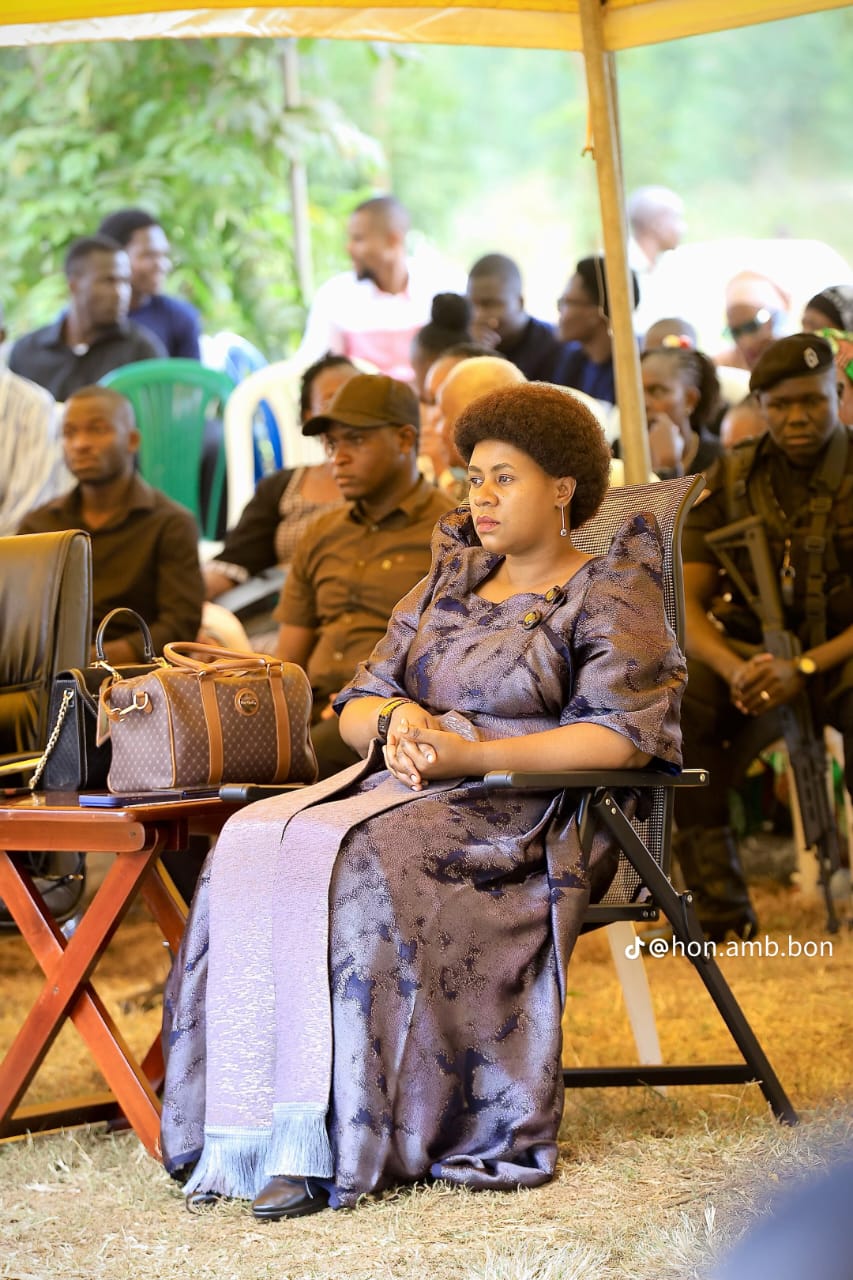
The outcome has placed Busia among the districts attracting attention in eastern Uganda, with party supporters crediting the result to sustained mobilisation, community engagement and the strength of local party structures.
Ambassador Nekesa said the achievement reflects the importance of connecting citizens with government programmes and ensuring communities benefit from development initiatives.
“I want to appreciate His Excellency President Yoweri Kaguta Museveni for his continued commitment to transforming the lives of Ugandans. His vision has always been about taking development to the grassroots, where ordinary citizens can feel the impact of government programmes,” Nekesa said.
She added: “The roads being constructed, the investment in health services and programmes such as the Parish Development Model show the President’s determination to ensure that no community is left behind. As leaders, our responsibility is to mobilise our people to embrace these opportunities and use them to improve their livelihoods.”
Nekesa said grassroots mobilisation remains central to the NRM’s political strategy because villages are where citizens directly experience government services.
“President Museveni has always emphasised that development must reach the people. The village is where people live, where they work and where they need services. That is why grassroots mobilisation remains very important,” she said.
Busia LC1 Performance
In Busia, the 105 unopposed LC1 chairperson candidates were spread across different areas of the district.
Busime Sub-county recorded the highest number with 16 candidates, followed by Masaba with 14 and Buhehe with 12.
Other areas included Buteba with seven, Buyanga and Majanji with six each, Eastern Division and Dabani with five each, and Masafu Town Council with five.
Lumino, Lumino–Majanji Town Council, Bulumbi and Busitema each recorded four unopposed candidates.
Western Division and Namungodi Town Council registered three each, while Lunyo and Masafu recorded two each.
Tiira Town Council, Sikuda and Masinya each registered one unopposed LC1 chairperson.
Development Message
The NRM leadership has linked its grassroots performance to government development programmes, including road construction, healthcare improvements and economic empowerment initiatives.
Mr. Moses Mangeni, the Busia District Communication Officer, said government investments in infrastructure and social services have improved access to opportunities.
“Government investment in roads and social services has improved movement, trade and access to government programmes. These developments are making a difference in the lives of our people,” Mangeni said.
Busia Municipality Town Clerk Mr. Katunda Mukulu said improved infrastructure has supported trade and local economic activity.
“The improved roads have enabled our people to move their agricultural products to markets more easily. Beneficiaries of the Parish Development Model are using these roads to transport their produce and access business centres,” Mukulu said.
The district has also continued implementing the Parish Development Model, with officials reporting increased participation in household enterprises.
Mr. David Maloba John, the Busia District PDM coordinator, said more than 19,000 beneficiaries have been reached through the programme and organised into more than 800 cooperative groups.
“These groups have helped communities work together, access government support and invest in productive enterprises,” Maloba said.
Political Significance
Political observers say the LC1 elections remain an important measure of party organisation because village leaders are the closest representatives of citizens.
They note that while strong grassroots structures provide political advantage, voters ultimately judge leaders based on service delivery, economic opportunities and their daily experiences.
For Ambassador Barbara Nekesa Oundo and the NRM, the LC1 performance represents a renewed test of whether decades of grassroots mobilisation and government development programmes can continue strengthening the party’s connection with communities.
As Uganda’s village leadership changes take effect, the LC1 results have offered the NRM an important grassroots boost while setting the stage for the next phase of political engagement.