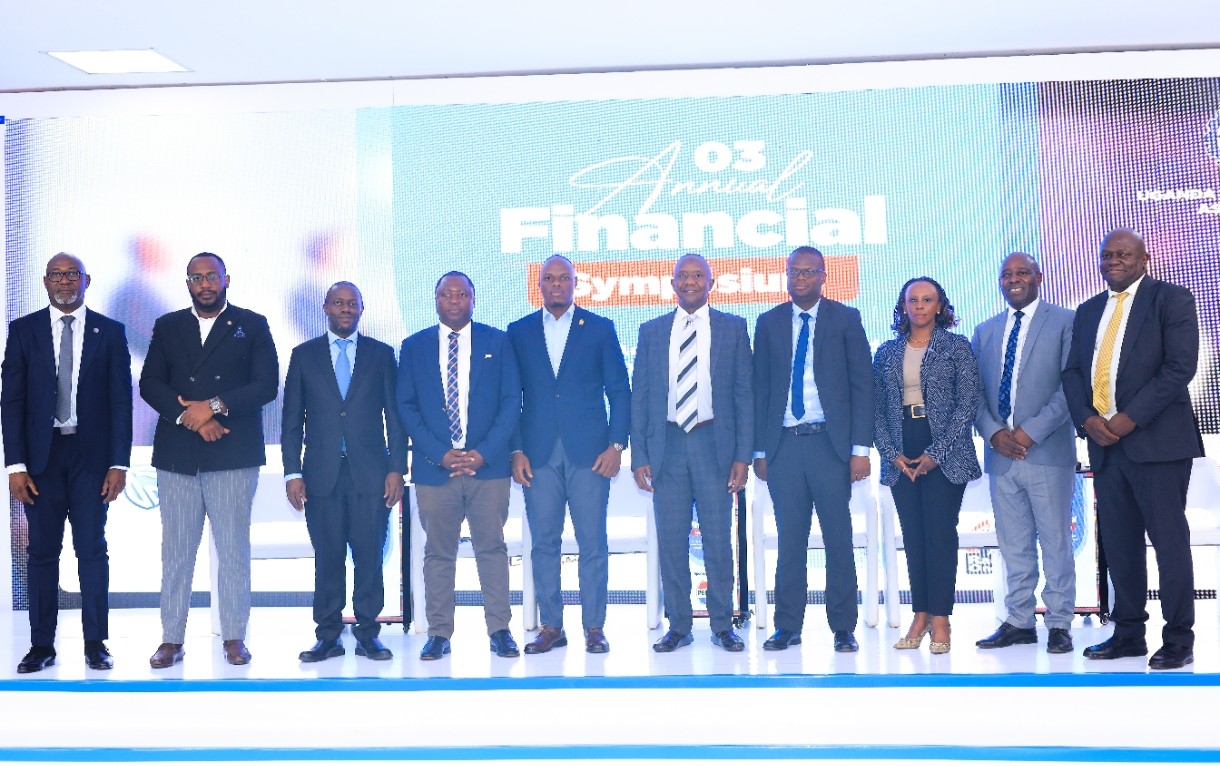
Kampala: Diamond Trust Bank (DTB) Uganda has reaffirmed its commitment to expanding affordable, long-term financing for manufacturers, saying improved access to patient capital will be critical if Uganda is to achieve its ambitious tenfold economic growth agenda and transform into a US$500 billion economy by 2040. The commitment was announced during the 3rd Annual Uganda Manufacturers Association (UMA) Financial Symposium, held under the theme, “Harnessing Advanced Financial Models to Achieve Tenfold Growth under the NDP IV Agenda,” which brought together government leaders, manufacturers, financial institutions, regulators and development partners to explore financing solutions that can accelerate Uganda’s industrial transformation.
Uganda’s manufacturing sector remains one of the country’s strongest economic pillars, contributing 16.5 per cent of Gross Domestic Product and 30.7 per cent of domestic tax revenue, while supporting millions of livelihoods across agricultural, industrial and service value chains. However, despite its significant contribution to the economy, only 22.9 per cent of manufacturing small and medium-sized enterprises (SMEs) currently have access to formal financing, limiting investment, expansion and competitiveness.

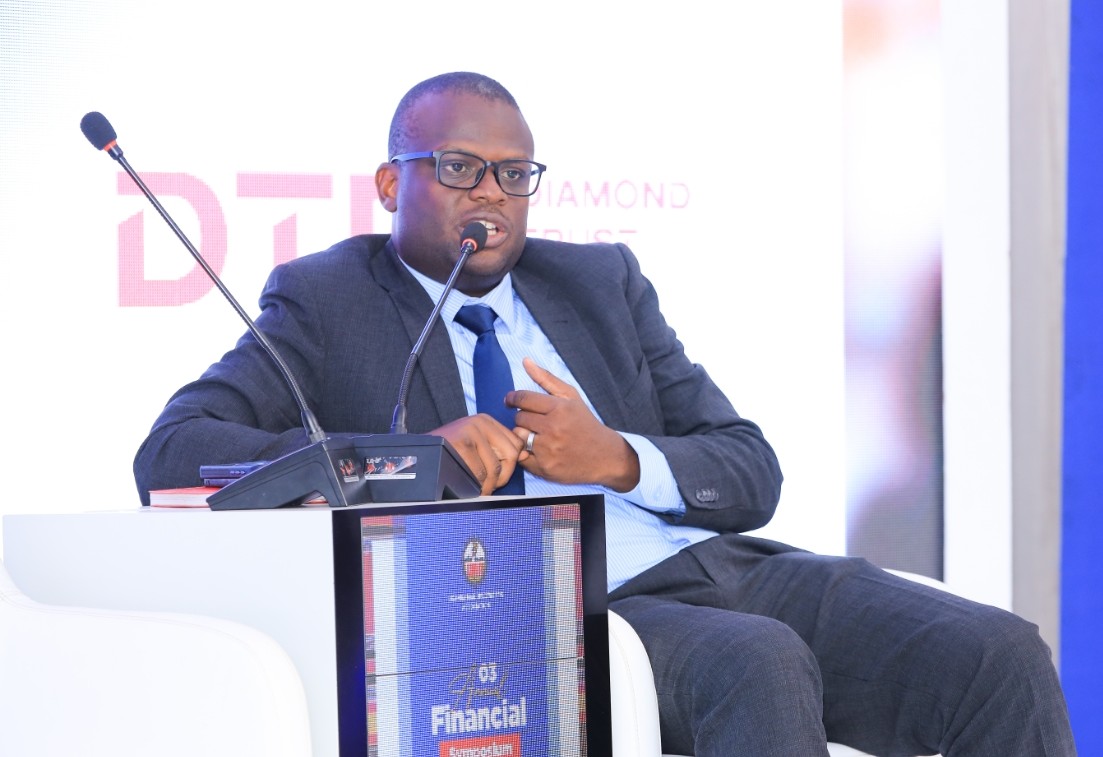
Speaking at the symposium, Douglas Damba, Head Business Banking, DTB Bank Uganda said bridging this financing gap will require financial institutions to move beyond conventional lending and become long-term partners in Uganda’s industrial transformation.”Uganda’s economic growth agenda cannot be achieved through short-term financing alone. Manufacturers, agribusinesses and growth-oriented enterprises need access to structured capital, asset financing, trade finance and investment products that enable expansion, improve productivity and accelerate value addition,” Damba said.

He noted that as Uganda works towards growing its economy from approximately US$50 billion to US$500 billion by 2040, the financial sector must provide financing models that reflect the realities of industrial investment, including longer financing tenures, equipment financing, trade finance, supply chain financing and working capital solutions that enable businesses to scale production and compete in regional and international markets. “Manufacturing remains one of the strongest drivers of employment, exports and domestic value creation. Every factory expansion, every new processing plant and every investment in productive capacity creates jobs, strengthens local supply chains and contributes to national growth. Our role is to provide financing solutions that unlock that productive potential,” he added.
Damba said DTB Uganda will continue expanding financing solutions across the manufacturing value chain through capital investment financing, equipment acquisition, trade finance, supply chain financing, working capital facilities and SME growth financing, positioning the bank as a long-term partner in enterprise growth and industrial development. Welcoming DTB Uganda’s continued partnership with the manufacturing sector, Uganda Manufacturers Association Chairperson, Aga Sekalala Jr., said unlocking affordable and long-term financing remains one of the biggest enablers of industrial growth.

“Uganda’s manufacturers have the ambition, capacity and determination to drive the country’s industrial transformation, but access to affordable, long-term financing remains one of the biggest barriers to unlocking that potential. We value partnerships with financial institutions like DTB Uganda that understand the realities of manufacturing and are developing financial solutions tailored to the needs of industry. Achieving Uganda’s tenfold growth ambition will require stronger collaboration between manufacturers, banks, government and development partners to unlock investment, accelerate value addition, expand exports and create more jobs for Ugandans.”
The Minister of State for Trade, Industry and Cooperatives and Guest of Honour, David Bahati, called on commercial banks to lower lending rates for manufacturers, saying the high cost of credit continues to hinder industrial growth. “The internal rate of return for manufacturers stands between eight percent and 12 percent, but the cost of capital remains much higher. On average, interest rates are between 18 percent and 24 percent,” Bahati said. He added, the high cost of borrowing limits investment and business expansion, noting that “Borrowing money for manufacturing at 18 percent or 20 percent and expecting to break even and make profits within five years is almost impossible.”
Bahati urged banks to develop financing products tailored to manufacturers, describing the sector as organised and bankable.Bahati also highlighted government efforts to improve access to long-term financing through increased investment in the Uganda Development Bank and ongoing financial sector reforms, including the introduction of Islamic banking regulations.
As Uganda advances its industrialisation agenda under the National Development Plan IV, DTB Uganda reaffirmed its commitment to working alongside the Uganda Manufacturers Association, government and development partners to develop innovative financial solutions that expand access to affordable financing, strengthen industrial competitiveness and position finance as a catalyst for Uganda’s long-term economic transformation.