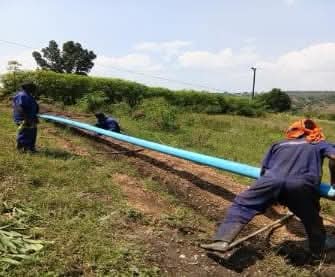
Sironko District Woman MP Hon. Mafabi Asha Nabulo, in partnership with One Ummah Uganda, has launched five newly constructed boreholes in communities affected by persistent water shortages, in an intervention expected to ease the burden on residents, particularly women and girls.
The new water sources have been established in Bunabonyo and Buwasa Sub-county, as well as Kidowa in Nalusaala, Nabudisirua “A”, Dahami and Bunagawoya in Busulani Sub-county.

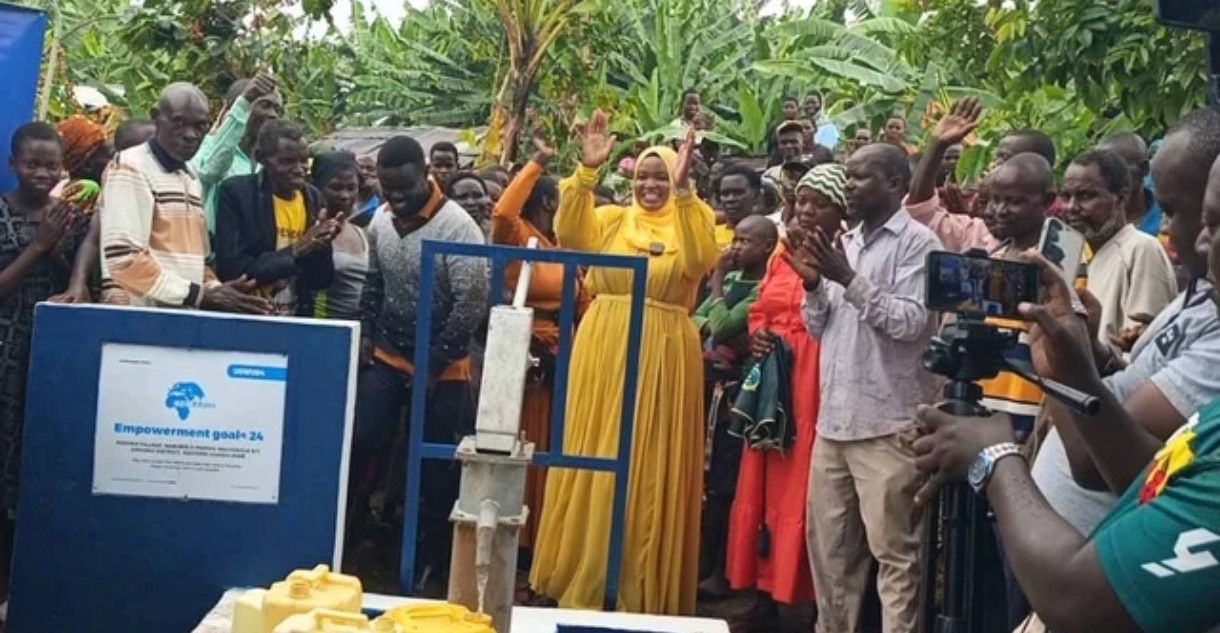
Residents in the beneficiary communities have for years travelled long distances in search of safe water, a burden that has disproportionately affected women and adolescent girls who are traditionally responsible for fetching water for their households.

Speaking during the launch of the boreholes, residents said the lack of nearby water sources had exposed women and girls to a range of risks as they walked long distances to collect water.
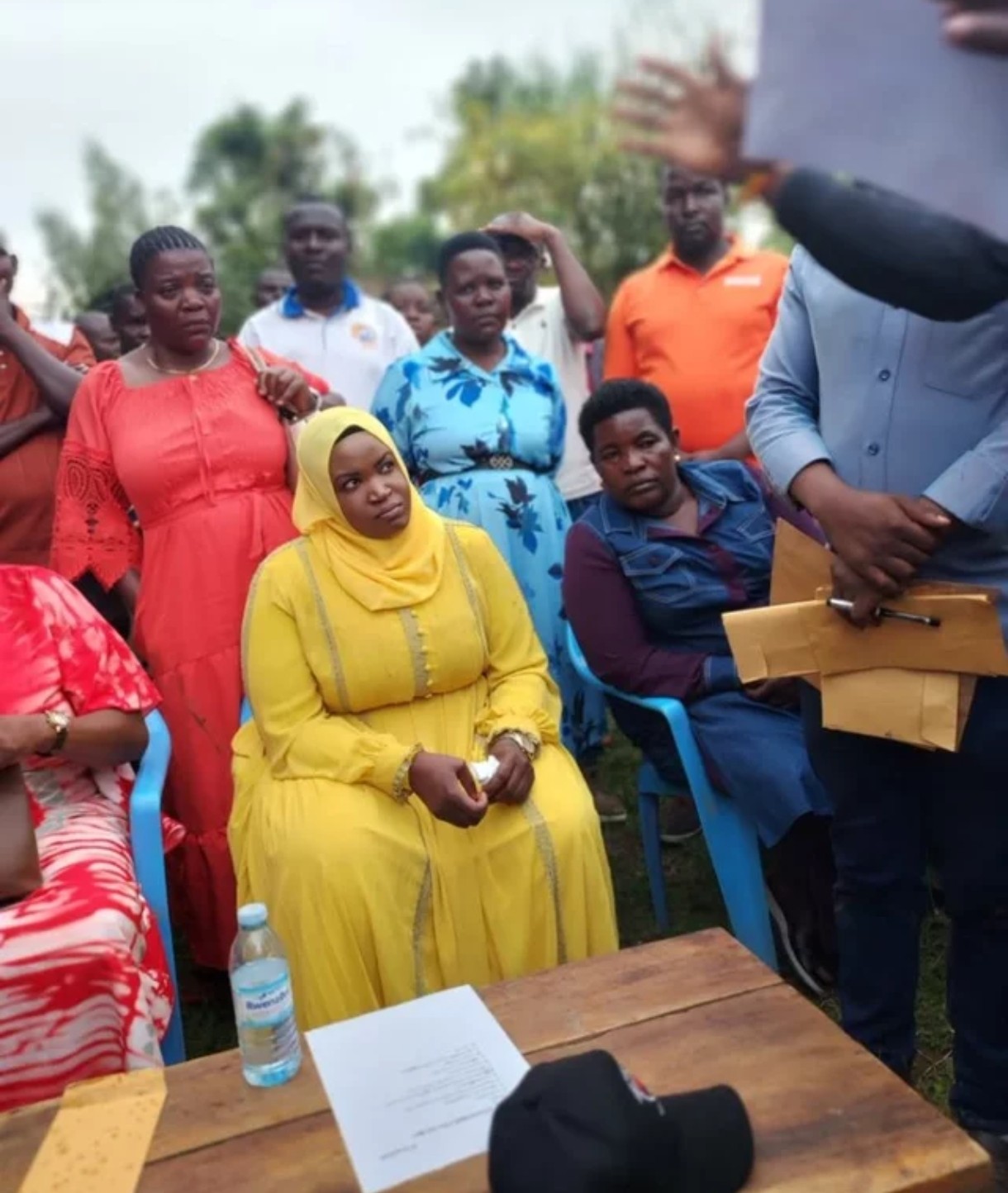
Irene Nabende, the women’s chairperson of Bunabonyo Village, said women and girls had previously been forced to walk long distances to access water, exposing them to sexual violence, including defilement and rape.

She said the situation had also contributed to teenage pregnancies and school dropouts among girls.
“We thank Hon. Mafabi Asha because now we have water near us and we hope this will solve the problem,” Ms Nabende said.
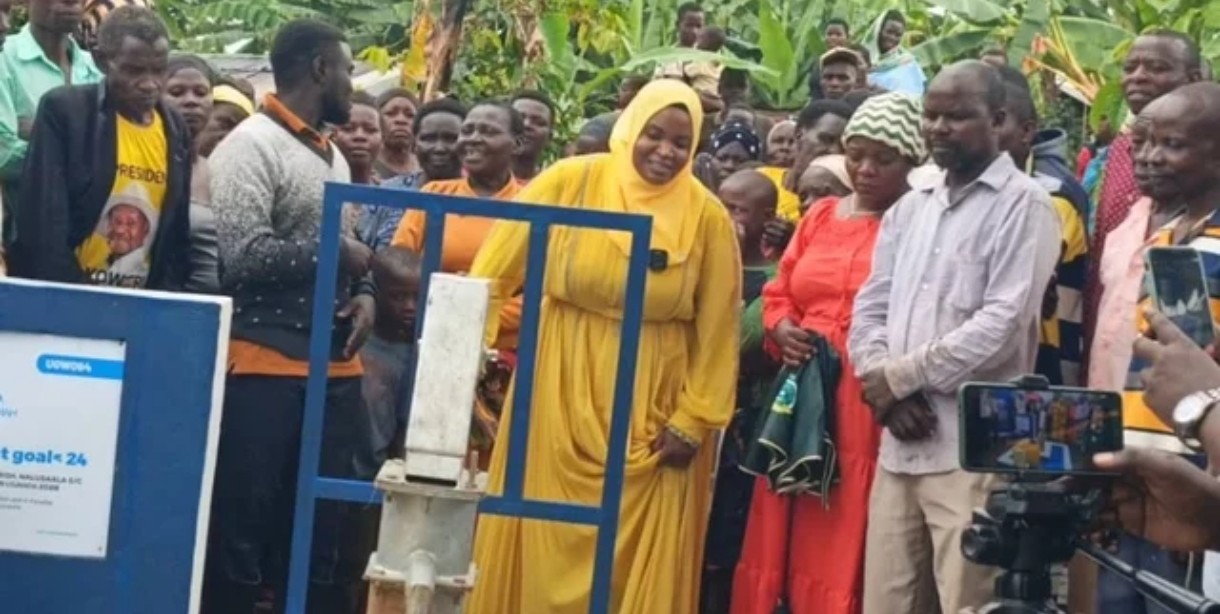
Peresi Mukwana, a resident of Bunagawoya, thanked Hon. Mafabi and her partners for intervening, saying the community had endured significant difficulties because of the lack of reliable access to water.
The Sironko District LCV chairman, Alex Guga Nabende, said water scarcity remained one of the major challenges facing the district, despite efforts by the local government and other stakeholders to improve access to safe water.
He commended Hon. Mafabi and One Ummah Uganda for supporting communities with new water sources and appealed to other development partners to support the district with additional water projects.
“The water challenge is still big in Sironko. We appreciate the support that has been given, but more interventions are needed to ensure that communities have access to safe and clean water,” Mr Nabende said.
Hon. Mafabi Asha said the water crisis, particularly in densely populated communities, required concerted efforts from elected leaders, local authorities, development partners and other stakeholders.
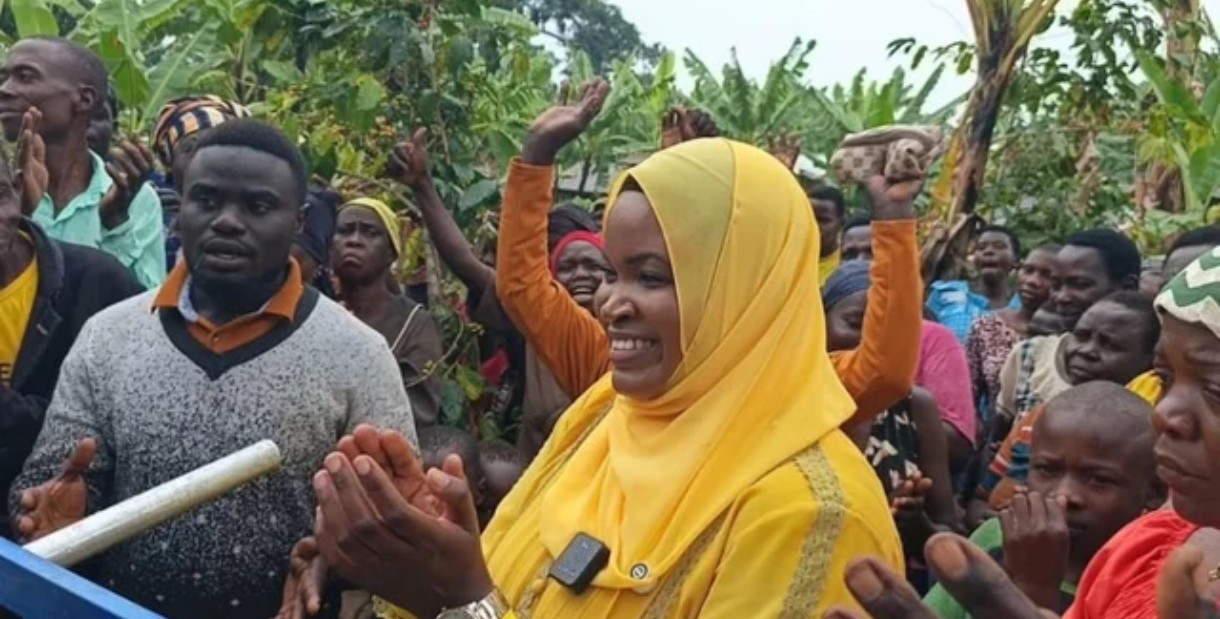
She said she would continue lobbying for development interventions aimed at improving access to essential services in communities across the district.
She expressed appreciation to One Ummah Uganda for supporting the communities with boreholes and other forms of assistance in the past, saying development should be measured by the tangible impact leaders leave in the communities they serve.
“A good leader must have something to leave behind for the people,” she said.
She said elected leaders should regularly engage with their constituents to understand the challenges affecting them and lobby for practical solutions.
“To know your people’s problems, you have to go out and lobby for solutions. The wars of politics are over, and now we are focusing on development,” Hon. Mafabi said.
She urged residents to work through their local leaders to document and submit the challenges affecting their communities so that they can be addressed progressively.
The MP said her approach to leadership was focused on delivering on the commitments made to voters rather than waiting for election periods to respond to community needs.
“After five years, there will be no need for campaigning. I will simply come back to ask for your vote for a second term because I will have worked and delivered on the pledges I made,” she said.
The boreholes are expected to reduce the distance residents travel to collect water, improve access to safe water and ease the burden on households.
For women and girls, the intervention could also reduce the amount of time spent searching for water and, consequently, minimise their exposure to risks associated with travelling long distances to isolated water sources.
The intervention comes amid continued calls for increased investment in rural water infrastructure to ensure that communities have reliable access to safe and clean water.