


For many Ugandans, a trip to the local health center offers hope—for relief, treatment, and sometimes even survival. Yet when essential medicines are unavailable, that hope can give way to uncertainty.
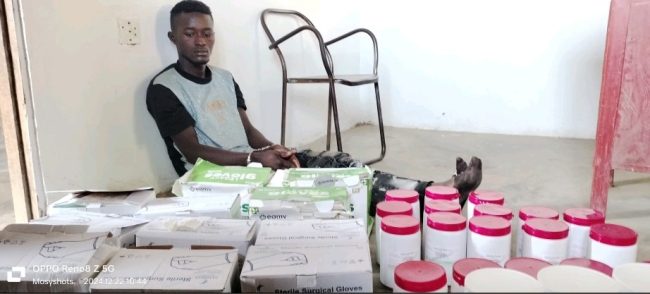
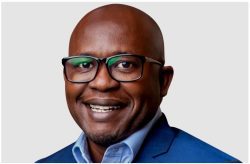
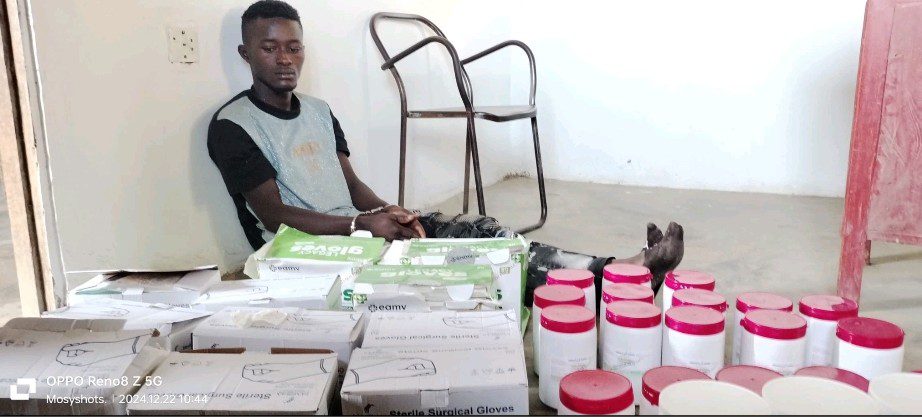
Uganda’s National Medical Stores (NMS) continues to deliver a wide range of medicines and supplies—like antimalarials, antibiotics, and Mama Kits—to thousands of public health facilities. However, some of these medicines go missing after delivery. Kenneth Amuriat, a local leader in Kolir trading centre, Bukedea district, eastern Uganda, “when medicines are not available, patients must look for alternatives, often turning to private pharmacies.” He adds: “For lower-income households, these unexpected costs strain already tight budgets.”

“I had to buy antibiotics for my child from a private chemist when the health center had none,” says Janet Nakato, a mother of four in Iganga. “It cost Shs 12,000, which I hadn’t planned for.”

Up to 40% of household health spending in Uganda goes toward medicines. When government-supplied drugs are inaccessible, families bear the cost.
Hidden Health Effects

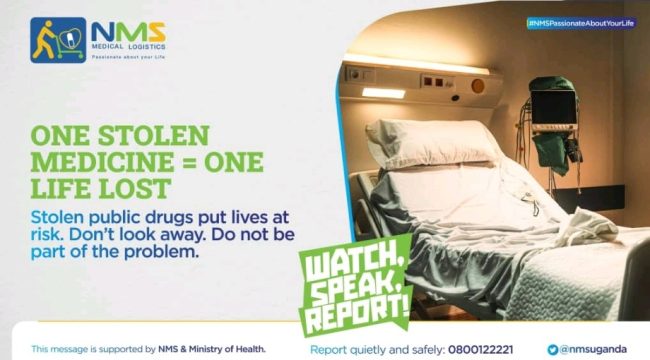
Gaps in availability can lead to treatment delays or interruptions, particularly for chronic conditions like HIV and TB. This increases the risk of complications and, over time, undermines long-term treatment outcomes. Inconsistencies also place extra pressure on regional hospitals, which absorb patients who would otherwise be treated at lower-level facilities. Trust is central to healthcare. Repeated shortages—whether from theft or increased patient demand—can erode public confidence in government services.
However, many communities are finding ways to respond. Local health committees, whistleblowers, and even youth groups have helped flag irregularities and restore accountability, a practice Ugandans need to uphold. Medicine theft is not unique to Uganda, nor is it insurmountable.
Engaging local leaders, and reporting pilferage are some of the steps Ugandans can take. With that spirit, and the right collaboration, it’s possible to build a health system where medicines not only reach the shelves—but the people they are meant to heal.