


Over the past decade, coffee tourism in Uganda has evolved from a niche idea into a strategic way to connect coffee production with tourism, offering visitors a true farm-to cup journey.
According to the Uganda Tourism Board, coffee tourism is about: “Bringing consumers to the farms and ensuring they have all
the amenities they need in terms of transport, accommodations and on-farm experiences will encourage incremental earnings as
farmers and those in the hospitality and tourism industries gain prominence due to global exposure”

On my recent mission to Uganda in February 2025, I took a three-day trip to experience how coffee tourism brings together farmers, visitors, and the hospitality sector in a way that is both engaging and economically important.
This journey showcases only a small portion of Uganda’s coffee tourism potential. It focuses on a selection of experiences that can be enjoyed over two to three days between Mbale and Kapchorwa, while the country offers many more opportunities for coffee-related tourism beyond this route.

Mbale: A City at the Centre of Coffee Trade
Mbale emerged as one of Uganda’s main Arabica coffee trading hubs in the early 20th
century, thanks to its strategic location at the foothills of Mount Elgon. The city serves as the
commercial gateway for the renowned Bugisu Arabica coffee, which is grown by thousands
of smallholder farmers on the fertile volcanic slopes of the mountain at elevations ranging
from approximately 1,200 to over 2,000 metres.
Over the years, Mbale has developed into an important centre for coffee aggregation,
processing, quality control, and export. Numerous traders, cooperatives, processors, and exporters operate in and around the city, linking coffee-growing communities to regional and international markets. Today, coffee remains one of the region’s most important economic activities and a key source of income for farming households across the Mount Elgon area.

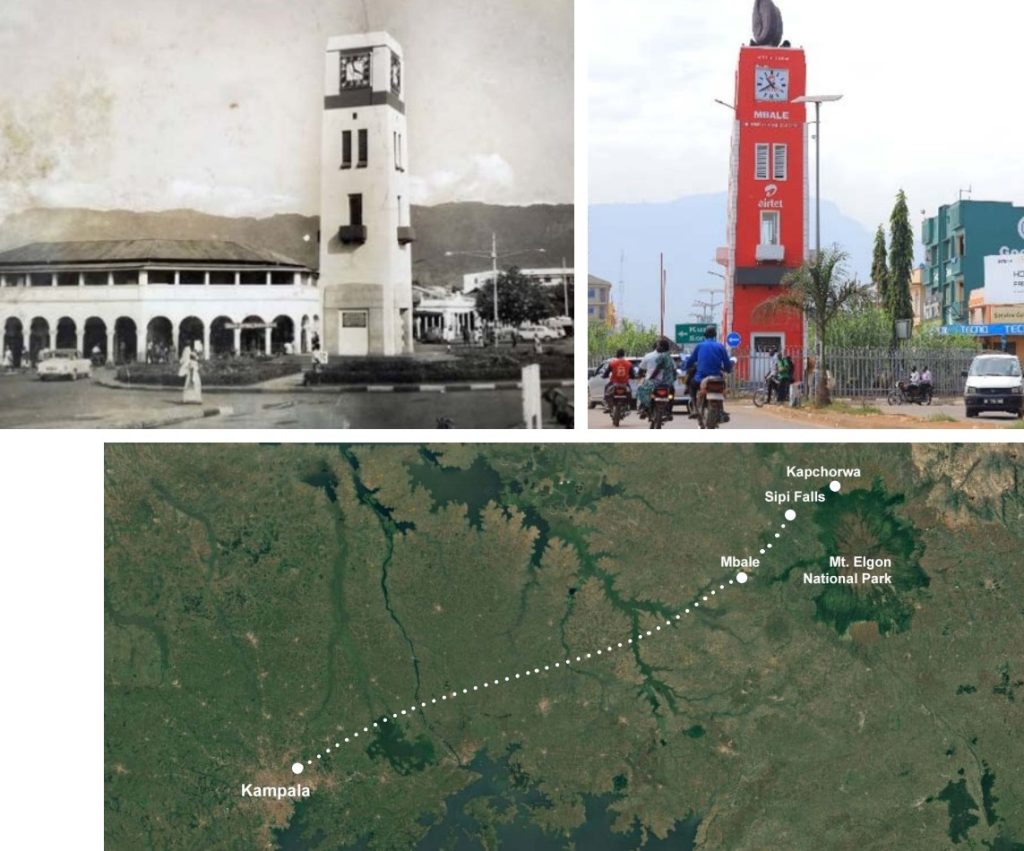
A coffee bean was added to the Mbale clock tower in 2022 to highlight the importance of
coffee in the region.
Home of Friends Guesthouse in Kapchorwa
Our next stop was Home of Friends Guesthouse in Kapchorwa, where we stayed during our visit. It is a place whose name perfectly reflects the spirit of the town. In the local Kupsabiny language, Kapchorwa means “Home of Friends,” a name inspired by the welcoming and hospitable nature of
the Sabiny people who live in the region.
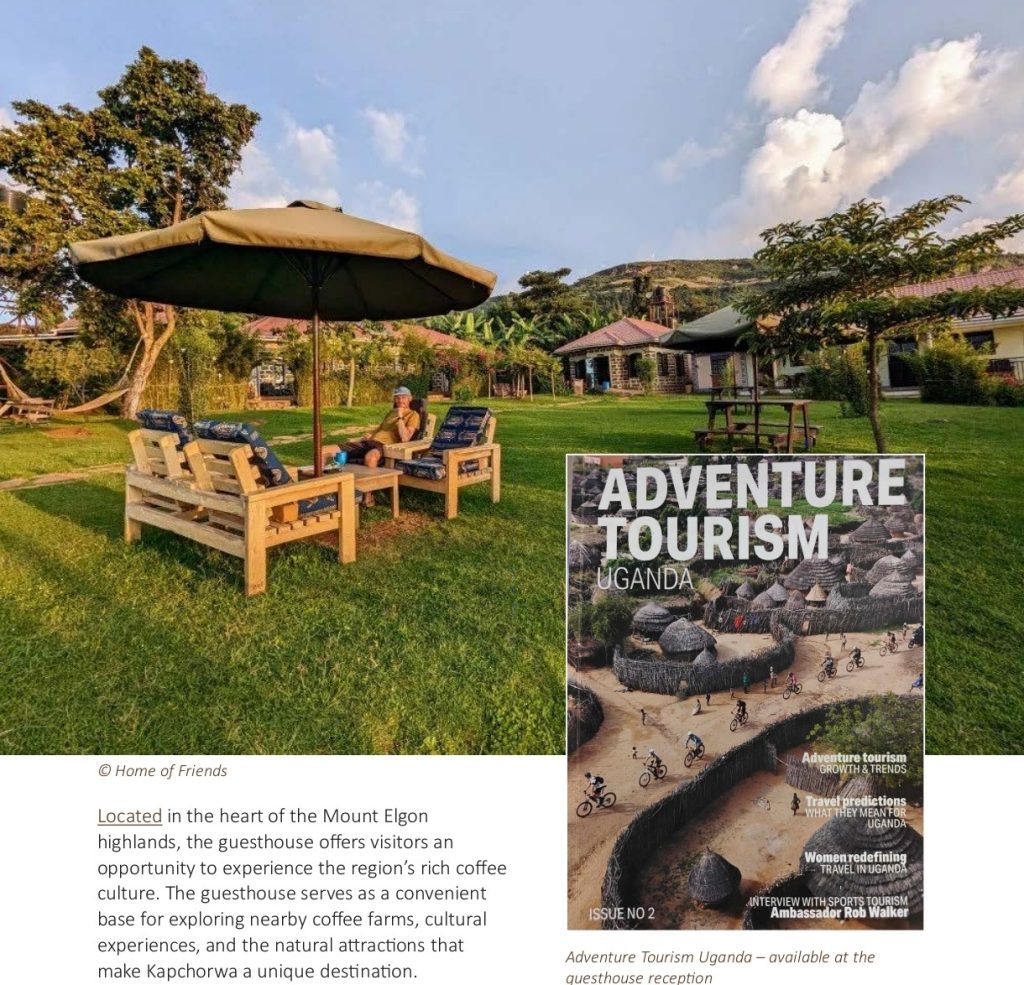
Located in the heart of the Mount Elgon
highlands, the guesthouse offers visitors an
opportunity to experience the region’s rich coffee culture. The guesthouse serves as a convenient base for exploring nearby coffee farms, cultural experiences, and the natural attractions that make Kapchorwa a unique destination.
Bros Coffee: Community-Driven Coffee and Tourism
Royal Coffee in Kapchorwa is a welcoming café run by Dison Kareng. His vision is to create a space where visitors can enjoy coffee directly at the source while also visiting nearby farms and learning more about coffee production. The café is part of a broader tourism offer that combines hospitality, education, and agribusiness.
Dison Kareng is also the director of Bros Coffee Uganda Limited, a specialty coffee producer and exporter with a strong focus on farmer support, quality improvement, and coffee tourism. The company produces high-quality Arabica coffee scoring up to 86 points and works with more than 510 farmers across Kapchorwa, Kween, Bukwo, and Upper Bulambuli.
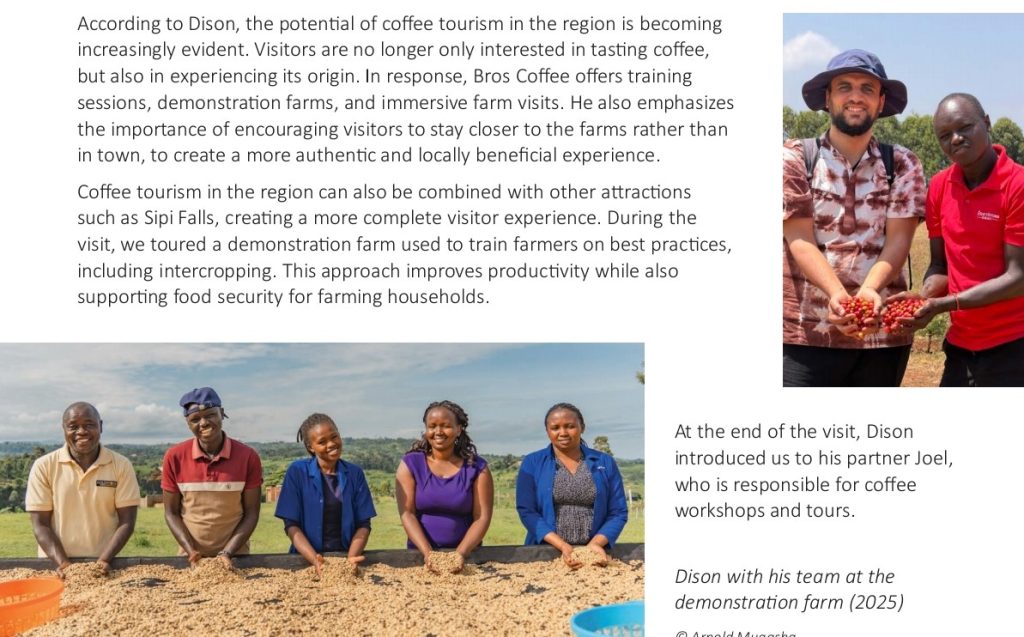
According to Dison, the potential of coffee tourism in the region is becoming
increasingly evident. Visitors are no longer only interested in tasting coffee, but also in experiencing its origin. In response, Bros Coffee offers training sessions, demonstration farms, and immersive farm visits. He also emphasizes the importance of encouraging visitors to stay closer to the farms rather than
in town, to create a more authentic and locally beneficial experience.
Coffee tourism in the region can also be combined with other attractions
such as Sipi Falls, creating a more complete visitor experience. During the visit, we toured a demonstration farm used to train farmers on best practices, including intercropping. This approach improves productivity while also supporting food security for farming households.
At the end of the visit, Dison introduced us to his partner Joel, who is responsible for coffee workshops and tours.
Coffee Workshop: A Rich Exchange with Joel Kaburu
Joel Kaburu is a coffee tourism specialist and founder of Uganda Coffee Tours. The workshop provided valuable insight into how coffee tourism is developing in Uganda and the different types of bvisitors it attracts.
According to Joel, coffee tourists generally fall into four main categories:
•Those seeking learning and new experiential discoveries
•Those interested in traceability and the story behind their cup of coffee
•Researchers working with universities and research institutions
•Travel agents looking to diversify their tourism offerings
Visitors from Australia, Germany, Japan,
Colombia, Poland, and many other
countries help enrich the experience and
share their appreciation.
One of the key strengths of coffee tourism lies in its ability to communicate the full coffee journey, from farm to cup. Joel emphasized that while farmers spend the majority of their time on production, they often capture only a small share of the final value, making value addition, storytelling, and direct experiences increasingly important.
He also highlighted broader challenges in the sector, including input costs such as fertilizers and the importance of promoting more sustainable and eco-friendly farming practices.
From a market perspective, he explained that different processing methods often align with different consumer preferences: washed coffees are widely appreciated in North
America, natural coffees are often favored in parts of Asia, while honey-processed coffees tend to be associated with more complex flavor profiles valued in certain European specialty markets.
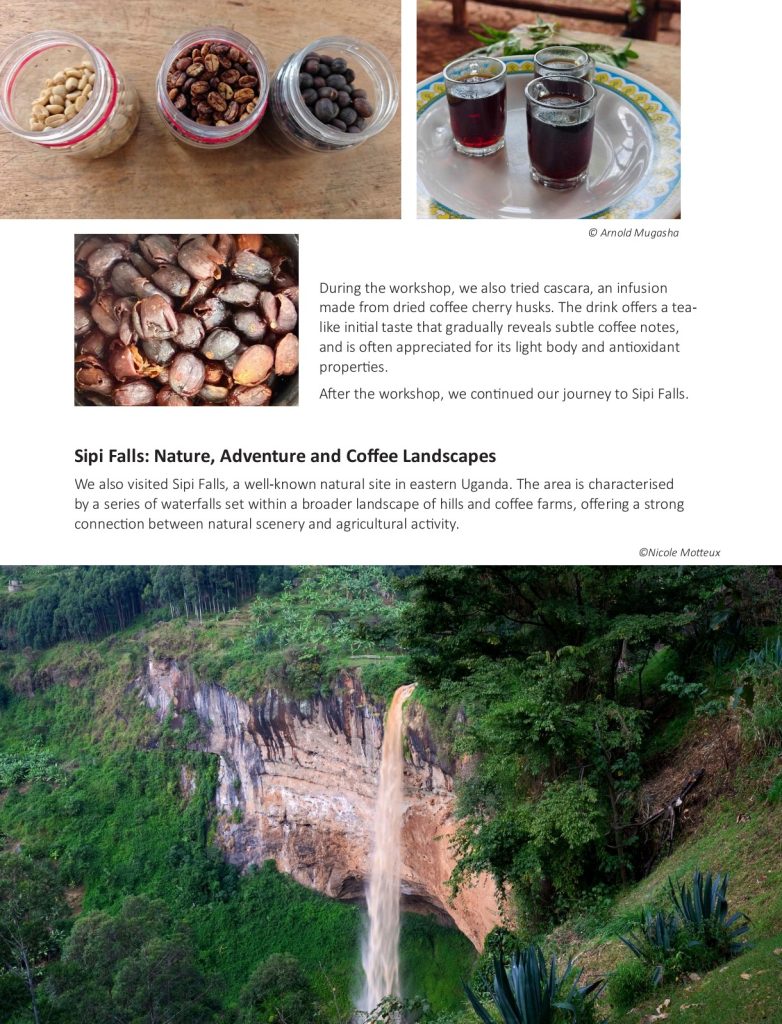
Joel also shared insights into local processing traditions, including Kiboko coffee, a traditional sun-dried Arabica processing method where freshly harvested cherries are dried with with the pulp still intact. During the workshop, we also tried cascara, an infusion made from dried coffee cherry husks. The drink offers a tea like initial taste that gradually reveals subtle coffee notes, and is often appreciated for its light body and antioxidant properties.
After the workshop, we continued our journey to Sipi Falls.
Sipi Falls: Nature, Adventure and Coffee Landscapes
We also visited Sipi Falls, a well-known natural site in eastern Uganda. The area is characterised by a series of waterfalls set within a broader landscape of hills and coffee farms, offering a strong connection between natural scenery and agricultural activity.
During our visit, we walked through the area and took in views of the waterfalls, surrounding hills, and coffee-growing landscapes. The setting offered a clear illustration of how coffee production is woven into the region’s geography and daily life.
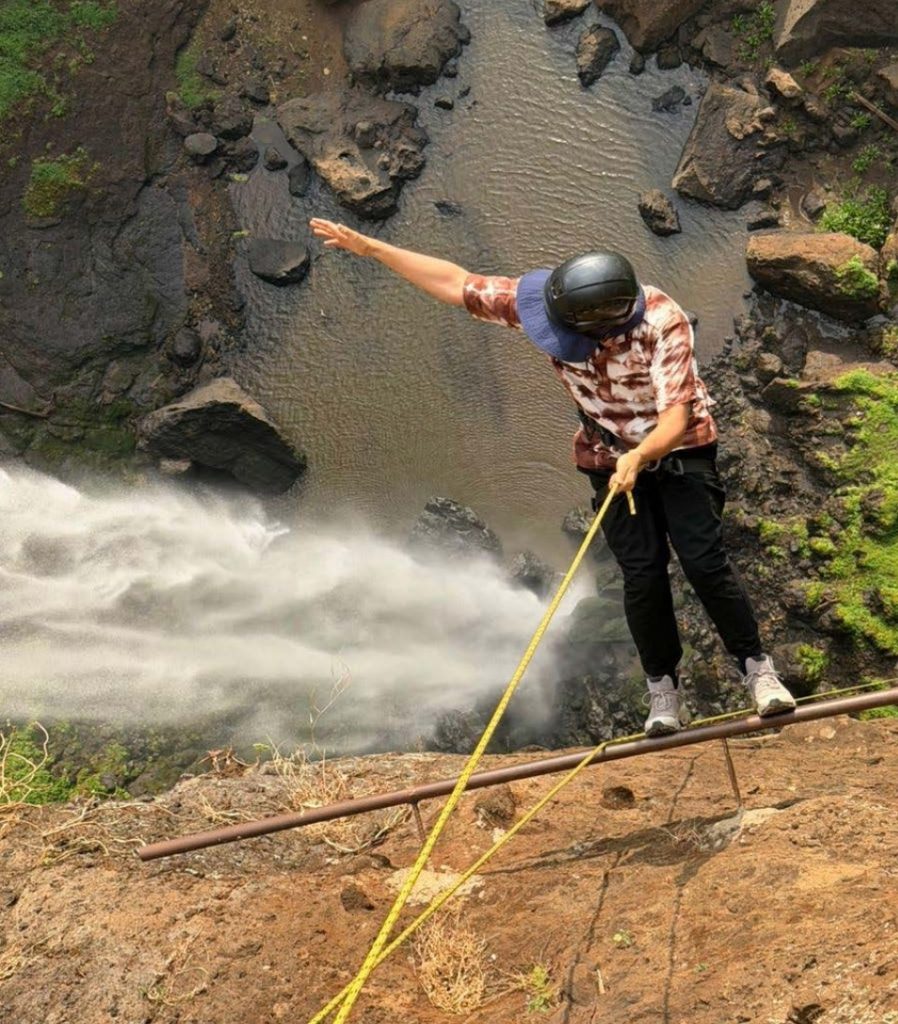
For adrenaline seekers like me, one of the highlights was the chance to abseil down Sipi Falls. After putting on the gear and approaching the edge of the drop, the thrill quickly set in. The combination of scenery, fresh air, and adventure made the experience both engaging and memorable.
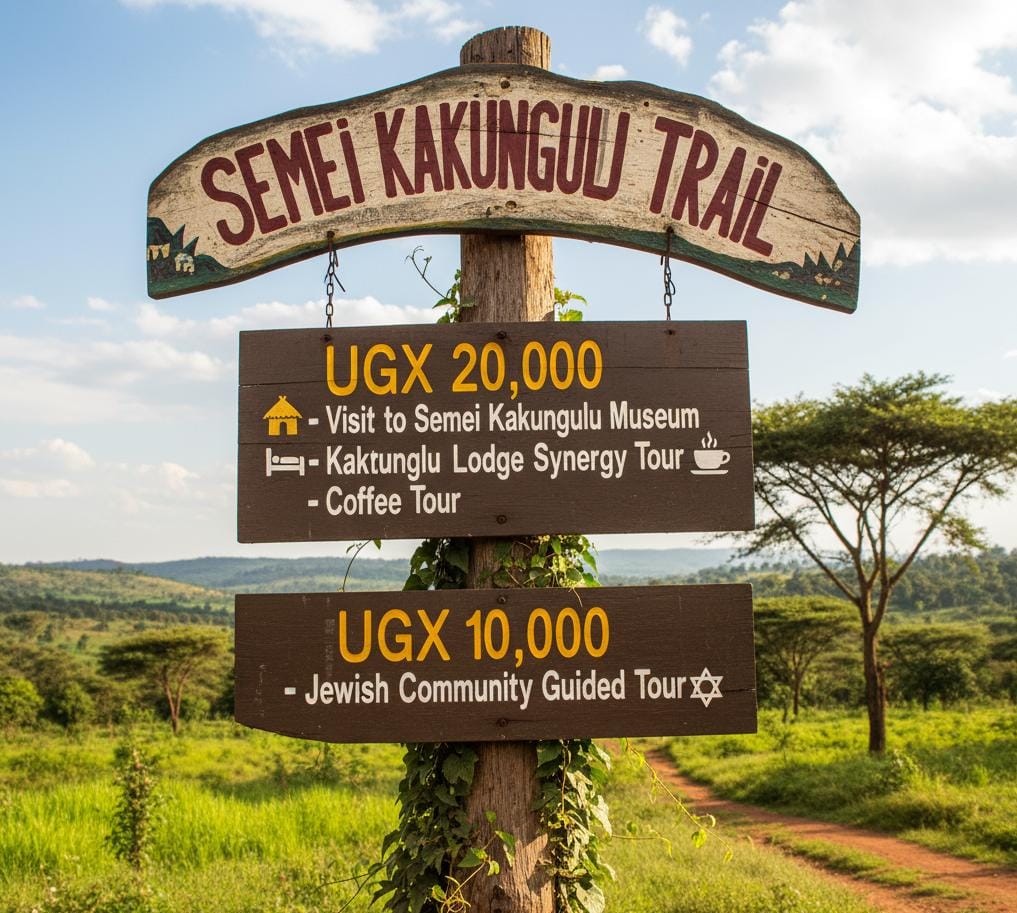
Semei Kakungulu Museum: Leadership, Legacy and Faith
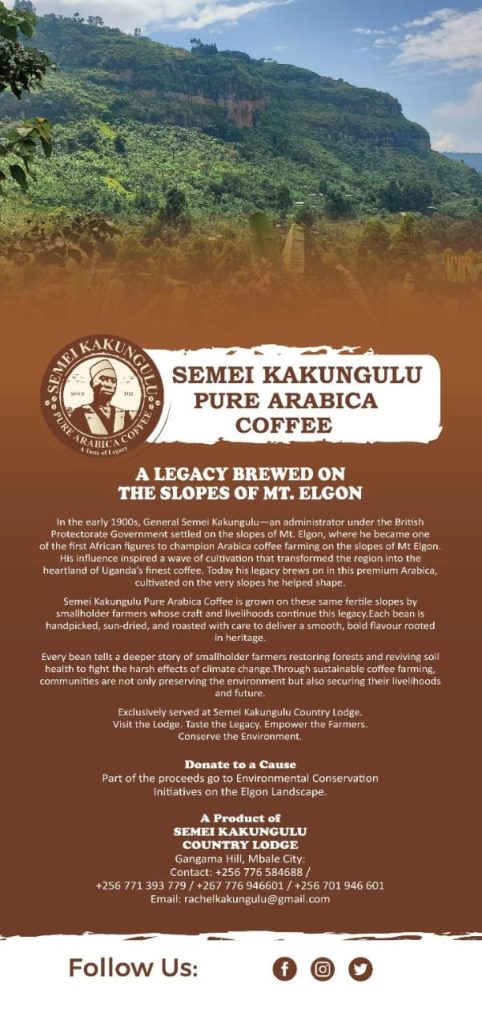
We also visited the Semei Kakungulu Museum, a place that offers a deeper understanding of one of Uganda’s most influential historical figures. Semei Kakungulu played an important role during the colonial period, working with the British while also shaping local leadership and administration in eastern Uganda. His legacy is tied to questions of power, identity, and adaptation during a transformative period in the country’s history.
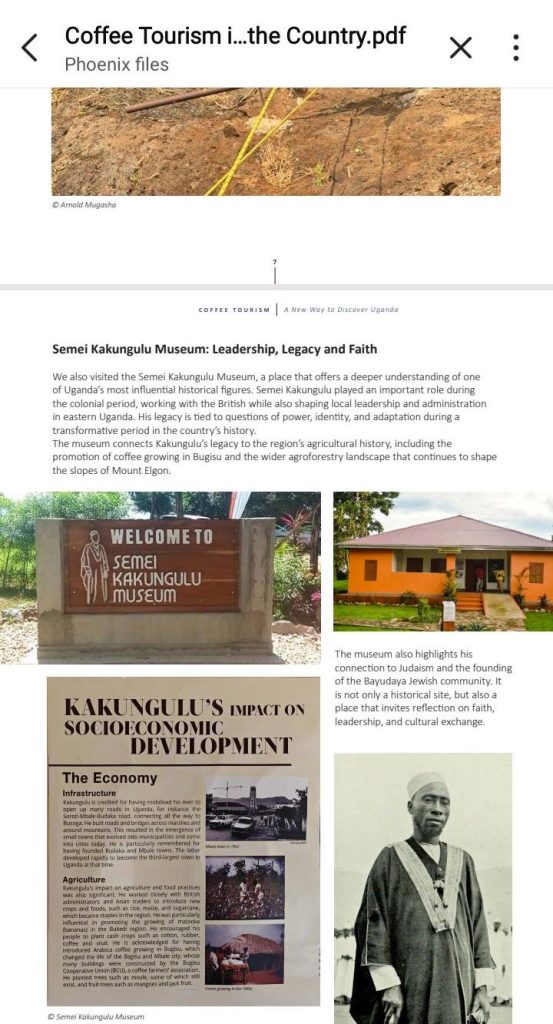
The museum connects Kakungulu’s legacy to the region’s agricultural history, including the
promotion of coffee growing in Bugisu and the wider agroforestry landscape that continues to shape the slopes of Mount Elgon.
The museum also highlights his
connection to Judaism and the founding
of the Bayudaya Jewish community. It
is not only a historical site, but also a
place that invites reflection on faith,
leadership, and cultural exchange.
Conclusion
What struck me most during the journey through Mbale and Kapchorwa was how naturally coffee tourism fits into Uganda’s
broader story. It does not require inventing something new — it simply invites visitors to slow down, connect with the source, and appreciate the journey behind each cup of coffee.
For travellers willing to trade the usual itinerary for something more grounded, Uganda offers a genuine farm-to-cup experience that benefits everyone involved.
The coffee is already world-class. The welcome is already there. All that remains is for more people to come and see it for themselves.
This case study was developed by:
Author: Abdelbasset Boulelouah
Photographers: Arnold Mugasha, Nicole Motteux
Graphic Designer: Adrian Medel Aceiro.