Category: Features

  • Happiness: Why Joy, Forgiveness, Good Relationships And Enjoying The Journey Are Medicine

    Happiness: Why Joy, Forgiveness, Good Relationships And Enjoying The Journey Are Medicine

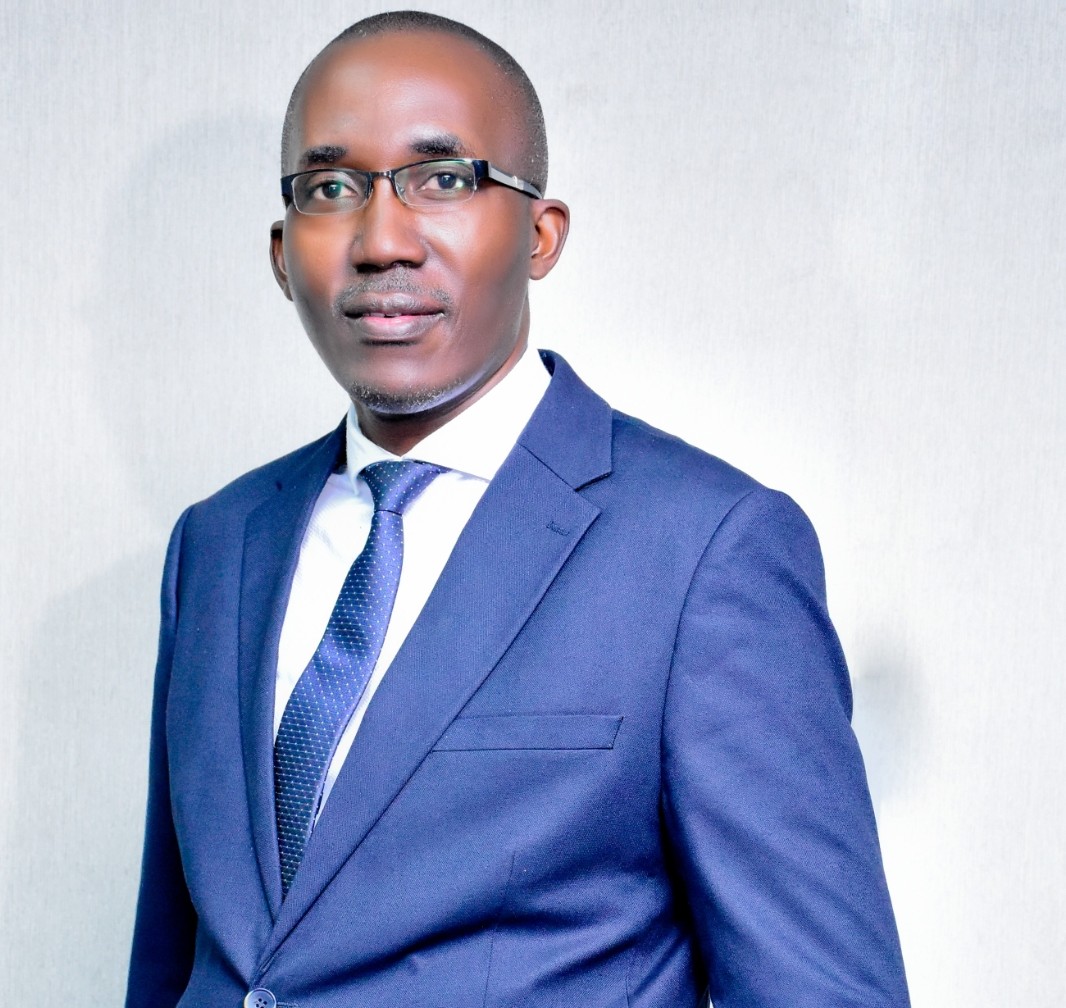
    By Michael Jjingo

    We spend enormous amounts of money trying to add years to our lives, yet sometimes forget to add life to our years. We watch our diets, exercise, check our blood pressure and take medication, but there is another dimension of health we sometimes underestimate: happiness. Happiness is not a cure for serious diseases and it should never replace medical treatment. But science increasingly recognises the powerful relationship between emotional well-being, stress, relationships and physical health. As Robert Waldinger and Marc Schulz remind us in The Good Life, good relationships are among the strongest foundations of a healthy and fulfilling life.

    Build a happiness schedule. We schedule meetings, medical appointments, budgets and business reviews. Why not schedule happiness? Put laughter on the calendar. Schedule time with family and friends. Take a walk, listen to music, read, travel, pray, exercise, watch something genuinely funny, sit quietly, have a meal without checking the phone. And yes, allow yourself some private laughter, those moments when you remember something funny, laugh at yourself, dance when nobody is watching or simply enjoy your own company. Happiness should not always be an accidental by-product of life. It should be deliberately designed into it. Remove the unnecessary emotional baggage. Some people bring sunshine into our lives; others bring permanent weather warnings. Learning to distance ourselves from toxic relationships, destructive environments and relentless negativity is an act of self-care. We cannot control everyone around us, but we can decide how much access they have to our pace.Then there are grudges. Anger is sometimes like drinking poison and hoping somebody else becomes sick. Forgiveness does not excuse wrongdoing; it frees us from continuously carrying its emotional weight, and puts us in a better place.

    Bessel van der Kolk’s The Body Keeps the Score reminds us of the profound connection between psychological experiences and the body. What continually troubles the mind can eventually affect the body, and certainly crystallizing into health issues. Celebrate the journey. We are often so focused on the next target that we forget to celebrate the one we have just achieved. Celebrate the graduation. The promotion. The successful project. The new customer. The recovery. The anniversary. The small personal victory nobody else noticed. Celebration is not vanity. It is gratitude for progress.And when things go wrong, resist turning failure into a permanent identity. A failed project is not a failed person. A rejection is not a verdict on your future. Ask instead: “What is this teaching me?”
    Every disappointment can carry information. Every mistake can improve judgement. Every setback can strengthen resilience. Happiness is also ESG. Perhaps we can look at happiness through an unusual ESG lens: E – Enjoy your environment: notice nature, beauty, music, food, travel and the simple pleasures around you. S – Strengthen social connections: family, friendship, community, service and belonging. G – Govern yourself: manage anger, stress, time, money, habits and relationships with wisdom. Shawn Achor’s The Happiness Advantage makes a compelling case that happiness is not merely the reward for success; it can actually improve resilience, creativity, engagement and performance. That is an important lesson for organisations too. A healthy workplace is not simply one with good salaries and policies. It is one where people feel respected, trusted, recognised and able to laugh.Enjoy life, but intelligently. Governments are increasingly recognising wellbeing as part of development. The UAE created a Minister of State for Happiness and Wellbeing, while Bhutan has famously promoted Gross National Happiness. Japan has pursued policies around wellbeing and social connection. Even Uganda continues to debate how much freedom citizens should have to enjoy themselves, including the interesting national conversation around alcohol and bar opening hours. But enjoyment is not the same as excess. Happiness should not depend on a bottle, a bank balance or constant entertainment.

    In conclusion, the deeper prescription is simpler: Laugh more. Forgive faster. Celebrate often. Love deeply. Walk away from toxicity. Learn from failure. Spend time with people who matter. Protect your peace. Make time for yourself. And deliberately schedule moments of joy. Because the ultimate purpose of health is not merely to live longer. It is to live better, and to have something worth smiling about while we are here.

    The writer is the General Manager, Commercial Banking at Centenary Bank.

  • Spinners Season 2 accelerates onto Pearl Magic Prime this October

    Spinners Season 2 accelerates onto Pearl Magic Prime this October

    Following a critically acclaimed first season, Spinners returns for a second season, bringing more action, higher stakes and a brand-new broadcast home on Pearl Magic Prime. Season 2 puts the pedal to the metal as the stakes get higher and the players become more dangerous – introducing new locations, new cast members, new enemies and fresh challenges. Beyond the adrenaline-fuelled world of spinning culture, the new season explores the price of power, the cycle of violence and the lingering impact of grief.

    Set to premiere on Pearl Magic Prime on 25 October 2026 at 22:00, the eight-episode drama series sees the return of lead character Ethan (Cantona James), who leaves the Cape Flats in the Western Cape of South Africa behind and settles into his new life as a rising spinning star in the city of Johannesburg, South Africa.

    Alongside friends Trevor (Braedon Buys), Shane (Dillon Windvogel), Angelo (Nahum Hughes), and his love interest Amber (Chelsea Thomas), Ethan finds himself navigating a world filled with opportunity, ambition and danger. Having ended Season 1 on a high note and now embarking on a highly anticipated second season, Cantona James says one of the most rewarding aspects of working on the series has been filming in communities that reflect the realities portrayed on screen.

    “I had the opportunity to act in spaces where you cannot be oblivious to the dire circumstances that you are presenting. You find yourself filming at 9:00 in the morning while seeing young people hustle to make something out of nothing and it reminds you why I chose this craft. It is a reminder that I am representing young people who live in communities that have lost hope. Cantona adds that the series’ journey from Cape Town to Johannesburg mirrors a personal journey of his own.

    “As a Jozi boy playing a character who moves from Cape Town to Johannesburg, there’s something deeply meaningful about telling this story. I’m also proud to represent spinning culture, which has long been shared across black and coloured communities. Growing up in Johannesburg and particularly in Randfontein, I was exposed to many different cultures. Being part of a show that celebrates and mobilises those connections is special. We live in a rainbow nation, but we rarely see that represented authentically on our screens. I believe Spinners is one of those shows that brings young black and coloured people together in a way that feels honest and real.”

    The MasekosJoining Spinners Season 2 is the Maseko family, led by matriarch Ma Sithole (Clementine Mosimane), alongside her grandson and Ethan’s new rival, Sayi (Aphiwe Mkefe) and granddaughter Amahle (Luyanda Zwane). Here’s what Luyanda Zwane had to say about joining the second season and what excites her most about her character: “Being part of Spinners Season 2 represents an exciting moment not only for me, but for African storytelling. With the investment being made in African content, we’re seeing our stories told with world-class production values and shared on a global stage. It’s an incredible opportunity to showcase my talent to international audiences, producers and casting directors, while continuing to grow as a South African actress. Africa has always had extraordinary talent – now the world has more opportunities to see it.

    “She adds that her character represents Black excellence in the proudest way. “What excites me most about Amahle is that she represents success, creativity and possibility. She’s a Black artist who travels the world, sells her work and thrives in her craft. It’s powerful to see that kind of representation on screen because it shows young Black creatives that their dreams are valid and achievable. Amahle isn’t defined by struggle – she’s a woman already succeeding and pursuing her passion. I hope audiences see her as a reminder that our stories can also be stories of excellence, ambition and achievement. Africa is rising, and this is our time to shine.”

    Fellow cast member Aphiwe Mkefe echoed this sentiment. “This moment is everything to me. To tell a story the best way I know how – that means more than I can put into words. There’s something deeply important about telling authentic African stories on a global scale, about bringing our world to audiences who may have never seen it before. And with this character, I carry that responsibility with utmost care and dedication. He deserves nothing less.”

    Aphiwe adds that he shares a deep personal connection with his character.“This is definitely a kid I’ve come across and to some extent, a kid I’ve been. Navigating his inner turmoil, his family dynamics, all while chasing what feels like a dying dream… that was both an incredible challenge and an honour to carry. To walk into a world that’s already been built with such love and be trusted to grow it further as a contributor – that’s not something I take lightly.”

    Spinners Season 2 is co-created by Joachim Landau, developed by Sean Steinber and Matthew Jankes with Benjamin Hoffman serving as showrunner and Jaco Bouwer returning as director. Bouwer explains that, in Season 2, spinning becomes a powerful symbol of the show’s central question: are you in control of your destiny or simply trying to hold on? “This season is personal,” says Jaco Bouwer. “Not just for Ethan, but for all of us who’ve lost something while chasing freedom. Spinners Season 2 is about the scars we carry – the ones that don’t show up in rear-view mirrors.”

    Spinners Season 2 premieres on Pearl Magic Prime (Channel 148 on Dstv and 303 on GOtv) on 25 October 2026 at 22:00.

  • AudRay Child & Youth Care Foundation set to host an outreach in Kyenjojo District

    AudRay Child & Youth Care Foundation set to host an outreach in Kyenjojo District

    All roads lead to Kyenjojo District on 29th November 2026 as AudRay Child and Youth Care Foundation is set to have an outreach.

    The CEO of the foundation, Ms Audrey Musiime, said they will be visiting 5 households in the district that are currently living in very difficult conditions. “Let us come together to support and bring hope to these families,” Audrey Musiime said.

    As their motto says, “A hand of love, A hopeful tomorrow”, this is what is going to happen. The foundation is also nurturing brighter futures for children and adolescents.

    Ms Audrey Musiime
  • SPECIAL REPORT: “The Medicine must reach the patient” — Uganda Health Experts, Kelin Push for Uninterrupted Supply as CEHURD, IP Debate Targets HIV, TB, HCV and Cancer

    SPECIAL REPORT: “The Medicine must reach the patient” — Uganda Health Experts, Kelin Push for Uninterrupted Supply as CEHURD, IP Debate Targets HIV, TB, HCV and Cancer

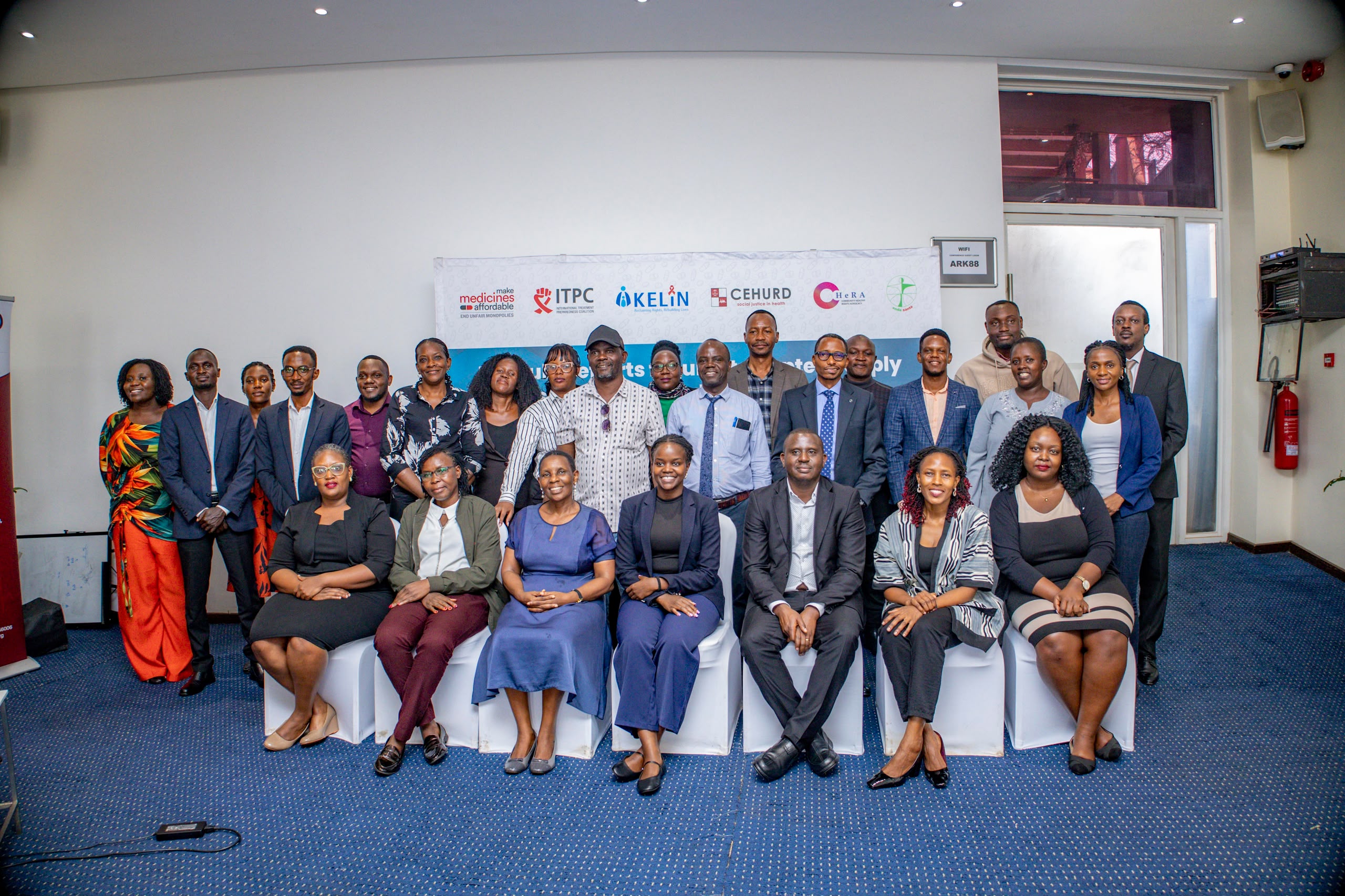
    35 health, legal, Government and pharmaceutical stakeholders examine patents, innovation and access to essential medicines

    Kampala: A medicine can be discovered in a laboratory, protected by a patent and manufactured by a pharmaceutical company, but for a patient waiting at a health facility, its value ultimately comes down to one simple question: Is it available when I need it?

    That question dominated discussions in Kampala on Thursday as health experts, lawyers, Government officials, pharmaceutical manufacturers, regulators, patient representatives, academics and medical professionals gathered to examine Uganda’s intellectual-property system and its implications for access to medicines.

    The national dialogue sponsored by KELIN , an organisation and International Treatment Preparedness Coalition held at Protea Skyz Hotel in Naguru, brought together about 35 participants representing the Justice and Trade sectors, Parliament, regulatory bodies, local manufacturers, the media, legal experts, academia and medical professionals.
    Representatives of people living with HIV, tuberculosis (TB), hepatitis C (HCV) and cancer also participated.


    The discussions centred on a delicate balance: how Uganda can encourage pharmaceutical research and innovation while ensuring that patents and other intellectual-property protections do not unnecessarily restrict access to essential medicines.

    “I GAINED A LOT OF KNOWLEDGE”
    For Gloria Imodia, a Programme Officer at Dumaic Global Health, the symposium was more than another professional meeting.
    It was an opportunity to understand how intellectual property can influence health policy and development.

    “Today, I gained a lot of knowledge and, in my training, if all is put into practice in the national intellectual property, it needs countries such as Uganda to be able to develop,” Imodia said during an interview with this writer at Protea Skyz Hotel.
    Her message was simple: knowledge must eventually be translated into practical policy.
    For a country such as Uganda, where health needs continue to compete with limited resources, intellectual-property decisions can have consequences far beyond courtrooms and legal documents.
    They can affect medicines.
    They can affect prices.
    And ultimately, they can affect patients.

    NIMWESIGA: INNOVATION MUST BENEFIT PEOPLE
    Lawyer Seth Nimwesiga, representing the Centre for Health, Human Rights and Development (CEHURD), challenged participants to look at intellectual property through the eyes of both innovators and the public.
    He emphasised the importance of encouraging medical innovation while ensuring that legal mechanisms such as compulsory licensing are properly understood and considered where applicable.

    “If someone develops a drug, he or she has to register that drug,” Nimwesiga said.
    He argued that intellectual-property systems should not only protect those who develop medicines but should also enable society to benefit from those innovations.
    “People need to benefit from intellectual property and need to benefit from essential medicines,” he said.
    His argument placed the patient at the centre of a debate that can easily become dominated by technical language about patents, licences and pharmaceutical rights.

    THE KIRABIRA QUESTION: DOES UGANDA HAVE ENOUGH CAPACITY?
    Dr Denis Kirabira, Chief Executive Officer of Dumaic Global Health, said Uganda’s intellectual-property policy framework is evolving.
    But, he added, the country needs stronger capacity among the people and institutions responsible for interpreting and implementing it.
    Kirabira said lawyers, researchers, regulators, health professionals, policymakers and pharmaceutical manufacturers need to understand how intellectual-property decisions can influence innovation, local production, medicine availability and affordability.
    He also stressed the importance of partnerships.

    For Kirabira, Uganda cannot address the pharmaceutical challenge through one institution working alone.
    Government must engage manufacturers.
    Researchers must engage policymakers.
    Legal experts must understand public-health needs.
    And patients must have a voice in decisions that ultimately affect their treatment.

    KONDRATYUK OPENS THE PATENT QUESTION

    The international dimension of the symposium was brought into focus by Sergey Kondratyuk, an intellectual-property expert from the International Treatment Preparedness Coalition (ITPC), who shared insights on patent applications, patented medicines and pharmaceutical “evergreening”.
    Evergreening is broadly associated with efforts to obtain additional intellectual-property protection around an existing medicine through further claims involving matters such as formulations, modifications or uses.
    The discussion raised questions about how patent systems can reward genuine innovation while preserving legitimate opportunities for generic competition and access to medicines.
    Kondratyuk also discussed Uganda’s position as a lower-middle-income country and the importance of understanding the policy mechanisms available to countries seeking to improve access to pharmaceutical products.
    He referred to a medicine costing about US$28,000, using the example to illustrate the importance of exploring mechanisms that can make essential medicines more accessible.
    “Partnership is the way to go,” Kondratyuk said.

    THE UNINTERRUPTED SUPPLY CHALLENGE
    For people living with HIV, HCV and TB, treatment is not a one-day event.
    It requires continuity.
    The same applies to cancer patients and women requiring cervical-cancer prevention, diagnosis and treatment services.
    An interruption in the supply chain can therefore become more than a logistical problem.

    It can become a health problem.
    Participants called for stronger systems to ensure essential medicines and health commodities are available consistently.
    The discussion covered the role of Government, pharmaceutical companies, regulators, researchers, medical professionals and patient organisations in strengthening medicine security.

    LOCAL MANUFACTURING: CAN UGANDA PRODUCE MORE?
    Another major issue emerging from the dialogue was local pharmaceutical manufacturing.
    Stakeholders discussed the possibility of strengthening domestic production as part of Uganda’s broader effort to improve medicine security and develop its industrial base.
    Local pharmaceutical manufacturing can create opportunities for employment, technology transfer, research and investment.
    But participants noted that factories alone are not enough.

    Uganda also needs skilled personnel, research institutions, effective regulation, investment and an intellectual-property system capable of supporting innovation.
    The connection between health and industrial policy is therefore becoming increasingly difficult to ignore.

    PATIENTS BRING THE HUMAN STORY
    While lawyers discussed patents and experts examined intellectual-property systems, patient representatives brought the discussion back to the human experience.
    For someone living with HIV, TB or HCV, the question is whether treatment is available.
    For a cancer patient, it is whether the required medicine or health technology can be obtained when needed.

    For health workers, it is whether they have the tools required to care for patients.
    That is why participants said intellectual-property policy should be examined alongside medicine procurement, pharmaceutical regulation, local manufacturing and health-system capacity.

    A BALANCE BETWEEN INNOVATION AND ACCESS
    The Kampala dialogue highlighted a difficult but important policy balance.
    Pharmaceutical innovation requires investment.
    Patent systems can provide legal protection for inventions.
    But public-health systems also require affordable and reliable access to medicines.
    Uganda therefore faces the challenge of strengthening its capacity to navigate intellectual-property rules while protecting public-health interests.

    The discussions also highlighted the importance of partnerships between Government, local manufacturers, international experts, researchers, lawyers, civil society and patient organisations.
    As Kirabira and other participants emphasised, the debate cannot end in a conference room.
    It must eventually reach the health facility.
    It must reach the pharmacy.
    And most importantly, it must reach the patient.

    Because behind every patent application, every pharmaceutical innovation and every policy document is a human being waiting for treatment.

    For Uganda, the real measure of an effective intellectual-property and pharmaceutical system may ultimately be simple: whether the medicine reaches the person who needs it, when they need it.

  • Copyright Reforms Matter Beyond the Entertainment Industry

    Copyright Reforms Matter Beyond the Entertainment Industry

    By Rhonah Nuwakunda

    In April 2026, Uganda made important progress with the Copyright and Neighbouring Rights (Amendment) Act when it was signed into law by the President. Stronger penalties for infringement, enhanced digital protections, and improved royalty mechanisms mark a meaningful step toward modernising the country’s Intellectual Property (IP) framework. However, to fully realise the law’s potential, we must broaden the national conversation.

    Copyright reform is not just an issue for the creative and entertainment sector, it is a critical enabler of innovation, economic growth, education, technology, and sustainable development across Uganda.

    Too often, discussions about copyright remain limited to just music, films and television, overlooking how robust IP protection underpins progress in virtually every sector of the economy. A well-functioning copyright system stimulates investment and job creation far beyond the screen. It encourages the production of high-quality local content, supports talent development and builds industries that contribute significantly to GDP.

    When piracy flourishes due to weak enforcement, it not only reduces revenue for rights holders but also discourages investment in local production, skills development and long-term innovation.

    Recent reports from the Uganda Registration Services Bureau show that digital piracy alone costs Uganda’s creative and broadcasting industries over USD 100 million annually with government tax revenue dropping by USD 25.3 million. What do these numbers mean for creators who invest their talent, broadcasters who invest in quality programming and telecommunications operators who spend significant amounts on digital infrastructure every year? The damage discourages investment, stifles innovation, distorts fair competition and deprives the country of essential tax revenue. But how would reformed copyright laws contribute to the country’s GDP? Stronger copyright laws attract foreign investment and facilitate technology transfer.

    Companies are naturally more willing to bring advanced tools, software and knowledge into the market when they have confidence that their intellectual property will be respected. This dynamic has been observed across developing economies where improved IP regimes correlate with increased licensing, trade and local innovation. As Uganda advances toward universal digital access by 2030, copyright should provide the foundation for software development, digital platforms, databases, and emerging technologies such as AI.

    Clear, modern rules to build investor confidence and enable start-ups and tech entrepreneurs to scale sustainably.Without copyright protection, young innovators stand to face threats to their work. Teachers and universities have less control over their research work and how it is reproduced with the threat of facing backlash if it is reproduced maliciously resulting in heavy damage to their credibility. At the same time, copyright law recognises that society benefits from access to knowledge. Many countries therefore include exceptions often called fair dealing or fair use that allow limited copying for purposes such as teaching, research, criticism, or news reporting. Libraries have specific rights to preserve works or provide limited access. These exceptions are designed to strike a balance between rewarding creators and ensuring that education and public interests are served. This helps ensure provisions for education, research and small businesses’ access to knowledge without undermining incentives for creation.

    Piracy continues to undermine these opportunities. Recent forums hosted by the Uganda Communications Commission (UCC) highlighted losses to jobs, innovation, and government revenue. Illegal distribution of content harms not only creators and distributors but also the broader ecosystem that relies on a healthy digital economy. For many broadcasting companies in Uganda, illegal content distribution directly reduces their ability to invest in premium local productions.

    But the damage extends further, it discourages risk-taking across industries and erodes trust in digital platforms. Building on the 2026 amendments, Uganda should prioritise investing in efficient digital monitoring systems, expedient take down processes and stronger inter-agency enforcement collaboration. Fostering partnerships between government, regulators, creators, broadcasters and technology platforms while educating stakeholders, including the judiciary and businesses on the role of IP in national development are additional steps the country can adopt to strengthen copyright reform in other industries as well. Copyright is far more than a legal mechanism for protecting songs and movies. By championing comprehensive reform that extends beyond entertainment, Uganda can strengthen its innovation ecosystem, enhance competitiveness in the digital age and empower local talent to thrive.

    The writer is the Regional Regulatory Compliance Manager for Eastern region at MultiChoice, a Canal+ Company.

  • Alton Basketball Reaffirms Commitment to Developing Elite Athletes and Future Leadership

    Alton Basketball Reaffirms Commitment to Developing Elite Athletes and Future Leadership

    Kampala: Alton Basketball has reaffirmed its commitment to developing skilled basketball players and responsible, purpose-driven young people through a holistic programme that combines high-level basketball training, mentorship, life skills, and community engagement. The commitment was highlighted during the Alton Basketball Dinner, which brought together athletes, parents, partners, sponsors, and supporters to celebrate the programme’s journey and its vision for the future.

    “Our purpose is to raise skilled basketball players and effective citizens. We want our athletes to be able to compete at the highest level, but also to develop the character, discipline, and life skills they need to succeed beyond basketball,” said Alton.

    Alton Basketball provides athletes with high-level technical and tactical development to position them for local, continental, and international competition. By incorporating speed and agility training, physical and mental understanding of the game, decision-making, and film analysis, athletes continuously evaluate and improve their performance.

    The success of this high standard of training is evident on and off the court: more than 30 Alton athletes have represented Uganda and the continent at elite levels of competition, with many securing national team selections alongside high school and university scholarships. Beyond elite sports development, Alton Basketball places a strong emphasis on inclusion by working with children with special needs, creating an environment where every child feels valued and inspired to discover their potential. This commitment extends into the heart of local communities through the academy’s annual Christmas outreach efforts, which have spanned five consecutive years.

    Over this period, Alton Basketball has set up a water source in Naguru, organized a community health camp in Kasenyi, established a basketball program in Masoli, built a classroom block in Kawempe, and distributed hampers to families in need.

    These outreach initiatives reflect the academy’s belief that sport serves as a powerful engine for social mobility and positive change. A clear story of transformation is that of Prossy Owomugisha from the Luzira slums, who was taken on and trained by the academy before earning a scholarship at Seroma Christian School. The dinner also recognised the critical role played by parents, partners, and supporters in opening doors for young talent.

    Key guests in attendance included Diana Atim of Ejazz Rotary Club; Sheila Birungi Jr, Administrator at Movit Foundation; Sheila Birungi Sr, Vice Chairperson of Movit Foundation; Dr Miriam Mutero-Musinga, General Manager at C-Care IHK; and Brenda Mugasha, Chief Operations Officer at Saracen.

    Their presence underscored the power of collaborative partnerships in building sustainable pathways for youth development.

    “Behind every athlete is a network of people who believe in them. Our parents, partners, sponsors, and supporters have played an important role in helping us build this programme. We are grateful for their belief and continued investment in our athletes,” Alton said. The evening also provided an opportunity to celebrate athletes Kenzo, Arthur, and Dale, who are preparing to head abroad to pursue the next chapter of their basketball journeys. Alton commended the trio for their dedication and encouraged them to champion the academy’s core values abroad.

    Looking forward, Alton Basketball remains focused on building a strong pipeline of international-caliber athletes who serve as inspiring leaders within their communities. “We want our athletes to look back one day and say that Alton did more than teach them how to play basketball; it helped shape who they became,” Alton concluded.

  • Same Roof, Different Worlds: Are You Present in Your Teenager’s Life?

    Same Roof, Different Worlds: Are You Present in Your Teenager’s Life?

    By Audrey Musiime

    Many parents work extremely hard to give their teenagers a better life. They work long hours, build careers, run businesses and make sacrifices to provide school fees, food, shelter and other necessities. These efforts are important and should be appreciated. However, while providing for your teenager, it is equally important to ask yourself: Am I also present in their life?

    A parent can be physically present at home but emotionally unavailable. You may sit in the same house every evening while your teenager spends their time dealing with school pressure, friendships, emotions, social media and questions about their future. If there is little communication or meaningful connection, your teenager may begin to feel that you are a provider, but not someone they can easily talk to.

    Ms Audrey Musiime

    Teenagers need more than material provision. They need parents who are interested in their lives, who listen to their concerns, notice changes in their behaviour and make time for meaningful conversations. Sometimes, simply asking, “How are you really doing?” and taking time to listen can communicate more love than buying another expensive item.

    Being present does not mean abandoning your work or being with your teenager every minute. It means being intentional about the time you have. Share a meal, ask about school, talk about their interests, know their friends, attend important events and create opportunities for conversations without phones and other distractions. These small moments help teenagers feel seen, valued and understood.

    Parents should also avoid becoming involved only when something goes wrong. If you only talk to your teenager when their grades decline, when they misbehave or when the school calls, communication can easily become associated with criticism and punishment. Connection should come before correction. Build a relationship during the good moments so that your teenager is more likely to turn to you when they face challenges.

    Remember that adolescence is a critical period of growth. Your teenager is becoming more independent, developing their identity, forming friendships, discovering their abilities and making decisions that can influence their future. They still need your guidance, even when they appear to want independence. Give them space to grow, but remain emotionally available enough to guide them.

    As a parent, take a moment to reflect: Does my teenager feel that I am genuinely interested in their life? If they were facing a difficult situation, would they feel comfortable coming to me? Am I only providing for them, or am I also connecting with them?

    You may be working hard today to secure your teenager’s future, and that is valuable. But don’t become so busy preparing their tomorrow that you miss their today. Your teenager needs your provision, but they also need your presence, attention, guidance and listening ear.

    Same roof should not mean different worlds. Be present. Be interested. Be available. Build the relationship now, while you still have the opportunity to walk closely with your teenager through these important years.

    #Yourchild’smentalhealthmatters
    #Beapresentparent

    Audrey Musiime
    Psychologist|Mental Health Consultant
    MindCare Therapy Centre
    +256782326195

  • Rethinking Retirement Benefits: Why Uganda’s Employers Should Look Beyond Traditional Gratuity

    Rethinking Retirement Benefits: Why Uganda’s Employers Should Look Beyond Traditional Gratuity

    Uganda’s retirement benefits sector is undergoing one of the most significant transformations in its history. What was once viewed primarily as a statutory obligation is increasingly becoming a strategic tool — one that helps organizations attract talent, strengthen employee financial wellbeing, and support long-term business sustainability.

    A Sector on the Rise

    According to the Uganda Retirement Benefits Regulatory Authority (URBRA), retirement savings have grown steadily over the past decade. By June 2026, sector assets had surpassed UGX 30 trillion — equivalent to 13.6% of Uganda’s Gross Domestic Product (GDP) — underscoring the growing role of long-term savings in the national economy.

    The sector has also surpassed 4 million retirement accounts, reflecting rising participation from both employers and employees.This growth is not accidental. It reflects increasing confidence in regulated retirement savings, stronger governance standards, and a broader recognition among employers that retirement benefits are an integral part of total employee compensation.

    The Gratuity Challenge

    Despite this progress, one challenge persists: many employers continue to rely on traditional gratuity arrangements designed decades ago, when organizations were smaller and employment patterns more stable. Today’s business environment — marked by expansion, restructuring, and mergers — makes unfunded gratuity schemes increasingly difficult to sustain.

    Owen Ebichinji

    Unlike funded retirement arrangements, gratuity benefits are typically financed directly from an employer’s cash resources at the point an employee exits. This creates two distinct risks: Financial exposure — organizations can face significant cash-flow pressure when several long-serving employees retire or leave within a short period.

    Lost growth potential — because funds are not invested during an employee’s working life, employees miss out on years of compounded investment returns.

    A Shift Toward Funded, Collective Solutions

    URBRA has reported consistent growth in supplementary occupational retirement benefits schemes, driven in part by employers converting gratuity arrangements into funded retirement schemes, alongside improved compliance with retirement savings requirements. The regulator has also actively promoted umbrella retirement benefits schemes as a means of improving sector-wide efficiency and reducing operating costs.

    This reflects a broader shift in thinking: retirement benefits are no longer simply about a payout at the point of departure. They are about building financial resilience across the full arc of an employee’s career. For employers, the strategic question is no longer whether to fund retirement benefits — it is how to do so efficiently.

    Standalone Schemes vs. Umbrella Schemes

    Standalone occupational schemes have served many organizations well, offering flexibility and employer-specific governance. However, they also require a full infrastructure of trustees, administrators, fund managers, custodians, auditors, and ongoing regulatory oversight. For organizations with modest headcounts, or those undergoing mergers, acquisitions, or restructuring, the fixed costs of a standalone scheme can steadily erode its economic viability.

    Umbrella retirement benefits schemes offer a compelling alternative. By allowing multiple employers to participate in a single, professionally governed scheme — while maintaining separate records for each employer’s members — umbrella schemes distribute administration and governance costs across a much larger membership base. The result is greater efficiency, access to professional investment management, and stronger economies of scale, without compromising member protection.

    This model is not unique to Uganda; collective retirement arrangements have gained traction globally as employers seek to balance high-quality benefits with prudent financial management. The need is particularly pronounced in Uganda, where most retirement savings still originate from mandatory NSSF contributions. Supplementary occupational schemes do not replace NSSF — they complement it, helping employees build greater retirement wealth over the course of their careers.

    Why It Matters — For Employees and Employers

    For employees, the combination of NSSF benefits and employer-sponsored retirement savings offers a stronger financial cushion against rising healthcare costs, longer life expectancy, and inflation.For employers, offering robust supplementary benefits strengthens employee engagement, reinforces employer brand, and demonstrates a long-term commitment to staff wellbeing.

    Choosing the Right Partner

    As organizations reassess their retirement strategies, choosing the right scheme partner is just as important as choosing the right scheme structure. The Octagon Uganda Umbrella Retirement Benefits Scheme, established in 2016, has positioned itself as a leading solution for employers seeking a professionally managed, cost-effective retirement arrangement. It is backed by Octagon Africa Financial Services Limited — a regional financial services company first established in Kenya in 2007 — and strengthened through its strategic partnership with Alex Forbes, combining regional experience with international expertise.

    Performance has remained a defining strength of the Scheme, which declared 13.26% net interest for FY2025, following 13.06% in FY2024 — reflecting a consistent focus on delivering competitive returns while safeguarding members’ long-term savings.

    Looking Ahead

    As Uganda’s retirement benefits industry continues to mature, the conversation should move beyond compliance toward adequacy. The ultimate measure of a retirement system is not how many people save, but whether those savings enable retirees to live with dignity and financial independence.

    For employers still operating traditional gratuity arrangements — or questioning the long-term sustainability of a standalone scheme — this is an opportune moment to explore modern alternatives. Umbrella retirement benefits schemes offer a path to greater efficiency, stronger governance, and better retirement outcomes for employees. The future of retirement is not simply about saving more. It is about saving smarter.

  • Beyond The Family Name: How Oscar Mutebi Is Turning State House Exposure Into A Grassroots Leadership Story

    Beyond The Family Name: How Oscar Mutebi Is Turning State House Exposure Into A Grassroots Leadership Story

    By Brian Mugenyi

    Entebbe:The Young Leader Carrying A Legacy Into A New Development Conversation Dressed in a white shirt and grey trousers, Oscar Mutebi stood beside President Yoweri Kaguta Museveni at State House in a moment that carried a deeper meaning than a simple photograph.

    The resemblance in dressing was striking.
    But beyond appearance was a bigger story — the story of a young leader standing at the intersection of national influence, inherited legacy and grassroots expectations.
    At State House, where national policies are discussed and government priorities are shaped, Mutebi serves as a Private Secretary and Personal Assistant to the Office of Presidential Envoy on Political Affairs, former Vice President Edward Kiwanuka Ssekandi.
    The position has placed him close to President Museveni, First Lady Janet Kataaha Museveni and senior government leaders.
    But the real measure of leadership is rarely found inside powerful offices.
    It is found in communities.
    It is found among young people searching for opportunities.
    It is found in classrooms where learners dream about their future.

    This is where the story of Oscar Mutebi moves from State House corridors to rural Masaka.
    A question emerges:
    Can national exposure be transformed into grassroots development?

    A Legacy That Created A Responsibility
    Oscar Mutebi’s journey begins in Kyanamukaka Village, Greater Masaka, a place associated with the family of former Vice President Edward Kiwanuka Ssekandi.
    By nature, Mutebi is a Catholic and grew up admiring leadership and public service, according to people who interacted with him during his early years.

    Florence Nabalema, an old student of St. Mary’s College Kisubi, says Mutebi showed interest in leadership while still young.
    Those close to him describe his journey as shaped by mentorship from President Yoweri Kaguta Museveni, First Lady Janet Kataaha Museveni, Gen. Salim Saleh and his grandfather Ssekandi.
    However, legacy creates both opportunity and expectation.
    A respected family name may introduce someone to leadership spaces.
    But communities ultimately judge leaders by what changes because of their presence.

    Oscar Mutebi with President M7

    From Ssekandi’s Institutional Legacy To Human Development
    Edward Kiwanuka Ssekandi’s public service record remains significant in Greater Masaka.
    From his legal career and teaching at Makerere University, to serving as Member of Parliament for Bukoto Central for 26 years, Speaker of Parliament and later Vice President of Uganda, Ssekandi became a symbol of public service.
    One of the major development issues associated with rural Masaka has been the support towards securing land through district authorities at Kyambazi Village for the construction of a permanent Masaka District headquarters.
    The investment represents the importance of strong institutions.
    But for a new generation of leaders, the challenge has shifted:
    How can institutions translate into improved livelihoods?
    How can political influence become measurable community transformation?

    The Classroom Where The World Arrived
    At St. Mugaga Secondary School in Masaka, a large television screen became a symbol of a much bigger idea.
    When students gathered to watch the World Cup through a screen donated by Oscar Mutebi, the excitement went beyond football.
    For learners who previously followed international events through small phone screens, the experience created a new connection with the outside world.
    The screen became a learning tool.
    Students could follow news, understand current affairs and appreciate global conversations beyond classroom textbooks.
    According to former Head Teacher Ms. Peace Magoba Bukenya, government remains the biggest stakeholder in supporting student welfare at the school, which had 1,034 learners by press time.

    Girls make up approximately 60 percent of the learners, while boys account for 40 percent.
    The majority of students are aged between 17 and 19 years, a stage where education and skills development influence future choices.
    The boarding section accommodates 420 students, comprising 273 girls and 137 boys.
    The learners are supported through the school feeding programme, including locally prepared meals such as rice and eggs to support concentration and welfare.
    Head Prefect Deo Ssembatya says the intervention changed how students viewed learning.
    “I had watched World Cup games on small phones before, but seeing the players on a big screen at school made me feel part of the global tournament,” he says.
    He adds:
    “Mr. Mutebi taught us that education is not only about books. We must know what is happening in the world.”
    For St. Mugaga students, the intervention represented exposure.
    It represented confidence.
    It represented the idea that rural learners also deserve access to global opportunities.

    Masaka’s Development Reality: The Numbers Behind The Story
    The story of leadership in Masaka exists within a wider economic reality.
    According to the Uganda Population and Housing Census 2014, Masaka District had a population of 297,004 people.
    The population included:
    145,552 males (49 percent);
    151,452 females (51 percent).
    The district has approximately 75,494 households.
    About 65 percent of households depend on subsistence farming, making agriculture the backbone of many families.
    The district covers approximately 1,603.3 square kilometres, with about 801.5 square kilometres consisting of open water, wetlands and marshlands.
    The statistics reveal both opportunity and challenge.
    Masaka has land.
    It has people.
    It has agricultural potential.
    But the question remains:
    How can potential become prosperity?

    The Four Challenges Defining Masaka’s Future
    Youth Employment: Turning A Generation Into An Economic Force
    Young people aged between 18 and 30 years represent approximately 23 percent of Masaka’s population.
    This youthful population can become a powerful economic force if equipped with skills, financing and opportunities.
    However, many young people continue facing barriers including limited access to jobs, inadequate practical skills and insufficient opportunities for entrepreneurship.
    The solution requires moving beyond preparing young people to search for employment.
    It requires preparing them to create businesses, innovate and participate in productive sectors.

    Vocational Training: Bridging The Skills Gap
    Vocational education has emerged as one possible response to youth unemployment.
    A strong vocational system could equip young people with practical skills in:
    mechanics;
    welding;
    electrical installation;
    construction;
    ICT;
    agro-processing;
    entrepreneurship.
    Vocational training cannot solve unemployment alone.
    But when combined with access to finance, markets and mentorship, it can transform young people from job seekers into producers.
    This explains calls from community leaders for increased investment in technical skills development.

    Value Addition: The Missing Link In Agriculture
    Agriculture remains central to Masaka’s economy.
    However, many households earn limited income because they mainly sell raw products.
    The future lies in value addition.
    For coffee farmers, this means moving beyond raw coffee production into processing, packaging and stronger market participation.
    For farmers generally, it means improved technology, storage, quality standards and links to buyers.
    Government’s focus on agro-industrialisation reflects this need.

    Market Access And Household Transformation
    Production alone does not guarantee prosperity.
    Farmers require markets.
    Entrepreneurs require customers.
    Businesses require financial support.
    Masaka has community economic structures including:
    53 registered cooperative organisations;
    51 financial SACCOs;
    38 Emyooga SACCOs.
    Strengthening these institutions can help families move from survival activities into sustainable enterprises.
    Ultimately, development is measured at household level.
    It is measured when:
    A farmer earns more.
    A young person starts a business.
    A student gains confidence.
    A family escapes poverty.

    Connecting Local Action To National Vision
    Uganda’s FY2025/26 National Budget reinforced priorities around:
    commercial agriculture;
    industrialization;
    digital transformation;
    market access.
    The budget of approximately Shs72.4 trillion allocated 26.1 percent to Human Capital Development, the largest sector allocation.
    Agriculture contributes approximately 26.2 percent of Uganda’s GDP, making it central to household income growth.
    Government programmes including the Parish Development Model, Emyooga and Operation Wealth Creation continue targeting wealth creation.
    Mutebi’s grassroots message aligns with this national agenda — that transformation requires production, skills, innovation and responsibility.

    The Leadership Question
    During an interview with this writer, Oscar Mutebi emphasised the importance of empowering young people through education, skills development, agriculture and entrepreneurship.
    He argues that sustainable transformation requires communities to participate actively in their own development.
    For him, leadership is not simply occupying a position.
    It is creating opportunities.

    Beyond The Name
    The greatest challenge for anyone born into a respected legacy is creating an identity beyond the name.
    Oscar Mutebi’s journey represents that challenge.
    From State House engagements to rural classrooms.
    From national leadership spaces to community conversations.
    From political influence to development expectations.
    The final judgement will not come from titles.
    It will come from impact.
    Because leadership is not measured by the rooms one enters.
    It is measured by the lives changed after leaving those rooms.
    Beyond the family name, Oscar Mutebi’s story represents Uganda’s wider search for leaders who can connect national vision with the hopes and realities of ordinary citizens.

  • ONE MAN, ONE VISION: How Oscar Mutebi Is Quietly Changing Rural Masaka, One Community at a Time

    ONE MAN, ONE VISION: How Oscar Mutebi Is Quietly Changing Rural Masaka, One Community at a Time

    By Brian Mugenyi

    Masaka District: Long before the first coffee seedlings were distributed, before football tournaments united villages, and before young people began seeing leadership through community service rather than political rhetoric, Greater Masaka was searching for a new generation of grassroots leaders.

    For decades, the region has been celebrated as one of Uganda’s agricultural powerhouses, producing coffee, bananas, livestock and other cash crops that have sustained thousands of households. Yet despite its fertile soils and entrepreneurial spirit, many communities have continued to grapple with youth unemployment, fluctuating coffee prices, inadequate rural infrastructure, limited opportunities for young people and persistent poverty among smallholder farmers.

    Government programmes such as the Parish Development Model (PDM), Operation Wealth Creation (OWC) and the Emyooga initiative have sought to improve household incomes and stimulate rural transformation. While these interventions have opened new opportunities, their success has often depended on effective grassroots mobilisation—leaders capable of helping communities understand, embrace and participate in the programmes.

    It is within this environment that Oscar Mutebi has emerged as one of Greater Masaka’s most recognisable community mobilisers.

    Without holding elective political office, Mutebi has steadily built a reputation as a development-oriented leader whose influence extends from coffee gardens and village savings groups to football fields and schools. His approach is simple but increasingly effective: empower people, especially the youth, through practical action rather than promises.

    Oscar Mutebi with First Lady Janet Kataaha Museveni

    Raised in Bulegeya Village, Kyanamukaka Town Council, Masaka District, Mutebi understands the daily realities facing rural families because they are the realities he grew up with. His background has shaped his conviction that sustainable development begins with local participation and community ownership.

    Serving as Personal Assistant to the Presidential Special Envoy on Political Affairs and former Vice President Edward Kiwanuka Ssekandi, Mutebi has combined public service with grassroots engagement, spending much of his time mobilising communities across Greater Masaka to participate in government wealth-creation programmes while encouraging unity, self-reliance and responsible citizenship.

    One of his most visible interventions has been promoting coffee farming. Working alongside government agricultural programmes, he has coordinated the distribution of coffee seedlings to farmers across the region, encouraging households to increase production and diversify their sources of income.

    For many beneficiaries, the seedlings represent more than agricultural inputs—they represent an investment in the future of their families.

    Recognising that economic transformation must also involve the younger generation, Mutebi launched the Oscar Cup, a football tournament that has become one of the region’s most anticipated community events. Beyond identifying sporting talent, the competition promotes discipline, teamwork, peaceful coexistence and youth empowerment while steering young people away from crime, drug abuse and idleness.

    His commitment extends into education, where he has supported schools through donations of sports equipment and learning materials, reinforcing his belief that every child deserves opportunities to develop both academically and through extracurricular activities.

    Residents increasingly refer to him as “Owebyenkulakulana”—the development champion—a title earned not through political slogans but through consistent engagement with communities and practical interventions that address everyday challenges.

    Community leaders say his greatest strength lies in his accessibility. Whether meeting farmers in their gardens, attending village gatherings, supporting youth activities or mobilising residents around government programmes, Mutebi has cultivated a leadership style rooted in listening before acting.

    His story reflects a broader lesson for Uganda’s rural transformation agenda.

    Development does not always begin with billion-shilling projects or national policy announcements. Sometimes it begins with one individual who chooses to mobilise neighbours, encourage farmers, inspire young people and build partnerships that enable communities to unlock their own potential.

    As Uganda pursues its Vision 2040 agenda and the country’s aspiration to achieve middle-income status, leaders like Oscar Mutebi demonstrate that sustainable national development is built village by village, farmer by farmer and youth by youth.

    One man may not solve every challenge facing a community.

    But one committed leader can ignite a movement that inspires thousands to believe in progress.

    In Greater Masaka, many residents believe Oscar Mutebi has done exactly that—proving that genuine leadership is measured not by the office one occupies, but by the lives one transforms.