By Brian Mugenyi
mugenyijj@gmail.com
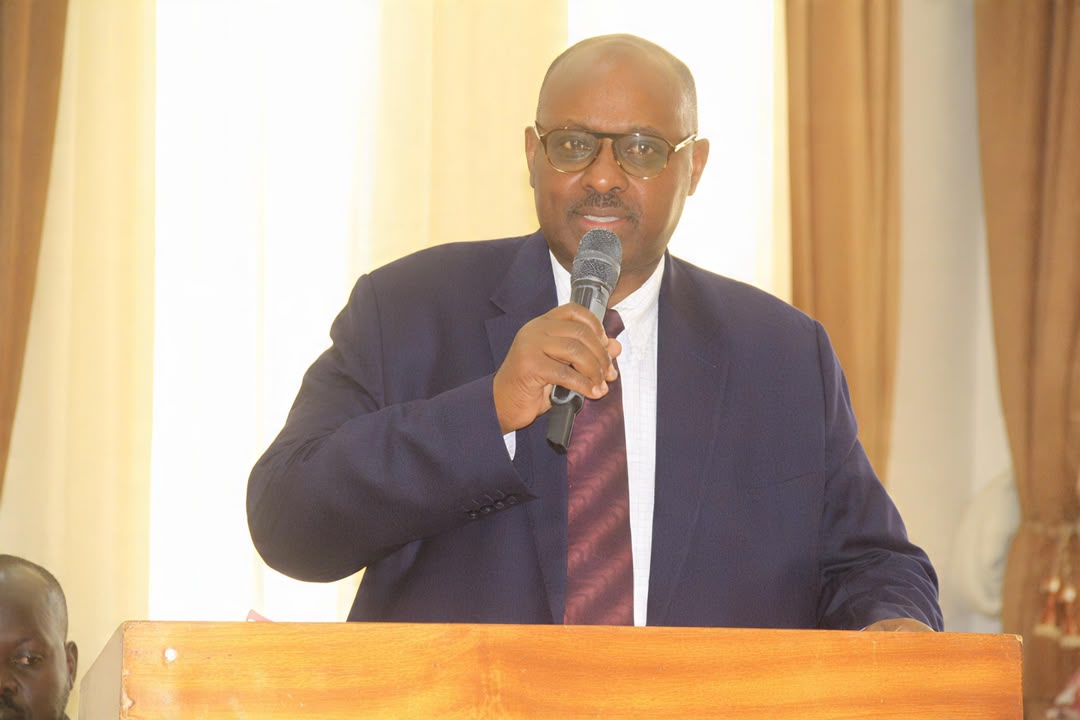
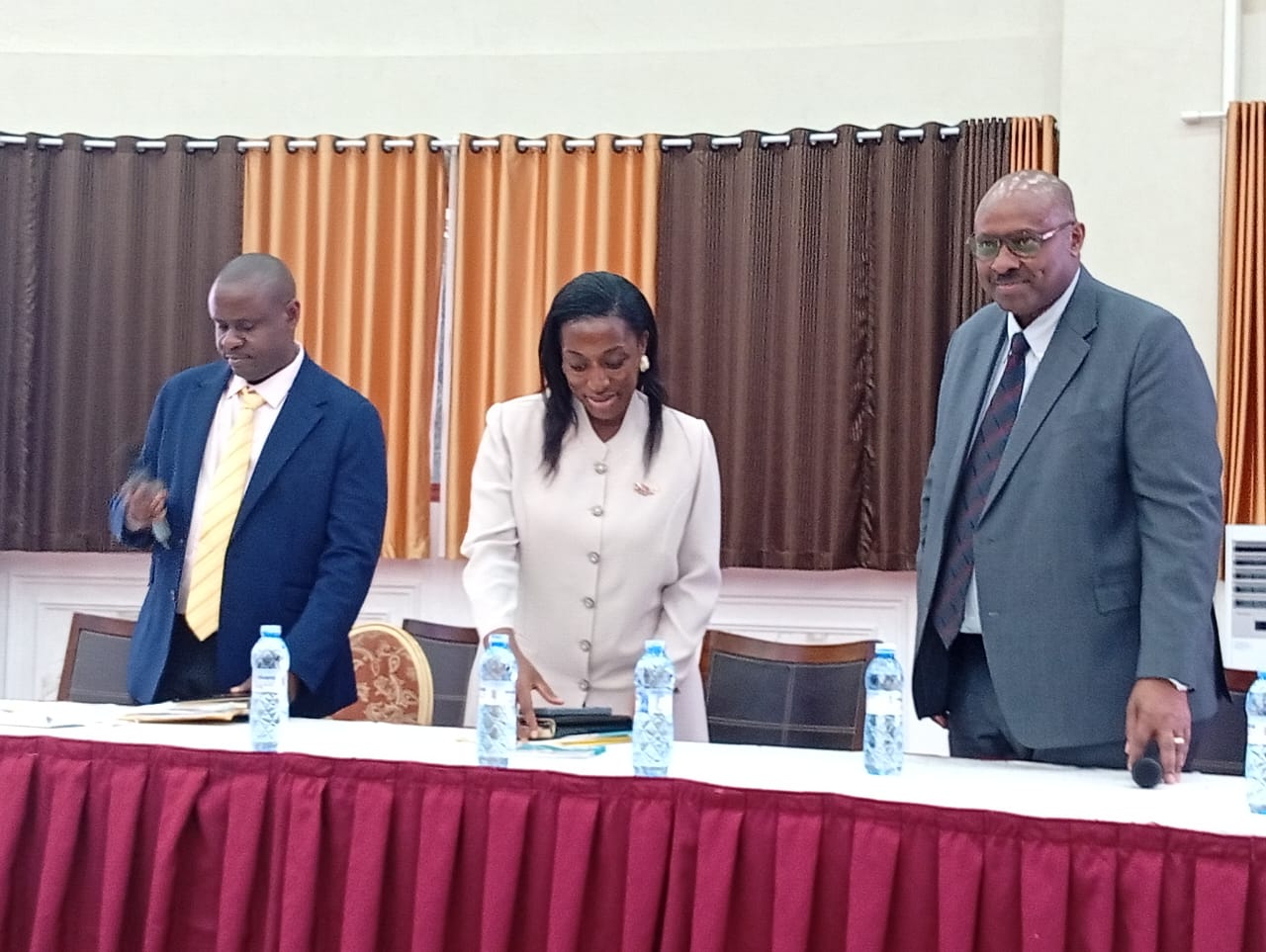
Kampala: The Permanent Secretary in the Ministry of Local government Mr. Ben Kumumanya has said that the elections of Local Council 1 and Local council 11 are paramount in ensuring social services delivering to an ordinary citizen.

When the celebrations faded and the victory posters came down, Uganda’s newly elected Local Council leaders face a more difficult question than winning an election according to Mr. Ben Kumumanya: what will they do with the trust citizens have placed in them?
For the Permanent Secretary in the Ministry of Local Government, Ben Kumumanya, the answer lies in making decentralisation work where citizens experience government most directly — at village and parish level.

Uganda’s 2024 National Population and Housing Census put the country’s population at 45,905,417 people. Behind that national figure are thousands of communities depending on a decentralised system expected to connect citizens to public services, development programmes and government institutions.
That is why the LC I and LC II Executive Committees matter.
The village is not merely an administrative location. It is Government’s front door.
THE CHAIRPERSON’S CHAIR IS NOT A THRONE

For a newly elected LC I chairperson, the first temptation may be to celebrate the victory.
But the office comes with a responsibility greater than the title.
“The chairperson is expected to understand the concerns of residents, mobilise citizens, communicate community priorities and help connect households with the appropriate government authorities” he emphasised.
“Roads, sanitation, security, health services, schools, agricultural programmes and community development are not abstract issues at village level and they constitute decentralisation,” he says.
They are daily realities.
A good chairperson must therefore remain accessible to the people.
The chair is a seat of public trust, not a throne.
FROM LC I TO LC II
Uganda’s decentralised governance structure provides a chain through which citizens’ concerns can move from the household to higher government institutions.
The pathway can be understood simply:
Citizen → LC I → LC II → Sub-county/Town/Division → Municipality/City/District.
LC I operates closest to the household and village.
LC II, at parish or ward level, brings together concerns from several villages and provides a wider coordination platform.
This distinction is important.
A broken road affecting one household may remain a village concern.
But when the same road affects several villages, schools, farms and trading centres, it becomes a wider parish development issue requiring coordination.
THE EXECUTIVE COMMITTEE MUST WORK
The Executive Committee is not simply a group of officials surrounding the chairperson.
It is expected to help translate council decisions into action.
Its responsibilities include implementing council decisions, initiating policies for consideration, monitoring government and local-government programmes, mobilising citizens for development, supporting peace and security, and serving as a communication channel between citizens and government.
In practical terms, leaders should continually ask:
What does the community need?
What has Government promised?
What has actually been delivered?
Where are the gaps?
That is where decentralisation becomes meaningful.
WATCHING GOVERNMENT PROGRAMMES
Programmes such as the Parish Development Model (PDM) and Emyooga ultimately succeed or fail at community level.
Citizens are less interested in policy documents than in whether the programme reached the intended beneficiary.
LC leaders therefore have an important monitoring role.
They can help communities identify beneficiaries, follow up projects, report gaps and communicate concerns to higher authorities.
The same principle applies to roads, schools, health facilities, water projects and other public investments.
Public money must produce public value.
ACCOUNTABILITY AND INSTITUTIONAL REFORM
The Ministry of Local Government has increasingly emphasised stronger institutional accountability, proper financial management, monitoring and compliance within local governments.
This makes the newly elected councils part of a wider institutional reform agenda.
Grassroots leaders must understand that leadership is not personal ownership of public office.
They are custodians of a public mandate.
They must protect public property, discourage misuse of resources and support lawful administration.
Where serious problems arise, they should be reported through the appropriate government institutions rather than concealed.
INCLUSION IS PART OF LEADERSHIP
An effective Executive Committee must also ensure that the interests of women, youth, persons with disabilities and older persons are reflected in community priorities.
Development cannot be considered complete when sections of society remain excluded.
Women need representation.
Young people need opportunities.
Persons with disabilities need access to programmes.
Older persons deserve dignity and participation.
The role of the local leader is to ensure that nobody becomes invisible.
THE REAL TEST STARTS AFTER ELECTIONS
Kumumanya’s emphasis on effective decentralisation points to a simple reality: elections are only the beginning.
The real test starts after the votes are counted.
A chairperson will be judged by whether citizens can access their office.
By whether council decisions are followed.
By whether government programmes are monitored.
By whether public resources are protected.
By whether disputes are handled responsibly.
And, most importantly, by whether ordinary citizens can say that their local government works.
Uganda’s national policies may be written in Kampala, but their success is ultimately measured in villages and parishes.
The village is the front door of Government.
The citizen is the ultimate beneficiary — and the ultimate examiner.
For the newly elected LC I and LC II leaders, the message is therefore simple:
The election was yesterday’s victory. Service delivery is tomorrow’s legacy.