Tag: Justine Nameere

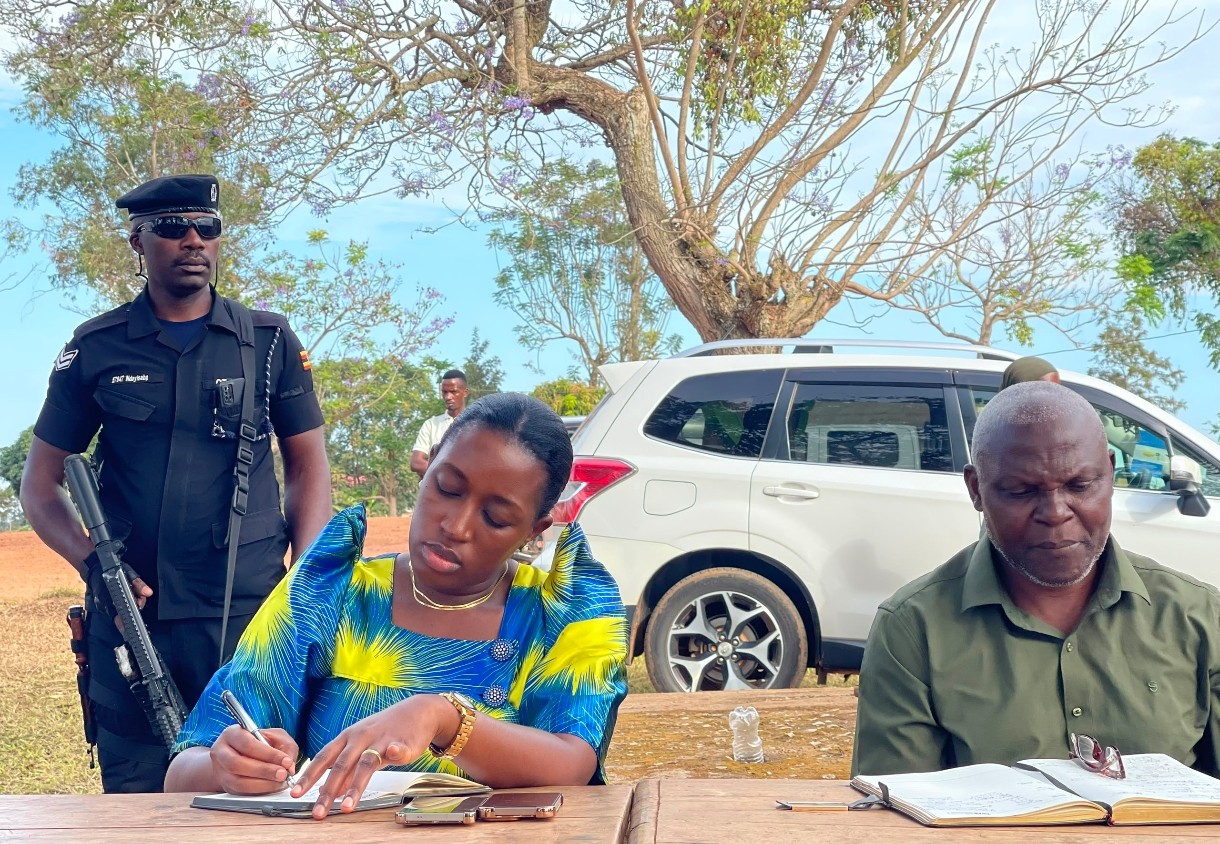
  • Justine Nameere listens as Masaka City residents share concerns about PDM

    Justine Nameere listens as Masaka City residents share concerns about PDM

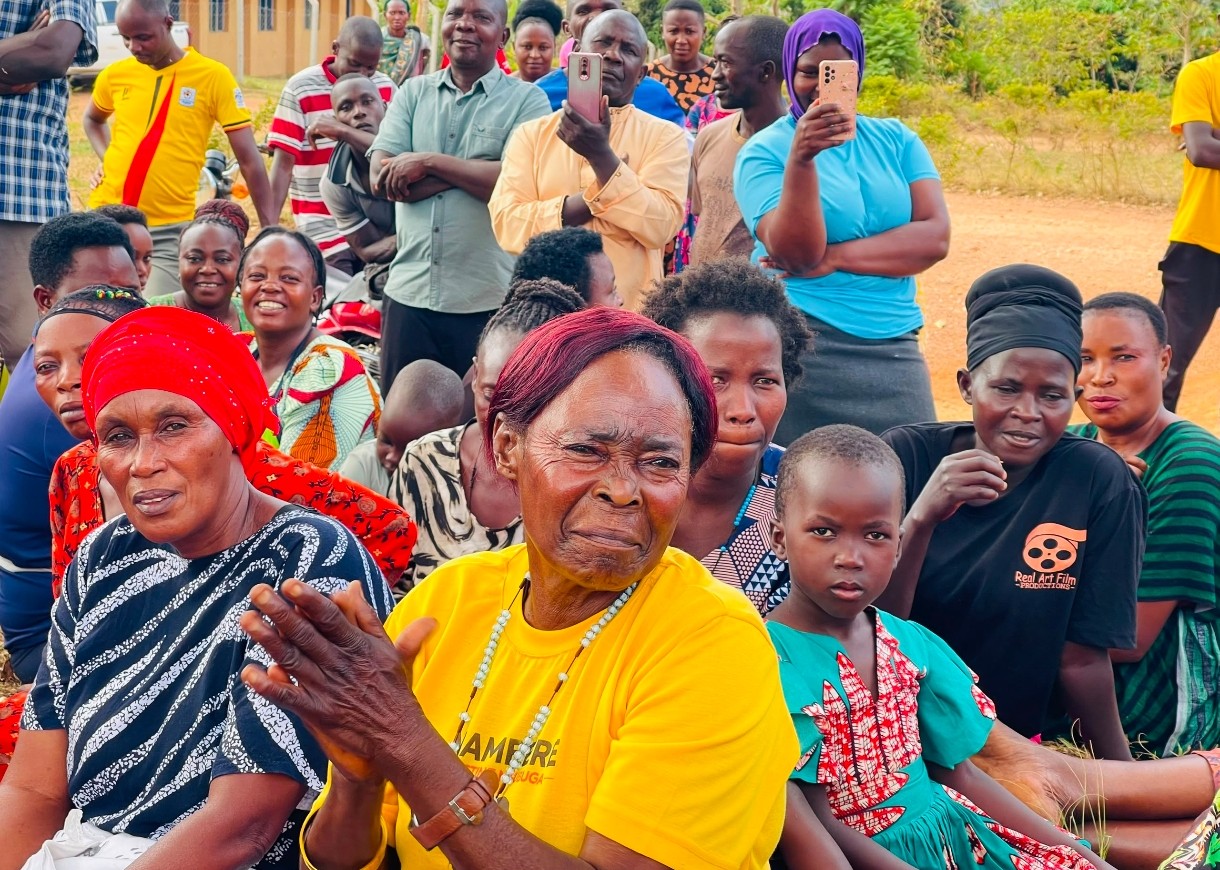
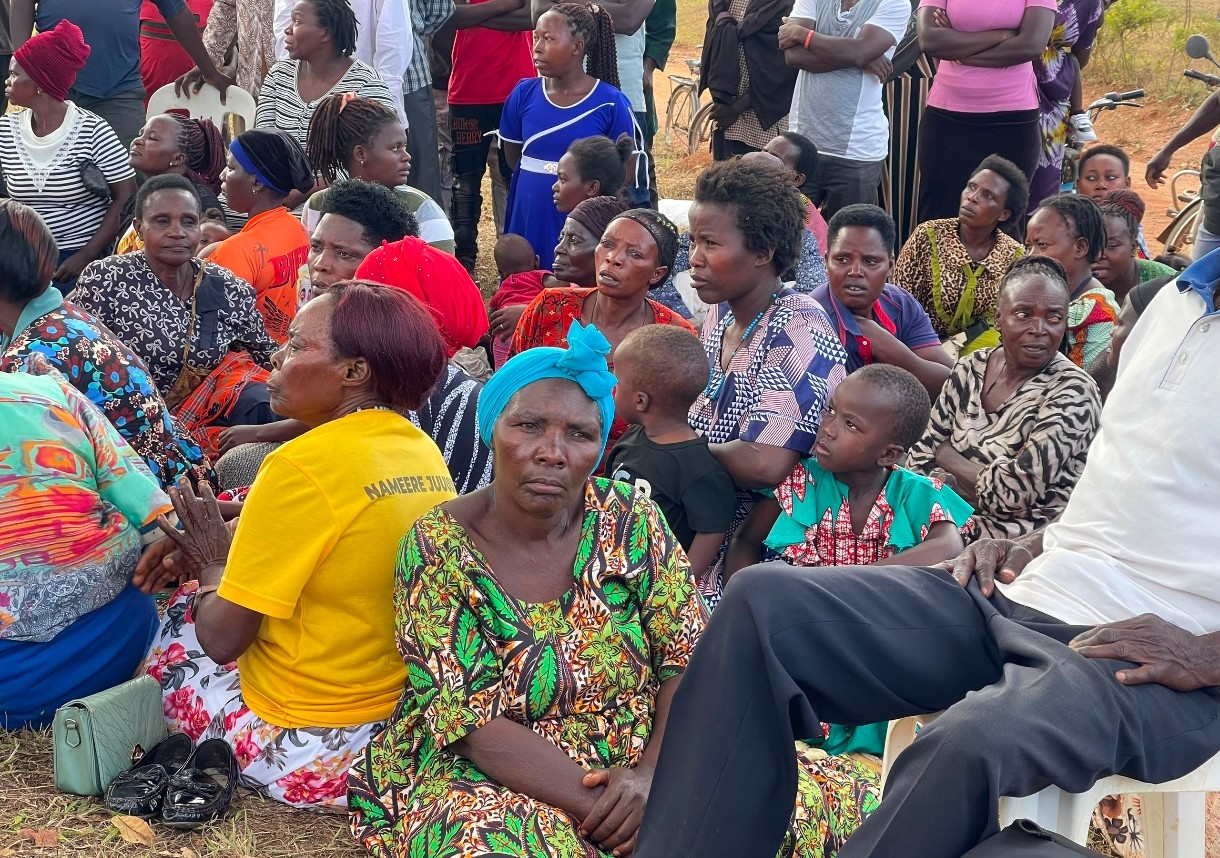
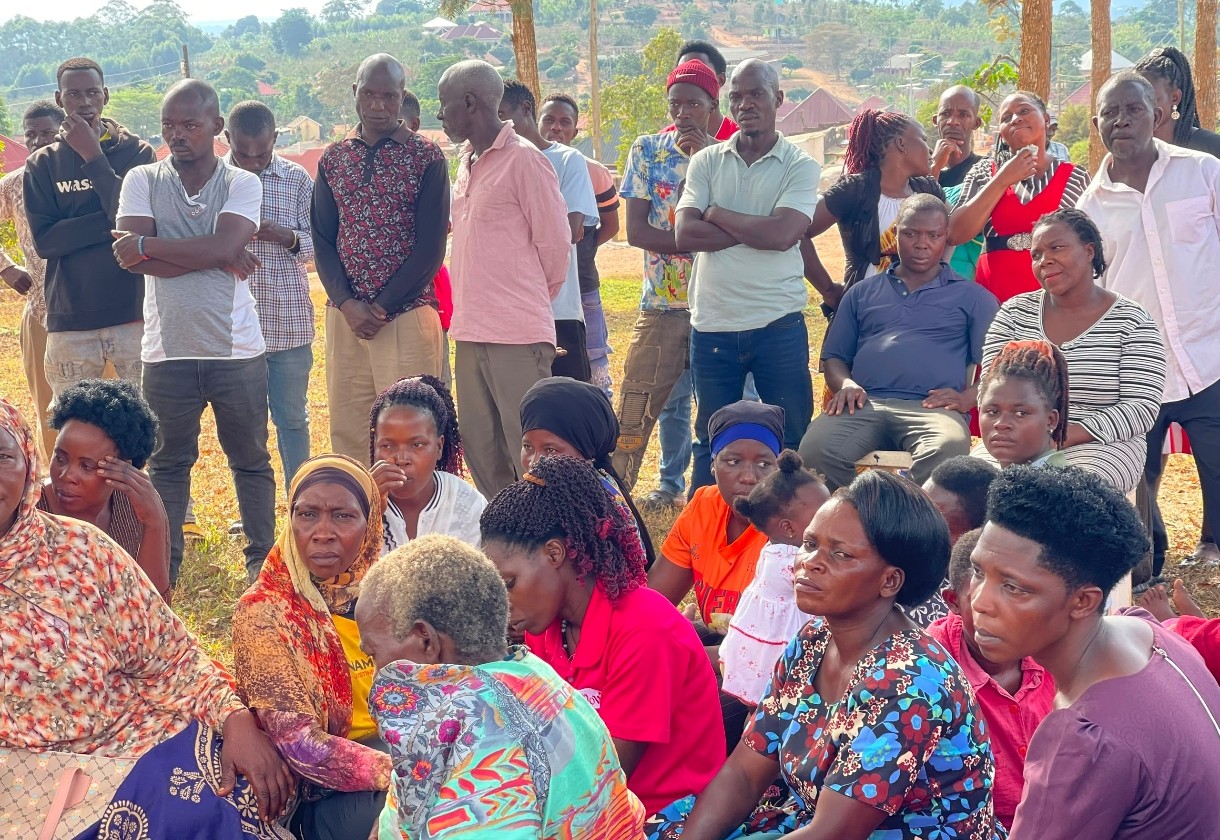
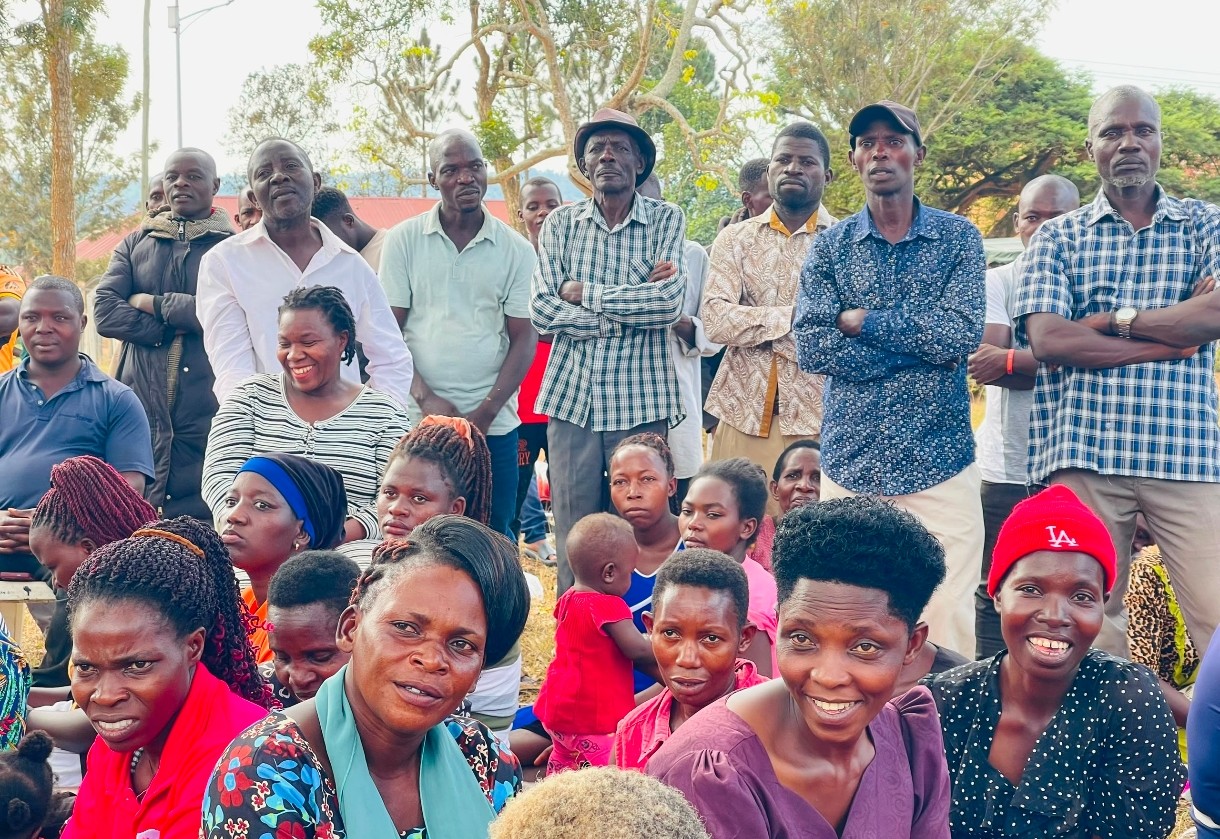
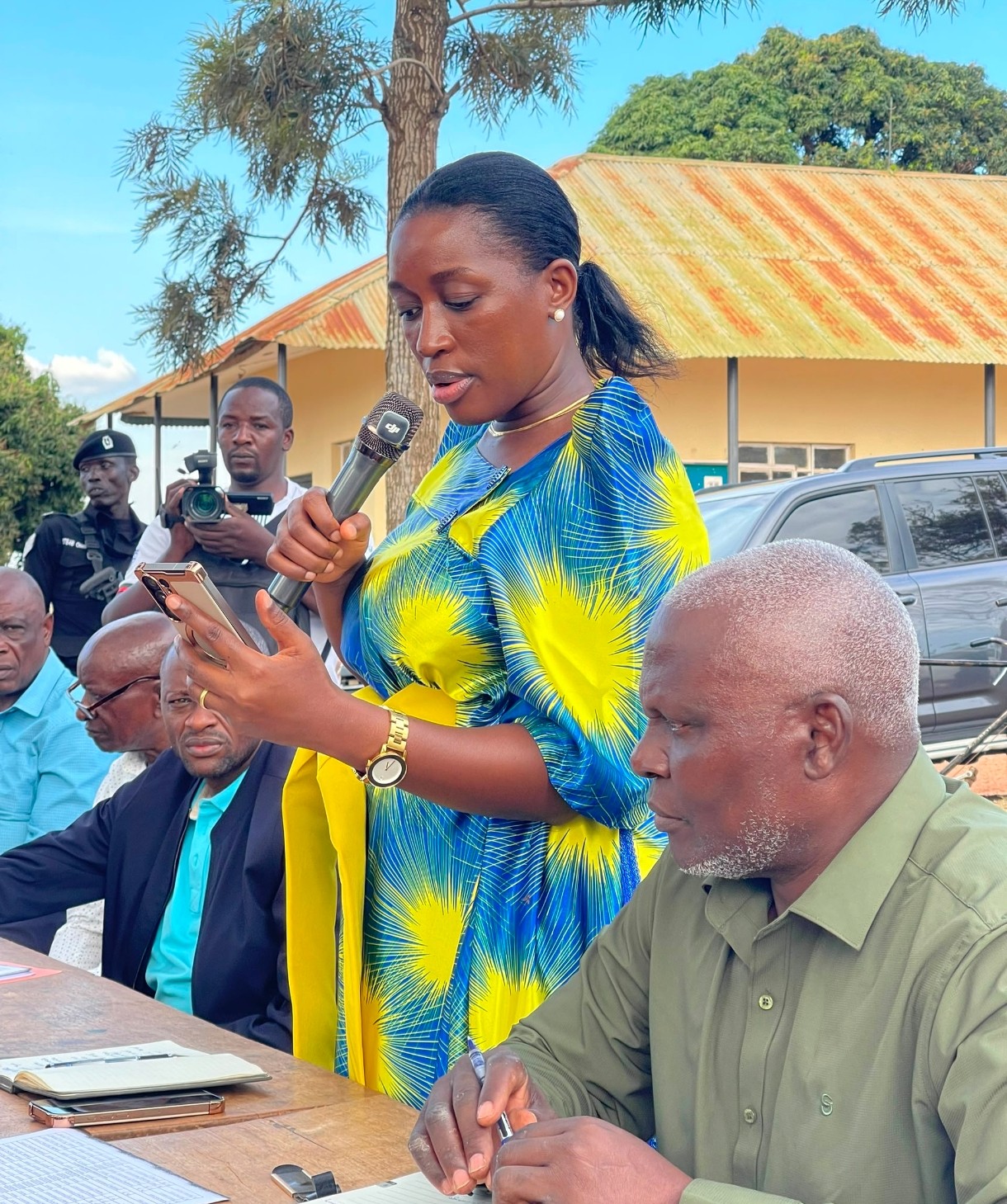
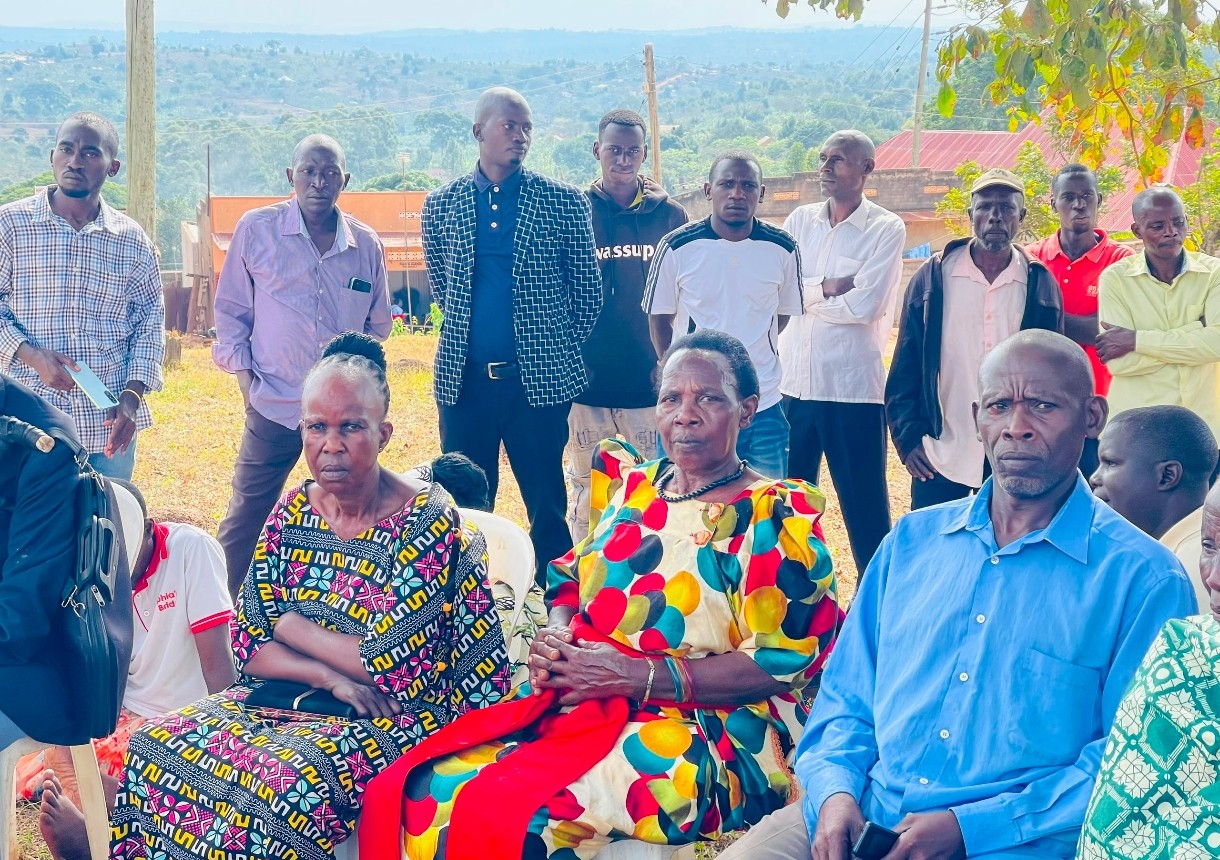
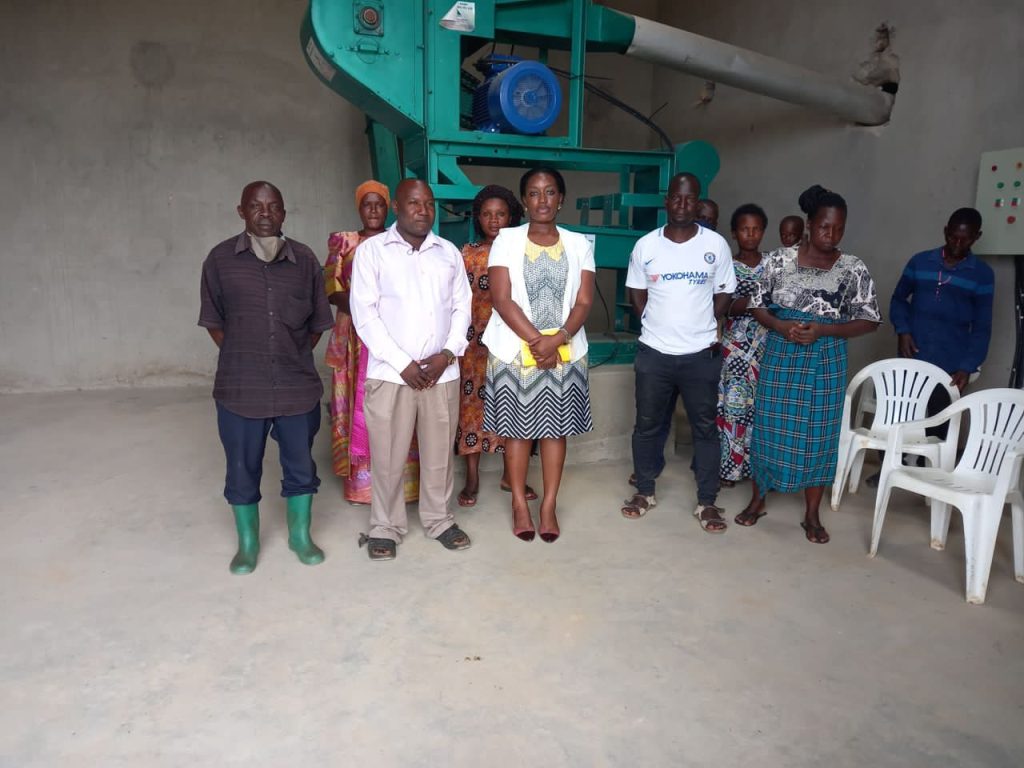
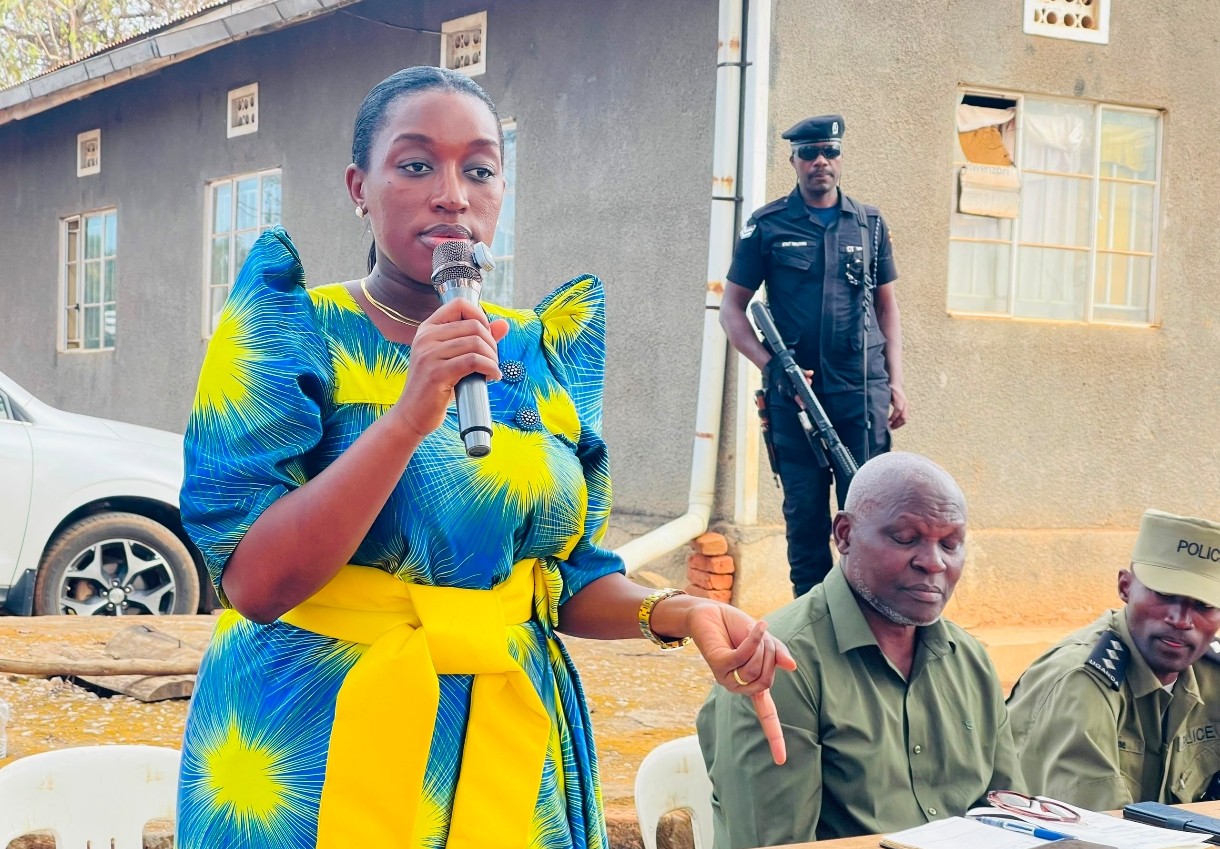
    Today, Masaka City Woman MP who also doubles as the State Minister for Local Government Hon. Justine Nameere held an open community Baraza in Kakunyu Parish, Bukoto Sub-County, Masaka City, where residents openly shared concerns about the implementation of the Parish Development Model (PDM).

    Community members raised serious concerns about alleged extortion by some SACCO leaders, corruption in the identification of beneficiaries and irregularities in the distribution of PDM funds. The MP also received reports of cases where more than one person from the same household, including husbands and wives, had reportedly benefited from the programme.

    “I have listened to these concerns and I want to assure the people of Kakunyu that I am going to sort out this mess. Government programmes are meant to transform the lives of ordinary Ugandans, not to become a source of extortion, corruption or personal gain. I have called for accountability, transparency and strict adherence to PDM guidelines. Government funds must reach the intended households and be used to improve incomes and livelihoods. I have also encouraged residents to remain vigilant and report corruption, extortion and other irregularities. Your voices matter, and I will follow up on the issues raised today with the relevant authorities. My commitment is to ensure that PDM serves its intended purpose and that the people of Kakunyu receive the benefits they deserve,” Hon. Justine Nameere shared.

  • SPECIAL REPORT: From the village to the district: How LC1 councils could change Uganda’s fight against corruption

    SPECIAL REPORT: From the village to the district: How LC1 councils could change Uganda’s fight against corruption

    By Brian Mugenyi

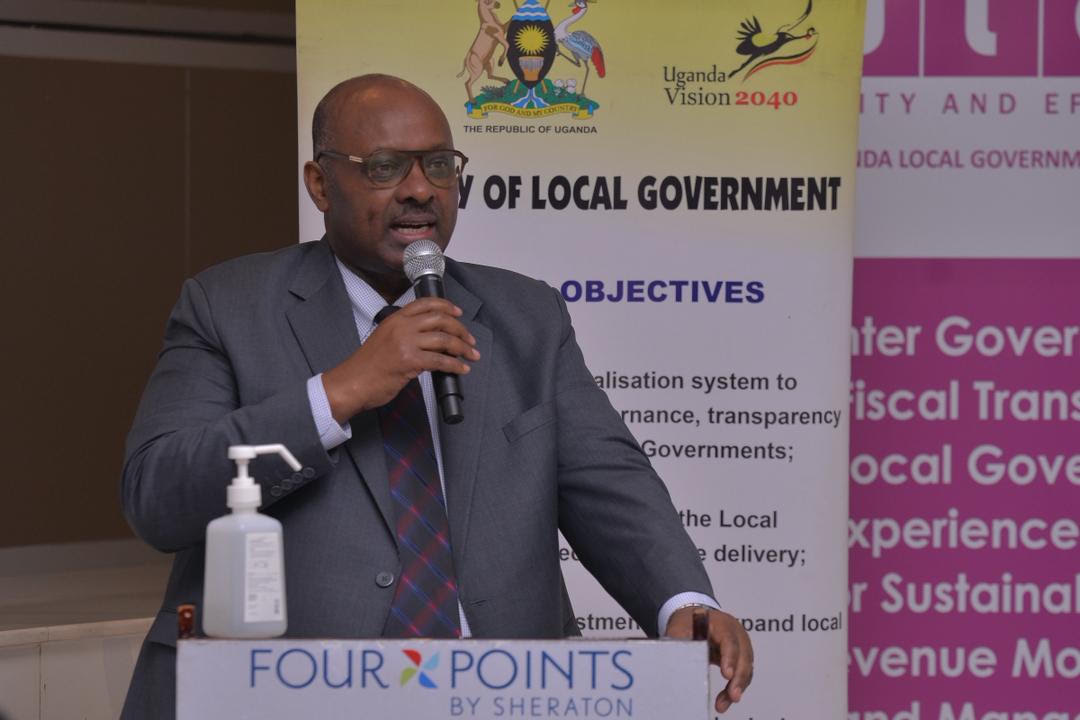
    Kampala: The Permanent Secretary in the Ministry of Local Government, Mr Ben Kumumanya, has spent more than three decades inside Uganda’s decentralisation experiment, a system formally launched in 1992 to transfer decision-making and responsibilities closer to citizens.

    Now, following the election of village Local Council I chairpersons, the same grassroots architecture could provide Uganda with a powerful new layer in the fight against corruption in local government.

    The Electoral Commission led by Justice Simon Mugenyi Byabakama conducted the 2026 LC1 elections across 71,214 villages, with polling successfully completed in 70,079 villages, representing 98.4 per cent of the targeted villages.

    The significance of the elections, however, goes beyond restoring elected leadership.
    It is about restoring a citizen’s ability to know what is happening in his or her village, identify problems early and demand answers from the institutions responsible.

    From the management of community information and public programmes to monitoring service delivery and reporting suspected abuse of public resources, the new LC1 councils are potentially positioned at the point where corruption is easiest to detect—where government meets the citizen.
    For Mr Kumumanya, that is the essence of decentralisation.

    The Ministry has described LC1 and LC2 leadership as the “bedrock” of Uganda’s decentralised governance system, arguing that the structures bring leadership and decision-making closer to citizens and enable communities to participate in identifying priorities, monitoring public services and holding leaders accountable.
    The 1992 idea meets the 2026 village
    Uganda’s decentralisation reform dates to 1992, when Government embarked on a far-reaching transfer of responsibilities to local governments.

    The reform was built around a deceptively simple proposition: government becomes more responsive when decisions are taken closer to the people affected by them.
    More than three decades later, that proposition is facing another test.
    The country now has 71,214 villages, according to the Electoral Commission’s 2026 election preparations.

    Each village represents a community with people, households, public services, government programmes, land, roads, water sources, schools and economic activities.
    And each has elected grassroots leadership.
    This creates a potential accountability network stretching from the village to the parish, sub-county, town council, municipality, district and ultimately the central government.
    The question is whether Uganda can make that network work.
    The Constitution gives citizens the mandate
    The anti-corruption argument for LC1 councils is not simply political.
    It has a constitutional foundation.
    Article 176 of the Constitution provides that decentralisation shall apply at all levels of local government to ensure “people’s participation and democratic control in decision making.”
    It further requires local governments to oversee the performance of government employees providing services in their areas and to monitor the provision of government services and implementation of projects.
    That provision is important.
    It means decentralisation was never intended merely to create more offices.
    It was designed to create a governance system in which citizens participate and local institutions monitor what happens around them.

    The Constitution goes even further in its accountability principles.
    It states that all public offices are held in trust for the people and that persons in positions of leadership and responsibility are answerable to the people.
    It also requires lawful measures to expose, combat and eradicate corruption and abuse or misuse of power by those holding political and public offices.
    For the new LC1 councils, this creates both a democratic opportunity and a responsibility.
    From the village register to accountability
    One of the less celebrated but important functions of grassroots governance is knowing who lives in a community.
    The Electoral Commission itself undertook the verification of residents and compilation of the Village Residents’ Register in all 71,214 villages before the 2026 elections.

    Such community-level information can become valuable when government is trying to identify beneficiaries, trace residents, resolve administrative questions or establish who was present when an incident occurred.
    But this must not be confused with giving LC1 chairpersons authority to adjudicate land ownership or independently investigate criminal cases.
    For example, where there is a dispute over the sale or occupation of land, village leaders may possess useful information about the parties, residence and community circumstances, but ownership and registration remain matters governed by the relevant land laws and competent authorities.
    That distinction matters.
    The LC1 council is a first point of community information—not a substitute for courts, land offices, auditors, police or anti-corruption agencies.

    When corruption begins with a small transaction
    Corruption also does not always announce itself through a multimillion-shilling scandal.
    It can begin with a small demand for money.
    A person may be asked to pay before accessing a government service.
    A beneficiary may be told to give a percentage of a programme allocation.
    A public official may manipulate a list of beneficiaries.
    A community may be told that a project has been completed when residents can see that it has not.
    The person most likely to know something is wrong may be the person living next door.
    That is where the LC1 council becomes important.

    A resident can raise the complaint.
    The council can document and channel it.
    The sub-county or district can investigate administratively where appropriate.
    Auditors, inspectors, the Inspectorate of Government, police or other competent institutions can take action within their mandates.
    The village therefore becomes the first warning point, rather than the final court of accountability.

    Kumumanya’s warning to local leaders
    Mr Kumumanya has recently reminded local government trainers that public office carries personal responsibility.
    Citing Article 164 of the Constitution, he told trainers that leaders who misuse public resources or cause financial loss through actions contrary to established instructions can be held personally accountable and required to make good the loss, even after leaving office.
    The warning is significant for the new councils.
    It establishes that leadership is not merely an opportunity to exercise authority.
    It is a fiduciary responsibility.
    Public resources are held in trust.

    And public office has consequences.
    That message is consistent with the Ministry’s wider anti-corruption drive.
    The Ministry’s reform agenda
    The Ministry of Local Government has increasingly placed integrity, transparency and institutional reform at the centre of its local-government agenda.

    In March 2026, Mr Kumumanya engaged District and City Service Commissions on strengthening integrity and addressing administrative weaknesses.
    He told the commissions:
    “Service Commissions must remain firm and independent in executing their mandate. Any form of interference or corruption should be reported immediately.”
    The Ministry has also been working with oversight institutions to strengthen accountability in recruitment and human-resource management.
    This is important because corruption in local government can begin before an officer even occupies a public office.

    If jobs are bought, the public ultimately pays.
    Mr Kumumanya has therefore linked merit-based recruitment, institutional independence and anti-corruption enforcement.
    The Ministry has also announced reforms to strengthen the legal and administrative framework governing local governments, including ongoing discussions around amendments to the Local Government Act.
    Leonard Imanishimwe: councils must be scrutinised.

    The argument is also supported by the public-accountability perspective.
    During a Media Challenge Initiative training in June, Mr Leonard Imanishimwe, a lecturer in Public Accountability, argued that corruption can be confronted through stronger scrutiny and accountability of councils by the authorities responsible for supervising local government.

    His argument places the LC1 council within a broader chain of accountability.
    The council itself must be accountable.
    The sub-county must supervise.
    The district must inspect.
    The Ministry must coordinate, monitor and guide.

    Oversight institutions must investigate where necessary.
    And political leadership must ensure that the system does not tolerate impunity.
    This is important because decentralisation without accountability can merely decentralise the opportunity for abuse.
    The PDM and grassroots test
    The Parish Development Model (PDM) provides one of the clearest tests.
    Government has moved significant resources towards parish-level economic transformation.
    Mr Kumumanya has specifically instructed trainers to ensure that councils understand their role in mobilising communities, providing oversight and ensuring that programmes such as PDM and Emyooga deliver tangible benefits.
    At village level, the new councils can help citizens understand:
    Who qualifies?
    What is the programme supposed to provide?
    Who has received support?
    Were beneficiaries asked for money?
    What happened to those who were left out?
    Where should complaints be reported?
    These questions may appear simple.
    But they are powerful.
    They convert citizens from passive recipients into informed participants.
    The danger: turning every disagreement into corruption
    There is, however, a line the new LC1 councils must not cross.
    They should not become village courts of public accusation.
    Political rivalry should not be confused with corruption.
    A disagreement should not automatically become a criminal allegation.
    And suspicion should not be presented as proof.
    The proper approach is:
    Listen.
    Document.
    Verify.
    Report.
    Follow up.

    That approach protects both the citizen and the public servant.
    It also ensures that allegations reach institutions with the legal mandate to investigate and determine responsibility.
    The Ministry’s current anti-corruption operations demonstrate this principle. During recent inspections, allegations and concerns raised by citizens have been documented and referred to relevant institutions, with the Ministry emphasising due process for anyone implicated.
    Why the village can make a difference
    The LC1 council has something larger institutions cannot easily manufacture.
    Proximity.
    The chairperson lives among the residents.
    The councillors know the community.
    The residents know the projects.
    They know the beneficiaries.
    They know whether a facility is functioning.
    They know whether a road exists.
    They know whether a water source works.
    And they know when something does not look right.
    This does not make them investigators.
    It makes them eyes and ears of participatory governance.
    If that information is responsibly channelled through the appropriate administrative and legal structures, it can help authorities act before small abuses become large losses.
    From elections to an accountability culture
    The 2026 LC1 elections should therefore not be judged simply by the number of chairpersons elected.
    They should be judged by what happens after the election.
    Do citizens attend community meetings?
    Do councils explain government programmes?
    Do leaders monitor service delivery?
    Do they protect public property?
    Do they report suspected corruption?
    Do technical officers respond to legitimate complaints?
    Do higher authorities act on credible information?
    And, most importantly, do citizens begin to believe that speaking about corruption can produce results?
    That is the deeper test.
    The Kumumanya challenge
    For Mr Kumumanya, the restoration of elected grassroots leadership provides an opportunity to reconnect the original philosophy of decentralisation with modern accountability.
    The idea born in 1992 was that citizens should have a greater role in shaping the affairs of their communities.
    The challenge in 2026 is to make that participation meaningful.
    A council that merely meets has not necessarily strengthened democracy.
    A council that helps citizens understand government programmes, monitors services, safeguards public property and reports credible concerns has.
    The difference is accountability.
    And accountability is where the anti-corruption battle becomes real.
    The final test is the citizen
    Uganda does not lack institutions responsible for fighting corruption.
    It has the Inspectorate of Government.
    The Auditor General.
    Police.
    The courts.
    Internal auditors.
    Procurement structures.
    District and City Service Commissions.
    The Ministry of Local Government.
    The challenge is connecting these institutions to the citizen who first sees something going wrong.
    The new LC1 councils could provide that connection.
    They could become the point where a citizen’s observation becomes a documented complaint; where a community concern becomes an administrative inquiry; and where a genuine case is escalated to an institution with the power to investigate.
    That is the real promise of the 2026 LC1 elections.
    Not simply that Uganda has elected 71,214 village-level councils, but that it has restored a vast network through which citizens can participate in governance and demand accountability.
    The fight against corruption will not be won by circulars alone.
    It will not be won by inspections alone.
    It will not be won by arrests alone.
    It will be won when laws, institutions, leaders and citizens work together.
    And that is why the village matters.
    Because corruption may be committed in an office somewhere up the administrative chain, but its consequences are eventually felt by the people at the bottom.

    The new LC1 councils now have an opportunity to reverse that journey.
    From the village to the district.
    From the district to the Ministry.
    From information to scrutiny.
    From scrutiny to accountability.
    And, ultimately, from decentralisation as an administrative idea to decentralisation as a living system in which the citizen can ask the most important question in public service:**
    “Where did our money go—and what did we get for it?”
  • Raising Red Flag to Corruption Monster: Ben Kumumanya, Balam Barugahara Ateenyi Lead Renewed Anti-Corruption Drive in Local Governments

    Raising Red Flag to Corruption Monster: Ben Kumumanya, Balam Barugahara Ateenyi Lead Renewed Anti-Corruption Drive in Local Governments

    By Brian Mugenyi

    mugenyijj@gmail.com

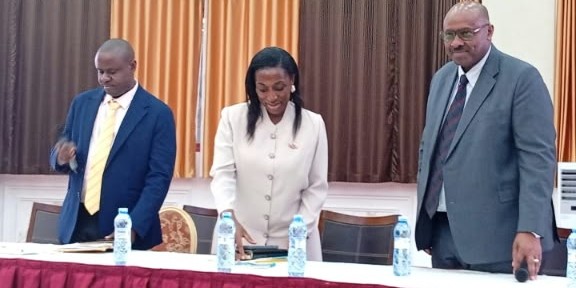
    Kampala: The Permanent Secretary in the Ministry of Local Government, Ben Kumumanya, has called on Resident District Commissioners (RDCs) and Government Internal Security Officers (GISOs) to intensify the fight against corruption, saying accountability remains central to improving service delivery across Uganda.

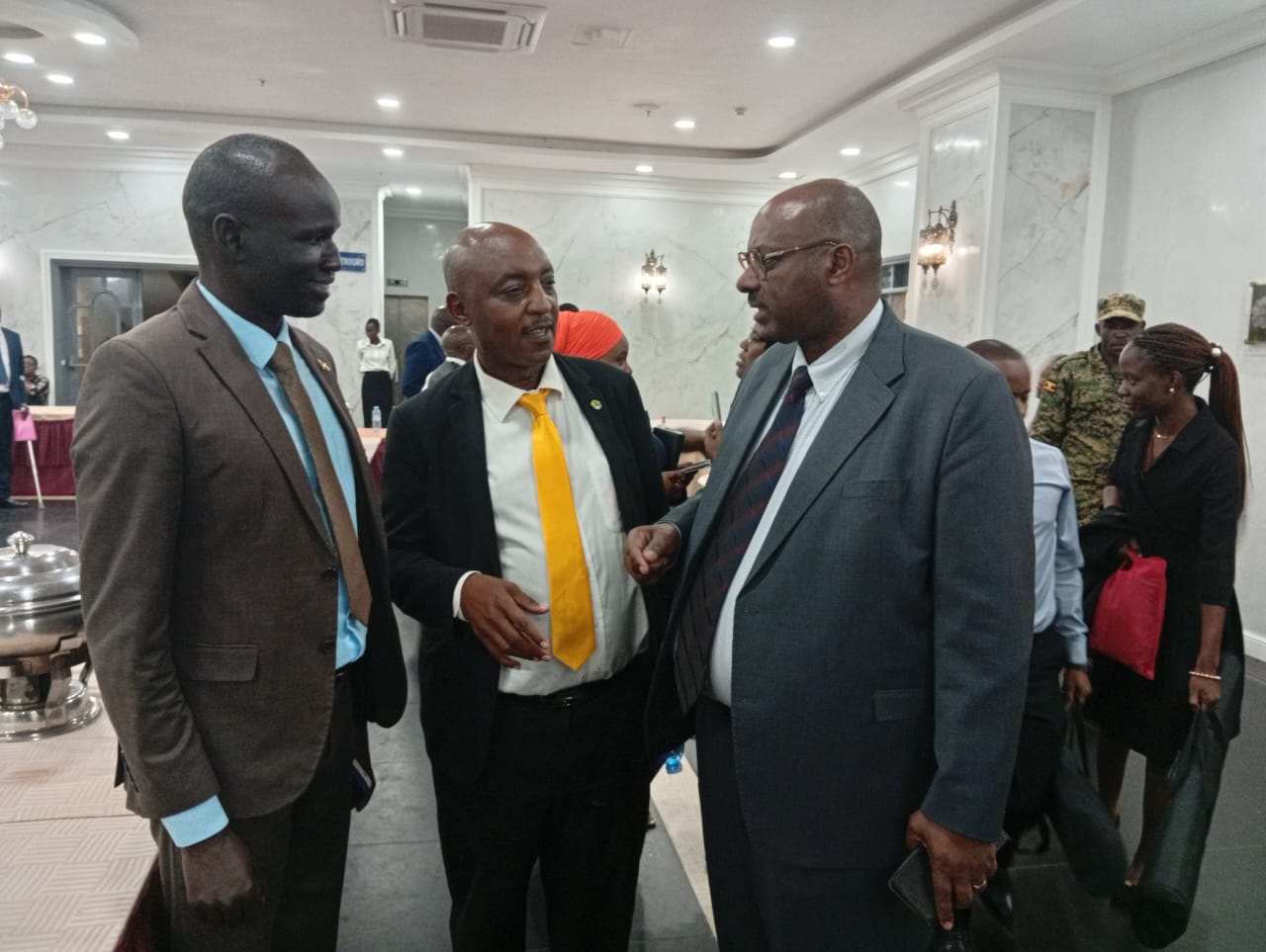
    Speaking at a high-level anti-corruption meeting held at Imperial Royale Hotel in Kampala on Tuesday, Kumumanya said the gathering had been convened to implement President Yoweri Museveni’s directive to expose and eliminate corruption in public institutions, particularly within local governments.

    Addressing thousands of RDCs and GISOs from across the country during the mid-morning session, Kumumanya said the success of government programmes depends on leaders who uphold integrity and protect public resources.

    “Our relevance as public servants will be judged by our commitment to fighting corruption,” Kumumanya said. “This meeting has been convened to implement His Excellency the President’s directive to expose corruption and eliminate it from our institutions.”

    He urged RDCs and GISOs to strengthen monitoring of government projects, ensure public funds are used for their intended purposes and work closely with technical officers to safeguard government programmes from abuse.

    The meeting was attended by the Minister of State for Local Government, Hon. Balam Barugahara Ateenyi, Minister of State for the Presidency Milly Babirye Babalanda, Security Minister Maj. Gen. Jim Muhwezi, Minister of State for Ethics and Integrity Rose Lilly Akello, Minister of State for Works Fred Byamukama, Hon. Justine Nameere and other senior government officials.

    In his remarks, Barugahara said local governments remain at the frontline of public service delivery and must therefore champion transparency and accountability.

    He said corruption continues to divert resources away from communities and pledged that the Ministry of Local Government would continue working with security agencies and oversight institutions to strengthen accountability across districts, cities and municipalities.

    The meeting’s strongest appeal came from Milly Babirye Babalanda, who urged RDCs and GISOs to become uncompromising defenders of public resources.

    Quoting 2 Chronicles 19:7, she reminded leaders that public office demands justice, fairness and integrity.

    “Let the fear of the Lord be upon you. Judge carefully, for with the Lord our God there is no injustice, partiality or bribery,” she said.

    Babalanda condemned the theft of medicines from government health facilities, diversion of road funds, manipulation of recruitment processes, procurement irregularities and other forms of corruption that deny citizens access to essential public services.

    “Every shilling stolen denies our people better health services, education, roads and other government programmes,” she said. “No individual is above the law. Every shilling recovered from corruption returns to the people.”

    She challenged RDCs to strengthen supervision of government projects and ensure that taxpayers receive value for money from every public investment.

    Security Minister Maj. Gen. Jim Muhwezi described corruption as a major threat to Uganda’s development and national security.

    He called upon RDCs and GISOs to work closely with security agencies in protecting government programmes, warning that corruption undermines service delivery and slows socio-economic transformation.

    Muhwezi also urged leaders to support ongoing forensic audits aimed at tracing misused public funds and strengthening accountability in government programmes.

    Minister of State for Ethics and Integrity Rose Lilly Akello called on public servants to embrace honesty, fairness, justice and integrity, saying ethical leadership remains the foundation of effective governance.

    She urged leaders to speak out against corruption and ensure public institutions are guided by the highest standards of professionalism.

    As the meeting concluded, Babalanda delivered the closing address, urging the thousands of RDCs and GISOs to return to their respective districts with renewed commitment to exposing corruption, protecting government projects and restoring public confidence in public institutions.

    She said the fight against corruption requires courage, patriotism and collective responsibility, adding that every leader has a duty to ensure government resources benefit the citizens for whom they are intended.

    The conference ended with a renewed pledge from government leaders and security officials to strengthen accountability, improve oversight of public programmes and intensify the nationwide campaign against corruption in local governments.

  • Hon. Adrine, Mwebesa and Nameere condemn AI generated images

    Hon. Adrine, Mwebesa and Nameere condemn AI generated images

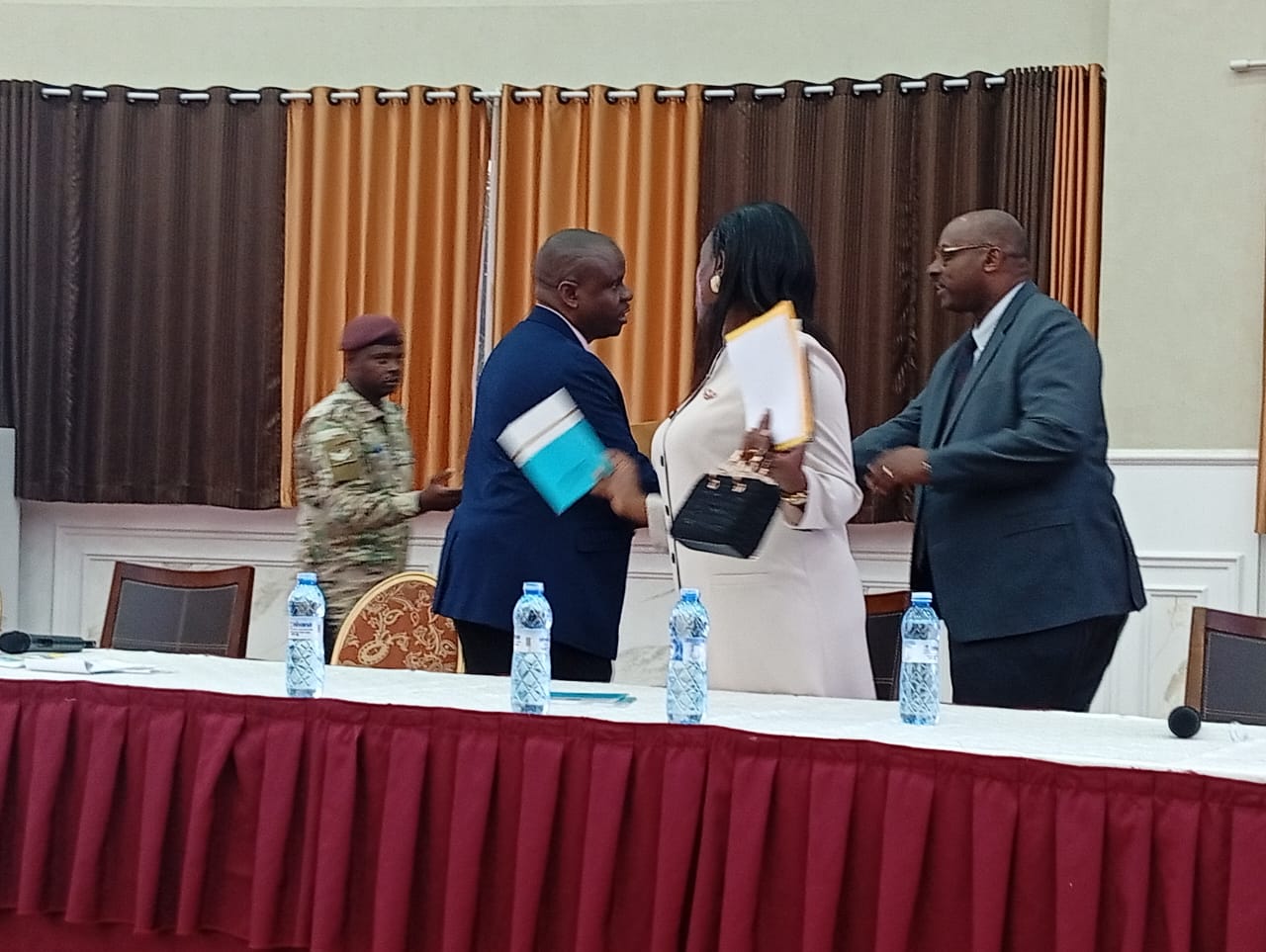
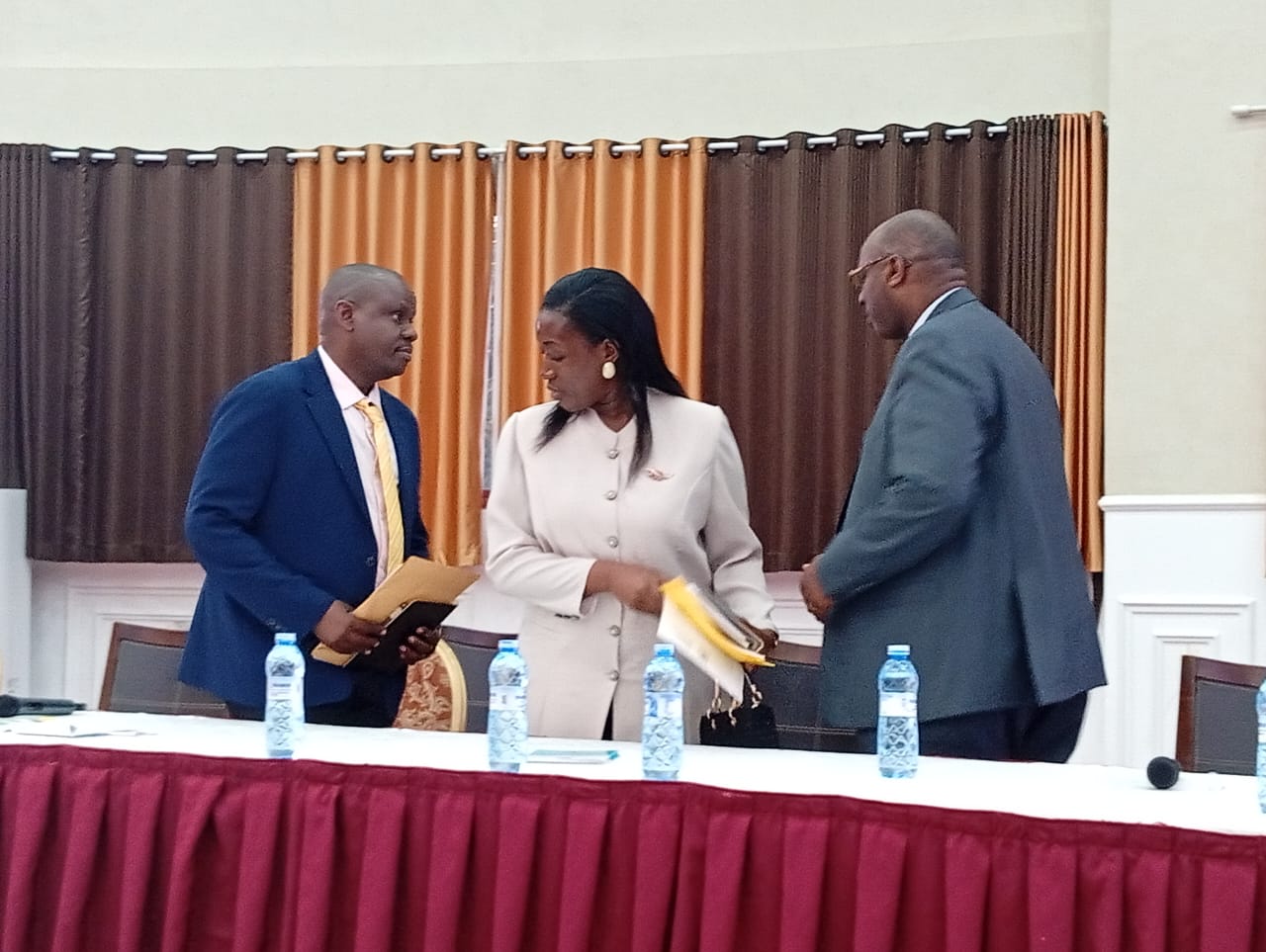
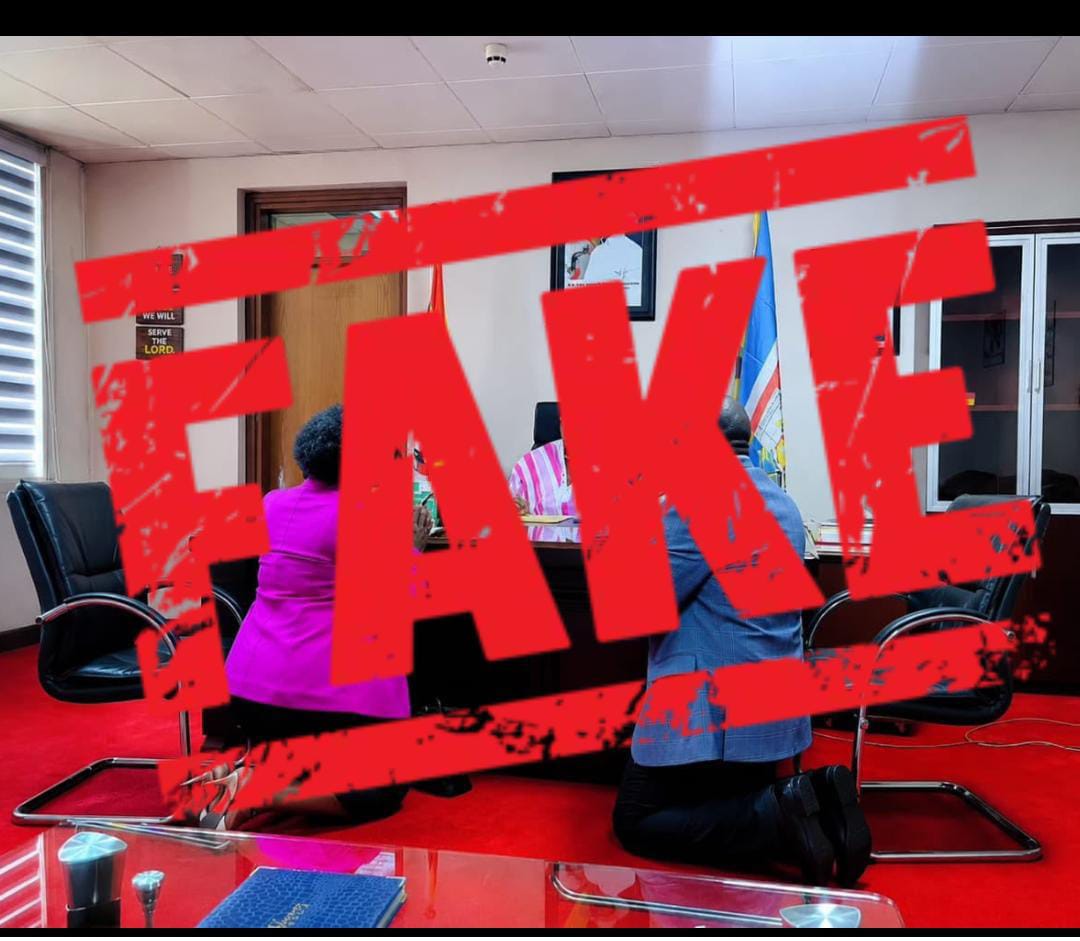
    Circulating images showing Hon. Adrine, Hon. Mwebesa and Nameere is fake and AI generated. In a statement released by the three honourables, they described it as an act of digital manipulation. Below is the full statement on the images:

    PUBLIC NOTICE & CONDEMNATION

    It has come to our attention that an AI-generated image purporting to show Hon. Adrine, Hon. Mwebesa, and Hon. Nameere in a posture of prayer is circulating online. (Praying is not bad) However, The above people did not engage in a prayer of any kind during the meeting!

    It was NOT a PRAYER, It is FAKE

    We strongly condemn this act of digital manipulation. These images are fake, malicious, and deliberately intended to distort, disturb, and disparage the image and dignity of the Honourable Members.

    Such conduct is not only dishonest, but also disrespectful to the leaders and the people of Sheema.

    We appeal to all people of Sheema and the general public to reject and offer this propaganda the contempt it deserves. Do not share, forward, or engage with it.

    To whoever is behind the creation and circulation of these AI-generated images: *
    WASHWAARA, OYETIISE* and *STOP THIS IMMEDIATELY‼️*. You are not far from God’s long hand. Misusing technology to spread falsehoods and tarnish reputations will not be tolerated.

    Let us choose truth, respect, and unity over deceit. For God and My Country

  • 2026 Updates: NRM’s Yoweri Kaguta Museveni rallies Masaka on wealth creation

    2026 Updates: NRM’s Yoweri Kaguta Museveni rallies Masaka on wealth creation

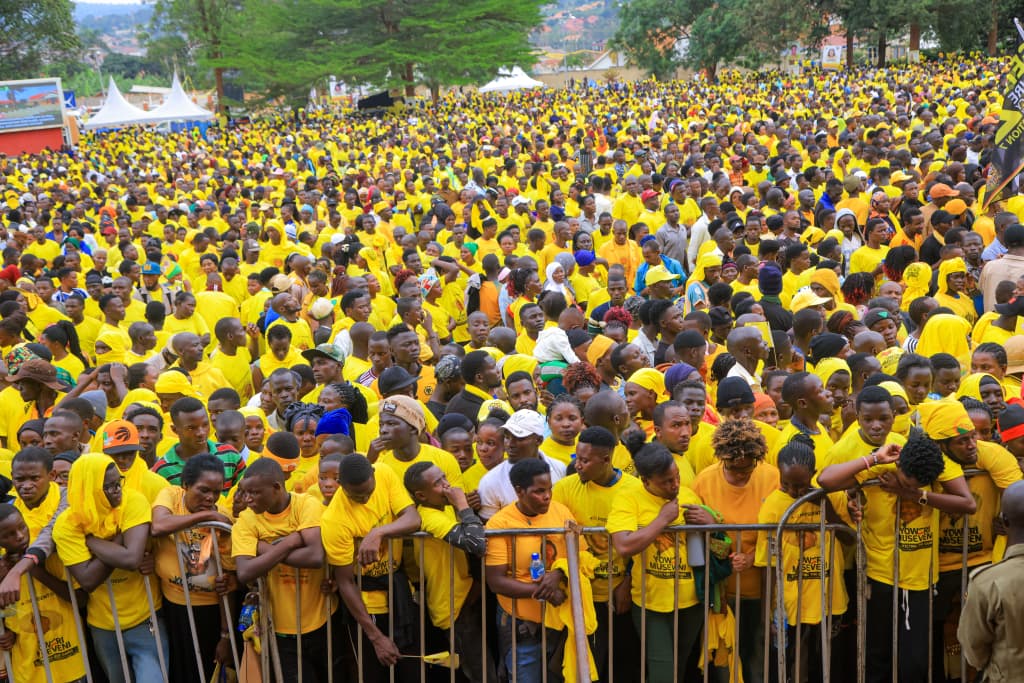
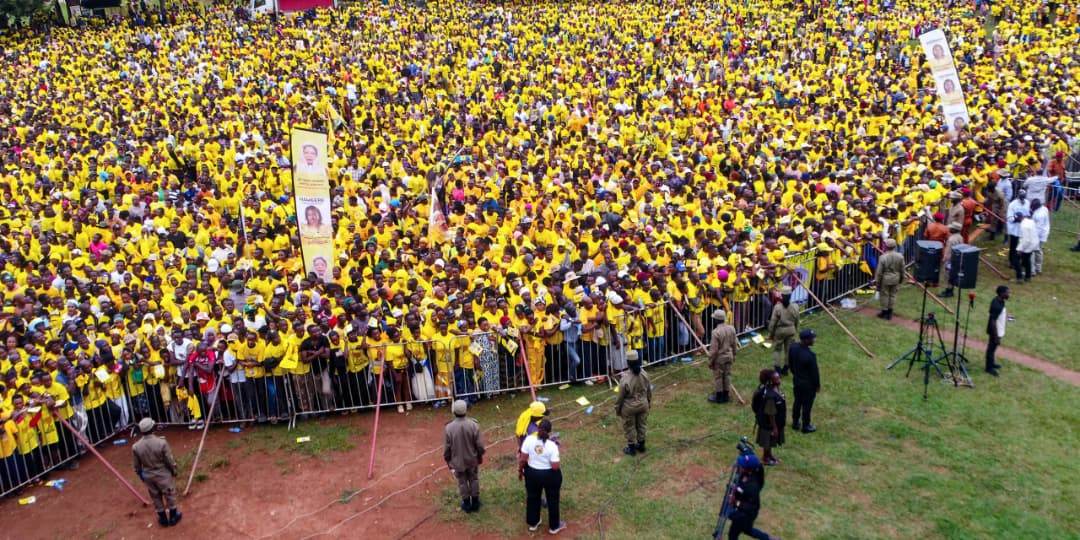
    Masaka City: President Yoweri Kaguta Museveni has rallied residents of Masaka City and the wider Greater Masaka sub-region to support National Resistance Movement (NRM) candidates and fully embrace government wealth-creation programmes, saying peace, development and economic empowerment remain the party’s strongest contributions to Uganda’s transformation.

    Addressing a massive rally at Liberation Square in Masaka City, Museveni, the NRM Presidential Candidate, said the very existence of public gatherings and development activities in the area is anchored on the peace delivered by the NRM over the last four decades.

    “The first major contribution of the NRM is peace. No one has brought peace to Uganda apart from the NRM,” Museveni said. “Where we are gathered today is called Liberation Square. Everything you see happening here is possible because there is peace, and this peace exists because the NRM does not discriminate based on tribe, religion, gender or any form of sectarianism.”

    Museveni said peace laid the foundation for the second pillar of NRM’s agenda—development—citing major infrastructure improvements across the country and in Masaka specifically. He recalled that when the NRM came to power in 1986, key roads such as the Katonga–Kabale route were impassable.

    “We have worked on that road several times,” he said, adding that all district headquarters now have electricity, with power extended further to sub-counties.

    The President revealed that Masaka District and Masaka City now have more than 200 villages with access to piped water, noting that while clean drinking water is essential, irrigation must also be prioritised to boost agricultural productivity.

    However, Museveni cautioned that Masaka could be receiving even more government services if the area consistently elected leaders who understand how government works.

    “Some issues are national and I can follow them up myself, but many local issues require active Members of Parliament,” he said. “Unfortunately, some MPs you elected are just drawing salaries and keeping quiet.”

    Turning to household incomes, Museveni urged residents to focus on wealth creation rather than subsistence living. He reiterated NRM’s long-standing message of working for both food and income, encouraging farmers to adopt the four-acre model.

    “We advised people to allocate land to coffee, fruits, food crops and pasture, supported by poultry, piggery and fish farming,” he said. “Those who listened to this advice are now doing well financially.”

    He disclosed that Masaka has so far received five million coffee seedlings and 440,000 fruit seedlings as part of government support to boost agricultural production. Museveni also announced plans to introduce special funds targeting fishermen, boda boda riders and ghetto dwellers.

    “Poor people become a burden to government because they contribute little to national development,” he said. “That is why you must embrace government wealth-creation programmes. Go to your sub-counties, ask about available government projects and participate in them. Do not listen to people who discourage you.”

    Museveni emphasized that job creation would come through two main avenues—commercial agriculture and industrialisation—highlighting the role of factories and industrial parks in absorbing Uganda’s growing labour force.

    NRM National Vice Chairperson Al Hajji Moses Kigongo thanked the people of Masaka City for their continued support and urged them to actively mobilise others ahead of the elections.

    “I ask each of you to convince at least ten other people to come out and vote for President Museveni,” Kigongo said. He called for unity before, during and after the elections, reminding residents that political contests should not divide communities.

    “Voting will end on January 15, but our relatives, friends and neighbours will remain with us. Let us love one another and not allow elections to divide us,” he added.

    Second National Vice Chairperson (Female) and Speaker of Parliament, Rt. Hon. Anita Annet Among, highlighted government interventions that have directly benefited women and farmers in Masaka. She said women were grateful for the construction of markets in Nyendo and Masaka Central, which have improved their working conditions and incomes.

    Among also thanked Museveni for granting Masaka City status, describing it as a transformative decision that has accelerated service delivery and urban development. She further acknowledged government support to coffee farmers, including the provision of 10 coffee processing machines, while noting that farmers are now requesting fertilisers to increase yields.

    Buganda Sub-region Vice Chairperson Haruna Kasolo commended NRM leaders in Masaka District and Masaka City for mobilising residents to attend the rally. He also praised security agencies for ensuring a peaceful environment that allows citizens to freely express their political views.

    “People are now able to move freely, wear their party T-shirts and participate in political activities without intimidation,” Kasolo said.
    Masaka City Woman MP contestant and NRM flagbearer Justine Nameere raised concerns over voter intimidation in Greater Masaka, saying some residents were being threatened for attending NRM rallies.

    “We are tired of voter intimidation. Voters are being told that if they attend NRM rallies, they will be attacked in their homes,” Nameere said, calling for respect for democratic freedoms.

  • Greater Masaka Parish Development model starts with a bang

    Greater Masaka Parish Development model starts with a bang

    Former Governor Greater Masaka and now Minister of Defense and Veteran Affairs, The father of Greater Masaka, Hon Vincent Ssempijja Bamulangaki is leading a team of Ministers and technocrats traversing the Greater Masaka region, flagging off the Parish Development Model (PDM).
    Justine Nameere, the NRM activist and senior mobliser has called on the people of greater Masaka to be serious and get involved in the PDM.
    Government has plunged the biggest portion of the budget into PDM because Government wants to see everyone get out of poverty.
    “Please be cooperative and we fight poverty. I am not so well this week, am on sick leave therefore, but the campaign original owner and former Governor Greater Masaka is here to help you,” she said.
    The Honorable Minister will be live on different radio stations in the region everyday to spread PDM message.
    Justine Nameere
  • Justine Nameere calls on Ladies to register for Women Council elections

    Justine Nameere calls on Ladies to register for Women Council elections

    Politicians and lawyer Justine Nameere has come out strongly to argue ladies to run quickly to the nearest village and register in the Women council voters’ register.
    She made a call while posting on her social media platforms.
    Justine Nameere made the call to ladies
    She said these women leaders at the village level will eventually emerge at Parish level, sub county level and district level. “So it matters so much who is voted at village level! Please participate,” she said.
    Below is her full statement;
    “Ladies! Ladies! Abakyaala wuuwu
    Please run quickly to the nearest village and register in the Women council voters’ register so that you can vote for women leaders of your choice! These women leaders at the village level will eventually emerge at Parish level, sub county level and district level. So it matters so much who is voted at village level! Please participate! Remember President Yoweri Kaguta Museveni introduced women councils because he wanted women to have effective representation through as many fronts as possible. Therefore let us show him appreciation by voting for NRM flag bearers. God bless our Party Chairman and Father of the Nation, His Excellency President Yoweri Kaguta Museveni, Soda wa Bakyaala! SSPA Omuzzukulu Nameere Justine,” she said.
  • Justine Nameere assures coffee farmers in Masaka

    Justine Nameere assures coffee farmers in Masaka

    Politician and NRM chief Mobiliser Justine Nameere has met with leaders of coffee farmers’ groups in Masaka District assured them of trade protection.
    Nameere told the leaders that the Government under President Yoweri Museveni can not do anything that will hurt farmers of Uganda’s biggest cash crop.
    She promised to lobby more support for their factory from government.

    “I met leaders of coffee farmers’ groups in Masaka district! I emphasized that Government under President Museveni cannot do anything that will hurt farmers of Uganda’s biggest cash crop-coffee! I will also lobby more support for their factory,” Justine Nameere said.

  • Justine Nameere rewards NRM party members with 100k each

    Justine Nameere rewards NRM party members with 100k each

    Media personality and politician Justine Nameere has embarked on rewarding NRM party members.
    Posting on her social media, Nameere said if you bump into her and you show her NRM Party card, she gives you UGX 100k immediately.
    She continues to mobilize support for President Yoweri Kaguta Museveni and NRM.
    “If you move with your NRM membership card and I happen to bump into you, I give you 100,000 ug shs immediately! Ekkumi ovaawo nalyo. NRM Oyeee! Jjaja M7 forever. Omuzzukulu Ow’ebbendobendo Justine Nameere, wishes you all a happy Easter holiday ! Enjoy yourselves, Jjaja yaleeta eddembe,” Nameere posted.
  • “STOP THE LIES ON FARIDAH NAKAZIBWE AND NAMEERE JUSTINE” – fans lambast NBS TV

    “STOP THE LIES ON FARIDAH NAKAZIBWE AND NAMEERE JUSTINE” – fans lambast NBS TV

    A few days ago NBS TV aired an interview where they talked to Nameere Justine about her new TV station in Masaka, TM TV and her new appointment as Special Senior Presidential Advisor on Greater Masaka Region Affairs. During the interview, Nameere talked about her work and also stated that priority as per the jobs on her new TV station will be given to the young jobless youths, below 35 years, in Greater Masaka.

    Nameere evaded any mention of Faridah Nakazibwe all through her interview. However, NBS TV went to their facebook page and posted a story indicating that Nameere attacked Nakazibwe and trashed her and she said she can not employ her on her new TV because “she is old and not talented”.

    Some fans who had not watched the interview lushed out at Nameere for attacking Nakazibwe in an interview that had nothing to do with Nakazibwe. However, the fans who had watched the interview kept defending Nameere and cleared the air that the story is fake and a concoction of NBS TV. Fans then turned their guns onto NBS TV and blasted them for continuously reporting fake news, stirring up trouble between celebrities and tarnishing people’s names.

    Some of the comments from fans, included;
    Kakooza Nasser, “imagine a so-called big TV station telling lies mbu for viewership, Nbs tv style up!”

    Ahumuza Lucy “NBS TV lacks credibility I gave up on any news from them!”

    Ivan Mutwe, “it seems NBS TV wanted to insult Farida Nakazibwe but decided to hide behind Nameere Justine but I watched that interview and Nameere did not say anything about Nakazibwe!”

    Simon Peter Mugabo, “NBS TV is just jealousy of Nakazibwe Farida because she refused to join NBS and also jealous of Nameere Justine because she is the youngest TV owner and youngest Presidential Advisor so they decided to write a nasty story involving both ladies to resurrect their old war. NBS muswadde nnyo”.