Kampala: The Permanent Secretary in the Ministry of Local Government, Ben Kumumanya, has urged newly elected Local Council Executive Councils to execute their roles, functions and responsibilities with integrity, accountability and commitment to service, saying grassroots leadership is the frontline of Uganda’s decentralised governance.
Kumumanya said Local Council leaders must understand that electoral victory is not the destination but the beginning of a public-service responsibility to the citizens who entrusted them with leadership.

“The Executive Council must understand its roles, functions and responsibilities and serve the people with integrity. Leadership is about service, accountability and ensuring that Government programmes reach the intended beneficiaries,” Kumumanya said.

His message comes as newly elected Local Council leaders assume office following the 2026 Local Council elections.
For the ordinary Ugandan, decentralisation is not simply a Government policy.

It is the local leader who listens to a community complaint, follows up a road, monitors a health facility or asks whether a Government programme has reached its intended beneficiary.
Uganda’s 2024 National Population and Housing Census recorded 45,905,417 people, while the Electoral Commission’s 2026 statistics cited in the local-government context indicate 71,214 villages and 10,717 parishes.
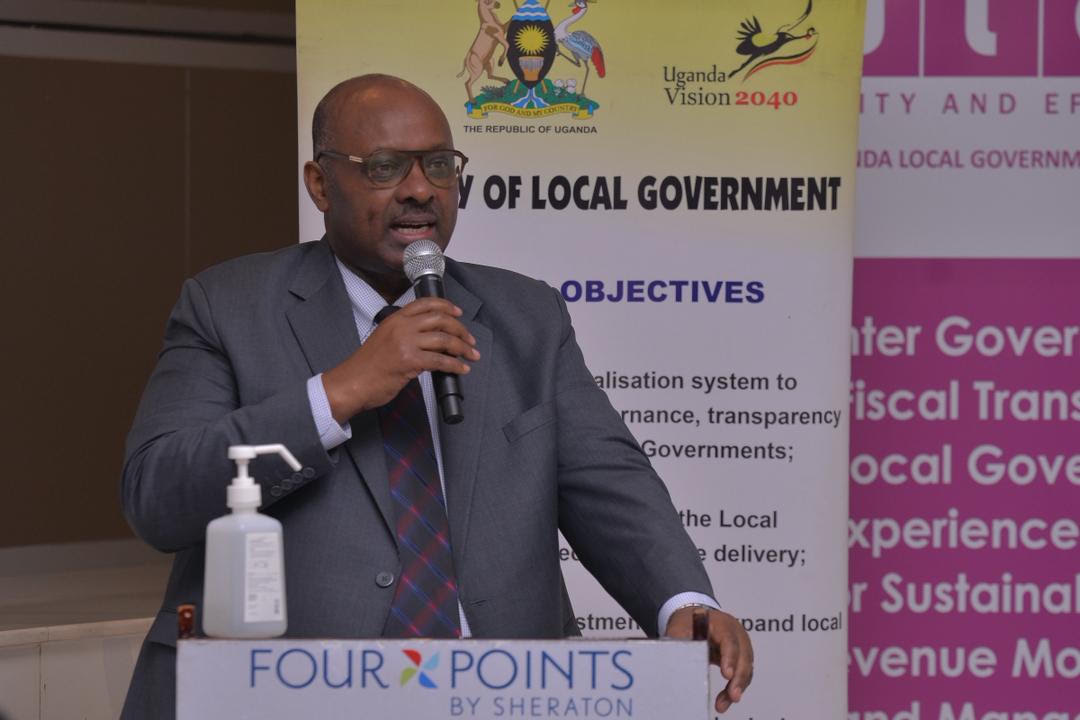
Kumumanya said the size of Uganda’s grassroots governance network makes responsible local leadership essential.
“You have been entrusted with the responsibility of serving your communities. You must know your functions, work as a team and remain accountable to the people,” he said.
THE CHAIR IS NOT A THRONE
Executive Councils are expected to help implement council decisions, monitor Government and local-government programmes, mobilise citizens for development, support community welfare and maintain communication between citizens and Government.
Kumumanya cautioned leaders against treating public office as personal property.
“The position you occupy belongs to the people. You must protect public resources, listen to citizens and ensure that decisions taken by the council are implemented,” he said.
LC I leaders operate closest to households, while LC II leaders coordinate concerns from several villages at parish or ward level.
This creates a governance bridge from the citizen to LC I, LC II, sub-county or town, municipality or city, and district.
THE ACCOUNTABILITY TEST
Kumumanya also urged Executive Councils to monitor Government programmes, including the Parish Development Model and Emyooga, and help communities establish whether intended beneficiaries are receiving support.
For Uganda’s new grassroots leaders, the election is now history.
The real story begins with performance.
As Kumumanya’s message suggests, the final measure of decentralisation will not be the number of leaders elected, but whether citizens can say:
“Our leaders listened to us, served us and accounted for the trust we gave them.”