Kampala: The soft-spoken and compassionate Permanent Secretary of the Ministry of Local Government, Mr. Ben Kumumanya, has urged Ugandans to choose leaders of integrity, commitment and accountability as the country prepares for the Local Council I (LC I) and Local Council II (LC II) elections on Tuesday 28th July 2026.
In all 105 districts that make up Uganda, new LC1 and LC 11 leaders are gearing up for elections. Mr. Kumumanya says the future of Uganda’s decentralised governance system depends on the quality of leadership elected at the grassroots, where communities interact directly with government structures and where national programmes are translated into practical benefits for citizens.
According to the Permanent Secretary, LC I and LC II leaders remain the foundation of service delivery, citizen participation and community development because of their unique position as the closest elected representatives of the people.
“The strength of our decentralisation system depends on strong Local Councils because they are the closest leaders to the people. They understand community challenges and are responsible for ensuring that government programmes reach the intended beneficiaries,” Mr. Kumumanya says.
As Uganda prepares for the grassroots elections, the Ministry of Local Government is emphasising the need for communities to elect leaders who understand that public office is a responsibility to serve rather than an opportunity for personal gain.
The LC I and LC II structures remain at the centre of Uganda’s decentralised governance framework, established to bring decision-making closer to citizens, promote participation in local planning, strengthen accountability and enable communities to monitor service delivery.

Mr. Kumumanya living the dream and natural calling as noble local government encyclopedia says effective decentralisation can only succeed when communities have leaders who are honest, approachable and committed to improving the lives of the people they represent.
“Local Council leaders are the first point of contact between citizens and Government. They must be leaders who listen to the people, mobilise communities and promote accountability in the management of public resources,” he says.
The grassroots development engine
The Permanent Secretary explains that the responsibilities of LC I and LC II leaders go beyond administrative duties.
They are expected to implement council decisions, mobilise citizens to participate in government programmes, promote sanitation and environmental protection, maintain peace and security, identify vulnerable households and monitor service delivery within their communities.
Their role has become increasingly significant as Government continues implementing programmes aimed at improving household incomes and social welfare, including the Parish Development Model (PDM), Emyooga, immunisation campaigns and other community development initiatives.
Mr. Kumumanya says local leaders play a critical role in ensuring that government interventions reach the right people and achieve their intended objectives.
“Government programmes can only succeed when communities are properly mobilised and when local leaders take responsibility for ensuring that beneficiaries receive the intended services,” he says.
Accountability begins at the village
Mr. Kumumanya’s message comes at a time when Government continues strengthening accountability mechanisms across local governments.
He says the fight against corruption must begin at the grassroots because this is where citizens directly interact with leaders responsible for implementing public programmes.
According to the Permanent Secretary, responsible Local Council leaders have a duty to protect public resources through transparency, monitoring government projects and reporting cases of abuse of office.
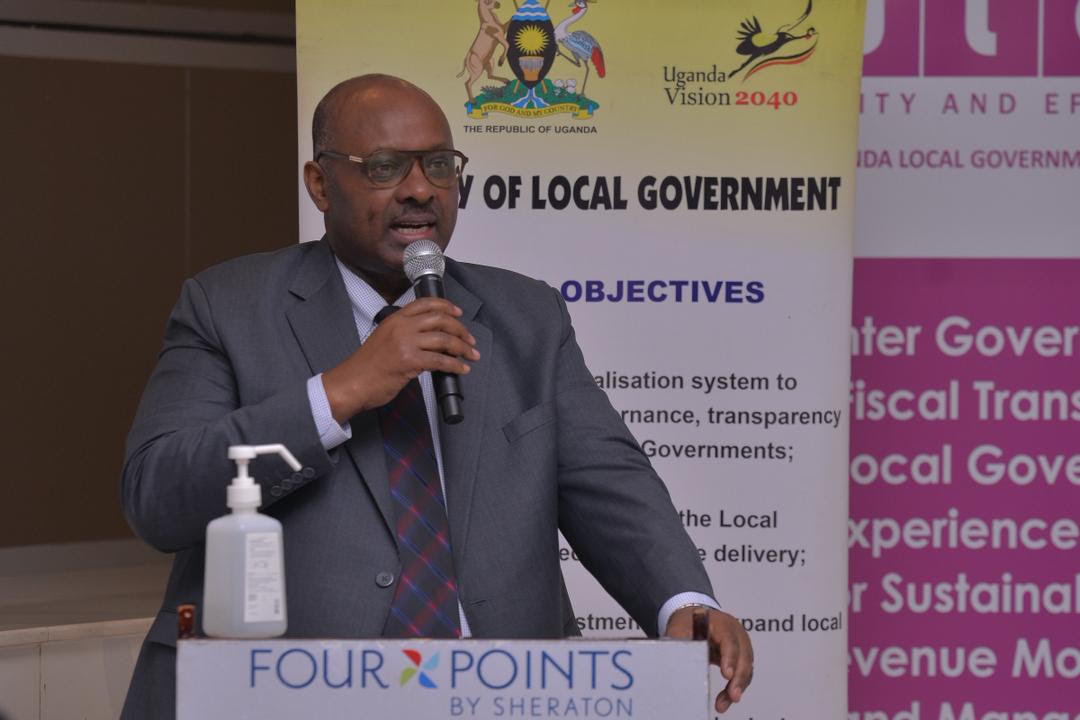
“Accountability is not only the responsibility of national leaders. It begins in our communities, where leaders must safeguard public resources and ensure that development programmes benefit the people,” Mr. Kumumanya says.
Recent engagements between Government officials and communities across the country have demonstrated the importance of citizen participation in demanding better services, exposing corruption and promoting responsible leadership.
Choosing leaders for transformation
As Uganda moves towards the LC I and LC II elections, Mr. Kumumanya has encouraged citizens to assess candidates based on their character, integrity, commitment and ability to serve.
The Ministry of Local Government believes that strong Local Councils create stronger Local Governments, improved service delivery and increased public confidence in government institutions.
Beyond the elections, Mr. Kumumanya says effective grassroots leadership is essential in building peaceful, accountable and economically productive communities.
“The future of our communities begins with the choices we make at the village level. When we elect leaders who are committed to service, we strengthen decentralisation and create a foundation for national development,” he says.
For Uganda’s decentralisation journey, the village remains the starting point.
The upcoming LC I and LC II elections will therefore test whether communities will choose leaders capable of transforming grassroots governance into a vehicle for accountability, participation and sustainable development.