Kampala: Stanbic Bank Uganda has become the first financial institution in the country to integrate with China’s CrossBorder Interbank Payment System (CIPS), enabling Ugandan businesses to make direct, faster, and lower risk payments in Chinese Yuan (RMB). The move is expected to significantly cut foreign exchange exposure and streamline settlement for the billions of dollars in annual trade between the two countries.
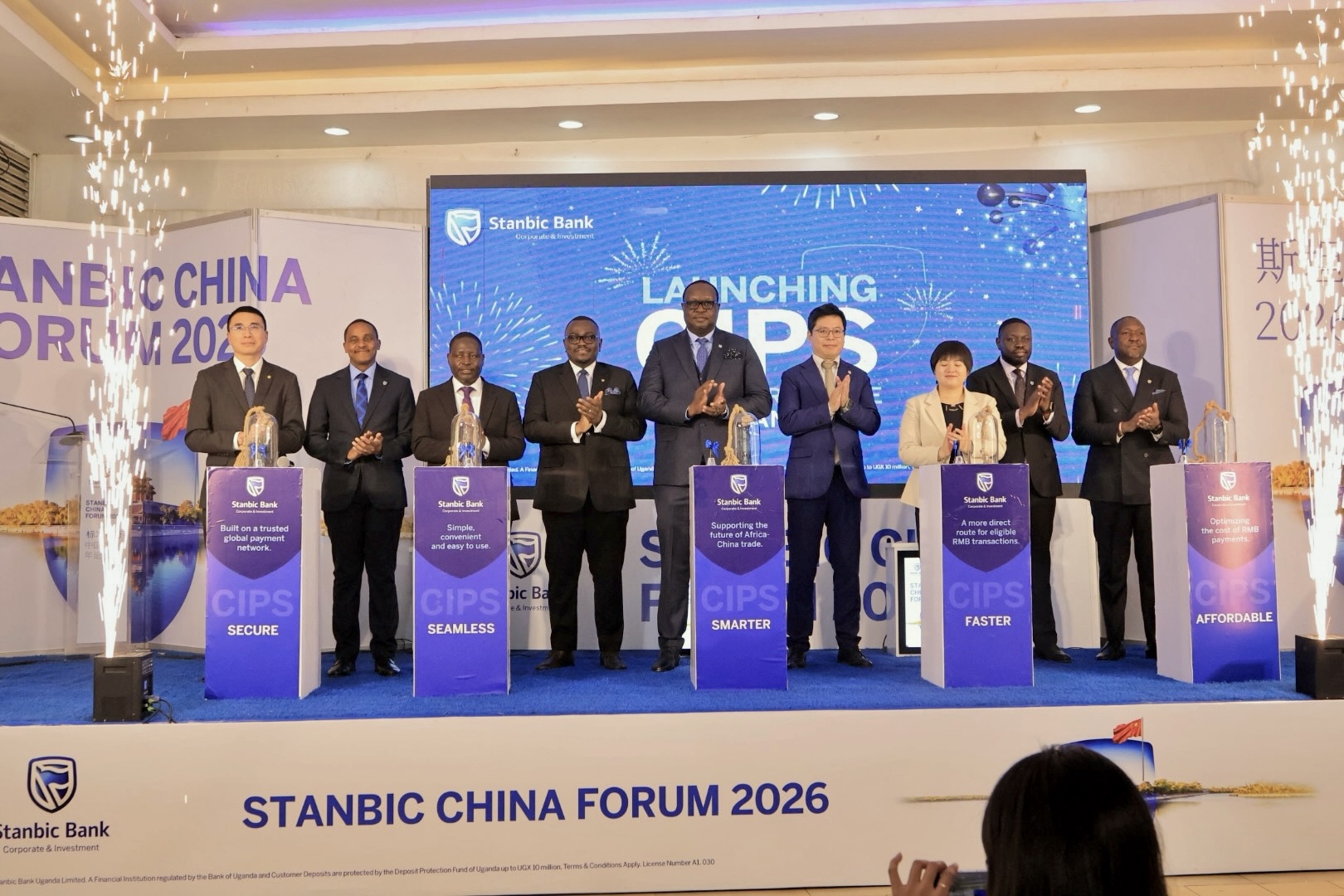
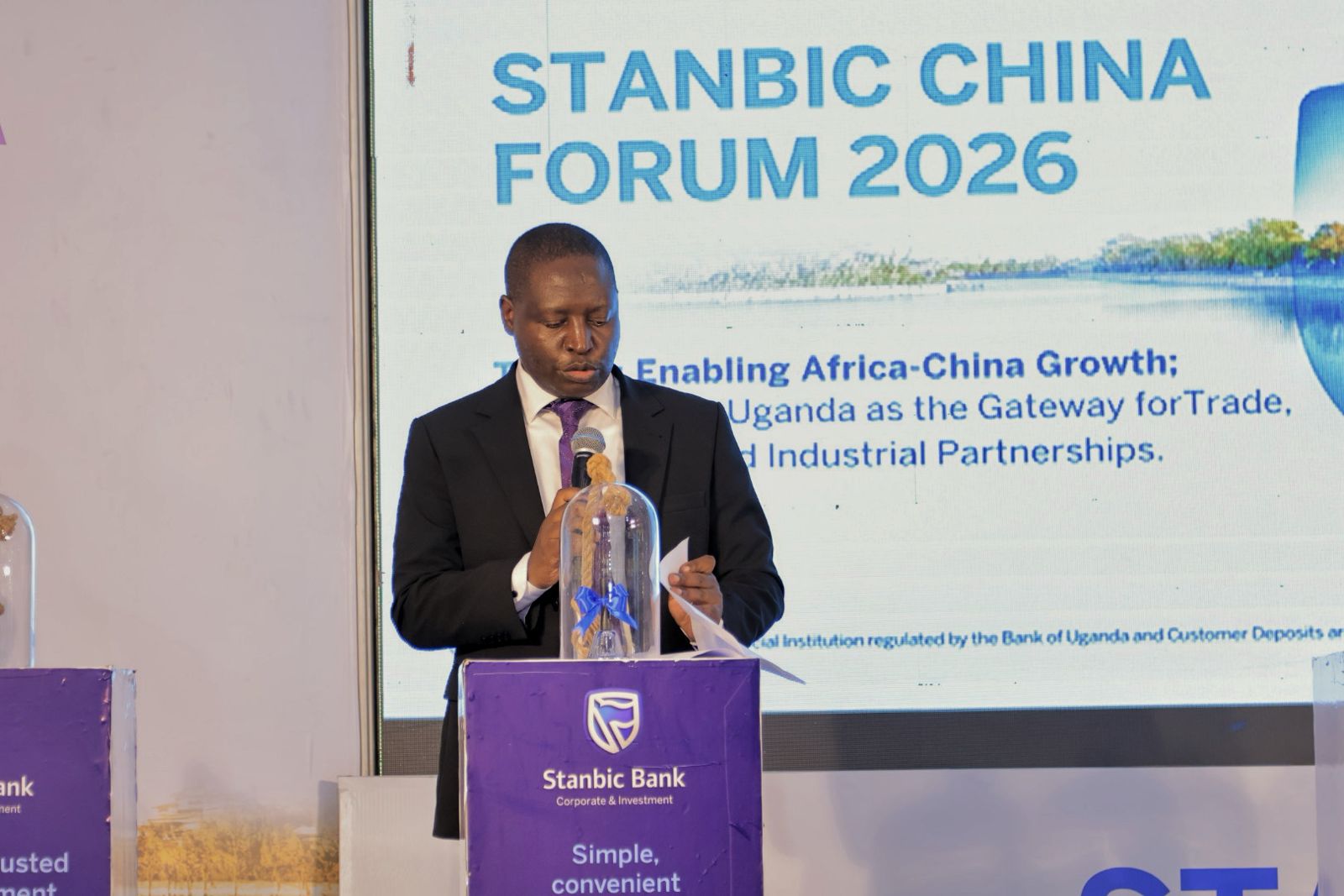
Uganda imported USD 3.3 billion worth of goods from China in 2025, compared to USD 118 million in exports. The new system is expected to help exporters to access Chinese buyers more efficiently and reduce the cost of doing business for importers. Presiding over the launch at the inaugural Stanbic–China Trade Forum in Kampala on Tuesday, Minister of State for Industry David Bahati said the platform addresses longstanding payment and data challenges in Uganda–China commerce.


“China is one of Uganda’s most significant bilateral partners. This solution removes key bottlenecks and opens practical pathways for deeper industrial and commercial collaboration,” Bahati said. Globally launched by the People’s Bank of China in 2015, CIPS is the official clearing and settlement infrastructure for crossborder RMB transactions. Andrew Mashanda, Standard Bank Group’s Head of Business and Commercial Banking for Africa Regions and Offshore, said the development aligns with their broader strategy to power the continent’s economic trajectory with trade being a key driver.


“Africa–China trade has been a key driver of growth across the continent. The next chapter will be defined not just by trade volumes, but by what we build together — manufacturing capacity, value addition, and infrastructure,” Mashanda said. With Uganda increasingly becoming a gateway into East Africa’s fast growing regional economy, Mashanda said, “We must continue unlocking investment opportunities for Chinese partners and create an environment conducive to shared prosperity.”

The availability of CIPS in Uganda, Stanbic Bank Uganda Chief Executive Mumba Kalifungwa said, marks a major step in modernising trade facilitation and reducing reliance on intermediary currencies. “The system will give Ugandan businesses a competitive edge and significantly contribute to government’s efforts to grow the economy ten times to reach USD 500 billion by 2040,” said Kalifungwa, adding that direct RMB settlement through CIPS reduces FX volatility, speeds up transactions, and strengthens commercial ties with Chinese companies.


Ugandan traders importing from China will also benefit from Stanbic Bank’s partnership with ‘Guomao’ a platform linking local businesses to one of Beijing’s major trading districts to expand sourcing and market access opportunities.