

Gulu: Stanbic Uganda Holdings Limited’s (SUHL) banking subsidiary and non-profit unit the Incubator, have launched a landmark twin programme set to empower more than 10,000 lowincome women entrepreneurs and 100 horticulture farmers across Northern region with access to affordable financing, business development support, and digital financial services.
The Women Economic Empowerment (WEE) programme, supported by the Gates Foundation, and the Albertine Agribusiness Development Programme (ADP), funded by the Uganda National Oil Company (UNOC), are part of Stanbic’s Positive Impact Agenda for Women, Youth and Farmers (WYF Agenda).
Under this agenda, Stanbic Bank has pledged to mobilise—through strategic partnerships, up to UGX 1 trillion by 2028 to expand livelihoods and accelerate Uganda’s transition into a productive, inclusive, and competitive economy. The WYF agenda is deliberately aligned with the government’s ATMS strategy, which seeks to grow Uganda’s economy tenfold—from USD 50 billion to USD 500 billion by 2040—by scaling enterprise productivity, strengthening agroindustrial value chains, and expanding participation in the money economy.
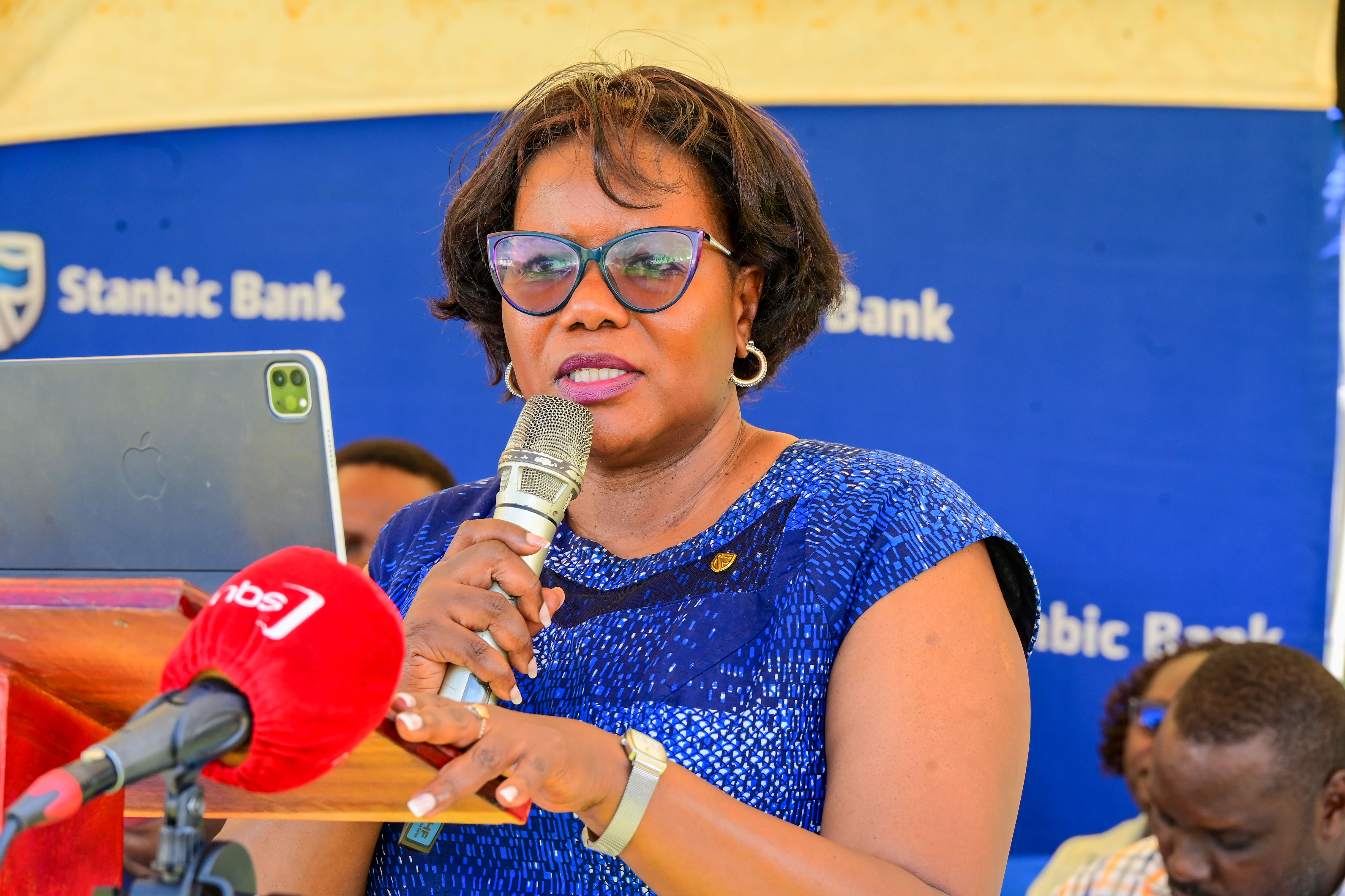
Speaking at the launch, Catherine Poran, Chief Executive of the Stanbic Business Incubator Limited (SBIL), said the programmes reflect Stanbic’s purpose in action. “This is what we mean when we say our purpose is to drive Uganda’s growth,” she said. She noted that the WEE programme provides entrepreneurship training, financial literacy, digital skills, mentorship, insurance, savings solutions, and market linkages—critical enablers for women to build sustainable enterprises and improve household incomes. The ADP complements this by equipping farmers with modern agronomic skills and linking them to structured markets.
Poran emphasised that many women struggle to access credit due to lack of collateral, urging them to begin building credit histories through WEE’s technical and financial platforms.“When farmers are linked to markets, they secure better prices for their produce. Many farmers grow products, but the challenge is accessing markets. Through this programme, we are working with offtakers ready to buy these products,” she said. She added that the programme aims to ensure that each supported farmer can help at least 15 others adopt good agricultural practices—creating a multiplier effect essential for expanding production and strengthening value chains.

“Alongside capacity building, this programme will enable farmers to access formal financial services, which many smallholder farmers currently struggle with. We are optimistic that this initiative will significantly improve their situation.” Poran reaffirmed Stanbic’s commitment to integrating smallholder farmers and women entrepreneurs into the money economy while enhancing Government programmes such as the Parish Development Model (PDM) and complementing ATMS priorities of productivity, market access, and enterprise formalisation.

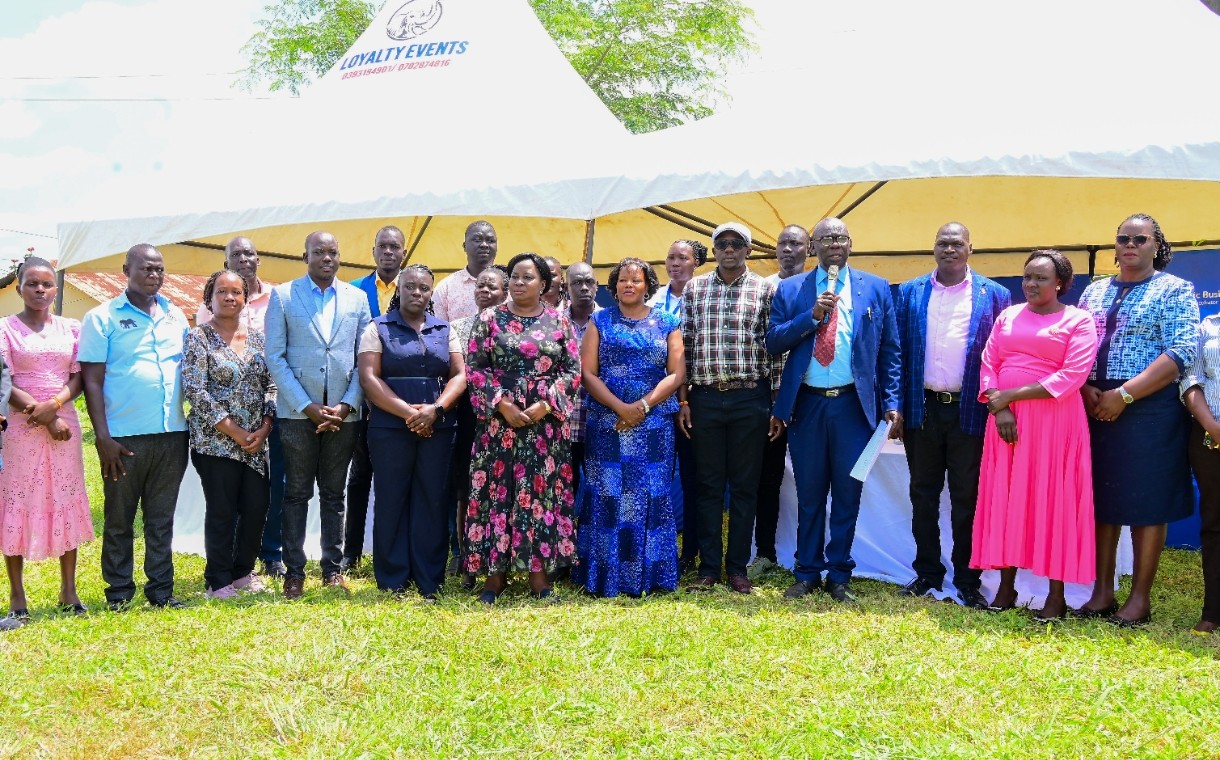
Launching the programme at the Mayor’s Gardens in Gulu, Ambrose Onoria, Resident City Commissioner, urged beneficiaries to take the opportunity seriously. “With this programme offering a 10% interest rate, no one should accept being poor or left behind,” he said. Jessica Kyeyune, National Content Specialist at UNOC, highlighted the importance of business management skills for women entrepreneurs. “Sometimes people spend all they earn without distinguishing between profit and cash flow. Learning these skills helps them understand whether their business is growing or simply consuming resources.”
She added that ADP will train farmers to manage post harvest losses and link them to export markets, noting that farmers trained in Hoima have already secured buyers. Labeja Julius Acire, Mayor of Gulu City, cautioned against predatory lenders who exploit vulnerable women. “This programme provides structured financing and helps combat unscrupulous loan sharks who have been giving our women a tough time. It is not only about finance; it includes training, which is essential.”

He said the City Council is decentralising support structures to ensure women’s groups receive training, collaborate effectively, and identify viable enterprises. “We are committed to partnering with Stanbic Bank, the Gates Foundation, and UNOC to ensure clarity of responsibilities. When organised effectively, the margin for error is minimal.”


