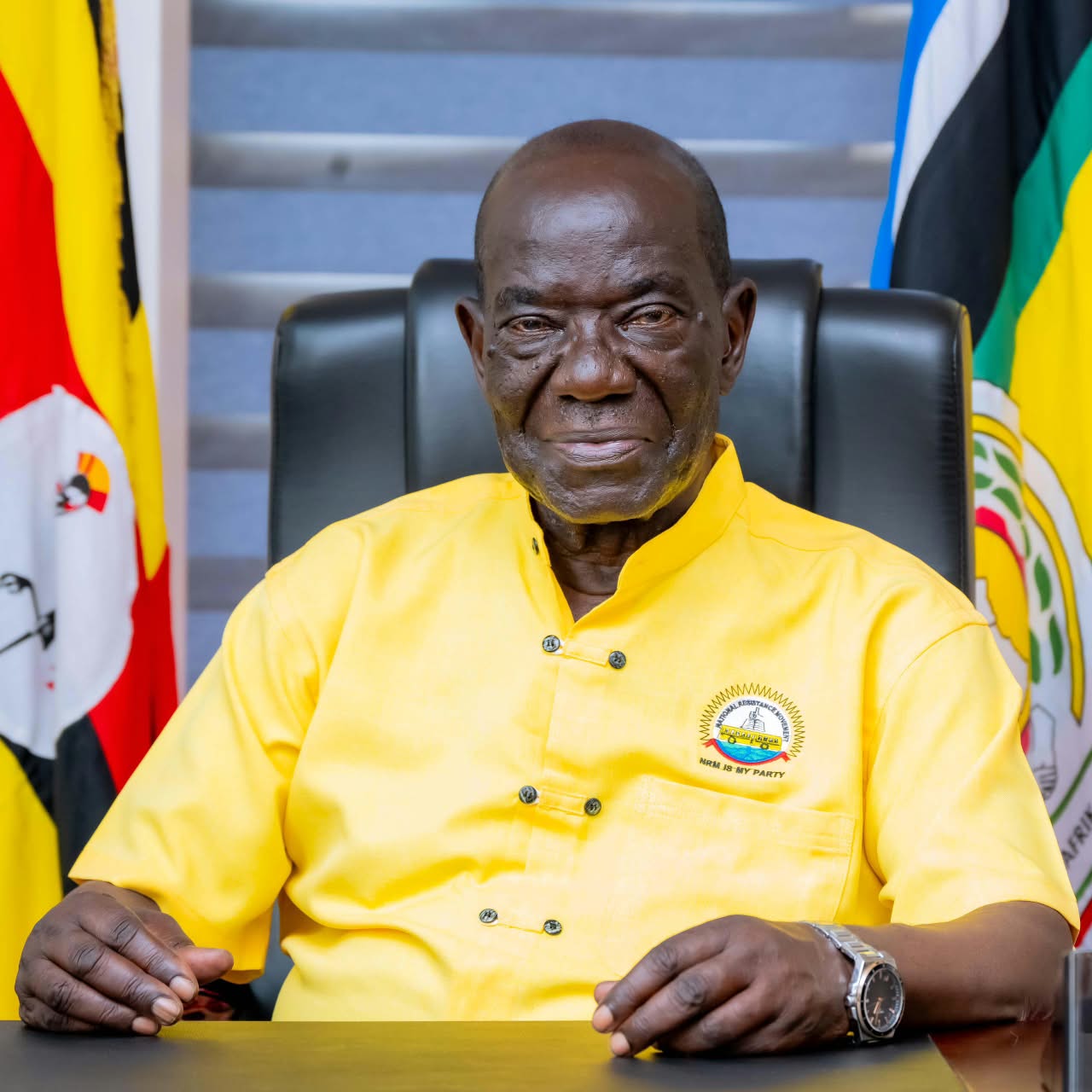
Kampala: For former Vice President Edward Kiwanuka Ssekandi, the appointment of Dr Chris Baryomunsi to lead Uganda’s health sector is an opportunity to place one urgent rural health question before the Ministry: what will it take to upgrade Kyanamukaka Health Centre and give mothers and patients the level of care they deserve?
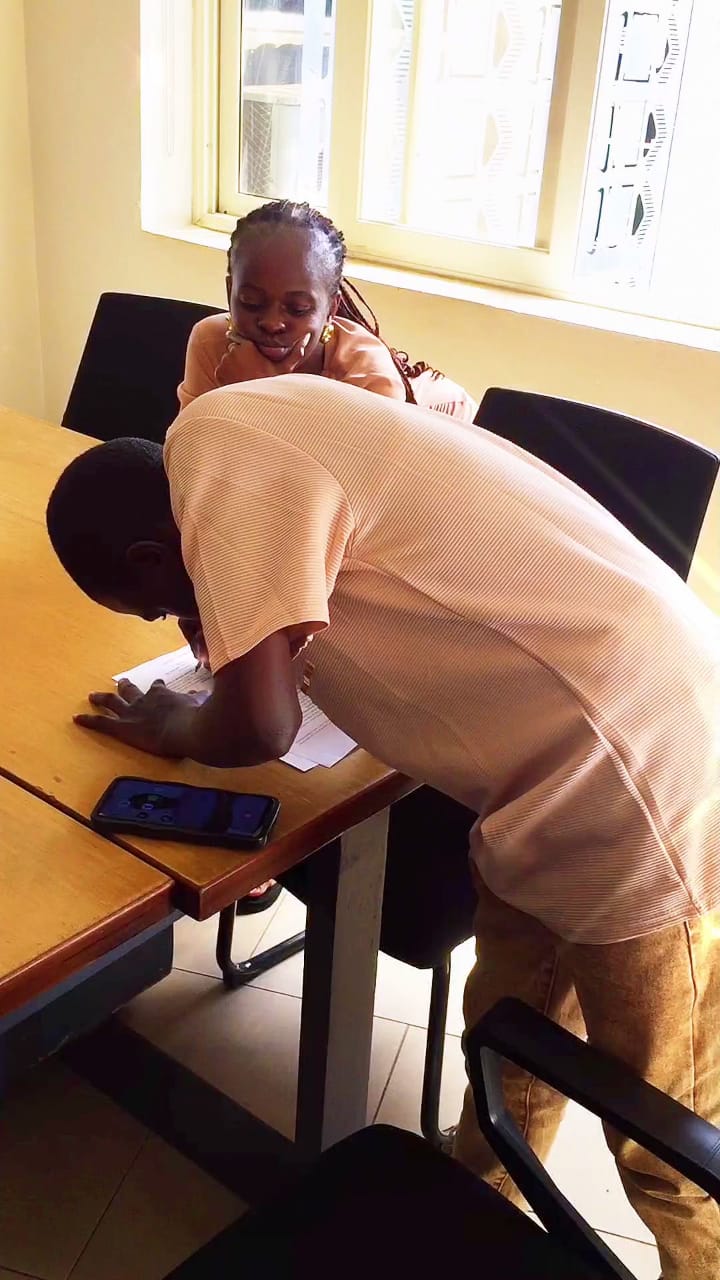
In a special letter addressed to Baryomunsi, Ssekandi congratulated him on his ministerial appointment and simultaneously drew his attention to the health-care needs of Kyanamukaka in Rural Masaka.

Ssekandi thanked President Yoweri Kaguta Museveni for entrusting Baryomunsi with leadership of the health sector and urged the minister to give Kyanamukaka immediate attention.

“I want to congratulate you upon your achievement as the Health Minister and I want to remind you that Kyanamukaka Health Centre IV needs immediate health attention and extensive resources to help the sick and delivering mothers with good health services,” Ssekandi said.
The message is both congratulatory and urgent.
For Ssekandi, the appointment of a new health-sector leader should translate into renewed attention to communities where health facilities are struggling to match demand.

Why Kyanamukaka Needs an Upgrade
Kyanamukaka is not a health facility serving a handful of patients.
Government health-sector performance data show that Kyanamukaka Government facility recorded 841 deliveries during the 2023/24 financial year.
That is an average of roughly 70 deliveries every month.
The facility also handled thousands of outpatient visits and admissions during the same period.
Behind those numbers are mothers, newborns, children, elderly people and families relying on Government health care.
Ssekandi’s argument is therefore straightforward: a facility carrying this level of demand requires infrastructure and services capable of responding to it.
Through his Personal Assistant, Oscar Mutebi, Ssekandi has called on the Ministry of Health to consider upgrading Kyanamukaka’s services and improving the facility’s ability to manage patients, particularly mothers and emergency cases.
‘Mothers Need Better Care’
Mutebi says the maternity situation remains one of the most important reasons for strengthening the facility.
“We have challenges that our mothers are giving birth on the floor. We appeal to the Ministry of Health to help us improve it into hospital status,” Mutebi said.
The statement brings the debate out of policy offices and into the maternity ward.
A health facility can be measured by buildings and equipment, but its true test comes when a mother arrives in labour.
Does she find a safe bed?
Is there a trained health worker?
Are essential medicines and supplies available?
Can the facility manage complications or refer the mother quickly?
Ssekandi wants Kyanamukaka to have stronger capacity to answer those questions.
A Health Facility at the Centre of a Growing Community
Mutebi says residents from Namirembe, Buyaga and the landing site sometimes travel long distances to access health services.
“The landing site people move long distances to access free health-centre services,” he said.
For routine treatment, such journeys can be inconvenient.
For maternal emergencies, the consequences can be much more serious.
That is why the proposal has two parts: upgrade Kyanamukaka Health Centre while bringing lower-level health services closer to communities that remain far from the facility.
Mutebi has specifically called for consideration of Health Centre IIIs in areas such as Namirembe and Buyaga.
Ssekandi Thanks Baryomunsi
Ssekandi’s letter is also a message of confidence in the new health-sector leadership.
He congratulated Baryomunsi and urged him to use his position to respond to the needs of rural communities.
The former Vice President’s approach is notable because he combines recognition of Government leadership with a specific request for action.
Congratulations, followed by accountability.
That is the heart of his message.
The Road Has Improved. Now Health Must Follow
Kyanamukaka has also benefited from improved road infrastructure, including the tarmacking of the Kyanamukaka Town Council road.
The road is expected to make movement easier for residents and improve access to services.
For pregnant mothers and emergency patients, better roads can make referrals and transport easier.
But Ssekandi’s argument is that access is only half the equation.
“A road can take a mother to a health facility, but the health facility must be ready to receive her.”
That means improved maternity infrastructure, adequate beds, laboratory services, medicines, health workers and referral capacity.
The Ultrasound Machines Show What Partnership Can Do
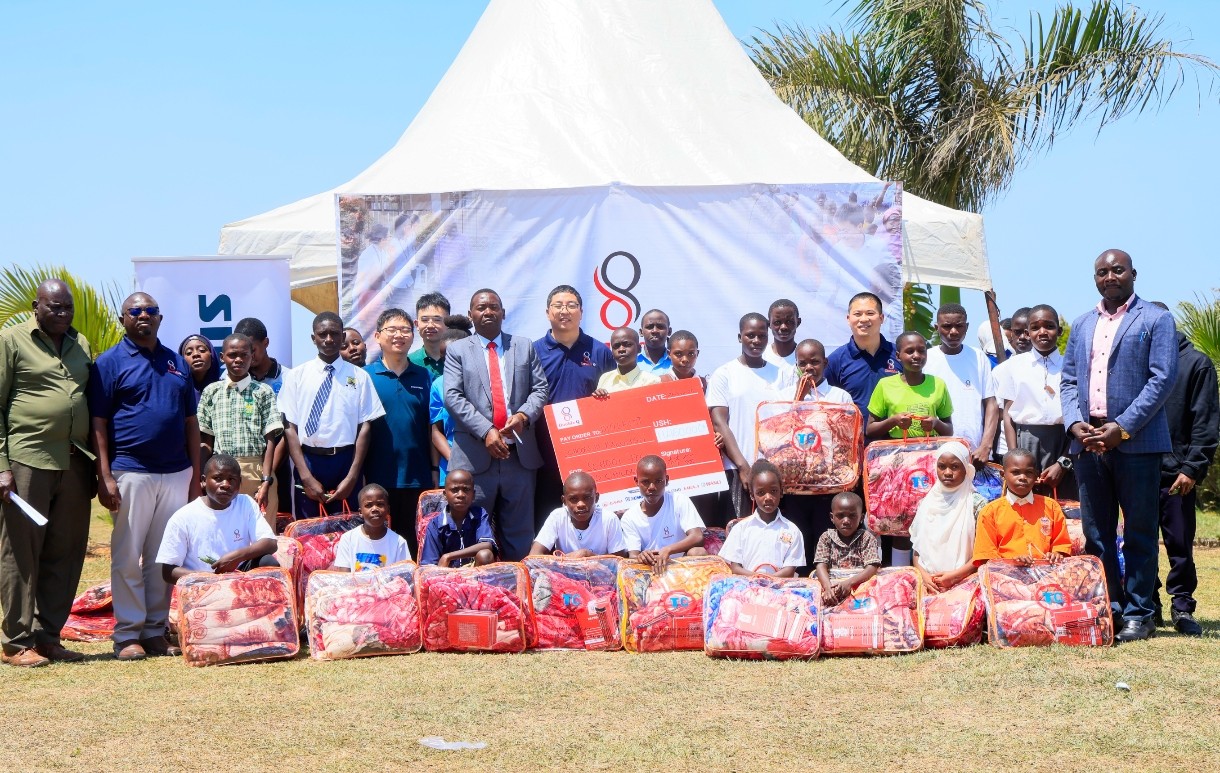
Ssekandi’s call comes as Bulamu Access Foundation, working with partners from the Netherlands, supports Kyanamukaka Health Centre III with two mobile ultrasound machines.
The intervention demonstrates the potential of partnerships in strengthening rural health.
But it also reinforces Ssekandi’s argument that Government must provide the wider system in which donated equipment can function.
Mutebi says the facility still needs patient beds, improved laboratory equipment and other essential resources.
The Bigger Health-Care Question
The case for upgrading Kyanamukaka is ultimately about more than one building.
It is about whether Uganda’s rural health system is keeping pace with the needs of the people it serves.
The 841 deliveries recorded in one financial year provide a measurable indication of demand.
The reports of inadequate maternity conditions provide the human dimension.
The long distances travelled by some patients provide the access challenge.
And the donated ultrasound machines provide an example of what partners can contribute.
Now Ssekandi wants the Ministry of Health to connect those pieces.
Upgrade Kyanamukaka. Strengthen maternity care. Improve diagnostic capacity. Equip the facility. Bring services closer to underserved communities.
And as he congratulates Dr Chris Baryomunsi on his appointment as Health Minister, Ssekandi has placed before him a specific test of leadership:
Can Kyanamukaka become a stronger rural health hub where mothers can give birth safely, patients can receive timely treatment and families can access quality public health care without travelling excessive distances?
For the people of Kyanamukaka, the answer will not be found in a letter.
It will be found in the maternity ward, the laboratory, the patient bed and, ultimately, in the lives saved.