Kampala: Operation Wealth Creation (OWC) Civil Coordinator for the Greater Kampala Metropolitan Area, Edson Kirabila, has urged landowners, landlords, tenants and prospective land buyers to embrace the newly established Land Management Centre, saying it will play a critical role in reducing land grabbing, fraudulent land transactions and ownership disputes across Uganda.
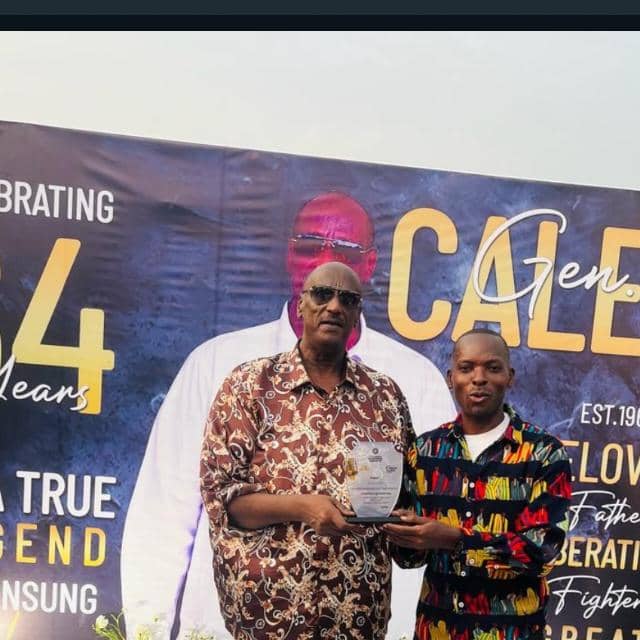
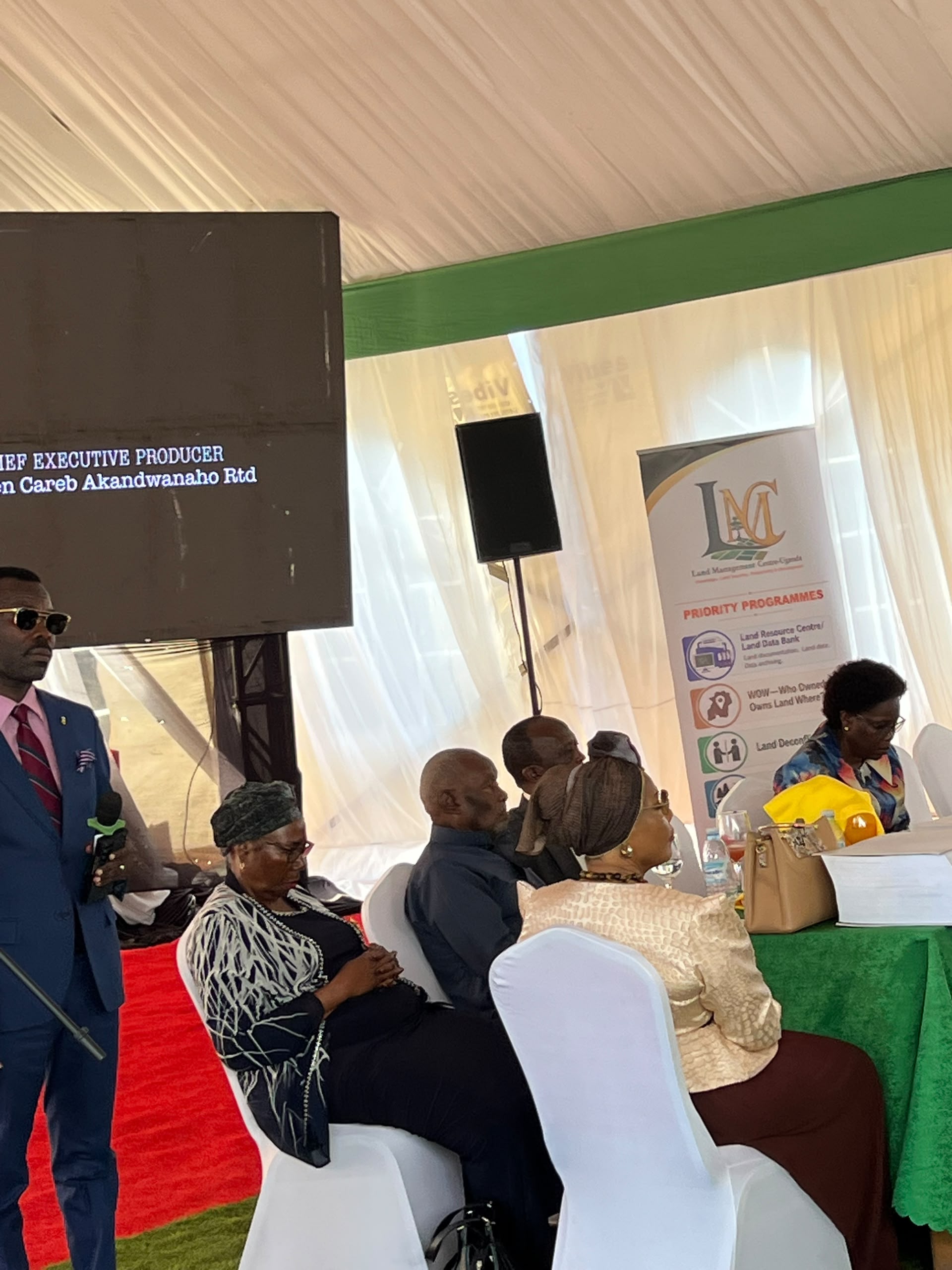
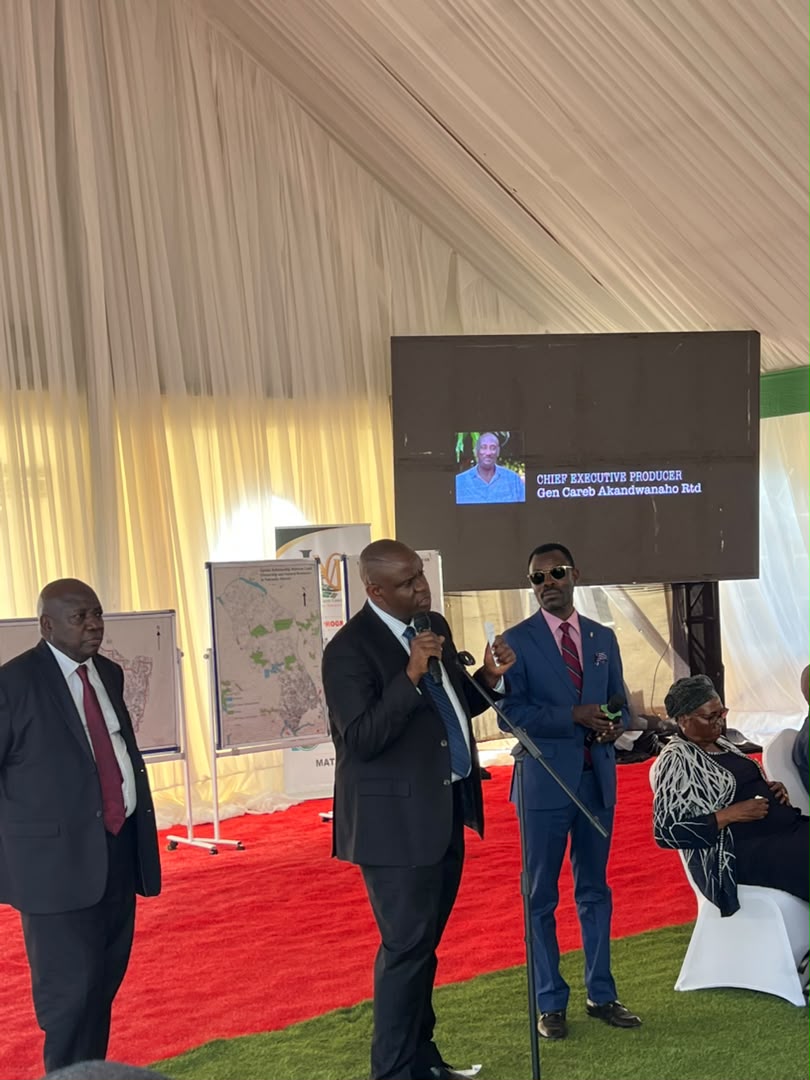
The appeal follows the launch of the centre by Gen. Caleb Akandwanaho (Salim Saleh), the Chief Coordinator of Operation Wealth Creation, at Matugga on Friday.
Kirabila described the initiative as a timely intervention aimed at strengthening land administration and protecting citizens from the increasing cases of land fraud, illegal evictions and multiple sales of the same land.
“Land remains one of Uganda’s most valuable assets, yet thousands of Ugandans continue to lose property through fraud, forged land titles and illegal transactions. The Land Management Centre will help restore confidence in land ownership and promote justice,” Kirabila said.
He noted that residents in rapidly developing areas, including Busabala and other parts of Greater Kampala, have repeatedly raised concerns over land grabbing and fraudulent transactions, making the establishment of the centre both necessary and timely.
Kirabira commended Gen. Saleh for prioritising issues affecting ordinary Ugandans, saying the initiative demonstrates leadership that listens to people’s challenges and provides practical solutions.
Besides promoting wealth creation programmes, Kirabila said Operation Wealth Creation has continued to support communities by addressing land conflicts, youth unemployment and poverty alleviation.
The Land Management Centre was officially commissioned by State Minister for Local government Mr. Balaam Barugahara, who praised Gen. Saleh for championing reforms intended to protect landowners and investors.
Barugahara said land disputes have become one of the country’s biggest challenges, often resulting in lengthy court battles, violence and loss of livelihoods.
“The establishment of this centre is intended to curb land grabbing and ensure that Ugandans access reliable guidance on land ownership, documentation and dispute resolution,” he said.
He called upon the public led by Hajji Nadduli also National Resistance Movement party cadres in Luweero District to seek professional guidance before purchasing land and encouraged stakeholders to support government efforts aimed at improving land governance.
Digital content creators and members of the Federation of Uganda Social Media Influencers were also tasked with creating public awareness campaigns on responsible land ownership, proper documentation and lawful land transactions through using Tick tik pages, YouTube and Print Media outlets to tell the untold story of land management and conflict solving.
Speaking at the event, Sylvia Muwebwa also a lawyer welcomed the initiative, saying it would help reduce conflicts arising from unclear land ownership and increase public confidence in Uganda’s land administration system.
According to Ms Sylvia Muwebwa, the Land Management Centre will focus on strengthening sustainable land management, improving land administration systems, promoting integrated land-use planning, supporting orderly urban development, improving housing delivery and strengthening policy, legal and institutional frameworks governing land.
Government has in recent years implemented several reforms under the Land Sub-Programme.
These include the enactment of the Valuation Act, implementation of National Valuation Standards, enhancement of the Uganda National Land Information System with additional security features, issuance of more than 193,000 land titles, mediation of hundreds of land conflicts, cancellation of illegal land titles issued in wetlands and forest reserves, and systematic land adjudication across several districts.
The Ministry of Lands has also strengthened land surveys, introduced digital land management systems and commenced preparations for blockchain and Artificial Intelligence-based improvements to the national land registry to enhance transparency and reduce fraud.
Government has further advanced physical planning reforms through the drafting of the Physical Planning Bill, 2026, operationalisation of the Physical Planners Registration Board and continued implementation of the National Physical Development Plan to guide orderly urbanisation.
The launch comes as government continues implementing President Yoweri Museveni’s directives on land compensation, particularly for communities affected by oil palm projects.
In 2025, the President directed the Ministry of Agriculture, Animal Industry and Fisheries, the Ministry of Lands, Housing and Urban Development and oil palm investors to verify all affected landowners and bibanja holders whose land had been gazetted for oil palm growing, especially in Buvuma District, before compensation is effected.
The Ministry of Finance, Planning and Economic Development, headed by Matia Kasaija back then was tasked with providing funds for compensation to avoid conflicts that could disrupt the project.
Earlier, in an April 14, 2024 directive, President Museveni warned that delays in compensating landowners could jeopardise the oil palm programme after affected communities threatened to destroy plantations established on disputed land.
Government plans to complete compensation in phases, while continuing to support oil palm production, which has significantly contributed to household incomes, particularly in Kalangala District, where thousands of farmers participate in the oil palm value chain.
The initiatives such as the Land Management Centre are expected to complement ongoing government reforms by promoting transparency, reducing land conflicts and safeguarding property rights, ultimately contributing to sustainable economic development and social stability across Uganda.