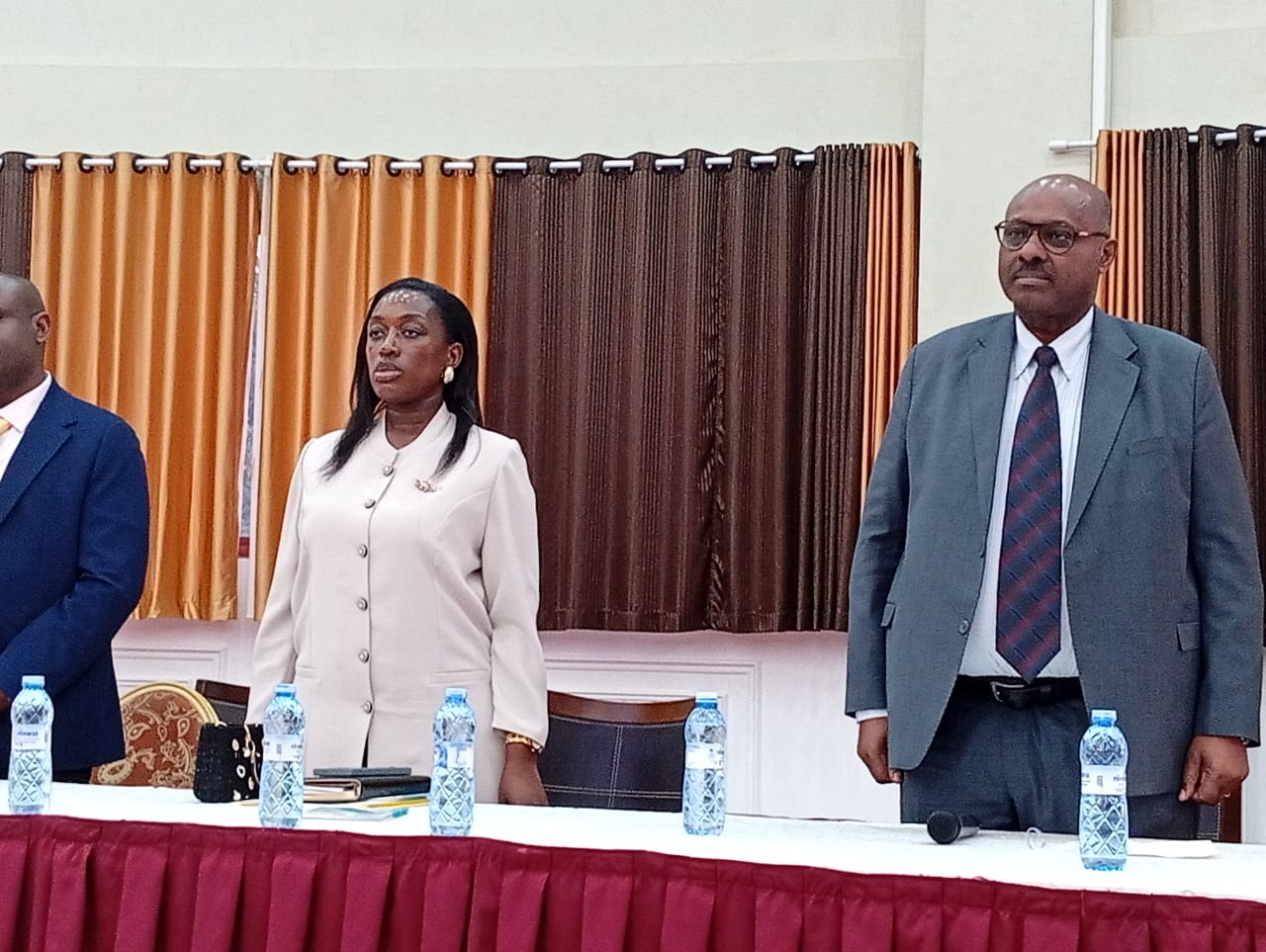
Outgoing leaders must surrender official records, stamps and public property as Government moves to protect continuity of service delivery
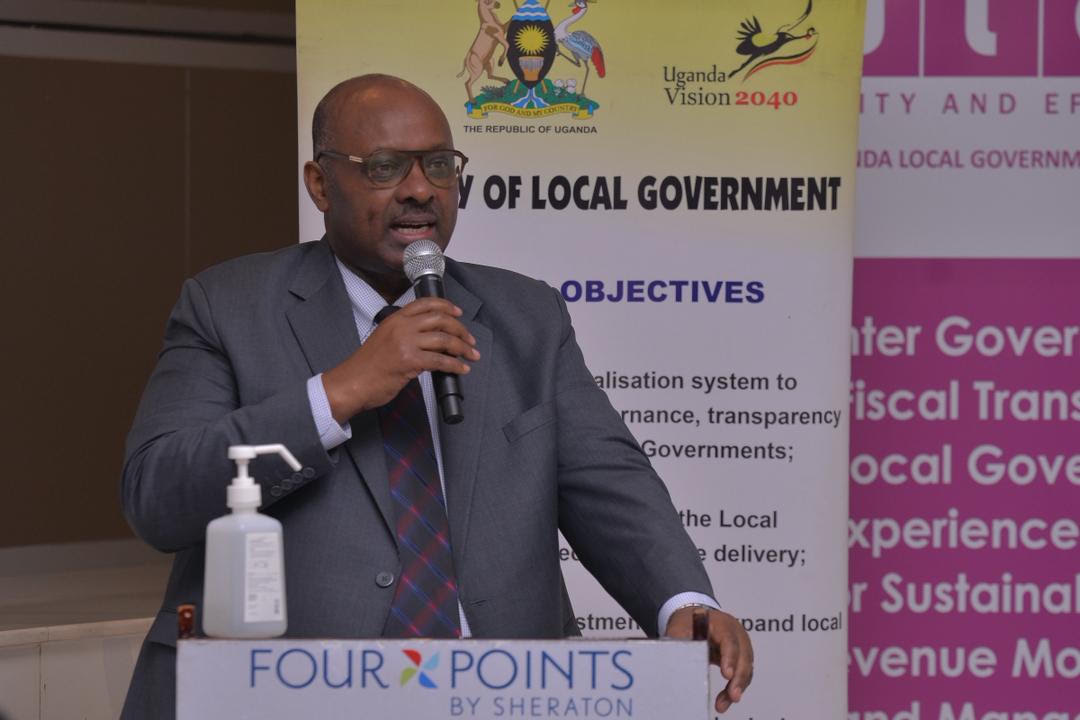
Kampala: The Permanent Secretary for the Ministry of Local Government, Mr. Ben Kumumanya, has directed Chief Administrative Officers and Town Clerks to ensure a smooth and orderly handover of offices from outgoing Parish and Village Council leaders to their newly elected successors.

Mr. Kumumanya cited that the role played by the Local Council leadership led by the new LC1 and LC 11 leadership is more crucial and it needs immediate take over the office to enable the smooth running of the activities and government obligations in time.

The directive comes after Uganda’s latest grassroots elections, with Parish Council elections held on July 28, 2026, and Village Council elections on August 10, 2026, ushering new leaders into offices that sit at the heart of Uganda’s decentralisation system.
For Kumumanya, however, an election is not the end of the governance process.
It is the beginning of another responsibility — transferring power without interrupting Government.

In a circular dated August 14, 2026, referenced LCD/102/104/01, Kumumanya directed that the swearing-in, handover and takeover of offices at Parish and Village levels be completed within 14 days from the date of the circular.
The objective, he said, is to facilitate a smooth transition of power and ensure continuity of service delivery to members of the public.
THE BALLOT HAS SPOKEN. NOW THE OFFICE MUST MOVE
The elections have changed the faces occupying grassroots leadership positions.
But communities have not changed their needs.
The road that needs attention is still there.
The sanitation challenge remains.
Community disputes still require mediation.
Government programmes still need monitoring.
And citizens still expect their leaders to listen.
That is why the transition from one leadership team to another cannot be treated as a political ceremony.
It is an administrative responsibility.
Kumumanya has therefore directed all newly elected leaders to be sworn in by taking the Oath of Allegiance, as provided for under the Fourth Schedule to the Local Governments Act, Cap. 138.
“The oath places a legal and moral responsibility on leaders before they begin exercising the authority entrusted to them by citizens,” he said.
NO EMPTY OFFICES
Perhaps the most important part of the directive concerns what outgoing leaders must leave behind.
The Ministry requires official property and records in the custody of outgoing leaders to be handed over to the incoming leadership.
These include the office stamp, official bicycle, motorcycle where applicable, office documents and records.
The requirement is significant because leadership should not mean starting Government afresh every time an election produces a new office bearer.
The incoming leader must inherit the institution, not merely the chair.
Documents must remain.
Records must remain.
Public property must remain.
Institutional memory must remain.
And where there are unfinished matters, the incoming leader should know where the previous administration stopped.
THE HANDOVER REPORT
Kumumanya has also directed Parish Chiefs and Town Agents to support outgoing leaders in preparing written handover reports within their respective areas of jurisdiction.
The reports provide an important bridge between the outgoing and incoming administrations.
They can help establish what has been achieved, what remains unfinished and what requires immediate attention.
This is particularly important at grassroots level, where many Government interventions are implemented or monitored through local structures.
A properly prepared handover report can therefore become more than paperwork.
It can become a roadmap for the new leader.
THE FIRST TEST OF NEW LEADERS
For the newly elected Parish and Village leaders, the first test may therefore come before they even settle into their offices.
They must inherit responsibility with humility.
They must understand the limits of their authority.
They must protect public property.
They must preserve official records.
And they must remember that the office belongs to the people.
The outgoing leaders, on the other hand, have a final responsibility: to leave office with accountability and dignity.
The chair may change hands.
But Government must not stop.
That is the central message behind Kumumanya’s directive.
Uganda’s decentralisation system is ultimately judged not by how many leaders are elected, but by whether citizens continue to receive services after the elections.
The campaign posters will disappear.
The political slogans will fade.
The celebrations will end.
What remains is the citizen.
And for that citizen, Government must continue working.
The ballot has delivered new leaders. The handover must now deliver continuity.
Because leadership may change at the village and parish level — but the people’s need for Government never does.