By Brian Mugenyi
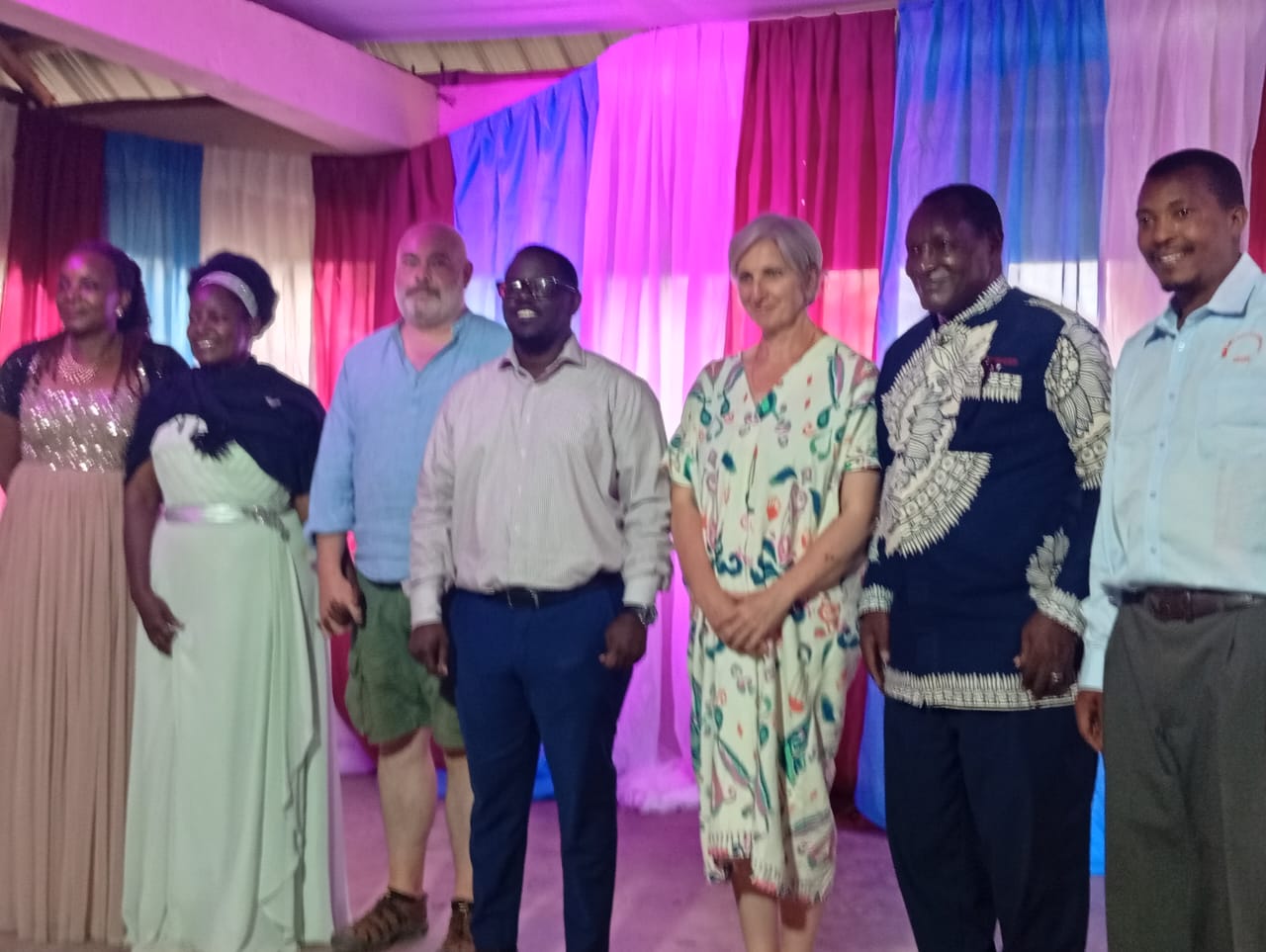
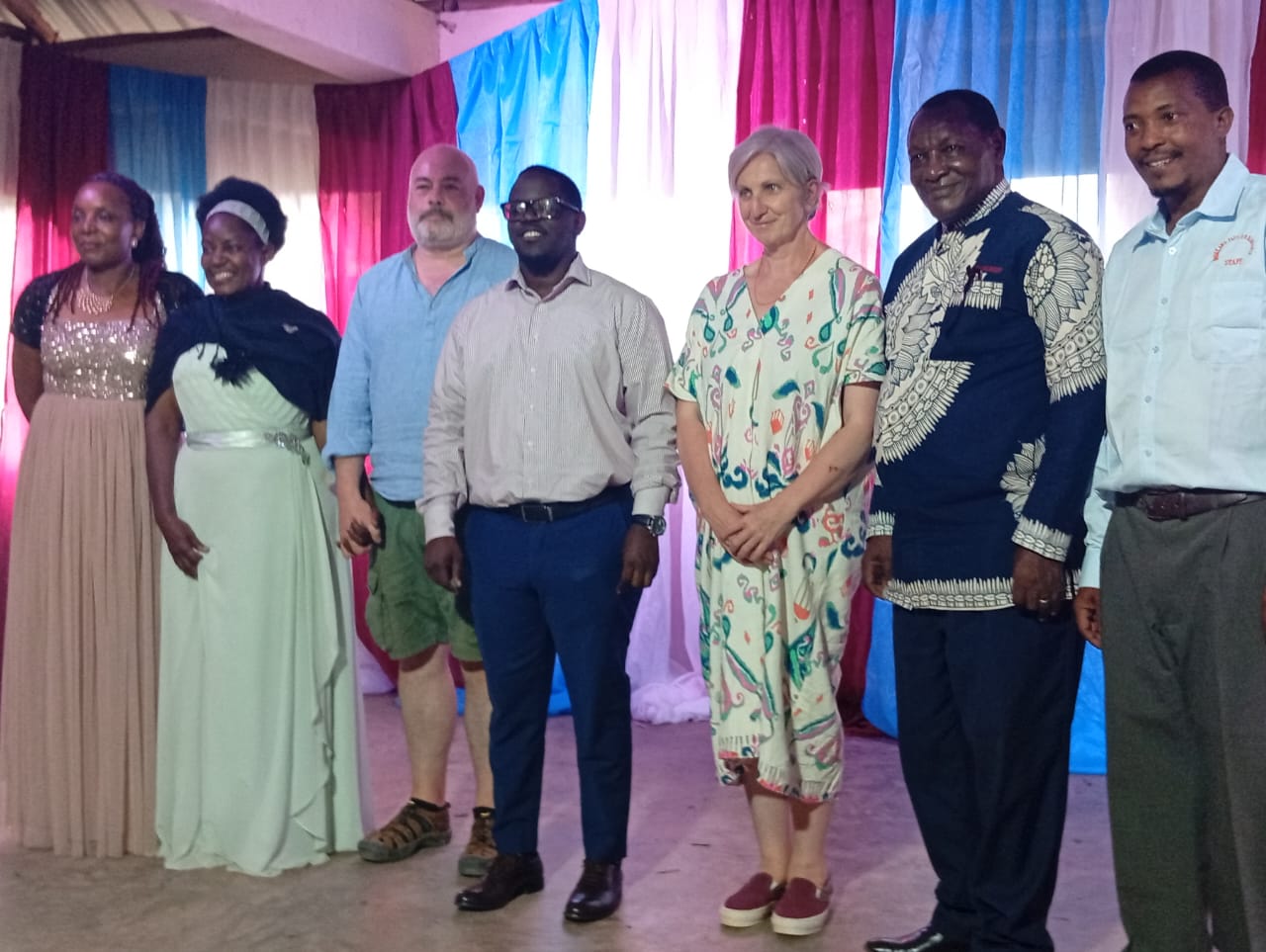
When Mr. Oscar Mutebi walked into Molly and Paul Secondary School during the institution’s Music, Dance and Drama event on Wednesday, he was not only a chief guest witnessing student performances. He carried a message of technology, opportunity and a promise to bridge the digital gap affecting rural learners.
Mr. Mutebi, the Private Secretary in State House and Personal Assistant to former Vice President Edward Kiwanuka Ssekandi, announced plans to equip the school with computers to strengthen Information and Communication Technology (ICT) education and prepare students for a changing world.
“In this quarter of the financial year, we shall be able to extend social services to people. Molly and Paul is my home village school and I shall support it with computers,” Mr. Mutebi said.
In the rural community of Kamuzinda, Masaka District, a new chapter in education is beginning to take shape — one that could move learners from traditional classrooms into the world of digital knowledge.
His pledge comes at a time when access to digital skills has become one of the biggest differences between learners in urban and rural areas. For many students in rural communities, a computer remains an unfamiliar tool, yet the modern workplace increasingly demands digital knowledge.
Mr. Mutebi said empowering learners with ICT skills is not only about providing machines but creating opportunities for young people to compete nationally and globally.
He also pledged to support the school with a public address system and television sets to help students access educational content and remain informed about national and international developments.
During his visit, Mr. Mutebi praised the founders of Molly and Paul Secondary School, Mr. Paul and Ms Molly, for establishing an institution that is expanding education opportunities in Kyanamukaka Town Council.
He commended their vision, saying private initiatives that complement government efforts are important in improving access to quality education.
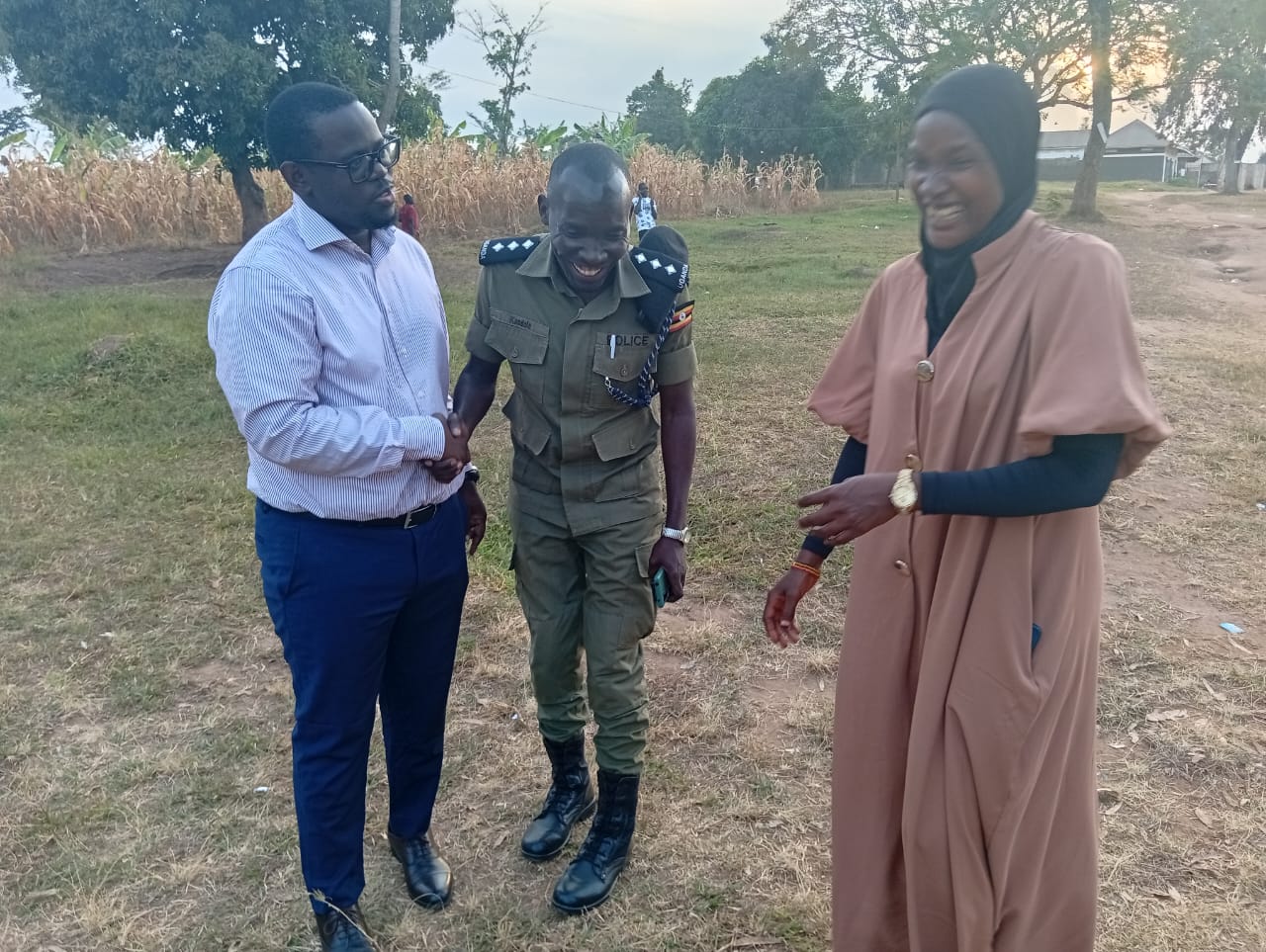
“Instead of involving ourselves in politics, let us prioritise working for the people,” Mr. Mutebi told residents, urging communities to support individuals and investors contributing to local development.
The State House official also visited St. Mugaga Secondary School where he encouraged students to embrace hard work, reading and following current affairs.
“I appeal to you to work hard and believe that everything is possible in life as long as you dream big,” he told the learners.
For students at Molly and Paul Secondary School, the promised computers represent more than technology. They represent a bridge to information, innovation and a future where rural learners can compete with their counterparts in better-connected environments.
Hon. Zaina Nakidde, the Kyanamukaka Town Council Mayor, welcomed the initiative, describing Molly and Paul Secondary School as an example of how investment in education can transform communities.
“They set up structures and provided support for the school and students in our area. This is the model school where I am also a parent,” she said.
She thanked the founders and development partners, including Mr. Adam William and Ms Janet from the United States of America, for supporting the school’s growth.
According to Mr. Paul, one of the founders, the school was born out of a vision to provide education opportunities for young people in the area.
He thanked Mr. Mutebi for supporting community development initiatives and described the ICT support as a major step towards preparing learners for the future.
For years, students from Kyanamukaka travelled to institutions such as Kitovu Technical Institute, St. Mugaga Secondary School and Kabwoko Secondary School to pursue education. Today, Molly and Paul Secondary School is emerging as a centre of learning where technology could soon become a key driver of academic transformation.
Mr. Mutebi’s computer pledge signals a broader conversation about the future of rural education in Uganda — where classrooms are no longer defined only by books and blackboards, but also by access to digital knowledge.