By Brian Mugenyi
Entebbe: The Permanent Secretary in the Ministry of Local Government, Mr. Ben Kumumanya, has challenged newly elected leaders of Entebbe Municipality to uphold the law, enforce orderly trade, avoid political conflicts and focus on delivering services as the municipality works towards becoming a model urban centre.
Kumumanya made the remarks on Tuesday during the closing ceremony of an induction training for Entebbe Municipality political leaders held at Peniel Beach Hotel.
The induction brought together councillors, Entebbe municipal leaders and technical officers; Mr. Stephen Mulindwa, the Head of Trade Industry and Local Economic development handling data presented to strengthen their understanding of local government laws, governance systems, accountability and their role in implementing government programmes and others.
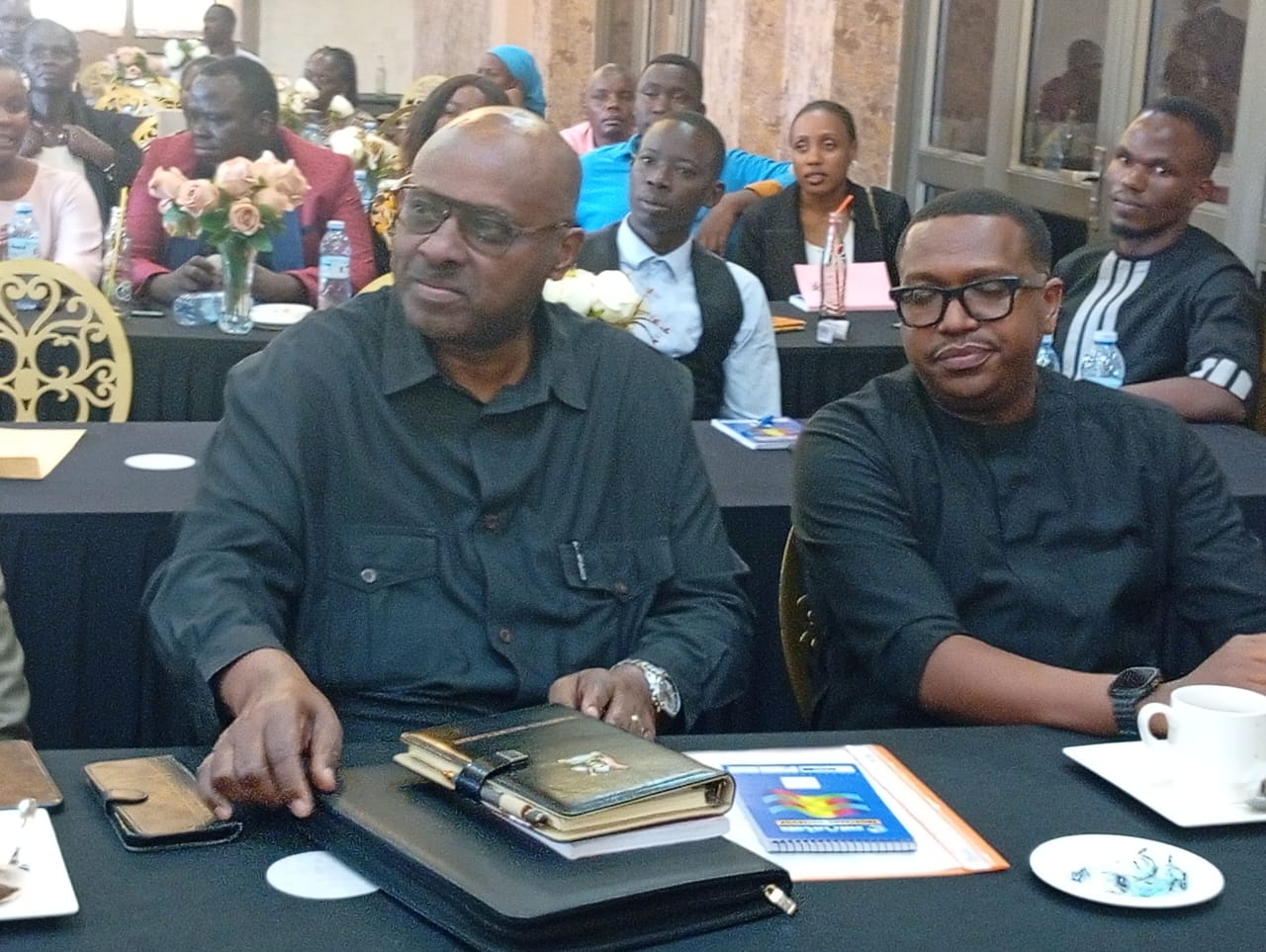
Addressing the leaders, Kumumanya said effective leadership begins with respect for the law and cooperation between political leaders and technical officials.
“Follow the law. There are many laws governing local governments, and there is no way you can successfully run a council without following those laws,” Kumumanya said.
He reminded the leaders that local governments are the closest institutions of government to citizens and therefore have a responsibility to ensure that public services reach the people efficiently.
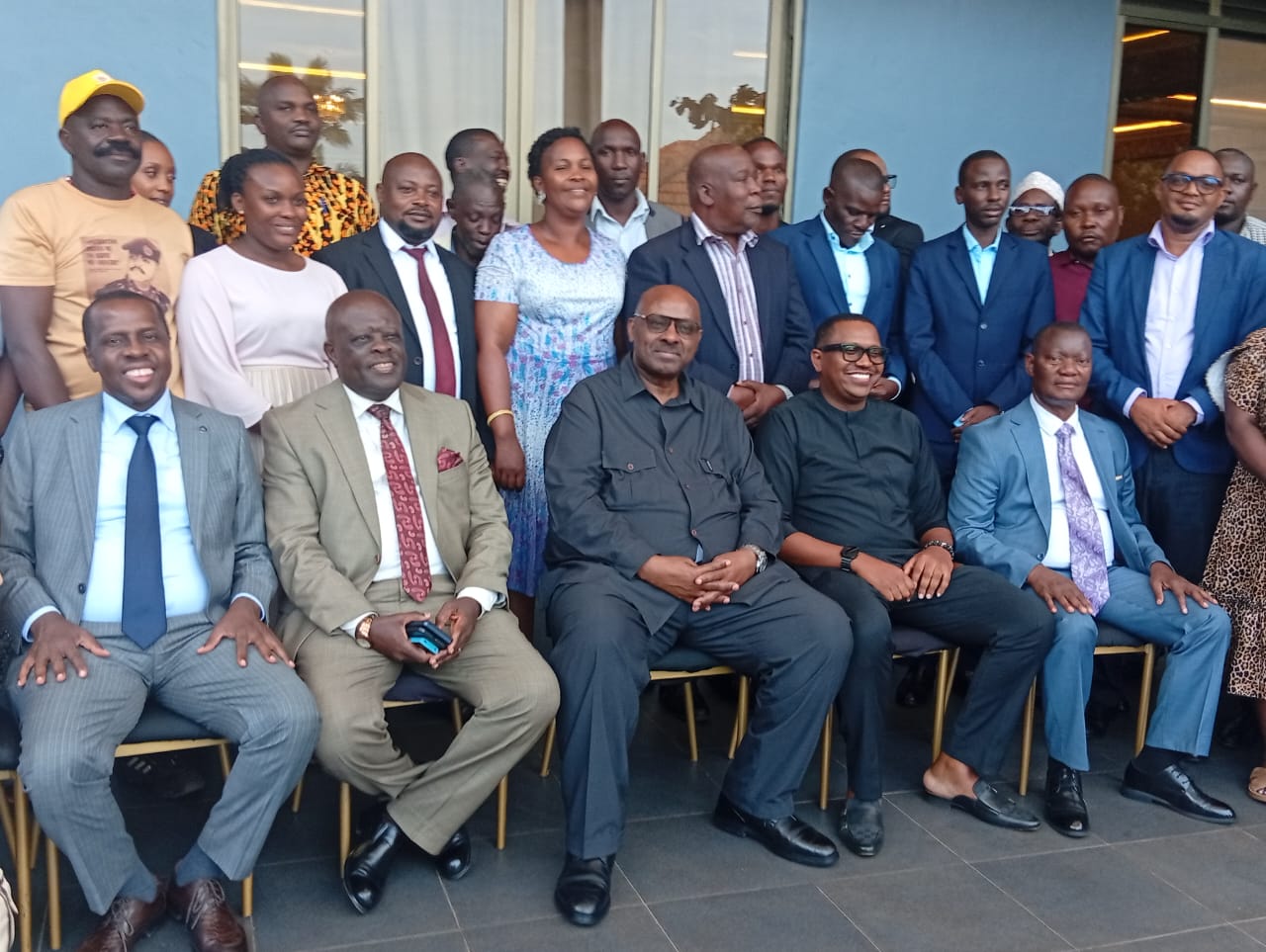
The Permanent Secretary urged councillors to respect each other’s responsibilities and avoid conflicts that can weaken service delivery.
He cautioned leaders against engaging in political battles, personal attacks and blame games, saying citizens expect solutions rather than disagreements.
“Uganda is looking for leaders who can accommodate others, build consensus and focus on delivering services to the people instead of engaging in unnecessary political fights,” he said.
Trade Order: Building an Organised Entebbe
Kumumanya also emphasized the importance of enforcing the Trade Order in Entebbe Municipality, saying orderly business operations are necessary for a modern urban centre.

He said all traders operating within the municipality must respect government guidelines aimed at promoting proper planning, cleanliness and discipline.
The Permanent Secretary explained that organized trading spaces benefit both business owners and customers by creating a conducive environment for economic activities.
Using a simple example from everyday life, Kumumanya explained why order is important in both homes and public spaces.
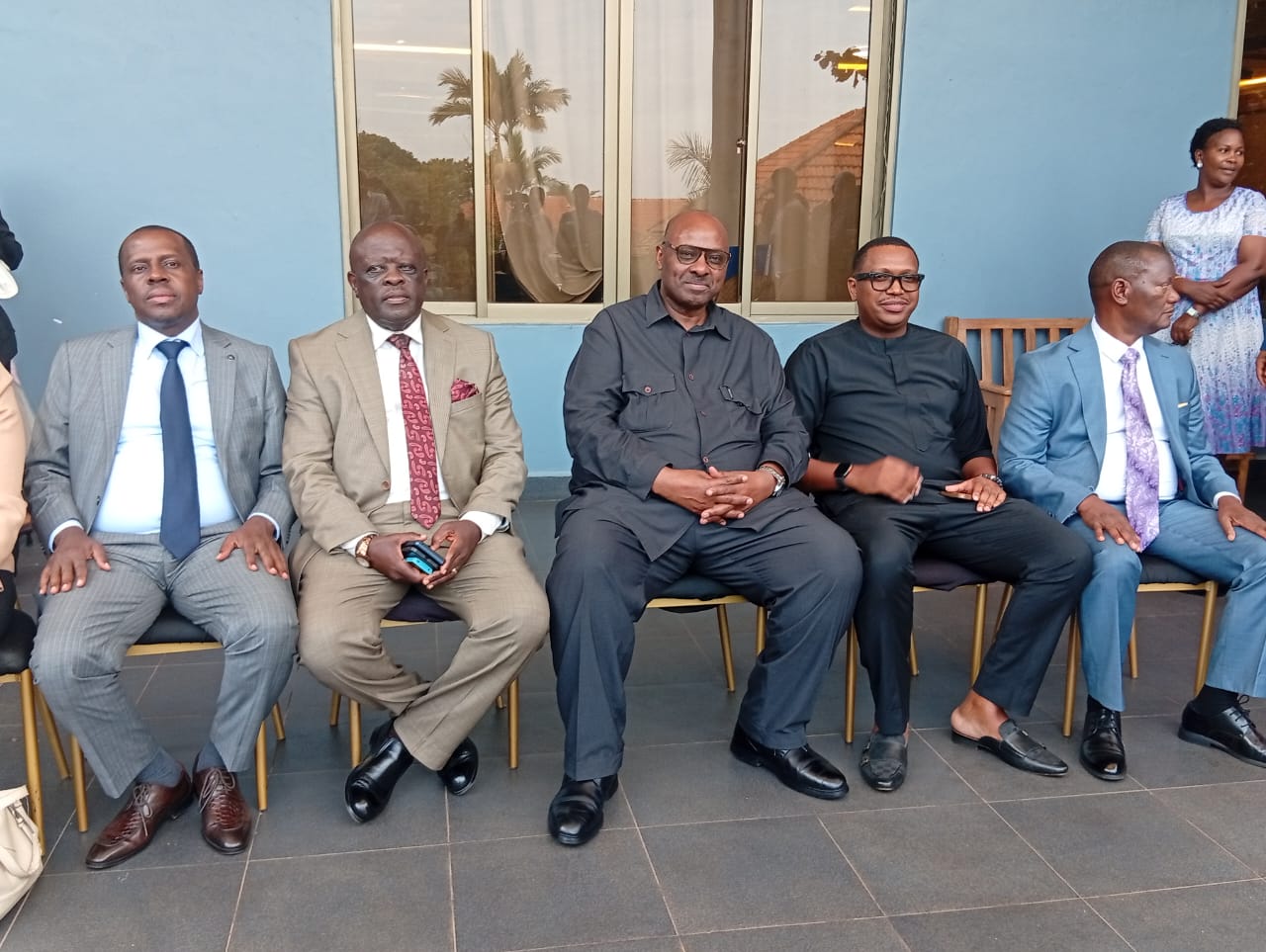
“I always tell people, why do you have sitting arrangements at your homes? It is to maintain order at home and to know where your home wares are arranged. The market must also be arranged in the same way,” Kumumanya said.
He pointed to Kitooro Market as an example of organised trade where traders have space to operate while supporting proper urban management.
Kumumanya said enforcement of the Trade Order should not be viewed as restricting business but as creating an organised environment where traders can thrive.
Recruitment Must Follow the Law
The Permanent Secretary also warned local governments against irregularities in recruiting government workers, saying public service appointments must follow established procedures.
He said recruitment should be based on merit, transparency and professionalism rather than personal interests or political influence.
Kumumanya revealed that cities and districts without functional District Service Commissions have been given until 30 August 2026 to address the gaps in line with Local Government circular guidelines.
He said strong service commissions are important in ensuring that competent people are recruited into government institutions.
Entebbe’s Strategic Responsibility
While closing the induction, Kumumanya reminded leaders that Entebbe’s unique position comes with greater responsibility.
He described the municipality as a historical town, a border area and a key international gateway because it hosts State House Entebbe, Entebbe International Airport and other strategic national institutions.
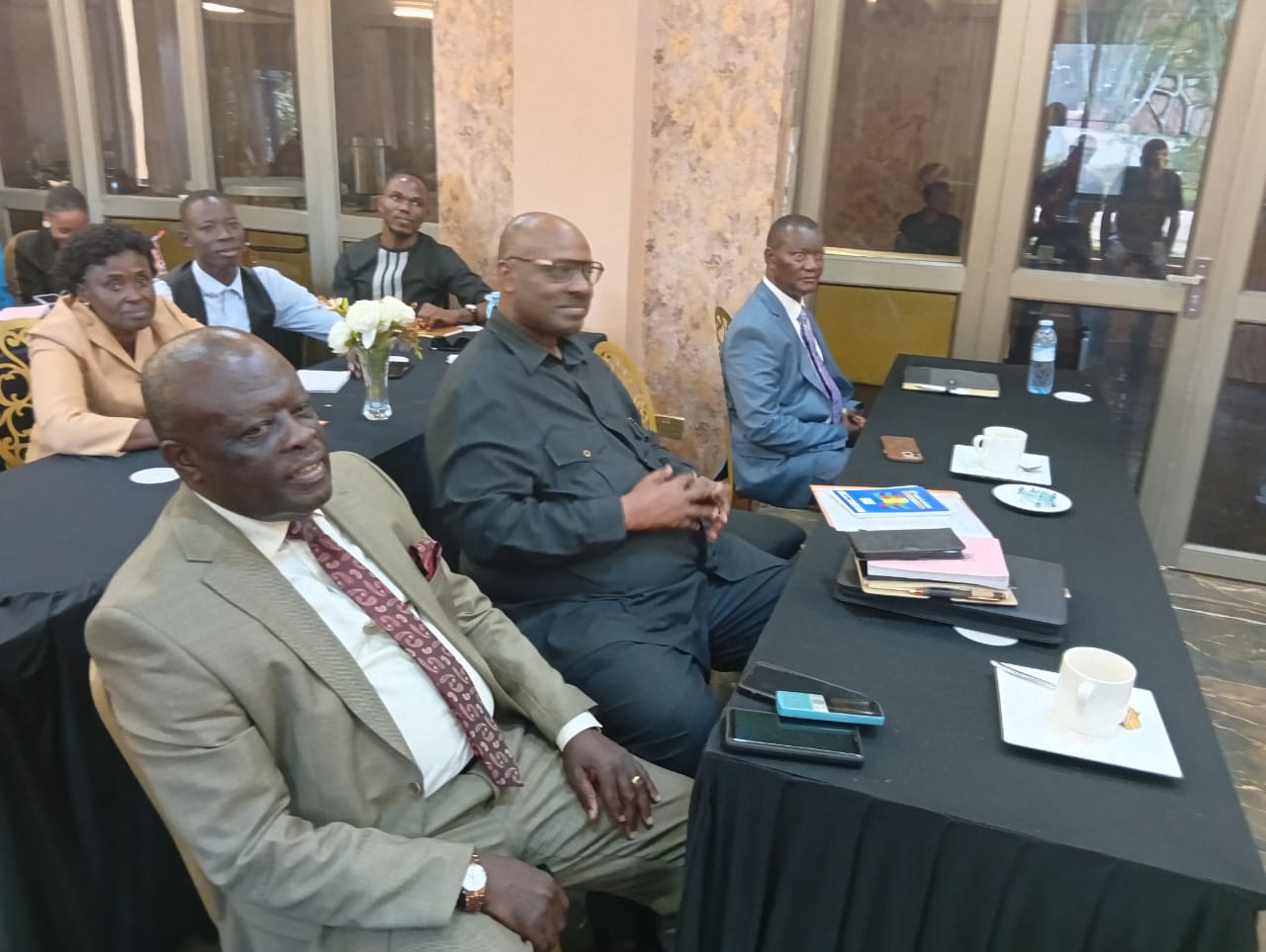
“Entebbe is not just another municipality. It is a border gateway to Uganda, a historical town and home to State House. It is privileged to be one of the country’s model urban centres. That privilege comes with responsibility, and leaders must work for the betterment of the area,” he said.
He advised leaders to focus on delivering results rather than celebrating the failures of others.
“Do not spend your time bragging about how others have failed. The people elected you to deliver results, not to assign blame. Work hard, remain focused and always seek wisdom,” he advised.
Shs5 Billion Revenue Drive
Meanwhile, Entebbe Municipality Town Clerk Mr. Emmanuel Gakyalo ,a senior administrator in local government revealed that the municipality has collected approximately Shs5 billion from taxi revenue and other local revenue sources.
He said the achievement such as Roads constructed including the ongoing Kiwafu Road construction near Kitooro Senior Secondary School Entebbe and health centers reflects improved revenue mobilization and will strengthen the municipality’s ability to support service delivery.
“We have so far collected approximately Shs5 billion in local revenue, and our goal is to make Entebbe Municipality a model local government in service delivery, accountability and sustainable urban development,” Gakyalo donned in grayish suit said during an interview.
He applauded the Government of Uganda under the leadership of President Gen. Yoweri Kaguta Museveni for investing in social services and supporting local governments.
Speaking at the same event, Entebbe Municipality Mayor Fabrice Rulinda dressed in black outfit called for inclusive leadership, saying elected leaders mostly a hundred percent from National Resistance Movement must serve all residents regardless of political affiliation.
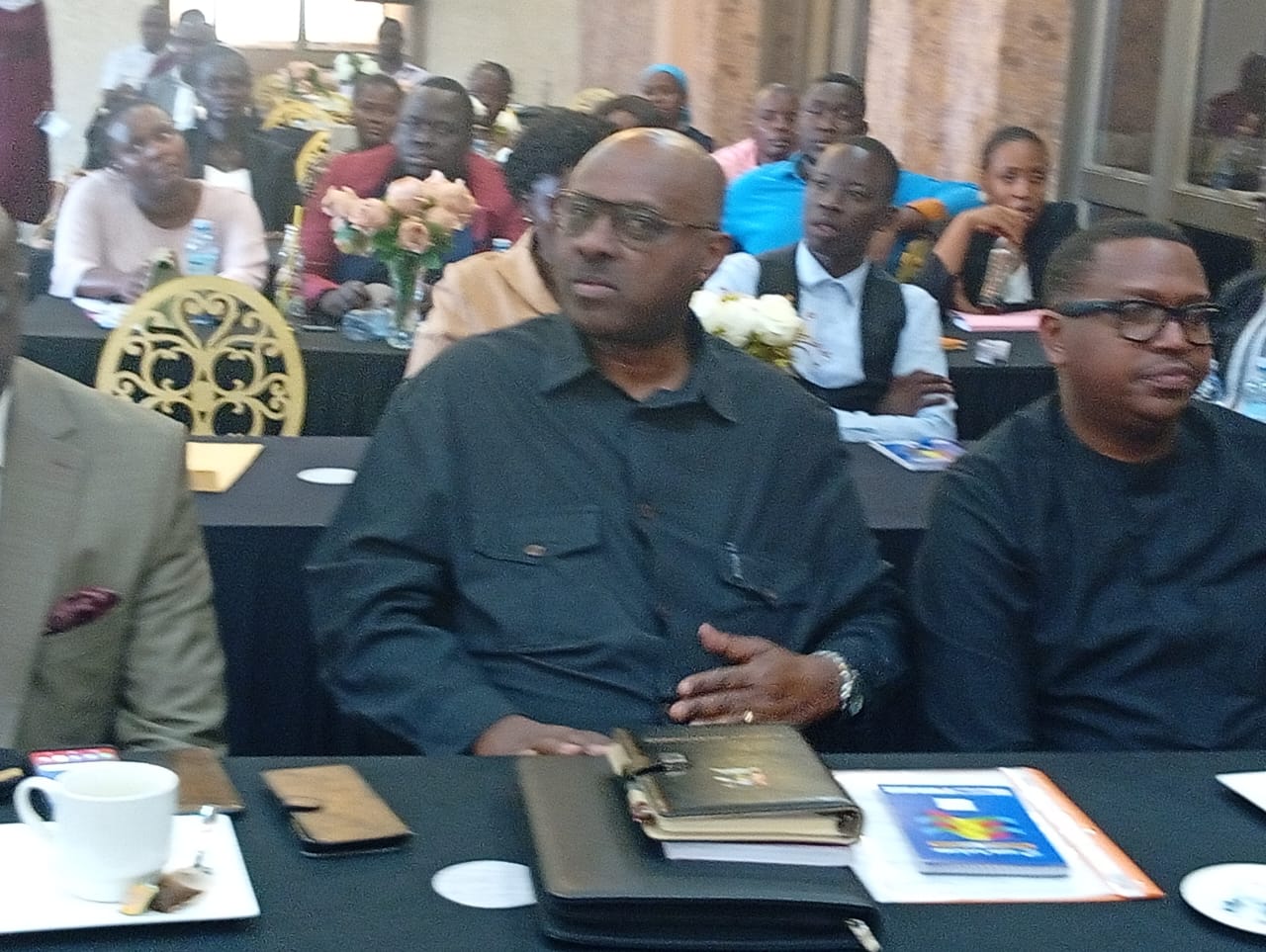
The Ministry of Local Government said the induction is part of efforts to strengthen leadership capacity and improve service delivery across local governments.
For Entebbe’s leaders, the message remains clear: respect the law, maintain order, protect public resources and transform leadership promises into visible results for the people.