


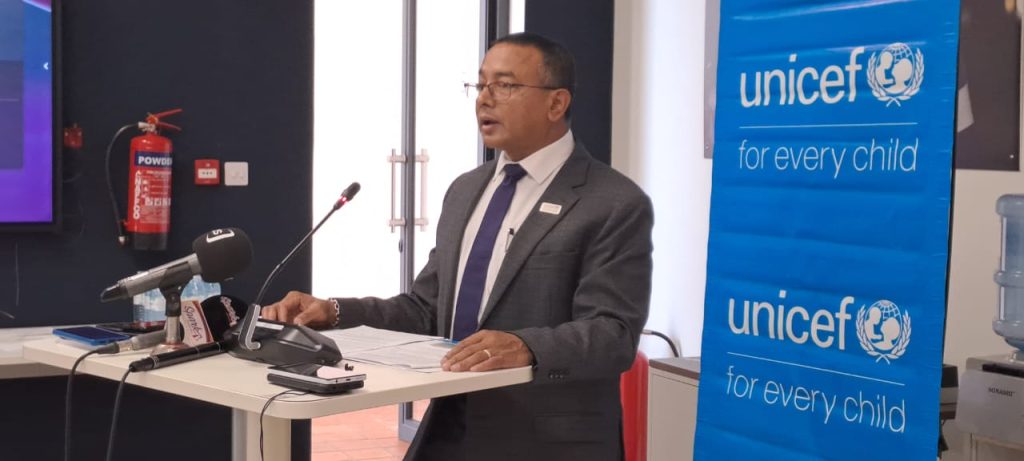
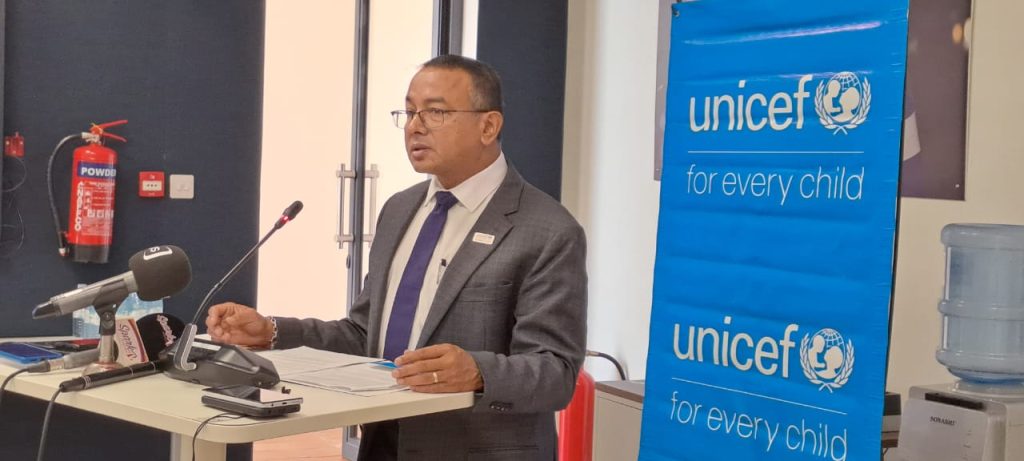
In a bid to promote the full implementation of the Convention on the Rights of the Child and the African Charter on the Rights and Welfare of the Child, United Nations children’s fund and the Government of Uganda have unveiled the UNICEF Uganda programme for 2026-2030.
The 2026-2030 Country Programme was developed in partnership with the Government of Uganda, civil society organizations, development partners, the United Nations, and most importantly, with children and young people.

It is aligned to Uganda’s National Development Plan IV and to the UN system Sustainable Development Cooperation Framework for Uganda.

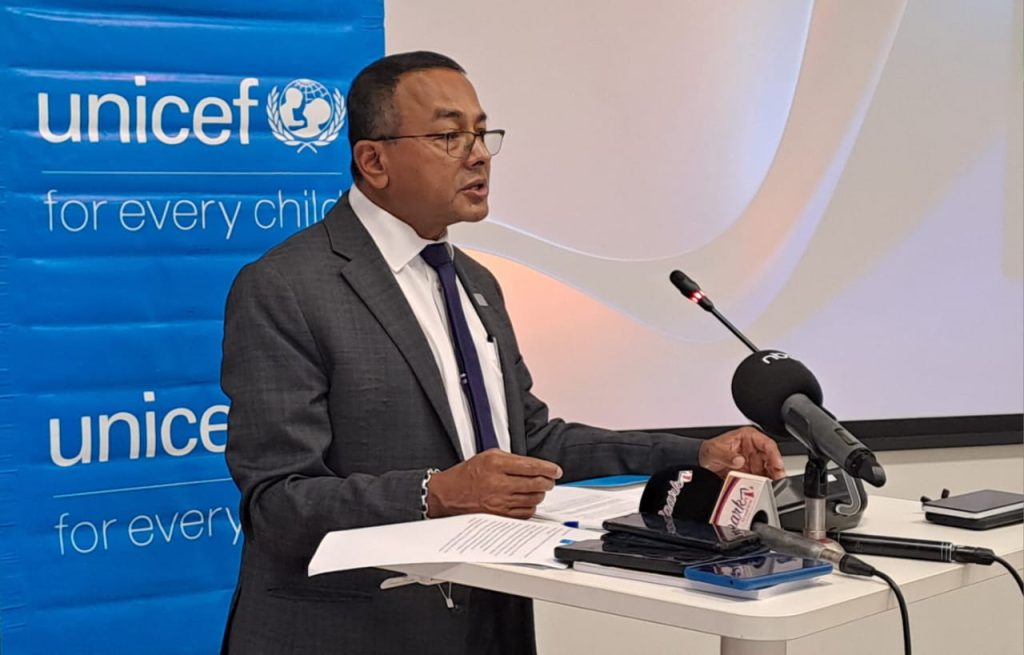
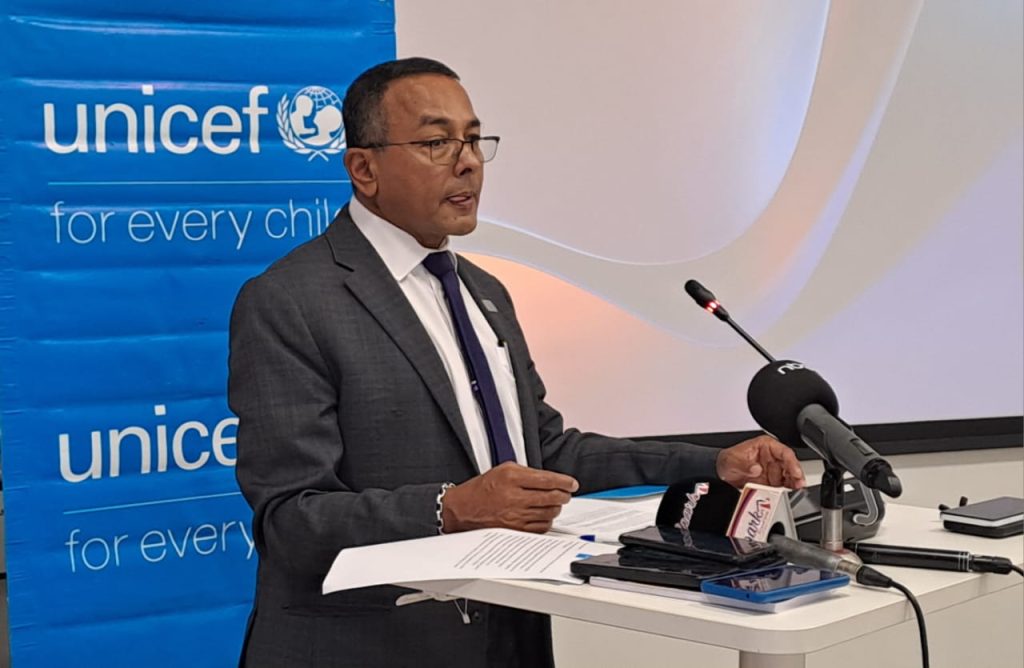
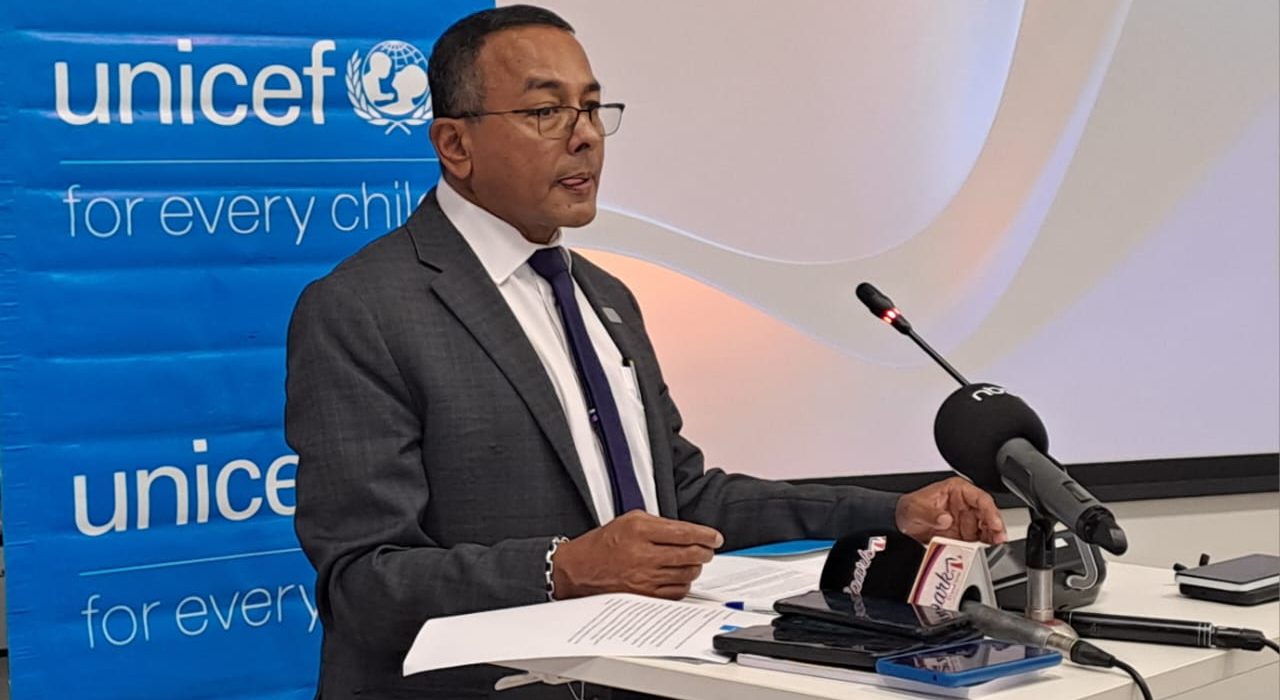
According to the UNICEF Country representative to Uganda Dr Robin Nandy the programme is comprised of four key points comprised of:
Investment in human capital development and basic social services that are child-friendly and inclusive.

Adoption of positive behaviours and norms among caregivers and communities that support children’s well- being.
Strengthened implementation and adequate financing of policy and regulatory framework to reduce poverty and inequality.
Active participation of children and adolescents in decision making that affects them.
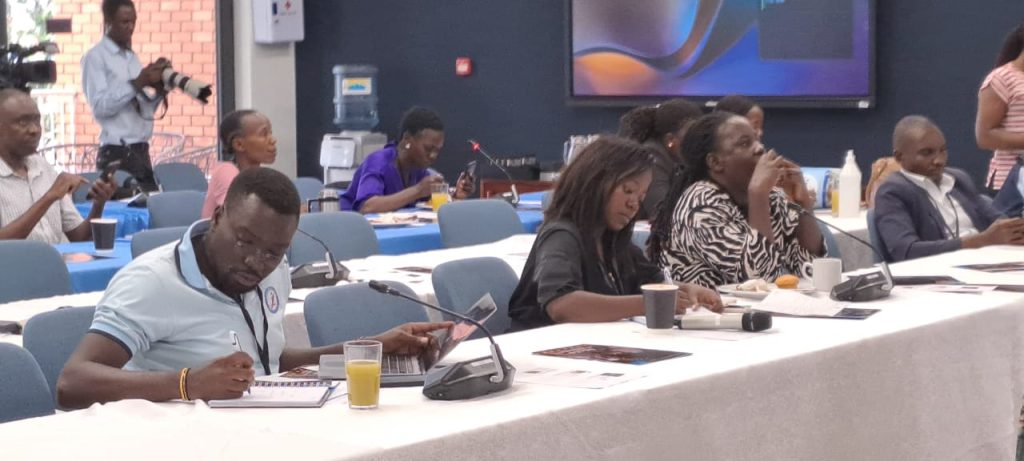
The remarks were made as UNICEF unveiled the country programme for 2026-2030 to the media.
Uganda has a youthful population, more than half of which are children under the age of 19. Children in Uganda face significant challenges including poverty, poor health and nutrition, inadequate access to quality education, and experience violence.
Guided by the 2026-2030 Country Programme, UNICEF will work with the Government of Uganda, loca communities, children, adolescents, young people and other partners, to address these challenges and to ensure every child survives, thrives, and grows to their full potential. UNICEF’s work will focus on advocating for better education, health and nutrition services, greater access to safe, climate-resilient water and sanitation and protecting children from violence, poverty and abuse.