Tag: Government of Uganda

  • UK Strengthens Trade Partnership with Uganda 

    UK Strengthens Trade Partnership with Uganda 

    · A joint British and Indian business delegation from the Westminster Africa Business Association (WABA) and South Asian Chamber of Commerce and Industry (SACCI) arrives in Kampala to explore manufacturing, energy and agribusiness opportunities

    · Visit supports Uganda’s goal of tenfold economic growth through private sector investment 

    · UK-backed investments in Uganda now exceed £1.3 billion, with £1 billion more in development 

    Kampala: Ugandan businesses and workers stand to benefit from new partnerships as a major UK business delegation arrives in Kampala this week. Invited by the Rt. Honourable Prime Minister Robinah Nabbanja, during her visit to the UK in October 2025, the Westminster Africa Business Association (WABA) and the South Asian Chamber of Commerce and Industry (SACCI) bring 25 leading companies from across the ATMS sectors – agro-industrialisation, tourism development, mineral-based industrial development, and science, technology and innovation, as well as manufacturing, renewable energy, digital services, infrastructure and professional services. These firms are seeking joint ventures with Ugandan enterprises.

    Key Stakholders pose for a group photo for the UK and Indian delegation reception held at the Sheraton

    The Rt. Hon Robinah Nabbanja, who welcomed the trade delegation to Uganda on Tuesday, has facilitated the visit by organising meetings with key government and private sector stakeholders. Her commitment to advancing Uganda’s international commercial partnerships has been central to making this visit possible and to signalling Uganda’s readiness for deeper, long-term investment.

    The Hon Robinah Nabbanja said:

    “Thank you for choosing to visit Uganda, for your interest in our growing market and for the engagement. These engagements must be well coordinated and outcome-driven so we can effectively showcase Uganda’s investment opportunities and match investors with credible Ugandan enterprises ready for partnership. I am confident that this visit will further strengthen our commercial ties with partners in the United Kingdom”.

    Attendees pose for a photo for the WABA reception hosted by the British Chamber of Commerce and ABSA Bank Uganda

    Working closely with H.E. Nimisha Madhvani, the Ugandan and British High Commissions have jointly brought together the UK and Indian businesses to forge meaningful commercial links – demonstrating the UK’s continued commitment to convening partners, opening markets, and championing outward‑looking collaboration.

    On 18th February, the British Chamber of Commerce Uganda hosted a reception to support the British and Indian delegations to deepen their understanding of the Ugandan market and facilitate business-to-business links.

    Welcoming the delegation, the British High Commissioner to Uganda, H.E. Lisa Chesney MBE, emphasised the importance of the visit, saying:

    “This delegation is a testament to the momentum building across Uganda’s economy. British and Indian companies bring complementary strengths, deep expertise, and a shared appetite for opportunity. With a portfolio of investments through UKEF, BII, PIDG, and others already surpassing £1.3 billion, with an additional £1 billion in the pipeline, the UK is powering the ATMS and the tenfold growth strategy through long-term, high-quality investment.”

    Chesney called for more investment directly into Uganda’s productive sectors:

    “What we - the UK, and our colleagues in the Government of Uganda -want to see is British, Indian, and other companies looking beyond government deals and infrastructure contracts toward business-to-business opportunities in Uganda’s economy. Private sector investment is what will drive tenfold growth, and the potential is enormous.”

    The British High Commissioner to Uganda, HE Lisa Chesney (white jacket) interacts with guests at the UK and Indian delegations reception

    The delegations’ programme in Uganda includes business-to-business engagements, site visits, and policy roundtables designed to deepen commercial understanding, identify market gaps, partnerships, and support future joint ventures. Key areas of focus include green manufacturing, agro-processing, solar technologies, logistics, and skills development.

    A shared focus on productive investment 

    This approach aligns with the UK government’s Plan for Change and Africa Approach, which prioritises economic growth through partnership with businesses and catalysing private investment in productive sectors.

    The visit supports Uganda’s Agro-Industrialisation, Tourism, Mining and Minerals and Science , Technology and innovation priorities and its ambition for tenfold economic growth.

  • Uganda to develop Electronic Bridge Management System (eBMS)

    Uganda to develop Electronic Bridge Management System (eBMS)

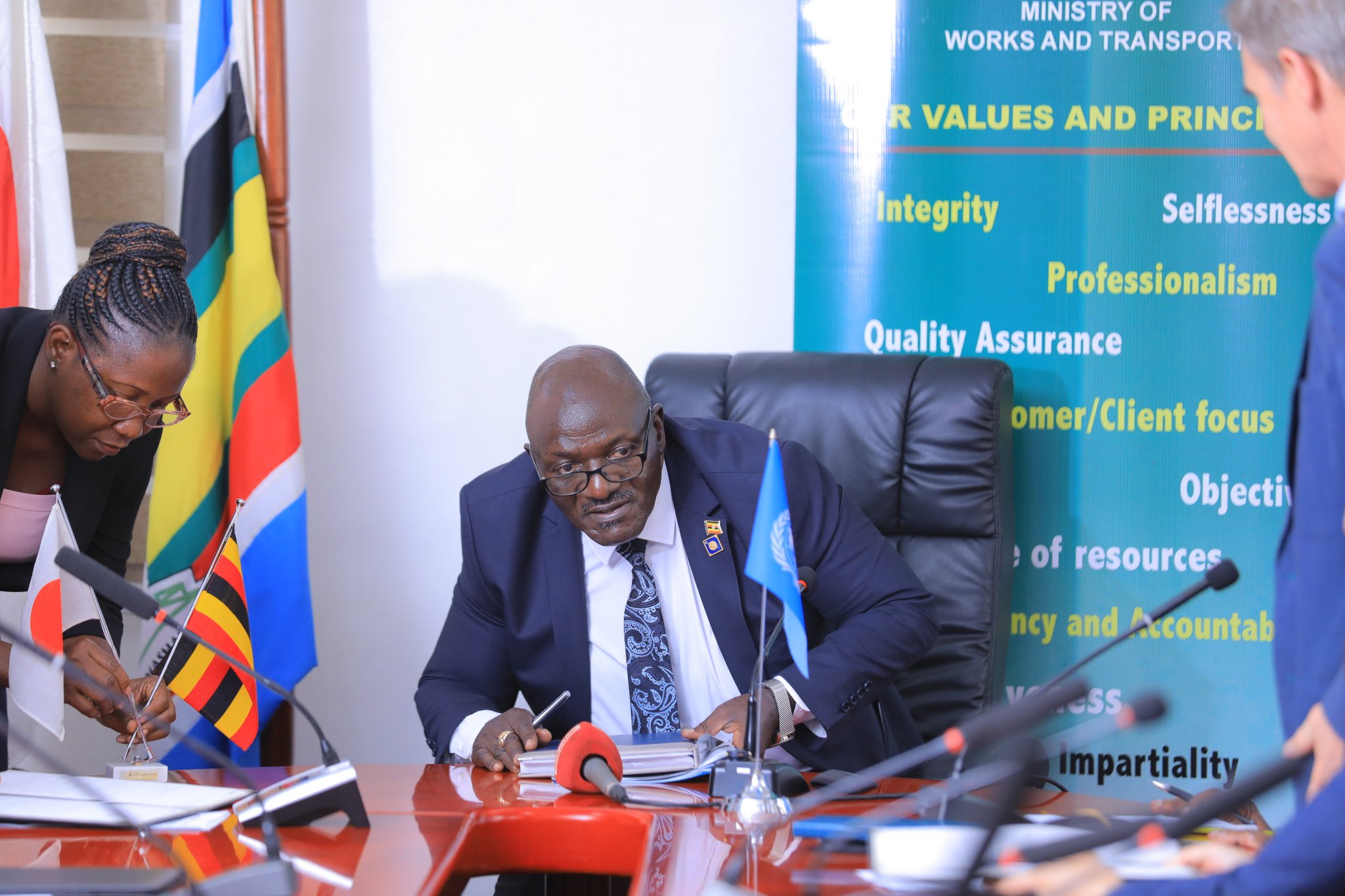
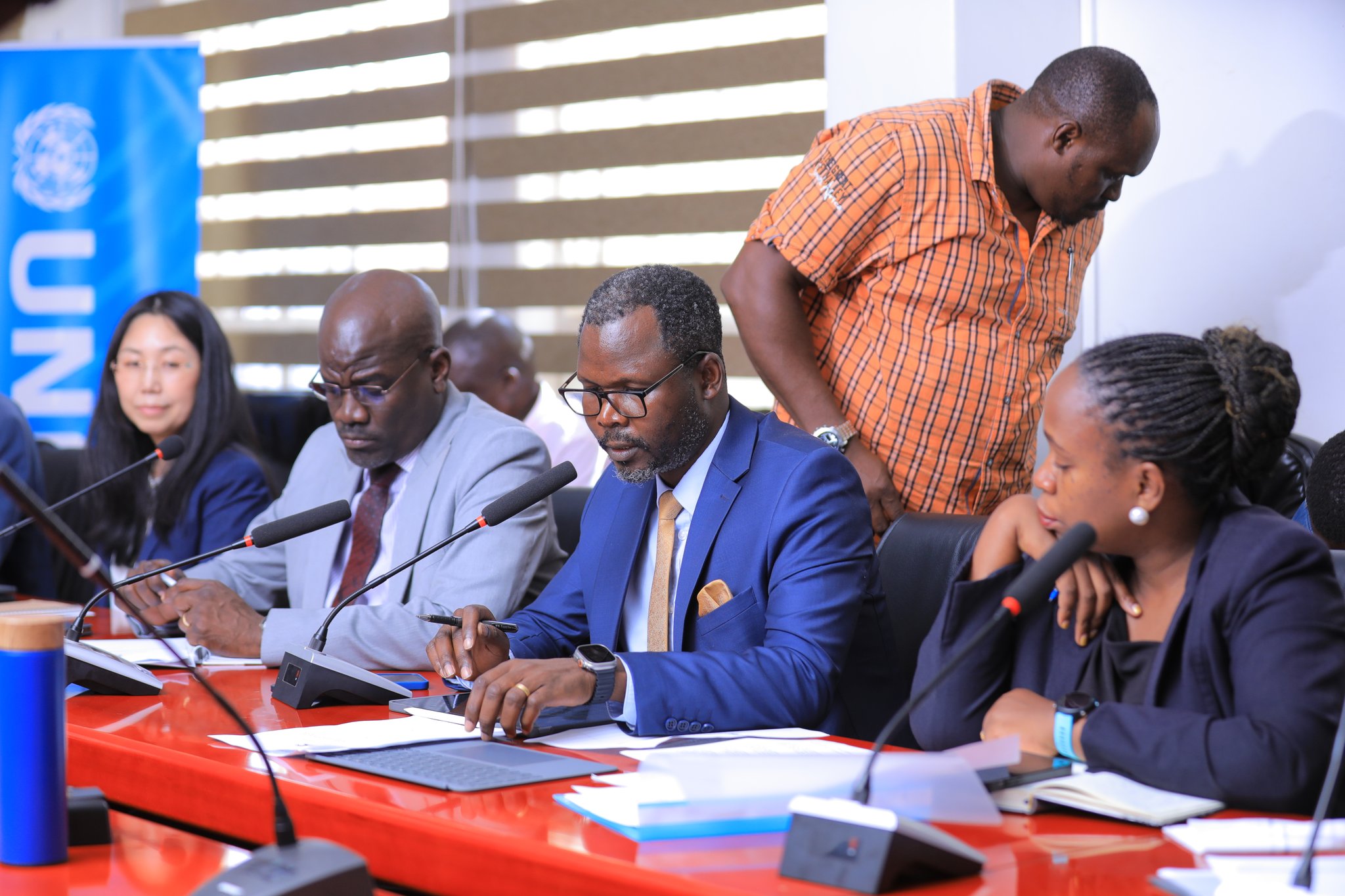
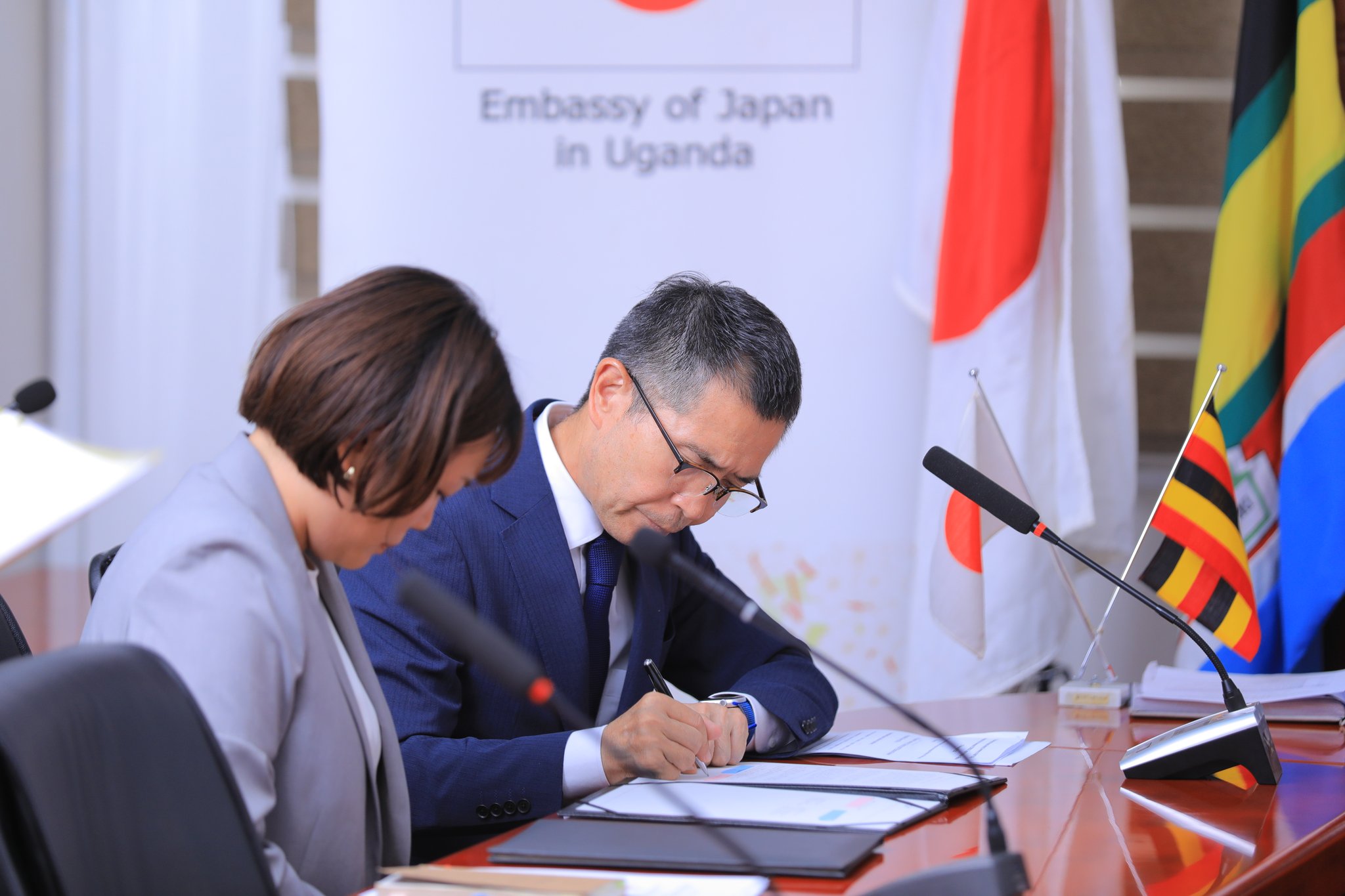
    The Ministry of Works and Transport has confirmed that the government is to develop a bridge maintenance and management system under a grant from the Japan Government to be implemented by Uganda National UNOPS.

    Uganda’s district road network remains central to service delivery, trade, and community connectivity. However, many bridges have exceeded their design life and are increasingly affected by climate-related events.

    This system will enable regular inspection tracking and condition monitoring, support early detection of structural issues and reduce emergency repairs and costly failures.

  • First African Independent Transmission Project set to reach construction phase

    First African Independent Transmission Project set to reach construction phase

    Gridworks and Government of Uganda sign key agreements for Amari Power Transmission –

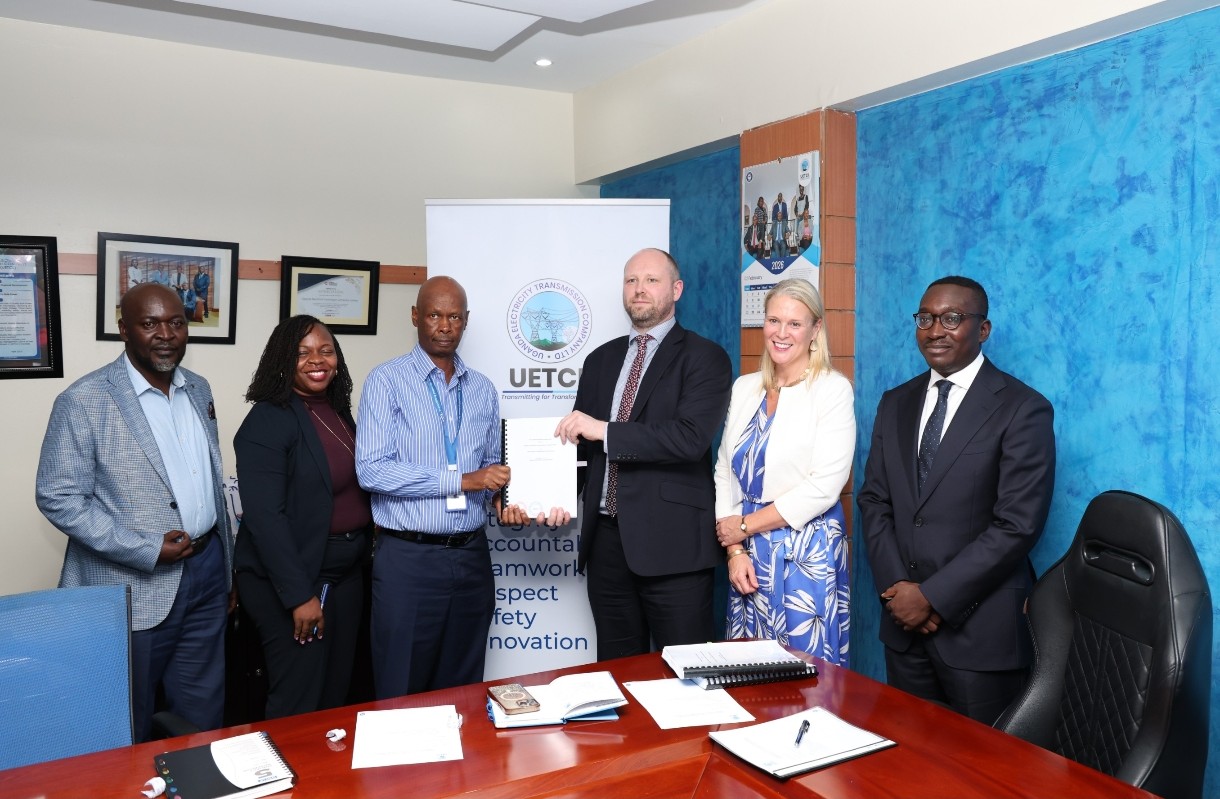
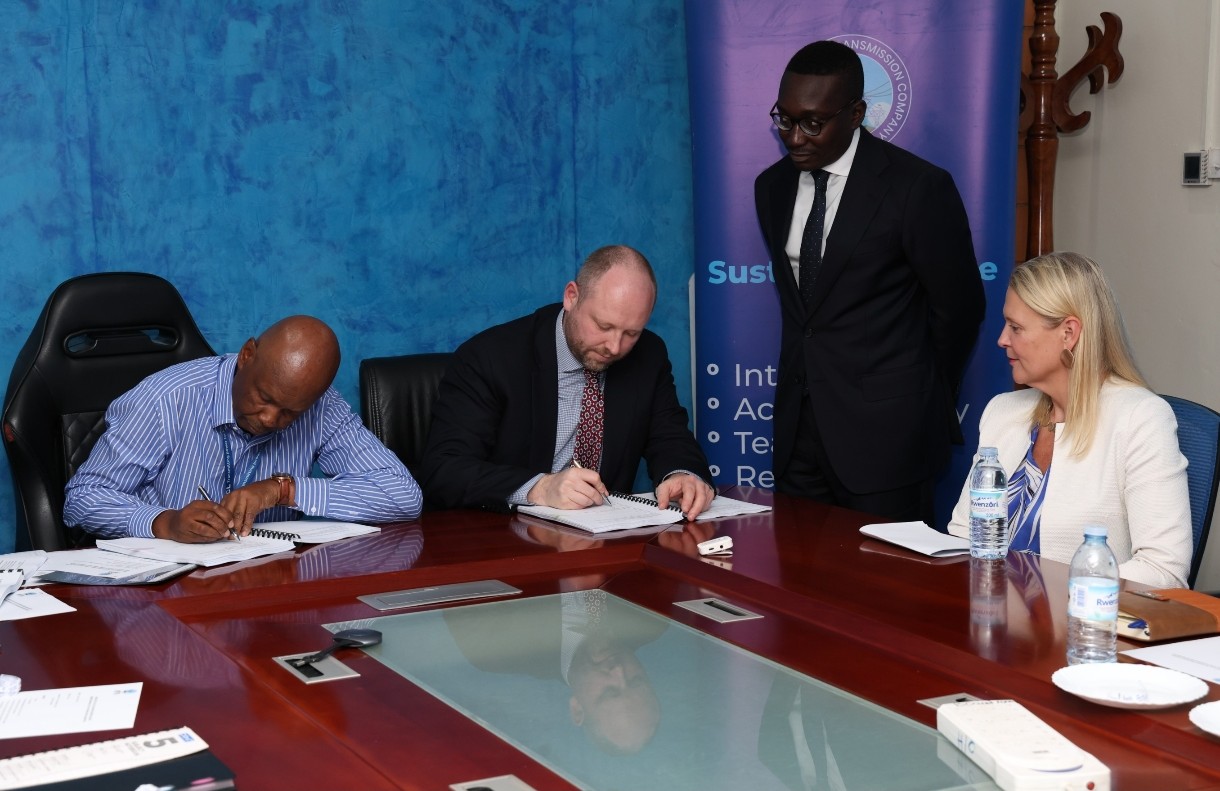
    Gridworks and the Government of Uganda have signed two landmark agreements that will enable Gridworks’ Amari Power Transmission (“Amari”) project to begin construction in the coming weeks.

    Amari has entered into an Implementation Agreement with the Ugandan Ministry of Energy and Mineral Development, and a Transmission Services Agreement with national transmission utility, Uganda Electricity Transmission Company Limited (UETCL). The progress of the Amari Project is a major milestone for Uganda’s electricity sector, and for the adoption of private sector funding models for transmission infrastructure in Africa. Amari will be the first independent transmission project (ITP) on the continent to move into the construction phase.

    Amari is a US$50 million ITP that will upgrade the transforming capacity of four high voltage electricity substations at key points on Uganda’s grid. It will improve the supply of electricity to industrial users in line with the Government of Uganda plans to improve the competitiveness of its industry, particularly the manufacturing sector. Amari will also allow the uptake of more renewable energy onto the grid and provide capacity to support future regional interconnection with Uganda’s neighbours.

    Once completed, the project will support Uganda’s growing electricity demand, enable the evacuation of current and future generation capacity, and contribute to lower system losses and improved power quality across the network. The project is also expected to generate employment opportunities during construction. As a pilot for private sector transmission in Uganda, the project has supported the creation by the Government of a regulatory framework equipped to attract finance for future grid investment.

    Gridworks’ Chief Executive Officer, Chris Flavin welcomed the strong partnership with the Government of Uganda:

    “This is a decisive step that will allow the Amari Transmission Project to move into construction. We are particularly grateful for the leadership, foresight, and constructive engagement shown by the Government of Uganda in bringing this project to this stage.

    He added: “By prioritising strategic transmission infrastructure, the Government is laying the foundations for reliable power supply, industrial growth, and long-term economic development. We now look forward to starting construction in the coming weeks and to delivering this important project.”

    There is a growing trend of African governments beginning to work with the private sector to develop and fund critical electricity grid infrastructure. Several countries have initiated private transmission projects or regulatory reforms designed to allow private finance to flow into the sector.

    Hon. Ruth Nankabirwa, Ugandan Minister of Energy and Mineral Development, underscored the strategic importance of the project and the government’s commitment to expanding and strengthening the national grid:

    “The Amari Power Transmission project reflects the Government’s forward-looking approach to building the infrastructure required to support industrialisation, regional integration, and to boost economic growth. We welcome Gridworks as a long-term partner to the Government of Uganda and look forward to the timely construction and delivery of this vital transmission investment.”

    Amari will upgrade four high voltage electricity substations at:

    Tororo 220kV station, in eastern Uganda, close to the Kenyan border.
    Nkenda 132kV station, in the West, at the intended high voltage interconnection point to DRC.
    Mbarara North 132kV station and
    Mbarara South 220kV station in western Uganda.

    Gridworks has a portfolio of further ITP projects in development, including Chimuara-Nacala (Phase II & III), a $450m, 460km high voltage transmission line connecting central & northern regions of Mozambique; and Mbale-Bulambuli, a project building 80km of high-voltage lines and two new substations in eastern Uganda.

    “As UETCL, we view this partnership as strategic and transformative and we look forward to the effective implementation and tangible improvements to the national grid.” Said Eng. Richard Matsiko, CEO – UETCL in his remarks.

    Earlier this week, Gridworks announced an agreement with the Ethiopian government to develop two large scale transmission projects, Degehabur–Kebridehar and Hurso–Ayisha, covering over 400Km and with a combined value of around US$400 million.

    The Gridworks portfolio also includes Moyi Power, a greenfield, solar-powered utility that will provide electricity to a million people in three cities in DRC; and distributed utility companies, Sustainable Power Solutions and Anzana Electric Group.

  • Government MDAs, Private Sector Heads assure Investors & Ugandans of smooth operations during elections; Call for Responsible Journalism & Civic Engagement

    Government MDAs, Private Sector Heads assure Investors & Ugandans of smooth operations during elections; Call for Responsible Journalism & Civic Engagement

    Kampala: Heads of Government Agencies and private sector associations have assured local and foreign investors as well as Ugandans in general, that elections will be held smoothly this week without operational or business disruptions.

    Addressing the media convened at the State House Investors’ Protection Unit (SHIPU) in Nakasero, Kampala, the government and business leaders said all indications so far were that Ugandans would cast their ballots peacefully and return to normal business within hours.

    Colonel Edith Nakalema, Head of SHIPU, who convened and hosted the meeting, said that following on the assurances of the Security Heads over the weekend, all Ugandans should be confident in the electoral processes and safety as they go to vote. “I wear two hats today of a Security person and a person deployed to protect the interests of investors, by virtue of this office. Protecting investors and their interests is essential to protecting the interests of Uganda, because all Ugandans benefit when our investment climate is not disrupted,” she said.

    Col. Nakalema highlighted the call by security chiefs for all Ugandans to remain calm, be orderly, and follow the laws peacefully as they head out to vote on January 15th. “We should do everything with the protection of our beloved country in mind, which means all Ugandans should take responsibility for being part of that protection in the way we conduct ourselves as we go to vote, then return to our normal duties. The government departments and agencies represented here assure you that they will all continue to operate normally so that all our lives are not disrupted during this electoral process,” she said.

    Dr. Barirega Akankwasah, Executive Director of the National Environmental Management Agency (NEMA) and Dean of Government Agencies, called upon all Ugandans to vote peacefully and maintain mutual respect of all views while avoiding hostility, violence or destruction of property.

    “Our unity as a nation is far greater than any single contest or outcome. Peace and stability are the foundation upon which livelihoods, public services, investment, and national development depend. Each one of us has a responsibility to safeguard them. Acts like burning of tyres, for instance, damage the environment and come with serious punishments including a 15-year jail term under Section 163 of the National Environment Act, Cap 181, so I urge all Ugandans not to be tempted – the cost of doing wrong is too high for everyone,” he said.
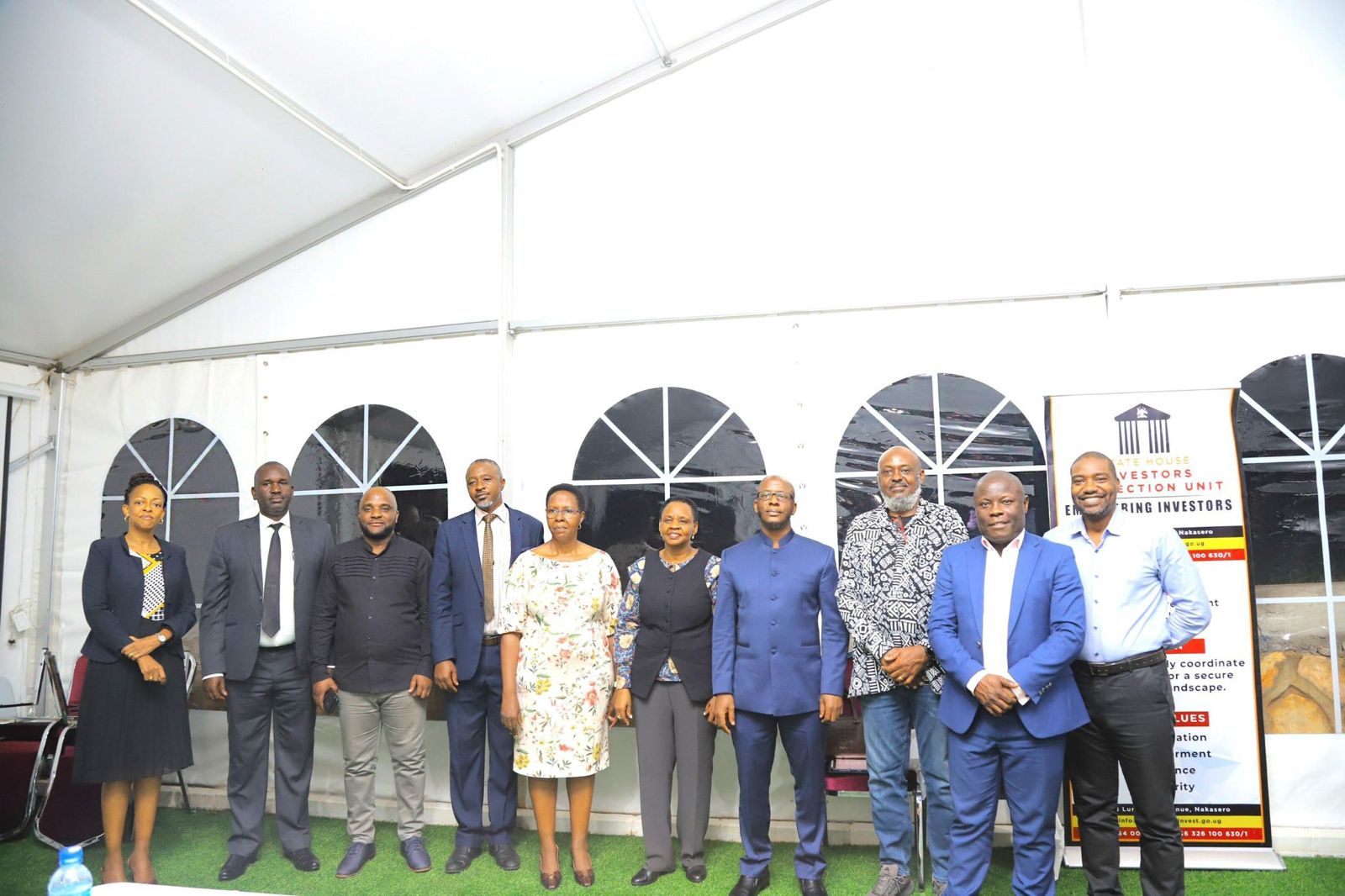
    Dr. Akankwasa emphasized that whereas elections took place once every five years, the country continues running, and asked everyone to choose peace over conflict, dialogue over division, and unity over discord, to protect Uganda’s democracy and the future of our nation.

    Simon Kaheru, Chair of the East African Business Council (EABC) Uganda Chapter, said the media fraternity held the most important position of keeping the Ugandan and international public informed without sensationalism, fake news and incitement.

    “You – the media – should be at your most professional during this period where tensions are high. Rely on fact, use the right sources, query everything that may be fake and avoid sensationalism so that you perform your role professionally. Do not be selective in your reporting; provide stories in full with the right context and perform your role of informing the public accurately,” he said. “The business community, including both local and foreign investors, rely on media reports as they make their current and future decisions, as does the government. You have a role to play in the decision to switch off the Internet, for instance, by ensuring you filter out fake news or information that incites violence or compromises the security of life and property,” he added.

    Media and Public Policy Personality Alan Kasujja added that the media needed to take centre stage and present the realistic situation in Uganda as a whole. “The world will be watching and following what is going on here through social media but more so by following your reports on the different platforms. Focus on doing your job professionally and credibly so that everyone sees Uganda for what we really are,” he said.

    Manufacturing will also continue uninterrupted, to ensure that economic activity is not hampered due to elections, which would cause product shortages and affect some incomes.

    The Uganda Manufacturers Association (UMA) Executive Director, Dr. Ezra Muhumuza Rubanda, said all industries will continue operating to ensure consumers maintain a stable supply of final goods and intermediate raw materials. “We shall ensure no scarcity so that prices of goods remain stable. We want people to continue working for daily earnings. As all Ugandans we have to ensure industries are not disrupted because most of them produce for exports and international concessions signed upfront don’t know our internal issues. We have to do our obligation to maintain export supplies. As manufacturers we have to protect our economic growth and the livelihoods of millions of Ugandans along many value chains, and we commit to taking that seriously in spite of elections,” Dr. Rubanda said.

    Mulago National Referral Hospital Executive Director, Dr. Rosemary Byanyima, said hospital operations would continue to be fully operational during the election period, including the specialised sections the hospital is running. “We have made many significant advances over the years and are providing many ordinary and specialised services that will continue uninterrupted even during the elections. Our staff will operate in shifts as usual and will be enabled to go and vote without any of the health services we provide being disrupted,” she highlighted.

    Tourism, meanwhile, will continue running as normal with many more foreign and local tourists continuing to flock to the national parks as well as various hospitality centres. Uganda Tourism Board (UTB) Chief Executive Officer Juliana Kagwa said the sector is enjoying an ongoing surge of visitors all enjoying Uganda’s various offerings in spite of the elections this week. “The country remains fully open for tourism during the ongoing election cycle. Uganda has continued to enjoy a calm and stable environment across all tourism areas, including national parks, wildlife reserves, cultural sites, cities, adventure and hospitality establishments. Tourism activities are proceeding normally, with hotels, lodges, tour operators, attractions, and transport services operating without disruption,” she said.

    “The government has put in place adequate security measures to ensure the safety of citizens and visitors across the country on the Election Day and we are working non-stop to ensure seamless visitor experiences across the country. Let’s encourage more visitors to “The Pearl of Africa” to proceed with their travel plans as scheduled without worry – Uganda should be enjoyed!” she added.

    The Executive Director of the Uganda Development Forum (UDF), a development think tank focused on social economic transformation, Edward Katende, urged the media to be part of ‘Team Uganda’ and to play its role of responsible reporting to protect the country’s development agenda. “UDF focuses on the development of Uganda using a Team approach, and you are a key member of the team. We have had a successful 40 years in macro-economic stability, moving from a failed state in 1986 to one of the most stable economies today. We can’t go backwards now yet we are on track to be a US$500billion economy by 2040,” he said. “Using a soccer analogy, there is a UK Premier League team that many years ago changed their manager when they were on the right track and at the top and they have suffered ever since. As Ugandans we need to think carefully about this carefully. Elections will come and go as many have been in the past but Ugandans must make money, Uganda must develop and continue. The media should report responsibly, all Ugandans should behave responsibly and we should allow everyone to exercise their civic duty responsibly so we protect this country,” Katende said.

    Ben Mwine, Vice Chairperson of the National Association of Broadcasters (NAB), urged the media to take a “bottle half-full” approach in order to protect the reputation and image of Uganda.“As broadcasters we must be Aware of our responsibility to the country by remaining factual and accurate in our reporting. We should also adhere to the guidelines that have been issued by our Regulator – the Uganda Communications Commission. We have an obligation to report positively about Uganda and to focus on the glass half full part of Uganda because it is the best way for us to develop as a country,” he said.

    Osborn Turyasingura, Secretary for the National Secretariat for Special Interest Groups, said the Special Interest Groups were focused on ensuring that the advancements they have made over the years are protected. “Our gains as Special Interest Groups are very many, including our representation from village to national leadership levels; and our recognition and involvement in government programmes – which not many candidates in this coming election have put in their manifestos!” he said. He also highlighted the inclusion of special interest groups in economic empowerment initiatives like the Youth Livelihood Programme, Youth Capital Venture Fund, Parish Development Model and even national procurements under the Public Procurement Reservation Scheme where the Youth and Women have 15%for local Procurements and 30% for Central Procurements. “We are not shy to say we have Gains to Protect, and we believe that the environment is safe and secure for all of us to go to the ballot this week to cast our votes. We urge all Ugandans to turn out and we assure you that as a Secretariat we are mobilizing all Special Interest Groups to massively take part in these elections and vote for NRM government to protect the above mentioned gains,” he said.

  • 2026 Updates: NRM’s Museveni promises new industrial park in Bunyoro

    2026 Updates: NRM’s Museveni promises new industrial park in Bunyoro

    Hoima: President Yoweri Kaguta Museveni has announced that Bunyoro Sub-region will receive a second industrial park—this one dedicated to agro-processing—as the government accelerates job creation and industrialisation in the Albertine region.

    Campaigning at Booma Grounds in Hoima City on Thursday, President Museveni said the new facility will complement the ongoing Kabalega Industrial Park for petroleum products, noting that the two industries cannot operate in the same space due to safety considerations.

    “We are going to build another industrial park purely for agro-processing, separate from the one handling petroleum products,” Museveni, the NRM Presidential Candidate, told thousands of enthusiastic supporters.

    “Food industries cannot be mixed with petroleum industries. So Bunyoro will have both.”

    The President, who was accompanied by the First Daughter, Mrs. Natasha Museveni Karugire, and senior NRM leaders, used the rally to present key highlights of the NRM Manifesto and outline the movement’s contributions to Uganda over the past four decades.

    He reiterated that peace, development, and wealth creation remain the pillars of Uganda’s transformation, and showcased progress made in Hoima’s infrastructure—including improved road networks, telecommunications and an electrification programme that has already connected 12 of the district’s 14 sub-counties.

    Museveni also pointed to significant expansion in social services.

    Hoima District now hosts 64 government primary schools and 6 government secondary schools, while Hoima City has 33 government primary schools and 5 government secondary schools—all implementing USE and UPOLET. Four more Seed Secondary Schools are under construction.

    On health, the President highlighted upgrades to the region’s facilities, including the strengthening of Hoima Regional Referral Hospital and the planned elevation of Kigorobya HCIV to a General Hospital.

    He urged residents to match government-led development with household wealth creation, encouraging small landholders to embrace the four-acre model and larger farmers to invest in commercial agriculture.
    Cautioning on the management of Uganda’s 6.5 billion barrels of confirmed crude oil, Museveni stressed that oil revenues must be invested in long-term strategic projects such as industrialisation—not consumption.

    Top NRM leaders, including Speaker of Parliament Rt. Hon. Anita Annet Among and Prime Minister Rt. Hon. Robinah Nabbanja, praised the President for transformative projects in Bunyoro—such as Hoima Stadium, Bunyoro University and the rapidly expanding road network—saying they reflect the NRM’s long-standing commitment to the sub-region.

    Hoima District NRM Chairperson Vincent Muhumuza Savannah thanked the President for flagship developments like Hoima International Airport and the Regional Blood Bank, but raised concerns over persistent land evictions.

    He appealed for the President’s intervention to ensure residents obtain secure and affordable land titles.

  • EACOP Calls on Youth to Position themselves for Expanding Oil and Gas Opportunities as Uganda Shifts to Operations phase

    EACOP Calls on Youth to Position themselves for Expanding Oil and Gas Opportunities as Uganda Shifts to Operations phase

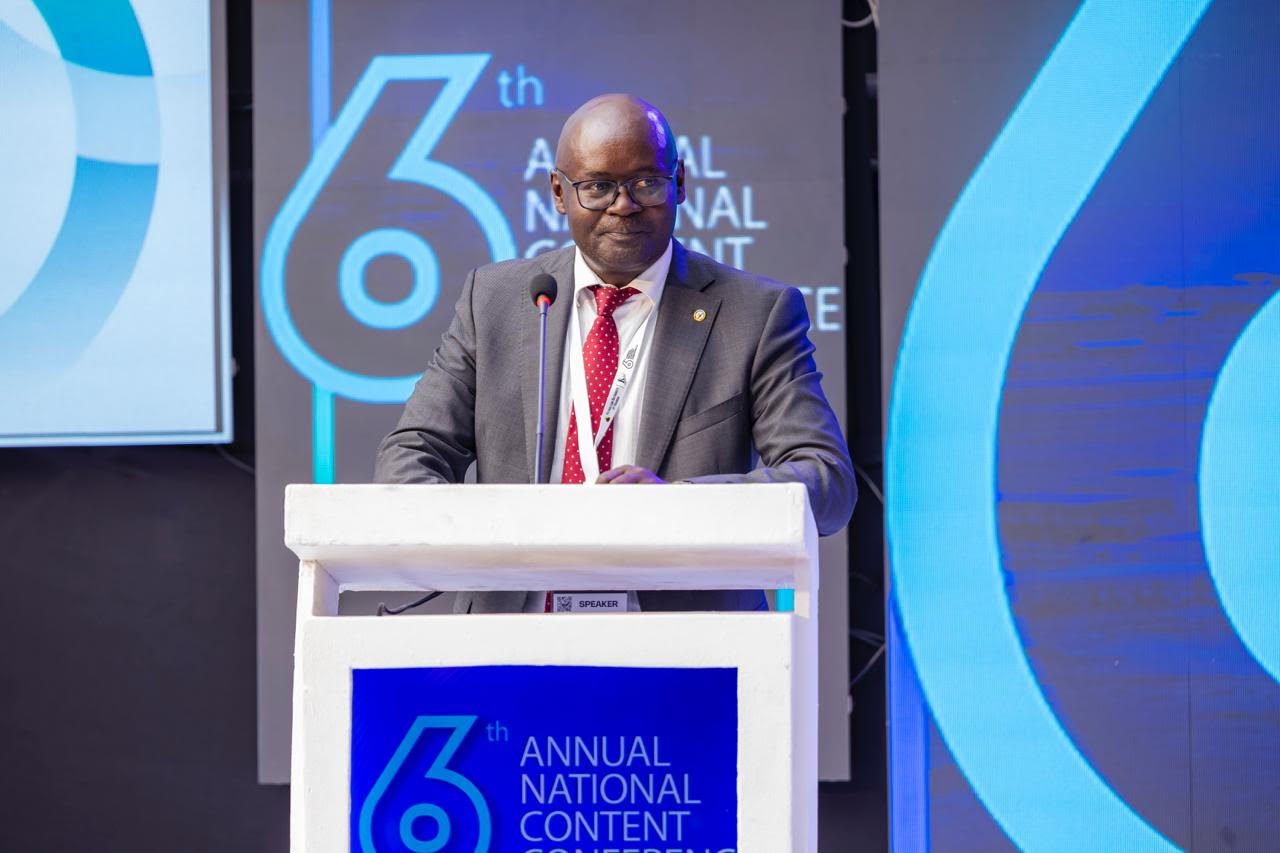
    The Deputy Managing Director for the East African Crude Oil Pipeline (EACOP), John Habumugisha, has urged Ugandan youth to prepare for the increasing opportunities in the oil and gas sector, as the country anticipates its first barrel of oil in 2026.

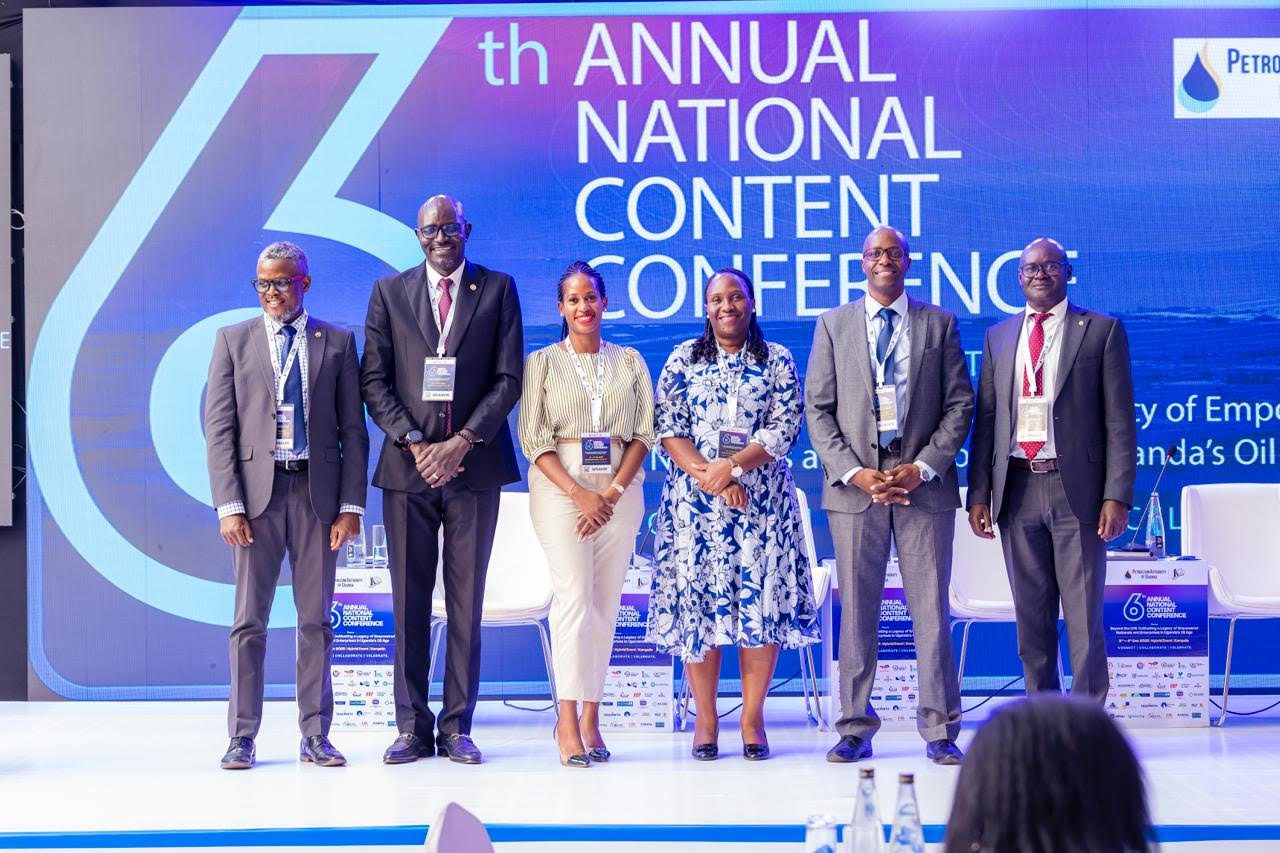
    He made the remarks during the 6th Annual National Content Conference held at Mestil Hotel- Nsambya, where stakeholders convened to discuss how Uganda can build a strong legacy of empowered nationals and enterprises in the country’s oil era.

    Habumugisha noted that Uganda’s oil journey is transitioning from the construction phase to operationalization, creating a new wave of opportunities that the youth must position themselves to exploit.

    “Opportunities are coming for those who are prepared. We are shifting from construction to commissioning and operations. Recruitments will continue, and we need commissioning and operational experts. These opportunities are available and accessible; take them and reap the benefits the oil and gas sector presents,” he said.
    He highlighted several EACOP project achievements, including 74% completion of construction, employing 2900 Ugandans, selection of 141 students for training as panel operators, field operators, mechanical technicians, among other competences, provision of 111 internship opportunities, and many others, milestones that he said demonstrate Uganda’s growing readiness for oil production.

    State Minister for Energy, Okaasai Opolot, echoed the call for Ugandans to prepare for the emerging opportunities as the project shifts to the operational phase. He revealed that 5,000 Ugandan enterprises have already benefited through supplier development programs, capacity-building initiatives, and business linkages. He added that the petroleum project is expected to run for over 25 years, with an estimated annual operating expenditure of more than US$8 billion, presenting significant long-term opportunities for local participation. Okaasai urged training institutions to modernize and align their programmes with the evolving demands of the oil and gas sector.

    “Uganda will need internationally certified technicians, instrumentation specialists, control room operators, pipeline inspectors, digital engineers, geoscience experts, and environmental scientists. Our training institutions must evolve; our skills ecosystem must become more agile, industry-driven, and technology-focused,” he said.
    Uganda expects to extract its first oil next year, 2026, which will be transported through the East African Crude Oil Pipeline (EACOP) from Kabaale in Hoima District to the Chongolean Peninsula near Tanga Port in Tanzania, with a planned capacity of about 246,000 barrels per day.

  • Minister Anyakun Esther Davinia  gives update on the Election for Representatives of the Workers to Parliament & District Councils

    Minister Anyakun Esther Davinia gives update on the Election for Representatives of the Workers to Parliament & District Councils

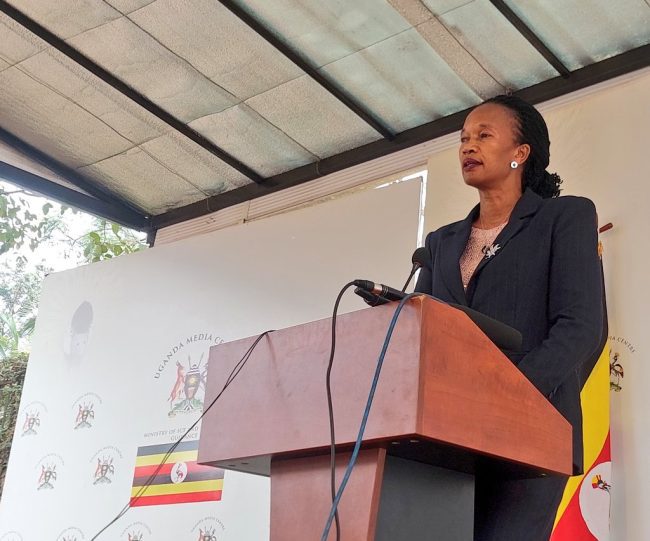
    The Minister of State for Labour, Employment and Industrial Relations Hon. Anyakun Esther Davinia updated the nation on the Election for Representatives of the Workers to Parliament and District Councils.

    Addressing the Media at the Media Centre about the registration and convening of willing non-unionised workers at Subcounty, City/Municipality Division and Town Council for the Electoral Commission to organize and manage elections.

    The Ministry in consultation with the Electoral Commission has scheduled conferences for the willing non-unionized workers’ election at Subcounty, City/Municipality Division and Town Council today Wednesday, 20th August 2025.

    Section 15 of the Parliamentary Elections Act, Cap.177 provides that the five workers representatives to Parliament shall be elected by an electoral college constituted by delegates as follows;
    the Chairman General, Vice Chairman General, Secretary General, Deputy Secretary General, Treasurer General and Deputy Treasurer General of NOTU and four other persons nominated by NOTU at least two of whom shall be women;
    the Chairman General, Vice Chairman General, Secretary General, Deputy Secretary General, Treasurer General and Deputy Treasurer General of COFTU and four other persons nominated by COFTU at least two of whom shall be women;
    the Chairperson, General Secretary and Treasurer of every registered Labour union;
    seven delegates nominated directly to the Electoral Commission by every registered labour Union at least three of whom shall be women.

    Hon. Anyakun Esther Davinia addressing the Press

    Ten delegates at least three of whom shall be women, nominated by the non-unionised workers in each of the following regions –(i) Central (ii) Eastern (iii) Northern and (iv) Western. This provision requires the Minister responsible for workers to convene all willing non-unionised workers at every sub-county in Uganda for Electoral Commission to organise and manage the elections at the sub-county and district conference.

    Similarly, section 10 (g) of the Local Governments Act, Cap. 138 makes provision for the composition of district councils to include 2 members representing workers one of whom shall be a female elected in accordance with the Labour Unions Act. Furthermore, Regulation 3 the Labour Unions (Election of Workers Representatives to District Councils) Regulations, 2016 provide for two workers representatives to district council to elected by the district electoral college constituted by the electoral commission as follows:
    twenty delegates nominated directly to the Electoral Commission by the Secretary General of every registered labour unions with membership in the district, at least six of whom shall be women; and
    ten delegates, at least three of whom shall be women nominated by the non-unionised workers in the district.

    The same regulation requires the secretary general of a registered labour union to submit to the Registrar a list of the Members of the labour Union in each district for the Registrar to submit the same to the Electoral Commission.

    A registered labour union shall be eligible to submit its list of nominated delegates if it meets the following conditions;
    has been duly registered by the Registrar of Labour Unions for at least six (6) months prior to the elections in accordance with section 15(5) of the Parliamentary Elections Act, Cap. 177;
    has submitted proof of conducting its annual general meetings for the past three (3) years;
    has submitted its annual returns to the Registrar of Labour Unions for the past three years in accordance with section 49 of the Labour Unions Act, Cap. 228.

    Leaders of Labour Unions (Chairpersons, General Secretaries and Treasurers) who wish to be nominated must be registered with the Registrar of Labour Unions as officials of their respective unions. In addition to this requirement, all other eligibility criteria outlined in (5) below shall also apply to union leaders.

    A person is eligible to be nominated as a member of a registered union if he or she meets the following requirements;
    A citizen of Uganda aged 18 years and above;
    Has a National Identity Card;
    a registered voter with proof to that effect;
    is registered as a member of a Union.
    employed and his/her employment is verifiable by an employment contract; and
    is an employee with salary pay slips of five months preceding the nomination.
    has evidence of subscription/check off to the Labour Union for five months preceding the nomination.
    Official(s) of a Registered Labour Union, should have evidence of registration as official(s) by the Registrar of Labour Unions.

    A person is eligible to be registered as a willing non-unionised worker if he/she;
    is a citizen of Uganda aged 18 years and above;
    Possesses a National Identity Card;
    is a registered voter with proof to that effect;
    is employed and his/her employment is verifiable by an employment contract;
    verifiable payment record/slips for at least three months preceding the registration;
    holds a valid employment Identity Card;
    is not a member of a registered Labour Union; and

    To support this process, the Ministry has developed comprehensive guidelines on the Elections of Workers’ Representatives to Parliament and District Councils. These guidelines are intended to:

    support the Electoral Commission to develop a register for workers;
    ensure proper submission of nominated persons from the registered unions to the Electoral Commission;
    guide public officers who will participate in receiving and verifying nomination lists from the registered Labour Unions;
    guide the public on the registration of willing non-unionised workers for Electoral Commission to hold elections at the sub-counties, Districts and Regions; and
    guide public officers to conduct and supervise the process of registering willing non-unionized workers at Sub-Counties/Town Councils and Municipality Divisions.

    The Ministry has published this information in both print and digital media to enable the public to access details on:
    the legal framework governing these elections;
    procedures for submission of labour union membership lists;
    eligibility of registered unions to nominate representatives;
    eligibility for nomination as a member of a registered Labour Union;
    submission of lists of registered Labour Union members to the Registrar of Labour Unions;
    procedures for registration and participation of willing non-unionised workers in the elections;
    eligibility for registration as a willing non-unionised worker; and
    procedures for nomination of delegates for the election of Workers’ Councilors to Local Government Councils.

    Yesterday the ministry hosted sub-regional training for all Labour Officers, Community Development Officers and Officers designated to register the willing non-unionised workers about the exercise.

    It is the expectation of Government that all stakeholders will adhere to these provisions, thereby ensuring that the election of Workers’ Representatives reflects the aspirations of the labour-force and contributes meaningfully to Uganda’s development agenda.

    All necessary preparations have been completed to ensure the smooth execution of these activities. I therefore call upon all eligible workers, trade unions, employers, local authorities, and other stakeholders to actively participate and support this process as per stipulated timelines.

    Furthermore, all the willing non-unionised workers should ensure they report to every Subcounty, City/Municipality Division and Town Council to continue registration today Wednesday, 20th August 2025, from 8:00am to 12:00pm for the Electoral Commission to take over at 2.00pm to organize and manage elections.

  • Aminah Zawedde officiates as over 200 Government Communicators Trained in  Strategic Communications & Digital Skills graduate

    Aminah Zawedde officiates as over 200 Government Communicators Trained in Strategic Communications & Digital Skills graduate

    Kampala: The Ministry of ICT and National Guidance (MoICT & NG) in partnership with MultiChoice Africa Holdings represented by MultiChoice Uganda, the leading provider of premium pay-TV entertainment in Uganda, is proud to mark the successful completion of a comprehensive Strategic Communications and Digital skills training programme for Government Communications Officers.

    The graduation ceremony, officiated by the Permanent Secretary (PS) of Ministry of ICT and National Guidance, Dr. Aminah Zawedde, was held at the National ICT Innovation Hub in Nakawa.

    The week-long capacity-building initiative was held in 2 cohorts on 07th to 08th July and 09th to 10th July 2025 and is part of the broader Memorandum of Understanding (MOU) signed between the Ministry and MultiChoice Africa Holdings to promote digital literacy, responsible communication, and local capacity building in Uganda.
    The training covered essential areas such as issues and crisis management, localization of government communications, visual media and storytelling. The training, paired with real-life case studies and group exercises, equipped the participants with the necessary tools for public communications especially in a rapidly evolving digital media environment.

    Dr. Aminah Zawedde highlighted the importance of collaboration between the private and public sectors for national growth. She stated that, “Through this training, we have laid a strong foundation for enhanced citizen engagement and national development. We are proud to be tapping into MultiChoice Uganda’s extensive expertise in broadcasting and digital content development.”

    Speaking at the graduation, Hassan Saleh, Managing Director, MultiChoice Uganda, said, “At MultiChoice Uganda, we believe that great storytelling is essential to progress. We are proud to be executing activities we set out to achieve with the MOU signed with the Ministry last year. We are also honoured to support the Ministry in enhancing the voice of government and building a stronger connection with the public.”

    Speaking on behalf of the participants, Hellen Kawesa, Assistant Director Communications and Public Relations at Parliament of Uganda, commented, “We extend our heartfelt gratitude to the MoICT & NG and MultiChoice for the invaluable training, where we learnt the critical importance of crisis communication, localized communication and story telling among others. We recognized the potential of using our phones to take pictures that communicate well.”

    While addressing the media, Rinaldi Jamugisa, PR and Communications Manager at MultiChoice Uganda expressed his gratitude to the Ministry for their partnership and collaboration in advancing storytelling, skills development, and strengthening national institutions through effective communications training.

    “Yesterday, I officiated the graduation ceremony of over 200 Government Communicators from various Ministries, Departments, and Agencies who successfully completed an intensive one week training in Strategic Communications and Digital Skills.

    This training was made possible by the Memorandum of Understanding signed in May 2024 in South Africa between MoICT Ug and MultiChoice. That agreement marked a major step toward enhancing digital literacy, promoting responsible communication, and building local capacity within Uganda’s public sector.

    Through this initiative, we have laid a strong foundation for improved communication that speaks to the realities of the digital era and resonates with the people we serve.

    I commend all participants for their dedication and encourage them to use these skills to tell Uganda’s story with clarity, integrity, and purpose,” Aminah Zawedde posted on her X after.

  • Uganda and China Deepen Agricultural Cooperation with Landmark MOU Signing

    Uganda and China Deepen Agricultural Cooperation with Landmark MOU Signing

    The Ministry of Agriculture, Animal Industry, and Fisheries (MAAIF) has signed a pivotal Memorandum of Understanding (MOU) with China Communications Construction Company (CCCC) to enhance Uganda’s agricultural capacity through the development of post-harvest handling infrastructure, small-scale irrigation systems, and agricultural mechanisation.
    The agreement marks a significant step in strengthening Uganda’s food security and improving the livelihoods of farmers.

    The MOU was signed during a formal ceremony in Kampala attended by senior government officials and CCCC representatives. Speaking on behalf of Uganda, Mr. Ronald Segawa Gyagenda, the Acting Permanent Secretary of MAAIF, underscored the importance of the partnership. He emphasised that the agreement represents a commitment to reducing the substantial losses incurred by farmers due to inadequate post-harvest handling and storage facilities.

    “A significant percentage of food produced in Uganda is lost after harvest due to poor handling, storage, and processing. This is an issue that has plagued our farmers for too long,” Gyagenda said. “We welcome every partner with innovative solutions to address these challenges, and this MOU is a testament to our commitment to finding sustainable, long-term solutions.”

    The initiative, Gyagenda noted, will enable Uganda to leverage modern agricultural technologies aimed at improving productivity, stabilising food prices, and safeguarding food security. He highlighted that the feasibility study arising from this MOU will guide the government in making informed decisions on the implementation of these critical projects.

    CCCC, a prominent global player in infrastructure development, has operated in Uganda for nearly three decades. In his remarks, Mr. Hailiang Song, President of CCCC, expressed his enthusiasm for the collaboration, reiterating the company’s long-standing commitment to Uganda’s development.

    “Uganda has immense agricultural potential, and under the leadership of President Museveni, the country has made remarkable progress in achieving political stability and economic growth,” Song said. “We are proud to support Uganda in advancing its agricultural sector by focusing on warehousing, irrigation, and food processing.”

    Song highlighted Uganda’s lack of adequate food storage facilities as a critical issue affecting the sector, which the partnership aims to address through the construction of modern warehousing infrastructure. “Warehousing is not just an important initiative; it is critical for Uganda’s future,” he remarked, noting that such facilities would play a vital role in stabilising food prices and ensuring that farmers have better access to markets.

    In addition to post-harvest handling, the MOU also seeks to bolster Uganda’s resilience to climate change by expanding access to small-scale irrigation systems. With erratic weather patterns affecting farmers across the country, irrigation has become a priority for both the government and its partners. Gyagenda stressed that improved water management is crucial to ensuring agricultural sustainability in the face of growing climate unpredictability.

    “We are seeing periods of too much rain followed by prolonged drought. By harvesting and managing water efficiently, we can ensure our farmers have access to water when they need it most,” Gyagenda explained. “This MOU signals our commitment to addressing these challenges and providing farmers with practical solutions.”

    Both parties emphasised the importance of adapting new technologies to Uganda’s specific needs and conditions. Gyagenda assured that the government would support the testing and adaptation of any new machinery before deployment to ensure its suitability for the country’s unique agricultural landscape.

    Song reaffirmed CCCC’s dedication to Uganda, saying, “Our expertise in irrigation and agricultural processing will contribute to the sustainable development of Uganda’s agricultural sector. We are keen to collaborate across the entire agricultural value chain, from planting to processing and storage.”

    The MOU builds on previous discussions between Uganda and China aimed at fostering agricultural cooperation. It follows a series of high-level meetings, including a visit by Uganda’s Minister of Agriculture to CCCC’s offices in China during the China-Africa Economic and Trade Expo in July 2021.

    The signing of the MOU represents a key milestone in the longstanding partnership between Uganda and China. Both Gyagenda and Song expressed optimism about the future, with Song noting that the collaboration has the potential to significantly boost agricultural productivity in Uganda.

    “The signing of today’s MOU is just the beginning of our journey together,” Song said. “We look forward to deepening our cooperation and exploring more opportunities in the future.”

    The partnership comes at a critical time as Uganda seeks to modernise its agricultural sector and support the livelihoods of millions of smallholder farmers. By addressing post-harvest losses, enhancing irrigation systems, and facilitating access to modern technologies, the collaboration is expected to have a lasting impact on the country’s agricultural development.

  • NWSC completes Kiruddu Wastewater Treatment Plant

    NWSC completes Kiruddu Wastewater Treatment Plant

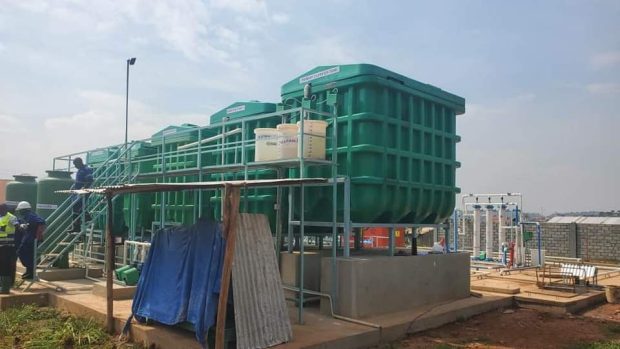
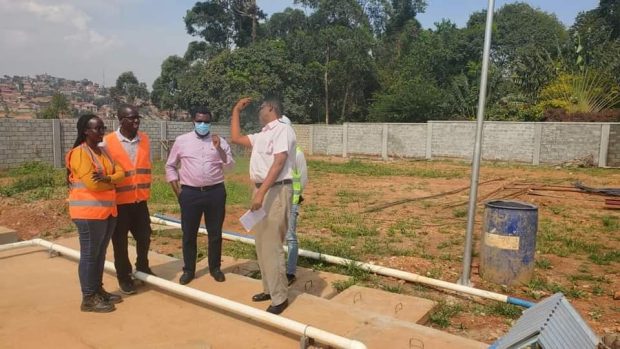
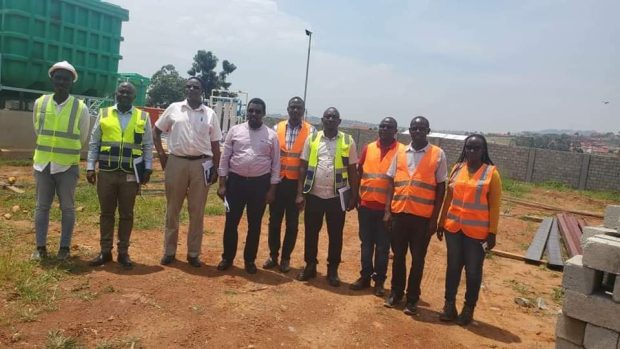
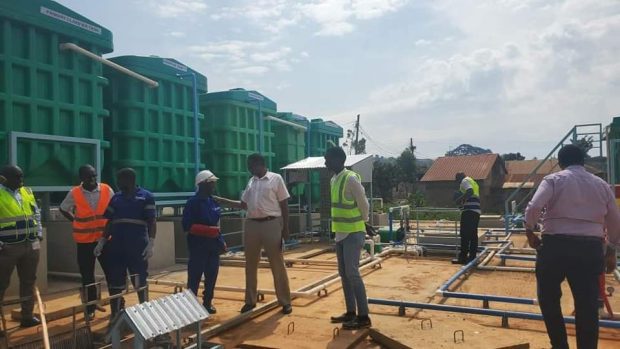
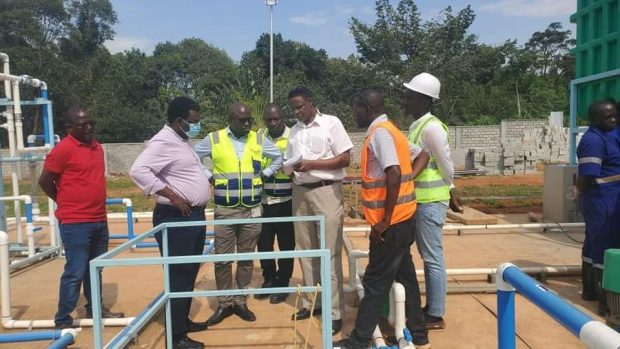
    The Government of Uganda through Ministry of Health and National Water and Sewerage Corporation (NWSC) have completed a 150,000litres  capacity Wastewater Treatment plant at Kiruddu hospital.
    The facility will help improve sanitation and health at hospital and the surrounding areas.
    The new plant uses advanced tech and minimizes land requirements. Plans are underway to roll out similar projects in our areas of operation across the country.