By Brian Mugenyi
mugenyijj@gmail.com
Masaka City: For six months, the story remained buried in the complex world of political mobilisation, coffee seedlings and unanswered questions until one woman renowned as Cissy sparked it into the public lens. The power of a woman.
But on 28 July 2026, a new chapter emerged.
A communication from State House reportedly directed that Mr. Rogers Bulegeya, the NRM Chairperson for Masaka City, be given Shs450 million linked to coffee supplies undertaken during the 2026 election mobilisation period through R and R Coffee Suppliers.
The development has reignited conversations in Masaka about the invisible networks that power political campaigns — the suppliers, grassroots organisers and community actors who invest resources behind the scenes while the public often sees only the final political outcome.
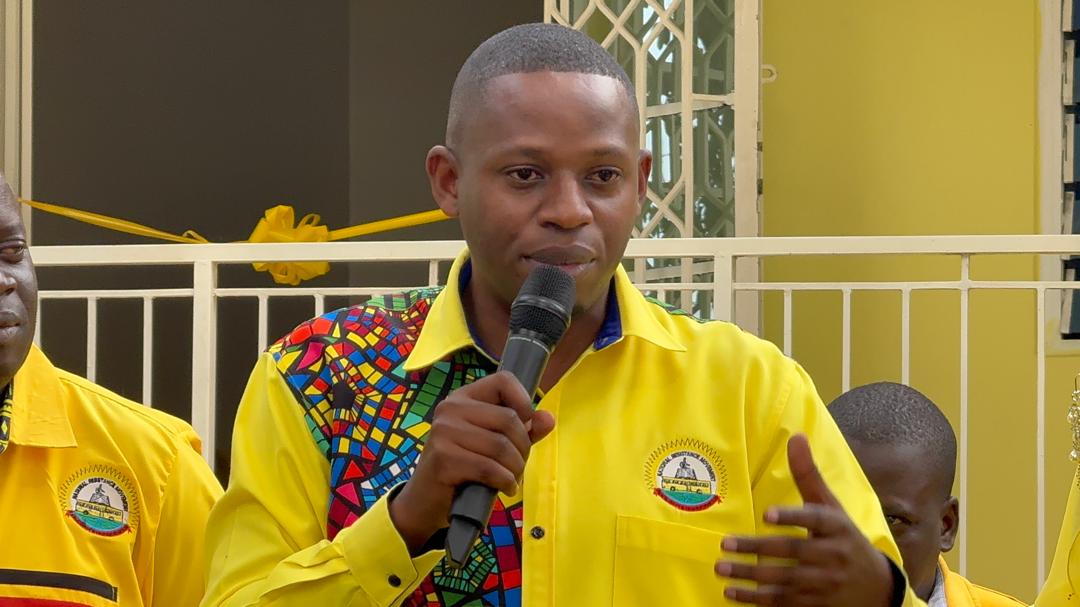
At the centre of the story is Bulegeya, a political mobiliser whose company supplied coffee seedlings during the campaign period, turning agriculture into a tool of grassroots engagement.
According to information provided by Bulegeya, the coffee supply exercise was organised through R and R Coffee Suppliers, with the seedlings distributed among registered NRM members who participated in mobilisation meetings across Masaka.
The exercise was not a simple distribution of seedlings.
It was a carefully organised grassroots activity involving party structures, technical personnel and community members.
Inside the Coffee Mobilisation Network
According to organisers, Bulegeya’s aide Brian Lule played a coordinating role in the distribution exercise, working alongside technical officer Mr. Jeff Mukisa and engaging the NRM Party Secretariat structures in Masaka.
Members who participated in the meetings reportedly presented their identification cards before receiving coffee seedlings.
The objective, according to organisers, was twofold — strengthening grassroots engagement while encouraging communities to embrace coffee growing as a pathway towards economic empowerment.
For many beneficiaries, coffee represented more than a campaign message.
It represented a future harvest.
A future income.
A possible escape from economic hardship.
The Shs450 Million Question
The financial burden of the exercise later became the centre of attention.
Bulegeya says through R and R Coffee Suppliers, significant resources were committed to supplying the coffee, resulting in the Shs450 million claim.
The matter later attracted political discussions involving different actors, including Hon. Justine Nameere, as questions emerged around the supply arrangement and responsibility for settling the claim.
However, the reported State House communication dated 28 July 2026 directing that Bulegeya be given the funds has shifted the conversation towards verification, accountability and recognition of suppliers involved in grassroots mobilisation.
The State House Turning Point
The reported directive from State House Controller Jane Barekye became the defining moment in the saga.
For Bulegeya and his supporters, the development represented acknowledgement of the role played by private actors who provide logistical support during major national activities.
During a meeting convened in Masaka City by Hon. Balaam Barugahara, discussions reportedly focused on supplier claims and the importance of resolving verified obligations through proper procedures.
The discussions reflected a wider national question:
Who recognises the contribution of those who work behind the scenes during major political moments?
Beyond Politics: Coffee as a Development Story
Away from the political debate, the story carries a development message.
Coffee remains one of Uganda’s most valuable agricultural products, supporting millions of households and contributing to the country’s economic transformation agenda.
The distribution of coffee seedlings placed agriculture at the centre of a political mobilisation conversation — linking leadership, community engagement and economic opportunity.
For rural households, a coffee seedling planted today could become tomorrow’s source of income.
Masaka’s Political Memory
The 2026 election period was characterised by intense mobilisation across Uganda, with local actors playing a major role in connecting national political messages with communities.
In Masaka, where politics remains deeply connected to grassroots relationships, the Bulegeya coffee saga has become more than a financial claim.
It has become a story about leadership, responsibility and the people who operate beyond the spotlight.
As the reported directive moves towards implementation, attention now turns to accountability, documentation and ensuring that every process follows the required standards.
For Rogers Bulegeya, the State House clearance marks a significant moment.
For Masaka, the Shs450 million coffee saga will remain a defining chapter in the region’s political and agricultural story.