Around this time in 1966, the Buganda regional Parliament, the Lukiiko, passed a dramatic resolution demanding that Prime Minister Milton Obote’s central government vacate Buganda territory within 10 days.
The motion, passed at Mengo during the height of the 1966 constitutional crisis, represented the complete collapse of the uneasy alliance between Obote’s Uganda People’s Congress and the Buganda royalist establishment led by Kabaka Edward Mutesa II.
What followed would reshape Uganda’s political order for decades.
By the time the Lukiiko convened, relations between the central government and Buganda had already deteriorated beyond repair.
Earlier that year, Obote had suspended the 1962 Independence Constitution, arrested five cabinet ministers accused of plotting against him, and stripped the Kabaka of his ceremonial role as President.
He then introduced the controversial “Pigeonhole Constitution” in April 1966, consolidating executive authority in his own hands while weakening the federal autonomy enjoyed by Buganda and other kingdoms.
To Buganda’s political leadership, these actions amounted to an unconstitutional seizure of power and a direct violation of the federal agreement negotiated at independence.
Under the leadership of Buganda’s Katikkiro, Jenehoash Mayanja Nkangi, the Lukiiko responded with an extraordinary act of defiance. The assembly declared that Obote’s government had forfeited its legitimacy within Buganda because it had breached the constitutional pact underpinning Uganda’s independence settlement.
The resolution ordered the central government to leave Kampala and the rest of Buganda by May 30, 1966.
Kabaka Mutesa II escalated matters even further by appealing to the United Nations and reportedly seeking foreign assistance to protect Buganda from what the kingdom viewed as illegal encroachment by the central government.
For Obote, the resolution crossed a red line. He interpreted the ultimatum and Buganda’s outreach for foreign intervention as an act of rebellion and treason against the Ugandan state.
Tensions quickly spilled into open confrontation. Across Buganda, royalist supporters erected roadblocks, disrupted communications, and targeted central government installations.
Security forces increasingly clashed with pro-kingdom activists as the country edged toward armed conflict.
Within days, Obote authorised military action. The Uganda Army, commanded operationally by Colonel Idi Amin, launched an assault on the Kabaka’s palace at Mengo, known as the Lubiri. The attack became one of the defining moments in Uganda’s post-independence history. Royal guards mounted fierce resistance, but the palace eventually fell after intense fighting.
Kabaka Mutesa II escaped dramatically over the palace walls during heavy rain and later fled into exile in London, where he died in 1969.
The fallout transformed Uganda permanently. Obote declared a state of emergency in Buganda, dismantled the kingdoms, and pushed through the 1967 Constitution, which formally abolished traditional monarchies and replaced Uganda’s federal structure with a unitary state.
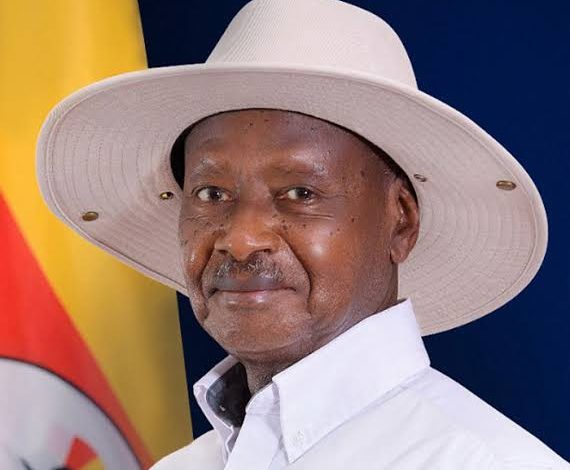
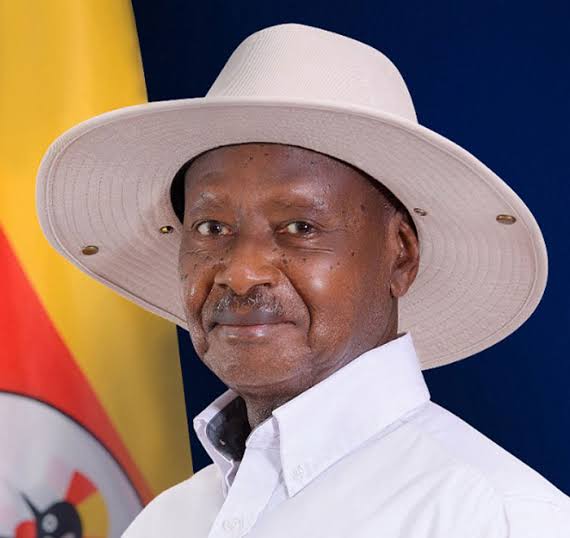
The National Resistance Movement (NRM) government, led by President Yoweri Museveni, officially restored traditional kingdoms in Uganda in 1993, following their abolition in 1966. This move aimed to foster national reconciliation and cultural identity, allowing institutions like the Buganda, Bunyoro, Busoga, and Tooro kingdoms to return as non-political, cultural entities.
Key Aspects of the Restoration:
Legal Action: The National Resistance Council (NRC) passed amendments in July 1993 that repealed the 1967 constitutional article that abolished kingdoms, allowing them to exist as cultural institutions.
Return of Assets: The Traditional Rulers (Restitution of Assets and Properties) Statute of 1993 allowed for the return of properties, including the Buganda kingdom’s seat, Bulange.
Cultural Focus: The restored kings are strictly cultural heads without administrative, legislative, or executive authority.
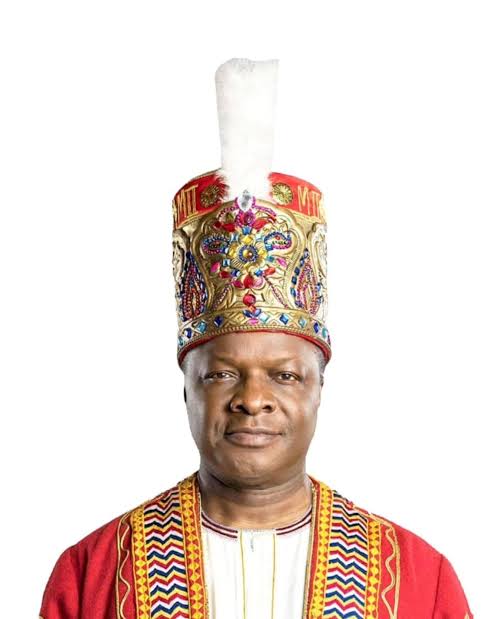
Buganda Milestone: Prince Ronald Muwenda Mutebi II was crowned the 36th Kabaka of Buganda on July 31, 1993, marking a major turning point.While the NRM has widely restored these institutions, the restoration was a political process that did not include all former kingdoms, such as the Ankole kingdom.
Long leave President Museveni long leave Kabaka!!