Kampala: The National Planning Authority (NPA) has issued a Certificate of Compliance for the FY2025/26 Annual Budget. Compliance and alignment with the Fourth National Development Plan (NDPIV) improved to 75.4 percent, up from 65.1 percent in FY2024/25, signalling stronger integration of national planning and budgeting frameworks.
Issued under the Public Finance Management Act (PFMA), Cap 171, the Certificate of Compliance aims to ensure that development planning and budgeting frameworks are aligned towards the achievement of Uganda Vision 2040 and the ten-fold growth strategy, through the National Development Plans.

The assessment framework covers six broad NDPIV levels, including Macroeconomic, National strategic direction, Programme, Ministries, Departments & Agencies (MDAs), Local government, and cross-cutting issues levels.

NPA attributes the improved compliance and alignment to (i) improved allocative efficiency to Agro-industry Development, Tourism Development, Mineral-based Industrial Development, Oil & Gas, and Science, Technology & Innovation (ATMS), and the enablers, (ii) improved targeting, and (iii) allocation to the key high-impact projects.
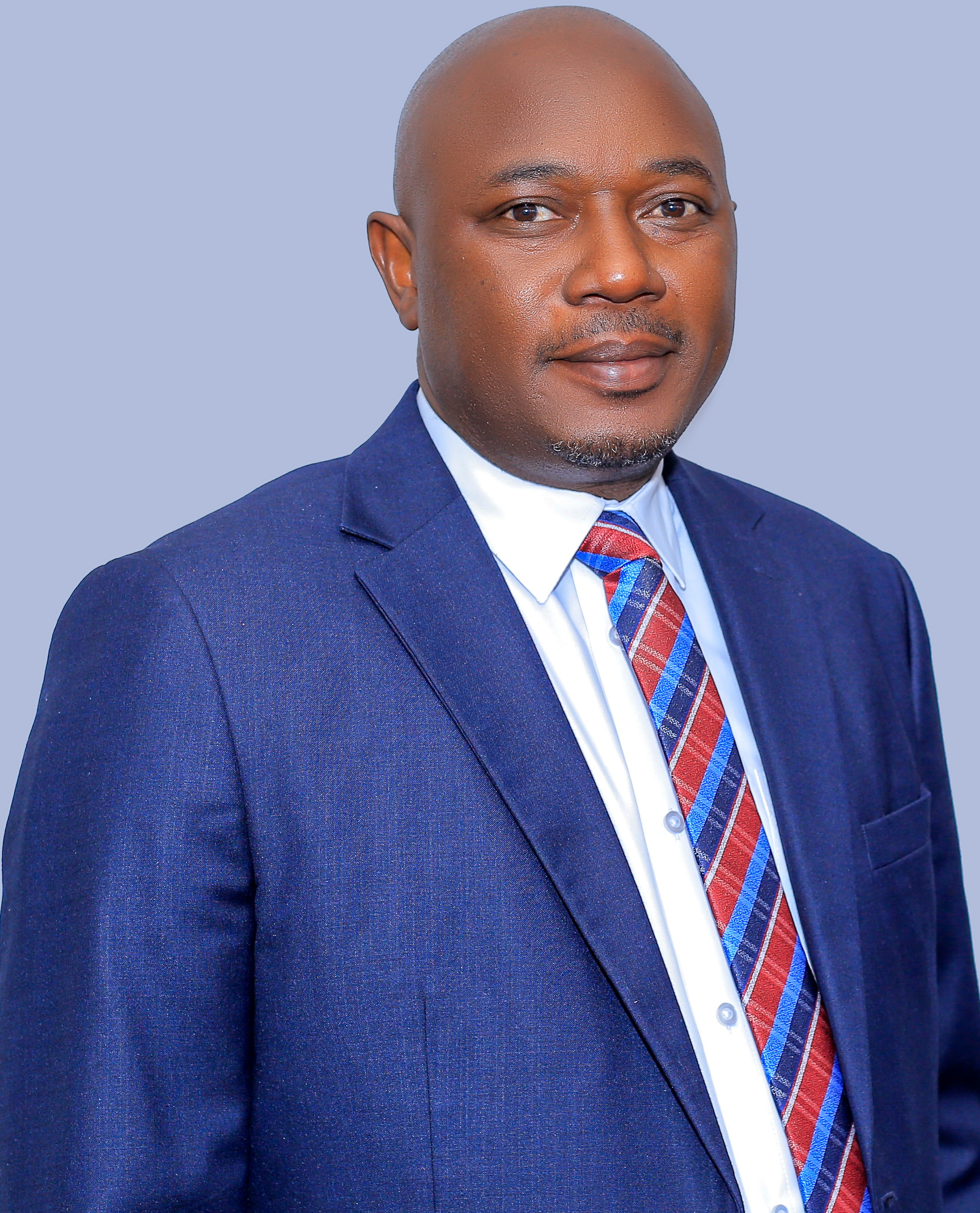
Speaking on the findings, Charles Musana, Manager for Information Advocacy and Public Relations at NPA, noted that while progress has been made, greater effort is needed to strengthen compliance further.

“The assessment shows steady improvement in aligning budgets to NDPIV priorities. However, there is a need to further enhance allocative efficiency, particularly at the programme, MDA, and Local Government levels, to fully realise the aspirations of the Tenfold Growth Strategy,” he said.

At the macroeconomic level, the compliance and alignment of the FY2025/26 Annual Budget with the NDPIV is satisfactory (75.8 percent), supporting economic growth, job creation, and macroeconomic stability. Strategic alignment remains strong, although the rising debt service burden continues to exert pressure on the national budget.
Compliance and alignment of the FY2025/26 Annual Budget to the NDPIV at the Programme, MDA, and Local Government levels is moderately satisfactory, indicating steady progress and providing a basis for further strengthening alignment of plans and budgets with national priorities.
The National Budget Framework Paper FY2026/27 attained satisfactory compliance and alignment to the NDPIV at 76.6 percent, up from 66.7 percent in FY2025/26. This improvement reflects better targeting of resources, increased allocation to priority areas, and stronger alignment between planning and budgeting frameworks.
Commenting on the findings, the Executive Director of NPA, Dr. Joseph Muvawala, emphasised the need to strengthen financing strategies to sustain the implementation of NDPIV. “We must fully implement the domestic revenue mobilisation strategy to sustainably finance NDPIV priorities. At the same time, we must fast-track the completion of key oil infrastructure, particularly the refinery, to unlock the petrochemical value chain and generate first oil revenues critical to financing the Plan,” he said.

Dr. Joseph Muvawala further called for accelerated financing and implementation of high-impact projects, including the Standard Gauge Railway, value addition infrastructure, energy and road maintenance, GKMA development, the creative industry and AFCON-related infrastructure, the Uganda Heart Institute, and the capitalisation of the Uganda Development Bank (UDB) and other public financial institutions. He also underscored the need to prioritise concessional borrowing, restructure domestic debt, and leverage alternative financing mechanisms in line with the Public Investment Finance Strategy.
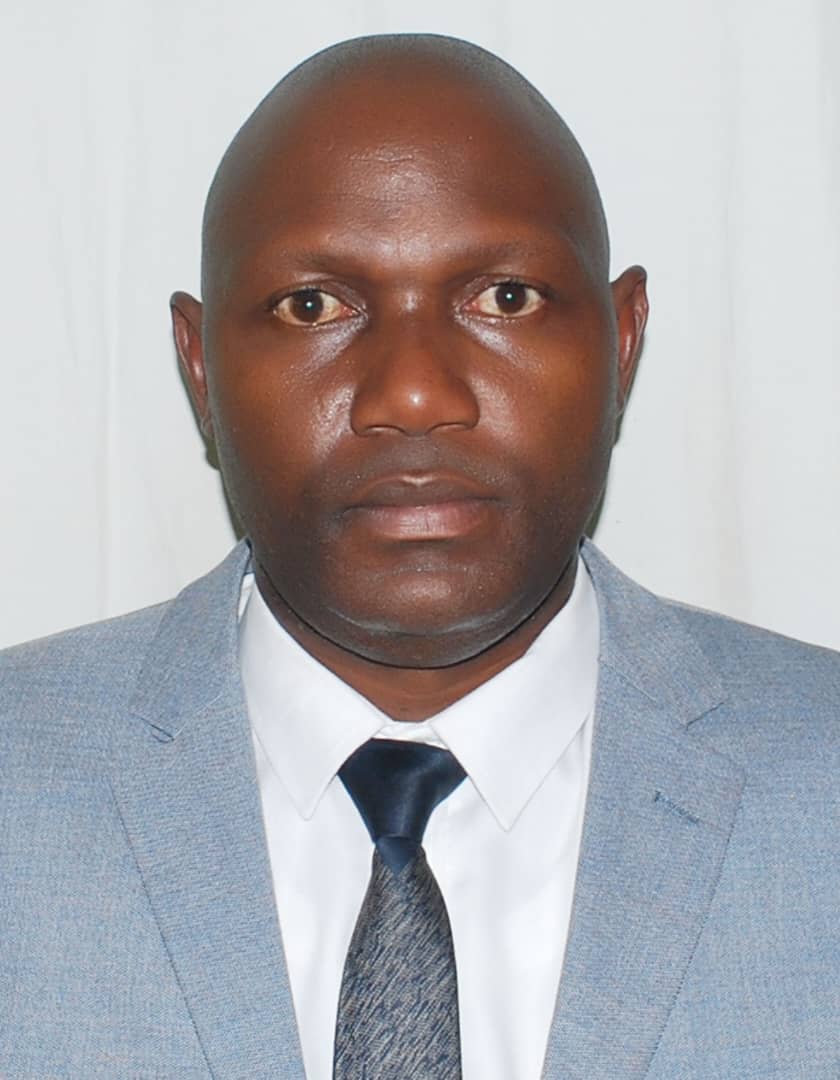
Meanwhile, Dr. Winnie Nabiddo, the Senior Manager for Research and Development Performance at NPA, noted that NPA, in collaboration with the Ministry of Finance, Planning and Economic Development, will intensify capacity-building efforts to support Local Governments to prepare compliant plans, budgets, and performance reports.