Mbale City: For decades, decentralisation has been one of Uganda’s most ambitious governance reforms — designed to move decision-making closer to citizens and empower local governments to deliver services where people live.
But as local governments continue receiving greater responsibilities, one question remains central:
Can local institutions build systems strong enough to prevent misuse of public resources before citizens lose confidence?
In Mbale City, that question is shaping a new accountability conversation following renewed efforts by the Ministry of Local Government to strengthen transparency, discipline and responsible leadership within local government structures.
The Permanent Secretary in the Ministry of Local Government, Mr. Ben Kumumanya, has continued emphasising that decentralisation must be accompanied by accountability, compliance with public financial management laws and stronger institutional systems.
In a statement issued on 22 July 2026, Kumumanya reiterated the importance of local governments protecting public resources and ensuring that leadership translates into improved services for citizens.
He emphasised that decentralisation was not only about transferring responsibilities to local governments, but also about strengthening systems that promote transparency, efficiency and accountability.
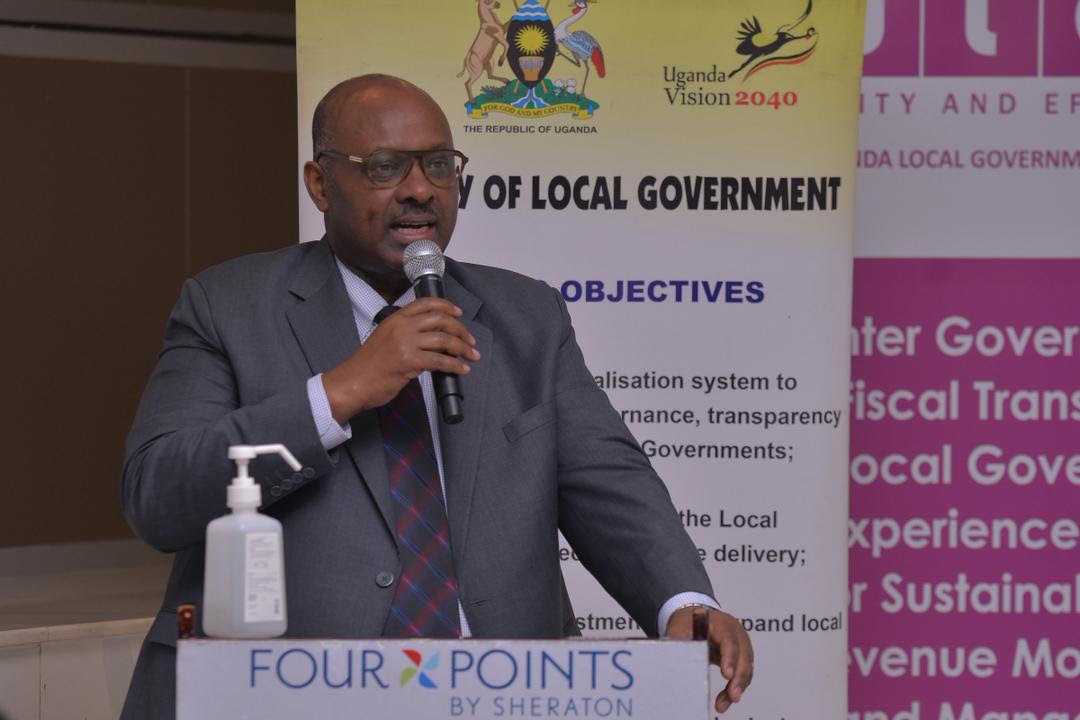
“Public resources must be protected. Accountability, transparency and compliance with financial regulations are non-negotiable if local governments are to earn and maintain public trust,” Kumumanya has consistently stated.
The Mbale developments have therefore become a test of how decentralised institutions respond when accountability concerns emerge.
From Decentralisation to Responsible Leadership
Uganda’s decentralised governance system, anchored in Article 176 of the Constitution, gives local governments responsibility for planning, budgeting and delivering services closer to communities.
Across the country, local governments manage critical sectors including:
education;
healthcare;
roads;
water;
sanitation;
markets;
local economic development.
However, the success of decentralisation depends on whether political leaders and technical officers uphold the principles of accountability.
Kumumanya has repeatedly challenged local government leaders to understand that their authority comes with responsibility.
He argues that strong institutions are built through:
professional public service;
adherence to procurement regulations;
proper financial management;
citizen participation.
Mbale Officials Held Accountable
In Mbale City, accountability discussions have focused on the responsibility of officials entrusted with managing public institutions and resources.
The City leadership has taken steps to address concerns involving officials accused of failing to meet expected standards of performance and compliance.
The actions have been presented as part of strengthening institutional discipline and ensuring that public servants remain accountable to the communities they serve.
For the Ministry of Local Government, such interventions demonstrate that decentralisation must not only create empowered local governments but also responsible ones.
The Bigger Question: Preventing Corruption Before It Happens
The Mbale experience raises a wider national question:
Can Uganda’s local governments build systems strong enough to prevent corruption before public resources are lost?
Kumumanya’s approach has focused on strengthening systems rather than waiting for failures to occur.
The Ministry has encouraged:
merit-based recruitment;
professional public service;
enforcement of regulations;
stronger oversight mechanisms.
Earlier reforms introduced in local government recruitment systems sought to reduce manipulation, including the sale of government jobs, by promoting transparency, public advertisement of vacancies and recruitment based on merit.
The objective is to ensure that competent professionals occupy positions responsible for delivering services to citizens.
A New Chapter for Local Government Governance
For Mbale City residents, accountability is ultimately measured by outcomes.
It is reflected in functioning health facilities, improved roads, clean communities, better schools and services that respond to citizens’ needs.
The accountability drive championed by the Ministry of Local Government presents decentralisation not simply as a transfer of power, but as a commitment to responsible governance.
As Uganda continues strengthening local government institutions, Mbale offers an important lesson:
Strong local governments are not created only through budgets and structures.
They are built through integrity, professionalism and leaders willing to protect public trust.
The future of decentralisation may therefore depend on one principle:
Public service must remain a responsibility, not a privilege.