By Brian Mugenyi
Kampala: The Acting Minister of Education and Sports, Dr. John Chrysostom Muyingo, has thanked God for protecting the lives of 31 students who survived a night road crash along the Kamuli–Jinja Road, as the government moves to strengthen school transport safety following the deadly King David Junior School, Ndejje tragedy in Kapchorwa.
The Friday night accident, which occurred at about 9:30 p.m. at Busota Village near Busota Health Centre in Kamuli District, left 31 students injured after a collision involving a school bus and a Tata lorry.
Dr. Muyingo said the government is grateful that the learners survived, describing the incident as a reminder that road safety requires discipline, responsibility and commitment from all stakeholders.
“I condemn reckless driving and unplanned movement of students by school administrators. We shall keep safety on roads, and I am grateful for the lives of the 31 survivor students. Thanks to God,” Dr. Muyingo said during an interview.
The Minister called upon all road users to respect guidelines issued by the Uganda Police Force and traffic officers, warning that reckless overtaking, speeding and careless driving continue to endanger innocent lives.
He said every decision made behind the steering wheel carries consequences, especially when transporting vulnerable passengers such as school children.
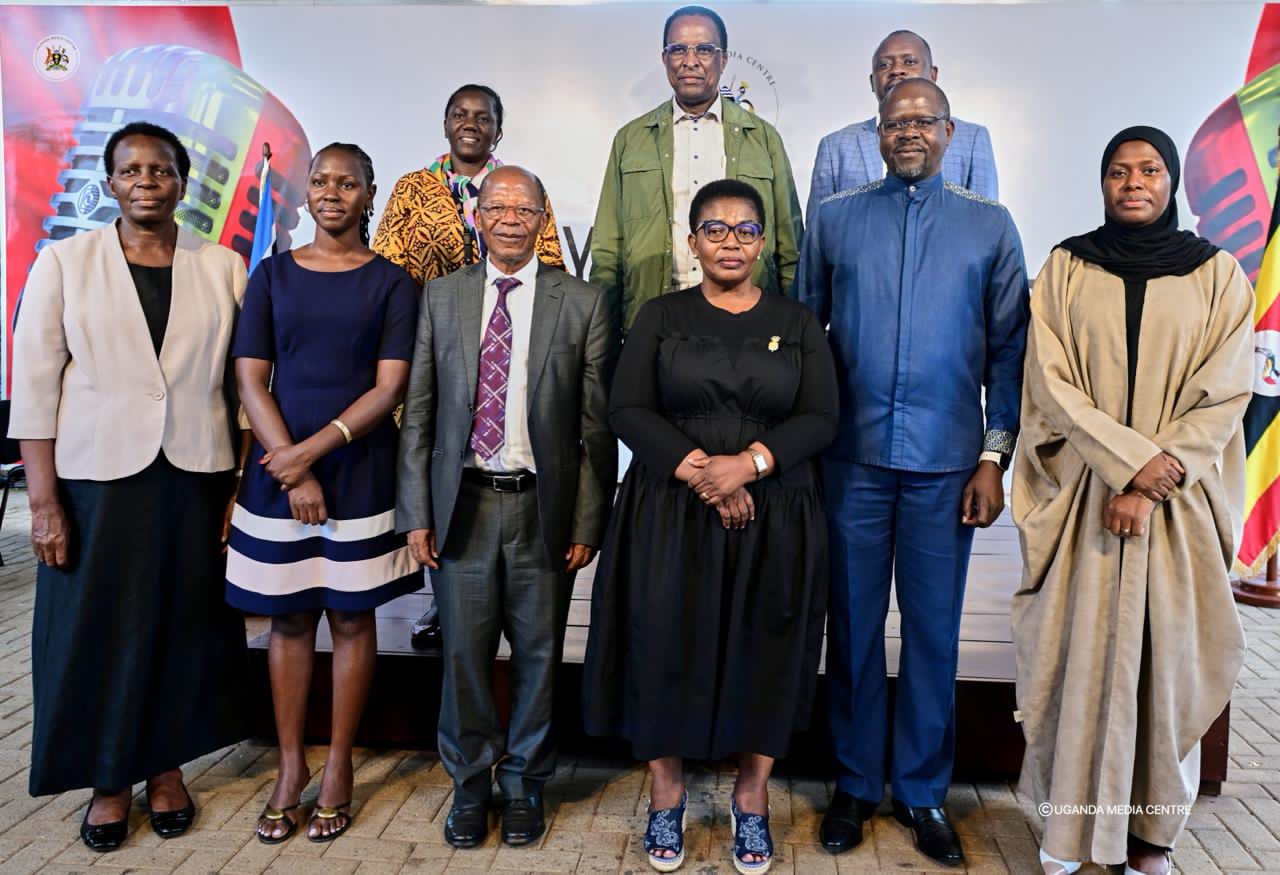
Following the crash, Dr. Muyingo revealed that the Ministry of Education and Sports has deployed officials to Kamuli District to establish more details about the accident and assess the circumstances that led to the crash.
“We have already stationed our officials in Kamuli where the incident happened to ascertain more details. We are working together with local government authorities to ensure we protect the lives of students in schools and those moving for different activities,” he said.
The Minister further advised schools that had planned educational trips to suspend the movements until official guidance is issued by authorities.
The Kamuli accident involved a school bus belonging to Buzaaya Secondary School, registration number UAZ 463E, and a Tata lorry, registration number UAB 272W, according to police spokesperson Mr. SK Lubega in Busoga North Region.
Preliminary police findings according to Mr. Lubega indicate that the lorry was travelling from Kamuli towards Jinja when the driver attempted to overtake another vehicle.
‘The manoeuvre reportedly turned tragic when the lorry lost its safe path and collided head-on with the approaching school bus carrying students from Nalongo Secondary School in Namwendwa,” he said.
The crash left 31 students injured, including 20 female and 11 male learners, with injuries of varying degrees.
Emergency teams rushed to the scene and evacuated the injured learners to Kamuli General Hospital, where medical workers responded with treatment.
Police led by Mr. SK Lubega, Busoga Nothern Region Spokesperson said investigations are ongoing to establish the exact circumstances surrounding the accident, including possible causes and whether safety requirements were followed.
Kapchorwa tragedy sparks national safety debate
The Kamuli crash comes shortly after Uganda was shaken by the tragic accident involving learners from King David Junior School, Ndejje, during an educational tour to Kapchorwa.
The Kapchorwa tragedy raised national concerns about school transport safety after learners lost their lives and others were injured during the journey.
Following the incident, the Ministry of Education and Sports moved to tighten regulations governing school trips, including reviewing safety requirements, travel planning and supervision of learners during movements.
The government has emphasised that every school trip must have a clear educational purpose, proper planning and compliance with safety standards before learners are allowed to travel.
Education expert warns against risky school journeys
Mr. Emmy Kasule, Headteacher of Bukakata Seed Secondary School, said educational trips remain important because they expose learners to practical learning experiences, but schools must avoid unnecessary long-distance journeys that increase risks.
Kasule said subjects such as geography require learners to visit different places, but schools should prioritise nearby destinations before considering distant areas.
“It is not good to travel children long distances. We should only take children when parents are aware that they are very delicate,” Kasule said.
He warned that there has been a growing tendency among schools to organise lengthy trips without adequately considering risks associated with fatigue, mechanical failures and poor planning.
According to Kasule, the responsibility for learners’ safety lies with school administrators because they make final decisions on movements involving children.
“The power and responsibility of the children lies with full responsibility of school administrators. It is not sustainable when people are not dependable and when faulty cars are used,” he said.
He welcomed the government’s intervention but cautioned that safety measures must move beyond paperwork and be implemented practically.
“Most people are good in paperwork, but doing things into practice is very essential,” Kasule said.
Kasule also questioned why less attention is given to teachers who lose their lives while protecting learners during such tragedies.
He said the Kapchorwa accident should also remind the country that teachers are part of the education community affected by road tragedies.
Commercialisation of school trips questioned
Kasule raised concerns that some school trips are increasingly being organised for financial gain rather than academic purposes.
“Most of the trips are organised with a commercial basis of gaining money rather than teaching,” he said.
He called for greater professionalism among education administrators, saying school leaders must understand that decisions involving learners require integrity and proper judgement.
“For improving the education sector, directors must be professional and knowledgeable about the education system. Teaching is a noble profession and should be respected,” Kasule said.
He also supported calls for School Board Chairpersons to have adequate knowledge of education management so they can provide effective oversight.
Kasule advised schools to begin with nearby educational visits and gradually expand to distant destinations after establishing proper safety systems.
“The laws are there for use when people have integrity, virtue and the ability to exercise professionalism,” he said.
Safety remains national responsibility
Dr. Muyingo said protecting learners requires collective responsibility from government agencies, schools, parents, drivers and all road users.
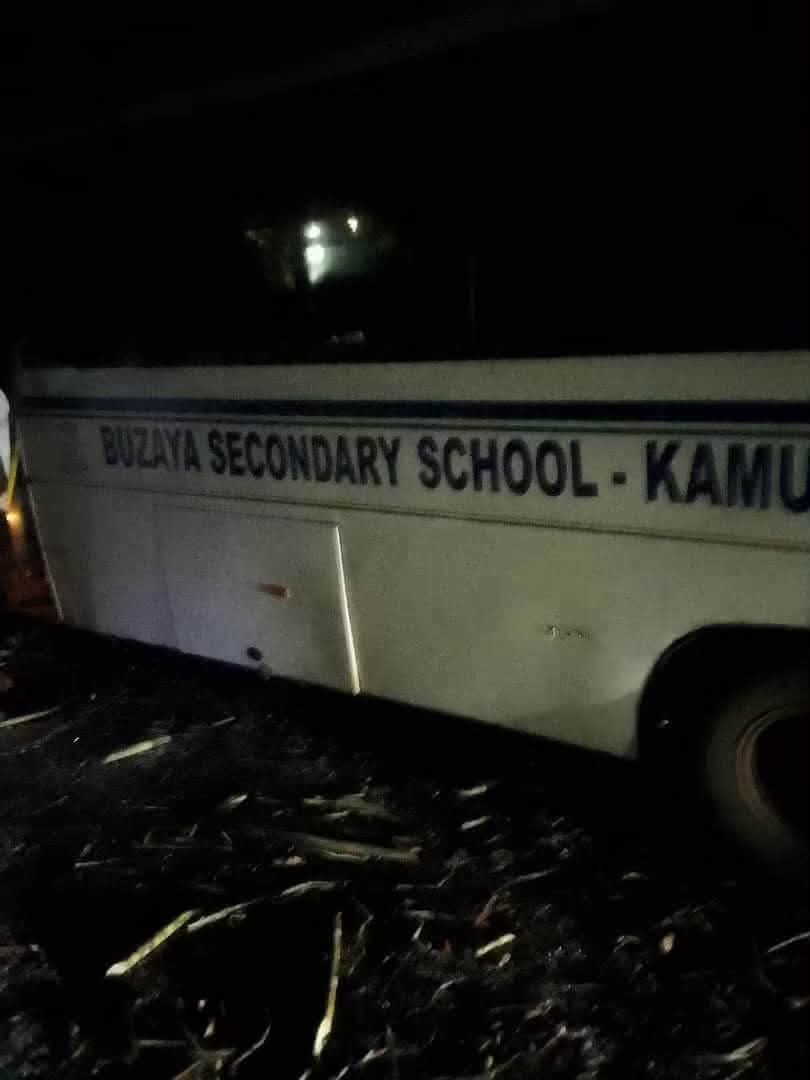
The government has intensified calls for schools to ensure vehicles are mechanically sound, trips are properly planned and all safety guidelines are followed before learners travel.
As investigations into the Kamuli crash continue, authorities have urged motorists to avoid reckless overtaking, speeding and other dangerous behaviours.
For the families of the 31 students, the accident remains a painful reminder that a moment of negligence on the road can transform an ordinary journey into a frightening ordeal.
The government insists that protecting Uganda’s learners remains at the centre of reforms aimed at making school transportation safer across the country.