Kampala: The successful conclusion of the Local Council I elections has marked another important milestone in Uganda’s decentralised governance system.
Across the country, citizens have elected their village executive committees, reaffirming the importance of grassroots democracy and participatory governance. The process now moves to the next level with the election of Local Council II (LC II) Executive Committees on 10 August 2026.

Unlike LC I elections, where adult residents of a village or cell participate directly, LC II elections are conducted through an electoral college established under the Local Governments Act.

At parish or ward level, members of the executive committees of all LC I councils within that area constitute the electoral college. These members are eligible both to vote and to be elected to the LC II Executive Committee.
This arrangement strengthens representative democracy by ensuring that parish and ward leaders are elected by individuals who have already earned the confidence of their communities.

It also reinforces accountability because LC II leaders remain answerable to the councils that elect them and, ultimately, to the communities they represent.
Taking Government Closer to the People
Decentralisation is founded on the principle that government should be brought closer to citizens.
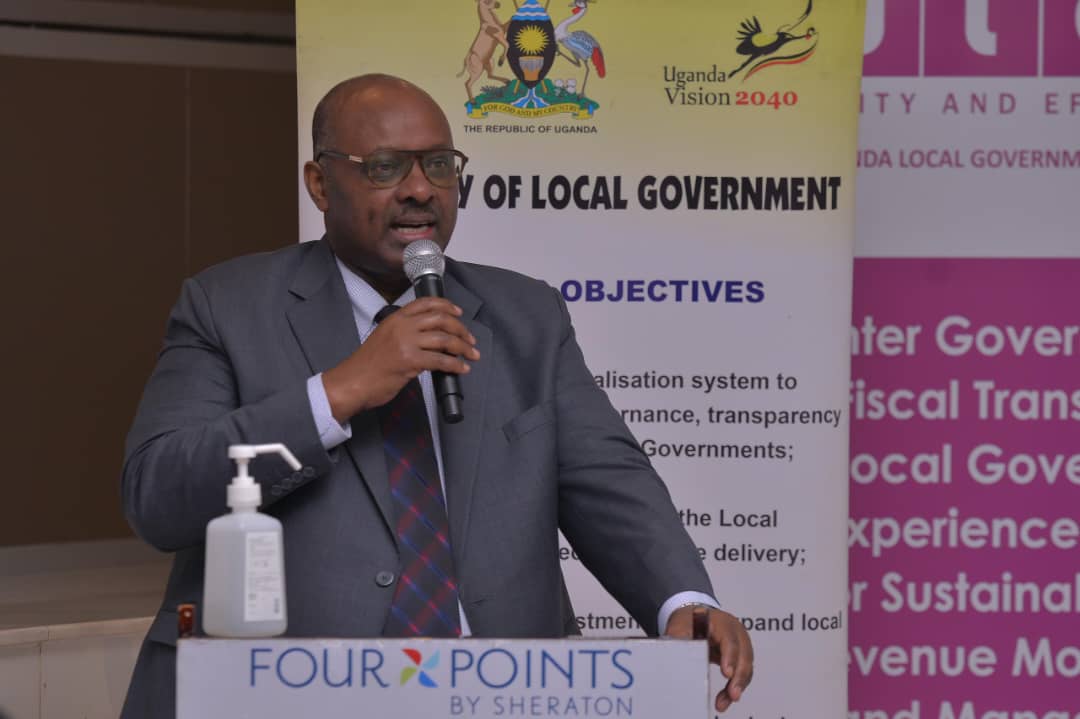
The LC II Executive Committee occupies an important position within this structure. It serves as a link between village councils and higher levels of local government, coordinating development priorities across villages and communicating community concerns to sub-county, municipal, city and district authorities.
This means that the quality of leadership elected at parish and ward level matters greatly.
LC II leaders are expected to help communities participate in government programmes such as the Parish Development Model (PDM), Emyooga, environmental conservation initiatives and public health campaigns.
They also have a responsibility to monitor public projects, promote transparency in the utilisation of public resources and encourage citizens to participate in local planning and development.
Effective LC II leadership therefore contributes directly to improved service delivery and sustainable socio-economic transformation.
An Inclusive Leadership Structure
The Local Governments Act provides for an LC II Executive Committee comprising 11 positions:
Chairperson
Vice Chairperson
General Secretary
Secretary for Information, Education and Mobilisation
Secretary for Security
Secretary for Finance
Secretary for Production and Environmental Protection
Secretary for Youth
Secretary for Women and Public Health Coordinator
Secretary for Persons with Disabilities Affairs
Secretary for the Council of Older Persons.
This structure ensures that different sections of community life are represented in local leadership.
It is also intended to strengthen citizen participation in decision-making and ensure that development priorities reflect the needs of ordinary communities.
Leadership Must Come With Integrity
The responsibility of LC II leaders goes beyond development coordination.
Under Uganda’s Local Council Courts system, LC II councils perform an important judicial function by hearing appeals from Local Council I courts.
This responsibility makes integrity, sound judgment and good character essential qualities for anyone seeking leadership at this level.
LC II leaders are therefore not simply administrators or political mobilisers.
They are also custodians of justice at the grassroots.
Their decisions can influence community cohesion, public confidence and the peaceful resolution of disputes.
No Double Executive Positions
Another important provision concerns members who move from LC I to LC II leadership.
Any LC I Executive Committee member elected to the LC II Executive Committee automatically relinquishes the LC I executive position.
This prevents an individual from holding executive positions at both levels simultaneously and helps avoid conflicts of responsibility.
Following the LC II elections, the Electoral Commission will conduct residual elections to fill vacancies created at LC I level.
Choose Leaders Who Can Deliver
As Uganda continues strengthening decentralisation and improving service delivery, the responsibility placed on LC I electoral college members is significant.
They should elect leaders who demonstrate integrity, competence, impartiality and a proven commitment to public service.
The leaders elected must be capable of coordinating development, safeguarding public resources, upholding justice and putting the interests of their communities above personal interests.
The Ministry of Local Government remains committed to strengthening local councils through policy support, capacity building and collaboration with the Electoral Commission and other government institutions.
Strong LC II leadership means stronger local governance, enhanced accountability, better coordination of government programmes and more responsive service delivery.
As Uganda prepares for the LC II Executive Committee elections, all members of LC I Executive Committees are encouraged to participate fully and exercise their electoral responsibility with diligence and patriotism.
The future of decentralisation depends on strong and functional Local Council structures.
And ultimately, the success of Uganda’s development agenda will be measured not only by policies made in Kampala, but by whether those policies improve the lives of citizens in every parish and ward.