


The Bavandimwe community’s pursuit of equality in Uganda appears to have produced favorable outcomes, as President Museveni is preparing to sign an executive order to protect their rights.
The Bavandimwe are a group of indigenous Rwandans residing in Uganda and are acknowledged by the 1995 Constitution.

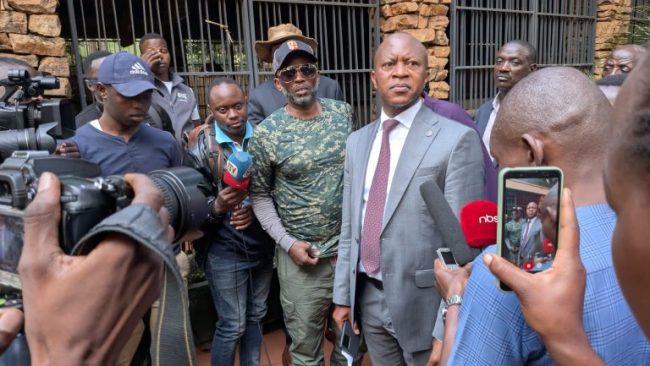
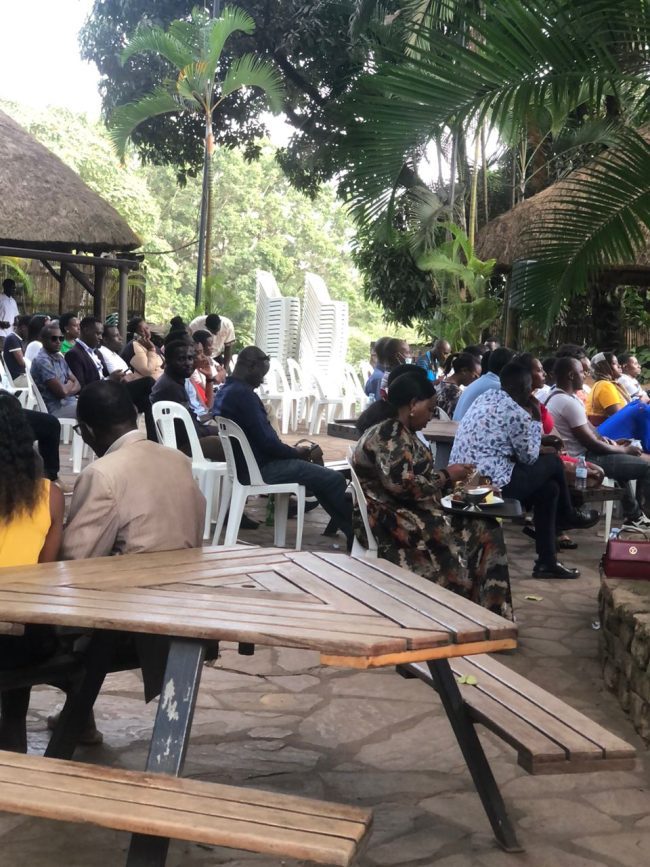
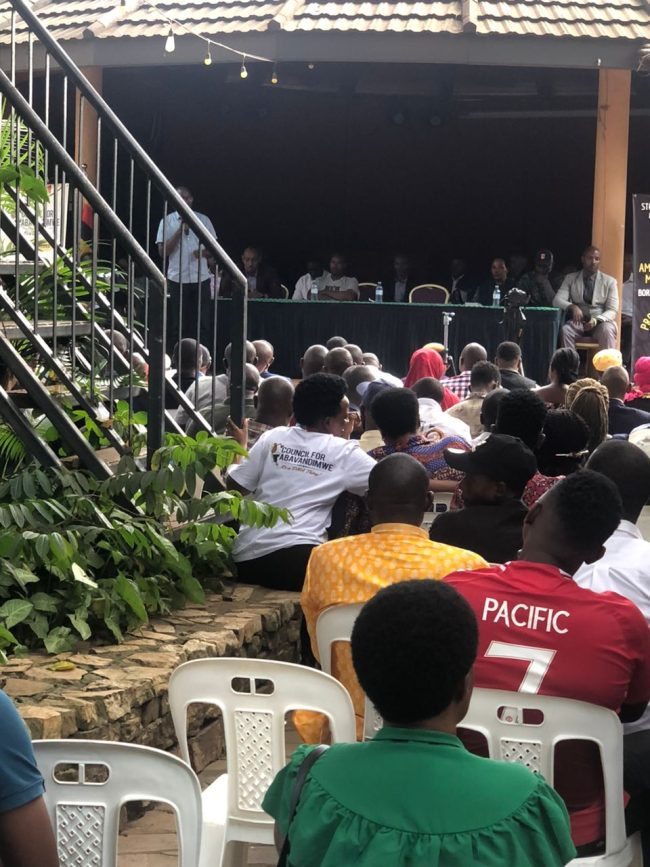
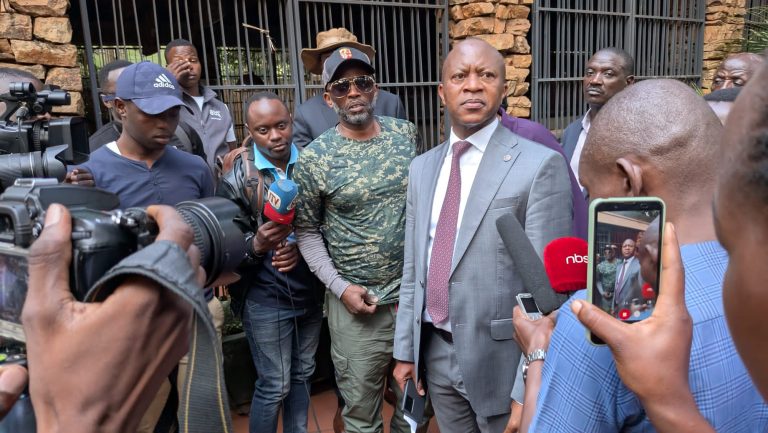
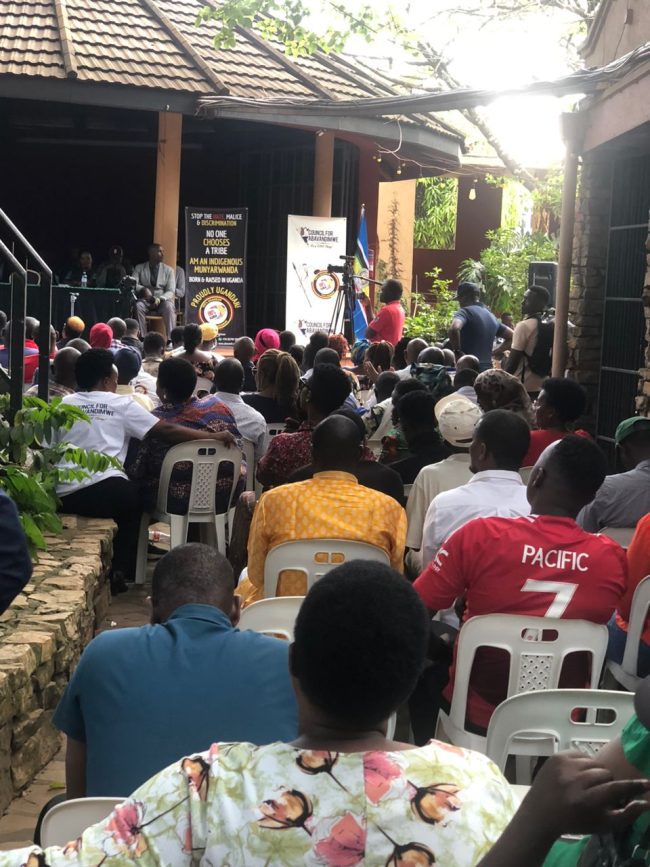
According to Frank Gashumba, a prominent leader within the Bavandimwe community, the President will soon officially recognize their full rights. Gashumba shared this information at an event hosted at Speke Hotel in Kampala, aimed at addressing the difficulties encountered by this group.

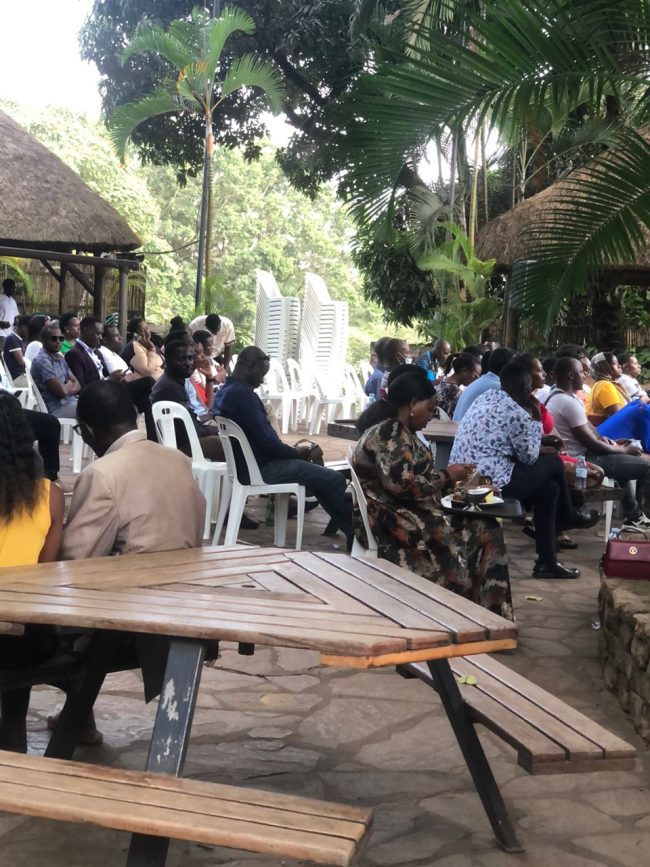
Numerous Bavandimwe from various regions came to this gathering, eager to learn about the progression of their petition for equal treatment in Uganda.
While announcing the news, Gashumba, who also serves as the founder and patron of the National Council for Abavandimwe, stated, “We have met the president multiple times. He has spent considerable time listening to our issues. I brought along my executive board during some of these meetings, as well as members who faced challenges in obtaining passports and national IDs, and he ultimately agreed to assist us by issuing an executive order soon.”

Many attendees recounted their experiences of discrimination, particularly with government agencies like the National Identification Registration Authority (NIRA) concerning national IDs and the Ministry of Internal Affairs regarding passports.
They recounted being frequently expelled from these agencies and sent back to Rwanda for obtaining these documents because they are not regarded as native Ugandans. Additionally, they have been asked for absurd proof, such as locating the burial sites of their ancestors prior to 1920, to validate their nativeship.
Nonetheless, Gashumba assured his peers that their issue had moved through various channels, including Parliament, relevant ministries, and ultimately to the President. He mentioned that President Museveni must act swiftly to address this situation as it is being used as a strategy to undermine him in the forthcoming general election.
The sociopolitical commentator highlighted that individuals at the Ministry of Internal Affairs are allegedly collaborating with unfavorable elements to marginalize the Bavandimwe by refusing them national IDs, which are essential for voting. This is because the majority of the Bavandimwe tend to support President Museveni. However, once President Museveni issues this executive order, Gashumba guarantees that the Bavandimwe will overwhelmingly support him with their votes.
Another notable Bavandimwe figure, Prof. Lawrence Muganga, urged all attendees to unite for this cause and to spread awareness. Muganga emphasized that those involved should focus on collective benefits rather than personal gains.
It is important to note that the Banyarwada community constitutes a large segment of Uganda’s population. In fact, they were identified as the second largest ethnic group in the Buganda region according to the 1969 census and ranked fourth nationwide.
Yet, in the recent 2024 census, they were classified under the ‘OTHERS’ category, indicating a significant decline due to various reasons. Due to widespread discrimination, some individuals have renounced their Kinyarwanda identity and taken on the names and identities of other Ugandans.
Gashumba strongly opposed this trend and advocated against it. He noted that some have suggested to him that as long as Rwanda exists, Rwandans in Uganda will never be fully accepted, and that assimilation is their only option.
Meanwhile, many families in Uganda have intermarried with the Banyarwada, and numerous households count them among their relatives.
Additionally, they are dispersed throughout the nation, although the majority can be found in western and central Uganda.