By Brian Mugenyi.
Mugenyijj@gmail.com.
The ministry of local government together with ACLENet a non government aided organisation in Uganda aimed at protecting and sensitizing the public against lightening and it’s dangers have strengthenend combative measures to warn the public against the lightening monster in Africa.

As Uganda enters the peak of second-rainy season, communities across the country are once again grappling with one of nature’s deadliest yet least understood disasters, lightning. From schools and churches to homes and open fields, lightning strikes continue to claim lives, injure dozens of people, and destroy property, highlighting the urgent need for stronger public education, community preparedness, and investment in lightning protection.

Within just the past few months, several tragic incidents have been reported across different regions of Uganda, underscoring the country’s continued vulnerability to lightning-related disasters.
The latest tragedy occurred in Oleba Town Council, Maracha District, where lightning struck a grass-thatched house between 3:00 a.m. and 4:00 a.m., killing six members of the same family.
The victims included 37-year-old Amandu Geoffrey, his wife Enyaru Harriet, 31, and their four young children: Desire Patience, 9; Lekuru Jovia, 7; Ayikoru Blessing, 5; and one-year-old Martha Gelida. Maracha District Police Commander Mr. Taban Swaib confirmed that police responded to the scene shortly after the incident.

Earlier this year, lightning killed Senior Six student Akona Isaac at Atapara Secondary School in Oyam District. Weeks before that, on February 17, lightning struck Global View Nursery and Primary School in Kamdini Sub-county, Oyam District, killing 26-year-old teacher Joseph Ebwanga while critically injuring 18 pupils and three fellow teachers.
These incidents, along with several others, follow previous mass casualty events, including the November 2024 lightning strike during a church service in Lamwo District that killed 14 people and injured 34 others. In another incident in Nebbi District, dozens of pupils were struck by lightning during a school event.
According to information cited by the World Meteorological Organization, Uganda records some of the world’s highest rates of lightning-related fatalities, particularly in rural communities where homes, schools, and public buildings often lack certified lightning protection systems.
While lightning cannot be prevented, Jane Kisha, Communications Director at the African Centres for Lightning Education Network (ACLENet), said deaths, injuries, and property damage can be significantly reduced through the installation of proper lightning protection systems, increased public awareness, and improved community preparedness.
Ms Kisha said ACLENet, Uganda’s only non-profit organization solely dedicated to reducing deaths, injuries, and property damage caused by lightning, is working closely with local governments and other key stakeholders to implement interventions aimed at preventing lightning-related deaths and injuries.
” I have explained that the organization combines scientific research, community education, the installation of lightning protection systems, technical investigations, and capacity-building initiatives to reduce lightning risks across the country,” she said.
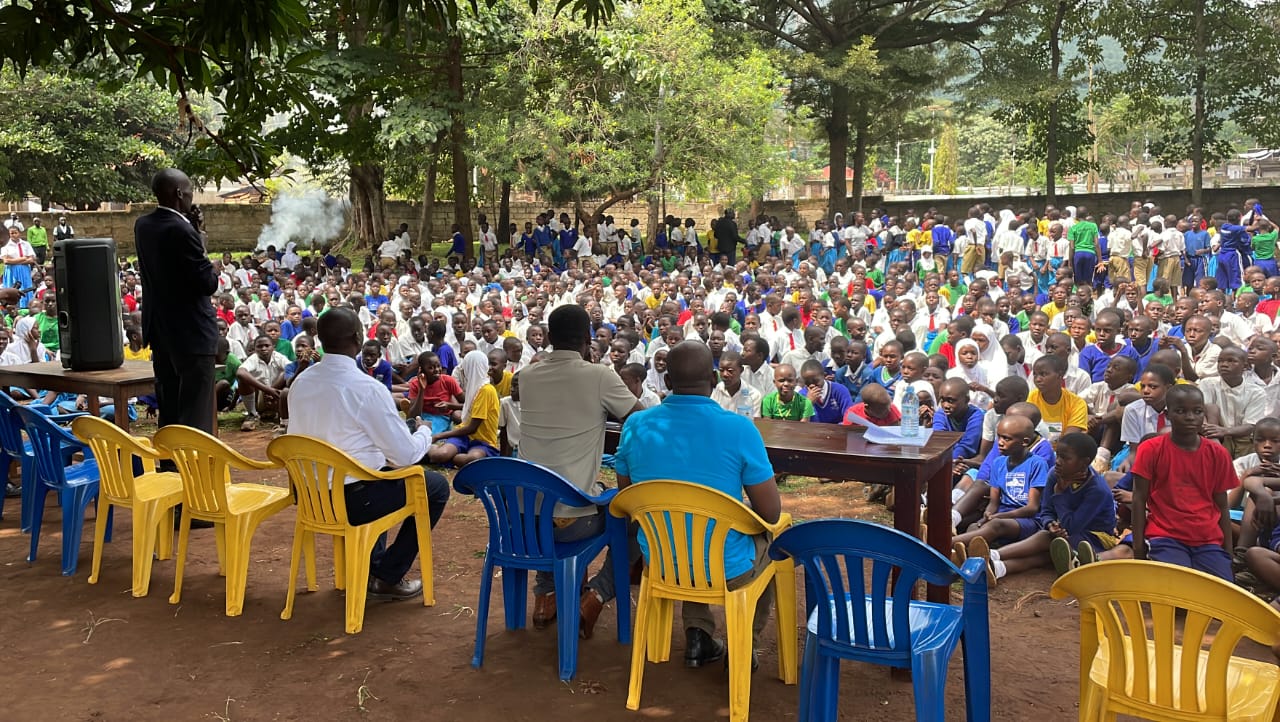
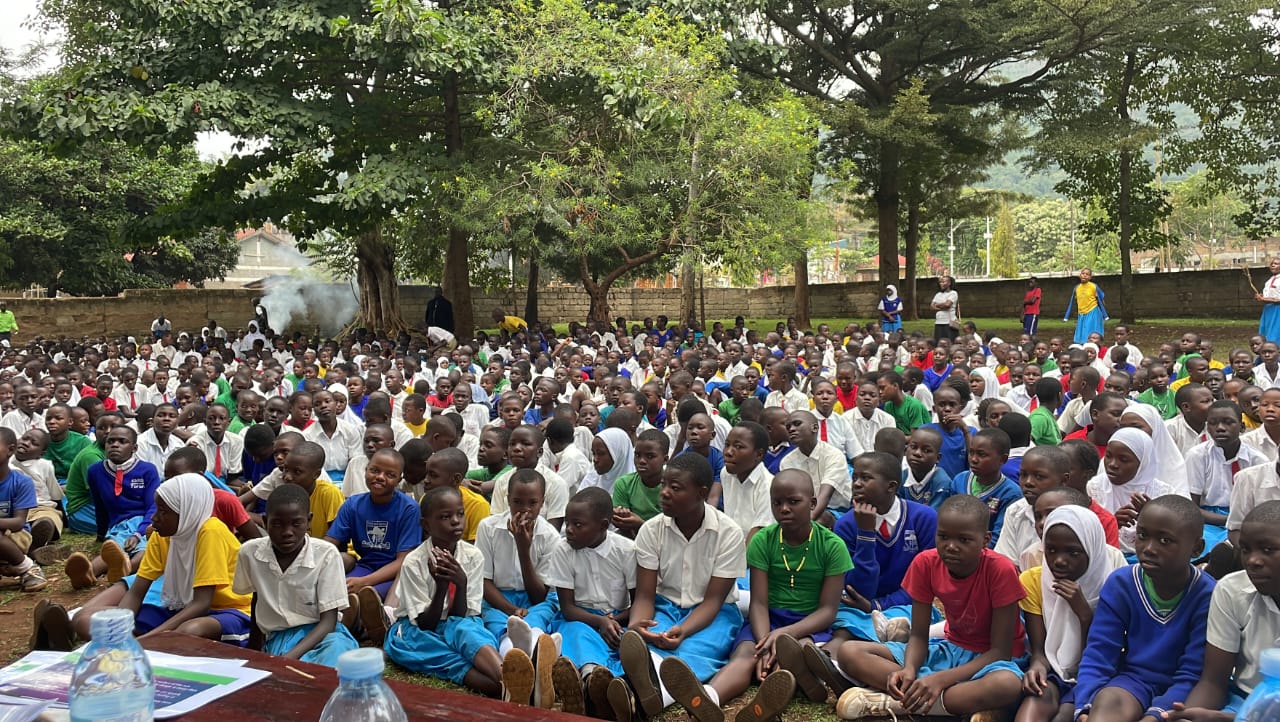
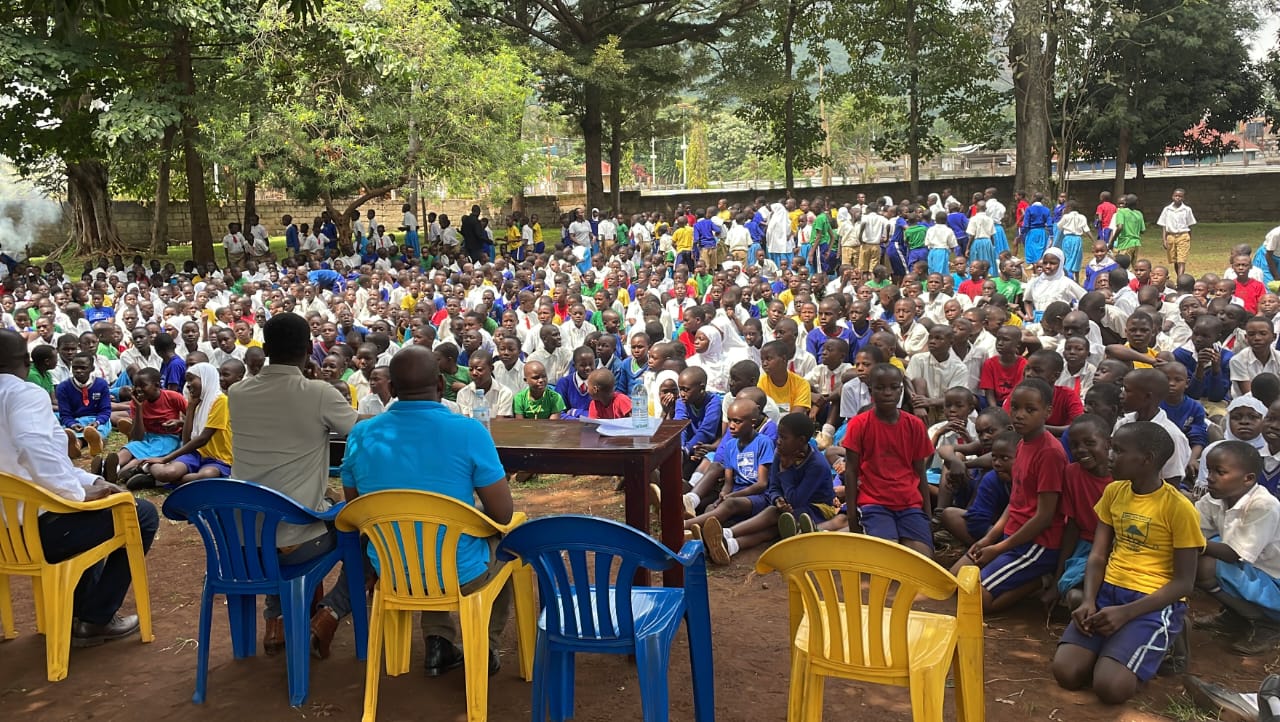
On 4th August, ACLENet conducted a community sensitization and education programme in Tororo District, one of Uganda’s known lightning hotspots. During the visit, the team held awareness sessions at Rock View Primary School before paying a courtesy call on the Resident District Commissioner.
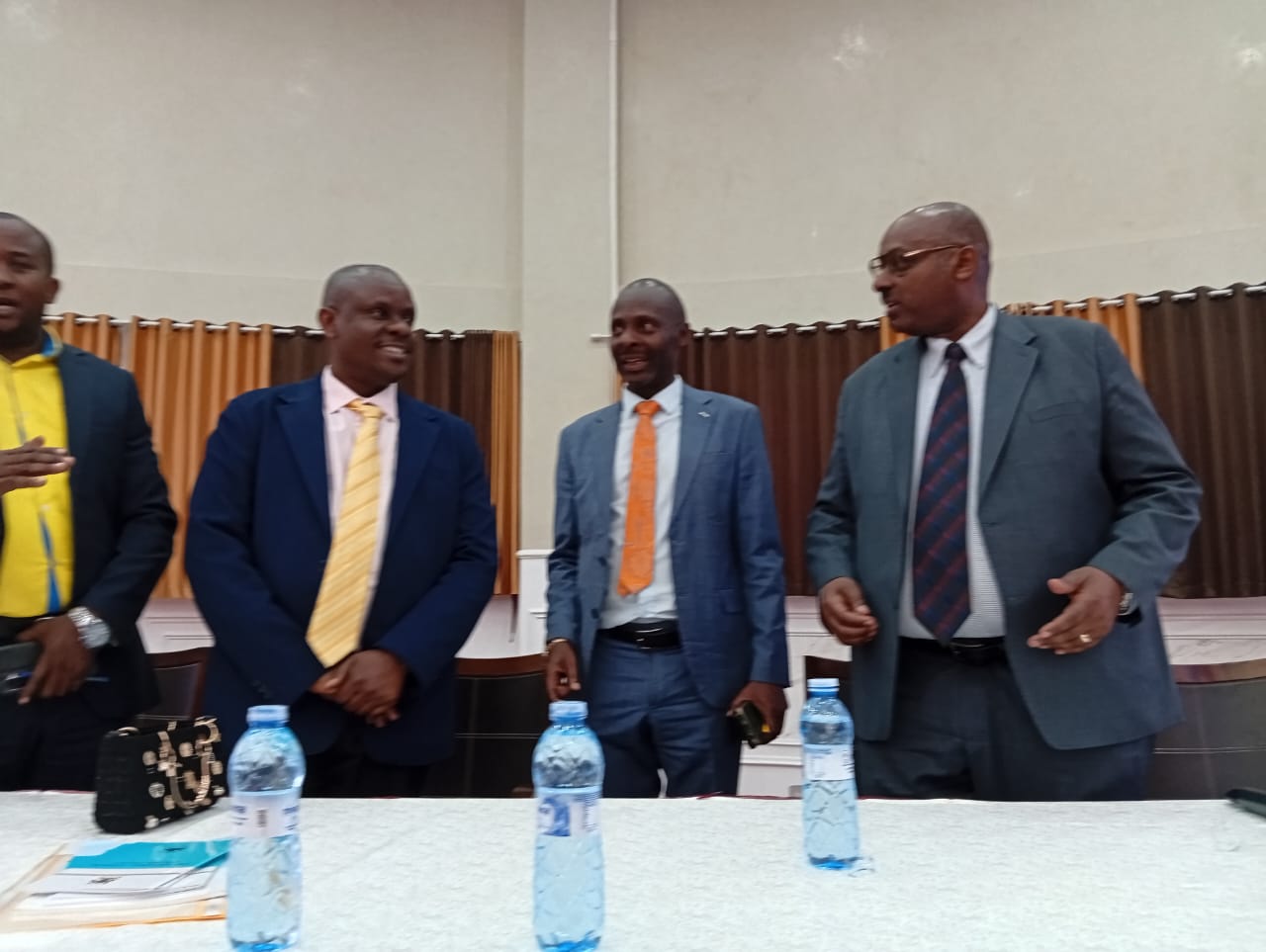
Through the RDC’s office, the district pledged support for ACLENet’s awareness campaign by providing free radio airtime on two local radio stations to educate communities on lightning safety.
Ms Aidah Kiden, Ass. RDC Tororo District acknowledged that repeated lightning incidents continue to affect families in the region and welcomed the organization’s collaboration with local government to strengthen disaster preparedness.
MoU’s with Local Governments
The partnership builds on a Memorandum of Understanding signed between ACLENet and Tororo District, alongside similar agreements with Kiryandongo and Bushenyi districts, to expand lightning protection interventions and public education.
” The organization also collaborates with local governments in Lamwo, Moyo, Kalangala, Kisoro, Kyankwanzi, and several other districts to improve community resilience against lightning disasters,” officials noted.
Public education remains at the centre of ACLENet’s approach. Through school visits, community dialogues, media programmes, and stakeholder engagements, the organization sensitizes and educates communities on the science of lightning, practical safety measures, and the importance of seeking safe shelter during storms. The programme also addresses widespread myths and misconceptions that often prevent people from adopting scientifically proven safety practices.
This year alone, awareness activities have reached parents, teachers, pupils, farmers, fishermen, herders, and others whose livelihoods require spending long hours outdoors. Educational sessions have been conducted at Nkurungiro Primary School in Kisoro District, Bumanyi Primary and Mulabana Primary School in Kalangala District, Runyanya Primary School in Kiryandongo District, Global View Nursery and Primary School and Atapara Secondary School in Oyam District, as well as Rock View Primary School in Tororo District.
During the Tororo engagement, learners and teachers actively questioned experts about how lightning forms, why certain places are struck, and how people can protect themselves. ACLENet educationists and technical experts Isaac Tumuhimbise and Godwin Atwiiner explained the science behind lightning, discussed methods of detection and protection, and encouraged communities to safeguard installed lightning protection systems from vandalism. School administrators committed themselves to maintaining the systems installed to protect learners and staff.
Beyond awareness campaigns, ACLENet has installed lightning protection systems in nine schools across Uganda, including Runyanya Primary School in Kiryandongo District, Buramba Primary School in Bushenyi District, Nkurungiro Primary School in Kisoro District, Shone Primary School in Kyankwanzi District, Palabek Secondary School in Lamwo District, Rock View Primary School in Tororo District, Mongoyo Primary School, Mulabana Primary School, and Bumangi Primary School in Kalangala District.
According to the organization, these installations have helped create safer learning environments for more than 21,000 learners and teachers. ACLENet has also established 11 Lightning Safety Clubs in schools to promote continuous awareness among students and surrounding communities.
Data collection and Research are another pillar of the organization’s work. For more than a decade, ACLENet has investigated major lightning-related disasters to establish their causes, assess the effectiveness of protection systems, and recommend improvements for public safety.
One of the most significant investigations was conducted in partnership with the Office of the Prime Minister following the 2024 Palabek Refugee Settlement disaster in Lamwo District, where 14 people died and 34 others were injured during a prayer gathering. Other investigations have examined incidents at Mongoyo Primary School in Yumbe, Ayivu Village in Arua, and Oweko Primary School in Nebbi. Findings from these investigations have contributed to one of Africa’s largest lightning incident databases and informed disaster risk reduction planning.
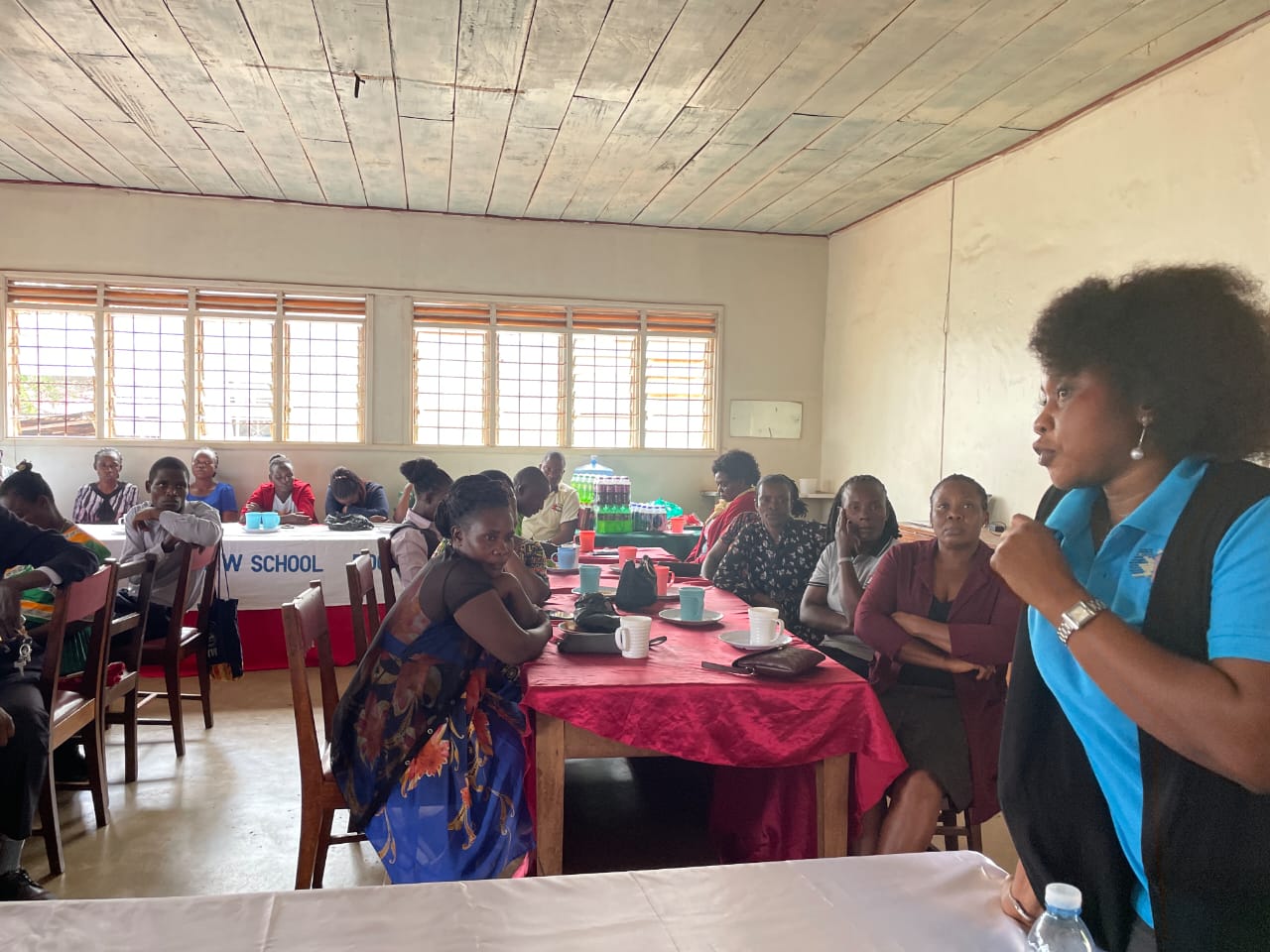
The organization says collaboration with government institutions is essential for reducing lightning fatalities. Its key partners include the Ministry of Education and Sports, the Office of the Prime Minister, district local governments, schools, engineers, journalists, community leaders, religious institutions, and development partners. Through these partnerships, ACLENet promotes internationally recognized lightning protection standards while strengthening community preparedness across Uganda.
Looking ahead, ACLENet plans to continue expanding both its education and protection programmes. On August 24, 2026, the organization will conduct lightning risk surveys at Atapara Secondary School and Global View Nursery and Primary School in Oyam District. Atapara Secondary School has been identified as the next beneficiary for the installation of a lightning protection system. Additional schools in Lira and Amolatar districts are also being considered for future interventions.
Recognising the critical role of accurate reporting in disaster risk reduction, ACLENet will also train 15 journalists in September 2026 on data journalism, investigative reporting, science communication, and solutions journalism to improve public understanding of lightning risks and promote evidence-based reporting.
As thunderstorms continue across Uganda, experts emphasize that lightning should not be viewed as an unavoidable tragedy. They argue that combining scientific education, stronger partnerships between local governments and civil society, community awareness, and professionally installed lightning protection systems can save lives.
For many communities living in Uganda’s lightning-prone districts, these partnerships represent more than awareness campaigns—they offer practical solutions that can protect schools, homes, places of worship, and public institutions from one of the country’s most persistent natural hazards.