


By Bryan Toshi Bwana, Founding Trustee, Umoja Conservation Trust
www.umojaconservation.org
The path to making World Cleanup Day an official United Nations International Day began in September 2017, when the movement first took root in Tallinn, Estonia, inspiring millions to act locally for a global cause. Just a year later, in September 2018, the inaugural global cleanup proved the power of collective effort, drawing more than 18 million volunteers from 157 countries for a single day of action.

From 2019 through 2022, the initiative grew at remarkable speed, with participation surpassing 100 million volunteers across more than 200 countries and territories. This rapid expansion caught the attention of governments and international organizations, setting the stage for a formal United Nations process.

On 5 June 2023, during a World Environment Day side event at UN Headquarters in New York, Estonia and a coalition of more than 60 member states officially proposed UN recognition of World Cleanup Day. Their appeal emphasized the movement’s proven global reach and its potential to galvanize environmental stewardship worldwide.
The efforts led us to December 15 2023, when the UN General Assembly adopted a resolution by consensus, designating 20 September each year as the official United Nations International Day for World Cleanup. This landmark decision elevated a grassroots movement into a recognized global observance.

The first UN-recognized World Cleanup Day was celebrated on 20 September last year (2024), calling on every member state to mobilize communities, strengthen environmental policies, and accelerate the transition to a circular economy. This milestone represents both international endorsement and shared commitment to a cleaner, more sustainable planet.
The September 20 2025 campaign is themed “Strive for Five,” challenges the world to mobilize at least 5 percent of the global population for meaningful environmental action.
Since its inception, World Cleanup Day has engaged over 114 million volunteers across 211 countries and territories, proving that mass participation delivers both legitimacy and momentum to environmental protection efforts.
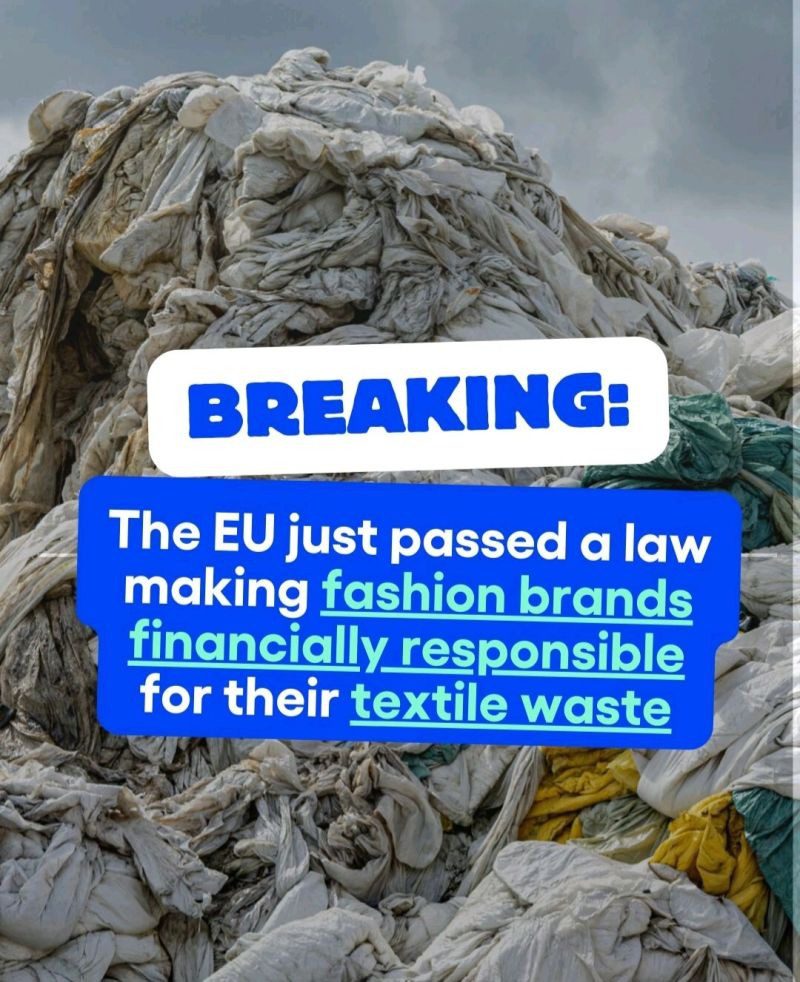
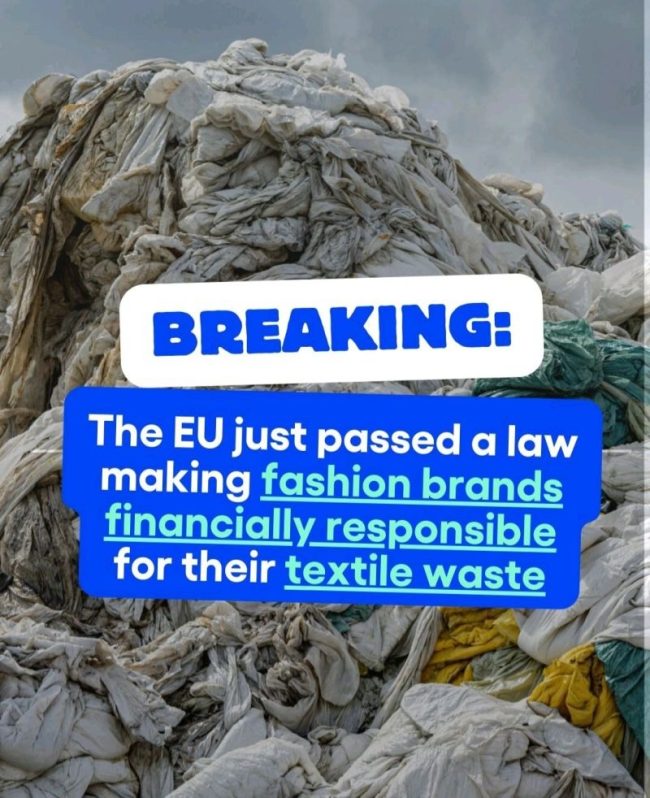
The 2025 focus is on the fast-fashion industry, one of the planet’s fastest-growing waste streams. Globally, about 92 million tonnes of textile waste are discarded annually. Between 2000 and 2015, global garment production doubled, while the average number of times a garment is worn before being discarded dropped by roughly 36 percent. This year’s campaign calls for clean-ups and the adoption of circular fashion systems to curb the crisis.
Uganda has made notable progress but still faces urgent challenges:
a). Environmental oversight: More than 11,600 Environmental & Social Impact Assessment (ESIA) certificates were processed between 2018 and 2024.
b.)Forest recovery: After years of deforestation that reduced forest cover by about 9 percent (2009–2021), restoration programmes have achieved a 13 percent reversal.
c.) Wetland restoration: Wetland loss which is estimated at 13 percent between 2017 and 2021, has now been reduced by 13.9 percent through active protection and rehabilitation.
These gains highlight the impact of sustained action led by the National Environment Management Authority (NEMA) and the Ministry of Water and Environment (MWE) together with partners, who continue to spearhead policy, interventions, licensing, auditing, and enforcement.
Legislative reforms are equally critical. In March 2024, Uganda introduced the Environment Protection Legislation Amendment (Stronger Regulation and Penalties) Bill.
Tier-1 offences could draw fines of up to USD 2 million for individuals and USD 10 million for corporations.
Asbestos waste offences may incur penalties up to USD 1 million for individuals and USD 4 million for corporations.
Complementary amendments to the Public Procurement and Disposal of Assets Act reserve contracts worth UGX 30 million and below for youth, women, and persons with disabilities, fostering inclusive green enterprise.
Proposed Legal and Policy Actions
To make the National Clean-Up Day more than an annual event, Uganda can adopt the following measures:
1. National Clean-Up Day Act – Formally designate 20 September as a nationwide clean-up day and encourage monthly community clean-ups led by local governments.
2. Full Enforcement of the Stronger Regulation and Penalties Bill – Broaden definitions to include non-biodegradable plastics, textile waste, e-waste, and chemical pollutants.
3. Extended Producer Responsibility (EPR) Law – Oblige manufacturers and importers of plastics, packaging, textiles, and electronics to collect or finance the recycling of their products.
4. Community Environmental Service for Professionals – Require environmental practitioners to complete annual community clean-up hours as part of their licensing.
5. Digital Monitoring Platform – Track clean-up dates, locations, waste volumes, and participant numbers for national reporting and policy planning.
6. Budget and Local Government Mandates – Ensure every local council allocates funds for waste management tools, drainage, and collection.
7. Education and Awareness – Integrate waste management and circular economy principles into school curricula and mandate public-service campaigns.
On 20 September at 6:00 a.m., we humbly urge Ugandans everywhere in the World, (urban and rural, young and old, to unite as one in a national Clean up exercise. We request that we all gather with neighbors, schools, and faith groups and bring gloves, brooms, and sacks such that we clean up our nation.
While at it, let’s separate plastics, textiles, and organics. Let’s record and share results online, such that we inspire others and support policy reforms.
Every pile of uncollected waste erodes public health, damages wildlife, and undermines climate resilience. By enacting stronger laws, holding producers accountable, and embracing citizen action, Uganda can and will secure a cleaner, greener, and healthier future.
Let September 20 be the turning point when Uganda reclaims its rivers, wetlands, streets, and collective hope. It is possible!.