By Brian Mugenyi
Entebbe: As Uganda’s towns and cities expand under increasing population and economic pressure, the Permanent Secretary in the Ministry of Local Government, Mr. Ben Kumumanya, has challenged local governments to build stronger systems of planning, accountability and service delivery instead of focusing only on physical infrastructure.
Kumumanya says the future of Uganda’s urban centres depends on creating organised, law-abiding and efficient local governments capable of managing growth, supporting businesses and delivering quality services to citizens.
He said modern municipalities should not only be judged by roads, markets and buildings but also by the strength of the systems that make government work.
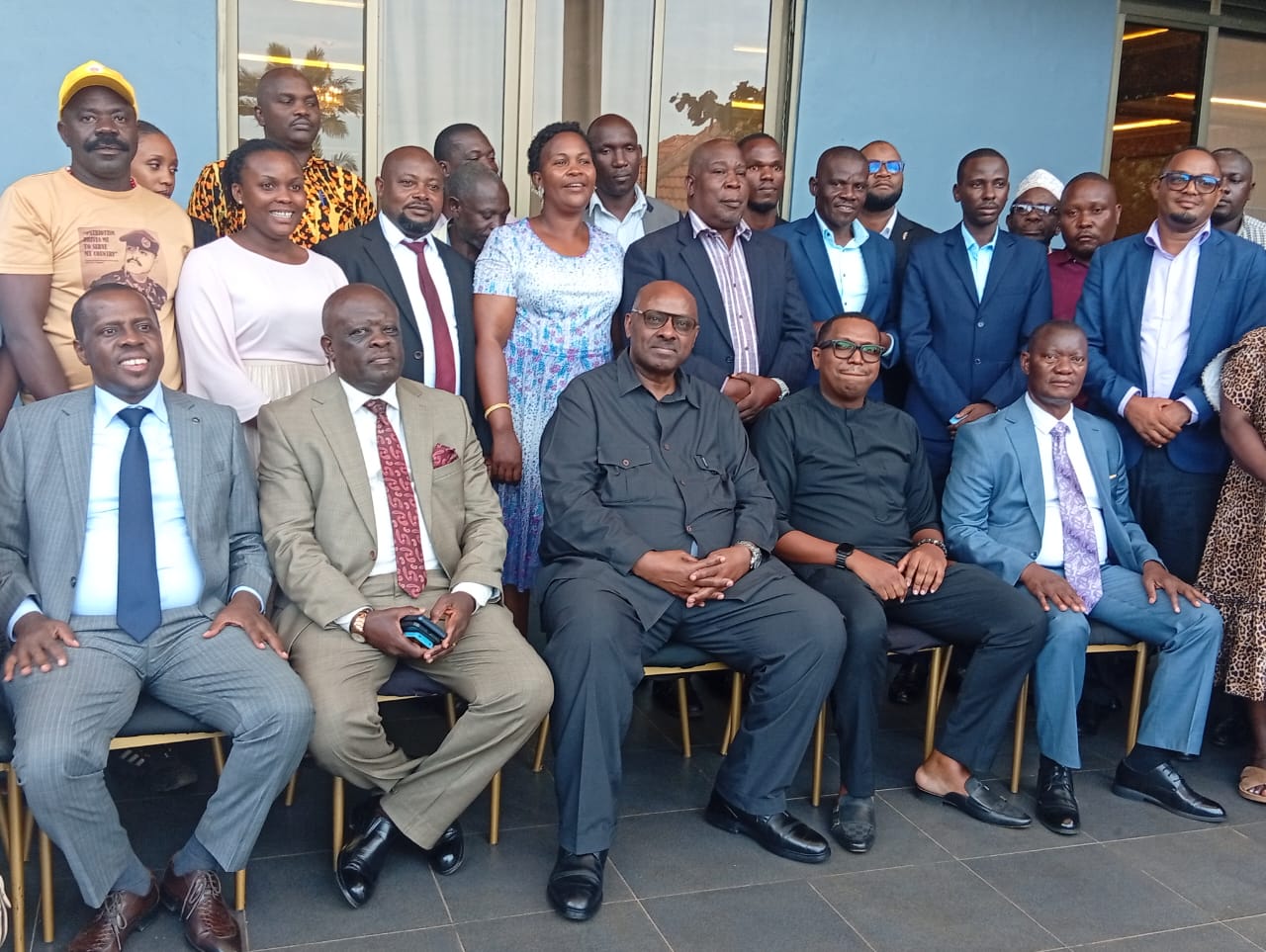
Kumumanya made the remarks during an induction training for newly elected political leaders of Entebbe Municipality held at Peniel Beach Hotel, where he challenged leaders to embrace reforms aimed at improving urban governance.
“An organised city must be easy to navigate. People should be able to identify businesses, institutions and homes without confusion. Street naming is part of building order, planning and efficiency,” Kumumanya said.
The Permanent Secretary explained that street naming and proper addressing systems are part of a wider urban management agenda aimed at creating functional cities.
He said a municipality cannot effectively plan development, respond to emergencies or provide services efficiently if locations cannot easily be identified.
Street Naming as a Foundation for Urban Order
Kumumanya said street naming should not be viewed as simply placing signs along roads but as a tool for improving planning, investment and service delivery.
He explained that proper addressing systems help emergency responders, health workers, security agencies, businesses and government programmes reach citizens faster.
“When someone needs help, location matters. A good addressing system reduces delays and improves the way services reach citizens,” he said.
He added that as Uganda embraces digital transformation, accurate location information is becoming increasingly important for online businesses, financial services, property management and government programmes.
Uganda’s Urban Growth Challenge
Kumumanya’s message comes at a time when Uganda’s urban centres are facing increasing pressure due to population growth and rising demand for public services.
According to the Uganda Bureau of Statistics (UBOS), Uganda’s population reached approximately 45.9 million people in the 2024 National Population and Housing Census, increasing the need for better planned towns and municipalities.
The growth of urban areas has created new demands for housing, transport, sanitation, health services, business regulation and infrastructure.
Kumumanya said local governments must develop systems that allow them to manage this growth effectively.
“Urban development is not only about constructing physical infrastructure. It is about creating systems that allow people to live, work and do business easily,” he said.
Law, Order and Strong Institutions
Beyond urban planning, Kumumanya emphasised that successful local governments must operate within the law and strengthen their institutional systems.
He reminded leaders that local governments are governed by legal frameworks that must be followed to ensure accountability and effective service delivery.
“Follow the law. There are many laws governing local governments, and there is no way you can successfully run a council without following those laws,” Kumumanya said.
He urged political leaders and technical officers to respect each other’s responsibilities and avoid conflicts that weaken service delivery.
The Permanent Secretary warned against political battles, personal attacks and blame games, saying citizens expect solutions from their leaders.
“Uganda is looking for leaders who can accommodate others, build consensus and focus on delivering services to the people instead of engaging in unnecessary political fights,” he said.
Cities Given August 30 Deadline to Strengthen Systems
Kumumanya revealed that cities and districts with gaps in key administrative structures have been given until 30 August 2026 to address the weaknesses in line with Ministry of Local Government guidelines.
He said strong institutions are critical for local governments to recruit competent staff, manage public resources and deliver services effectively.
He explained that functional systems, including proper administrative structures and transparent recruitment processes, are necessary for building capable local governments.
“Urban transformation is not achieved by roads and buildings alone. It requires systems that allow government to work effectively and citizens to access services,” he said.
Entebbe’s Strategic Responsibility
Kumumanya said Entebbe Municipality has a special responsibility because of its national and international importance.
The municipality hosts Entebbe International Airport, State House Entebbe and other strategic institutions, making it Uganda’s international gateway.
“Entebbe is not just another municipality. It is a gateway to Uganda, a historical town and home to strategic national institutions. That privilege comes with responsibility,” he said.
He challenged leaders to ensure the municipality develops systems that match its importance.
Mayor Rulinda: Leadership Must Serve Everyone
Entebbe Municipality Mayor Fabrice Rulinda welcomed Kumumanya’s guidance, saying the municipality’s transformation requires cooperation between elected leaders, technical officers and residents.
Rulinda said leaders must focus on inclusive service delivery and ensure development benefits all residents regardless of political differences.
“Entebbe belongs to all Ugandans. Our responsibility is to serve the people and ensure that development reaches everyone,” Rulinda said.
He said cooperation among leaders is essential for creating a cleaner, organised and investment-friendly municipality.
Town Clerk: Revenue Growth Supporting Services
Entebbe Municipality Town Clerk Mr. Emmanuel Gakyalo said improved revenue mobilisation is strengthening the municipality’s capacity to deliver services.
Gakyalo revealed that the municipality has collected approximately Shs5 billion from taxi revenue and other local revenue sources, which is supporting infrastructure improvement and service delivery.
He cited ongoing road works, including the Kiwafu Road project near Kitooro Senior Secondary School, as part of efforts to improve connectivity.
“We have so far collected approximately Shs5 billion in local revenue, and our goal is to make Entebbe Municipality a model local government in service delivery, accountability and sustainable urban development,” Gakyalo said.
He said proper planning, revenue mobilisation and accountability are necessary for transforming urban centres.
Lessons From Africa’s Growing Cities
Kumumanya said Uganda can learn from African cities that have invested in organised urban systems.
Kigali, Rwanda, has developed strong planning and mapping systems that support city management and investment.
Nairobi, Kenya, has pursued physical addressing initiatives to improve service delivery and business operations, while Johannesburg, South Africa, uses street naming, property identification and geographic information systems to support metropolitan planning.
Kumumanya said Uganda’s cities must adopt approaches that help them manage growth and compete economically.
“Cities are not built only by roads and buildings. They are built by systems that allow people to move, trade, access services and live efficiently,” he said.
Finance and Planning: Turning Investment Into Impact
Kumumanya said government investment through the Ministry of Finance, Planning and Economic Development must be supported by strong planning and accountability systems.
He warned that financial resources alone cannot transform communities without proper management.
“Money alone cannot build a successful city. We need systems, discipline and proper planning to make sure development serves people effectively,” he said.
He urged leaders to focus on creating institutions and systems that will continue serving citizens beyond their terms of office.
“Leadership is about leaving behind structures that continue serving people after you leave office,” he advised.
As Uganda moves towards a more urban future, Kumumanya’s message is clear: the transformation of local governments will not only be measured by what they build, but by how effectively they organise, plan and serve their people.
For Uganda’s cities, the road to the future begins with strong systems, responsible leadership and orderly development.