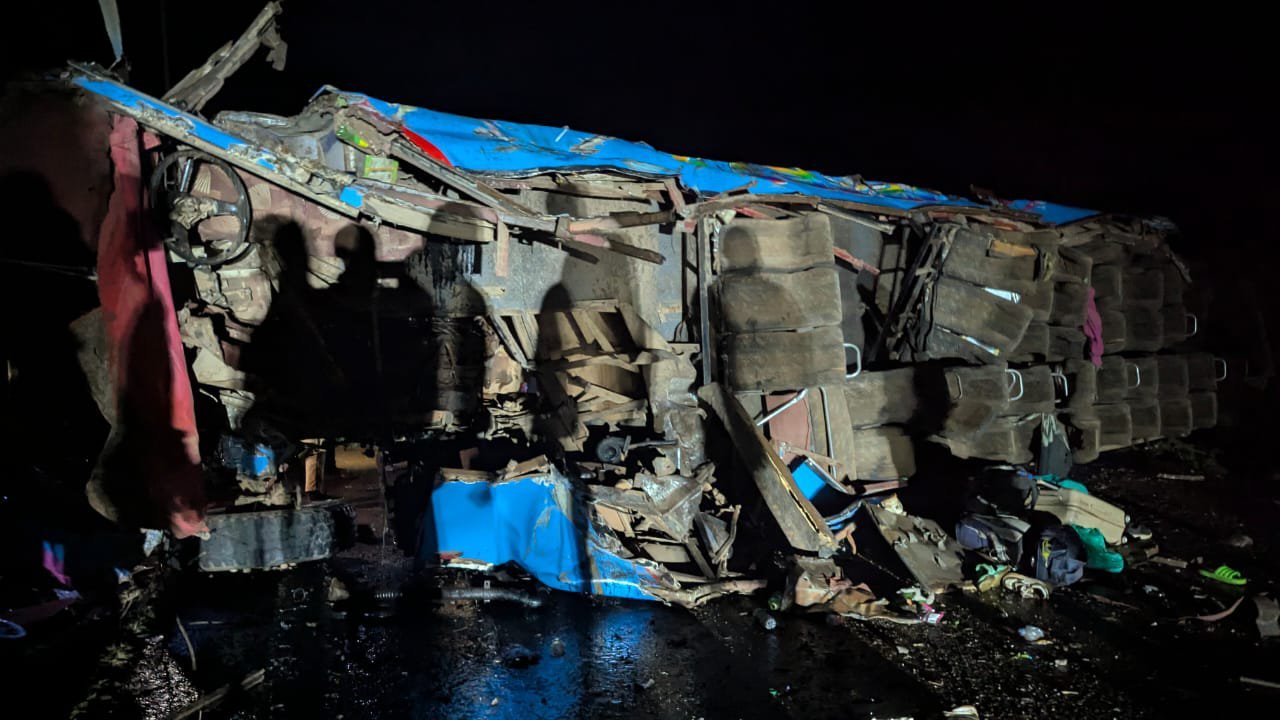
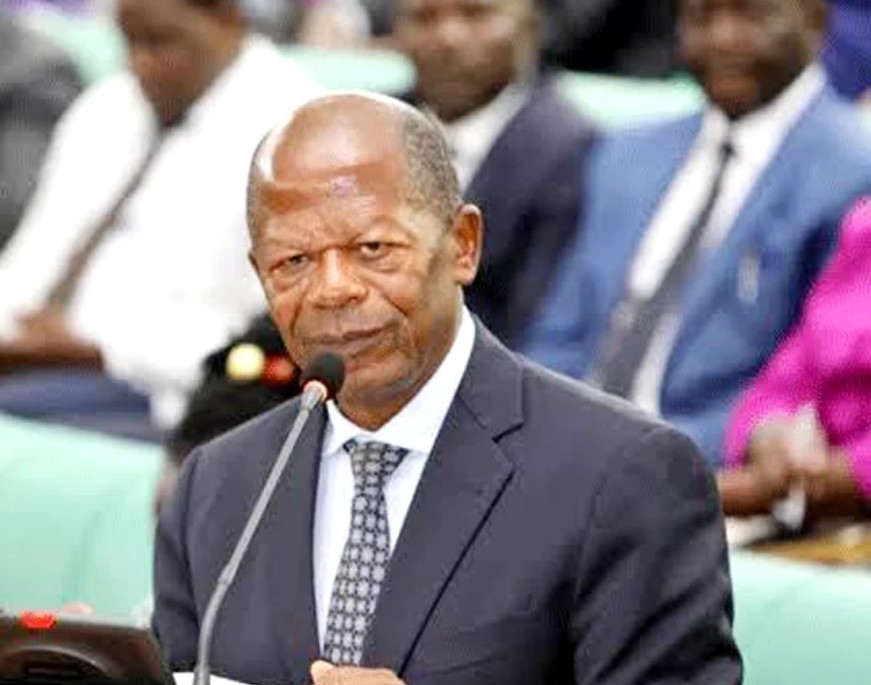
The Acting Education Minister Dr. John Chrysostom Muyingo has suspended all school education tours across Uganda following Thursday night’s fatal bus accident that claimed the lives of 20 pupils and the director of King David Junior School, Ndejje, Makindye Division.
According to the Minister, the suspension takes immediate effect and will remain in place pending comprehensive investigations into the July 16, 2026 crash and the safety arrangements surrounding school excursions. He has directed Schools to refund parents of their trip money immediately.
In the last one week, there have been more than five accidents involving buses with students on trips.
Police confirmed on Friday morning that 21 people—20 pupils and one adult—had died following the accident at Chekwatit Village in Kapchorwa District.
The crash involved an Isuzu bus, registration number UA 108BQ, belonging to King David Junior School in Ndejje, Makindye Division, Kampala.