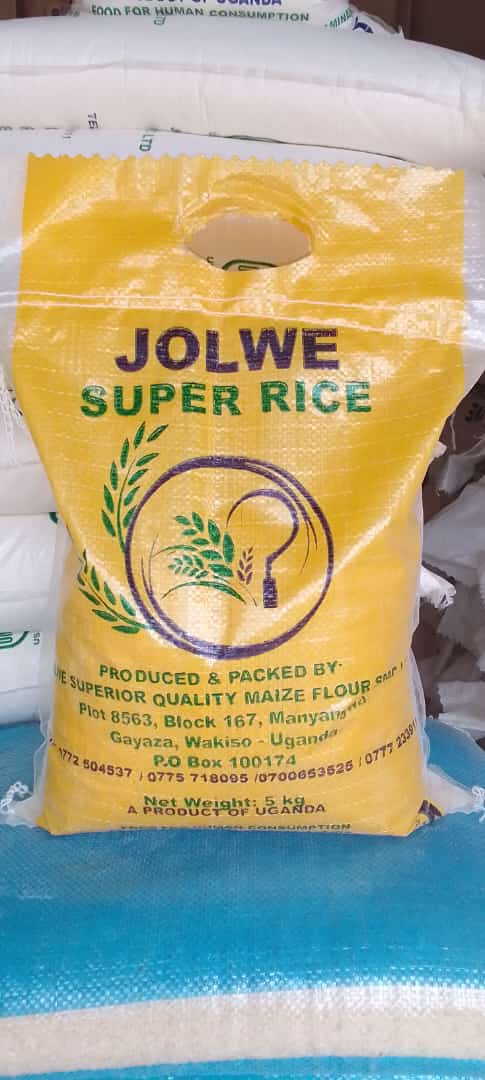
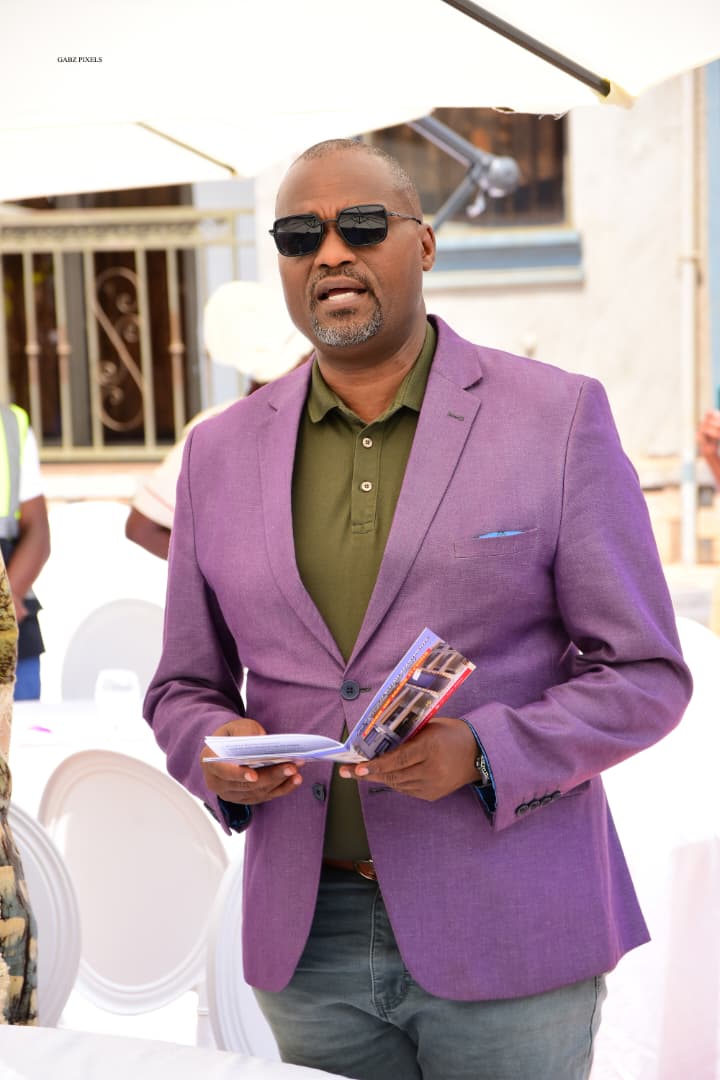
A former Senior Credit Manager at dfcu Bank, Dr Richard Wemesa left banking to build an agribusiness that turns maize into flour, bran into feed, and farm by-products into new income streams. Uganda’s agricultural sector is increasingly looking beyond production towards value addition, processing and stronger agricultural value chains. As farmers contend with fluctuating commodity prices, post-harvest losses and rising operating costs, commercial agriculture is becoming less about what is harvested and more about the value created afterwards.
A former Senior Credit Manager at dfcu Bank, Dr Richard Wemesa left banking in 2020 to pursue full-time agriculture. Today, through Joray Intercom Enterprises in Gayaza-Manyangwa, Wakiso District, he operates a diversified agribusiness spanning grain milling, piggery, dairy farming, poultry and aquaculture.
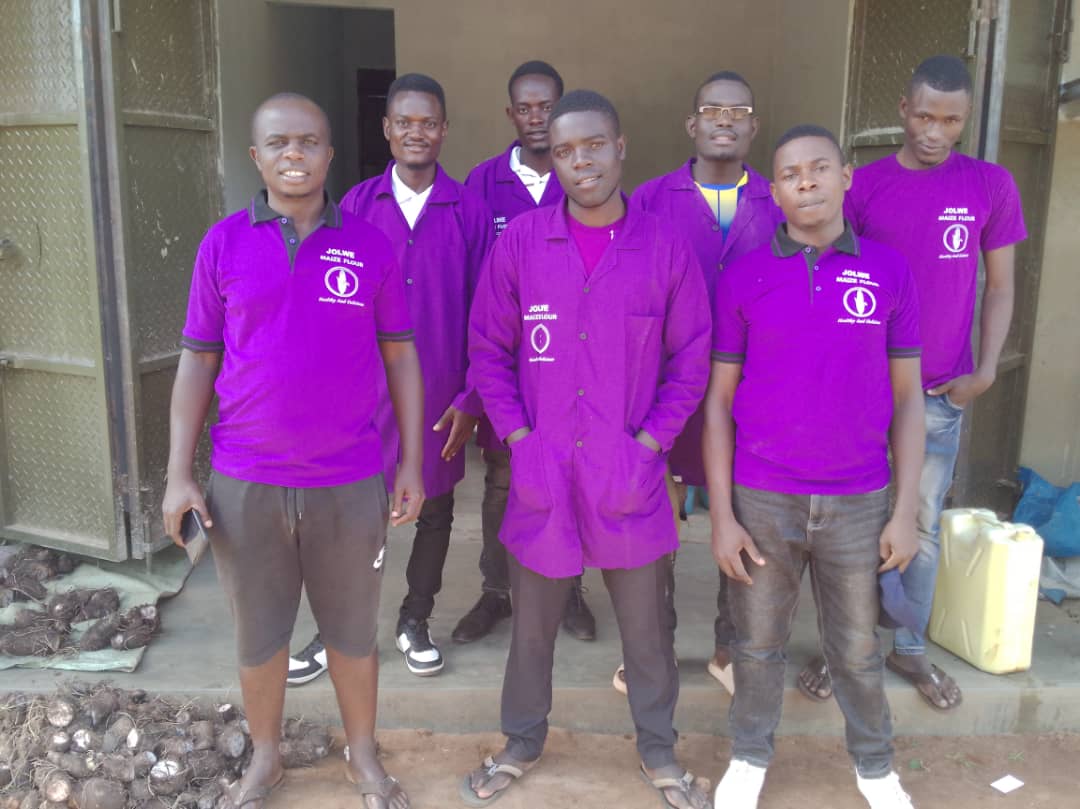
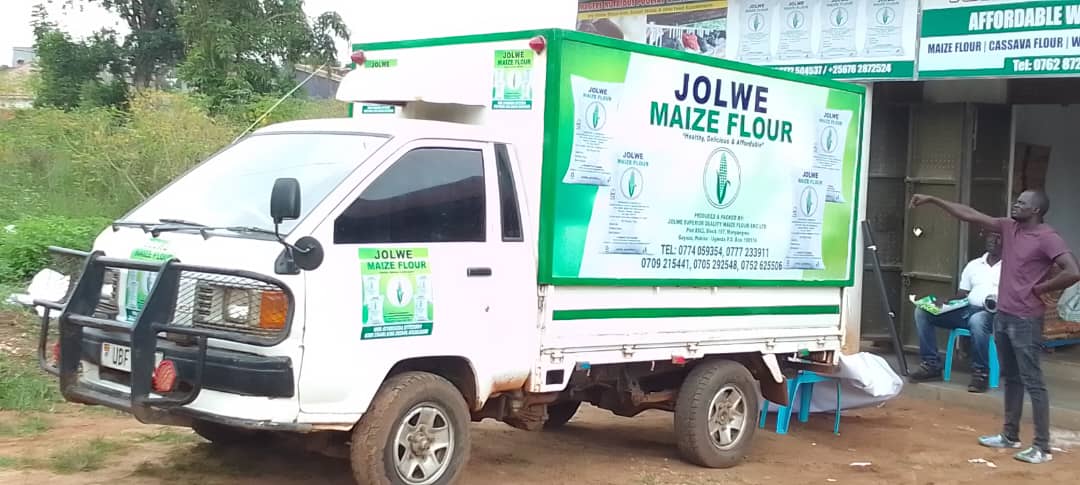
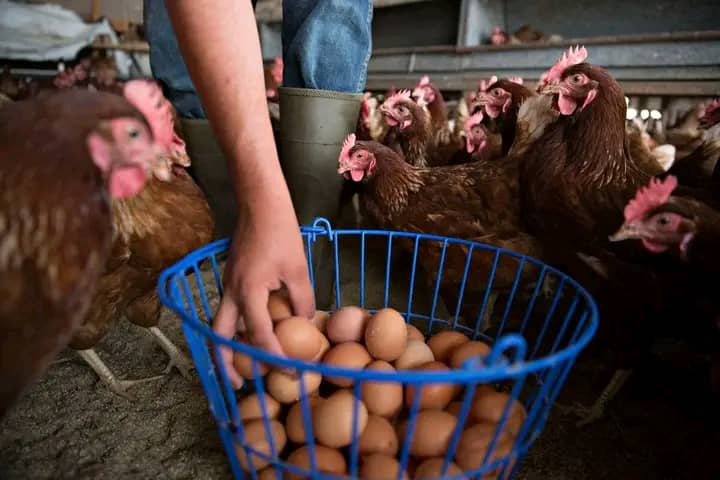
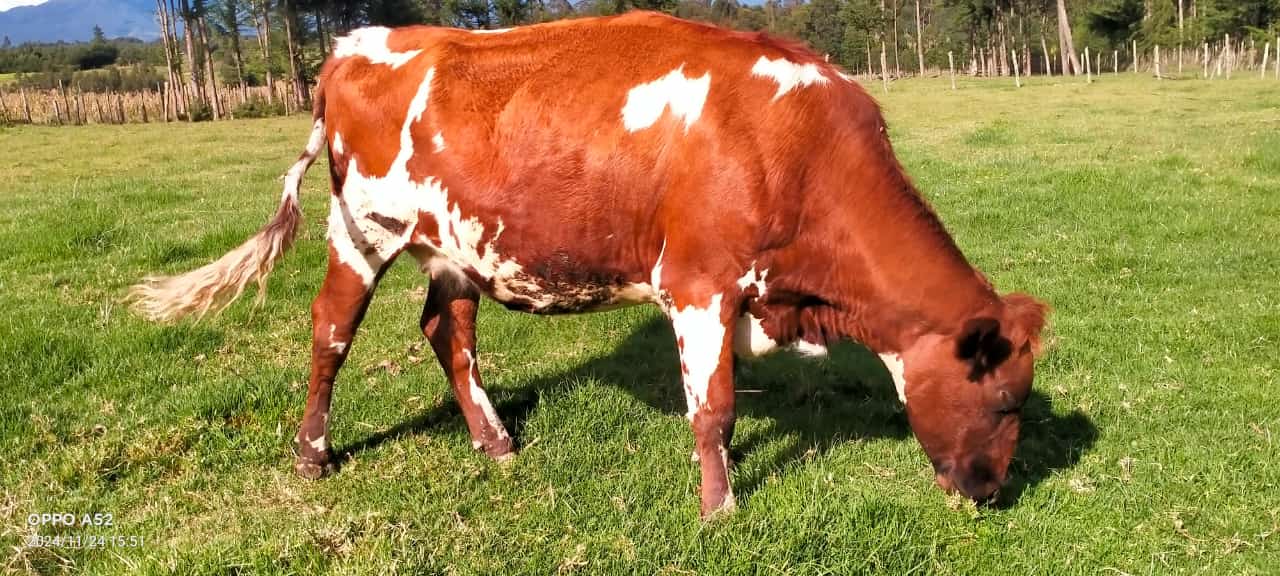
What began as a grain milling operation in 2021 now processes about 20 tonnes of maize daily. The bran produced during milling feeds more than 800 pigs, supports a dairy herd of 45 milking cows, sustains poultry production and contributes to an aquaculture enterprise housing over 10,000 fish. The business is built on a model increasingly encouraged across Uganda’s agricultural sector: creating value beyond primary production and generating multiple income streams from the same agricultural output.
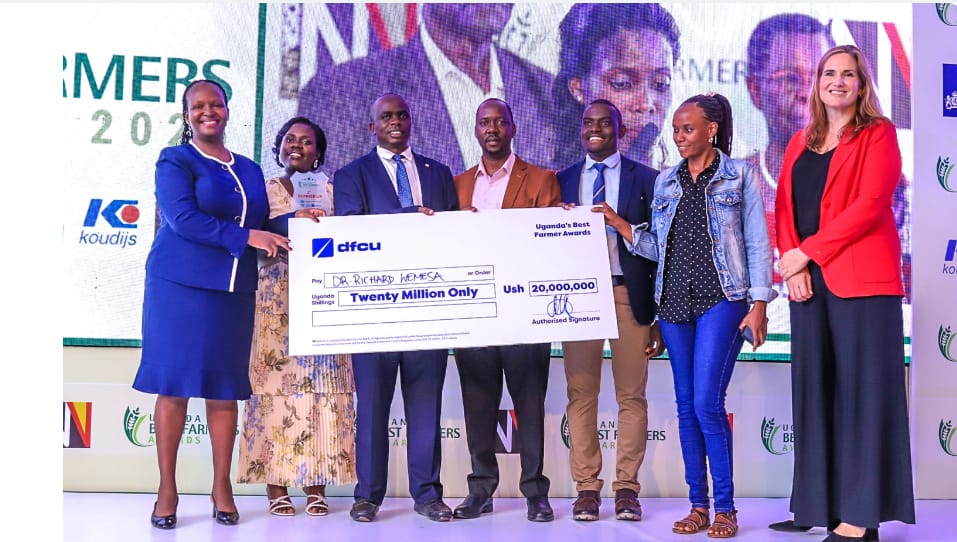
For more than 11 years, the Best Farmers Awards, organised by dfcu Bank in partnership with Vision Group, KLM Royal Dutch Airlines, the Embassy of the Netherlands, De Heus Koudijs Nutrition BV and New Vision Foundation, have recognised farmers who are adopting innovative practices and building commercially viable enterprises. Wemesa was among the winners recogised in 2025.We spoke to him about his journey from banking to farming, the business behind Joray Intercom Enterprises and the role finance and exposure have played in its growth.
Tell us about your journey into farming, what enterprise do you run, and what inspired you to venture into agriculture?
Dr Richard: My journey into agriculture began in Sironko District, where my teacher-parents farmed to fund our education. Watching them use farming to create opportunities for our family taught me resilience and showed me the role agriculture can play in improving livelihoods. I trained as an economist and later earned a PhD. After spending 12 years as a Senior Credit Manager at dfcu Bank, I made the decision to leave banking during the COVID-19 period and establish Joray Intercom Enterprises in Gayaza-Manyangwa, Wakiso District. What started as a grain milling operation in 2021 now mills about 20 tonnes of maize daily. The by-products support a piggery with more than 800 pigs, a dairy enterprise with 45 milking cows, poultry production and an aquaculture unit with over 10,000 fish.
The Best Farmers Awards recognise excellence, innovation and impact. What key practices, innovations or business strategies set your farm apart and contributed to your recognition?
Dr Richard: The judges were particularly interested in our commitment to value addition. Instead of selling maize as a raw commodity, we process it into commercial maize flour and use the bran to support our livestock, poultry and fish enterprises.They also looked at our integrated farming approach and investment in climate-smart technologies. Every enterprise on the farm supports another, which helps us reduce waste and improve efficiency.
What does being named a Best Farmers Awards 2025 winner mean to you, personally, professionally and for your enterprise? How has dfcu Bank supported your growth along this journey?
Dr Richard: The award strengthened our credibility and visibility in the market. Shortly afterwards, we secured a contract to supply 600 piglets, creating new opportunities for expansion.dfcu Bank has supported us through financing, guarantees and capacity-building programmes. That support has enabled us to invest in the business and pursue growth opportunities with confidence.
Access to appropriate financing is critical in agriculture. How has access to finance, particularly through dfcu Bank, enabled you to grow, invest or improve your farming operations?
Dr Richard: Access to finance has been critical. Through dfcu Bank’s agribusiness financing solutions, we strengthened our liquidity, invested in specialised machinery and logistics, expanded our grain processing capacity and supported the growth of our livestock enterprises.
Agriculture requires patient capital and a financial partner that understands production cycles and seasonal cash flows. That understanding has made a significant difference to our business.
The exposure visit to the Netherlands is a highlight of the programme. Before the trip, what were your expectations and what were you most keen to learn or experience?
Dr Richard: Given my background in credit management and economic planning, I wanted to understand how advanced agricultural economies use technology to improve productivity and competitiveness.I was particularly interested in learning how large-scale dairy and livestock enterprises integrate automation and data-driven decision-making into their operations.
During your visit, what stood out most in terms of agricultural practices, innovations or systems, and why were these particularly impactful for you?
Dr Richard: What stood out was the scale and efficiency. I visited a dairy farm with 2,000 cows that was managed using specialised robotic systems.The experience demonstrated how technology can improve productivity, animal welfare and operational efficiency while helping farmers make better decisions.
Did the Netherlands visit create any opportunities for collaboration, such as business partnerships, market linkages, technology adoption or knowledge exchange?
Dr Richard: Yes. The visit opened doors to discussions with organisations such as RVO and the Common Fund for Commodities.Those engagements created opportunities around financing, knowledge exchange and technology transfer. We are currently exploring ways to leverage those relationships to strengthen and scale our integrated farming model.
How do you plan to transfer the skills and insights gained to other farmers and your wider community?
Dr Richard: We are using farm clinics, demonstration programmes, workshops, digital learning initiatives and student internships to share what we have learnt.Our aim is to help farmers adopt more efficient practices and encourage more young people to view agriculture as a viable business.
Looking ahead, what opportunities in Uganda’s agricultural sector excite you most, and what changes or support do you believe are needed to accelerate growth and competitiveness?
Dr Richard: Uganda’s growing population and expanding regional markets present significant opportunities for producers of value-added food products.To unlock that potential, greater investment is needed in agro-processing, reliable energy, storage facilities, cold-chain infrastructure and rural connectivity. More farmers also need access to affordable financing and organised value chains that enable them to move beyond selling raw commodities.
As a Best Farmers Awards winner and ambassador for modern agriculture, what legacy do you hope to build over the next five to ten years?
Dr Richard: My vision is to build a professionally managed agribusiness that contributes to food security, creates jobs and demonstrates the potential of integrated farming systems. I was inspired by my parents’ belief in the power of agriculture. I want to build an enterprise that continues creating value for communities and future generations long into the future.