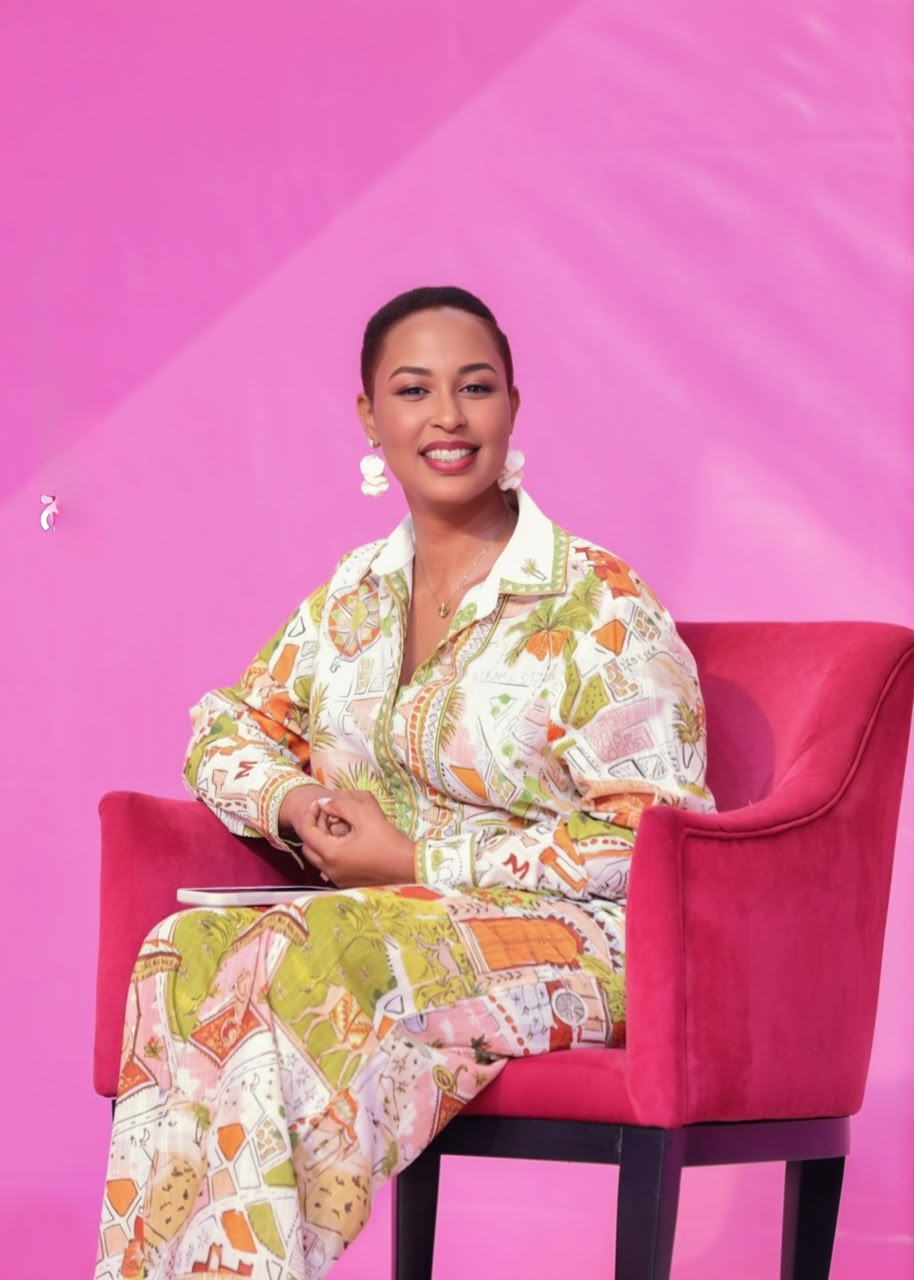
Ms Racheal Naijuka has launched a national campaign calling on companies, leaders, churches, NGOs, families and individuals to help put reusable sanitary pads in the hands of girls and women across Uganda.
For millions of Ugandan girls and women, menstruation is a monthly reality. But for too many, managing that reality with dignity remains a privilege.

A girl should never have to choose between attending school and managing her period. A mother should never have to choose between buying food for her family and buying sanitary products. Yet menstrual poverty continues to affect girls and women across Uganda, particularly those living in vulnerable and low-income communities.
Uganda has made progress in keeping girls in school, but menstrual health remains one of the barriers that cannot be ignored.
Evidence from Uganda has shown just how serious the problem is. A menstrual hygiene assessment conducted across 14 districts found that 71% of girls did not have access to emergency sanitary pads at school, while 25% reported using unsafe materials such as used clothes during menstruation. (evaluationreports.unicef.org).

UNICEF Uganda has also documented cases where menstruation kept girls away from school for several days, while interventions providing reusable pads, water, private changing spaces and menstrual-health education have helped girls remain in class (UNICEF).
In Adjumani District, for example, a school previously recorded girls dropping out around the time of menstruation. After menstrual-health interventions and the introduction of reusable sanitary pads, the school reported a dramatic change, including girls returning to school and improved retention (UNICEF).
Now, one Ugandan woman is asking: What if we stopped waiting?
Racheal Naijuka has launched a national fundraising campaign with a simple but ambitious goal:
To support 30,000 girls and women in every district of Uganda with reusable sanitary pads.
The campaign is calling upon corporate companies, business leaders, Members of Parliament, local leaders, churches, NGOs, development partners, friends, families and individual Ugandans to become part of the solution.
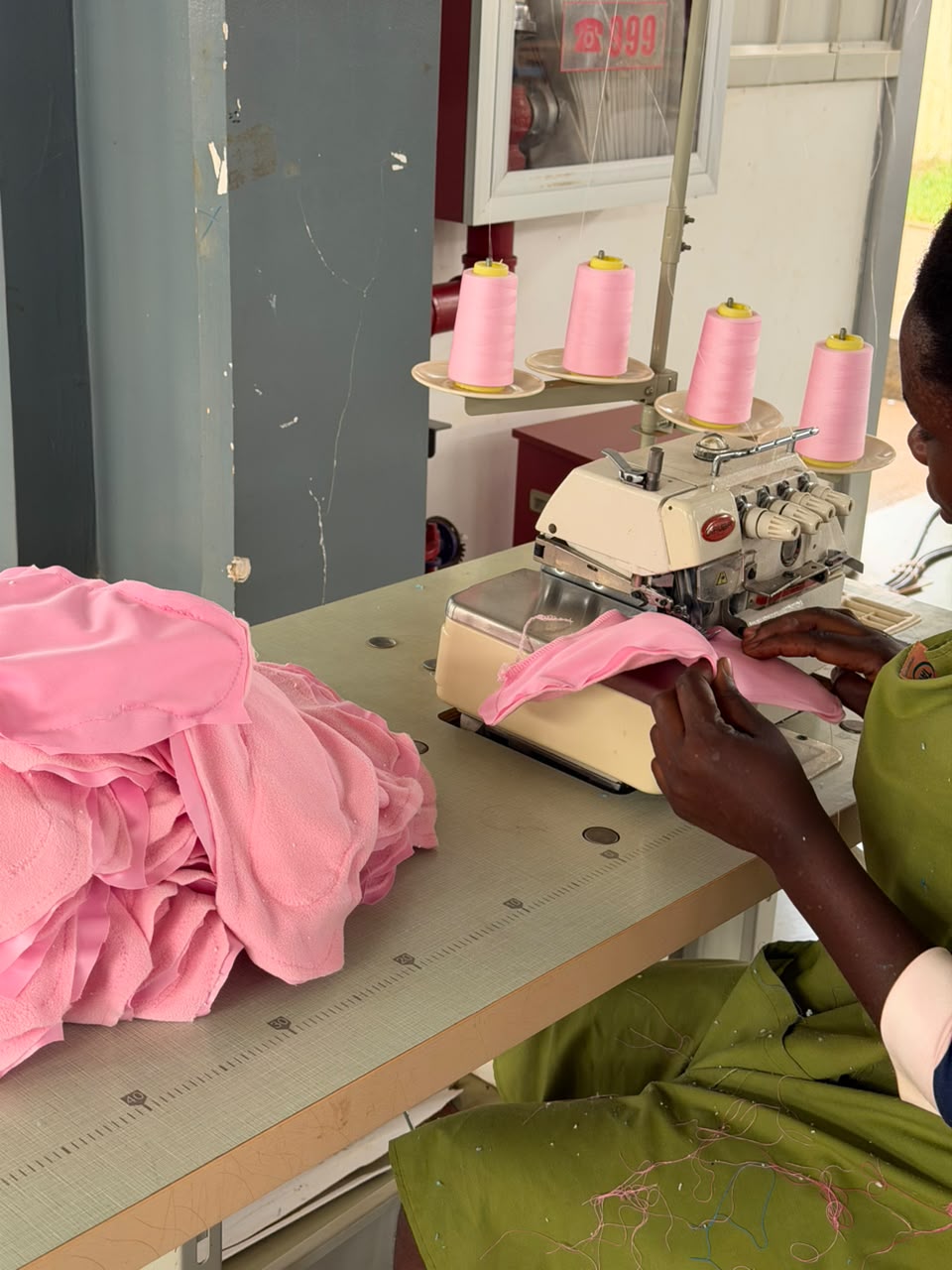
The contribution is deliberately simple:
UGX 10,000 = one girl or woman receives a pack of five reusable sanitary pads.
For the price of a small everyday expense, a donor can provide a woman or girl with a reusable menstrual solution that can be used repeatedly, reducing the pressure of having to purchase disposable products every month.
This is not simply a fundraiser for sanitary pads.
It is a campaign for dignity.
It is a campaign for education.
It is a campaign for confidence.
And above all, it is a campaign asking Uganda to decide that menstruation should never be the reason a girl misses school or a woman is forced to experience her period without dignity.
A campaign for everyone
The organisers are not asking only government or international organisations to solve the problem.
They are calling on everyone.
A company can sponsor girls in a district.
A church can mobilise its congregation.
An NGO can adopt a community.
A family can sponsor several girls.
A school can rally parents and alumni.
A business can contribute as part of its corporate social responsibility programme.
An individual can give UGX 10,000 and directly support one girl or woman.
Companies participating in the campaign will also have an opportunity for brand visibility, including special branding opportunities connected to their contribution and supported communities.
This creates a model where giving does not only generate social impact but also allows responsible businesses to demonstrate their commitment to women, girls, education and community development.
Thirty thousand is the beginning — not the limit
The campaign’s target of 30,000 girls and women per district is intentionally bold.
Uganda’s 2024 Census and statistical system provide detailed population data that can help humanitarian and development programmes understand the size and distribution of the population they serve (UBOS).
The campaign therefore seeks to turn population size into action — district by district, community by community, girl by girl and woman by woman.
The message is simple:
We cannot say we care about keeping girls in school while ignoring one of the basic things they need to stay there.
Menstruation is not a luxury.
Sanitary protection is not a luxury.
Dignity is not a luxury.
A national invitation
Racheal’s campaign is ultimately an invitation to dream differently about what collective action can achieve.
Imagine companies competing not only over profits, but over how many girls they can support.
Imagine churches adopting communities.
Imagine leaders sponsoring girls in the districts they represent.
Imagine families contributing together.
Imagine thousands of ordinary Ugandans giving UGX 10,000.
And imagine the message that would reach a girl receiving her reusable pads:
“You matter. Your education matters. Your dignity matters. And your country has not forgotten you.”
That is the Uganda this campaign is calling for.
Not tomorrow but Now.
How to support
UGX 10,000 can provide one girl or woman with a pack of five reusable sanitary pads.
Companies, organisations, churches, leaders, NGOs, families and individuals who would like to support, sponsor a district, partner on distribution or receive corporate branding opportunities are invited to join the campaign.
One contribution. One pack. One girl or woman empowered.
The goal is 30,000 girls and women in every district. Let us end menstrual poverty one girl, one woman and one district at a time.
To make a donation, call or WhatsApp on +256788962888 or visit UIRI Namanve Industrial Park Kampala.
Or Dial: *252*2*1*1#
Code: 252082
Name: Tania Reusables