By Brian Mugenyi
Masaka: The Permanent Secretary, Ministry of Local Government, Ben Kumumanya, has drawn on more than 30 years of experience in Uganda’s decentralisation system to provide practical guidance to trainers preparing to induct newly elected Local Government Council leaders.

Speaking during the Training of Trainers in Masaka, Kumumanya said his extensive experience in facilitating decentralisation had enabled him to share practical lessons and solutions drawn from real experiences in local governance.

He encouraged trainers to go beyond classroom presentations and ensure that the messages and lessons from the induction are practical, participatory and relevant to the realities council leaders will face in their respective communities.
Kumumanya noted that the trainers will be engaging leaders with different backgrounds, experiences and levels of understanding and should therefore be prepared to facilitate meaningful discussions.

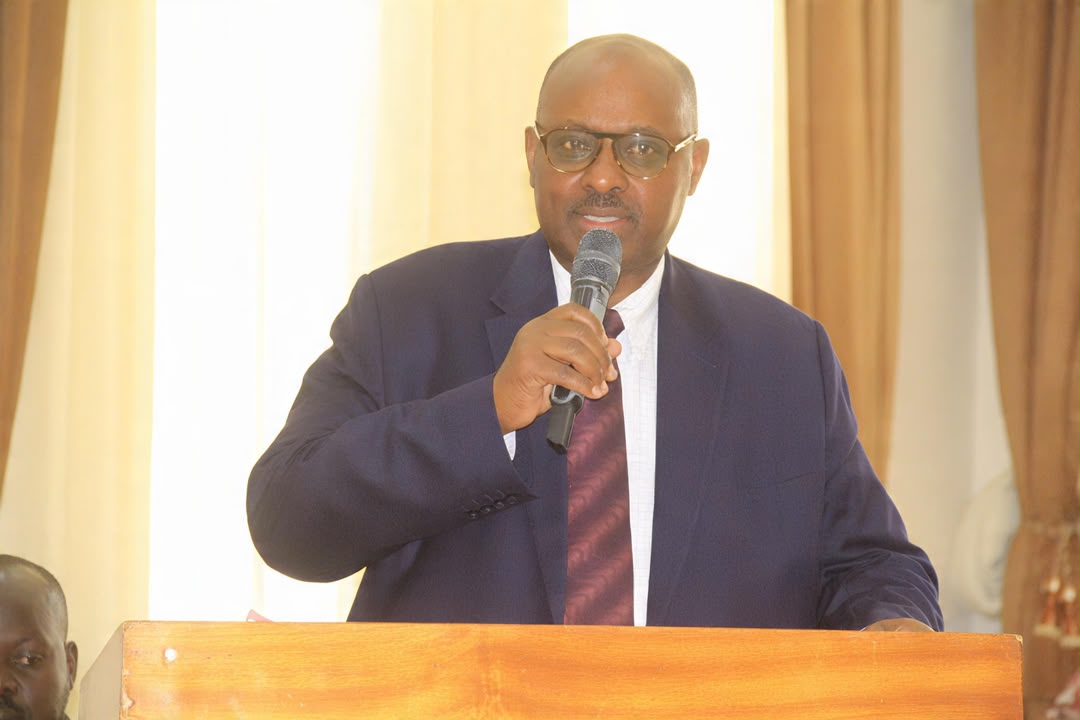
Drawing from his experience working with Local Government Councils, the Permanent Secretary shared practical approaches to managing disagreements, promoting constructive dialogue and strengthening democratic governance.
He emphasised the importance of respecting majority rule while recognising minority views, saying consensus-building remains critical to creating functional and cohesive councils.
Kumumanya also placed corruption and accountability at the centre of the induction, reminding trainers to emphasise Government’s commitment to fighting corruption and protecting public resources.
Citing Article 164 of the Constitution, he noted that leaders who misuse public resources or cause financial loss through actions contrary to established rules can be held personally accountable and required to make good the loss, even after leaving office.
He urged trainers to ensure that the message reaches council leaders clearly so that they understand from the outset that public office comes with responsibility and accountability to citizens.
The Permanent Secretary further tasked the trainers to encourage councils to support and promote Government programmes aimed at improving household incomes and lifting citizens out of poverty.
He cited the Parish Development Model (PDM), Emyooga and other socio-economic transformation programmes, stressing that councils have an important role in mobilising communities, providing oversight and ensuring that these programmes deliver tangible benefits to citizens.
Kumumanya said that when the trainers reach the field, they should help councils understand that their responsibility extends beyond deliberations in council chambers to ensuring that Government programmes translate into meaningful improvements in people’s lives.
He also urged the trainers to promote cooperation among council leaders and encourage them to respect each other’s roles and institutional mandates.
In his closing remarks, Kumumanya called on the trainers to serve as ambassadors of Government, saying they are expected to pass on these messages when they reach the field and help newly elected councils work together constructively.
He emphasised that effective decentralisation requires informed and accountable leadership, constructive dialogue and a shared commitment to delivering services to citizens.
For Kumumanya, the induction of the new council leaders presents an opportunity to strengthen Uganda’s decentralisation system by equipping grassroots leaders not only with knowledge of their powers, but also with a clear understanding of the responsibility that comes with public office.