Kampala: A total of 165 women-led enterprises have graduated from the Green Businesses and Jobs for the Green Transformation Project, marking a major milestone in efforts to strengthen women’s entrepreneurship, create green jobs and accelerate Uganda’s transition to a sustainable economy. The graduation ceremony, organised by Stanbic Business Incubator Limited (SBIL) in partnership with GIZ, the German development agency, and the Ministry of Gender, Labour and Social Development, celebrated the successful completion of Cohorts 1, 2, 3 and 4 of the programme.
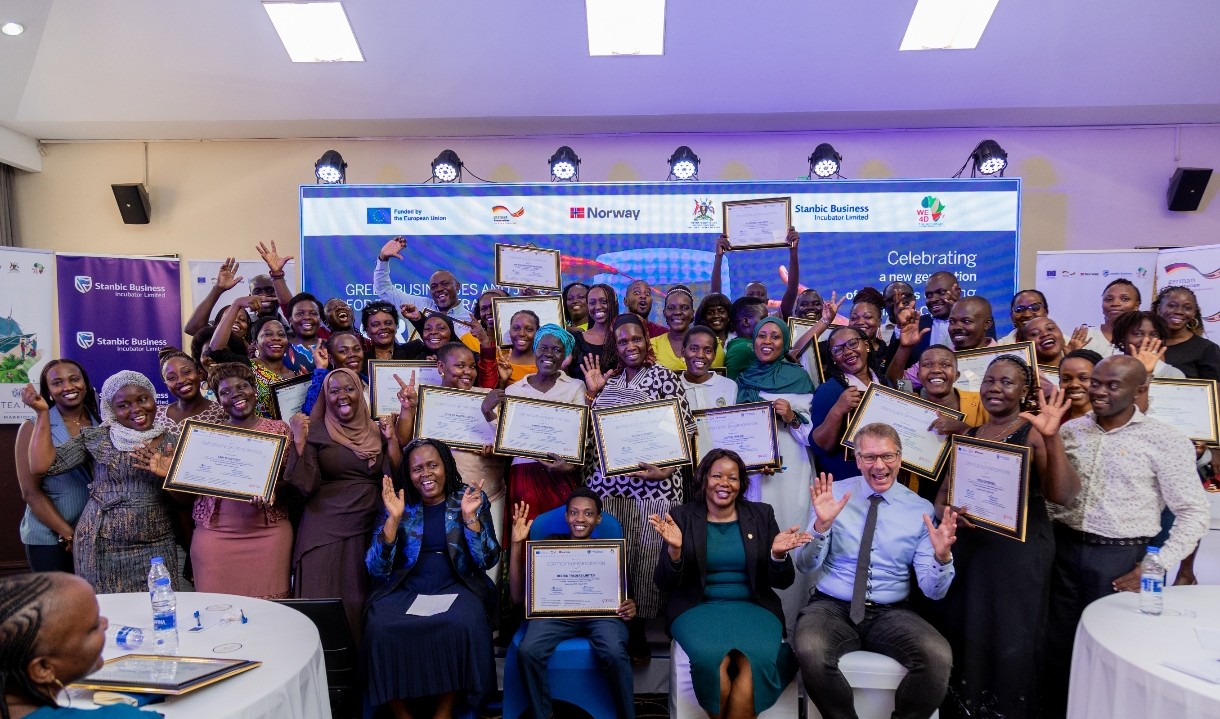
It was launched in 2024 under the Women for the Green Transformation in Africa (WE4D) initiative. The regional programme is being implemented in Uganda, Kenya and Tanzania, supporting women-led enterprises operating in renewable energy, circular economy, waste management, sustainable agriculture, the blue economy and ecotourism sectors increasingly recognised as critical to Uganda’s economic transformation and climate resilience agenda.
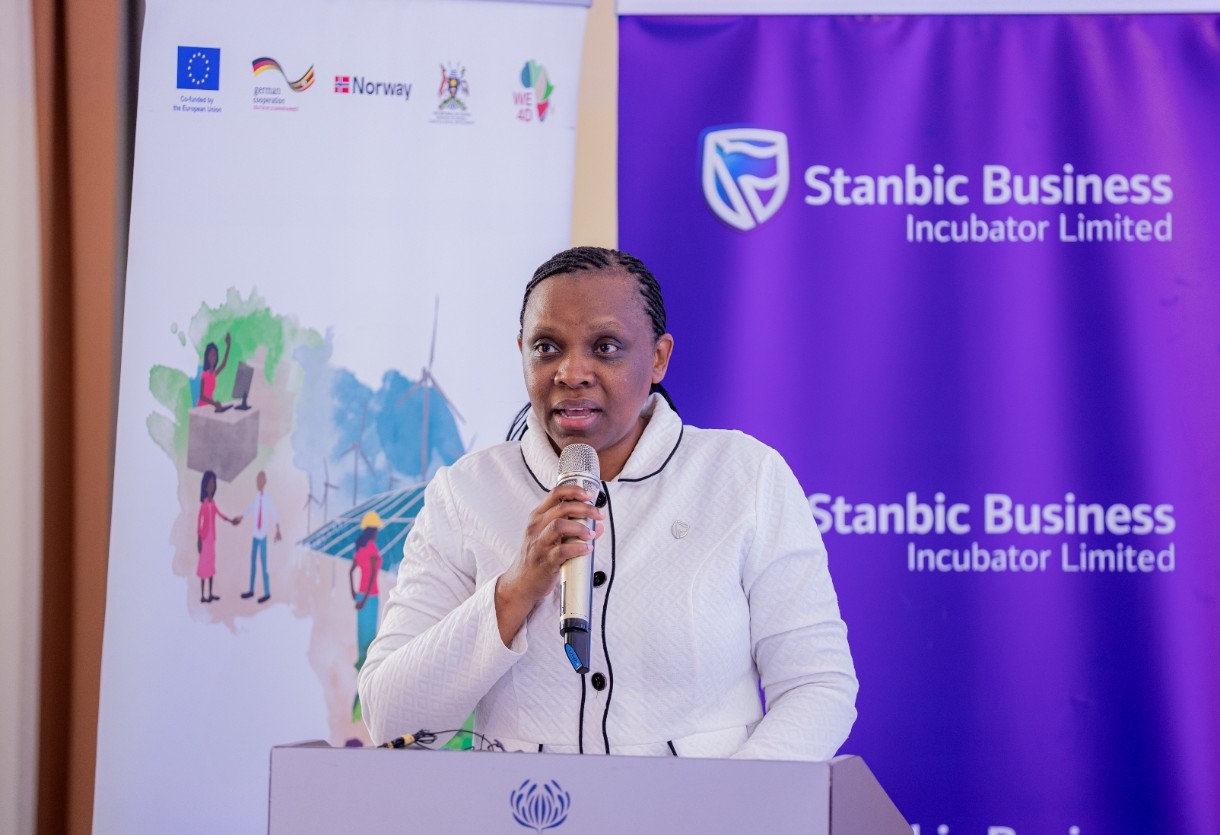
Speaking at the graduation, State Minister of Gender, Labour and Social Development Mary Kuteesa, who was represented by Lydia Nabiryo the assistant commissioner equity and rights commended Stanbic and the German government for investing in women entrepreneurs and supporting Uganda’s long-term development agenda.
She said empowering women-led enterprises was essential to achieving Uganda’s Tenfold Growth Strategy, which seeks to expand the economy through increased productivity, industrialization, value addition and job creation.
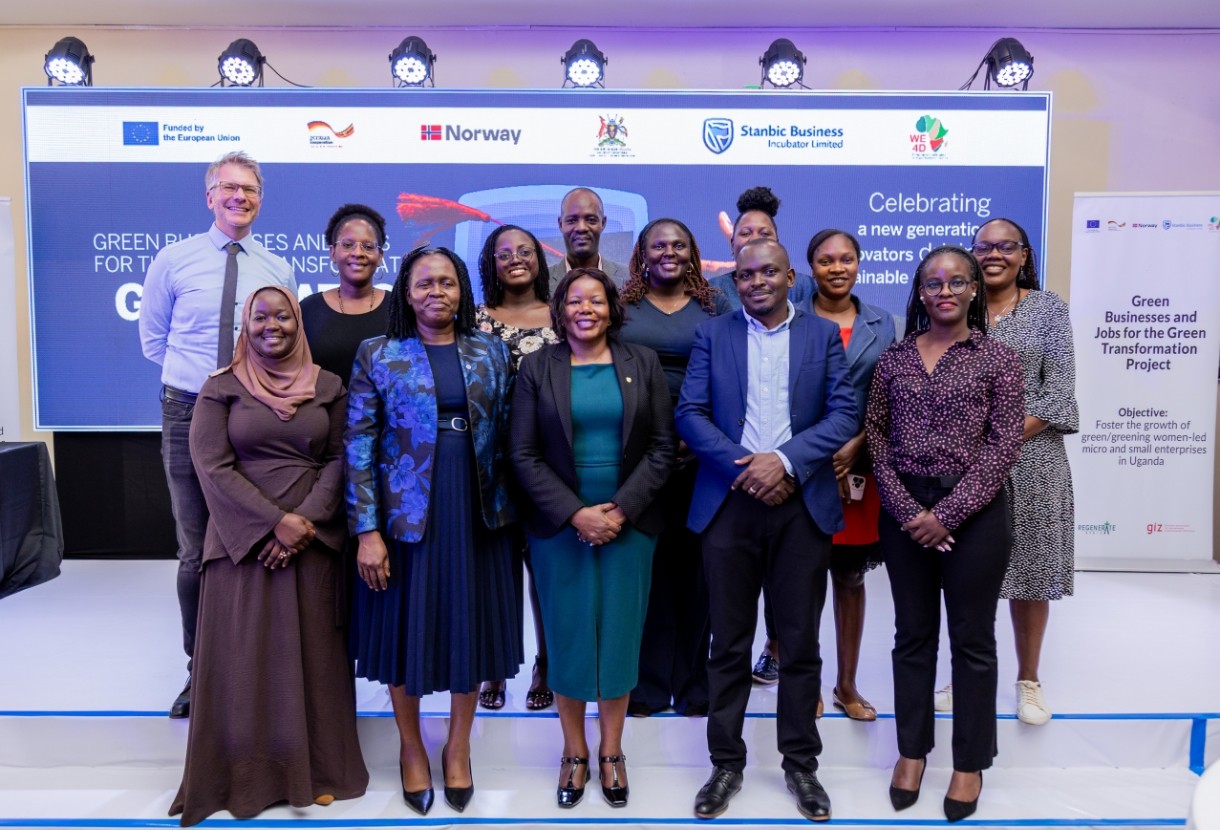
“Uganda’s Tenfold Growth Strategy will only be realised if we deliberately invest in women-led enterprises that are creating jobs, driving innovation and contributing to environmental sustainability. These businesses demonstrate that women are not only participating in the economy, but are actively shaping its future,” Kuteesa said. She reaffirmed the government’s commitment to strengthening partnerships that improve access to skills, finance and markets for women entrepreneurs, particularly those operating in emerging green sectors.
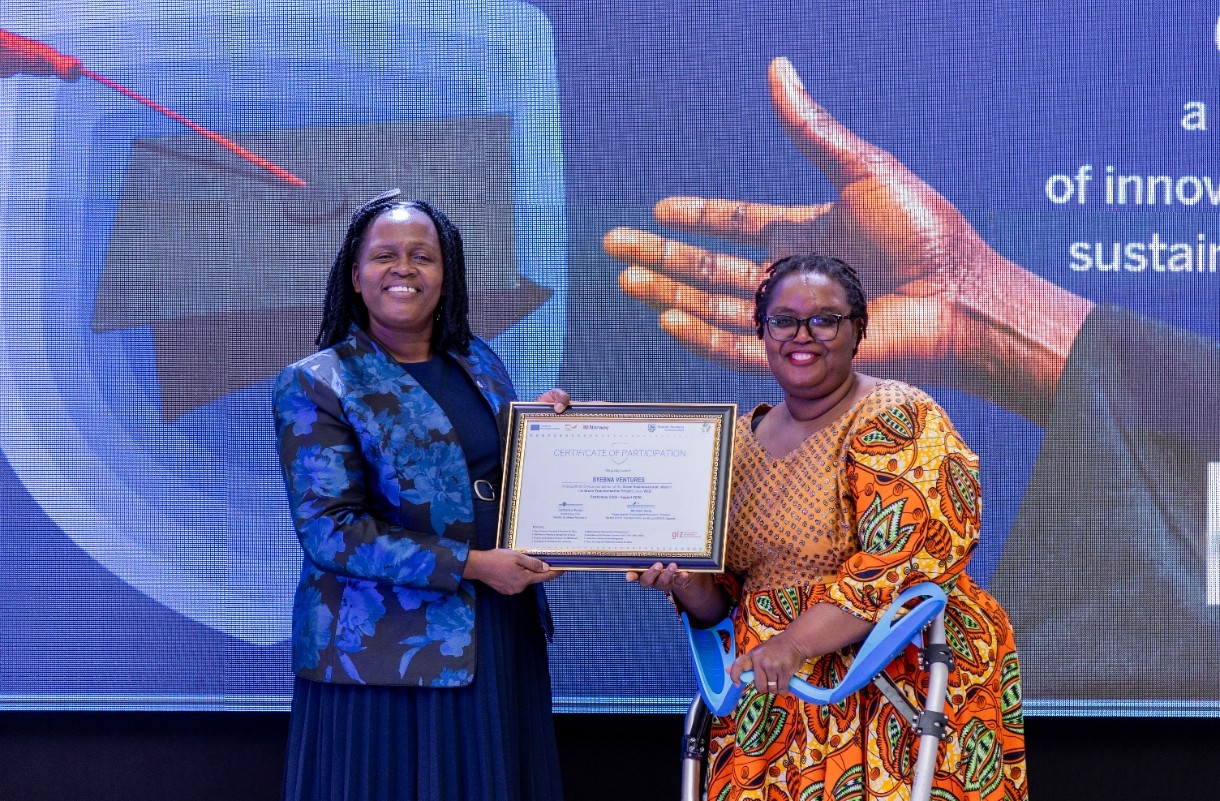
“Green enterprises are creating opportunities in renewable energy, sustainable agriculture and waste management while improving household incomes and protecting the environment. This is the kind of entrepreneurship that will drive inclusive economic growth,” she added. The graduation follows months of intensive training, business coaching, workshops and investment readiness support designed to help women-owned enterprises become more competitive and better positioned to access financing and new markets.
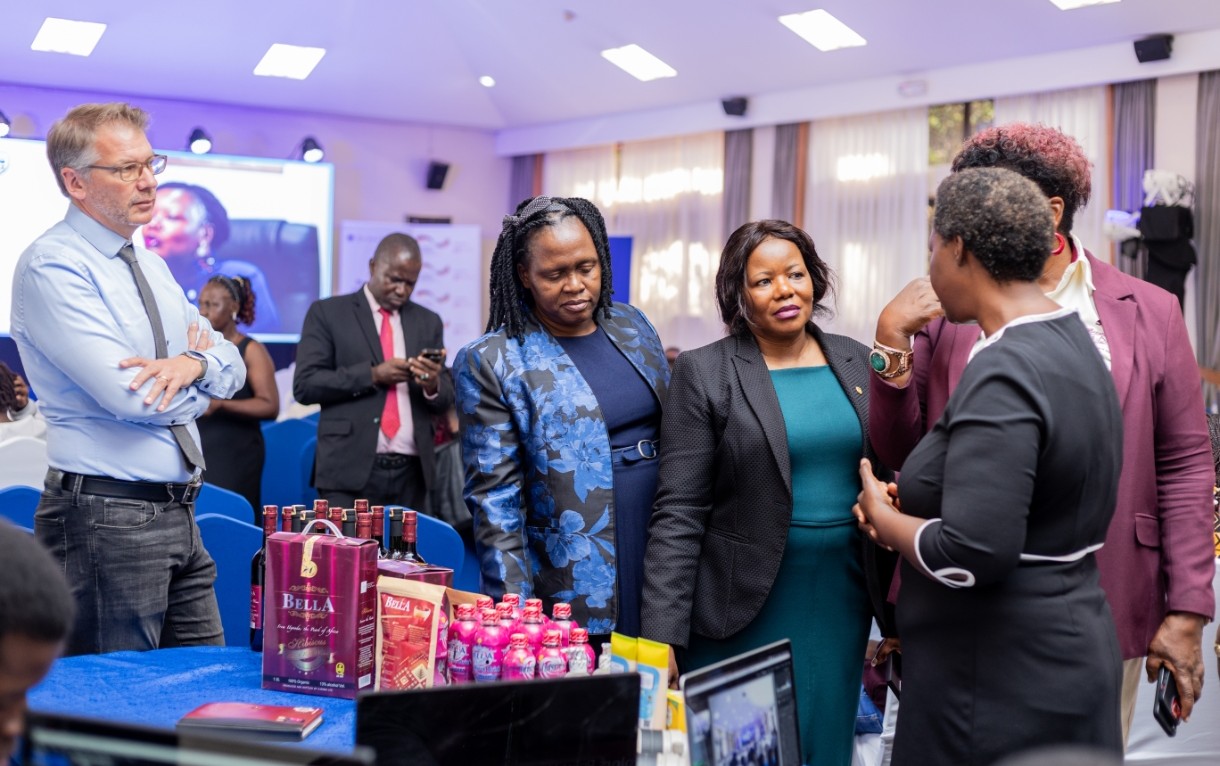
Catherine Poran, Chief Executive Officer of Stanbic Business Incubator Limited, said the graduation represented far more than a certification exercise and reflected the impact of strategic partnerships in driving enterprise development. “This graduation demonstrates what can be achieved when we invest in women entrepreneurs and provide practical business support. These enterprises are creating jobs, strengthening local economies and building sustainable businesses that are ready for growth and investment,” Poran said.
She said the initiative directly aligns with Stanbic’s purpose, ‘Uganda is our home, we drive her growth’, and the institution’s commitment to empowering women, youth and farmers through enterprise development. Poran said the programme received more than 400 applications, from which 200 enterprises were shortlisted, with 165 successfully completing the programme representing a completion rate of 82%.
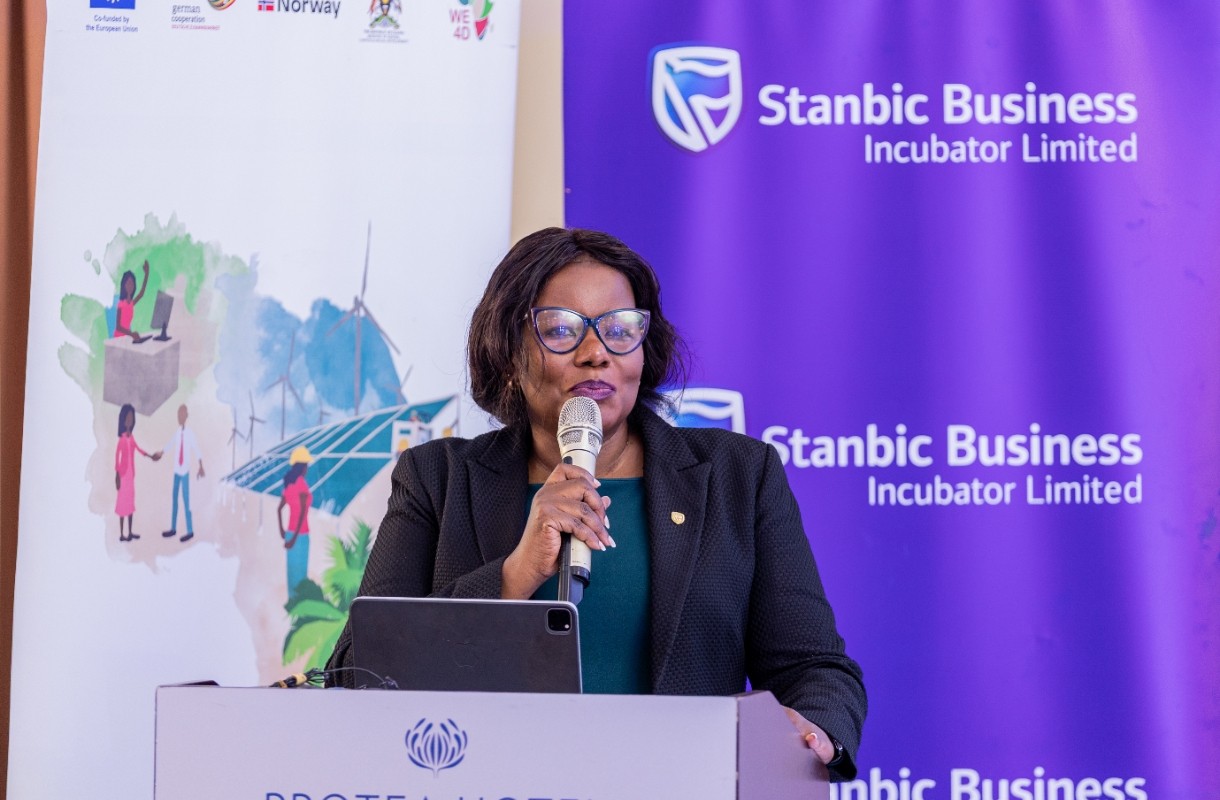
She said participants were given an opportunity to pitch their business expansion plans, outlining how they intend to improve access to finance, scale their operations and increase their environmental impact.
Michael Seng, the WE4D program lead at GIZ said the partnership with SBIL was designed to build resilient women-owned businesses while supporting East Africa’s green transition.“Women-led green enterprises have enormous potential to create jobs, reduce environmental degradation and build more sustainable local economies. Through this partnership, we are equipping entrepreneurs with the skills, networks and financial readiness needed to grow businesses that contribute meaningfully to Uganda’s economic transformation,” the Michael said.
The Promoting Green Businesses and Jobs for the Green Transformation Project, forms part of the broader WE4D programme, which is jointly funded by the Government of Norway and the European Union. It aims to strengthen women’s economic participation while promoting environmentally sustainable enterprise development across East Africa.The two-year programme combines classroom training, workshops, site visits and one-on-one coaching to support women entrepreneurs in scaling their businesses and becoming investment-ready.
Judith Kibuuka, the Stanbic Uganda Holdings Limited (SUHL) Exco member who represented the Chief Executive Mark Ocitti said the graduation reinforced Stanbic’s role in enterprise development and women’s economic empowerment, particularly as the Bank celebrates 35 years of positively impacting businesses, farmers, women and youth across Uganda. She said Stanbic, working with partners such as GIZ, has committed UGX 1 trillion towards priority areas including financial inclusion, enterprise development, infrastructure investment, climate resilience financing and corporate social investment.“Our objective is to ensure that women-led enterprises are not only trained, but are also connected to finance, markets and the support systems they need to grow into sustainable businesses that contribute to Uganda’s economic transformation,” Kibuuka said. For many of the graduates, the programme has already begun transforming their businesses. Anne Kayiwa the founder papillon Living a clean energy solutions company, said the training had helped her adopt more sustainable business practices. “When we joined the training, our consistent question was about money and how we can access funding to grow our businesses but after the mentorship, I can comfortably say the problem was not money. But knowledge on how to run and manage our enterprises, and formalization, which we have successfully learnt.” she said.
Joan Muchiruka, the founder of Iroma honey, said the programme had inspired her to expand her ambitions, enhance operation excellence and boost sales. “I was encouraged to think beyond my current operations and pursue government certification. The mentorship and feedback have given me the confidence to grow my business further,” she said. As Uganda accelerates industrialization, expands value addition and seeks to create more jobs, the graduating enterprises are expected to play an increasingly important role in advancing the country’s green economy, strengthening women’s economic participation and contributing to long-term sustainable growth.
However, Johnson Abitekaniza, the Assistant Commissioner Training and Business Skills Development in Ministry of Trade and Industry and Cooperatives challenged the graduates to uphold quality productions and services if they are to stay long in business. He noted that they have created a desk to fasten the certification for local enterprises that have been mentored through initiatives like WE4D. “I want to challenge you to pay attention to your customer needs. Like some of you having social media platforms, try to respond to client questions and orders. Several SMEs put products on social media but you inbox them and they take over a week to respond to a client. If such a business doesn’t get enough sales, then the problem can not just money, but streamlining operations,” Abitekaniza said.