By Brian Mugenyi
mugenyijj@gmail.com
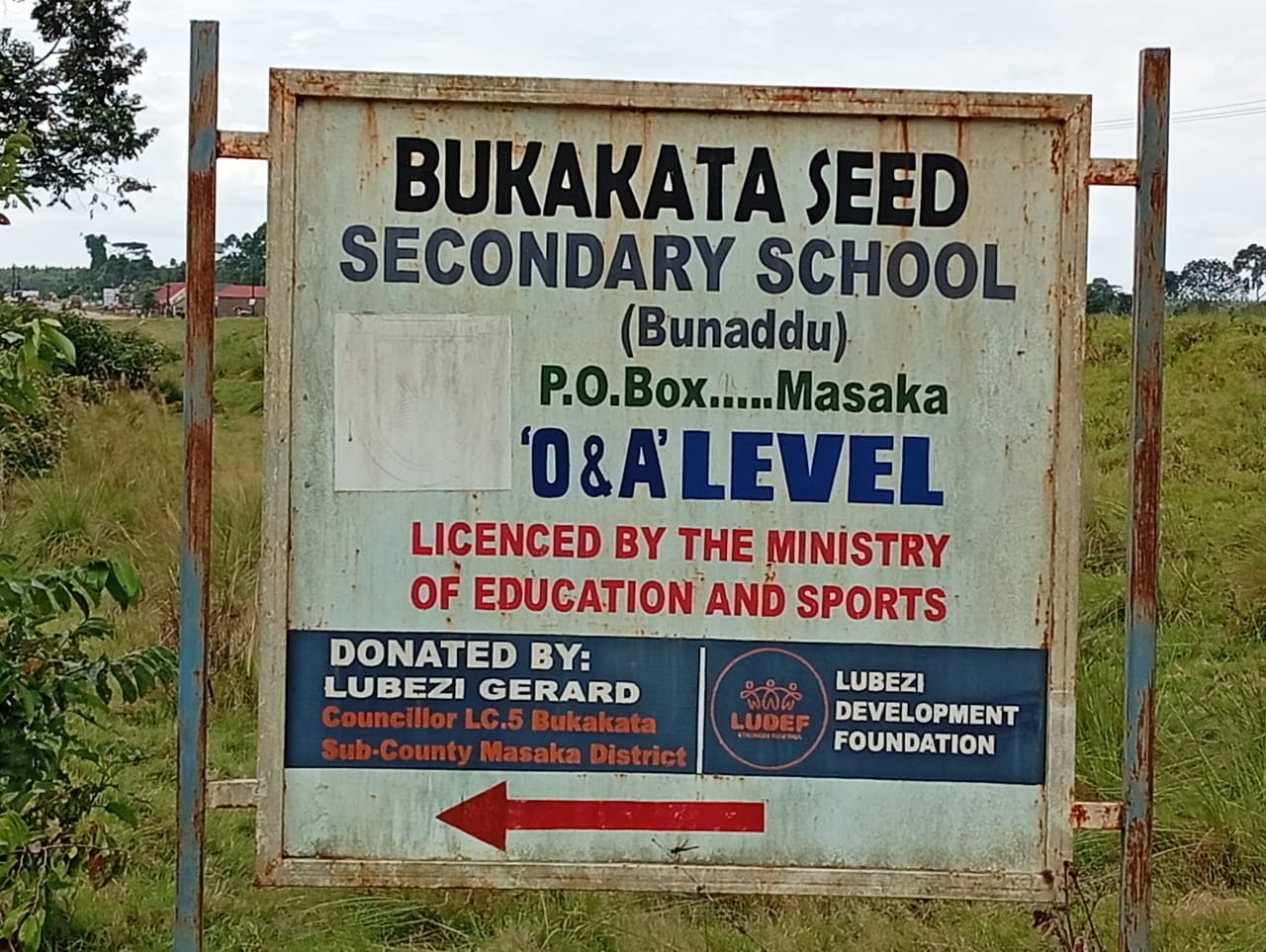
Bukakata, Masaka District: The Mighty Government School Bukakata Seed School, one of the protected gains in Masaka District, is undergoing a new phase of transformation following the installation of electricity at the institution.

Administrators led by Head Teacher Mr. Emmy Kasule have thanked President Yoweri Kaguta Museveni for what they describe as immediate support towards resolving the school’s long-standing electricity challenge, working through the Ministry of Education and Sports and the Uganda Electricity Distribution Company Limited (UEDCL).

Since its inception, the Shs3.5 billion government school had struggled to secure reliable electricity. The arrival of power during President Museveni’s seventh term has therefore been welcomed by school leaders as a major boost to learning, ICT, science education, research and the institution’s wider development plans.
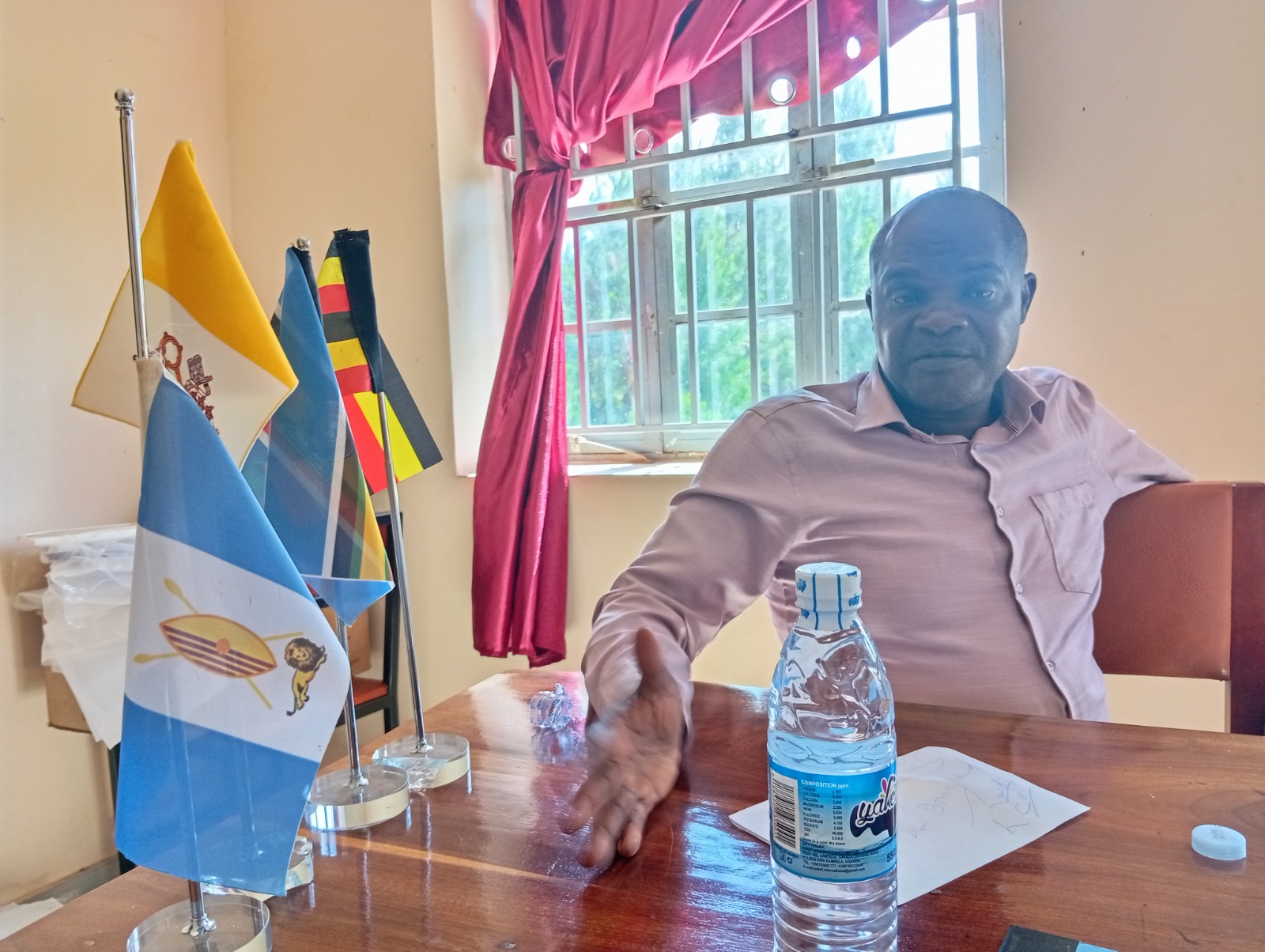
As the school term closes this Thursday, Kasule has also used the occasion to express appreciation to President Museveni and First Lady Janet Kataaha Museveni, saying their contribution to Uganda’s education sector remains significant.

Kasule described the First Lady as a visionary education leader whose ideas have continued to influence the country’s education agenda, while also expressing gratitude for her recovery.
He said her return to public life and continued commitment to education gives hope to learners, teachers and parents who believe that education remains one of the strongest foundations for Uganda’s future.
Along the shores of Lake Victoria, where fishing boats return with the morning catch and families continue searching for opportunities to improve their livelihoods, a government-founded secondary school is quietly rewriting the story of rural education.
What began as a small institution with only 12 pioneer students has evolved into one of the fastest-growing government schools in the Greater Masaka region.
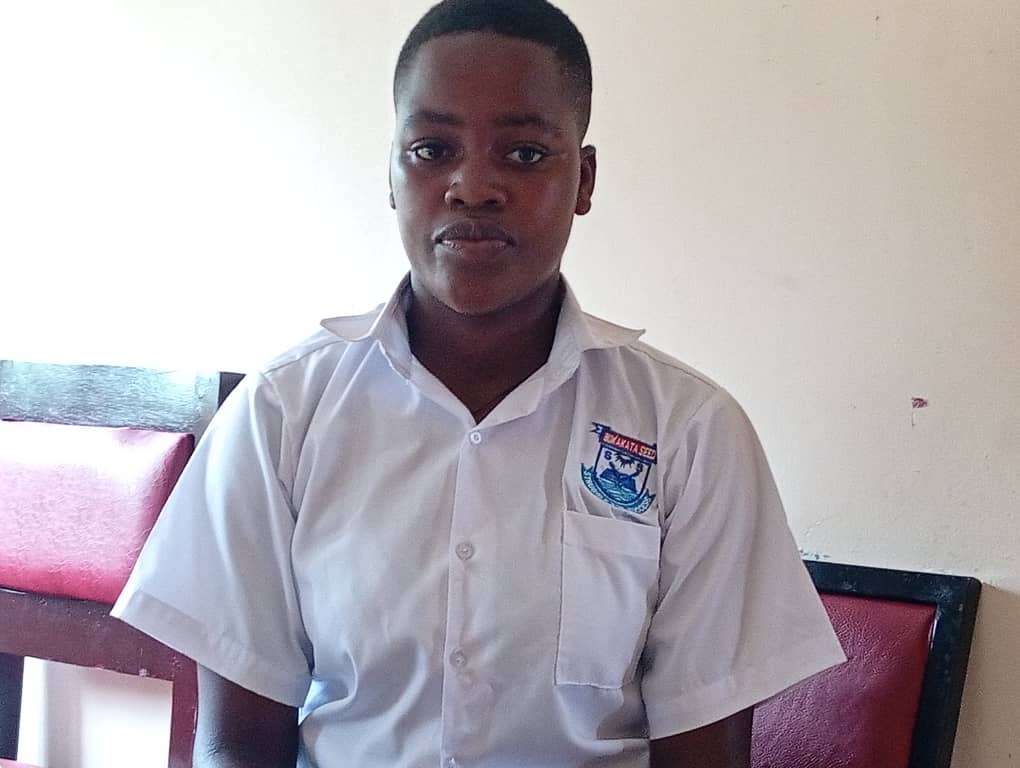
Yet as enrolment rises and new opportunities emerge, Bukakata Seed Secondary School finds itself at another critical crossroads — turning infrastructure investment into a modern learning environment while ensuring that leadership and governance remain focused on the interests of learners.
FROM 12 STUDENTS TO MORE THAN 450
Established under Uganda’s Seed Secondary School Programme, Bukakata Seed Secondary School was constructed at an estimated cost of Shs3.5 billion on approximately six acres of land provided by the Masaka Catholic Diocese.
When the school opened its doors in 2012, only 12 students enrolled.
Today, the institution has grown to more than 450 learners, drawn from Bukakata, Lambu Landing Site, Kalangala Islands and neighbouring communities.
School administrators believe the institution could eventually accommodate up to 1,000 students if further investment is secured in land, classrooms, staffing, ICT equipment and student welfare.
For many parents, that growth is evidence that rural communities can embrace government education infrastructure when quality, discipline and effective management improve.
THE LIGHTS COME ON
For years, electricity remained one of the school’s biggest challenges.
The absence of reliable power affected computer studies, science practicals, research, evening learning and aspects of school security.
The recent installation and connection of electricity has now changed that equation.
Kasule says the development will open new opportunities for learners to acquire digital skills and participate more effectively in modern education.
“For years we operated without reliable electricity, which affected ICT lessons, research and evening studies. Today we are entering a new chapter of transformation,” Kasule said.
The electricity connection is expected to strengthen computer training, science laboratory activities, digital research and the school’s general administration.
For a school preparing learners for an increasingly technology-driven economy, administrators say the development could not have come at a more important time.
KASULE’S LEADERSHIP
At the centre of the school’s transformation story is Head Teacher Emmy Kasule, a Master’s degree holder from Makerere University.
Kasule is also a supporter and cadre of the National Resistance Movement (NRM), a political identity he openly associates with his broader belief in the government’s education and development agenda.
His supporters credit his administration with strengthening discipline, improving academic organisation and restoring confidence among parents and members of the surrounding community.
Masaka City Speaker Achilles Mawanda has previously praised the school’s progress.
“Emmy Kasule has lifted the performance of this school. Bukakata Seed Secondary School is now among the best schools in the area, and more students are joining because parents have confidence in the institution,” Mawanda said.
Mawanda has also urged stakeholders to consider supporting the acquisition of additional land so the school can expand towards its target of serving 1,000 learners.
He believes agriculture could also become part of practical learning for students.
A TRIBUTE TO EDUCATION LEADERSHIP
As students prepare to break off for the term, Kasule says the school’s progress must be understood within the wider transformation of Uganda’s education system.
He thanked President Museveni for maintaining education among the country’s development priorities and praised First Lady Janet Kataaha Museveni for what he described as her visionary contribution to the sector.
According to Kasule, the First Lady’s emphasis on education, skills development and human capital has helped keep the sector central to Uganda’s development conversation.
He also expressed gratitude for her recovery, saying the education community was encouraged to see her continuing to contribute to national affairs.
For Kasule, the message is straightforward: schools need visionary leadership at both national and institutional levels if Uganda is to prepare a generation capable of competing in a changing world.
GOVERNANCE QUESTIONS
Despite the progress, the school’s journey has not been without disagreements.
Stakeholders have raised concerns about tensions within the governance structure involving the school administration and sections of the Board of Governors.
Some stakeholders have alleged that Board Chairperson George William Ssozi has sought to exert excessive influence over school management.
Watchdog Uganda could not independently verify these allegations beyond accounts provided by concerned stakeholders.
The school administration and board remain expected to resolve such disagreements through established education governance structures and dialogue.
Vice Chairperson of the Board of Governors Justine Ndagire has emphasised the importance of cooperation.
“The progress being seen at Bukakata shows that when administration focuses on learners and performance, results come,” Ndagire said.
For stakeholders, the central issue is ensuring that governance disagreements do not overshadow the school’s primary mission: educating and preparing young people.
THE NEXT CHAPTER
The arrival of electricity gives Bukakata an opportunity to move beyond simply expanding enrolment.
The next phase is about the quality of education.
Computers can now be used more effectively.
Science laboratories can operate with greater reliability.
Students can access digital learning materials.
Teachers can conduct research and use modern teaching technologies.
School administrators believe these improvements can help Bukakata move closer to its ambition of becoming a 1,000-student institution.
The challenge, however, will be ensuring that infrastructure is matched by adequate staffing, learning materials, security, land and sustainable management.
THE PROTECTED GAINS TEST
Bukakata Seed Secondary School is increasingly being presented by local stakeholders as an example of what government investment can achieve in rural education.
A school that began with 12 learners now serves more than 450.
A Shs3.5 billion investment has created a major education institution for communities that previously had limited access to secondary schooling.
And after years of waiting, electricity has finally been connected.
As the term closes, Kasule’s gratitude to President Museveni, First Lady Janet Kataaha Museveni, the Ministry of Education and Sports and UEDCL reflects the significance school administrators attach to the development.
For the head teacher, the electricity connection is not simply about lighting classrooms.
It is about creating the conditions for a different kind of learning.
It is about putting computers into the hands of rural learners.
It is about strengthening science education.
It is about allowing young people growing up around Lake Victoria to compete in a digital economy.
And perhaps most importantly, it is about proving that rural schools can grow when investment, leadership and community confidence move in the same direction.
Bukakata Seed Secondary School has spent years building its foundation.
Now, with the lights on and a new term approaching, Kasule and his team are looking toward a bigger ambition — a modern school serving 1,000 learners and preparing a new generation for Uganda’s educational and economic future.
For the children of Bukakata, the lights are more than electricity.
They are a signal that the future can be brighter than the past.