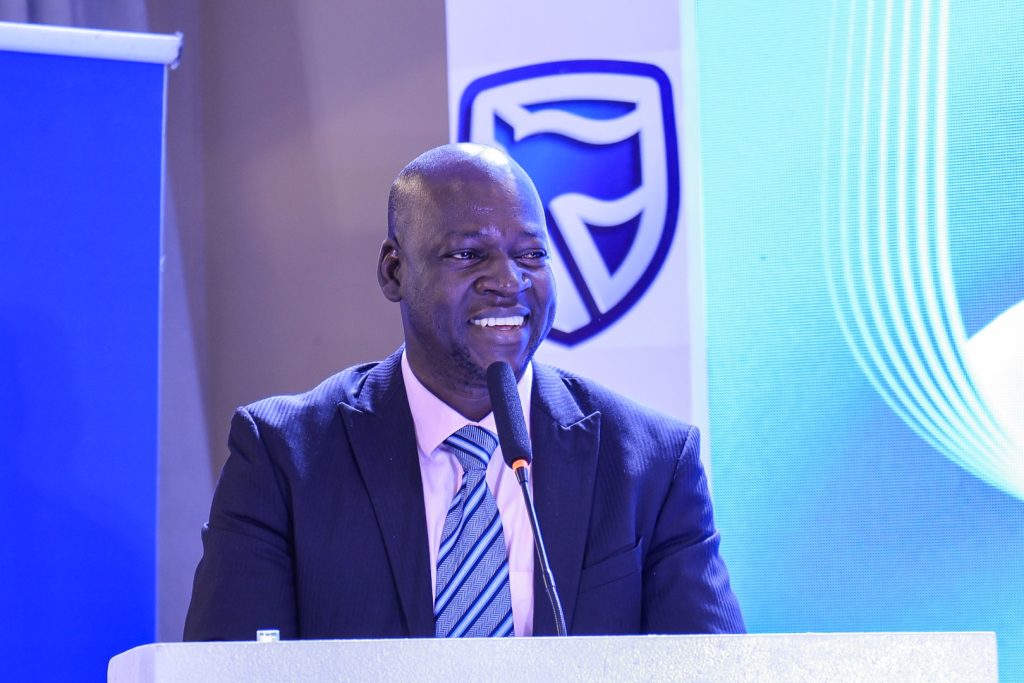




Kampala: Stanbic Bank Uganda has urged education institutions to adopt renewable energy solutions as a practical way to cut rising operational costs. The call was made by Stanbic bank energy financing specialists on the second day of the bank’s inaugural regional business forums which was dedicated to the lender’s business and commercial clients in the education sector.
The forums scheduled to run across the country throughout the year and part of Stanbic’s 35year client engagement activities opened on Wednesday with the manufacturing sector. School operators were tipped on clean energy alternatives and financing options with Eng. David Birimumaaso, Assistant Commissioner for Energy Efficiency and Conservation at the Ministry of Energy, saying, renewable energy is now central to improving learning environments and meeting national development goals.

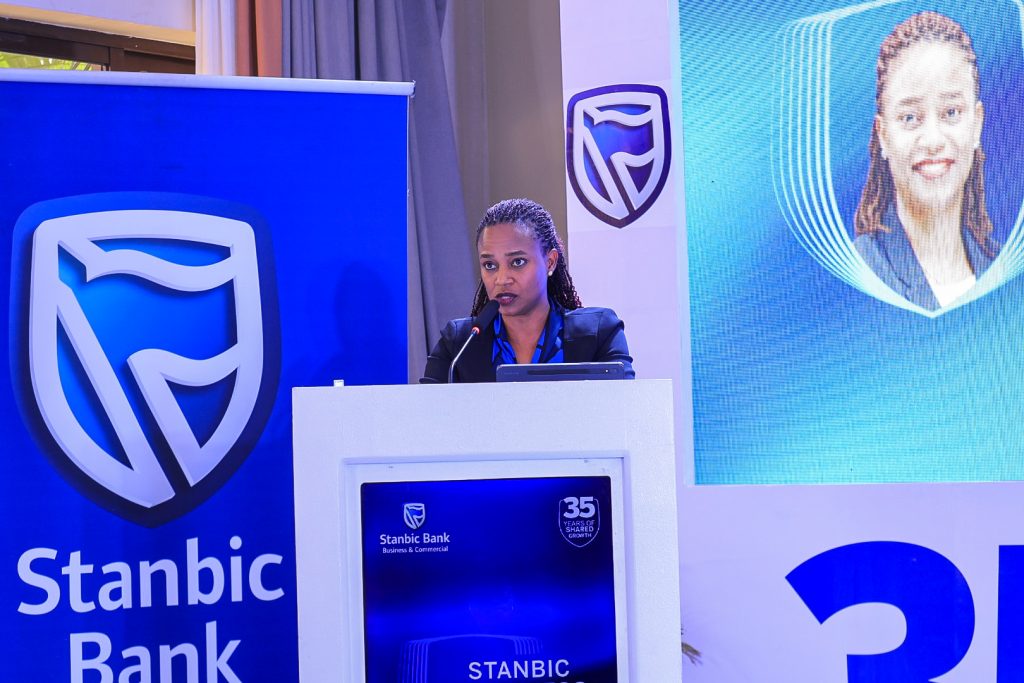
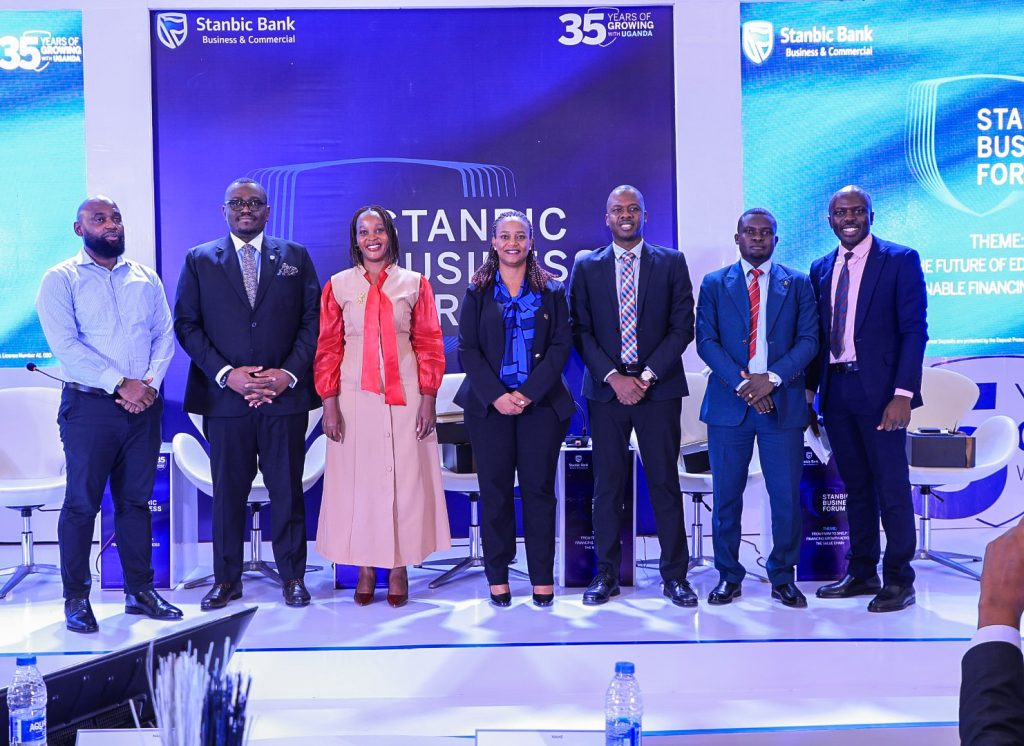
“Access to reliable and affordable energy is essential for creating conducive learning environments. Renewable solutions can bridge existing gaps while supporting Uganda’s broader climate and development objectives,” he said. The forum brought together school owners, energy providers, financiers and policymakers to explore practical pathways for accelerating clean energy adoption in schools and higher learning institutions.

Stanbic Bank financing specialists said the shift to renewable energy is no longer optional for schools facing escalating electricity tariffs, frequent outages, rising generator costs and continued reliance on firewood.
Tunde Thorpe, Executive Head of Business and Commercial Banking, said renewable investments offer schools a chance to reduce costs and strengthen resilience.“Many institutions still struggle with energyrelated inefficiencies that affect service delivery. Cleanenergy solutions free up resources that can be redirected to improving learning outcomes,” Thorpe said, adding that Stanbic is offering tailored financing to make the transition more affordable.

Uganda’s electricity access now stands at 56.7 percent, with solar contributing 37.7 percent and the national grid 18.9 percent. Yet schools remain heavily exposed to high energy costs and unreliable supply.
Noah Ochima from the Uganda Energy Credit Capitalisation Company said renewable technologies have become costeffective and immediately viable for education institutions.
“Renewable energy is no longer a future option; it is a presentday necessity,” he said.Privatesector players echoed the call. Mohammed Lubowa, Managing Director of AllinTrade Uganda, urged schools to view renewable energy as a longterm investment in stability and cost savings rather than an expense.

Stanbic Bank’s Head of Commercial Banking, Melissa Nyakwera, said the bank is deepening its engagement with schools through financing, technical support and partnerships aimed at accelerating cleanenergy adoption.
She highlighted solutions such as asset financing for school buses and collateralfree lending based on transaction history part of the bank’s broader effort to help institutions cut costs and operate sustainably.
Nyakwera also raised concern over the continued use of firewood, citing its environmental and health impacts. “No one develops alone. Stronger collaboration between government, development partners, financial institutions and renewableenergy providers will be critical to expanding cleanenergy access across Uganda’s education sector,” she said.