



By Brian Mugenyi
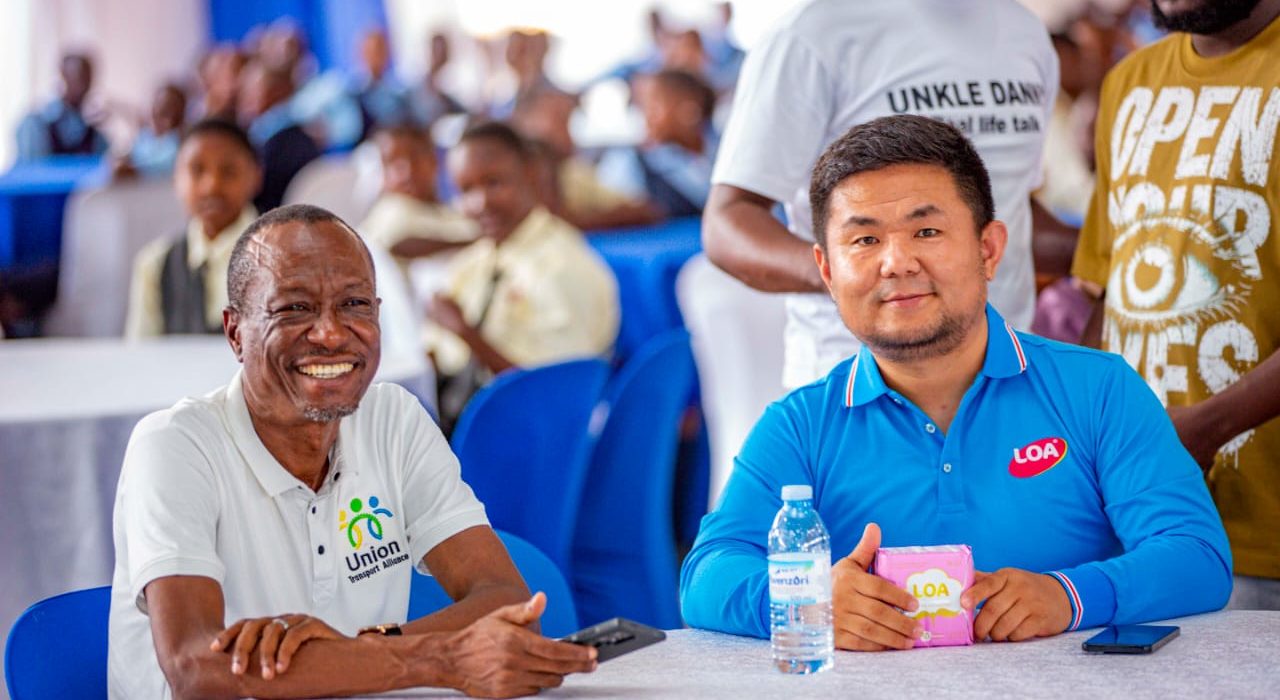
Kampala: Union Transport Alliance has launched a new brand of affordable sanitary pads aimed at reducing period poverty and improving menstrual hygiene among women and girls across Uganda, particularly those working and living within the informal sector.

The sanitary pads, unveiled on Friday at the UMA Multi-Purpose Hall in Lugogo under the “Kili Clear” Campaign, are expected to provide a low-cost but high-quality alternative for thousands of women and school-going girls who continue to struggle to access menstrual hygiene products.
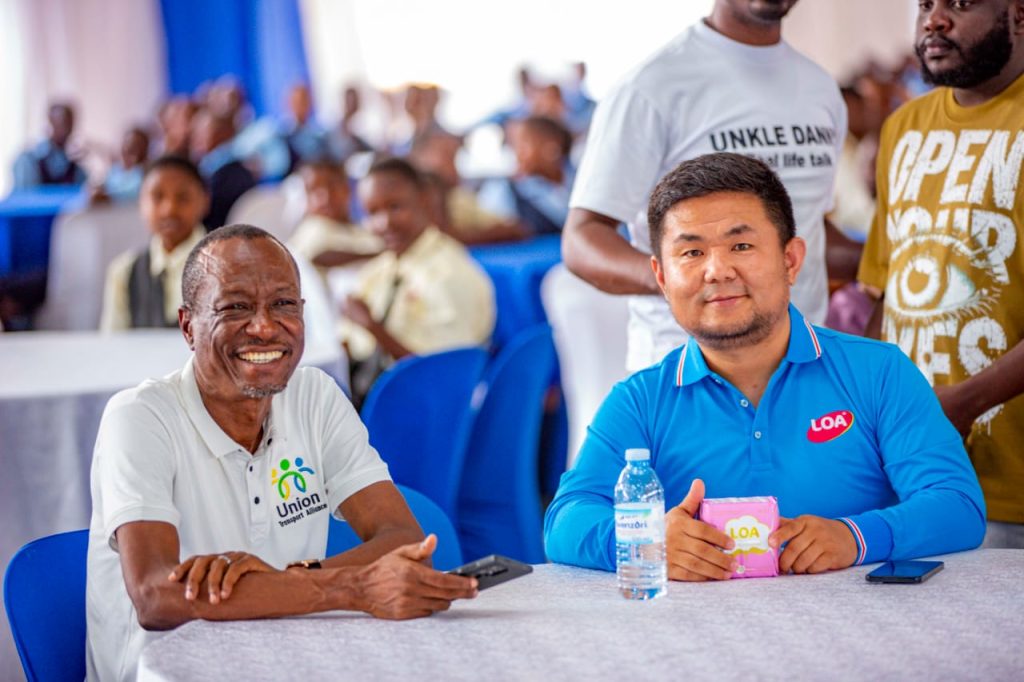
The launch attracted women leaders from the transport sector, students, SACCO representatives, health professionals, retailers, development partners and policymakers who gathered to discuss practical solutions to menstrual health challenges affecting millions of Ugandan women.
Speaking during the event, Commissioner for Reproductive and Child Health at the Ministry of Health, Dr. Richard Mugahi, welcomed private-sector interventions that promote menstrual health and hygiene.
He noted that many girls and women continue to face barriers in accessing sanitary products, a situation that affects school attendance, productivity and overall wellbeing.
According to health experts, lack of access to affordable menstrual products remains one of the key drivers of absenteeism among adolescent girls, especially in low-income communities where families struggle to meet basic household needs.
To address the challenge, Union says its new sanitary pads have been designed to provide quality protection while remaining affordable to ordinary Ugandans.
The launch was conducted under the “Kili Clear” campaign, a nationwide initiative built around three key pillars of confidence, comfort and affordability.
Under the campaign, Union seeks to empower women and girls to participate fully in education, business and community life without being limited by challenges associated with menstruation.
Speaking at the launch, Union Transport Alliance Chief Executive Officer Fred Ssenoga said access to menstrual hygiene products should not be determined by income levels.
“Every woman and girl deserves the confidence to pursue education, work and daily life without worrying about access to menstrual hygiene products,” Ssenoga said.
“We are introducing products that are not only affordable but also healthier and designed to meet the needs of ordinary Ugandans. Our goal is to ensure that no woman or girl is left behind because she cannot afford sanitary pads.”
Ssenoga said the introduction of Union Sanitary Pads is part of the company’s broader commitment to improving livelihoods through practical and affordable solutions targeting communities within Uganda’s informal economy.
The sanitary pads are manufactured using natural wood pulp and breathable fabric, materials that enhance comfort, skin friendliness and environmental sustainability.
Company officials say the product has been specifically developed to meet the needs of students, working women and low-income households seeking reliable menstrual hygiene protection at affordable prices.
Women’s rights advocates attending the launch described the initiative as a timely intervention in the fight against period poverty.
They argued that increasing access to affordable sanitary products could significantly improve school attendance among girls, boost productivity among women and promote dignity during menstruation.
Recent studies continue to show that many girls in Uganda miss classes during their menstrual periods due to lack of sanitary products, while others resort to unsafe alternatives that expose them to health risks.
Stakeholders at the launch called for stronger partnerships between government, the private sector and development agencies to ensure menstrual hygiene products become accessible to every girl and woman regardless of their economic status.
For Union Transport Alliance, the launch of the new sanitary pads represents more than a business venture. It is an investment in women’s health, dignity and economic empowerment.
As the “Kili Clear” campaign rolls out across the country, the company hopes the initiative will contribute to breaking barriers that continue to prevent many women and girls from reaching their full potential.