Kampala: Uganda Breweries Limited (UBL) has released the findings of an independent study by Oxford Economics Africa examining the company’s contribution to Uganda’s economy within the context of Uganda’s alcohol market and evolving excise policy.
Presented at the Sheraton Kampala Hotel, the report examines Uganda’s formal alcohol market, its excise tax framework, the rise of unregulated illicit alcohol, and the broader economic contributions of formal manufacturers across agriculture, manufacturing, retail, and hospitality.
The study found that UBL supported approximately 100,000 jobs across its value chain in financial year 2024/25. During the same period, UBL supported UGX 811 billion in tax revenue, accounting for roughly 2.7% of the country’s total fiscal collection.

The report estimates that UBL supported UGX 1.127 trillion in Gross Value Added to Uganda’s economy during F2024/25, equivalent to roughly 4% of national manufacturing output. The company also supported approximately 35,000 smallholder farmers through its local sourcing programmes.
Despite these contributions, the report highlights a critical structural challenge: illicit alcohol now accounts for 67% of all alcohol (by volume) consumed in Uganda. These unregulated products sell for up to 80% cheaper than legal alternatives, bypassing tax systems and operating outside health and safety regulations.
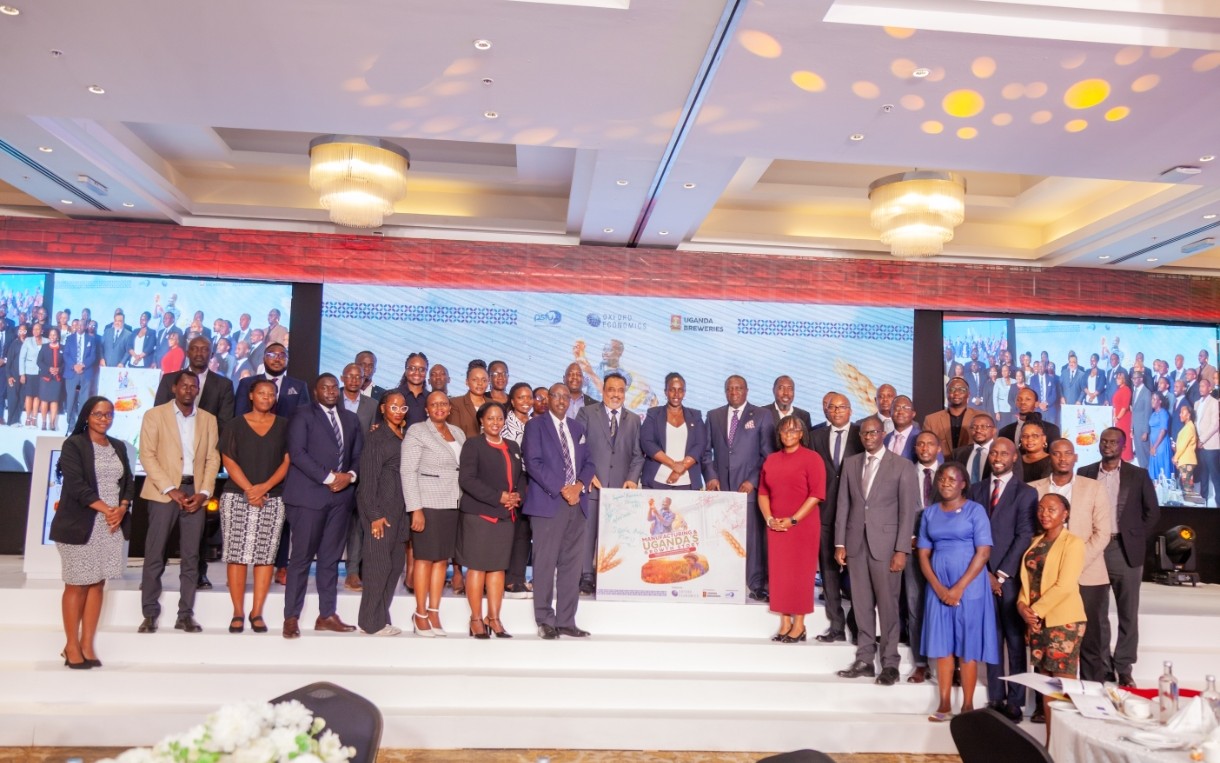
The findings also informed a panel discussion involving government, regulators and private sector representatives on the role of excise policy in supporting economic growth and addressing illicit trade.Stephen Asiimwe, Chief Executive Officer of the Private Sector Foundation Uganda, addressed these risks directly stating, “Illicit alcohol does not just cost the government revenue, it puts consumers at real risk because there is no oversight of what is actually in the bottle. Every litre that moves from the formal to the informal market is a litre that pays no tax, creates no formal job, and offers no safety guarantee. Closing that gap must be a priority if Uganda is to safely grow its manufacturing base.”
According to Felicite Nson, the UBL Managing Director, the study was commissioned to provide policymakers with objective data as Uganda reviews its fiscal policies. “The decisions shaping Uganda’s alcohol industry should be guided by credible evidence. This study provides an independent assessment demonstrating the contribution that compliant businesses make to jobs, manufacturing, agriculture and tax revenue. I am optimistic that the report will serve as a practical resource for policymakers designing reforms that protect the formal economy,” she said.
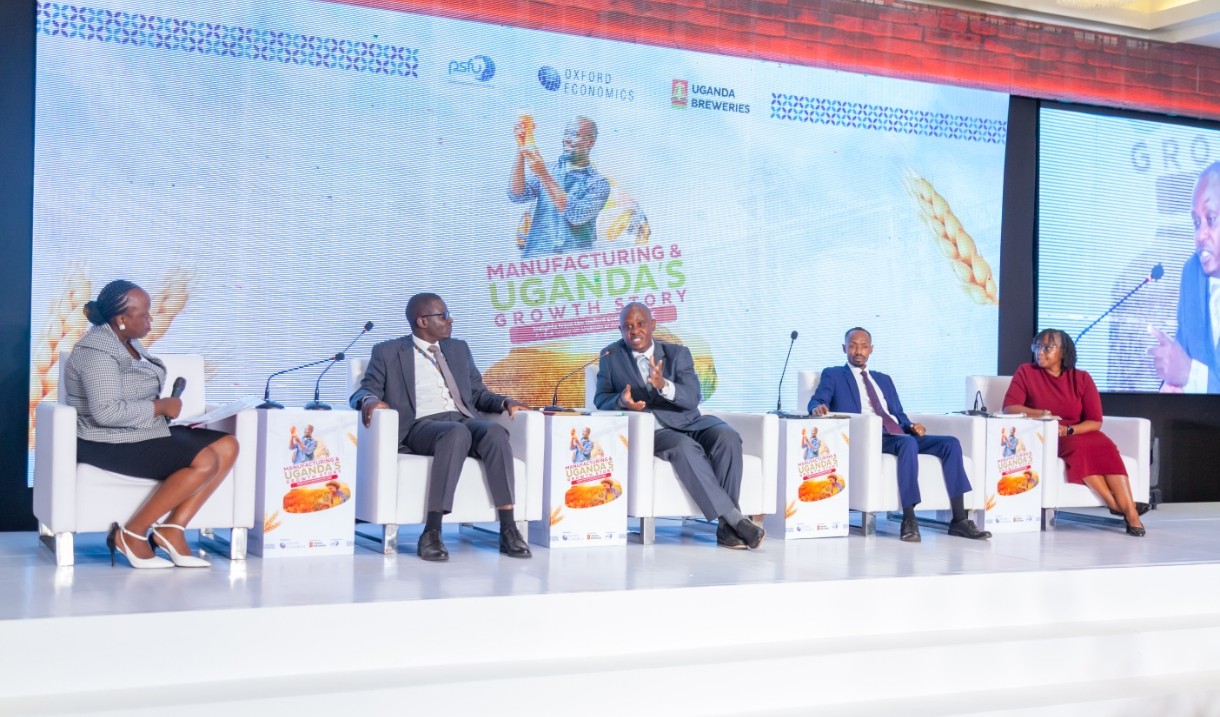
Representing the government, the Guest of Honour from the Ministry of Trade, Industry and Cooperatives, Honourable Sanjay Tanna, welcomed the study as an important contribution to evidence-based policymaking: “Too much business in Uganda still runs on assumptions rather than evidence, and no enterprise can scale on guesswork alone. By 2024, UBL’s core operations had added UGX 203 billion directly to Uganda’s GDP, with an additional USh 267 billion flowing through its supply chain and UGX 552 billion coming from downstream trade activity.”
To secure government revenue, protect consumers, and encourage formal investment, the Oxford Economics report outlines a clear regulatory roadmap. It recommends implementing a multi-year, inflation-linked excise framework alongside maintaining tax incentives for locally sourced agricultural raw materials to protect smallholder farmers’ incomes. The study also calls for stronger regulatory enforcement against counterfeit, smuggled, and illicit artisanal alcohol, combined with harmonized tax structures across the East African Community to curb cross-border smuggling and support sustainable economic growth.