When the Management at National Water and Sewerage Corporation (NWSC) set out to solve a water crisis that had plagued southwest Uganda for years, it was tackling a problem that went far deeper than just low-quality water. The challenge was monumental, aging treatment plants that could no longer meet drinking water standards, rivers running dry during the dry season, and a rapidly expanding Mbarara city whose demands had skyrocketed.
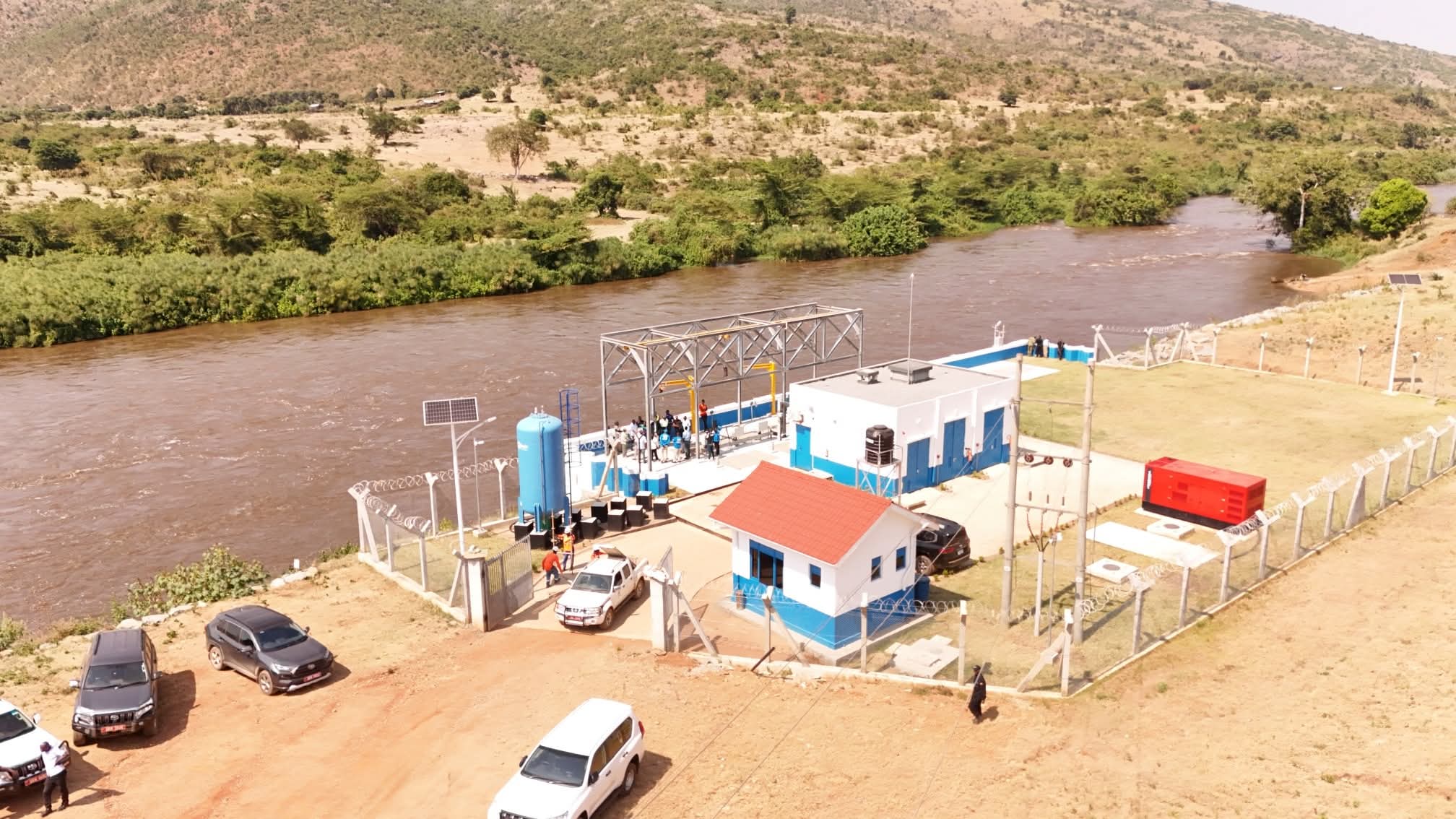
River Kagera, which serves as a vital border between Uganda and Tanzania, became the lifeline for this transformative project. What started as a discussion in 2016 between the Government of the Republic of Uganda and the Tanzanian Government evolved into a landmark infrastructure initiative that would ultimately bring clean, reliable water to hundreds of thousands of people across the Kagera region.
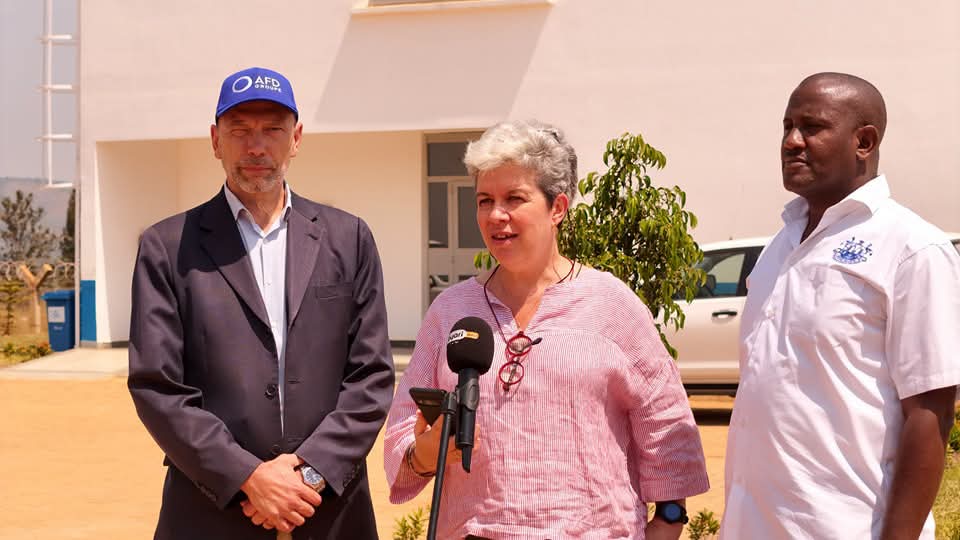
The Kagera Water Works Project, signed into action on August 2nd, 2022, represents far more than just another development initiative. It embodies a commitment to leave no one behind, a principle that guided every decision from conception to implementation. The project wasn’t designed solely to serve Mbarara City, which was transitioning from municipality status to full city status. Instead, it was deliberately structured to extend water access to the surrounding rural areas of Isingiro District, including the vulnerable populations living in Nakivale and Oruchinga Refugee settlements.
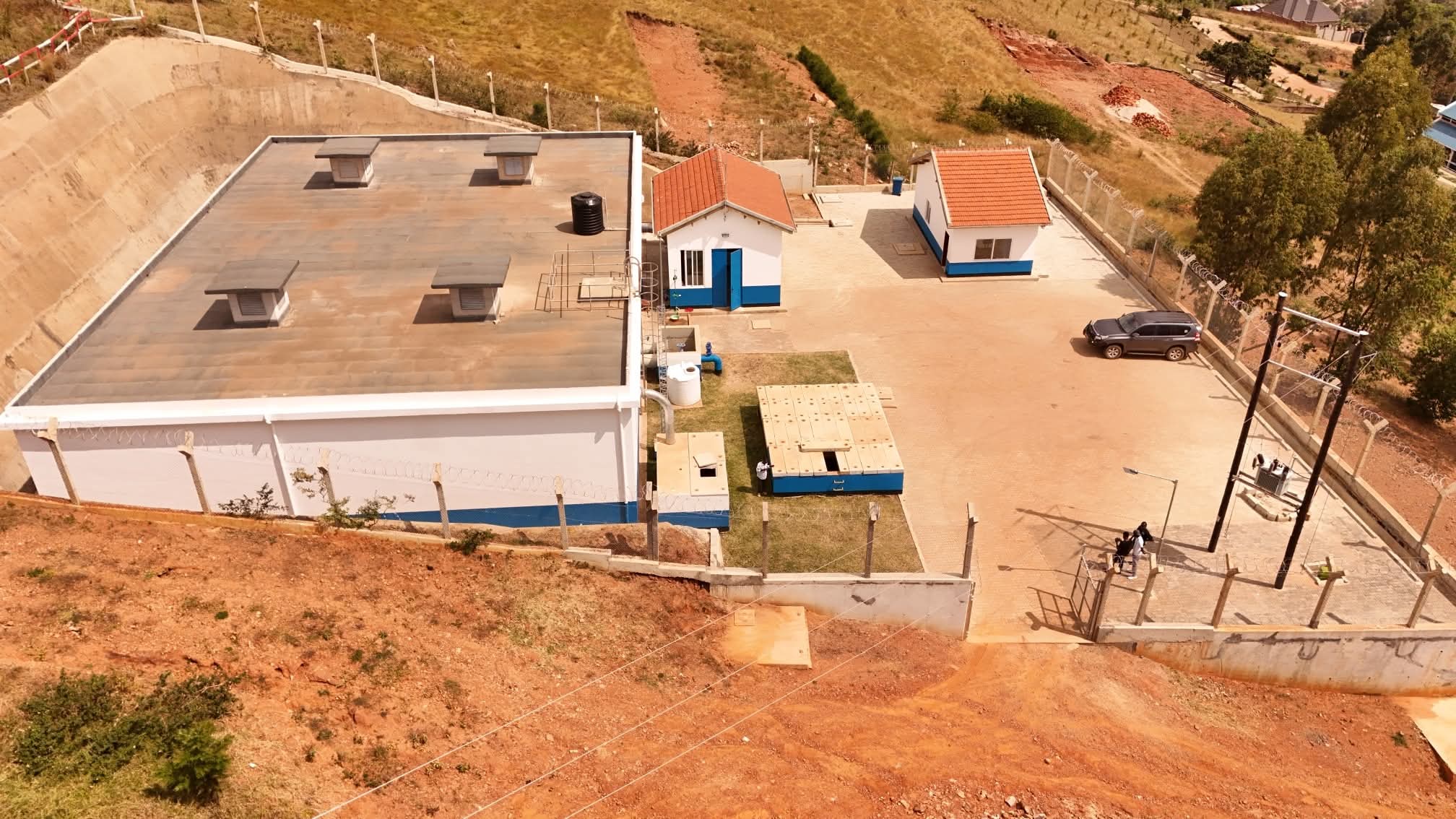
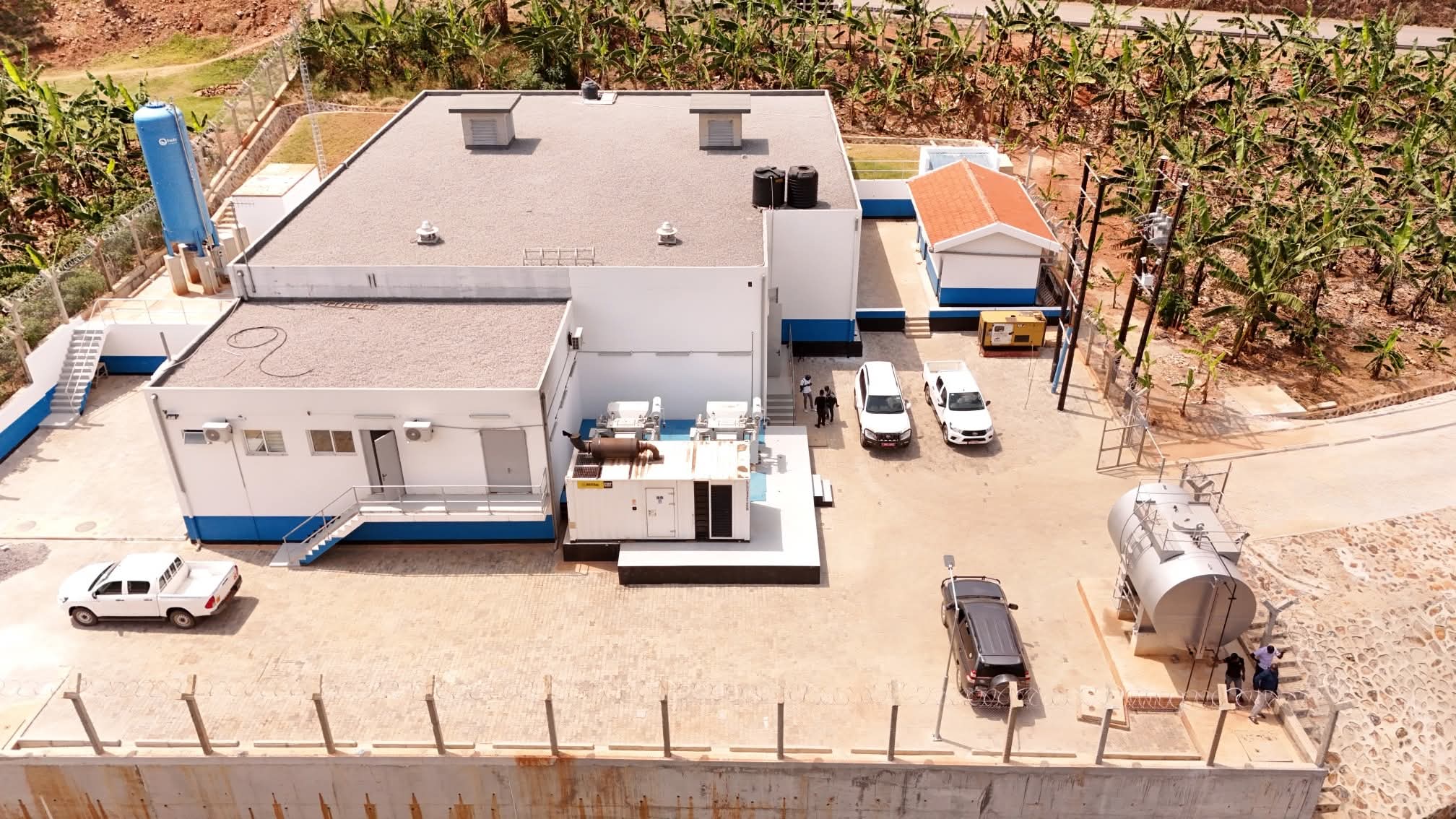
The engineering feat itself is impressive. An intake facility with a capacity of 8 cubic meters per second was constructed on the Kagera River, feeding water to a state of the art treatment plant at Kakamba with a daily production capacity of 30,000 cubic meters per day. Of this daily output, 12,000 cubic meters supply Mbarara City and its expanding neighborhoods, while the remaining 18,000 cubic meters serve the rural communities of Isingiro District. The infrastructure includes 58 kilometers of transmission mains stretching from the treatment plant to Boma Reservoir in Mbarara, complete with an intermediate pumping station at Kabingo and four strategically positioned reservoirs.
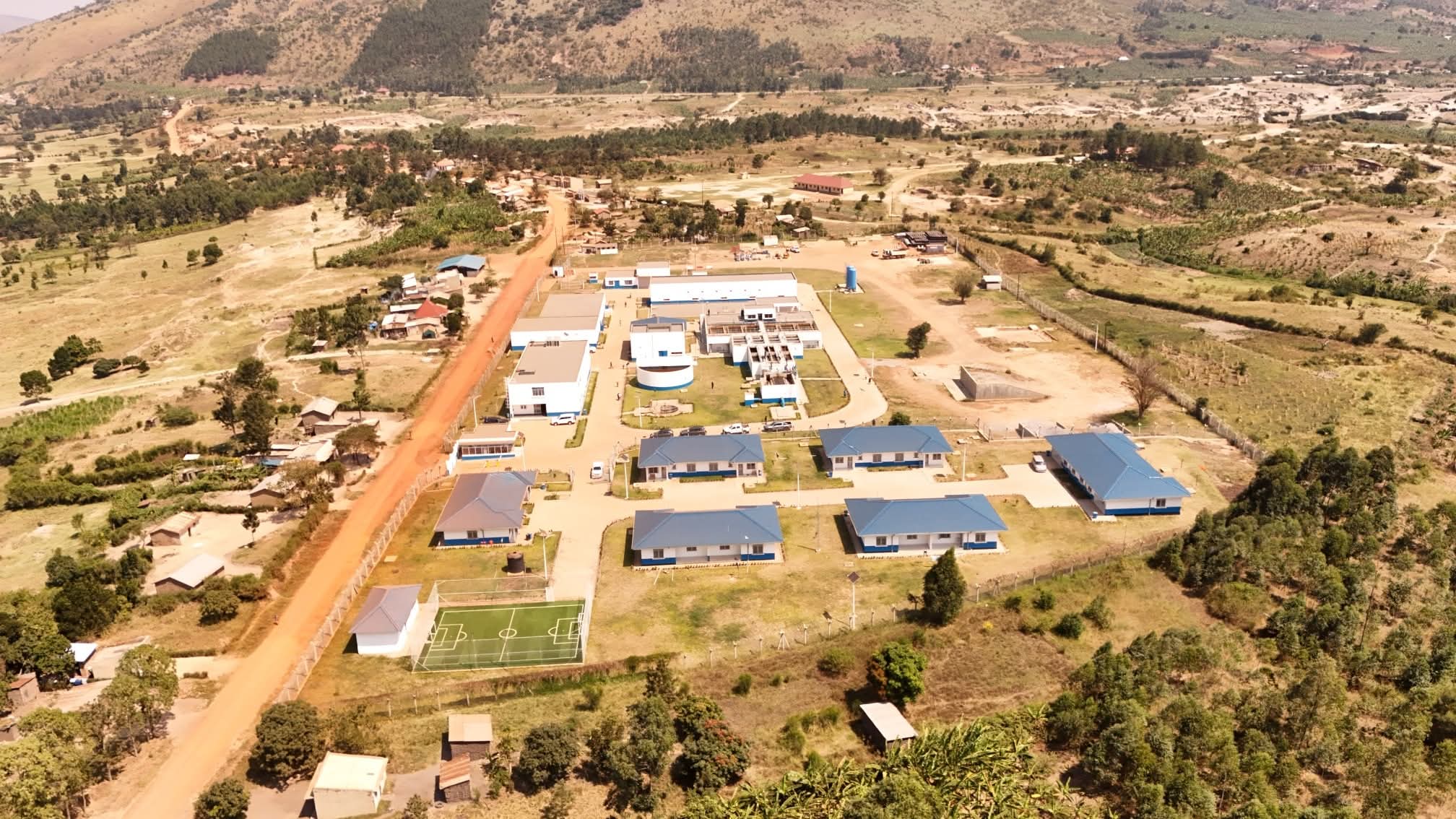
When the system was operationalized, it began producing an average of 12 million liters per day, a watershed moment for the region. The transformation was immediately visible. Where residents once collected water that carried the brown tint of pollution and sediment, they now had access to treated water meeting drinking standards. The days of water scarcity during dry seasons, when rivers would diminish to nothing, became a memory.
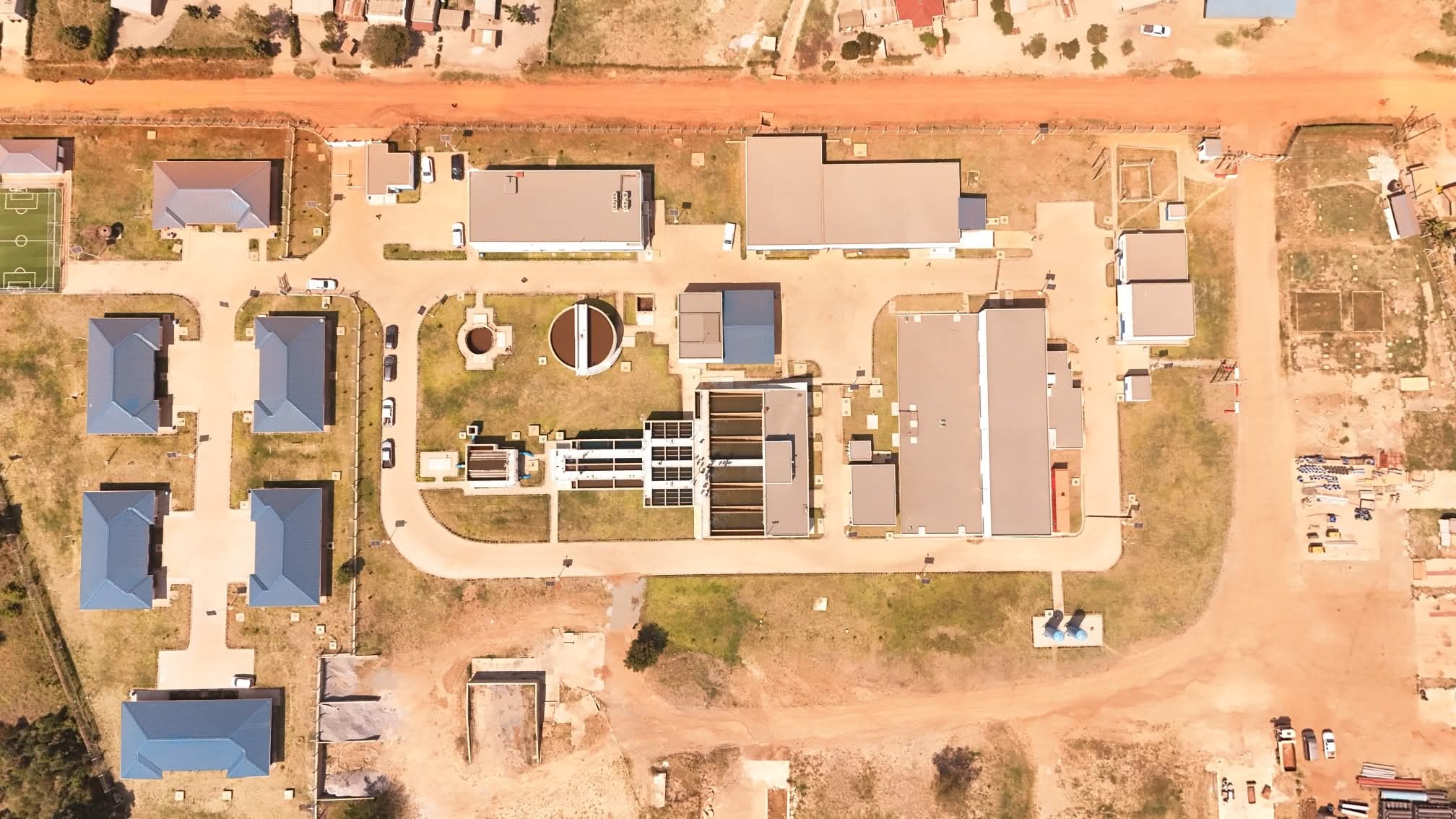
The project’s success is rooted in international cooperation and mixed financing. The French Development Agency, alongside the Ugandan government, provided crucial support through a credit facility, bringing together Ugandan and French contractors, Sogea Satom and Vinci Grande Projects, to deliver cutting-edge technology. The inclusion of SCADA systems means that water distribution across Isingiro District, Nakivale, and the refugee settlements can now be managed professionally and efficiently from a central control point.
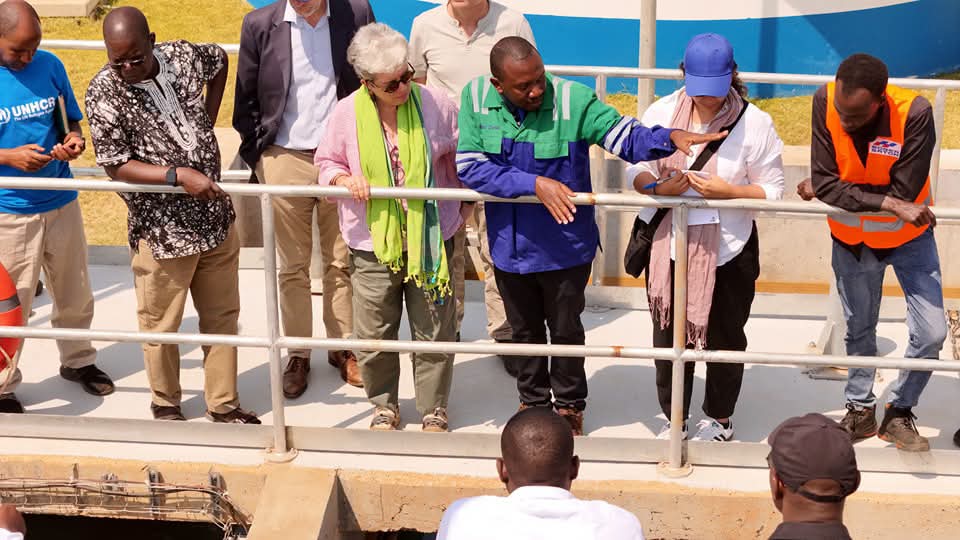
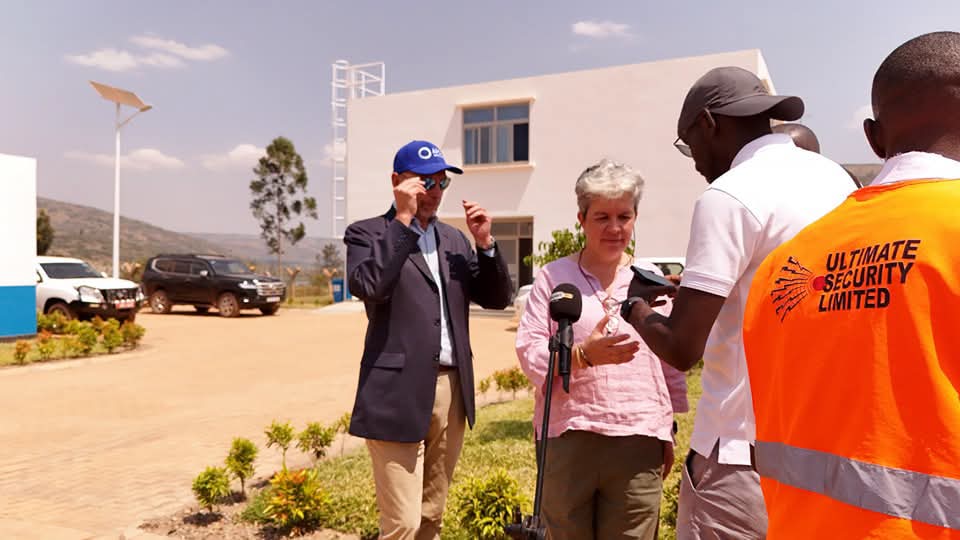
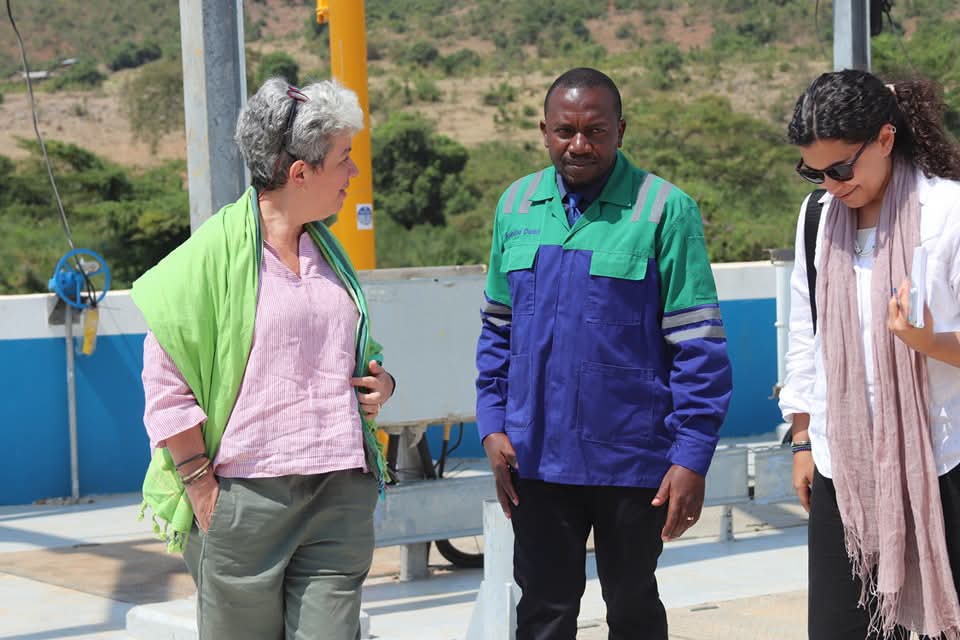
French Ambassador to Uganda, H.E Virginie Leroy, who had played a key role in the project’s development, returned to witness the remarkable transformation. Standing at the Kagera River intake and touring the treatment facility, she reflected on the journey from 2016 concept to 2024 reality. The infrastructure, she noted, represents not just engineering excellence but a profound commitment to equity and human dignity. The involvement of both the Ugandan and Tanzanian Presidents in approving the use of the shared river resource underscores the project’s regional significance.
Yet the work is far from complete. While Package 1 of the Southwestern Cluster Project has delivered substantial results, additional funding of 40 million euros is being mobilized to expand the distribution network and improve sanitation infrastructure within Mbarara City. As an immediate measure, the Ugandan Government has allocated 60 billion shillings in the coming financial year specifically to increase water distribution and stabilize supply across Uganda, and Mbarara region will partake of it.
For NWSC’s Mbarara General Manager, the relief is palpable. Unlike his counterparts in other cities grappling with water shortages, he now faces a different challenge, not how to produce enough water, but how to distribute it effectively to all who need it. It’s a problem that speaks to success, and one that the next phase of investment will help solve. The Kagera Waters project has proven that with vision, international partnership, and commitment to inclusive development, even the most pressing infrastructure challenges can be overcome, transforming lives and economies in the process.