The newly elected district chairman draws on 25 years in teaching, agricultural investment and community affairs as he pursues further studies and promises teamwork, accountability and improved service delivery
By Brian Mugenyi
Masaka: For John Kakande, the newly elected Masaka District Chairperson, education, agriculture and community service form important parts of his journey into local government leadership.
A teacher for about 25 years, farmer, educationist and investor, Kakande says his experience has shaped his approach to leadership, with an emphasis on bringing people together, strengthening cooperation and promoting the interests of residents.
In an interview with Brian Mugenyi for New Vision on Saturday at Kampala University exclusive interview in Uganda and other media audiences, Kakande described himself as someone who has remained interested in education and local affairs while continuing to develop his academic qualifications.
“I hail from Kamuzinda Village. I studied at Molly and Paul, St Mugaga and later Kyambogo University. I am currently pursuing a bachelor’s degree in Public Administration at Kampala University,” he said.
Kakande said he had spent about 25 years in teaching and professional work, having started when he was young. He also described himself as an aspiring CEO interested in academic and community affairs.
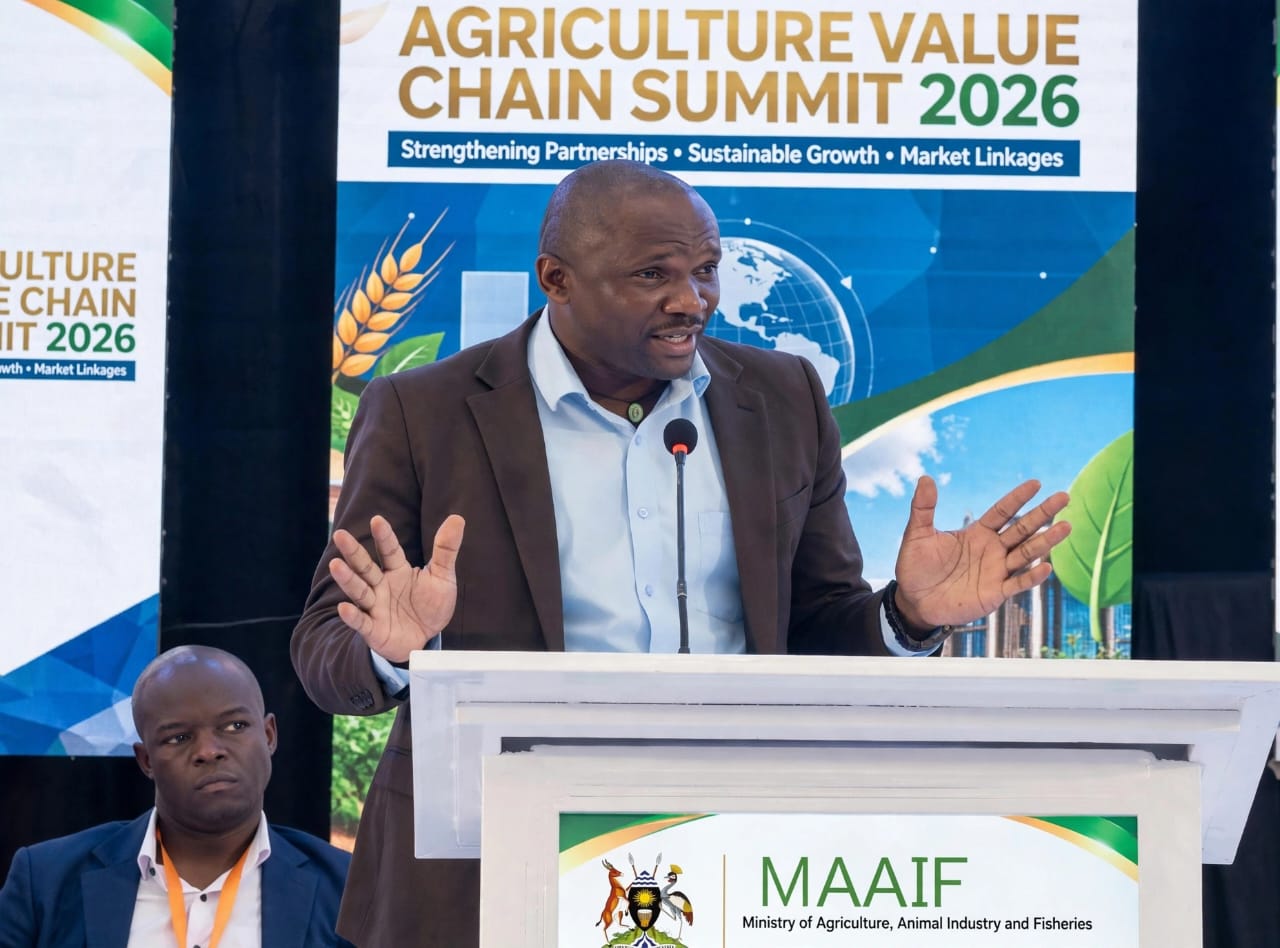
From teaching to district leadership
Kakande says his experience in education and community affairs has informed his leadership priorities.
He entered district politics and emerged as the winner in the LC5 chairperson election under the National Resistance Movement, led by President Yoweri Museveni.
As district chairman, he says he wants to strengthen cooperation between elected leaders and technical staff to improve local government performance.
“I have been promoting the interests of the people, bringing them together and strengthening cooperation between the political and technical wings through teamwork to make Masaka District great and improve its performance,” he said.
Kakande said his administration had promoted teamwork with councillors and that he maintained a good working relationship with former Vice-President Edward Kiwanuka Ssekandi.
“We have promoted teamwork together with my councillors, and Masaka is united. I am also on good terms with former Vice-President Edward Kiwanuka Ssekandi, which is a good thing,” he said.
He added that his administration was working with councillors and technical officers during its early months.
“I found Masaka with the technical team, and in the first 100 days of my office, we are working with my councillors,” he said.
Agriculture and private investment
Beyond teaching and public service, Kakande says he is involved in agriculture and private investment.
“I rear pigs and poultry, and I also grow coffee. I am an investor with at least 30 workers,” he said.
He also describes himself as a mindset-change tutor promoting agricultural transformation and says he works as a trainer at the National Farmers Leadership Centre.
Kakande said he was involved in promoting inclusive business development, an area that seeks to broaden participation in economic opportunities.
His activities in piggery, poultry and coffee growing add a business dimension to his profile as an educationist and local government leader. He says his investment activities provide employment for at least 30 workers.
His experience in agriculture also informs his interest in changing how people approach farming and making agricultural activity more productive. Details of his training role and the scope of his investment would help readers understand the scale of his work.
Decentralisation and district performance
Kakande thanked the Government of Uganda for decentralisation, saying it had brought responsibilities closer to local communities.
“I would love to thank the Government of Uganda for bringing power from the central government to local governments. In Masaka District, we work as a technical team, together with leadership from the political wing,” he said.
He also referred to recommendations from the Ministry of Local Government and said Masaka had reached the 19th position in performance.
The specific assessment, reporting period and ranking should be confirmed with the Ministry of Local Government before publication.
Kakande said cooperation among the Resident District Commissioner, district chairman and Chief Administrative Officer was important to the district’s progress.
His leadership approach places teamwork at the centre of local government operations. The practical test, however, will be whether cooperation among leaders translates into improvements in public services and residents’ livelihoods.
Investment in education and sports
Kakande also pointed to education and sports as areas in which he says he has contributed to community development.
He said he had refurbished Kitofaali Playground at a cost of at least Shs30 million and built a school.
He also cited examination performance in Masaka District, reporting that 24 pupils had attained Division One while two attained Division Two. The specific examination, year, school and number of candidates should be established to provide context for the results.
Kakande further described himself as the Kabaka Mwaami in charge of Education and the Kabwoko Diocesan Secretary. The precise titles and responsibilities should be confirmed with the relevant institutions.
Education remains an important part of his public profile, given his long experience in teaching and his decision to pursue a bachelor’s degree in Public Administration while serving in local government.
He also referred to an opportunity involving nine students who were to study in Nigeria through Ambassador Alintuma Nsambu. Further details about the programme, the students and the ambassador’s role would help establish the initiative’s scope.
Accountability and public service
Kakande has pledged to oppose corruption and absenteeism among public workers.
“No corruption in my tenure,” he said, adding that health workers, extension workers and other public servants should fulfil their responsibilities.
He said public officers should be present at their workplaces and that accountability should apply across the institutions responsible for service delivery.
Such commitments place responsibility on the district leadership to supervise public services, address complaints and ensure that officers are held accountable for their conduct.
Land concerns and forest protection
Kakande also raised concerns about land grabbing and forest degradation in the district.
On land matters, he referred to a conversation with Minister Kahinda Otafiire about how communications concerning the issues should be handled. The exact meaning of his statement should be checked against the interview recording before publication.
On forests, Kakande alleged that local leaders and the National Forestry Authority had played a role in forest degradation and said licences issued to investors were subject to termination.
These allegations require independent verification. The National Forestry Authority and other parties named should be given an opportunity to respond, and relevant records should be examined before the claims are presented as established facts.
Making use of Masaka’s resources
Kakande also pointed to Masaka’s natural resources as opportunities for economic activity and improved livelihoods.
He cited Lake Nabugabo, Lake Mbirizi, Lake Victoria and the district’s landing sites, alongside fertile soils and access to water and electricity.
The district’s ability to benefit from these resources depends on responsible management, support for productive activities and cooperation among public institutions and communities.
A leadership journey still unfolding
Kakande’s background in teaching, agricultural investment, community affairs and ongoing university studies forms part of the story he presents as he begins his tenure as district chairman.
His priorities include teamwork, education, agricultural transformation, accountability and improved local government performance. The success of those commitments will ultimately be measured by what residents experience in their schools, health facilities, roads and communities.
For Kakande, the task is to bring political and technical leaders together and translate their cooperation into practical development for the people of Masaka District.
JOHN KAKANDE: FROM THE CLASSROOM TO MASAKA DISTRICT LEADERSHIP
The newly elected district chairman draws on 25 years in teaching, agricultural investment and community affairs as he pursues further studies and promises teamwork, accountability and improved service delivery.
By Brian Mugenyi
MASAKA — For John Kakande, the newly elected Masaka District Chairperson, education, agriculture and community service form important parts of his journey into local government leadership.
A teacher for about 25 years, farmer, educationist and investor, Kakande says his experience has shaped his approach to leadership, with an emphasis on bringing people together, strengthening cooperation and promoting the interests of residents.
In an interview with Brian Mugenyi for New Vision on Saturday at Kampala University exclusive interview in Uganda and other media audiences, Kakande described himself as someone who has remained interested in education and local affairs while continuing to develop his academic qualifications.
“I hail from Kamuzinda Village. I studied at Molly and Paul, St Mugaga and later Kyambogo University. I am currently pursuing a bachelor’s degree in Public Administration at Kampala University,” he said.
Kakande said he had spent about 25 years in teaching and professional work, having started when he was young. He also described himself as an aspiring CEO interested in academic and community affairs.
From teaching to district leadership
Kakande says his experience in education and community affairs has informed his leadership priorities.
He entered district politics and emerged as the winner in the LC5 chairperson election under the National Resistance Movement, led by President Yoweri Museveni.
As district chairman, he says he wants to strengthen cooperation between elected leaders and technical staff to improve local government performance.
“I have been promoting the interests of the people, bringing them together and strengthening cooperation between the political and technical wings through teamwork to make Masaka District great and improve its performance,” he said.
Kakande said his administration had promoted teamwork with councillors and that he maintained a good working relationship with former Vice-President Edward Kiwanuka Ssekandi.
“We have promoted teamwork together with my councillors, and Masaka is united. I am also on good terms with former Vice-President Edward Kiwanuka Ssekandi, which is a good thing,” he said.
He added that his administration was working with councillors and technical officers during its early months.
“I found Masaka with the technical team, and in the first 100 days of my office, we are working with my councillors,” he said.
Agriculture and private investment
Beyond teaching and public service, Kakande says he is involved in agriculture and private investment.
“I rear pigs and poultry, and I also grow coffee. I am an investor with at least 30 workers,” he said.
He also describes himself as a mindset-change tutor promoting agricultural transformation and says he was trained as a trainer at the National Farmers Leadership Centre.
Kakande is married to Betty Nansamba whom they have produced children.
He said he was involved in promoting inclusive business development, an area that seeks to broaden participation in economic opportunities.
His activities in piggery, poultry and coffee growing add a business dimension to his profile as an educationist and local government leader. He says his investment activities provide employment for at least 30 workers.
His experience in agriculture also informs his interest in changing how people approach farming and making agricultural activity more productive. Details of his training role and the scope of his investment would help readers understand the scale of his work.
Decentralisation and district performance
Kakande thanked the Government of Uganda for decentralisation, saying it had brought responsibilities closer to local communities.
“I would love to thank the Government of Uganda for bringing power from the central government to local governments. In Masaka District, we work as a team, together with leadership from the political wing,” he said.
He also referred to recommendations from the Ministry of Local Government and said Masaka had reached the 19th position in performance.
The specific assessment, reporting period and ranking should be confirmed with the Ministry of Local Government before publication.
Kakande said cooperation among the Resident District Commissioner, district chairman and Chief Administrative Officer was important to the district’s progress.
His leadership approach places teamwork at the centre of local government operations. The practical test, however, will be whether cooperation among leaders translates into improvements in public services and residents’ livelihoods.
Investment in education and sports
Kakande also pointed to education and sports as areas in which he says he has contributed to community development.
He said he had refurbished Kitofaali Playground at a cost of at least Shs30 million and built a school.
He also cited examination performance in Masaka District, reporting that 24 pupils had attained Division One while two attained Division Two. The specific examination, year, school and number of candidates should be established to provide context for the results.
Kakande further described himself as the Kabaka Mwaami in charge of Education and the Kabwoko Denary Secretary. The precise titles and responsibilities should be confirmed with the relevant institutions.
Education remains an important part of his public profile, given his long experience in teaching and his decision to pursue a bachelor’s degree in Public Administration while serving in local government.
He also referred to an opportunity involving nine students who were to study in Nigeria through Ambassador Alintuma Nsambu. Further details about the programme, the students and the ambassador’s role would help establish the initiative’s scope.
Accountability and public service
Kakande has pledged to oppose corruption and absenteeism among public workers.
“No corruption in my tenure,” he said, adding that health workers, extension workers and other public servants should fulfil their responsibilities.
He said public officers should be present at their workplaces and that accountability should apply across the institutions responsible for service delivery.
Such commitments place responsibility on the district leadership to supervise public services, address complaints and ensure that officers are held accountable for their conduct.
Land concerns and forest protection
Kakande also raised concerns about land grabbing and forest degradation in the district.
On land matters, he referred to a conversation with Minister Kahinda Otafiire about how communications concerning the issues should be handled. The exact meaning of his statement should be checked against the interview recording before publication.
On forests, Kakande alleged that local leaders and the National Forestry Authority had played a role in forest degradation and said licences issued to investors were subject to termination.
These allegations require independent verification. The National Forestry Authority and other parties named should be given an opportunity to respond, and relevant records should be examined before the claims are presented as established facts.
Making use of Masaka’s resources
Kakande also pointed to Masaka’s natural resources as opportunities for economic activity and improved livelihoods.
He cited Lake Nabugabo, Lake Mbirizi, Lake Victoria and the district’s landing sites, alongside fertile soils and access to water and electricity.
The district’s ability to benefit from these resources depends on responsible management, support for productive activities and cooperation among public institutions and communities.
A leadership journey still unfolding
Kakande’s background in teaching, agricultural investment, community affairs and ongoing university studies forms part of the story he presents as he begins his tenure as district chairman.
His priorities include teamwork, education, agricultural transformation, accountability and improved local government performance. The success of those commitments will ultimately be measured by what residents experience in their schools, health facilities, roads and communities.
For Kakande, the task is to bring political and technical leaders together and translate their cooperation into practical development for the people of Masaka District.