How affordable finance is helping women entrepreneurs in Western Uganda expand businesses, create jobs and strengthen household incomes
By Brian Mugenyi
mugenyijj@gmail.com
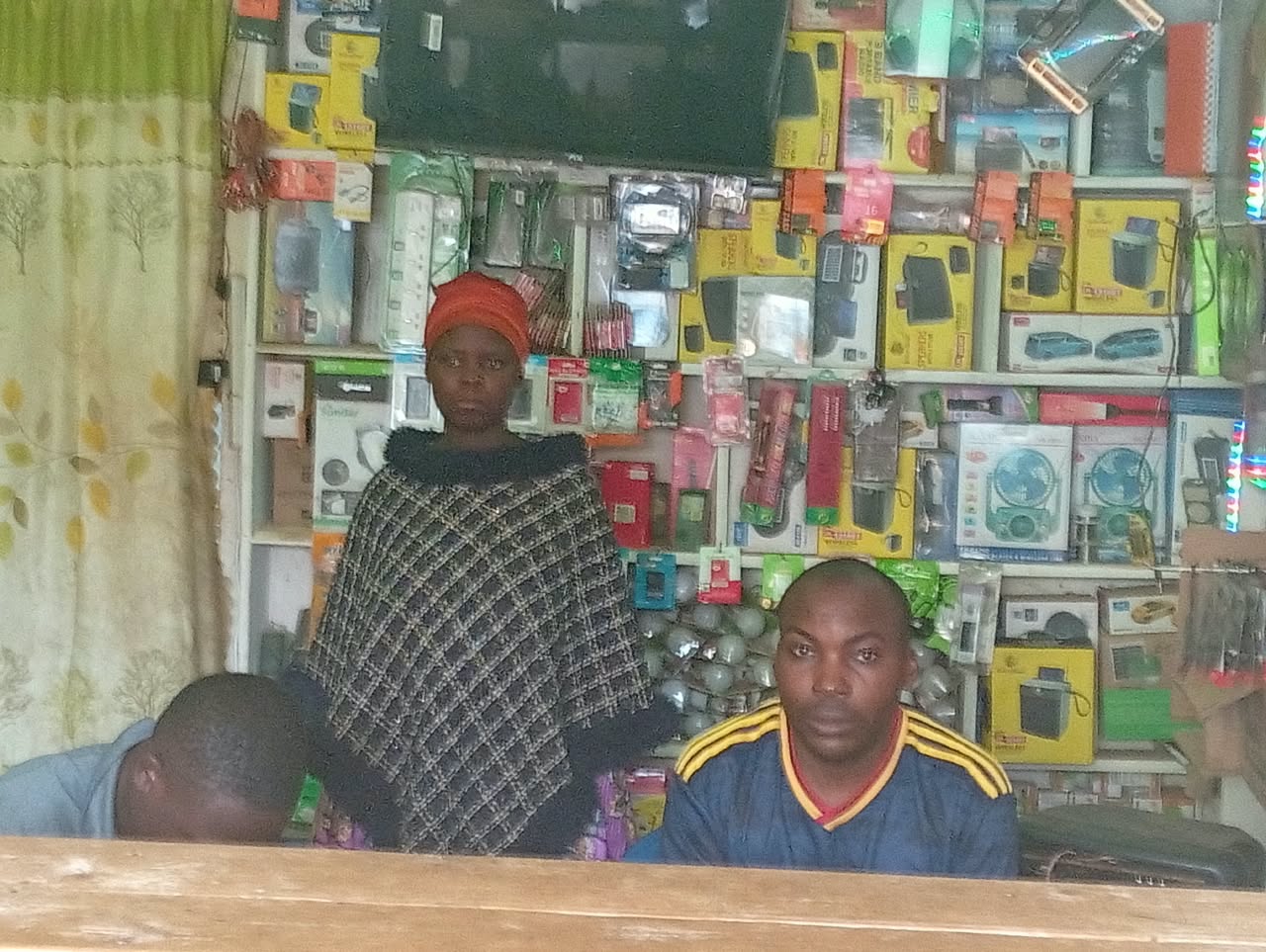
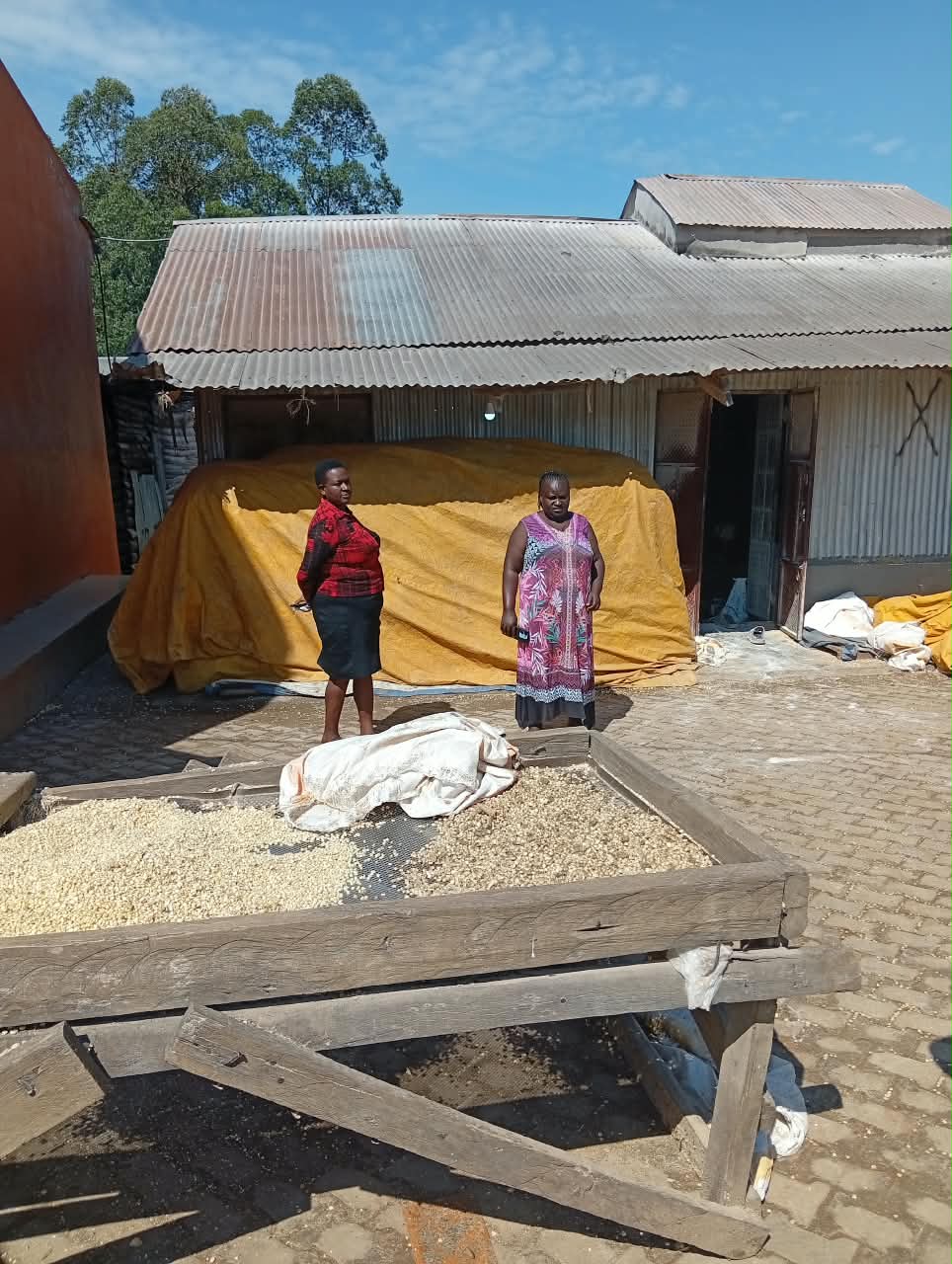
Western Uganda: For Fortunate Turyakera, a Shs10 million GROW loan has become more than a financial facility. It has provided additional capital to expand her drinks business in Kamwenge while allowing her to continue investing in coffee production.
Turyakera is among women entrepreneurs in Western Uganda using the Generating Growth Opportunities and Productivity for Women Enterprises (GROW) Project to expand businesses, acquire productive assets and strengthen household incomes.
“I want to thank the World Bank for thinking about women and giving us these funds. Our lives and family income earnings changed,” Turyakera said.
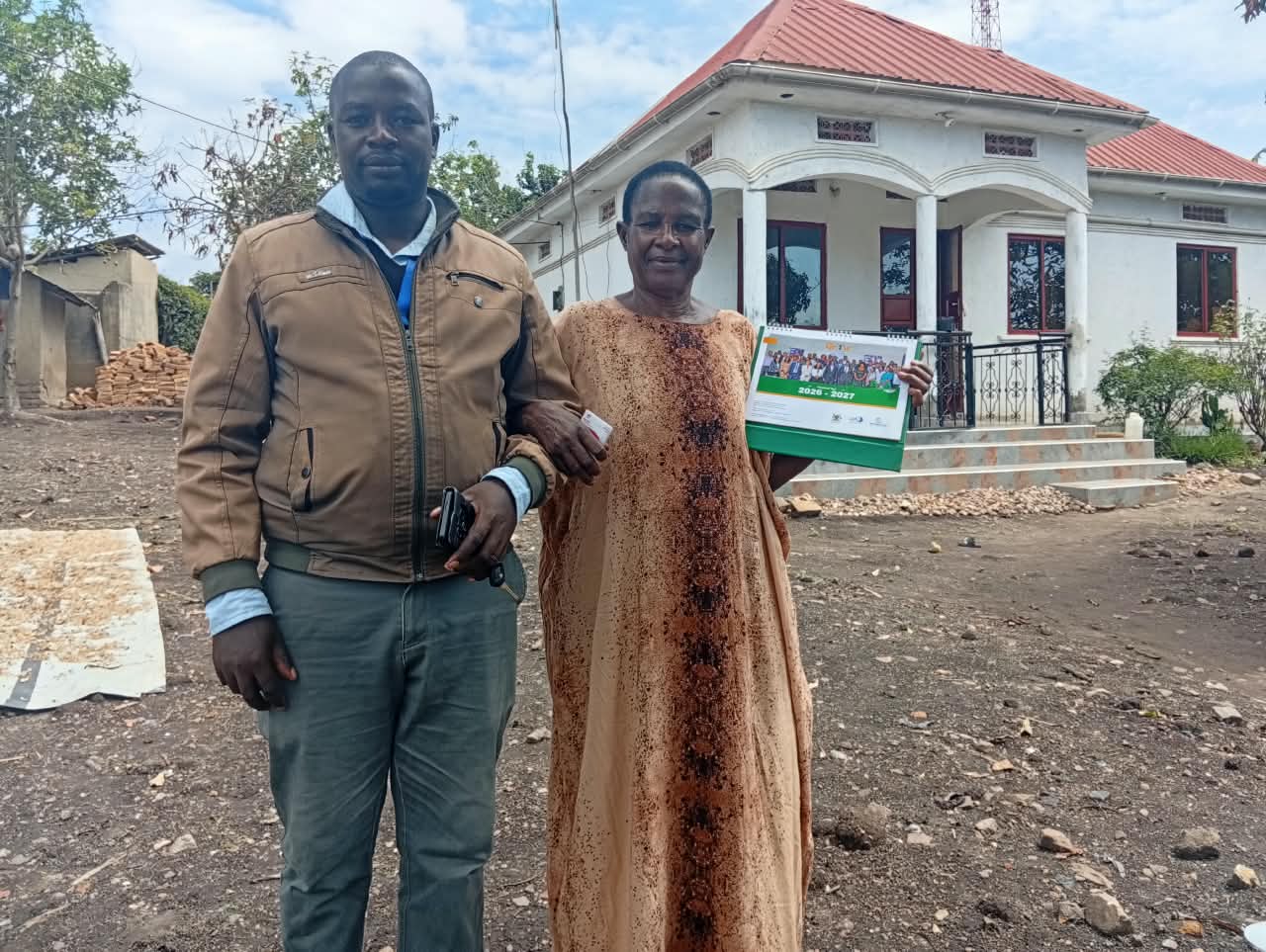
The GROW Project is being implemented by the Ministry of Gender, Labour and Social Development in partnership with the Private Sector Foundation Uganda, with US$217 million in World Bank financing under IDA-19.
The project’s objective is to increase women’s access to entrepreneurial services and enable female entrepreneurs to grow their enterprises in targeted locations, including Refugee Hosting Districts.
Affordable finance for women entrepreneurs
A central component of the project is the GROW Financing Facility, which provides loans and grants to support women entrepreneurs and their enterprises.
Under the financing terms supplied for the programme, GROW loans range from Shs2 million to Shs200 million, with repayment of up to 24 months and an interest rate of up to 10 per cent per annum.
There are no application fees, although borrowers may meet statutory costs including valuation, registration, Credit Reference Bureau fees and insurance.
For refugee entrepreneurs, the minimum loan amount is Shs1 million, with applicable statutory costs payable.
The facility targets micro and small women-owned enterprises, with beneficiaries expected to meet the programme’s eligibility and lending requirements.
The eligible sectors include agriculture, agro-processing and value addition, manufacturing, construction, science and technology, services, creative arts and ICT.
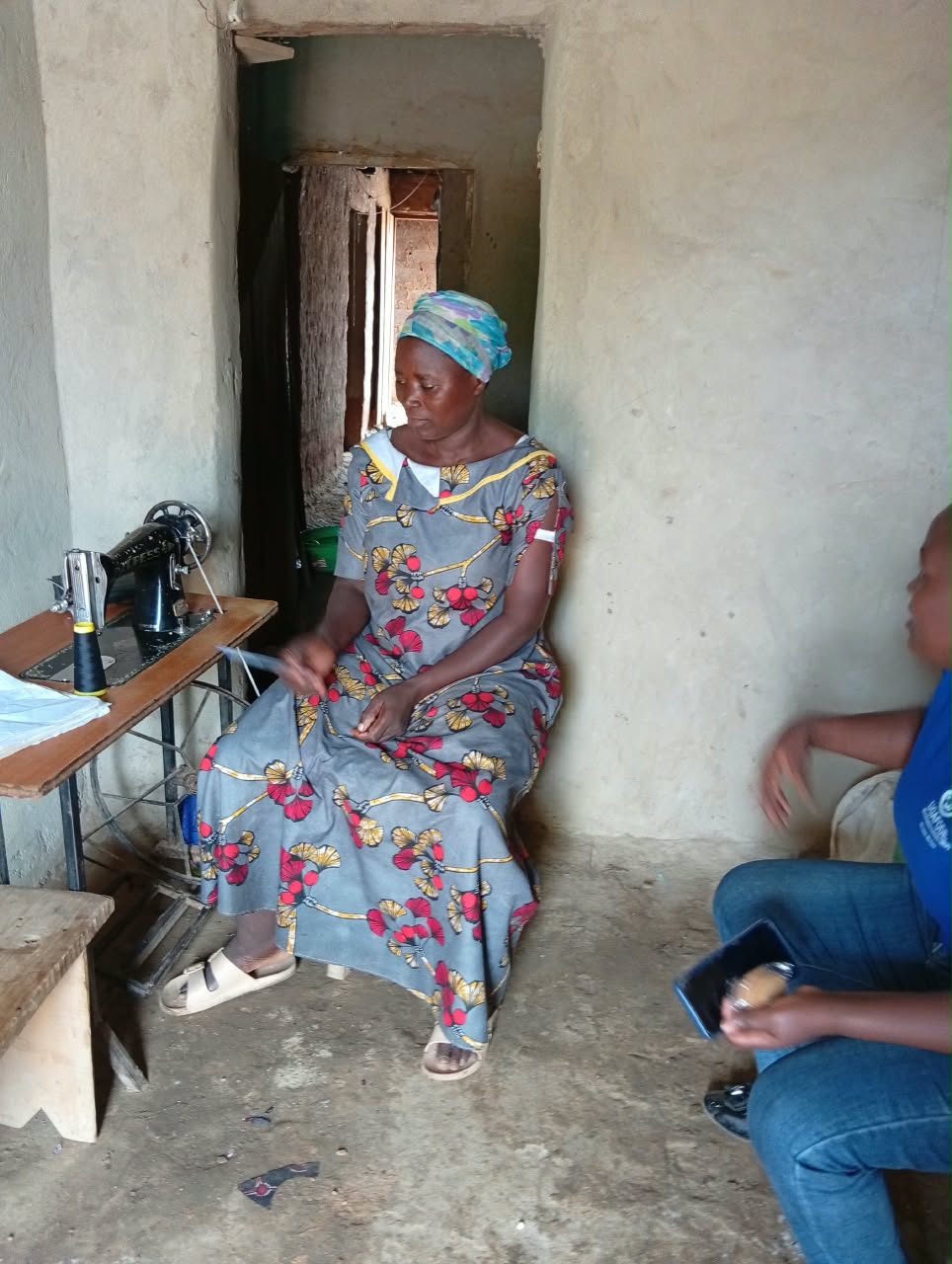
Shs10 million expands Kamwenge enterprise
Turyakera says the Shs10 million facility accessed through Pearl Bank has enabled her to increase stock in her drinks business and serve a growing customer base around Kamwenge trading centre.
She is also a coffee grower, giving her household more than one income-generating activity.
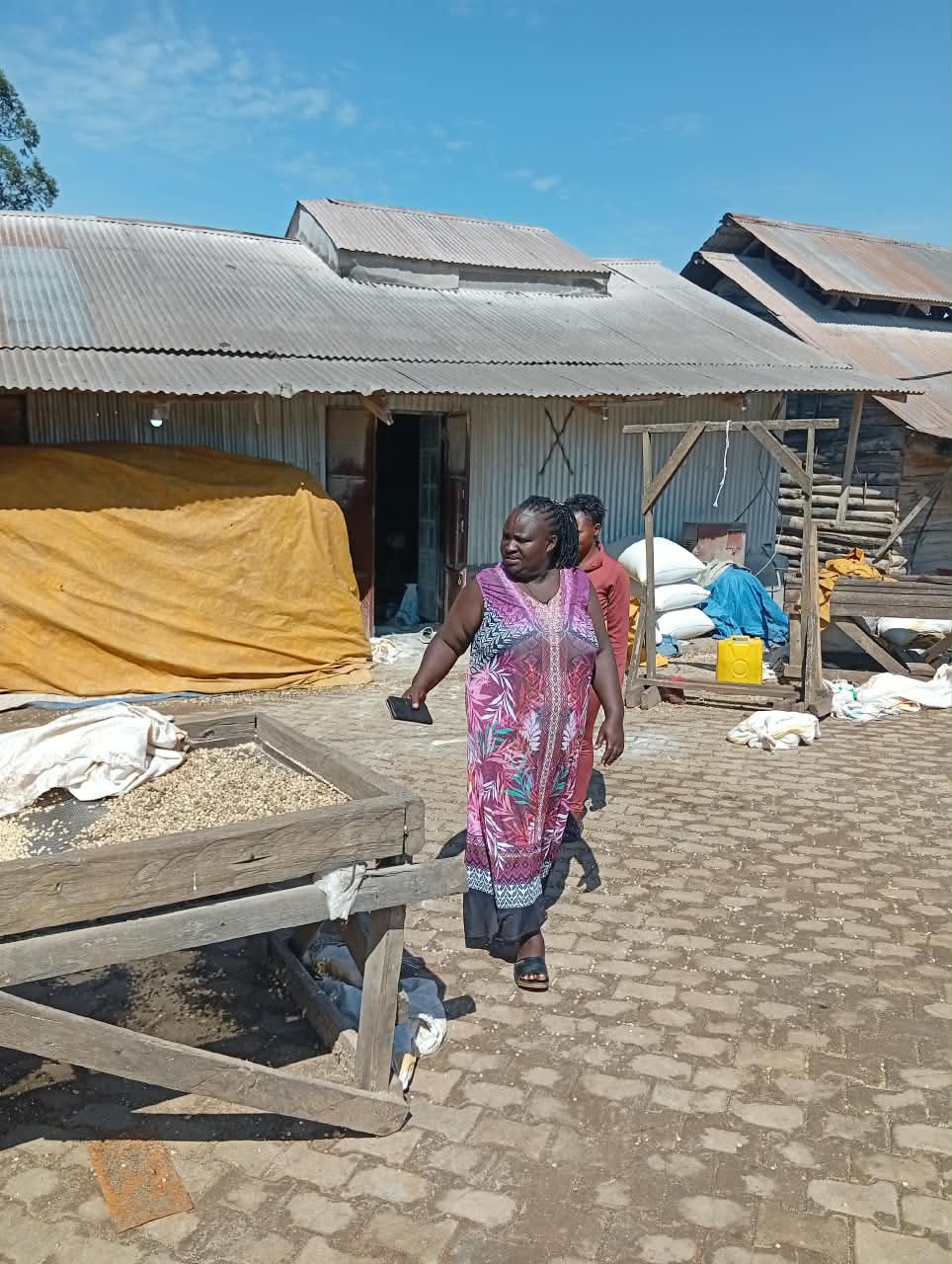
Her experience illustrates how access to working capital can help an established small enterprise increase its productive capacity.
In the same area, Arinairtwe Annah, who has operated a retail and grocery business for about 12 years, received Shs10 million.
“I want to thank the GROW team leaders and the World Bank for giving us the money at a low interest rate compared to the banks we used to have,” Annah said.
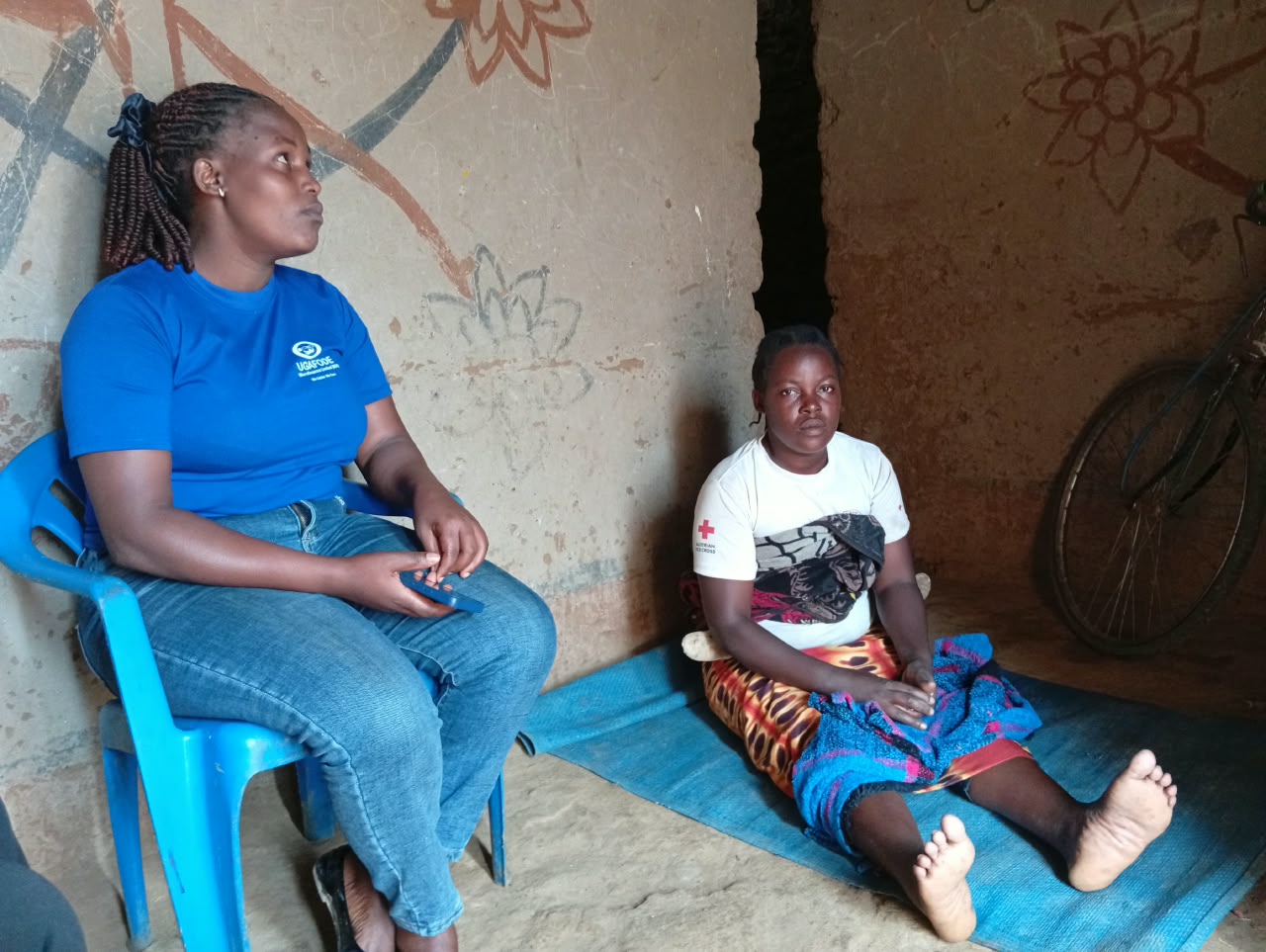
She says the financing has provided additional capital for her business and supported the continued expansion of her enterprise.
Shs55 million restaurant investment
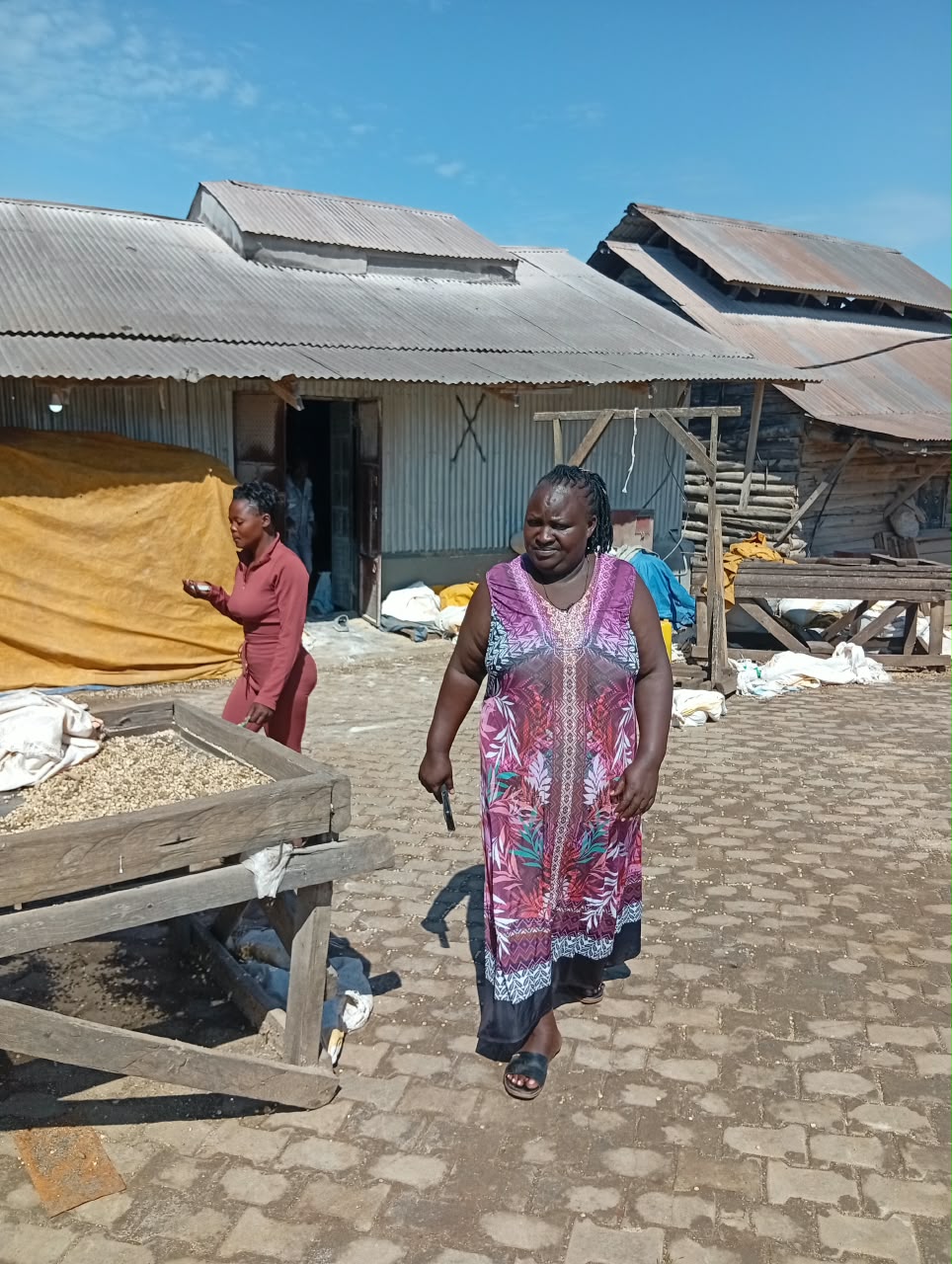
In Nakivale, Christine Muheirwe accessed Shs55 million through UGAFOD Bank to support her restaurant business.
Christine says she learnt about GROW financing through bank officers and friends who encouraged her to apply.
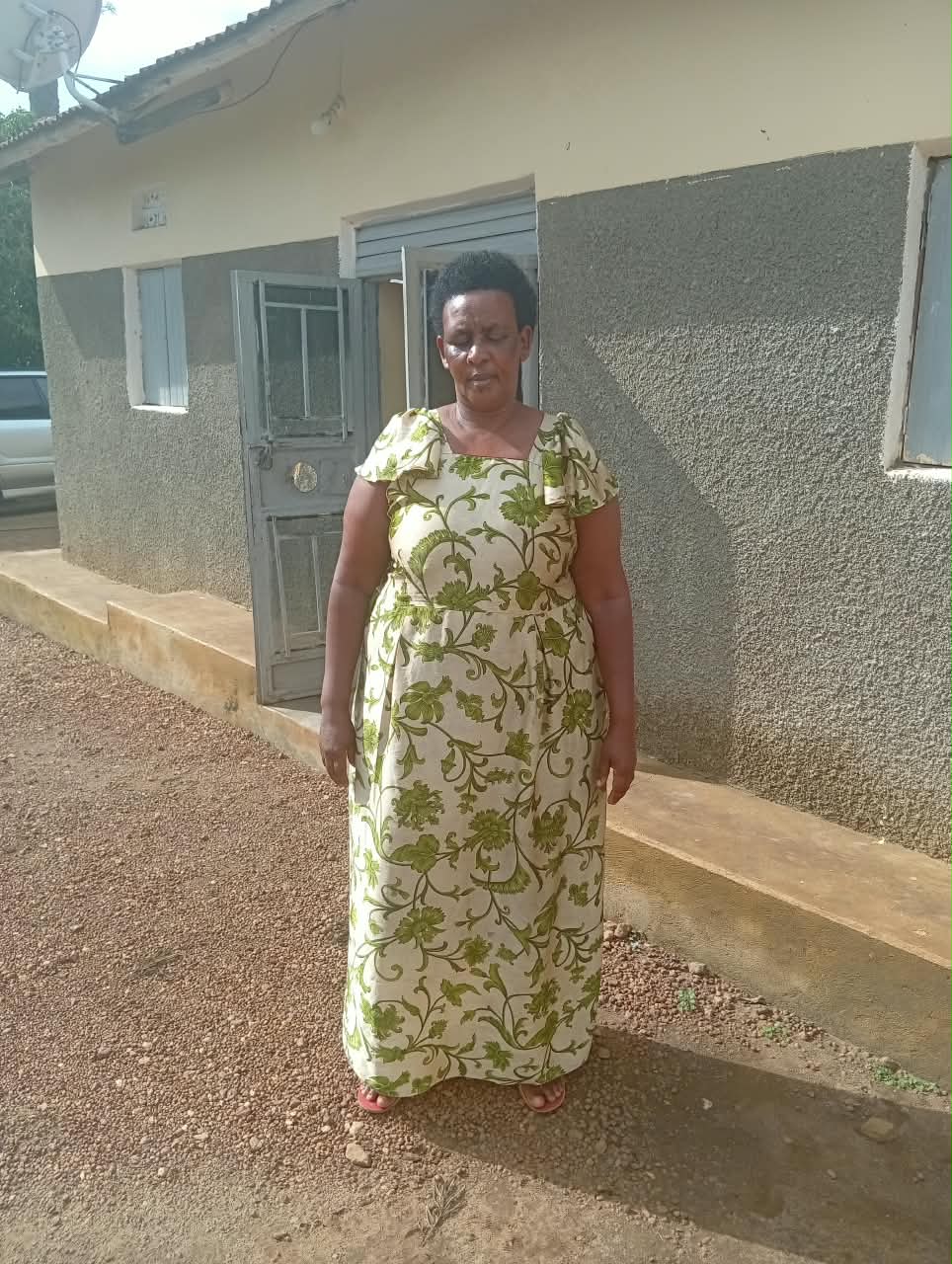
“I am very happy with GROW loan money and I am looking forward to more loans from UGAFOD Bank. I learnt about the GROW loan from bank officers and friends who encouraged me to take the loan, and I am happy with the expansion of my business,” she said.
The restaurant has also become a source of employment.
Christine says she employs 12 workers — five men and seven women.
“As a restaurant, I employ five men and seven women. I pay them and make profit out of the GROW business,” she said.
The employment generated by the enterprise demonstrates how business finance can extend beyond the individual borrower.
Capital invested in a restaurant supports workers, suppliers and other businesses connected to the enterprise.
Investment beyond restaurants and retail
Other women beneficiaries are investing GROW financing in different productive activities.
In Karenengyezo Village, Kiruhura District, Jenifer Twangabe received Shs10 million, which she has invested in cattle fattening, goats and poultry.
She says the enterprise has become productive while she continues meeting her repayment obligations.
Edurae Kefuruka, another beneficiary, received Shs10 million and directed the money towards rental-property development.
She says the investment has enabled her to advance construction and generate rental income.
“Thank you GROW Team leader for giving us the funds with funders. I am grateful. I get clients in my rentals and I hope to expand it with time. Today I charge Shs200,000 per month from all the rentals,” Kefuruka said.
In Central Zone Village, Rusherere Sub-county, Lucky Ainemani received Shs5 million for her retail business and has combined the enterprise with agriculture and goat rearing.
In Kibaale B, Rushasha Sub-county, Isingiro District, Nirere Valentine says she received Shs1.5 million through EBO Bank under GROW to support her retail business.
She reports monthly repayments of approximately Shs19,920.76.
Other beneficiaries in the Nakivale area are also using GROW financing to develop retail businesses and other income-generating activities.
10,096 loans disbursed
The individual experiences form part of a wider financing programme.
According to the GROW update as at June 30, 2026, the facility had facilitated 10,096 loans, with cumulative disbursements of approximately Shs161 billion through 14 participating financial institutions.
The figures indicate the scale of the financing facility and its reach among women-owned enterprises.
The programme’s inclusion of Refugee Hosting Districts is particularly relevant to Western Uganda, where refugee and host communities participate in agriculture, trade, restaurants, retail, services and other enterprises.
From credit to economic activity
For the beneficiaries, the significance of GROW financing is ultimately determined by what the borrowed money produces.
For Turyakera, Shs10 million has gone into expanding her drinks business while she continues coffee production.
For Annah, Shs10 million has strengthened a retail enterprise she has operated for more than a decade.
For Muheirwe, Shs55 million has supported restaurant expansion and an enterprise employing 12 people.
For Twangabe, Shs10 million has been invested in cattle, goats and poultry.
For Kefuruka, Shs10 million has supported rental-property development.
These examples illustrate different ways in which women can channel business finance into productive activities.
The economic effect can move from the entrepreneur to employees, suppliers, customers and households.
The responsibility of enterprise growth
Access to finance alone does not guarantee business success.
Beneficiaries must invest the funds productively, manage their enterprises, meet repayment obligations and respond to market conditions.
Business skills, access to customers, proper financial management and sustainable investment remain important to whether enterprises survive and expand.
The GROW model therefore combines access to finance with entrepreneurial support, while placing responsibility for enterprise management on the beneficiaries.
For women entrepreneurs in Western Uganda, the financing is providing an opportunity to move from limited working capital towards larger and more productive enterprises.
A restaurant can create jobs.
A retail shop can increase stock.
A farmer can acquire livestock.
A rental project can create recurring income.
A coffee grower can expand production.
The wider economic picture
Women’s enterprises form an important part of local economic activity.
When a woman-owned enterprise expands, its impact can extend beyond the business owner to workers, suppliers, customers and family members.
That makes access to productive finance part of a broader economic-development process.
The World Bank-backed GROW Project, implemented through the Ministry of Gender, Labour and Social Development and PSFU, is providing women entrepreneurs with financing and entrepreneurial services intended to support enterprise growth.
Across Western Uganda, the impact is being reflected in individual businesses — from restaurants and retail shops to agriculture, livestock and rental enterprises.
For Turyakera and other beneficiaries, the central question is no longer simply how much money they can borrow.
It is what they can build with it.