By Brian Mugenyi
mugenyijj@gmail.com
Kampala: For many women entrepreneurs, access to affordable finance can mean the difference between an idea remaining on paper and a business becoming a source of income, employment and household security.
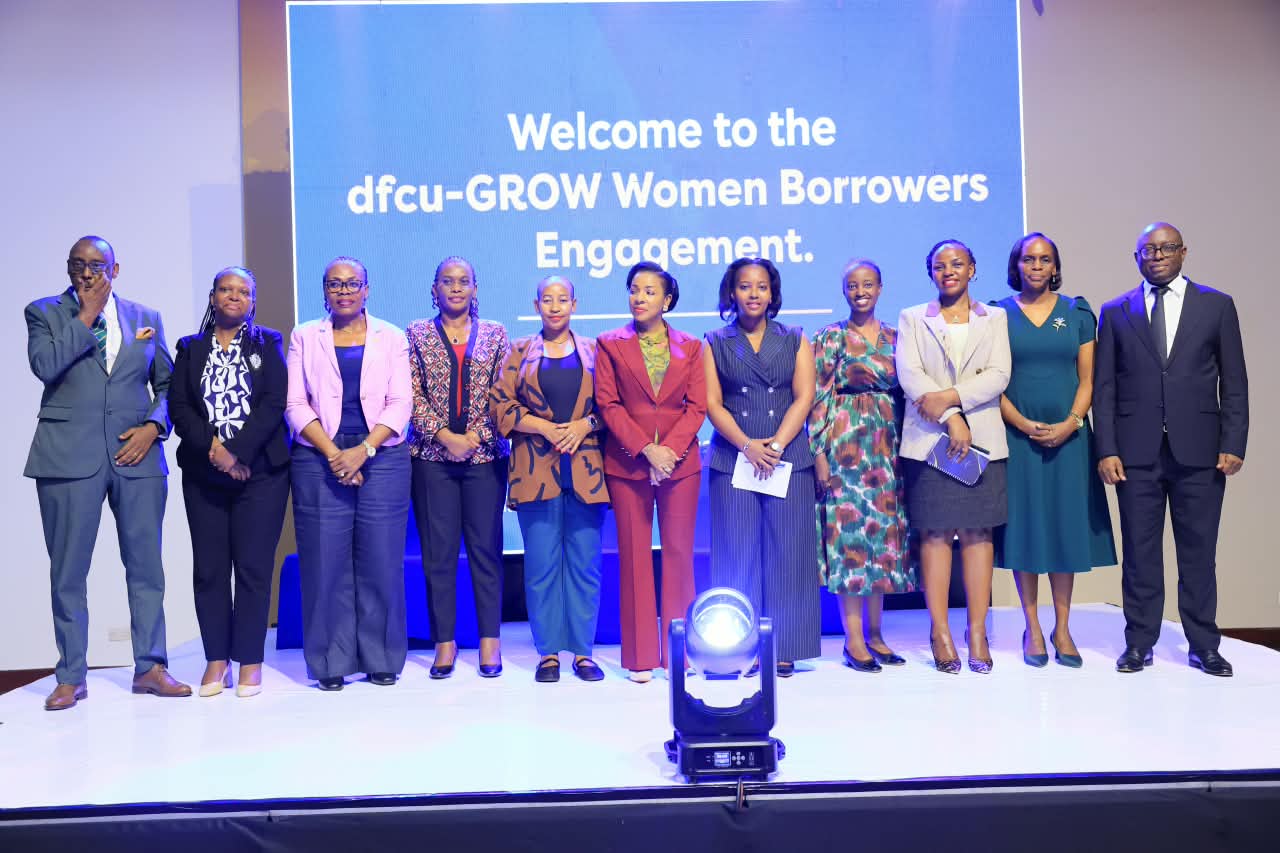
That message took centre stage on Thursday, September 3, 2026, as the Private Sector Foundation Uganda (PSFU) and DFCU Bank brought together women entrepreneurs at Hotel Africana in Kampala for a Women Borrowers’ Engagement Meeting under the GROW Project.
The engagement provided a platform for women borrowers to discuss access to finance, business development services and the practical opportunities available through GROW financing.
At a time when Uganda continues to pursue private-sector-led economic growth, the meeting highlighted the increasingly important role of women-owned enterprises in creating jobs, expanding household incomes and strengthening communities.
Asiimwe: Turn Finance into Growth
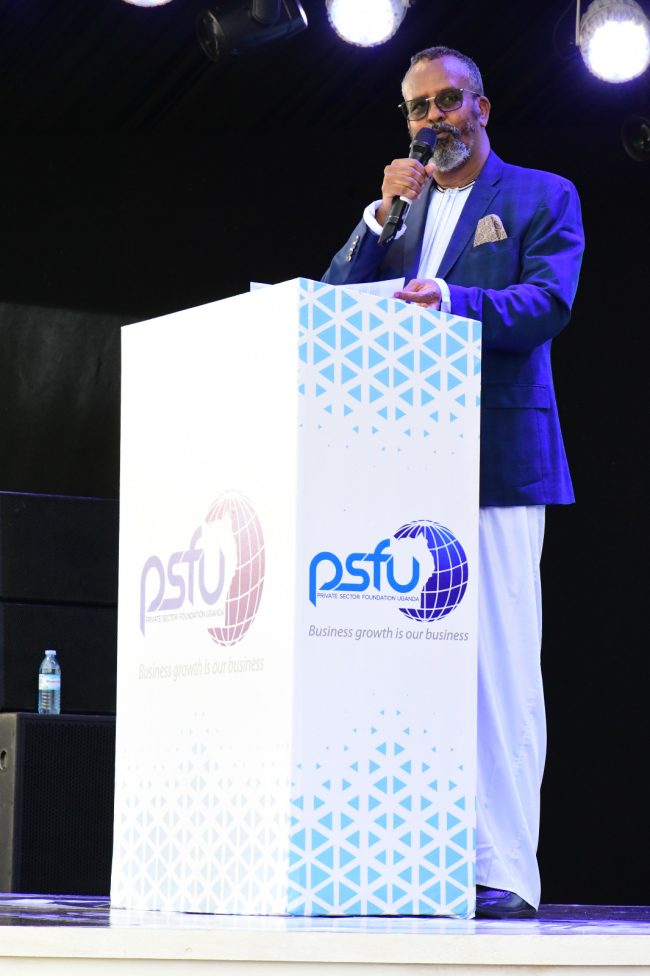
The engagement was graced by PSFU Chief Executive Officer Stephen Asiimwe, who challenged women entrepreneurs to make strategic use of the GROW financing facility to expand their businesses.
Asiimwe emphasised the contribution women entrepreneurs make to Uganda’s economy, particularly through enterprise development, employment creation and support for household livelihoods.
His message was centred on a simple economic principle: access to finance becomes meaningful when it is converted into productive investment.
For women running small and growing enterprises, financing can help them increase stock, acquire equipment, improve production capacity, enter new markets and create additional employment opportunities.
The GROW financing facility therefore offers more than credit—it creates an opportunity for women entrepreneurs to strengthen the foundations of their businesses.
Kasolo: Financing Must Be Matched With Business Support
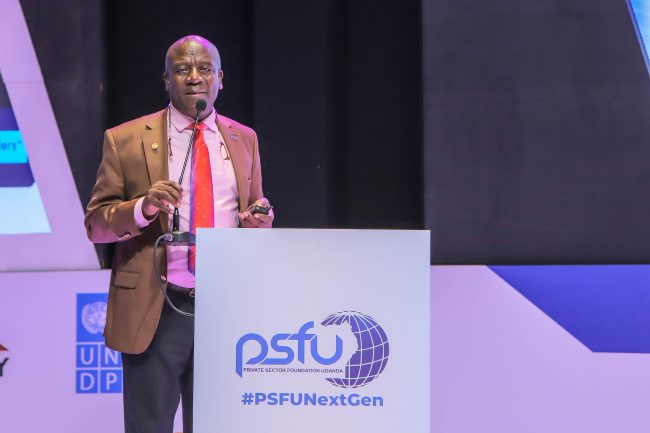
Dr. Ruth Aisha Biyinzika Kasolo, GROW Project Coordinator at PSFU, highlighted progress under the GROW Financing Facility and encouraged women borrowers to combine financing with the complementary business development support available through the project.
Her message reflects an important reality facing many small businesses: capital alone does not always guarantee success.
Entrepreneurs also require financial management skills, market knowledge, business planning, mentorship and the ability to make informed investment decisions.
For women-owned enterprises seeking to grow beyond survival businesses, such support can provide the knowledge needed to manage financing responsibly and build sustainable operations.
Kasolo’s emphasis on strategic utilisation of financing also places responsibility on beneficiaries to ensure borrowed resources are directed towards productive business activities capable of generating returns.
Women Entrepreneurs Share Their Experiences
The meeting also created space for women entrepreneurs to speak about their experiences with GROW financing.
Participants shared challenges and lessons arising from accessing and utilising financing, while engaging directly with representatives from the project and financial sector.
Such engagements are important because they allow financial institutions and project implementers to hear directly from beneficiaries.
Women entrepreneurs often face challenges ranging from limited collateral and financial literacy gaps to market access, business formalisation and the cost of expanding operations.
By bringing borrowers and financial-sector representatives together, the engagement created an opportunity to identify practical ways of improving support for women-owned businesses.
Why Women-Owned Businesses Matter
Across Uganda, women are deeply involved in agriculture, manufacturing, retail trade, food processing, services and other forms of enterprise.
Their businesses support families, employ other citizens and contribute to local economic activity.
Yet many women entrepreneurs continue to operate below their potential because of limited access to affordable capital and business development services.
The GROW Project seeks to address some of these barriers by improving women’s access to finance and strengthening their capacity to participate in economic activity.
For the entrepreneurs attending the Kampala meeting, the discussion was therefore about more than borrowing money.
It was about how financing can be transformed into productive assets, stronger enterprises and sustainable livelihoods.
From Borrowers to Business Builders
The broader success of initiatives such as GROW will ultimately depend on what happens after financing reaches beneficiaries.
A loan can purchase machinery.
It can increase stock.
It can open a new branch.
But the real measure of success is whether those investments generate sustainable businesses, create employment and improve household incomes.
That is why continued engagement between PSFU, financial institutions and women entrepreneurs remains critical.
The partnership provides an avenue for beneficiaries to raise concerns, share lessons and understand how available financing and business support can be used more effectively.
A New Chapter for Women in Business
Uganda’s economic transformation will require millions of entrepreneurs to move from small-scale survival enterprises into productive, competitive and sustainable businesses.
Women will be central to that journey.
The Women Borrowers’ Engagement Meeting in Kampala demonstrated the importance of connecting finance with knowledge, mentorship and market opportunities.
For women entrepreneurs, the challenge now is to turn access into action—to invest wisely, strengthen their enterprises and create opportunities for others.
And if that happens at scale, the impact of GROW financing will not be measured only by the amount of money disbursed.
It will be measured by businesses that survive, enterprises that expand, workers who find jobs and families whose economic prospects become stronger.