Tag: Amelia Kyambadde

  • KCB Bank & Mkazipreneur host Breakfast Meeting in Honor of International Women’s Day

    KCB Bank & Mkazipreneur host Breakfast Meeting in Honor of International Women’s Day

    Kampala: In a decisive move to drive gender-inclusive economic transformation, KCB Bank Uganda, in collaboration with Mkazipreneur, on Friday hosted women entrepreneurs, industry leaders, and financial experts to drive women’s access to business financing, mentorship, and strategic networking.

    This move underscores KCB Bank’s unwavering commitment to fostering an ecosystem where women-led enterprises can flourish and contribute meaningfully to national and regional economic development.

    The event which took place at Four Points by Sheraton in Kampala featured thought-provoking panel discussions, interactive mentorship sessions, and strategic networking forums. The event elements were tailored to provide participants with tangible tools and actionable knowledge, enabling them to navigate the complexities of financial management, market penetration, and long-term business sustainability.

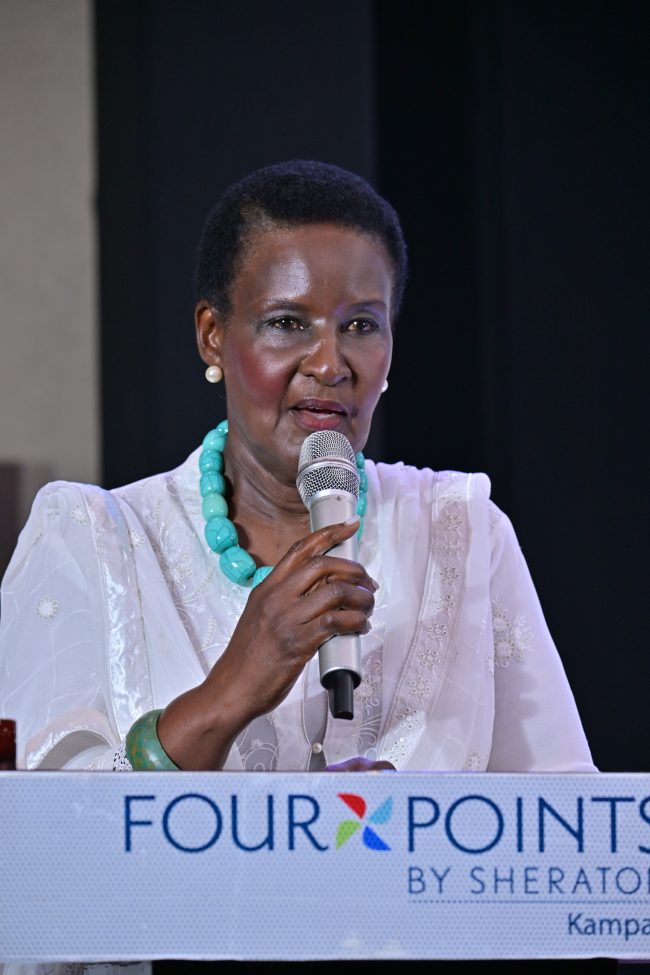
    Amelia Kyambadde, Senior Presidential Advisor on Industry, who presided over the event as the Guest of Honour encouraged the women to align their passions with support groups. “There is power in partnerships. To truly empower women in business, we must create avenues that help them navigate market dynamics locally and globally. But have we done enough for the rural woman? Let’s advocate for an inclusive empowerment strategy — one that embraces her not as a beneficiary, but as an equal partner in development,” she said.
    Miranda Bageine Musoke, KCB Bank Head of Retail Banking affirmed, “At KCB Bank Uganda, we recognize the transformative power of financial inclusion in driving women’s economic empowerment. That is why we are dedicated to providing tailored financial solutions to support women in business with KCB Flame. Our commitment includes equipping women with the knowledge to manage and grow their businesses sustainably, offering accessible credit facilities designed to meet the unique needs of women entrepreneurs, and connecting women with industry leaders, seasoned entrepreneurs, and strategic partners to enhance their growth.”

    As a pivotal force in advancing women-led enterprises, Mkazipreneur has played a crucial role in amplifying female entrepreneurs’ access to capacity-building programs and financial resources. Through this partnership with KCB Bank, the initiative will scale its impact, ensuring that women across Uganda have enhanced access to capital, business training, and market opportunities.
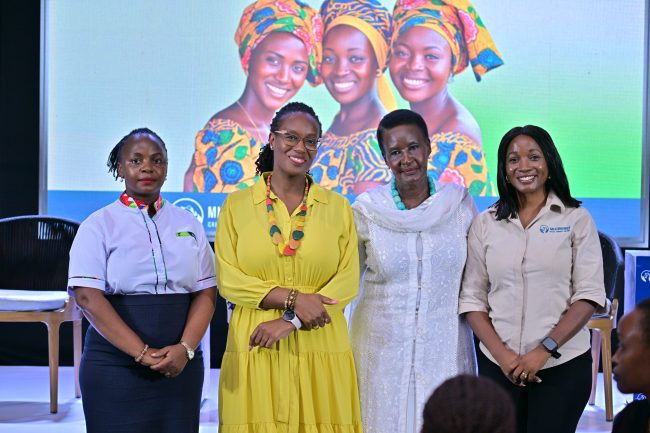
    Immy Nakyeyune, founder and leader, Mkazipreneur said, “By gathering here today, we aim to dismantle systemic barriers impeding women’s access to capital and professional mentorship. Today we are here to not only celebrate the resilience and ingenuity of women entrepreneurs but also to equip them with data-driven insights, cutting-edge financial solutions, and a robust network to enhance their entrepreneurial journeys” she said.

    Uganda stands at the forefront of female entrepreneurship in Africa, with women constituting a significant portion of the nation’s business owners. According to the Mastercard Index of Women Entrepreneurs, approximately 38.2% of business owners in Uganda are women, indicating that nearly four in every ten business proprietors are female.

    Despite this notable representation, women-owned enterprises face unique challenges that hinder their profitability and growth. On average, women entrepreneurs in Uganda earn 30% less in profits compared to their male counterparts, a disparity attributed to factors such as limited access to capital, lower levels of innovation, and segregation into lower-value sectors.
    Moreover, women-led businesses often encounter systemic barriers in accessing financial services. While women control approximately 39% of Ugandan firms, they receive only 9% of commercial loans. Additionally, women are 40% less likely to hold a bank account than men, and merely 25% utilize mobile money platforms.

    These statistics emphasize the critical need for targeted interventions that address the financial inclusion gap and empower women entrepreneurs with the necessary resources to thrive.

    This initiative supports KCB Bank’s alignment with the United Nations Sustainable Development Goals (SDGs), particularly SDG 5 (Gender Equality) and SDG 8 (Decent Work and Economic Growth). By fostering equitable access to financial resources, mentorship, and business networks, the bank is strategically positioned as a key driver of socio-economic transformation in Uganda.

  • We are getting ready for Africa Continental Free Trade Area, notes Hon Kyambadde

    We are getting ready for Africa Continental Free Trade Area, notes Hon Kyambadde

    Honourable Amelia Kyambadde, the cabinet minister for Trade, Industries and Cooperatives has noted that Uganda is getting ready for the full roll-out of the first of its kind Africa Continental Free Trade Area (AfCFTA).

    Speaking during the National Consultative Forum on AfCFTA held in Kampala recently, Hon Kyambadde highlighted that Uganda in in good shape to reap from the bigger markets that AfCFTA will open thanks to the country’s sustained investment in trade facilitation projects over the years, coupled with the positive strides undertaken by local manufacturers to improve product quality.

    Hon Amelia Kyambadde arrives for a consultative meeting on Africa Continental Free Trade Area. She was received by TradeMark EA Country Director for Uganda Moses Sabiiti (R) and Senior Programs Manager Damali Ssali (L)

    “We have implemented several trade facilitation measures such as Electronic Single Window; Electronic Cargo Tracking; One Stop Border Posts; Non-Tariff Barriers (NTBs) identification and removal mechanism, Yellow Card Scheme and the Border Export Zones, among others. We appreciate the support received from key Development Partners such as; TradeMark East Africa (TMEA), European Union (EU), United Nations Conference on Trade and Development (UNCTAD), and others in implementing these measures,” Hon Kyambadde noted, adding;

    “Our strategy on Market Access for Ugandan Goods and Services includes Capacity Building for the Private Sector to take advantage of these market opportunities plus Provision of the necessary trade infrastructure such as affordable electricity, improved road network to ease logistics.”

    The Uganda National Consultative Forum on AfCFTA was organized by TradeMark EA and United Nations Economic Commission for Africa (UNECA).

    According to a preliminary report on the anticipated results of AfCFTA, “The African Continental Free Trade Area (AfCFTA) will increase Uganda’s intra-African trade by reducing tariff and non-tariff barriers on trade with African countries.”

    Africa as a regional market has already overtaken the European Union (EU) to become Uganda’s most important trading partner, with trade shares increasing from around 22 percent in 1995 to more than 30 percent by 2018. In terms of export values, Uganda now exports over 50 percent of its total exports to Africa, a figure far higher than the shares of other East African countries, highlighting the importance of the AfCFTA to Uganda.

    Nonetheless, Moses Sabiiti, the country director for TradeMark East Africa Uganda noted that while the entry into force of AfCFTA on 30th May, 2019 brought with it a lot of excitement and expectation for Africa growth through increased trade and investment, ‘a huge challenge faces the partner states on how to actualise the bold vision the AfCFTA encapsulates.’

    “Some of the challenges constraining intra Africa trade are: a) Overlapping membership in regional economic groupings; b) Institutional capacity to negotiate and implement integration instruments and tools such as administration of rules of origin and c) Continued existence of political and security conflicts that limit survival of economic activities and seamless flow of cross border trade and foreign direct investment,” Mr Sabiiti said.

    He added: “To unlock these challenges, the UNCTAD Economic Development in Africa Report 2019 notes that by agreeing to harmonise trade liberalisation regimes through the AfCFTA, African Countries would boost their chances to trade more, promote economic diversification and deepen their integration agenda.”  

    Some 27 African countries have so far ratified their AfCFTA agreements. If all the remaining African countries were to ratify their AfCFTA protocols today, Africa with an estimated 1.3 billion population will become the biggest open market in the world.

  • “You deserve better”, Minister praises local contractors

    “You deserve better”, Minister praises local contractors

    The minister of Trade and Industry Amelia Kyambadde has urged local contractors to get informed about the tender opportunities.

    “Local contractors should get well informed about the tender processes and where to address their grievances if they feel cheated,” Amelia Kyambadde said.

    This was during a meeting held in Kampala to launch the First Uganda Contractors & Providers Summit.The Ministry of Trade, Uganda Contractors & Providers and Beautiful Partners are organizing the first Uganda Contractors & Providers Summit under the theme:  ‘Buy Uganda, Build Uganda from a contractors’ perspective,”  she said there are middlemen who are exploiting local contractors.  “Please be-ware of these middlemen. There is corruption in the tender process.

    They make bidding expensive, every bidding step you make they ask for money,” Kyambadde said. The summit will take place from 12th to 13th November at Serena Hotel Kampala under the theme ‘Buy Uganda Build Uganda from a contractors’ perspective’. President Yoweri Museveni is expected to be the guest of honour as the event presents a strong boost for Uganda’s local contractors and promote local participation. The manager public and corporate affairs at the Uganda Revenue Authority Vincent Seruma said URA supports the BUBU policy. Seruma advised local contractors to comply with the tax system which will give them great opportunities to do business. “Contractors can miss out on tenders because of not complying with the tax system. When you get into the bidding process you can grow and get markets in the region, the continent, the African Continental Free Trade Area, we need to prepare for these markets,” Seruma said. Benson Turamye, executive director Public Procurement and Disposal of Public Assets Authority (PPDA) disclosed that President Yoweri Museveni has issued directive requiring furniture to be procured locally. Turamye explained that the PPD Act provides for preference and reservation schemes that give advantages to local contractors and enterprises to outcompete foreign bidders on the pricing element by small margins. He said tenders of sh45b and below for goods are reserved for local providers. While tenders for the provision of consultancy services of sh1b and below are reserved for local consultants. He noted that foreigner firms that win tenders are required to subcontract 30% of it to local firms. He said the goal to support local contractors and providers was intended to promote wealth creation, technology and skills transfer.

  • Hima Cement welcomes new Country Chief Executive

    Hima Cement welcomes new Country Chief Executive

    Hima Cement has today announced the arrival of a new Country Chief Executive, Mr. Jean-Michel Pons, who joins the company from LafargeHolcim Moldova. Pons replaces Mr. Nicolas George, who has been with Hima Cement since February 2018.

    Pons, who has been with LafargeHolcim Group since 2011, has worked in Russia, Serbia, Algeria, France and more recently Moldova. He brings a wealth of knowledge of the construction industry from his previous deployments.

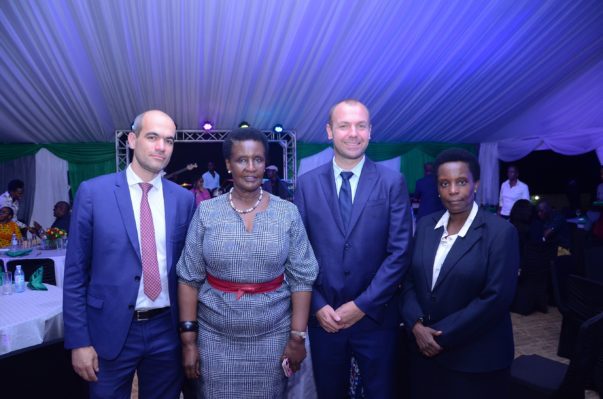
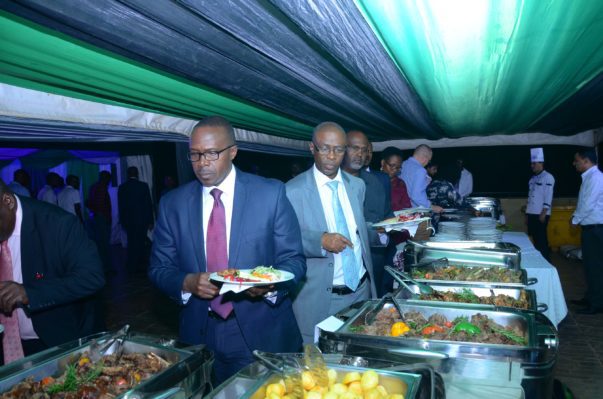
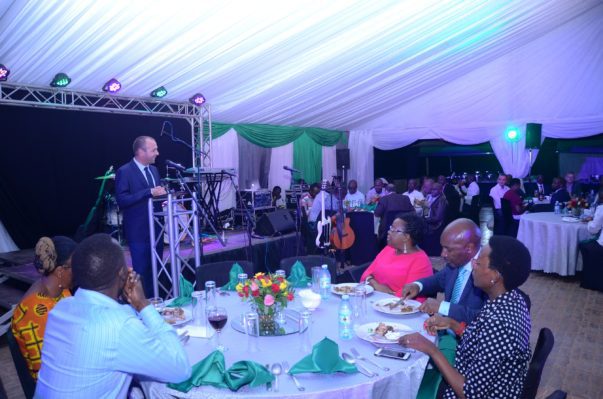
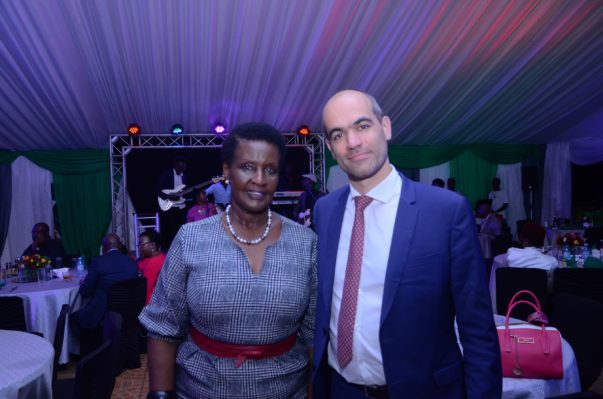
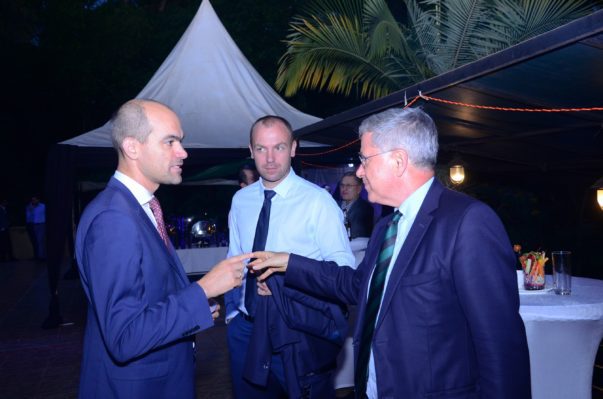
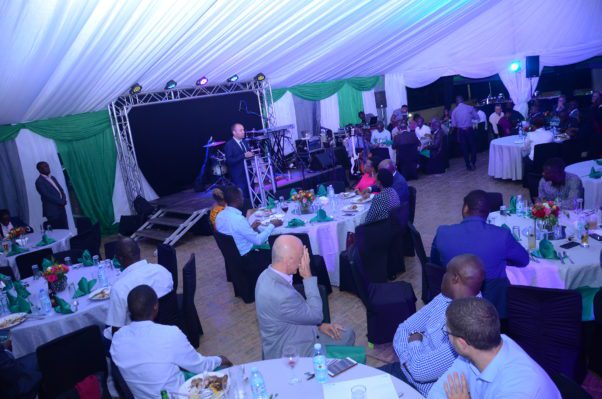
    At a dinner to welcome the new CEO and bid farewell to the outgoing CEO, the Hima Cement Board Chairperson, Ms. Barbara Mulwana said that Pons joins at a crucial stage of the company and that his experience would be crucial in moving the company forward.

    “The country is at a stage where there’s a lot of investment in infrastructure by government as well as the private sector. We believe as a company, we have a big role to play and your experience will be invaluable,” Mulwana said.

    “Nicolas has helped grow sales in the last one year andstrengthen our retail business, bonastore; our profits have also grown by 15% compared to last year. I believe that he has laid a strong foundation for you to capitalize on,” Mulwana added.

    Jean-Michel Pons, 42 years, comes at a time when the company following its commissioning of a new factory in Tororo is continuing its expansion program that includes investment in retail.

    “I look forward to working with the winning teams that make Hima Cement what it is, especially our employees, customers and suppliers to continue on this growth,” Pons said. “Our commitment to quality and innovation doesn’t change, we will continue to invest in innovation that provides solutions to our customers’ needs,” he added.