Tag: NRM Presidential candidate

  • Museveni kicks off Teso campaign trail, emphasizes new cattle restocking plan

    Museveni kicks off Teso campaign trail, emphasizes new cattle restocking plan

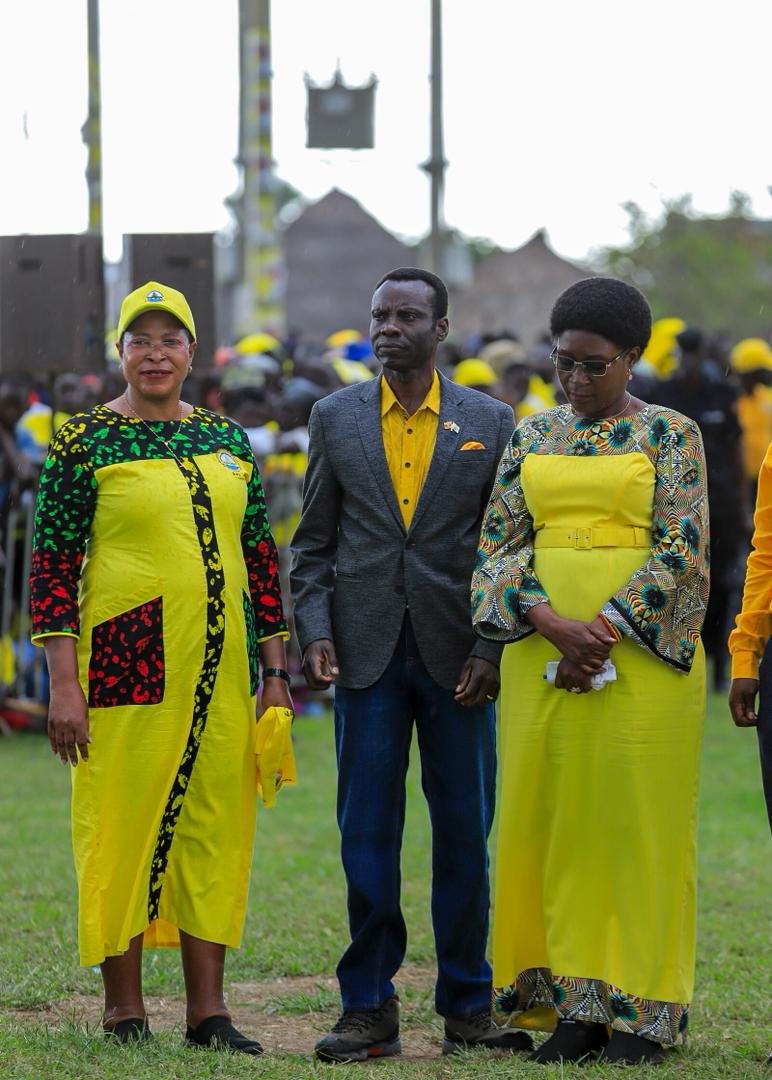
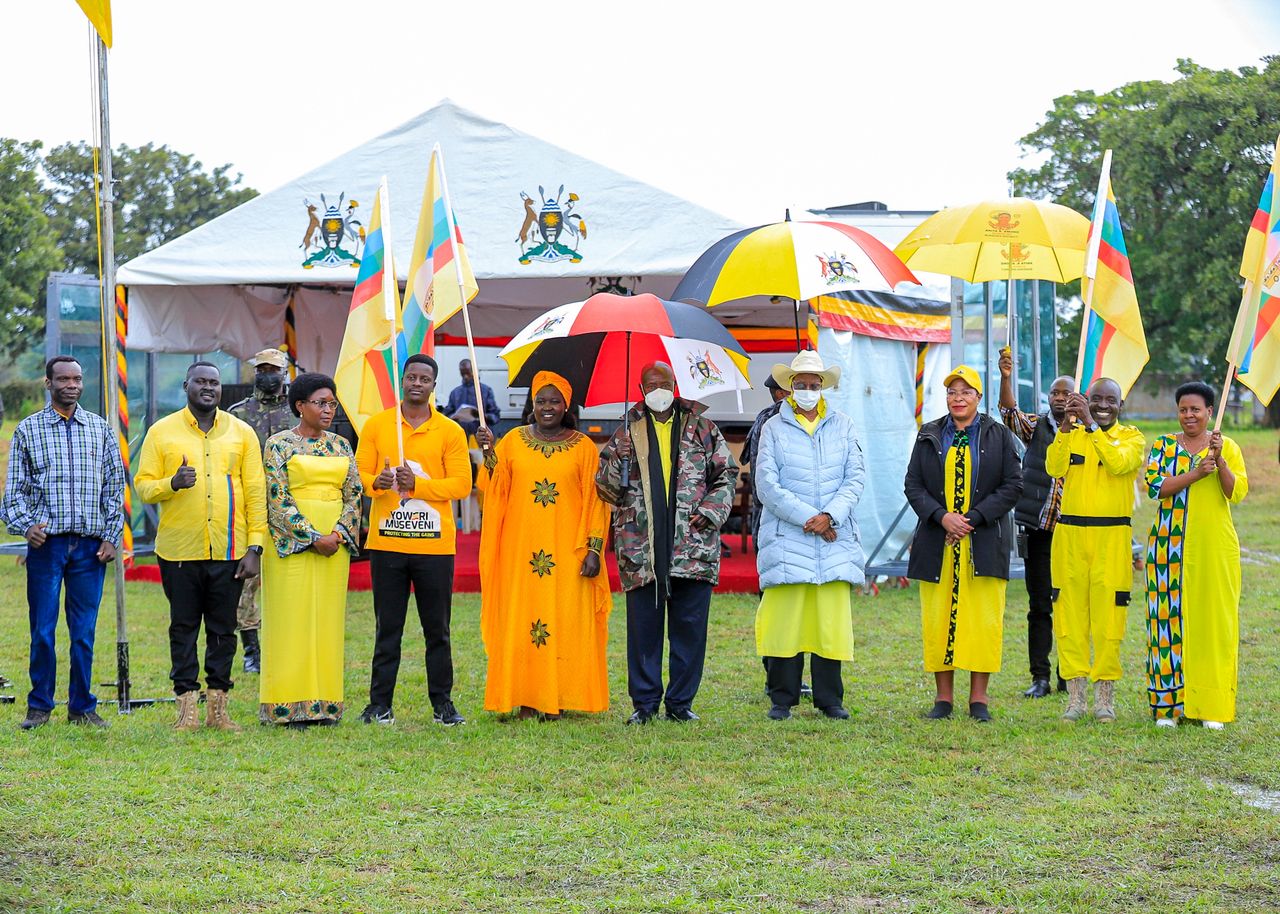
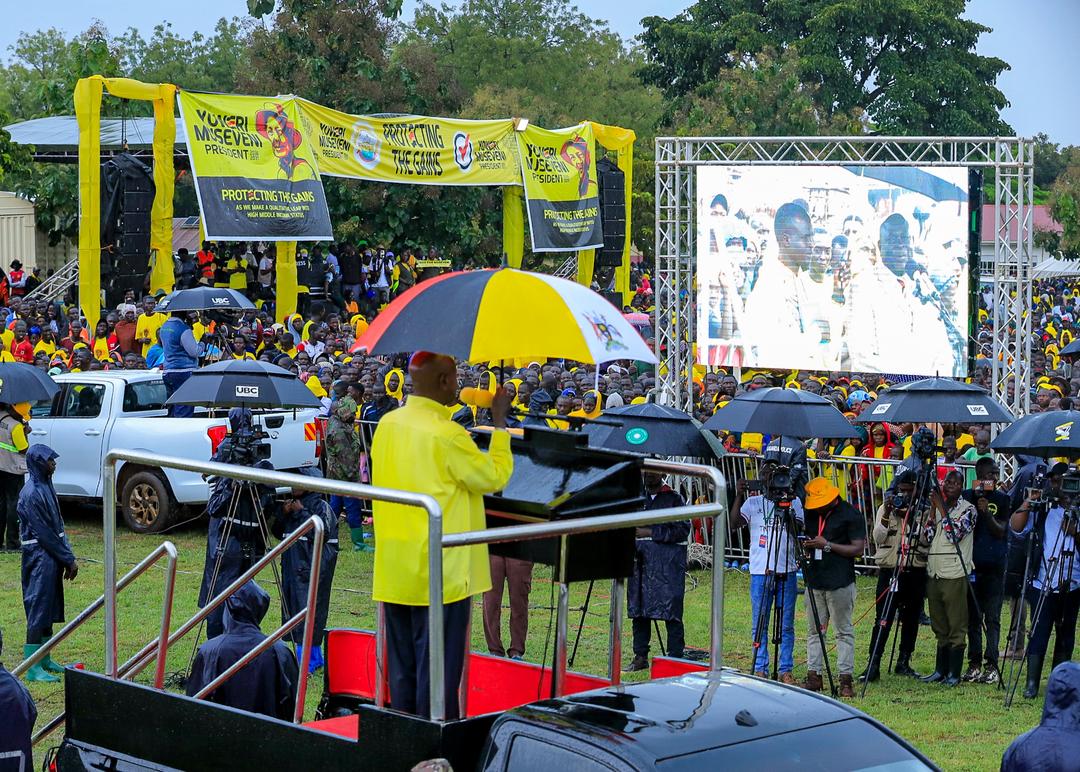
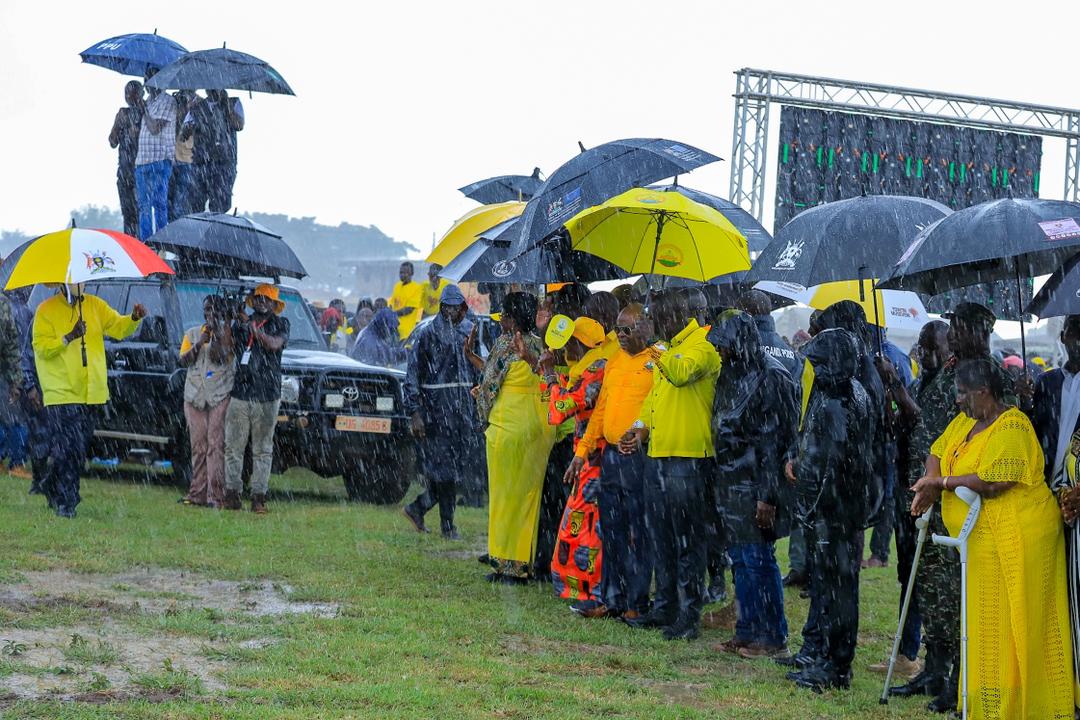
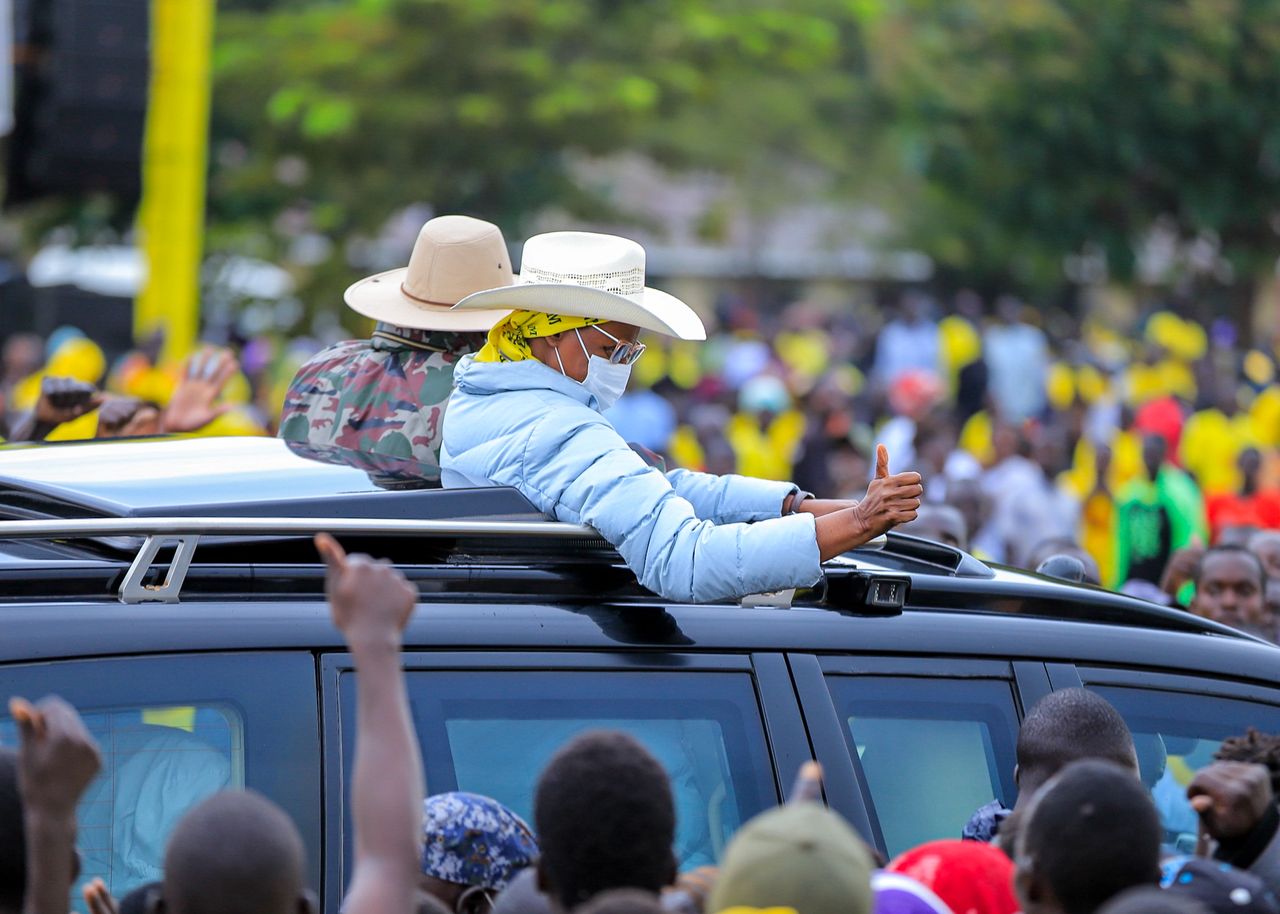
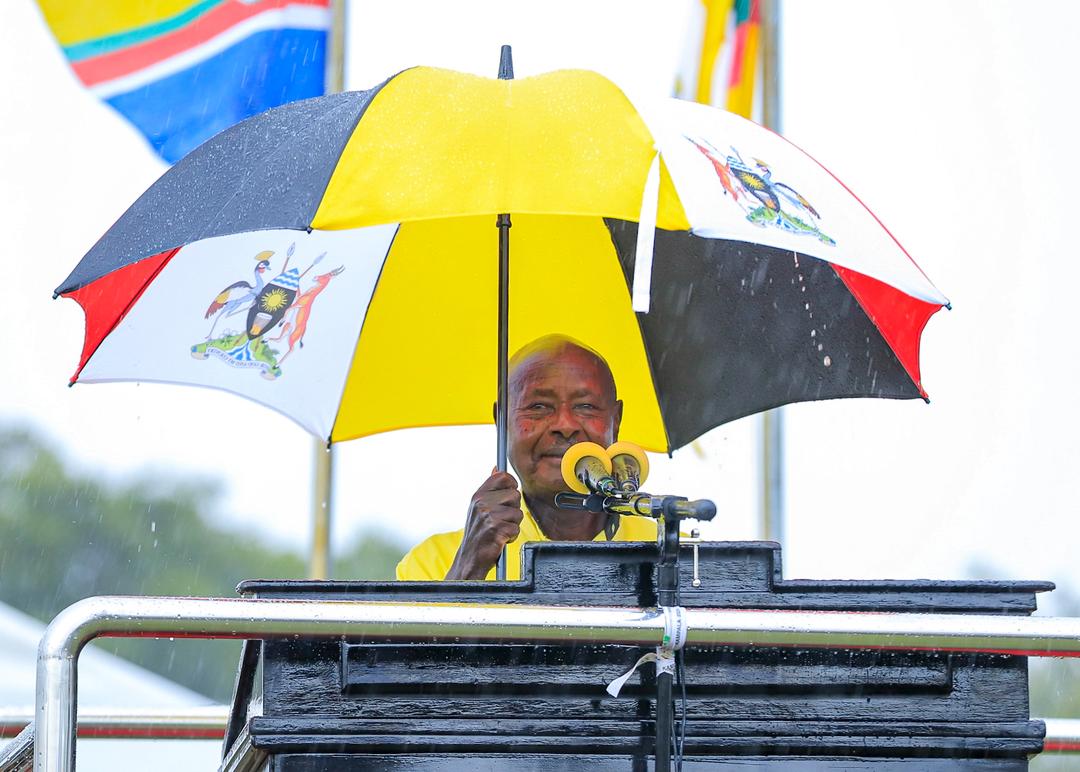
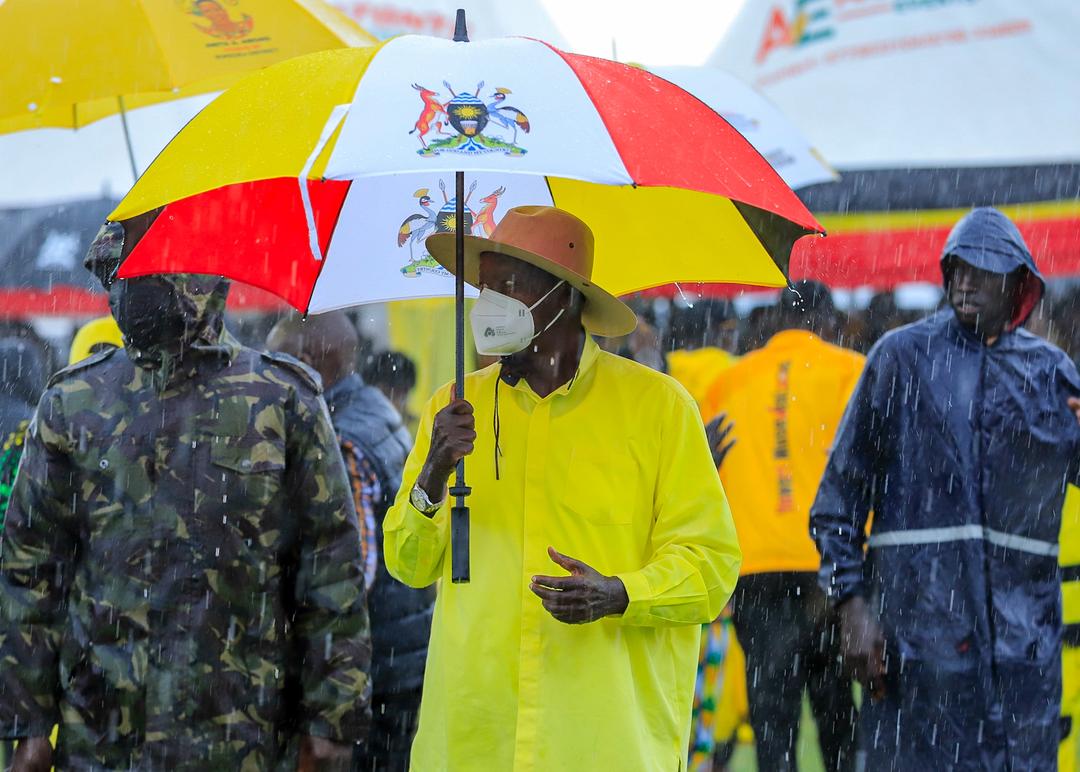
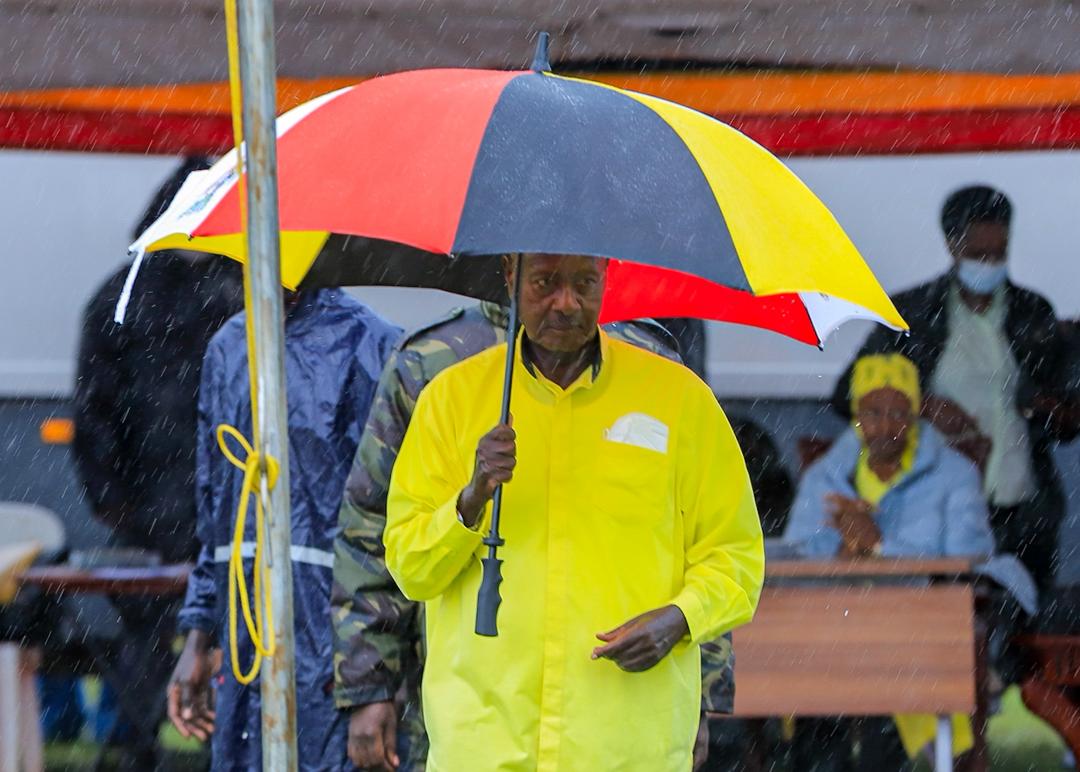
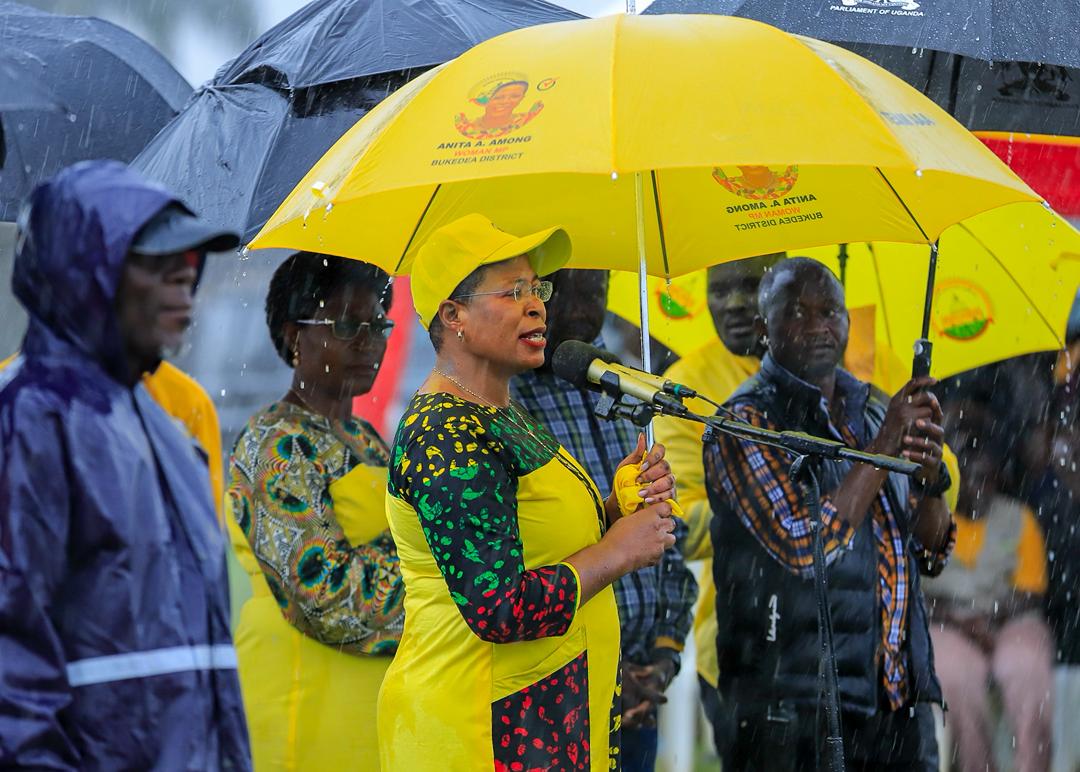
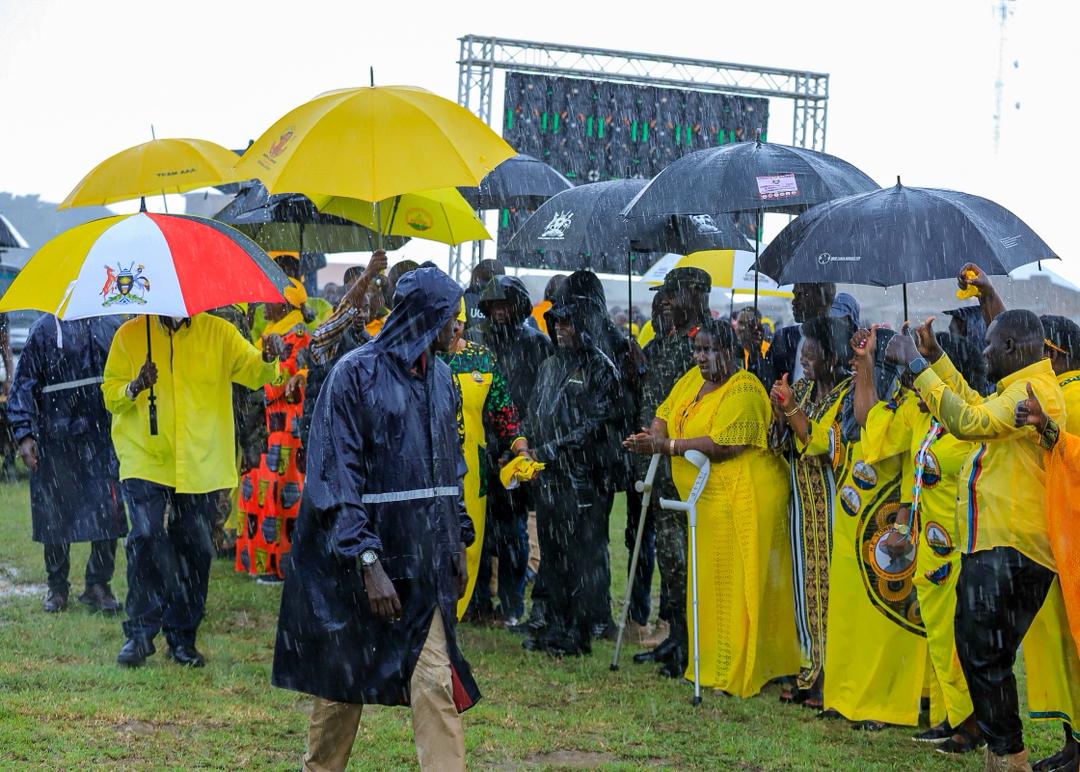
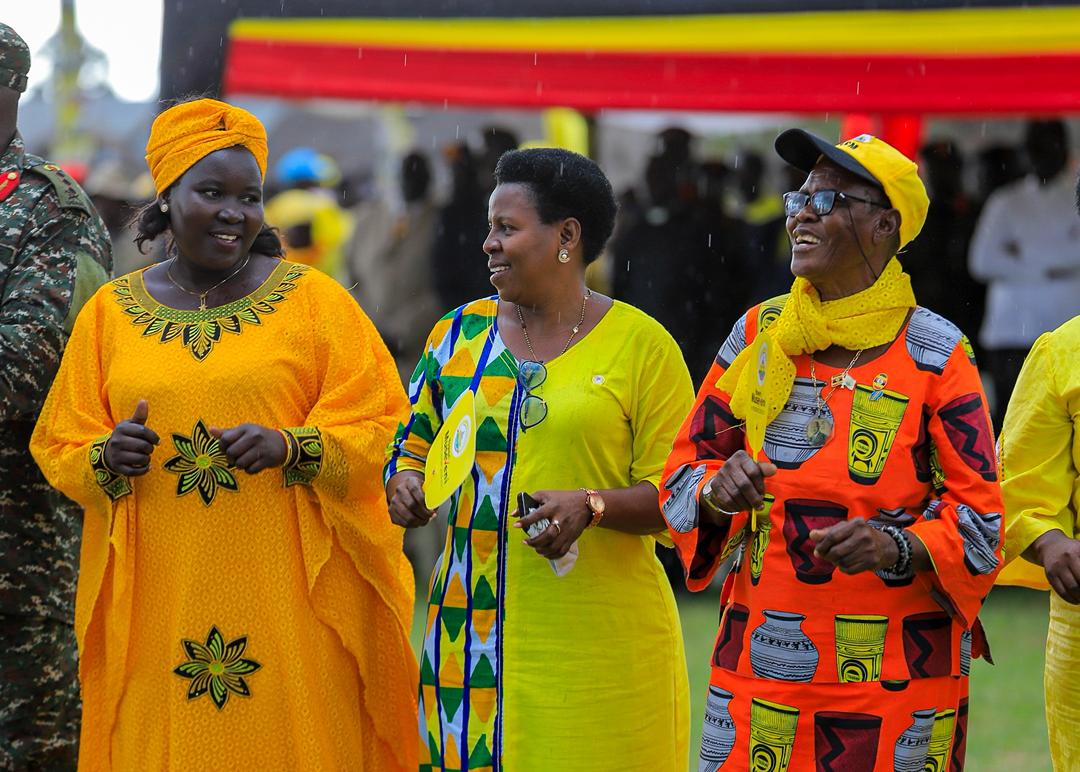
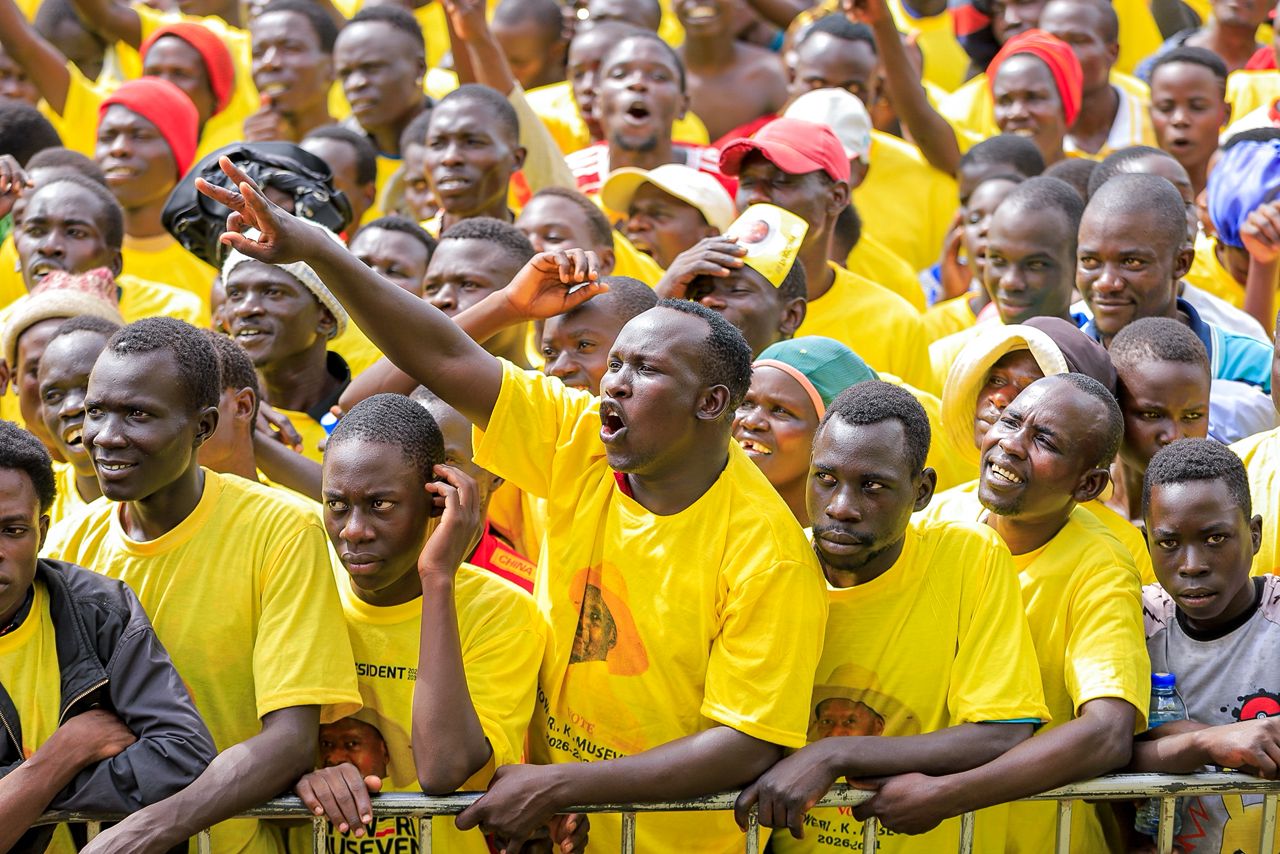
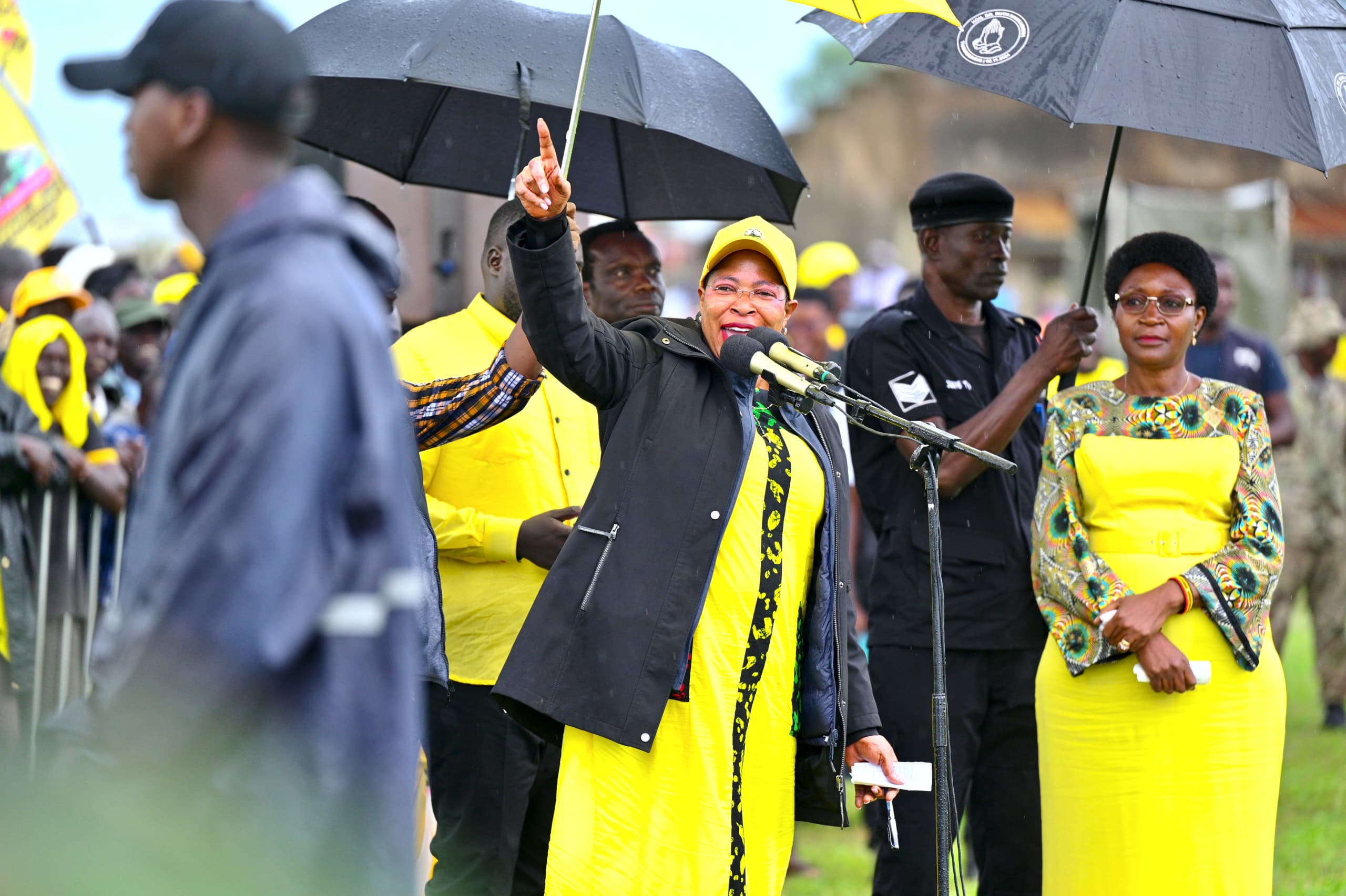
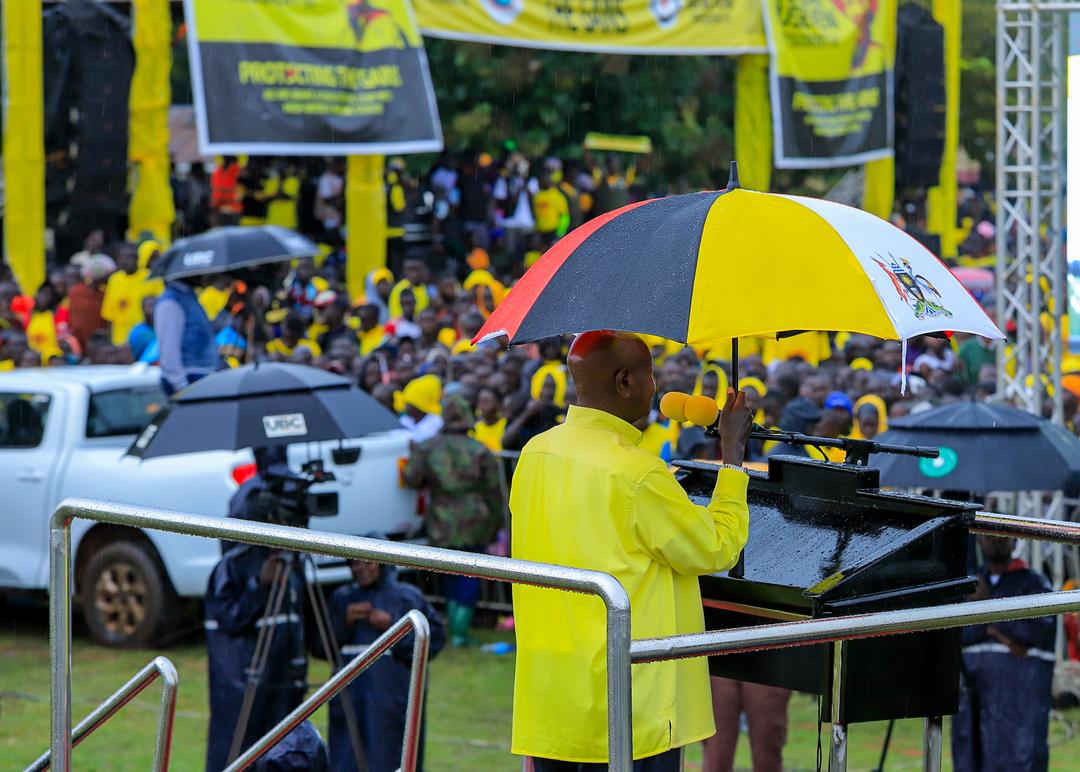
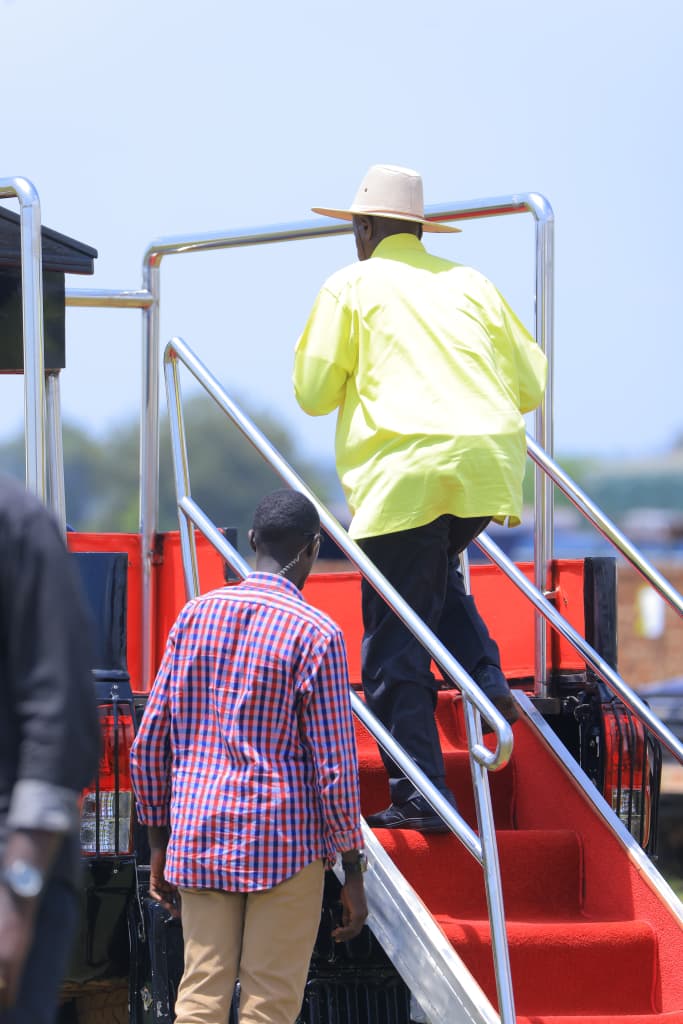
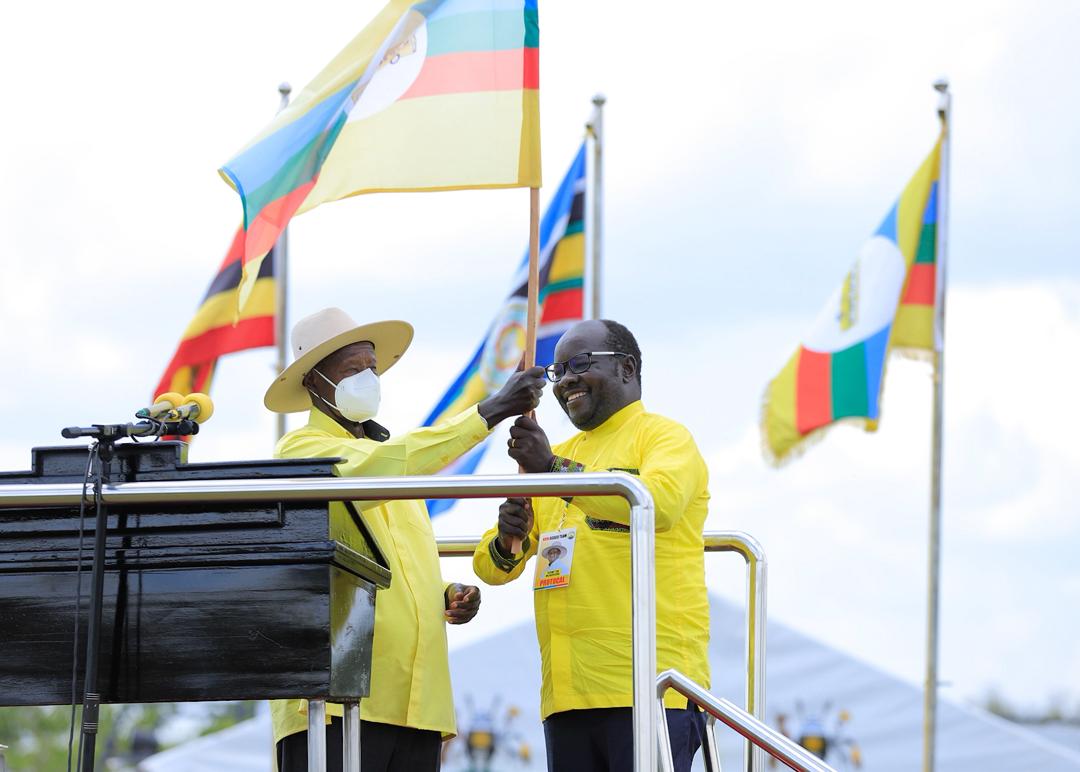
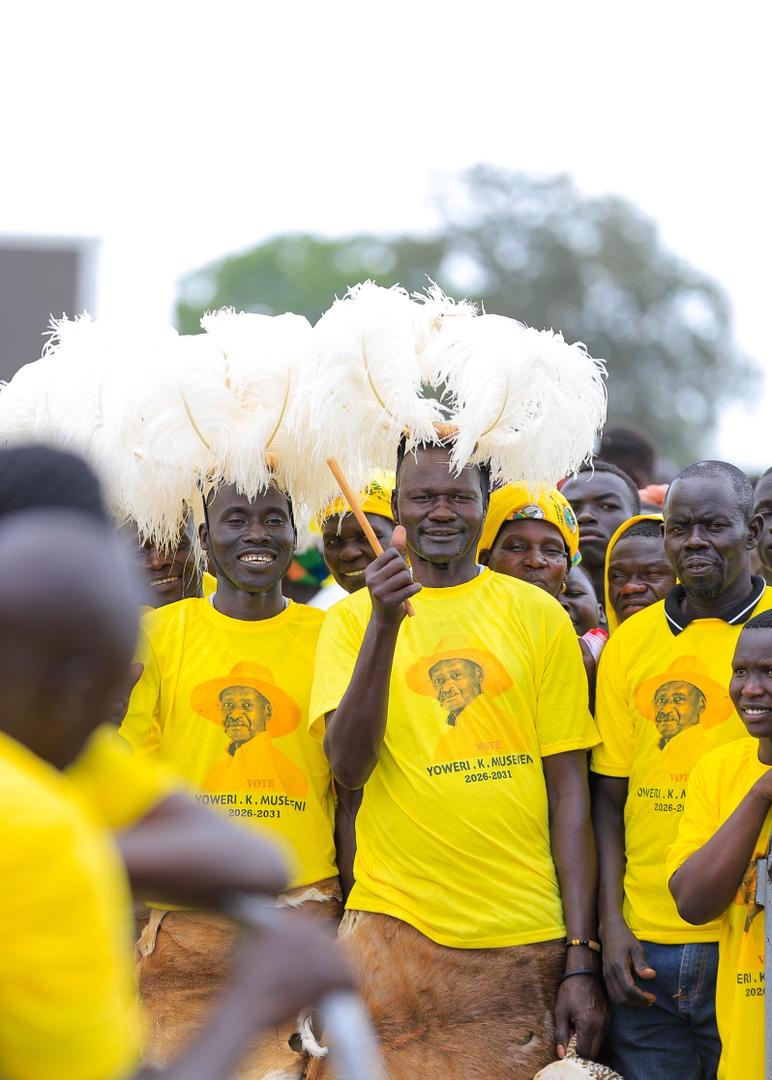
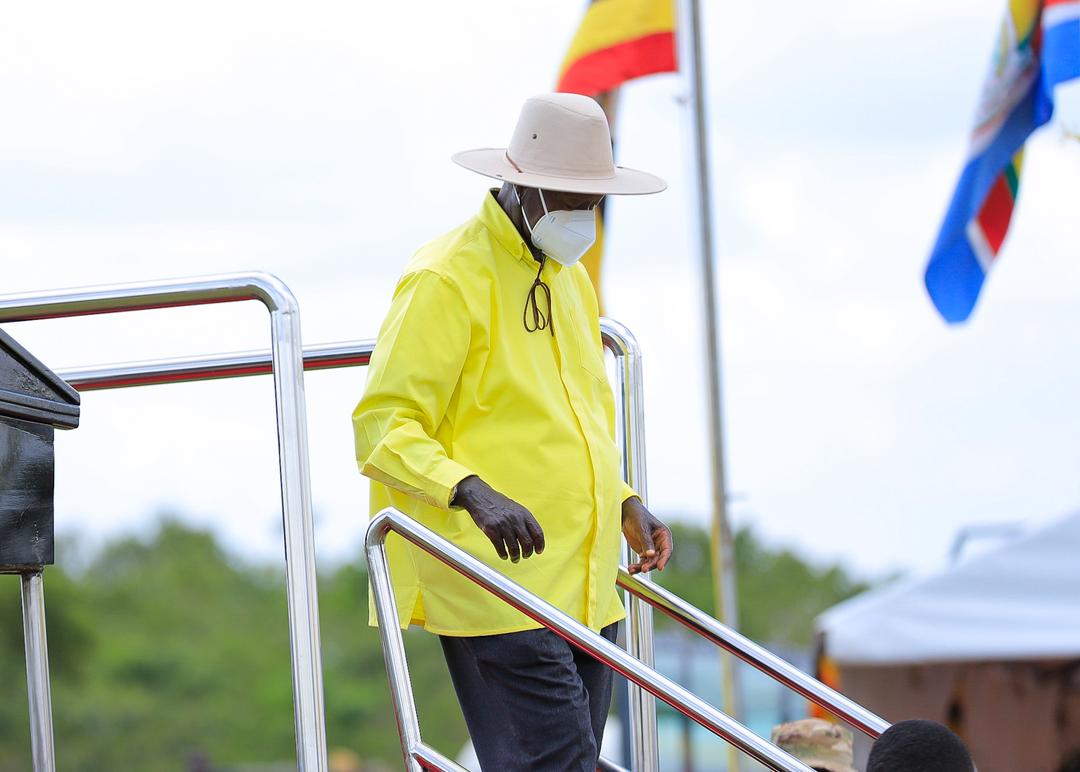
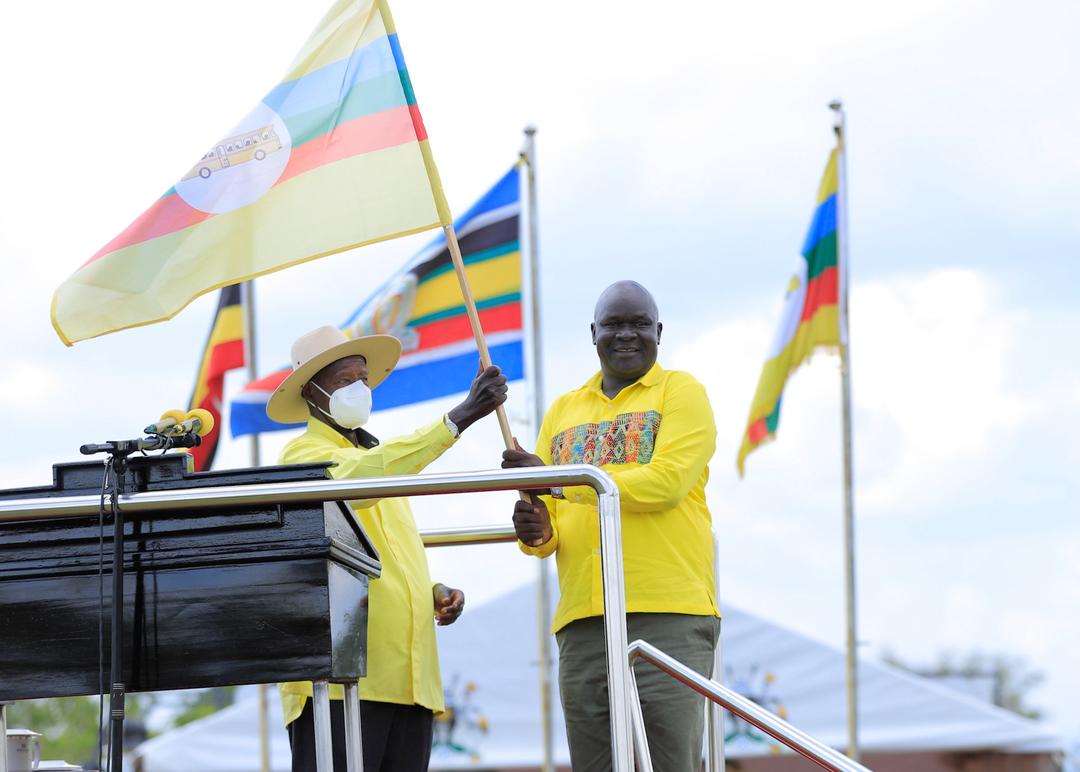
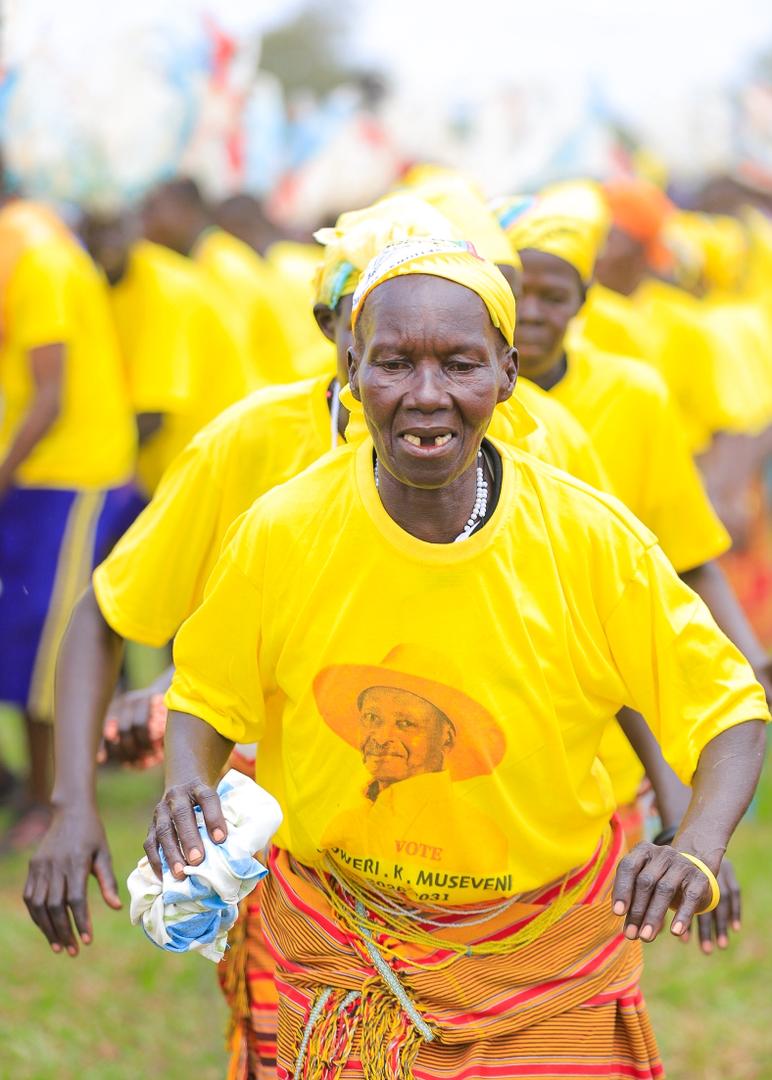
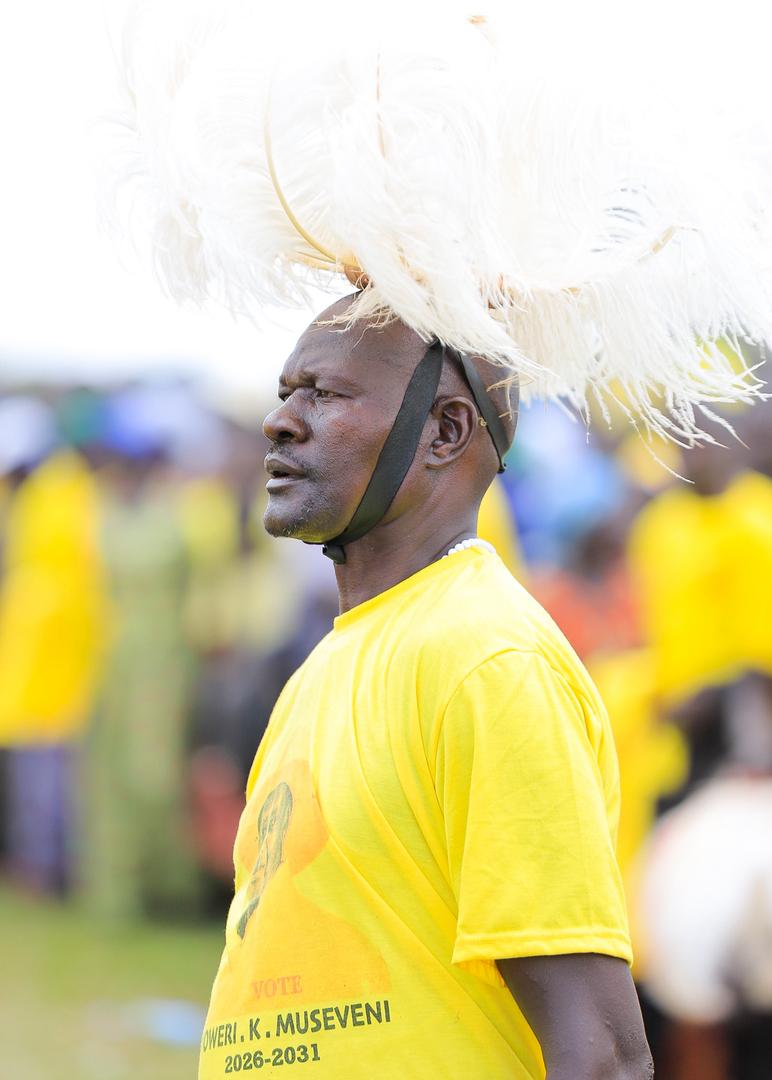
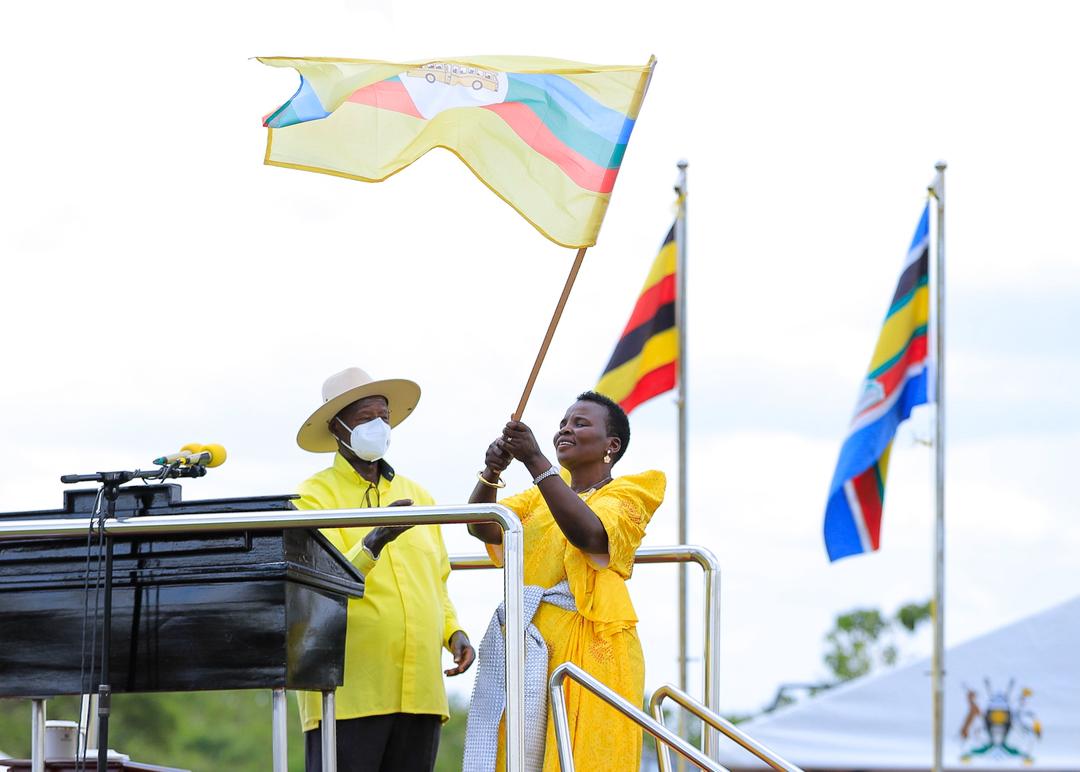
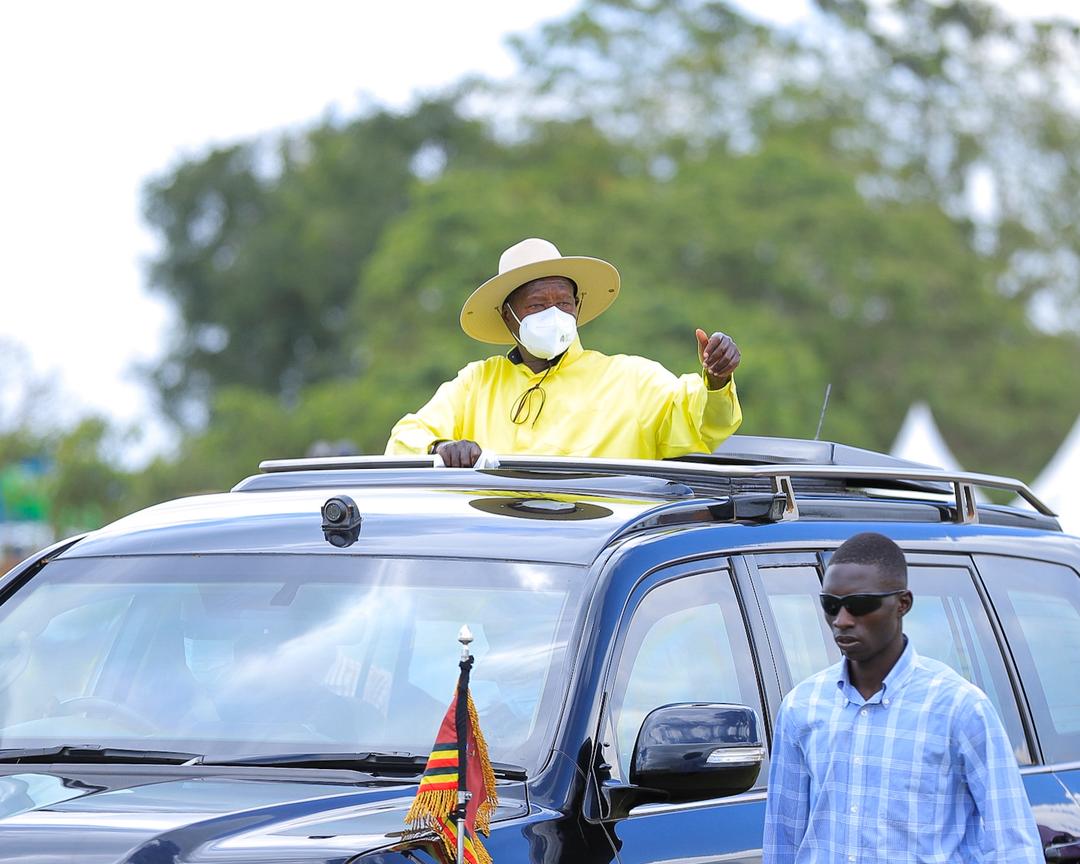
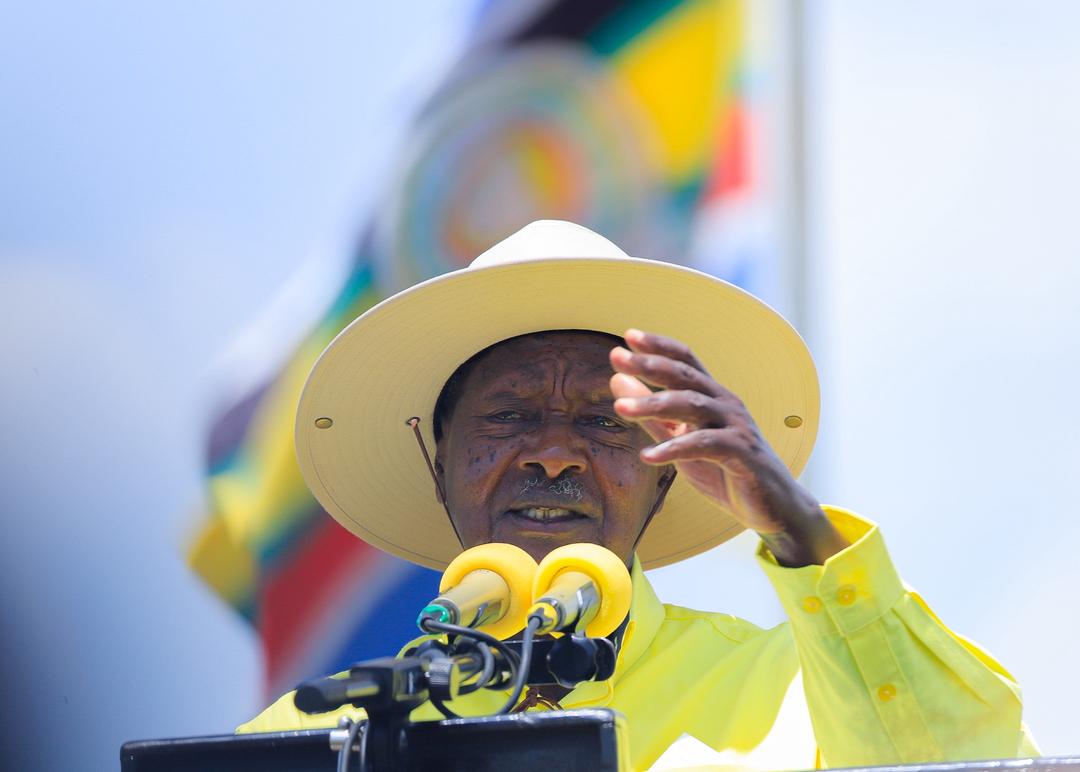
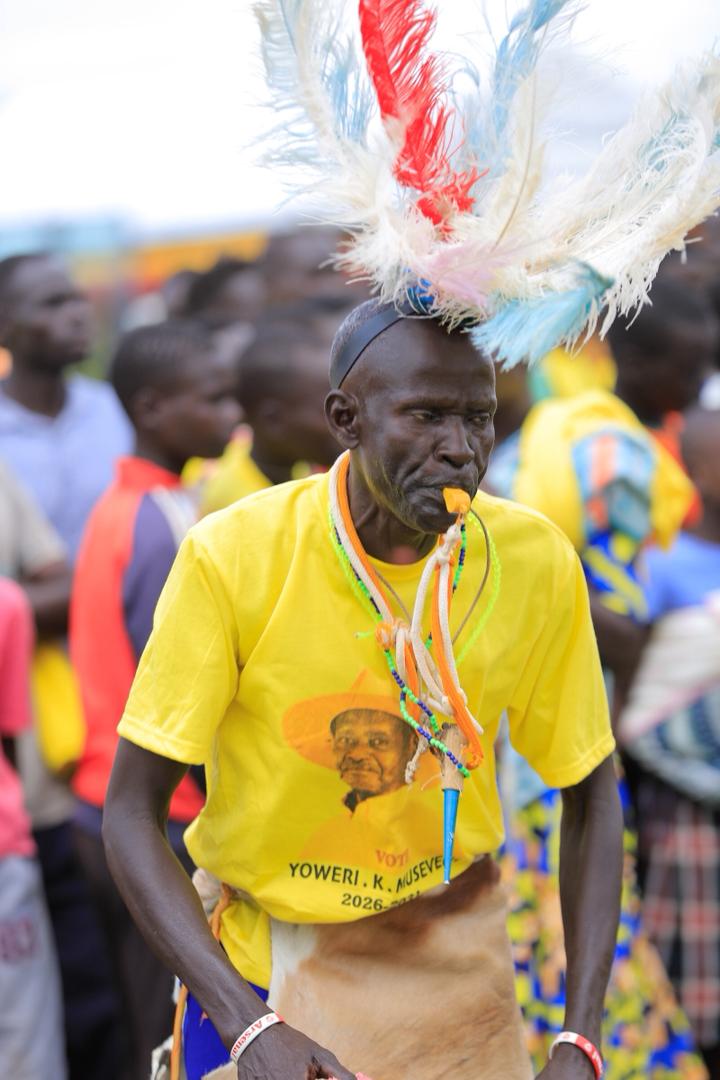
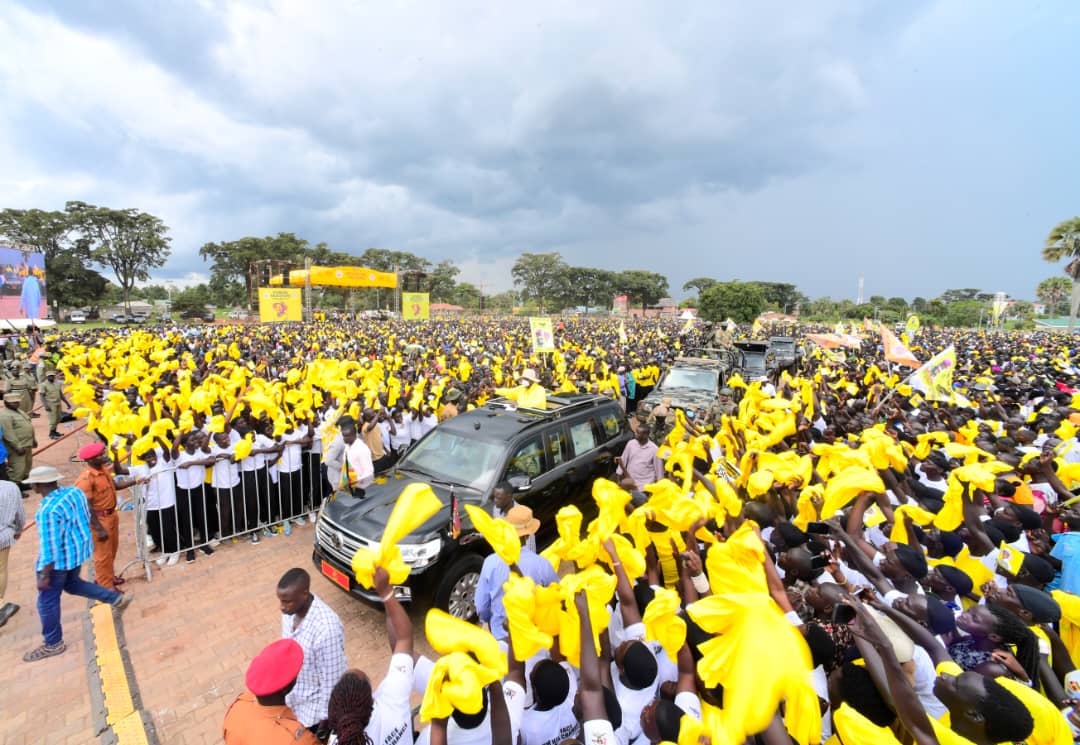
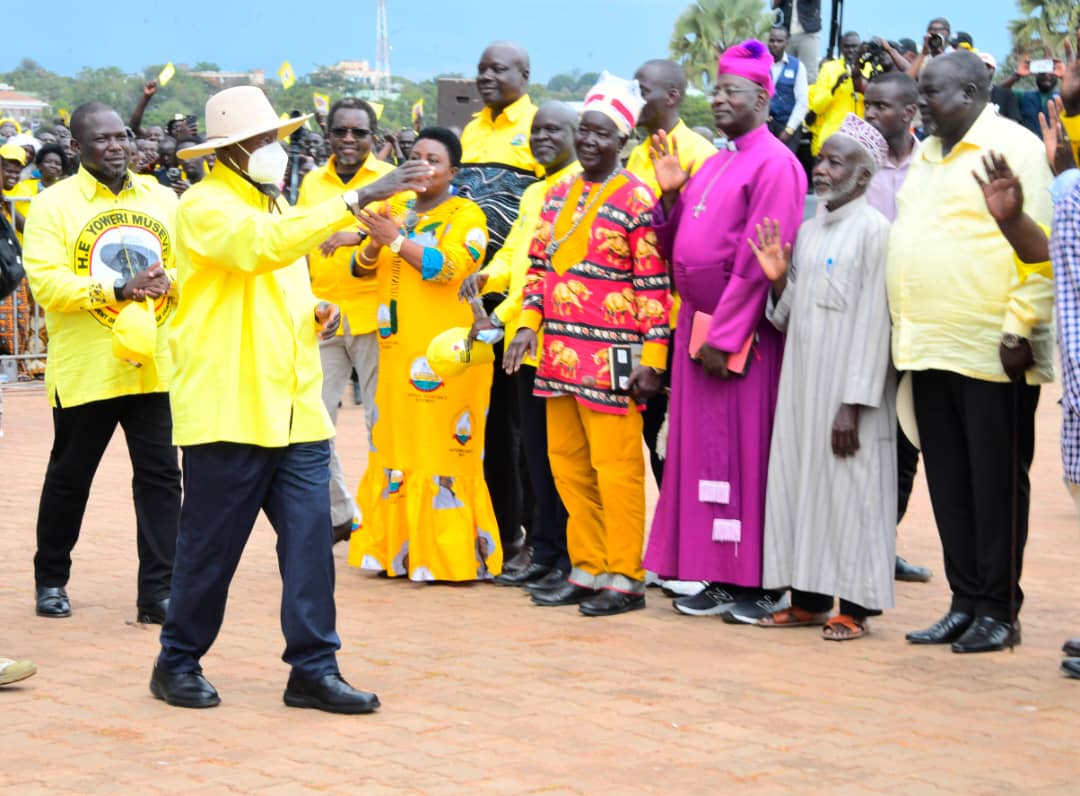
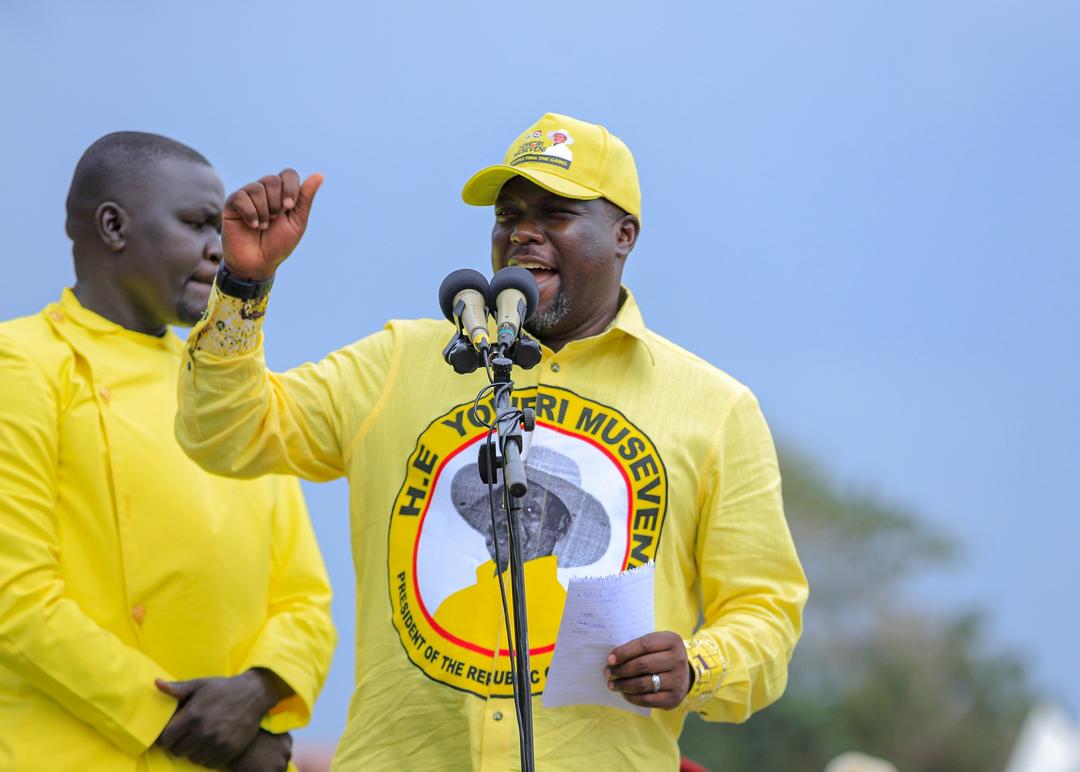
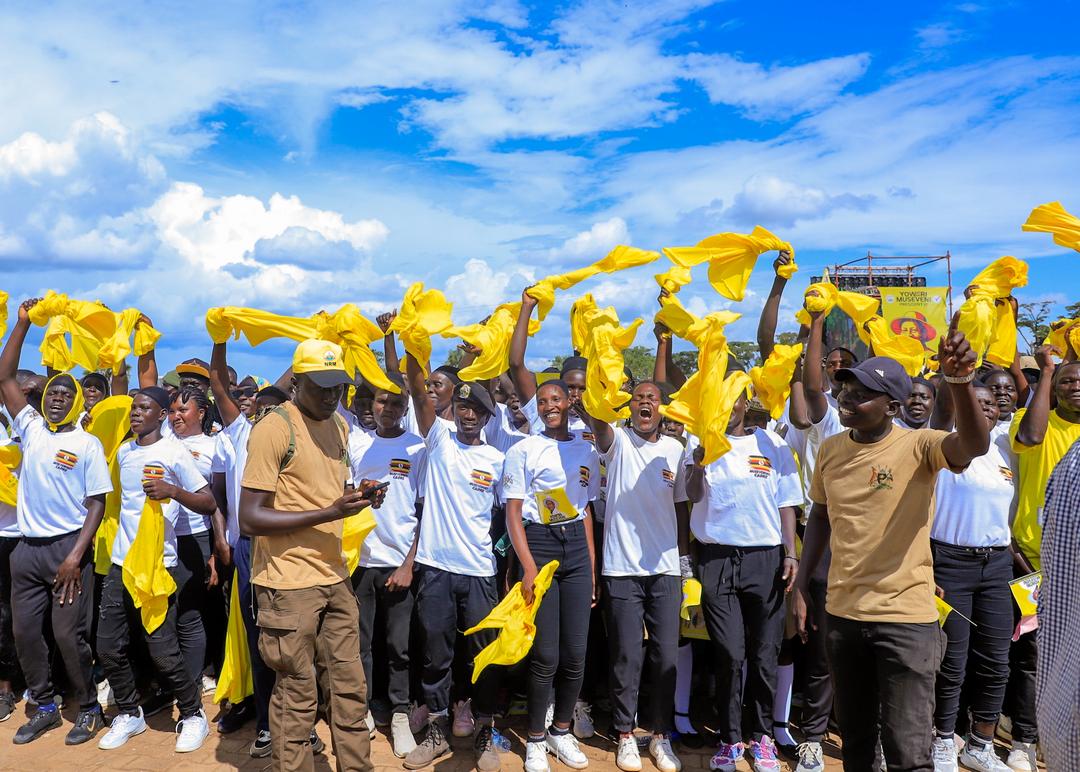
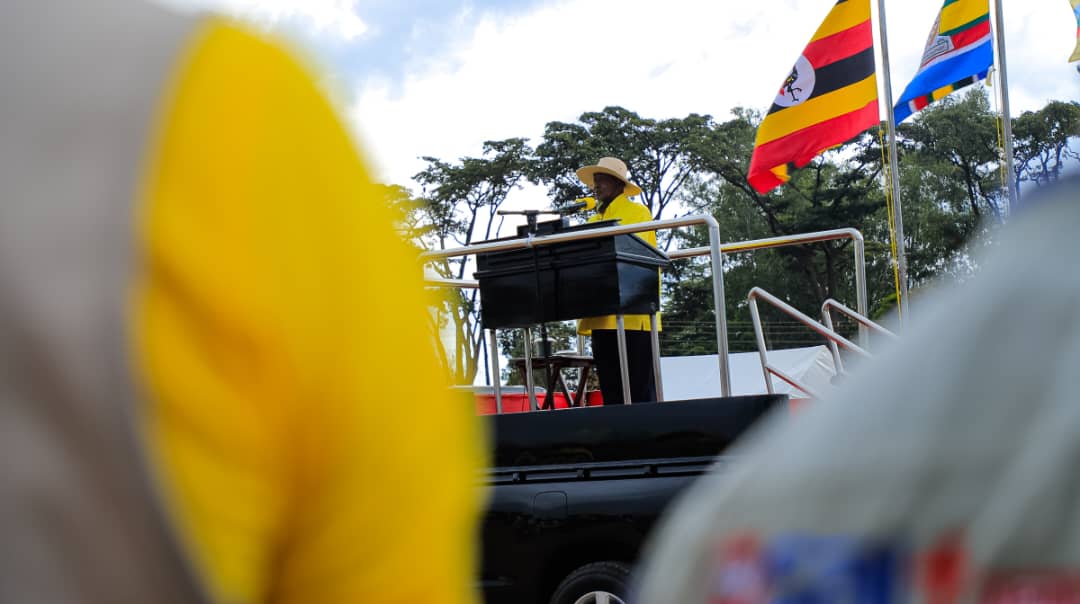
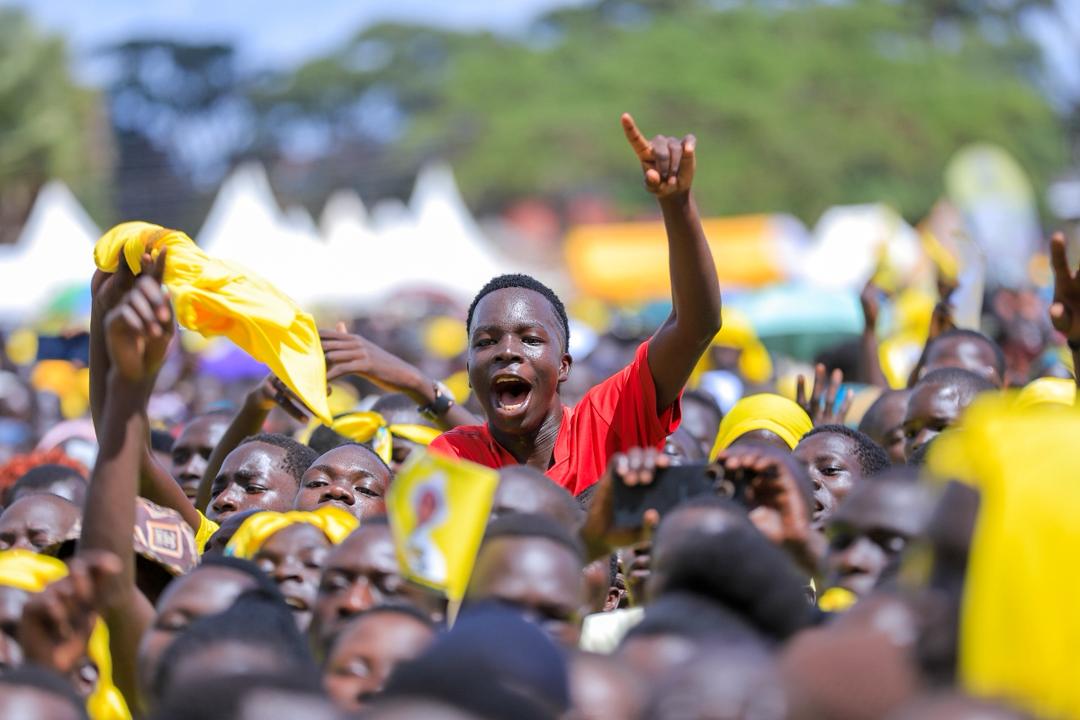
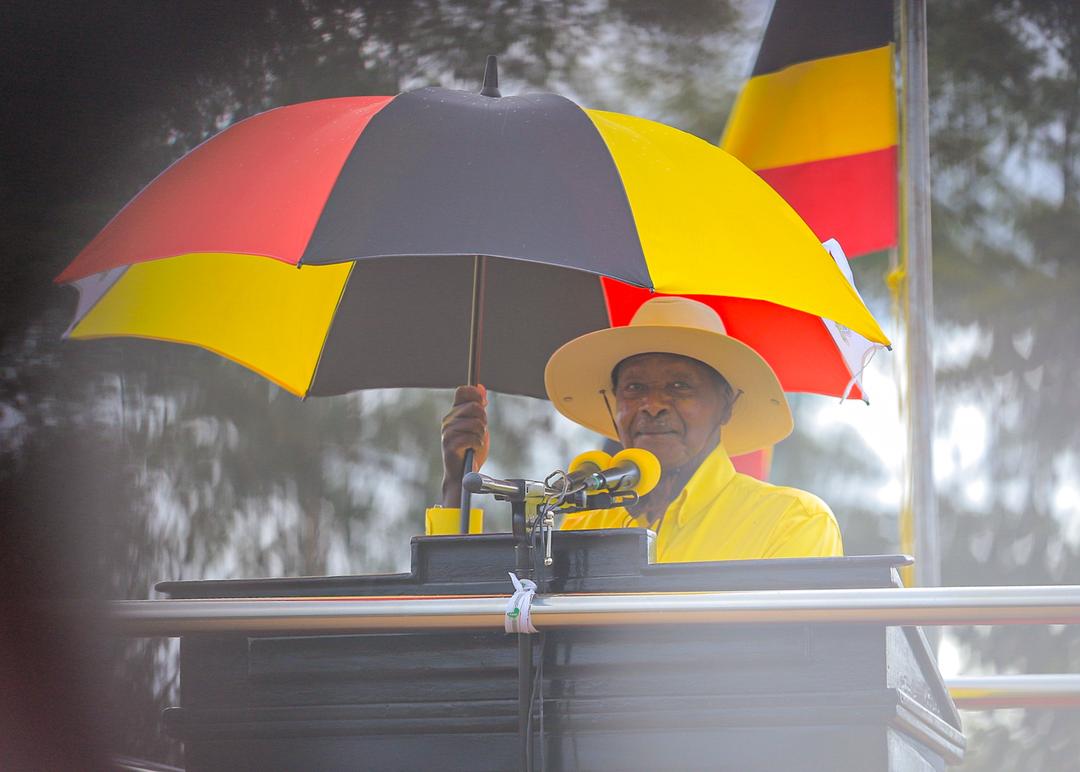
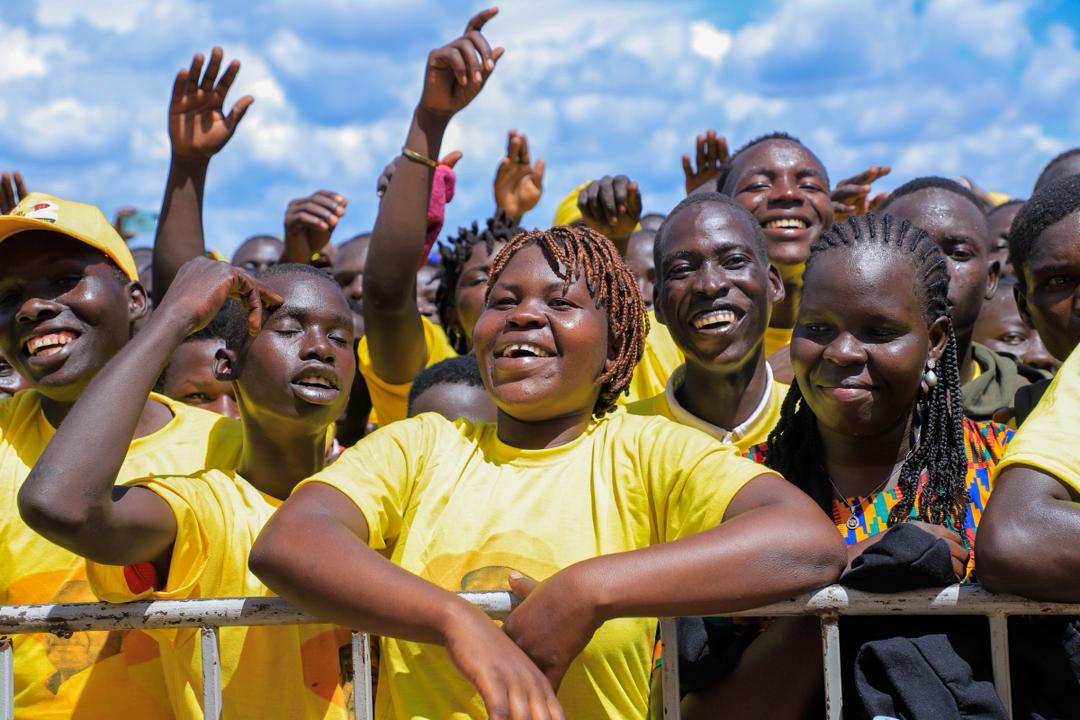
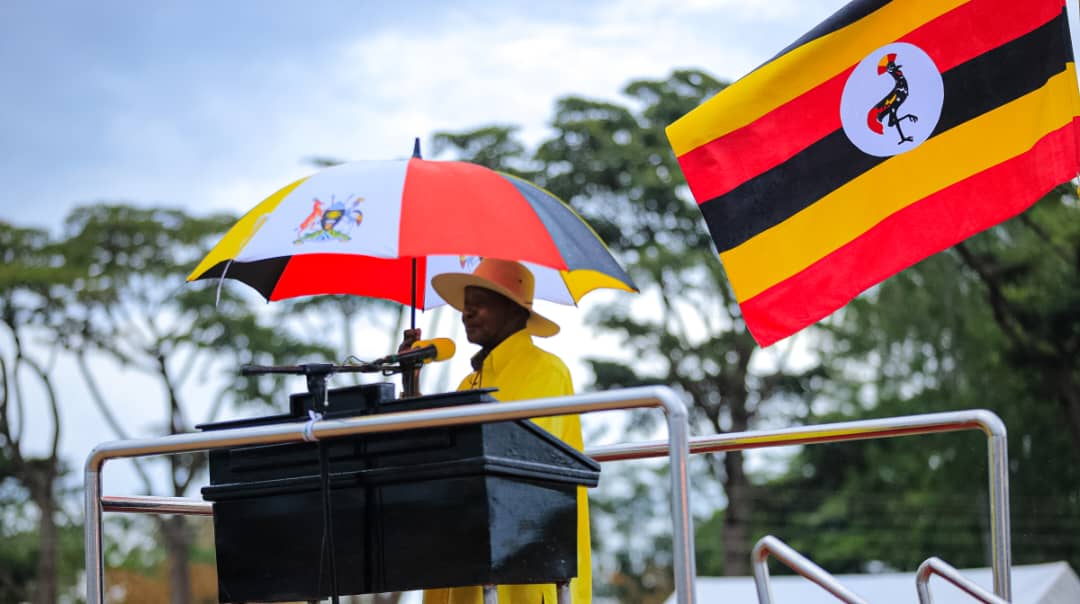
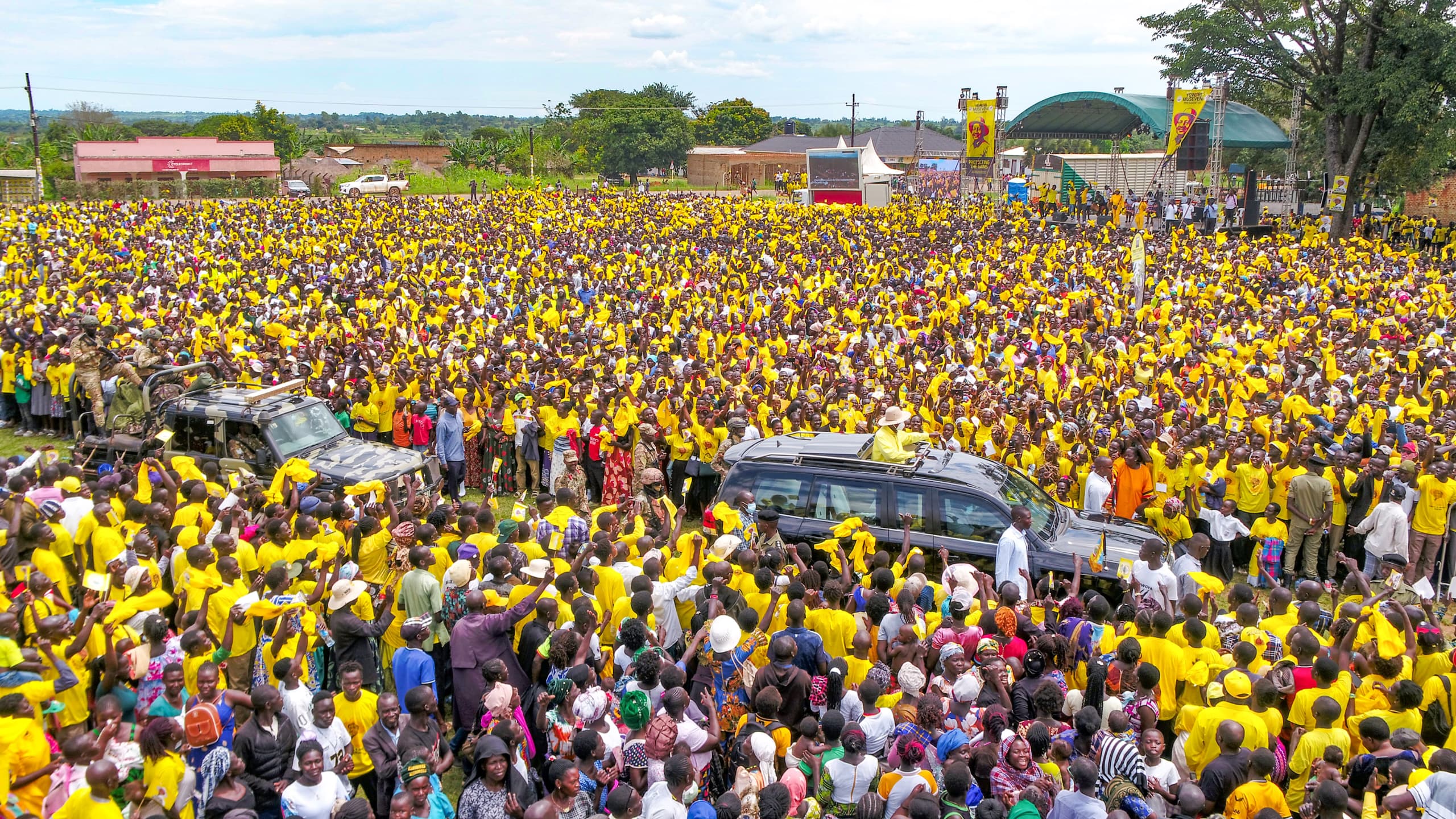
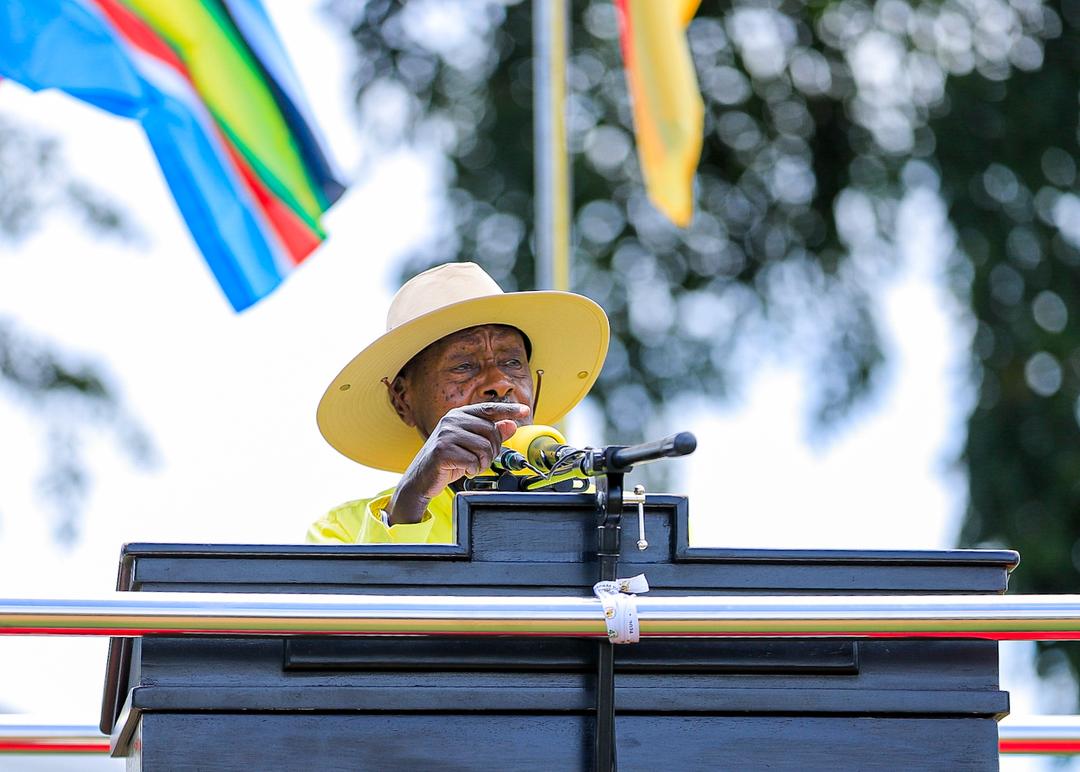
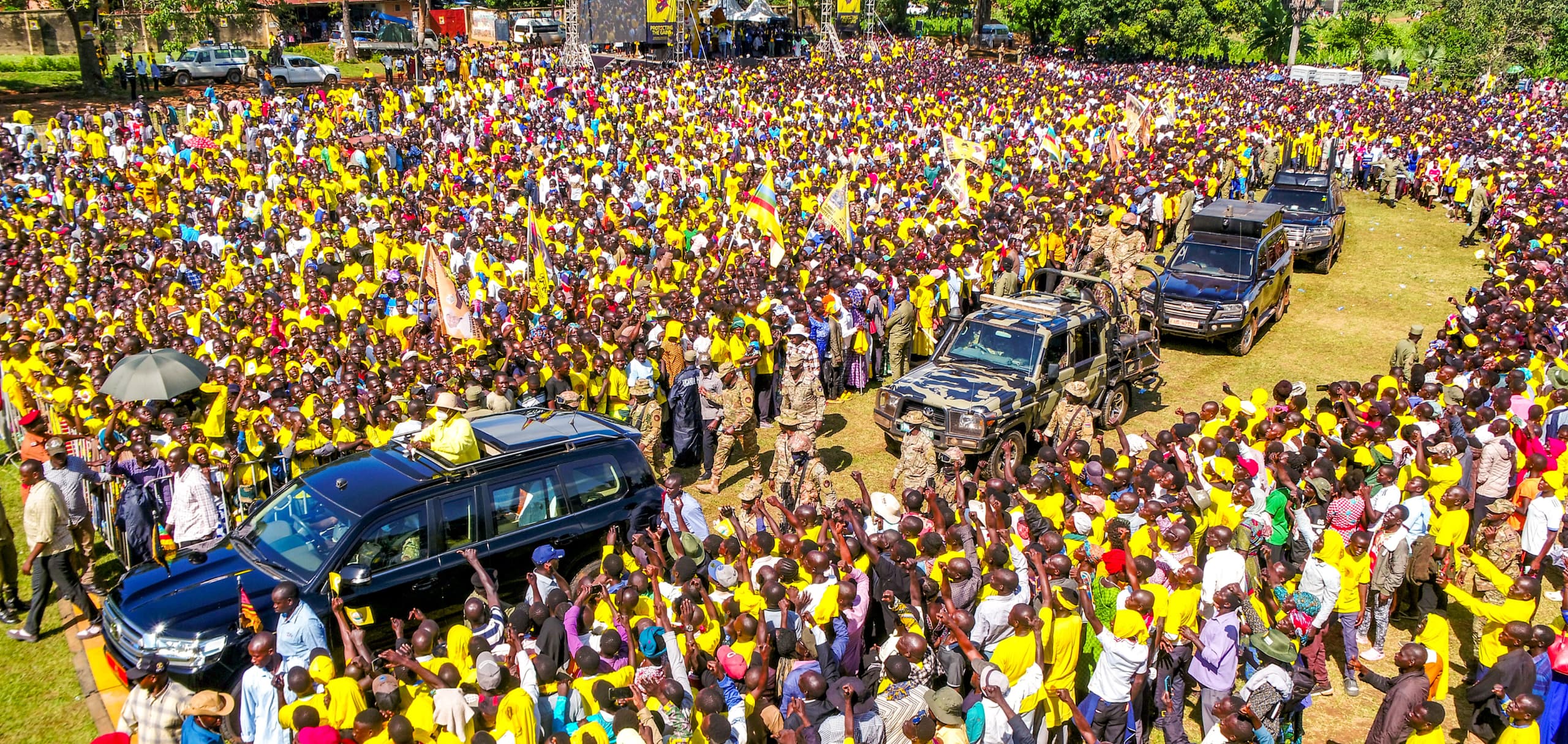
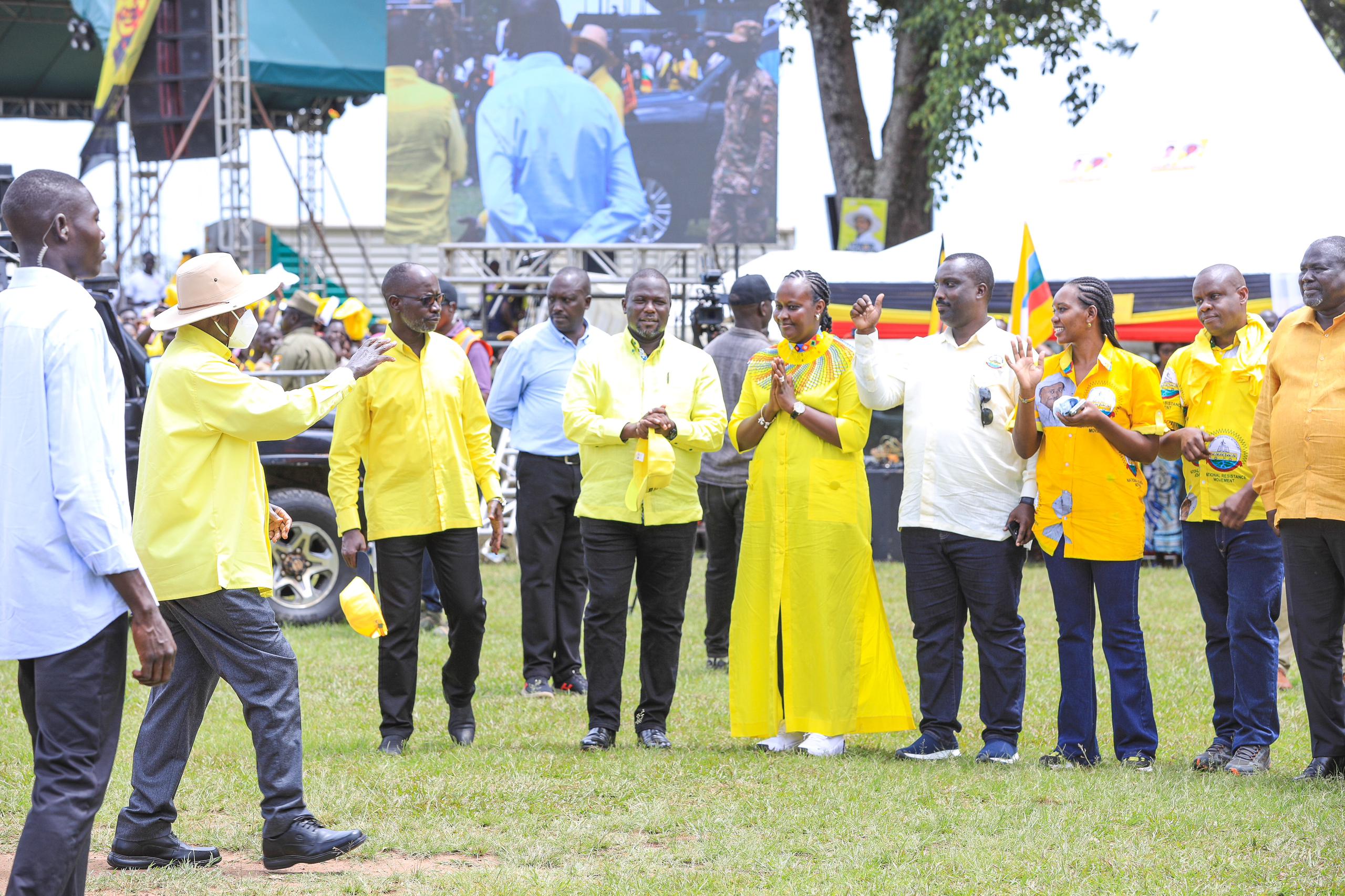
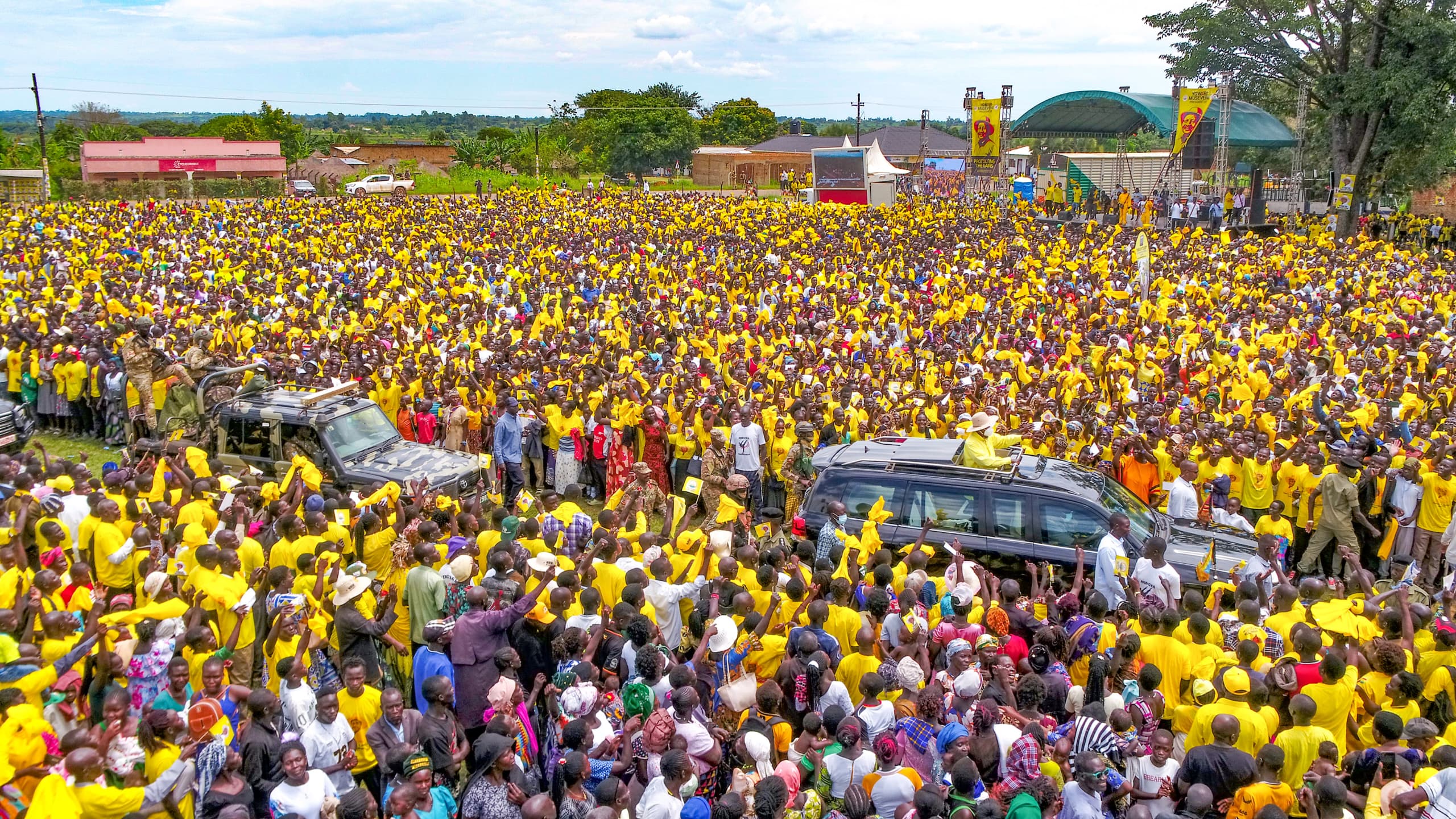
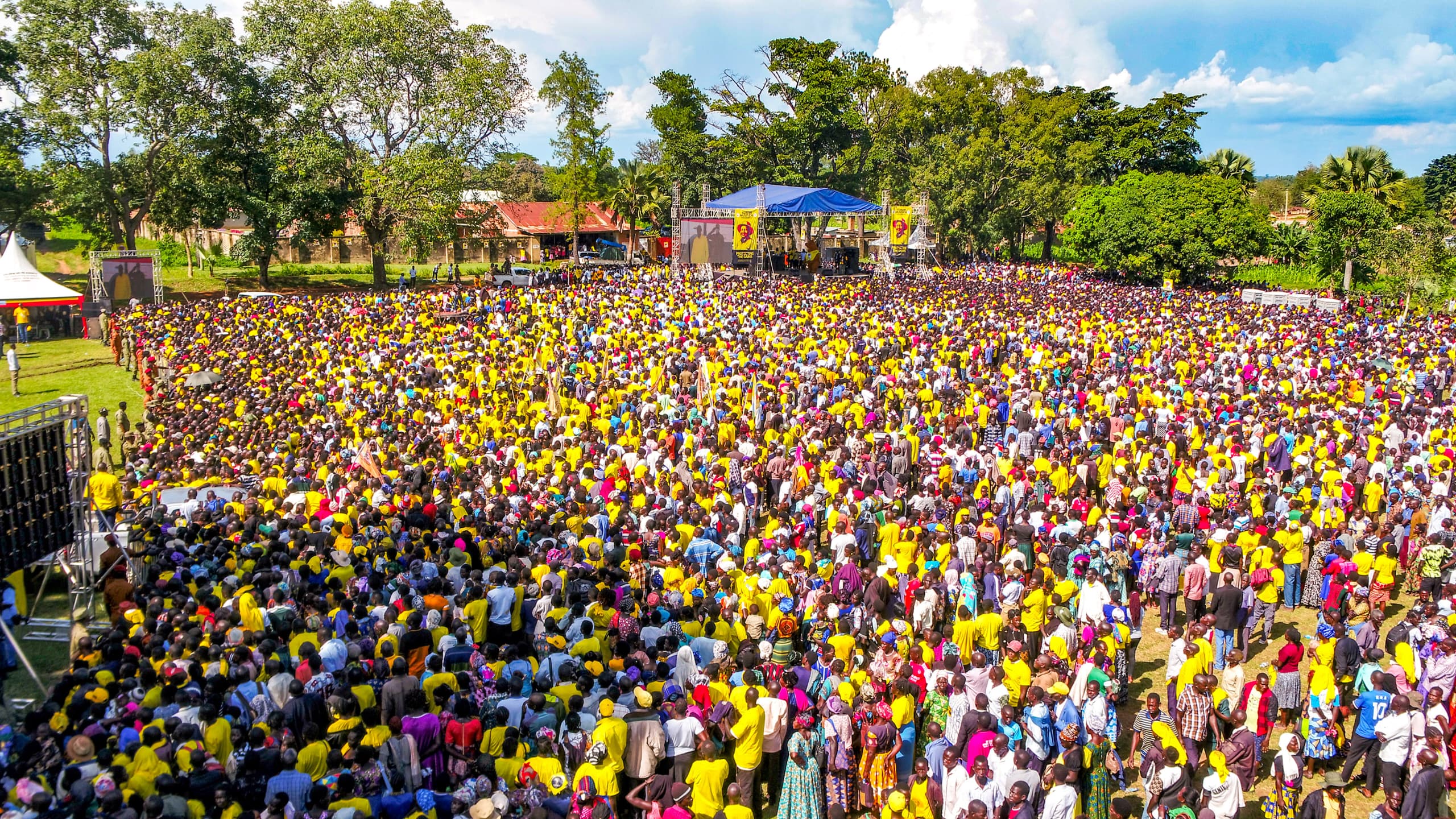
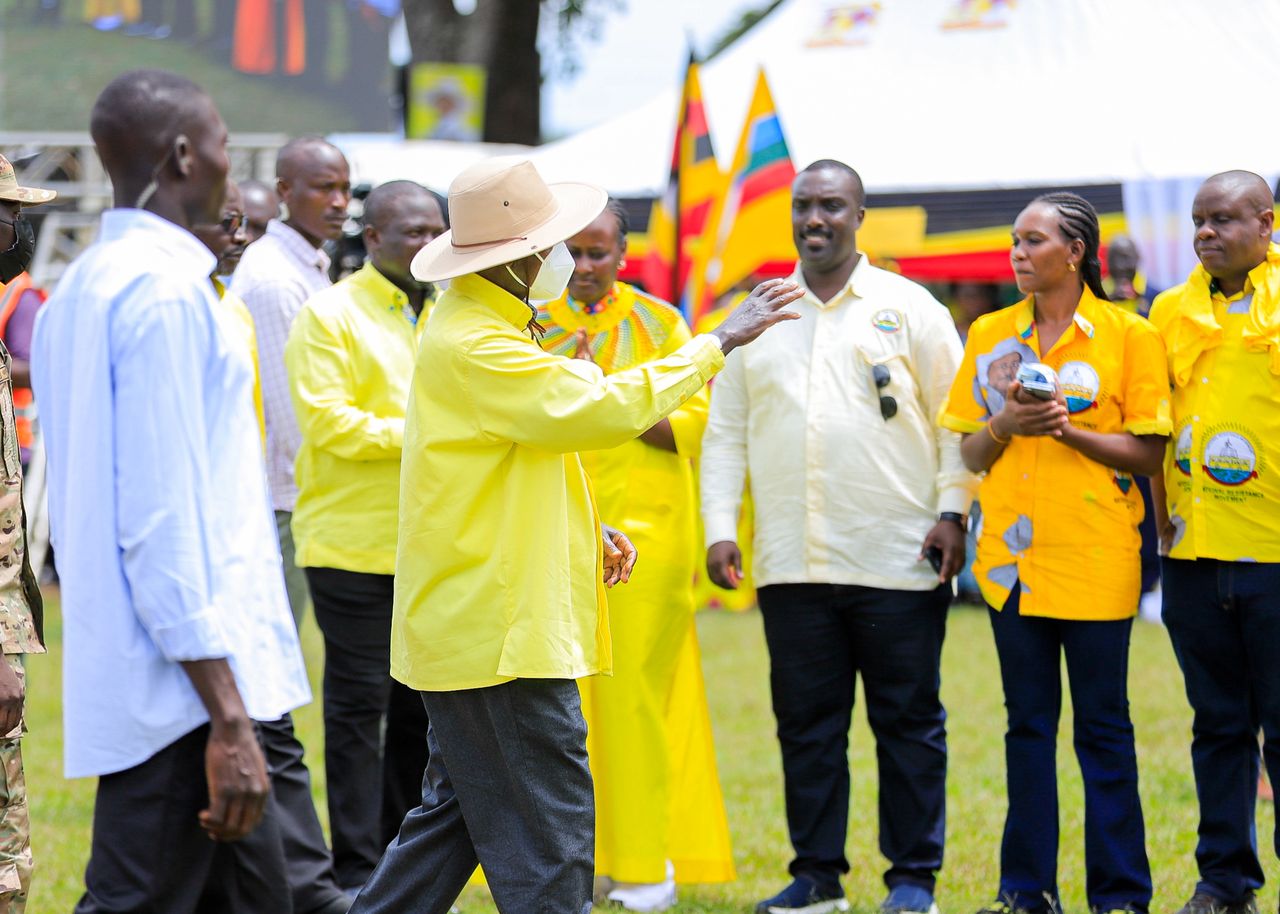
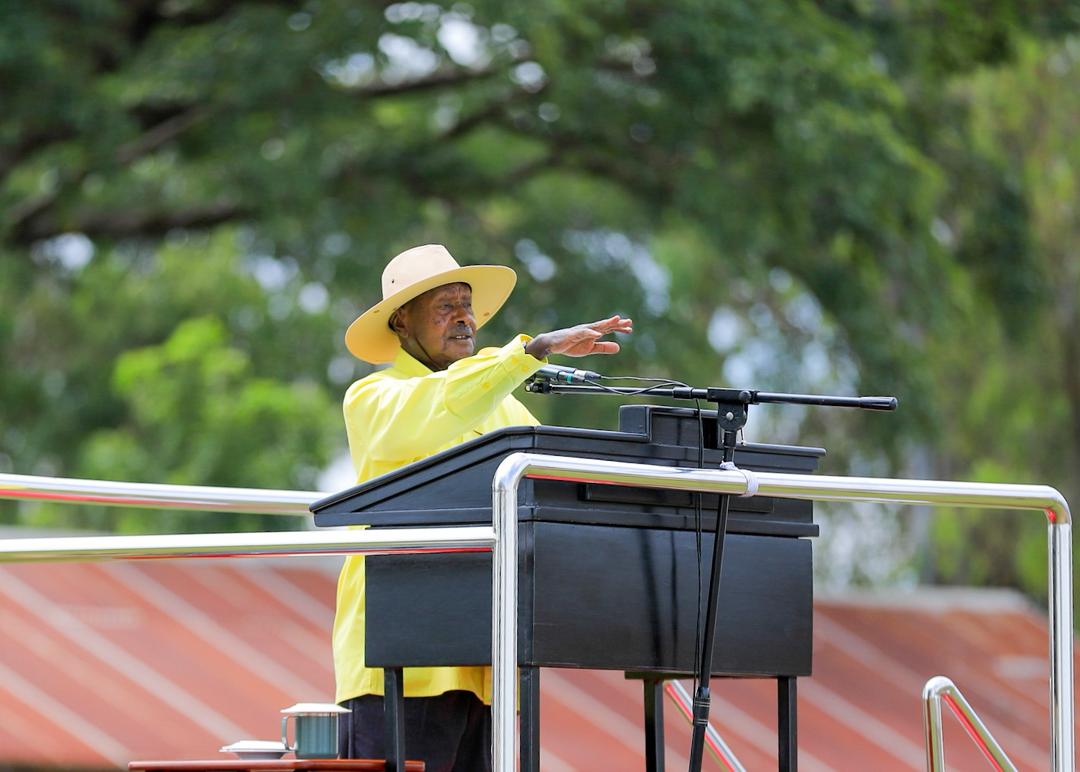
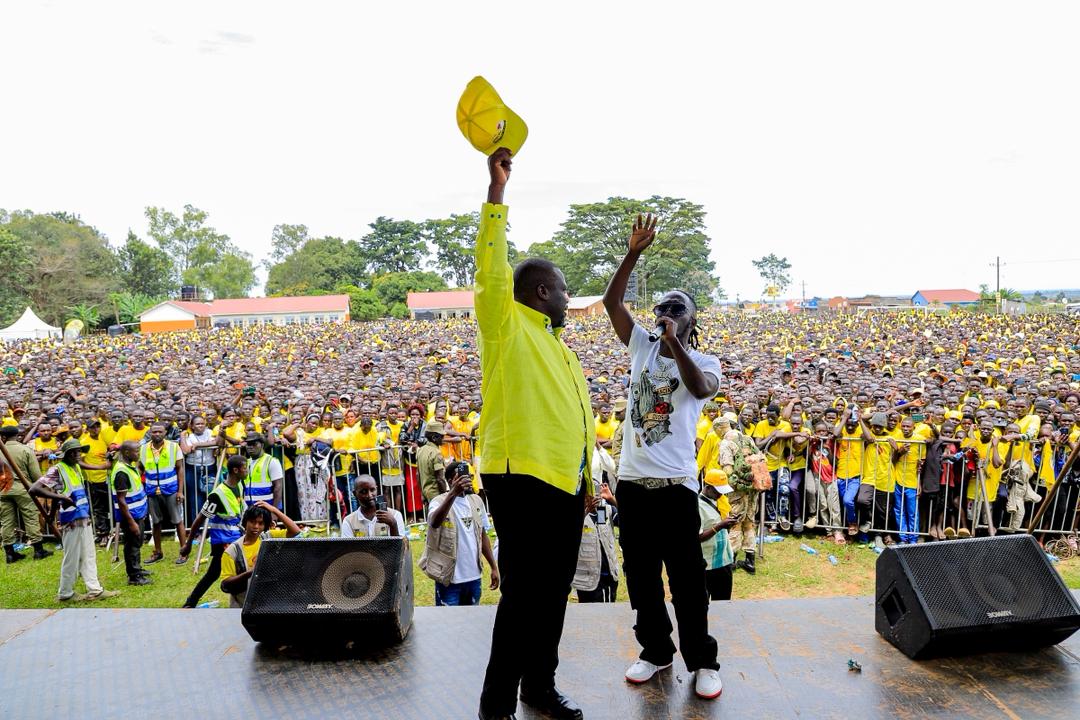
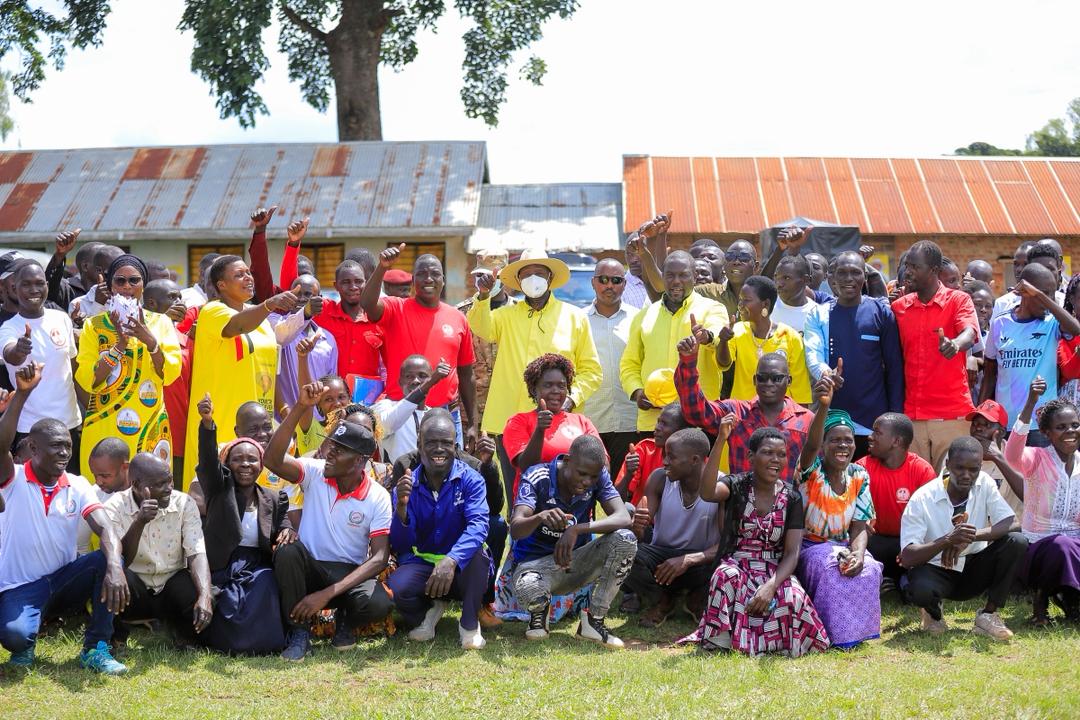
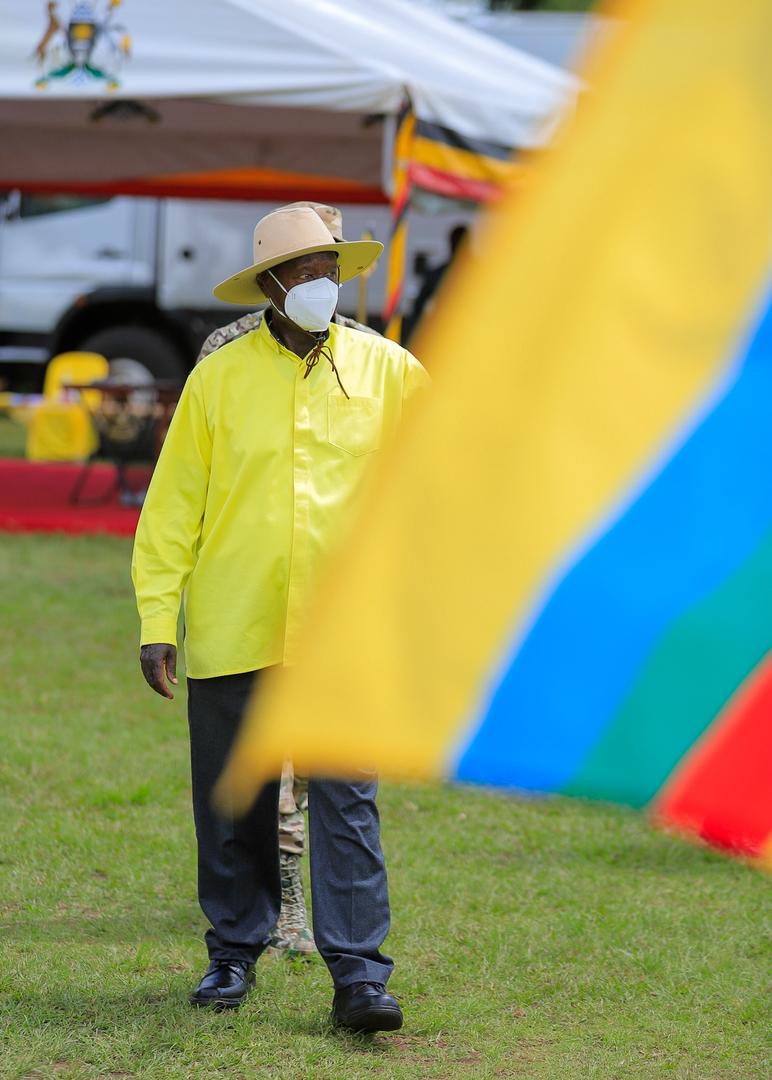
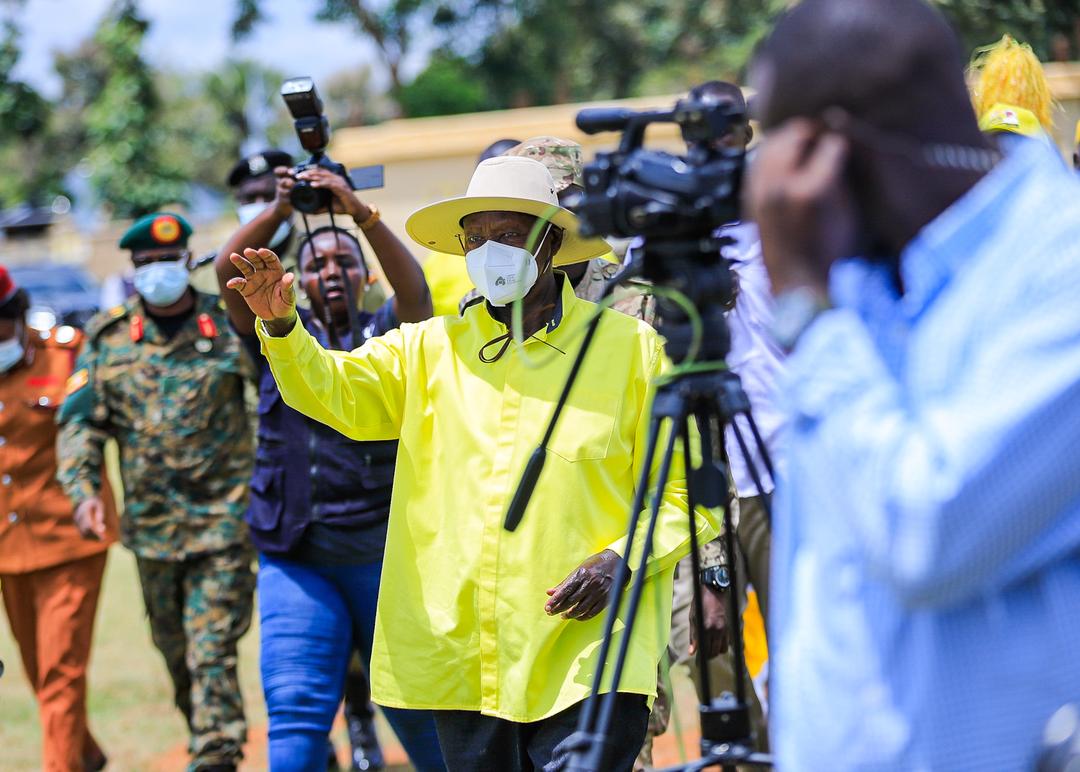
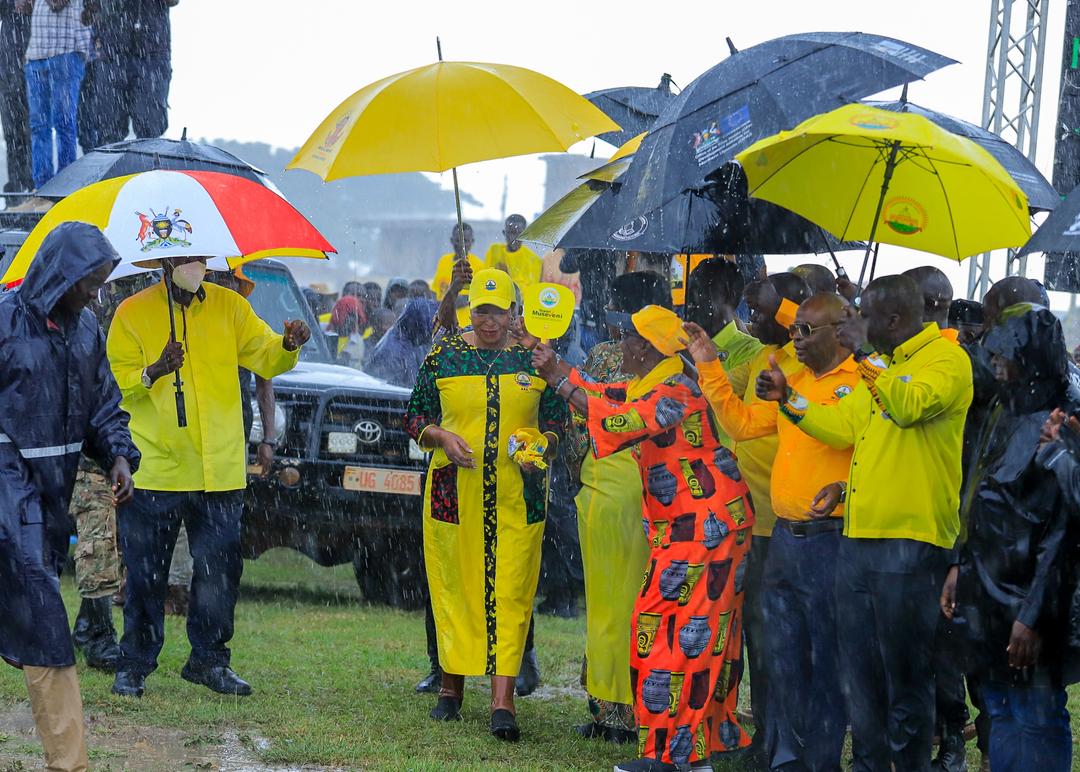
    KAPELEBYONG – President Yoweri Kaguta Museveni, the National Resistance Movement (NRM) Presidential flag bearer, yesterday took his 2026–2031 campaign trail to Teso sub-region, placing a new cattle restocking proposal at the heart of his message to residents.

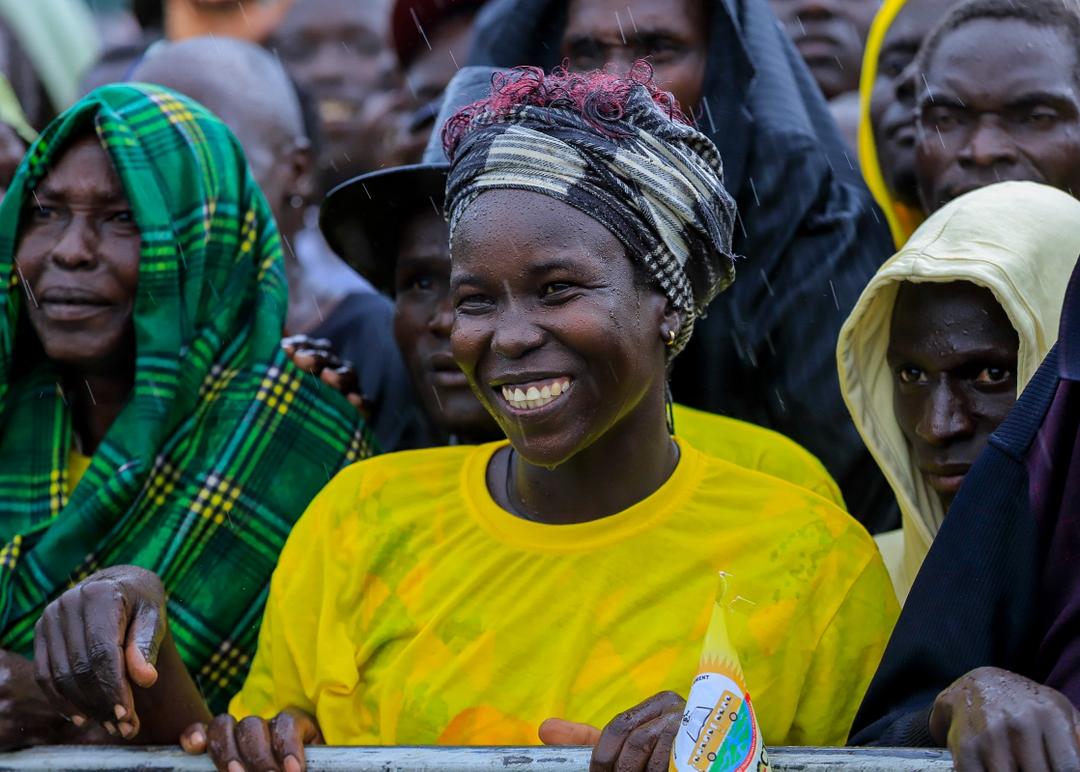
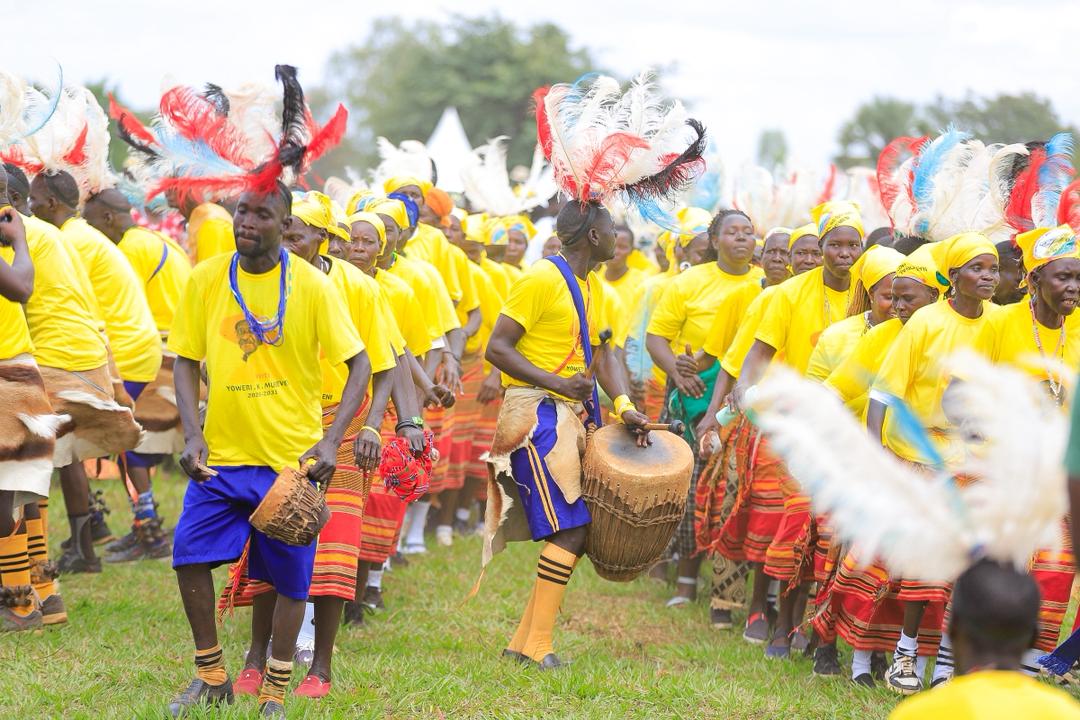
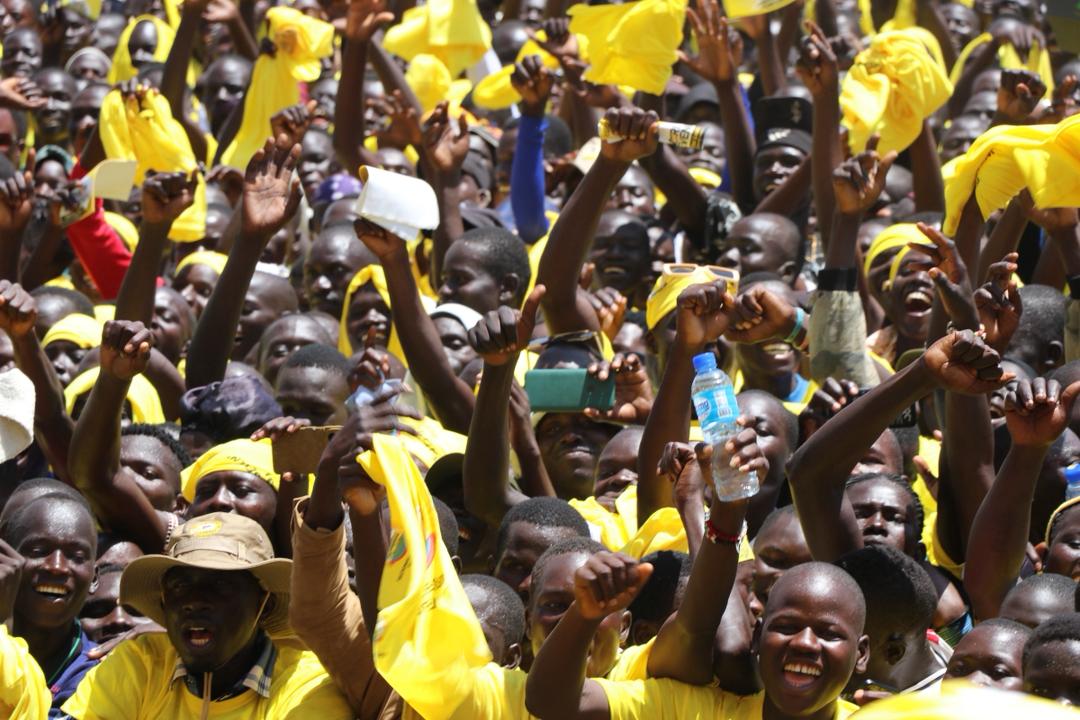
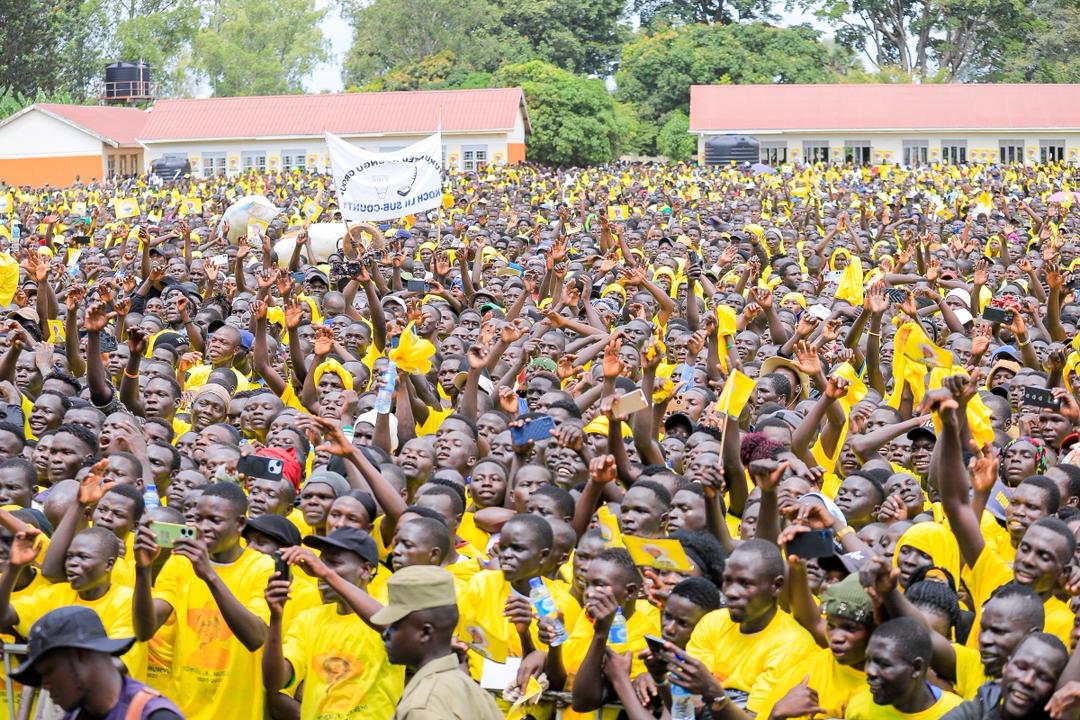
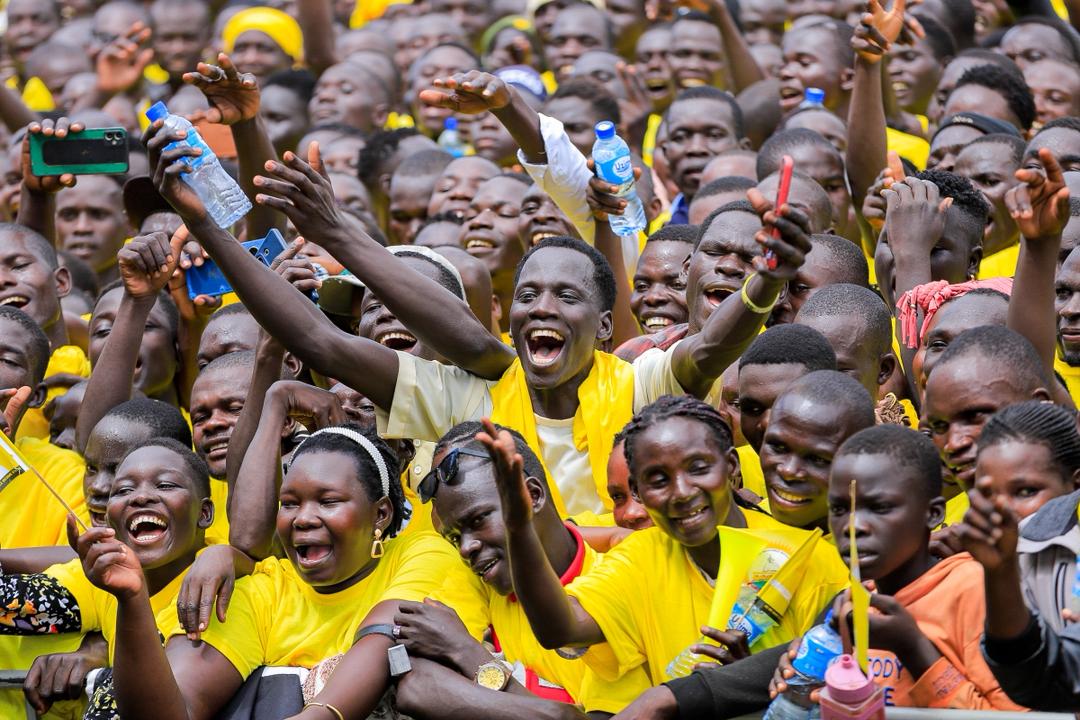
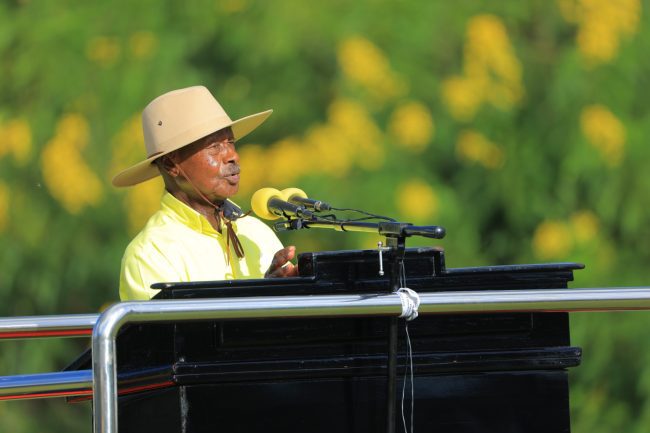
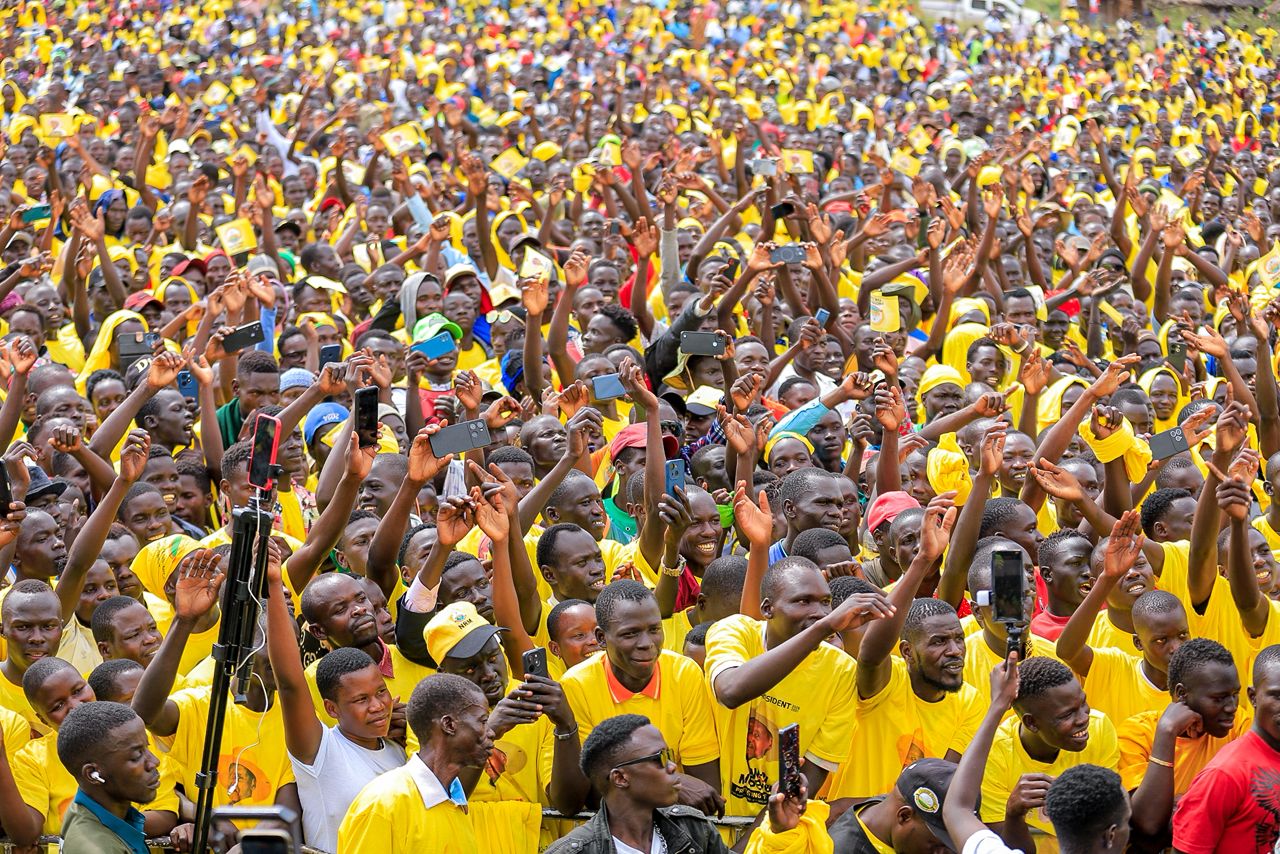
    Addressing thousands of supporters at St. Francis Secondary School, Acumet, in Kapelebyong District, President Museveni announced plans for a democratic livestock restocking programme targeting households across Teso, Lango, and Acholi sub-regions — areas historically affected by cattle raids and insurgencies.
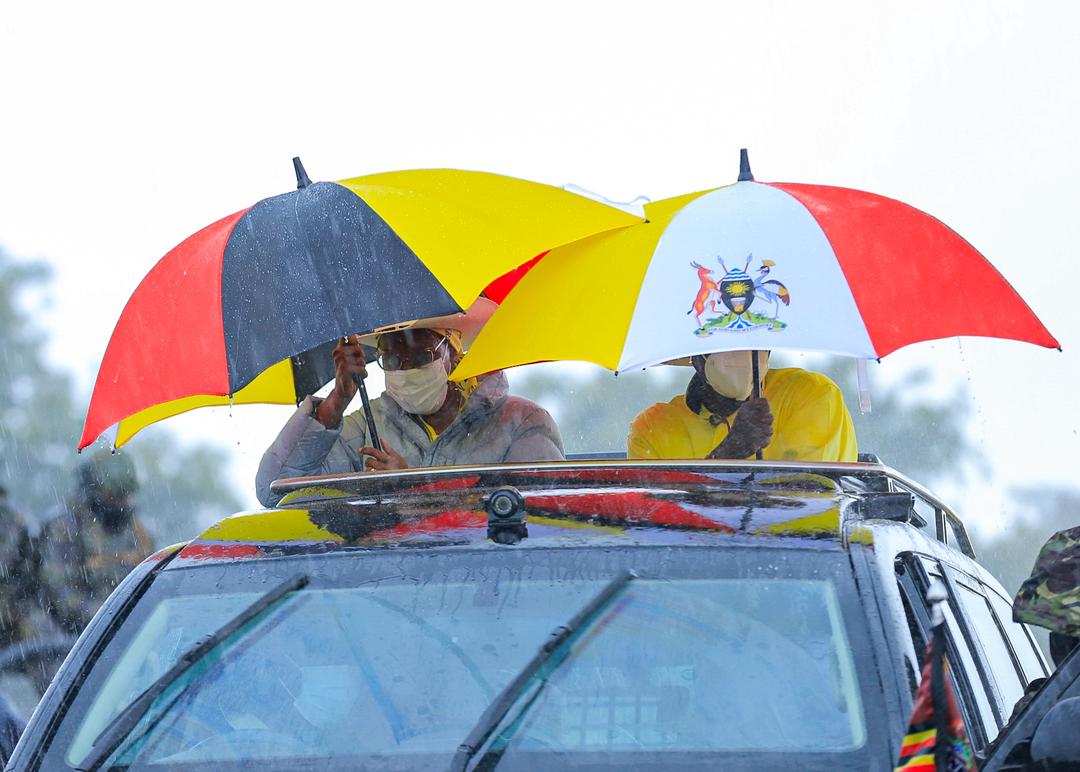
    “I recently met your leaders and asked why we don’t have a democratic formula for restocking. I proposed that each homestead should receive five cows,” President Museveni said to loud applause.

    “The majority supported it, and I have instructed the government to plan for it.”

    He described the initiative as a strategic move to restore household wealth and transform livelihoods in the cattle corridor, noting that past recovery programmes had been unevenly implemented.

    “This will be a fair and transparent way to ensure every family benefits from Uganda’s progress,” he added.

    The proposal, part of the NRM’s new manifesto for 2026–2031, aims to empower rural communities through agricultural productivity and wealth creation, aligning with the government’s ongoing Parish Development Model (PDM) and Emyooga programmes.
    Beyond the restocking plan, President Museveni also addressed concerns over poor road maintenance and corruption in local governments, calling for stronger accountability.

    “On the roads, there is some little problem which I have ordered the Ministry of Works and the Ministry of Local Government to stop. They delay in maintaining both tarmac and murram roads,” he said.

    He revealed that government allocates Shs 1.3 billion per district annually for road maintenance, but investigations had found funds being misused.

    “Some roads are not maintained, and when they are, they do it carelessly. They just grade without drainage. I am going to deal with them,” he warned.
    The President also highlighted achievements under NRM leadership in education, social services, and infrastructure across Teso.

    “In Kapelebyong alone, there are now 10 secondary schools — a sign of how far we’ve come,” he noted.

    He cited key road projects linking Soroti, Moroto, Mbale, and Lira, and pledged to extend new connections to Amuria, Obalanga, and Otuke.

    On peace and security, Museveni reflected on the region’s recovery from past cattle rustling and insurgencies.

    “Since 2007, Uganda has enjoyed peace. We defeated the rebels and disarmed cattle rustlers. That is why we can now talk about wealth creation,” he said.

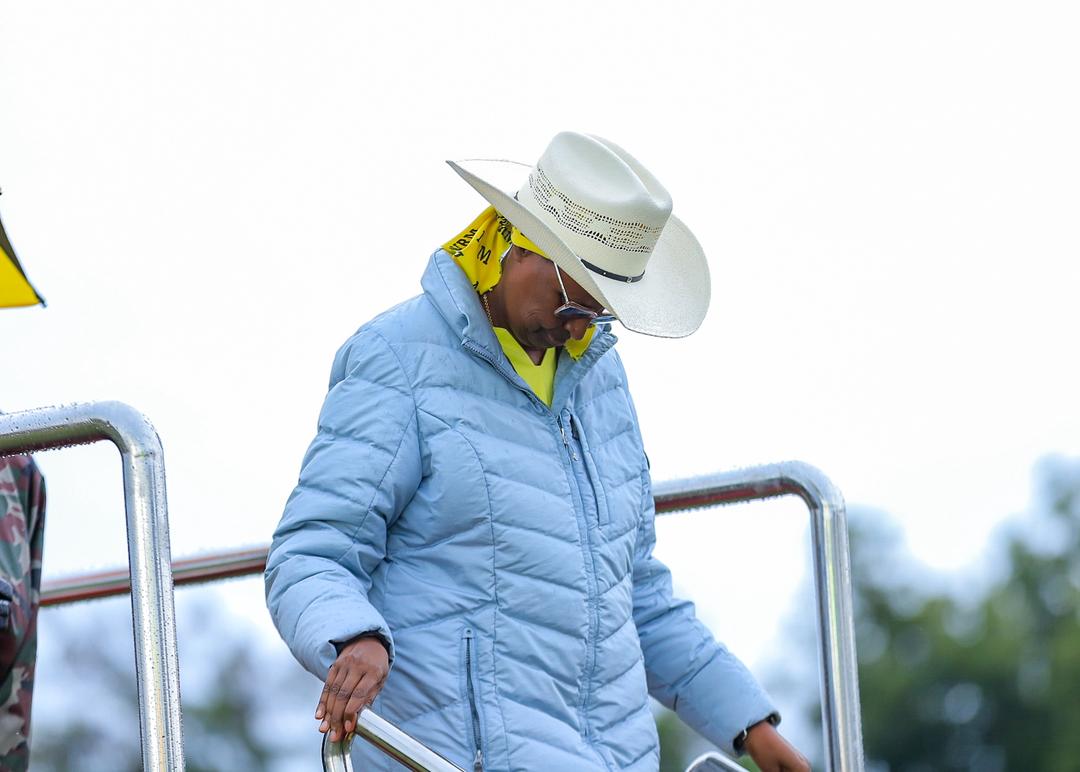
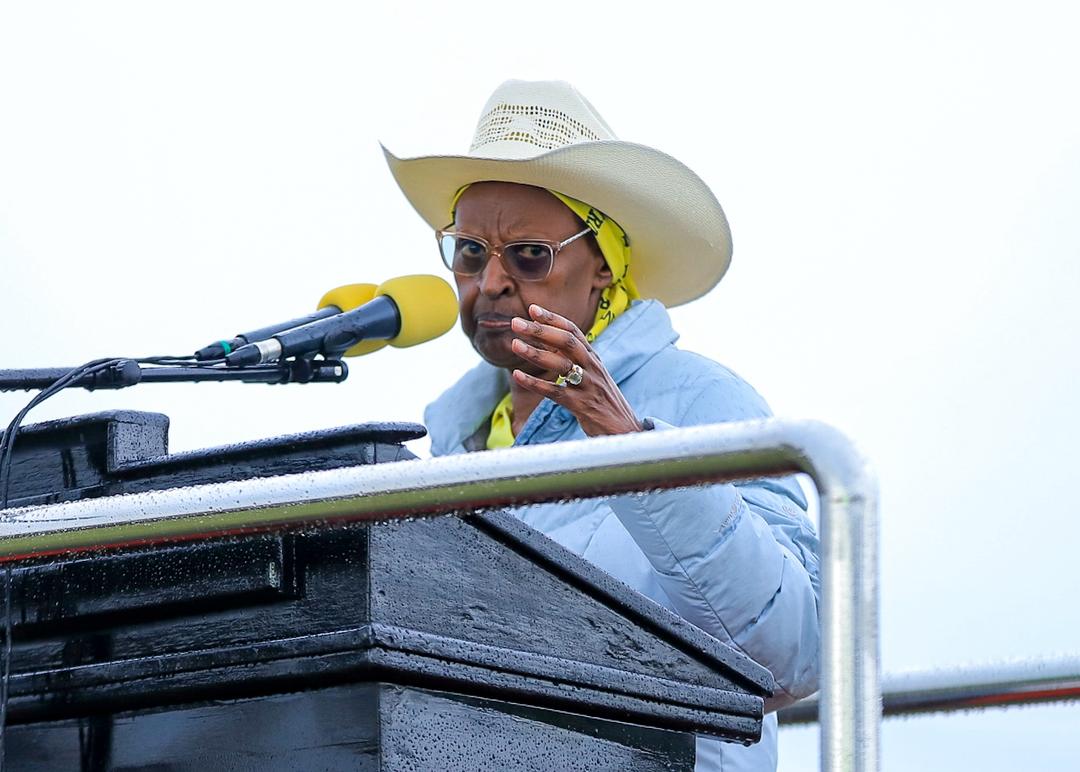
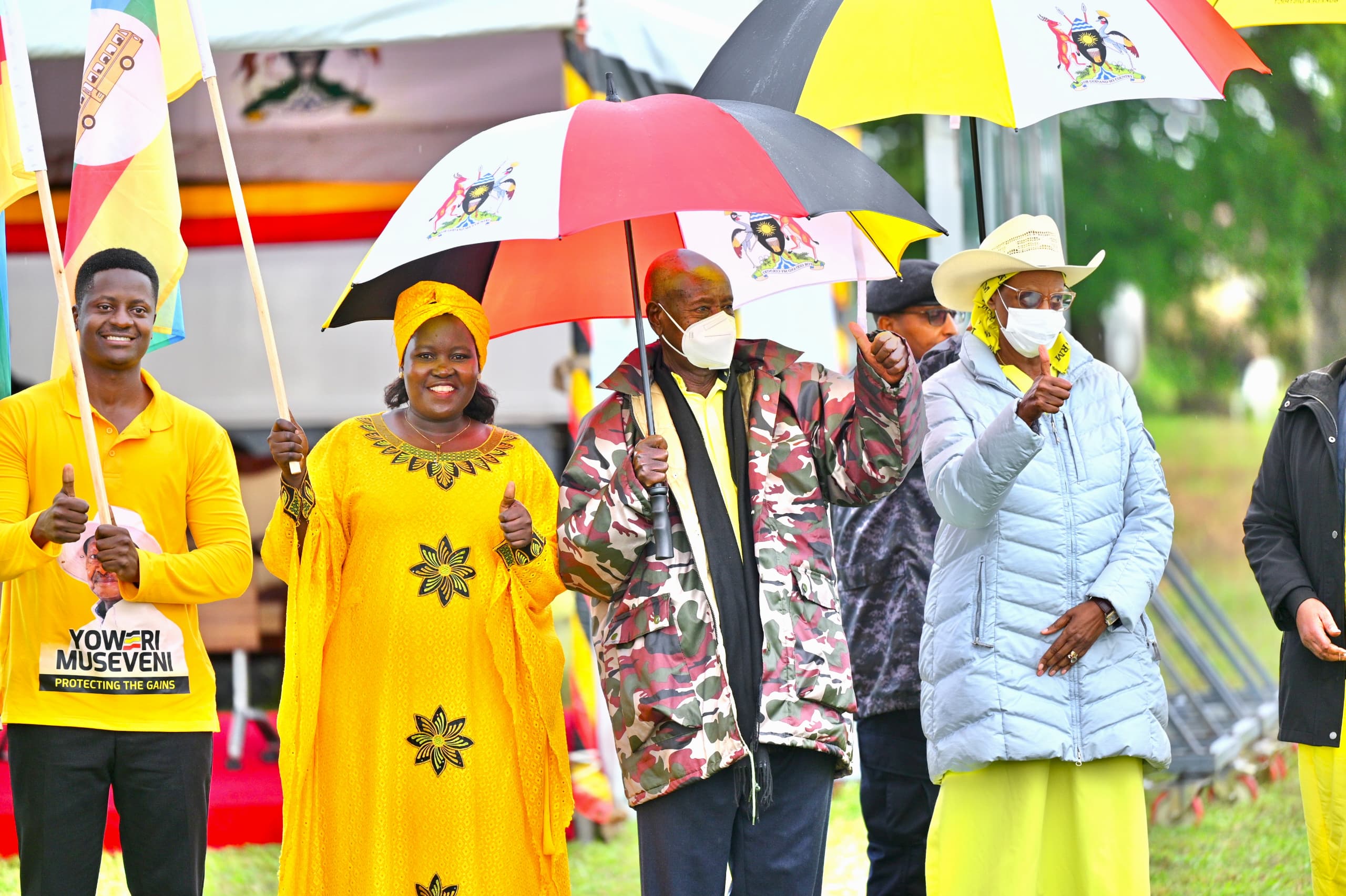
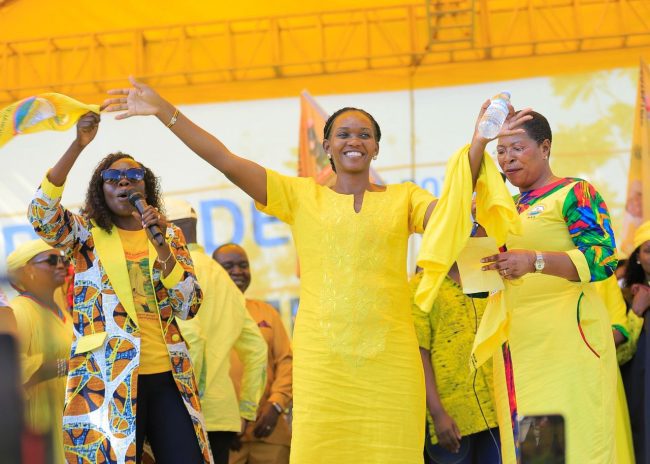
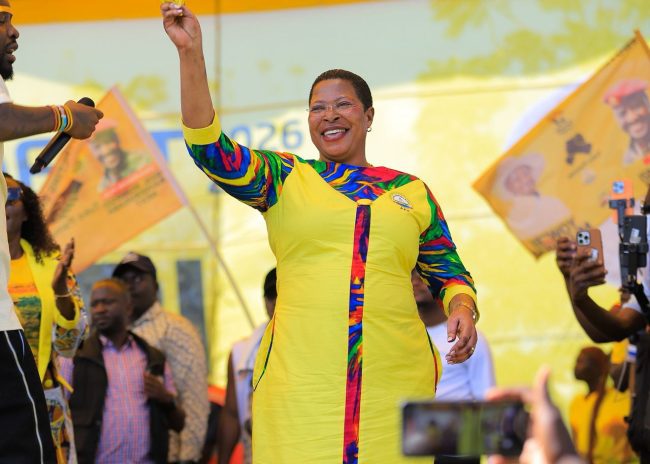
    Accompanied by the First Lady and Minister of Education and Sports, Maama Janet Kataaha Museveni, the President reiterated NRM’s commitment to free and quality education.

    Maama Janet emphasized the government’s next step in eliminating school fees in UPE and USE institutions.

    “In the coming Kisanja, all teachers will be paid by government, and parents will not have to pay any fees,” she said.

    “That’s why it’s important to support President Museveni and the NRM.”

    Kapelebyong District has seen steady progress under NRM, with Shs 17 billion disbursed under the PDM benefiting over 17,000 households, and Shs 920 million invested through Emyooga SACCOs.

    The district has also received Shs 3.9 billion in compensation for families affected by past cattle raids.

    Education and health services continue to expand, with plans to construct new secondary schools and upgrade health centres. Water access remains a focus, with the new Kapelebyong Town Piped Water Project now serving over 3,000 people.

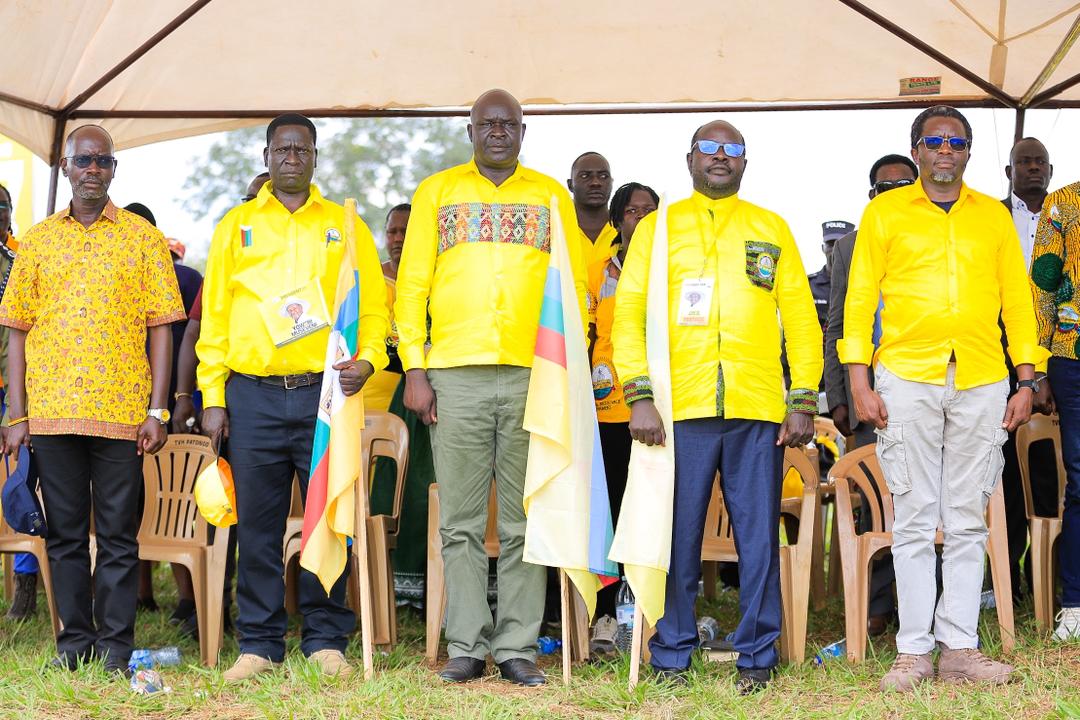
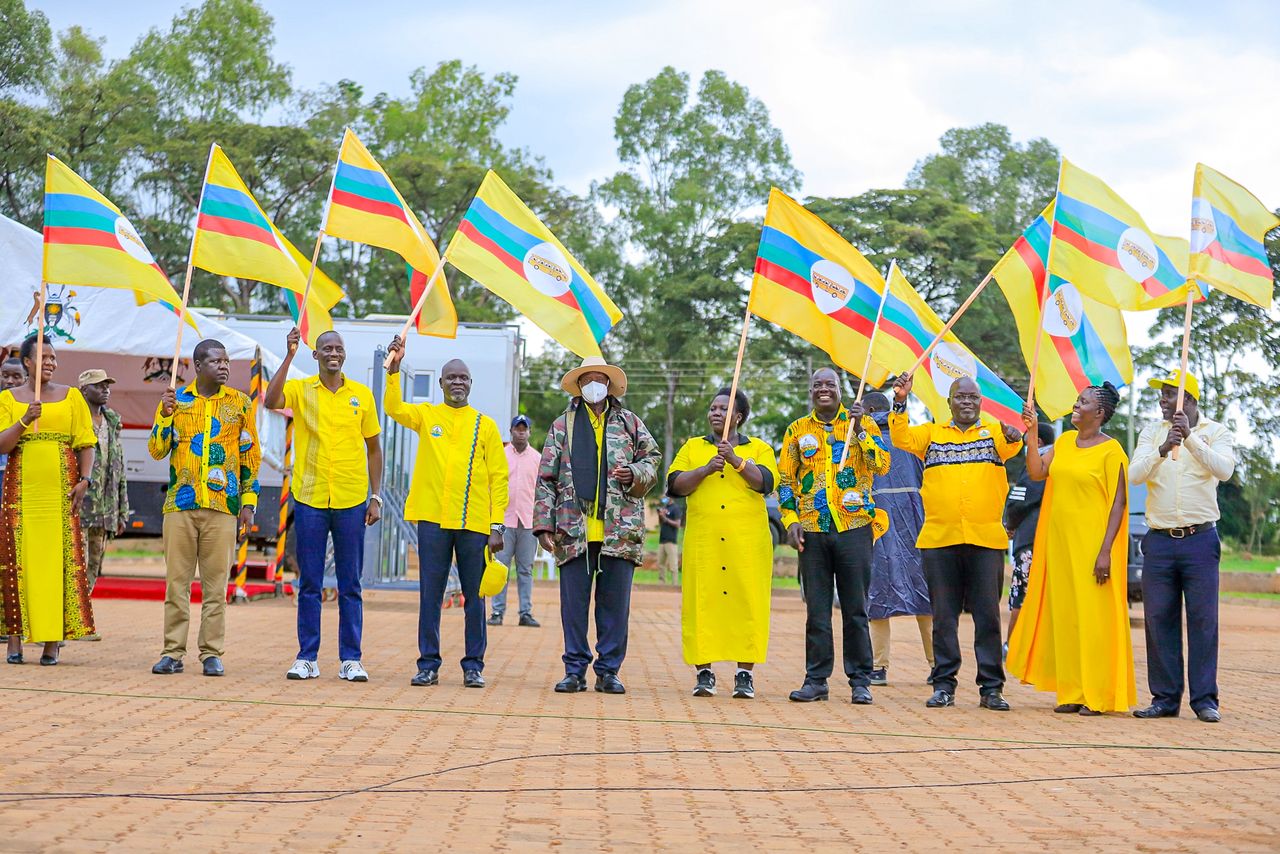
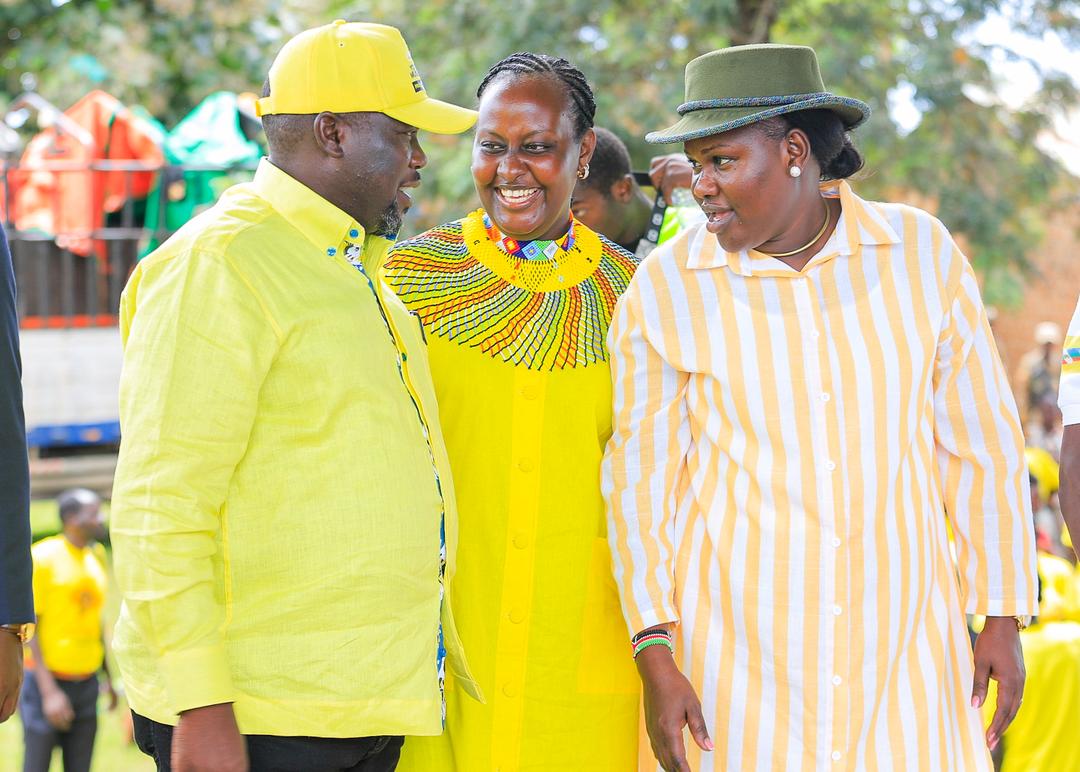
    The Teso campaign rally, attended by NRM Central Executive Committee members, MPs, and cultural leaders, was held under the theme: “Protecting the Gains, As We Make a Qualitative Leap into High Middle-Income Status.”

    President Museveni concluded by thanking Teso residents for their support and reaffirming the NRM’s commitment to inclusive development.

    “NRM is Uganda’s party — building Uganda and ensuring that all our children live better lives than we did,” he said.
  • Museveni re-assures Karamojong herders on Pian Upe Land

    Museveni re-assures Karamojong herders on Pian Upe Land

    President Yoweri Kaguta Museveni has directed that local pastoralists in the Karamoja sub-region continue grazing their livestock in the Pian Upe Game Reserve as government undertakes consultations to find a lasting solution to the long-standing conflict between herders and conservation authorities.

    Accompanied by First Lady Maama Janet Museveni, the President issued the directive while addressing residents of Nakapiripirit and Nabilatuk Districts during his rallies on Wednesday, where he also outlined key government achievements and future plans for the region.

    Mr. Museveni said he had received reports that the Uganda Wildlife Authority (UWA) had recently barred communities from grazing their animals in the reserve, sparking tension among local herders.

    “I was told that UWA stopped you from grazing in Pian Upe. I said, no — let them continue grazing as we discuss and find a permanent solution,” Museveni told the crowd, drawing applause. “You should graze until we meet with your elders and agree on the correct way forward.”

    The President emphasised that tourism and pastoralism must coexist peacefully, adding that Karamoja’s vast grasslands could support both livelihoods if properly managed. He cited examples of other districts like Karenga and Kaabong, where tourism has boosted local economies without displacing communities.

    “Tourism is also good for our area here,” he noted. “We can discuss all this; it should not be a point of conflict.”

    Museveni directed his staff to organise a meeting with elders from the surrounding districts to deliberate on the issue. He said the discussions would involve community leaders, conservation agencies, and the army to ensure decisions reflect both environmental and socio-economic interests.

    The President also used the occasion to reaffirm his commitment to improving livelihoods in Karamoja through peace, development, wealth creation, and job opportunities — themes he described as the pillars of the NRM’s 40-year legacy.

    “We have brought peace and development,” he said. “Now we must ensure that our people have wealth (Abaru) and jobs (Etich). That is how we will truly transform Karamoja.”

    The Pian Upe Game Reserve, one of Uganda’s largest conservation areas, has long been a source of contention between local communities and wildlife authorities.

    Residents argue that grazing restrictions threaten their pastoral livelihoods, while conservationists warn of habitat degradation.

    Museveni’s latest directive offers temporary relief to herders but also signals renewed government attention to the region’s complex balance between conservation and community survival.

    Earlier, Maama Janet commended the people of Karamoja for their hospitality and urged them to guard the peace that the NRM government has brought to the region.

    “Thank you for receiving us with the traditional warmth and love of the Karamojong people that I cherish so much,” she said. “You know very well that the government of NRM is your government, because God has used it to bring peace to Karamoja — peace that is now enjoyed by the whole of Uganda.”

    Mrs. Museveni reminded the community of the difficult years when Karamoja depended on food aid, noting that government interventions have helped many families achieve food security. She expressed optimism that the next phase of NRM’s development programs would help households improve their living standards even further.

    “The leap that NRM is striving for now will ensure that the Karamojong build better homes for their families, so that our children no longer have to live in grass-thatched houses,” she said.

    “We must protect the peace we have, unite as one people, and work toward a better future for the next generation.”

    Both the President and the First Lady underscored that sustainable peace and development in Karamoja will depend on community cooperation, responsible land use, and continued investment in education and productive livelihoods.

  • Hellen Namutamba conducts successful NRM 2026 support mobilisation in Bugweri District

    Hellen Namutamba conducts successful NRM 2026 support mobilisation in Bugweri District

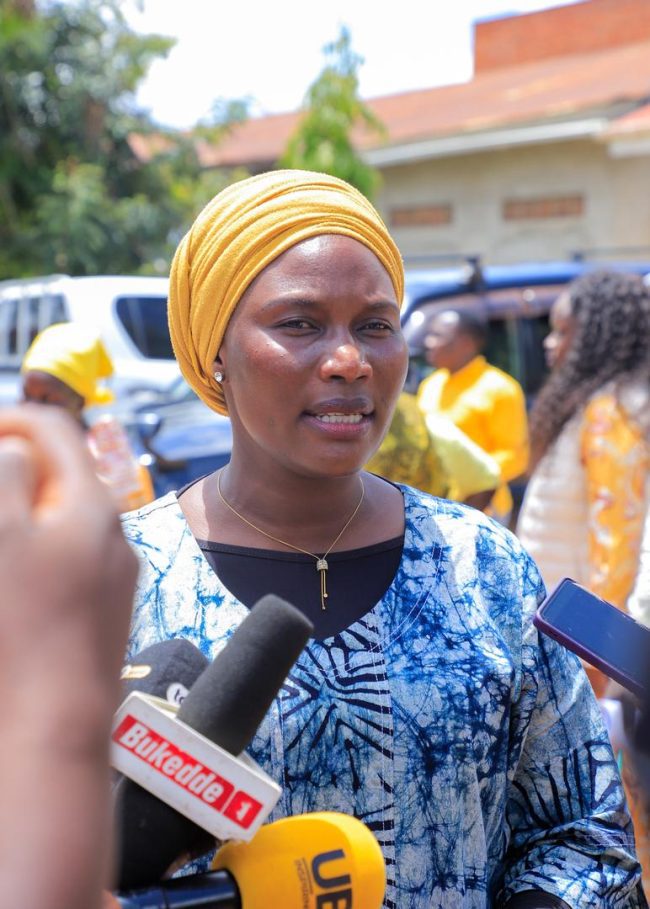
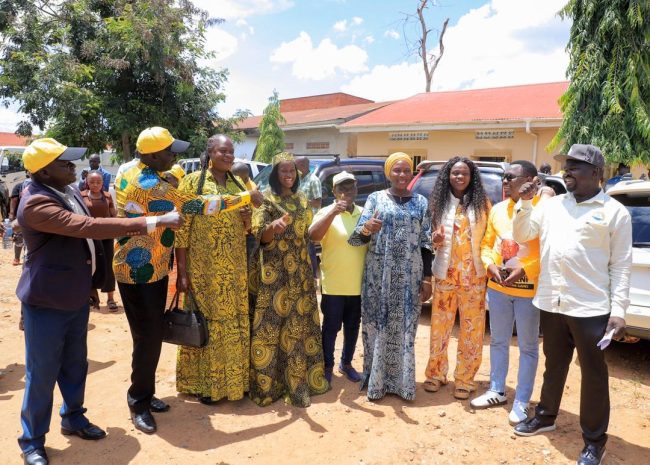
    Busoga Tourism and Heritage Minister who also doubles as the Presidential advisor, Hon. Hellen Namutamba led the NRM mobilisation team to Bugweri district and carried out a heartwarming outreach.

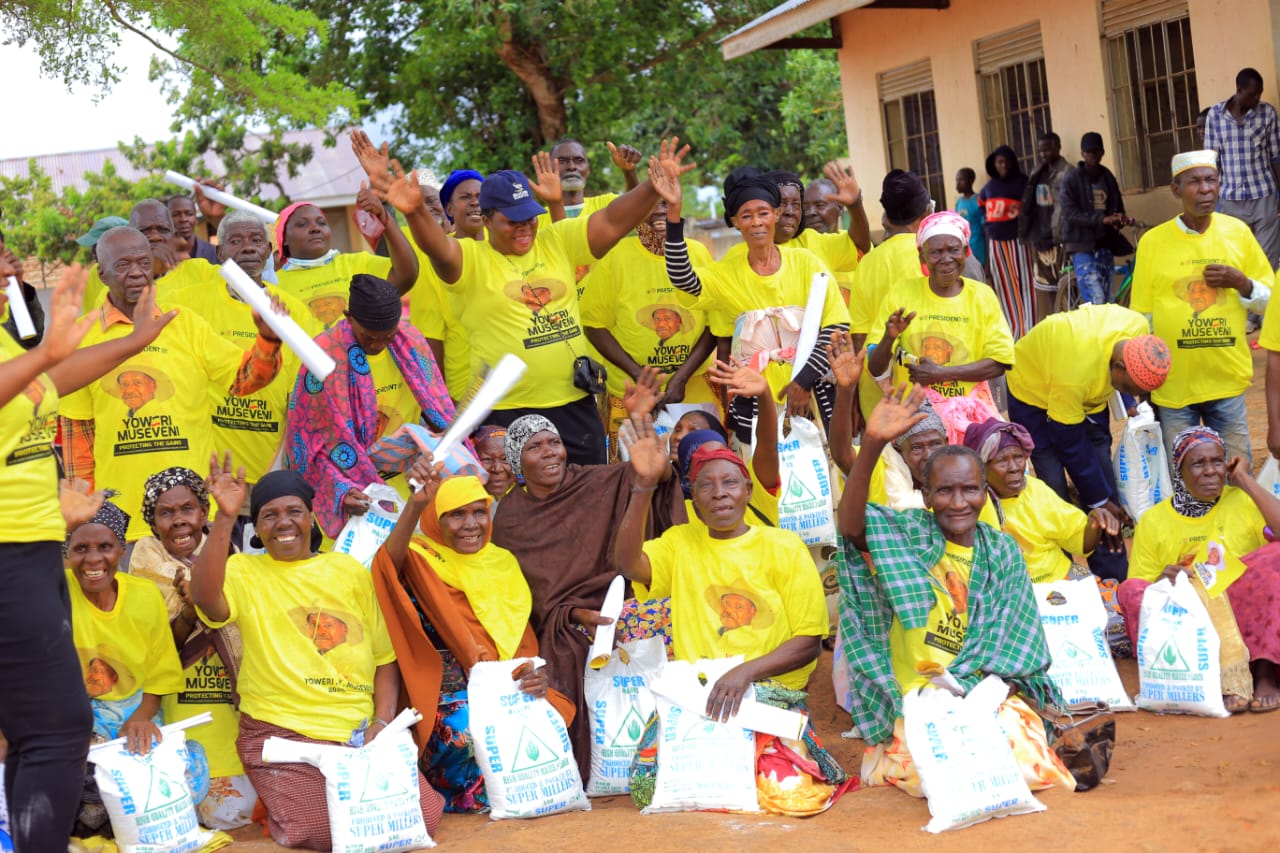
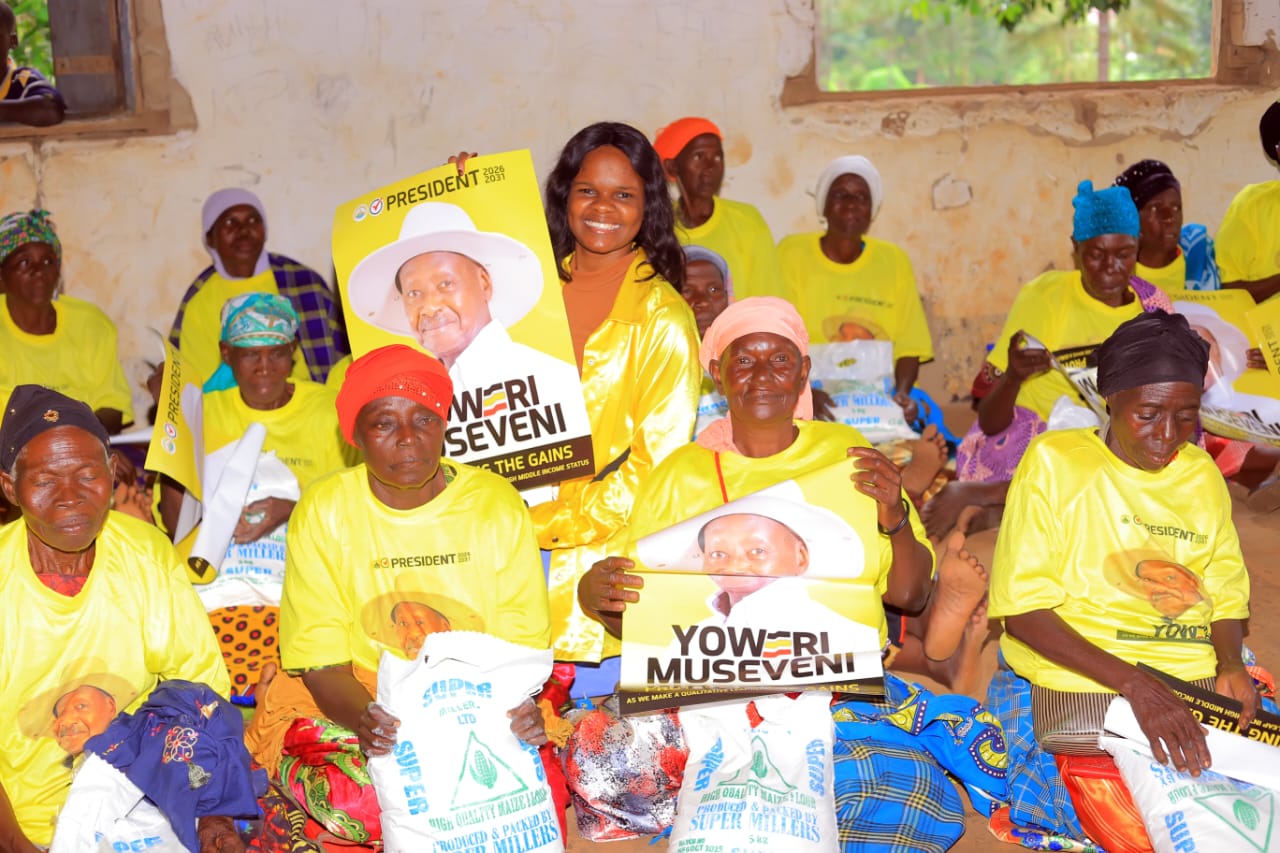
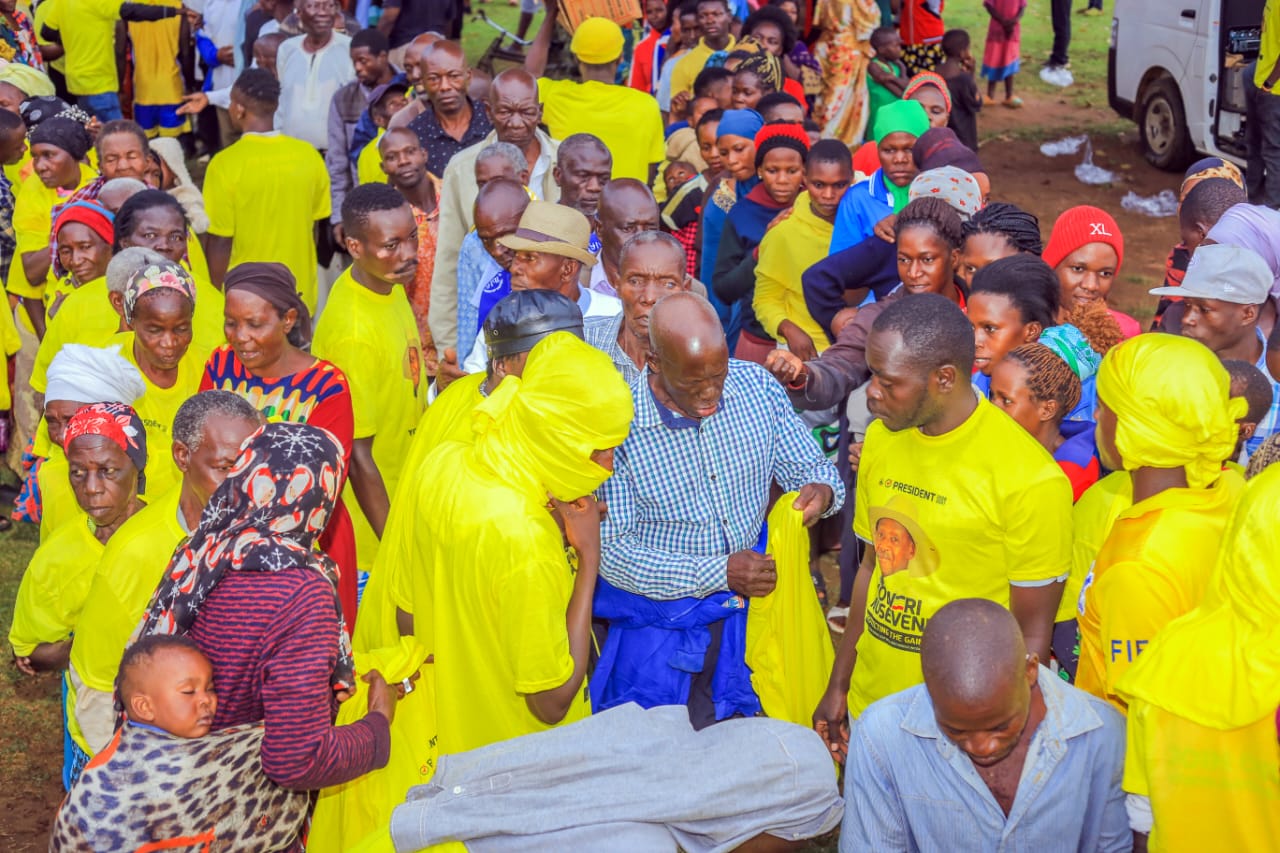
    The team donated food and clothing to the elderly group on behalf of Maama Rebecca Alitwala Kadaga, bringing smiles to their faces.
    The Minister emphasized the party’s commitment to supporting vulnerable groups.

    “President Museveni care about your welfare and is committed to improving your lives,” she said. The elderly recipients were overwhelmed with gratitude, blessing the NRM party for its kindness.

    The mobilisation team also engaged with local people and leaders, discussing key issues affecting the community. The mobilisation was a huge success, strengthening the party’s bond with the people of Bugweri district where they pledged full support of NRM in the forthcoming election.

    The highly successful mobilization drive was held at Iduudi Muslim Primary School, led by the esteemed Hon. Princess Hellen Namutamba.

    This humanitarian gesture is a clear reflection of the NRM government’s commitment to improving the welfare of Ugandans. It reaffirms that under the visionary leadership of H.E. President Yoweri Kaguta Museveni, the NRM remains a people-centered movement focused on transforming lives through education, health, infrastructure, and job creation across the country.

    “To the people of Busoga and all Ugandans, let it be known that our strength lies in unity and continuity. There is no room for protest votes or political deceit as preached by opposition figures like Hon. Robert Kyagulanyi Ssentamu and his allies. Busoga stands firm with President Museveni to safeguard our achievements and secure a brighter future for generations to come,”.

  • Museveni concludes Acholi campaigns, vows to end cattle rustling

    Museveni concludes Acholi campaigns, vows to end cattle rustling

    Agago: President Yoweri Kaguta Museveni has promised to completely end cattle rustling in the Acholi and Karamoja sub-regions, saying the government has both the technical and military capacity to deal with the remaining groups of raiders.

    Addressing a rally in Agago District as he concluded his campaign tour of Acholi, the President said the army is fully equipped to crush the remaining cattle rustlers, whom he described as “a very little problem” compared to the past insurgencies that affected northern Uganda.

    “We have the capacity to finish all these. The army has stopped war in Uganda and there will be no more war,” Museveni told the crowd.

    The President said he had discussed the cattle rustling problem during his previous visit to the area and found that the army was capable of controlling the rustlers but was not fully utilising its resources.

    “They were what we call bangokon — just walking on foot, tiring themselves following the raiders instead of using the full capacity of the army,” he said.

    “Now we have the technology — the UAVs — to see them by air, day or night.”

    Museveni said the government would deploy more unmanned aerial vehicles (UAVs) to monitor cattle movements and coordinate quick response teams whenever raids occur.

    He also warned those thinking of starting conflicts that Uganda would not tolerate a return to war.

    “Some groups are saying they will start war — if you start war, you will go to Gehenna, not to heaven. Uganda now has cooch (peace),” Museveni said.

    No protected camps for cows

    Turning to the issue of cattle camps, Museveni said it was wrong for some commanders to establish “protected grounds” for cows, comparing them to human protected camps used during past conflicts.

    “People can be in protected camps because they are intelligent; they can bring food and eat. But cows have not gone to school; they are not intelligent and they chew a lot of grass,” he said. “So the answer is to eliminate the troublemakers so that cows can graze freely.”

    Museveni dismissed claims that rustlers are now too clever, saying vehicles used to transport stolen animals can easily be tracked.

    “When they steal cows, they put them in vehicles. But do vehicles fly? Vehicles are even easier to deal with because we control the roads,” he said.

    “It is true the cows which were being stolen here were being taken to Kalerwe in Kampala. So I will discuss with the commanders and help them sort out this. This is a very, very little problem.”

    Peace, infrastructure

    The President said peace and national unity remain the greatest achievements of the NRM over the past 40 years, and credited the party’s philosophy of non-sectarianism for enabling Uganda to build strong national institutions such as the army, police, and civil service.

    “We don’t care about your tribe or religion or whether you are a man or a woman. What we care about are your actions. That’s what Jesus taught us — we shall know them by their fruits,” he said.

    Museveni also listed improvements in roads, electricity, telecommunication and water systems, describing them as pillars of economic infrastructure that the NRM government has steadily built. He recalled how electricity had to be extended from Lira to West Nile and Kitgum, and eventually to Adilang and Kotido, after foreign donors withdrew funding.

    “A cow which is not your mother’s bride price — if they give you a hoof you say thank you very much. When the Swedes refused to continue funding, we said we shall do it ourselves,” he said.

    The President urged citizens to be patient with government priorities, comparing development planning to walking.

    “You can’t walk by putting both legs up because you want to move fast. You must move one leg up, one leg down. That’s how people walk,” he said.

    He added that teachers and other public servants must understand government’s budget limits and allow priority to be given to infrastructure and energy, which he said will ultimately create more opportunities for everyone.

    “In the bush, when we had little food, the one who ate was the one on duty. Not because he was the most important, but because we needed him most at that time. That’s how we survived — by emphasising what we needed at that time,” Museveni said.

    Museveni assured the people of Acholi that the government would finish the remaining road projects in the region and continue consolidating peace and development.

    “We have peace, we have electricity, we have telephones. Now we must build more roads. It is already in the programme,” he said.

  • Thousands grace Museveni rally in Gulu as he highlights key achievements

    Thousands grace Museveni rally in Gulu as he highlights key achievements

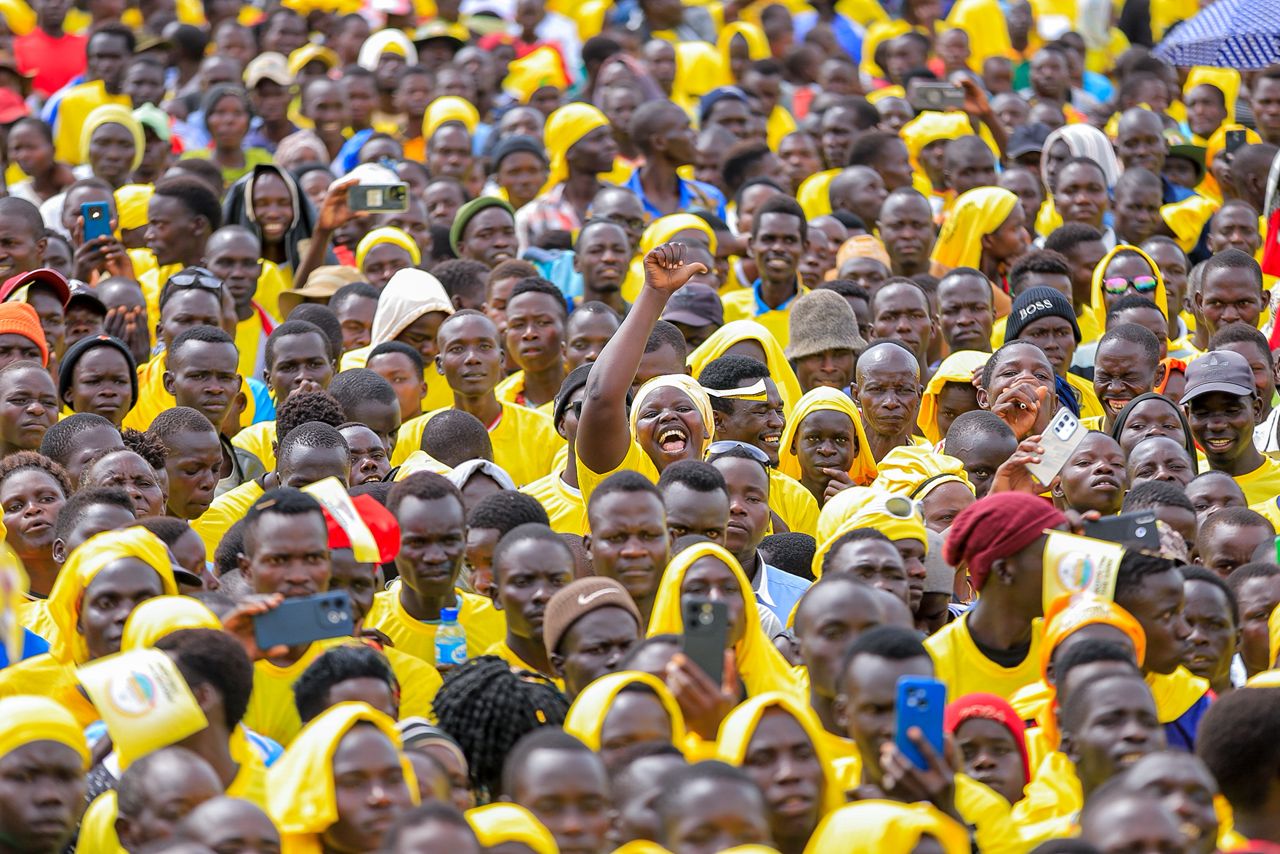
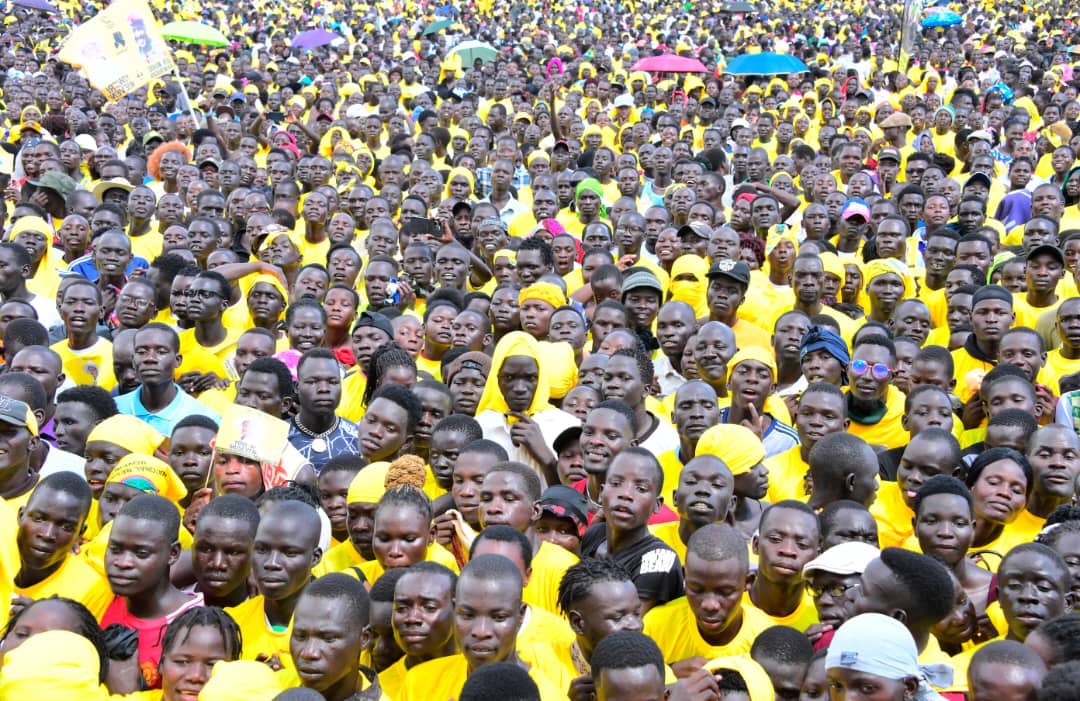
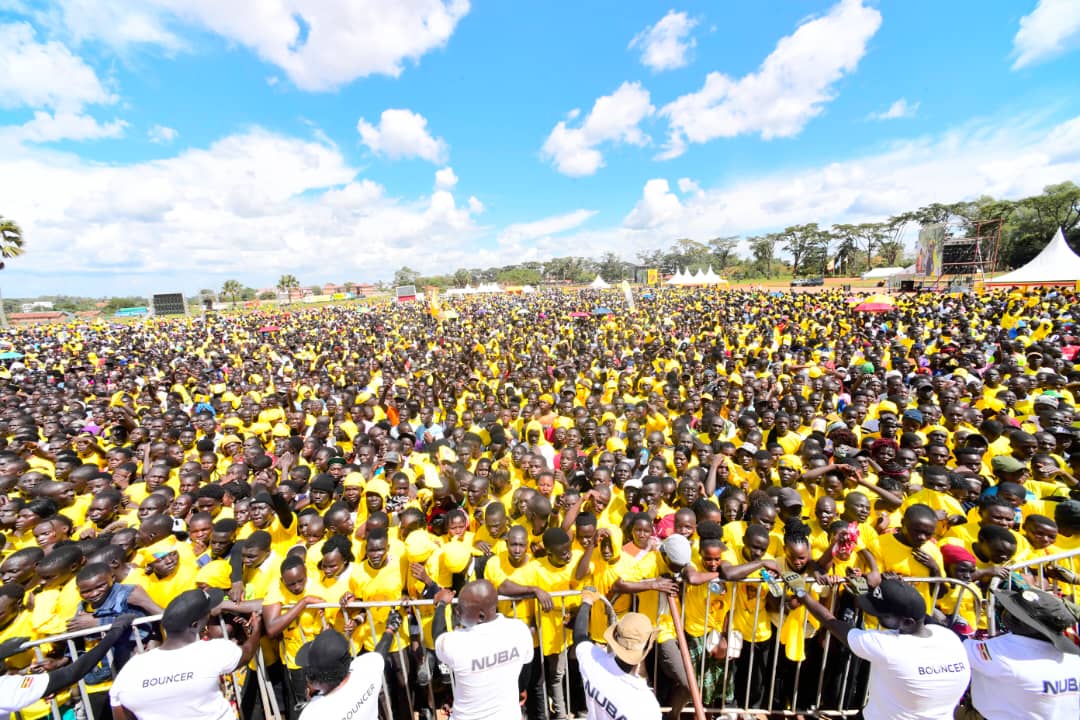
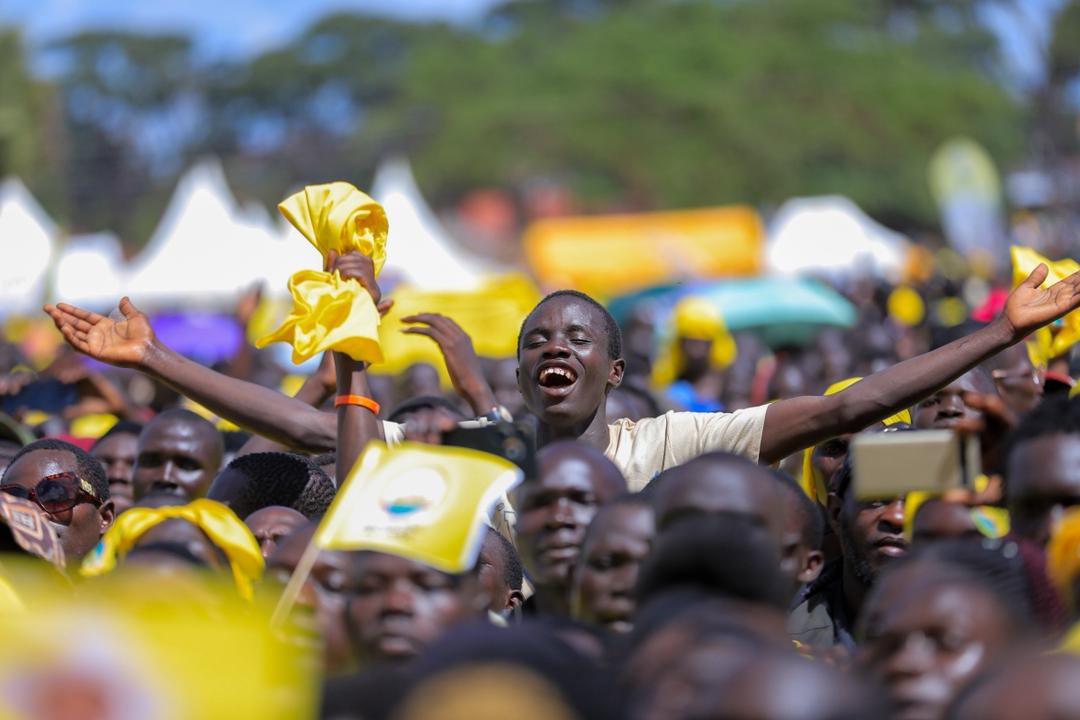
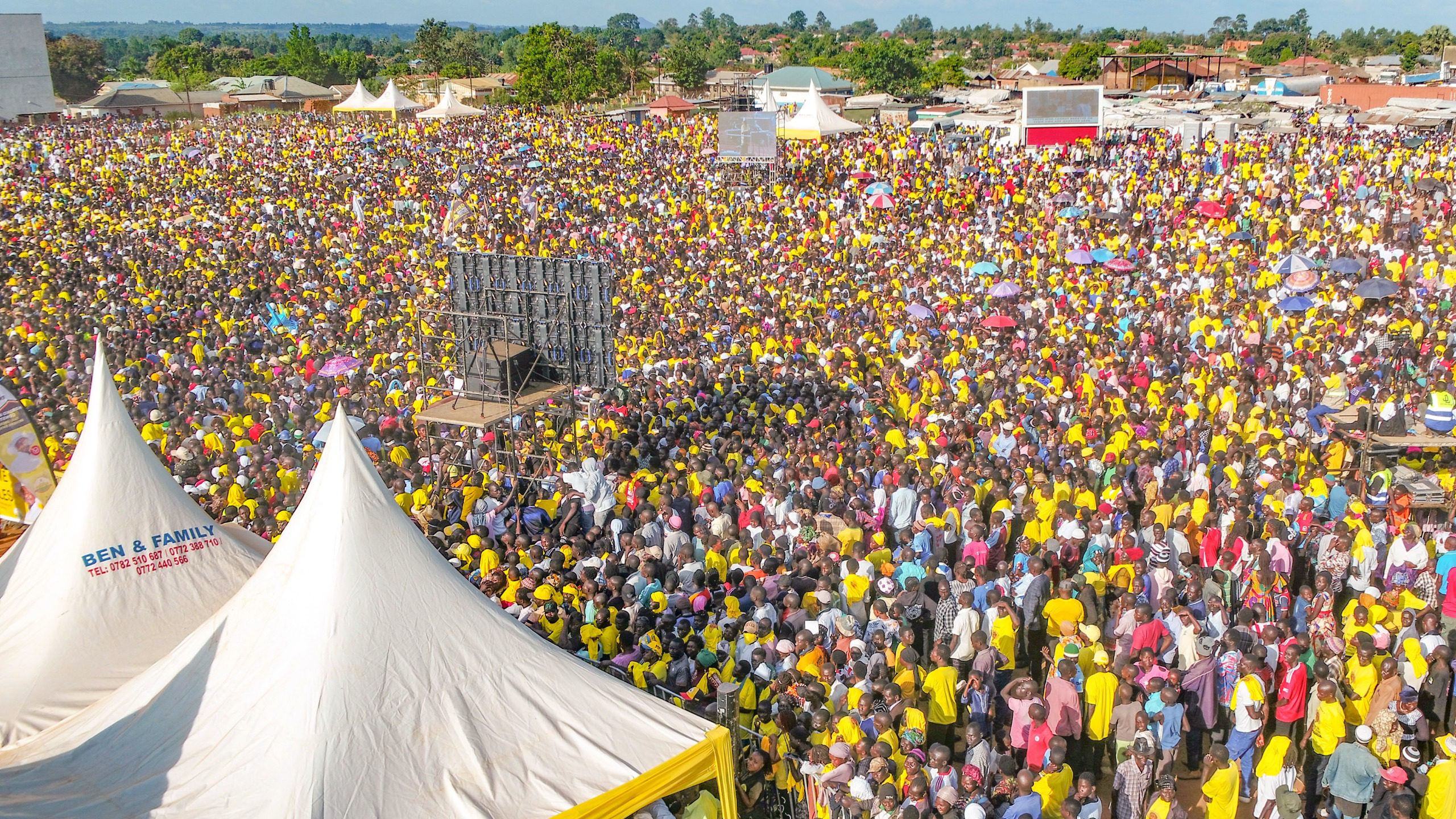
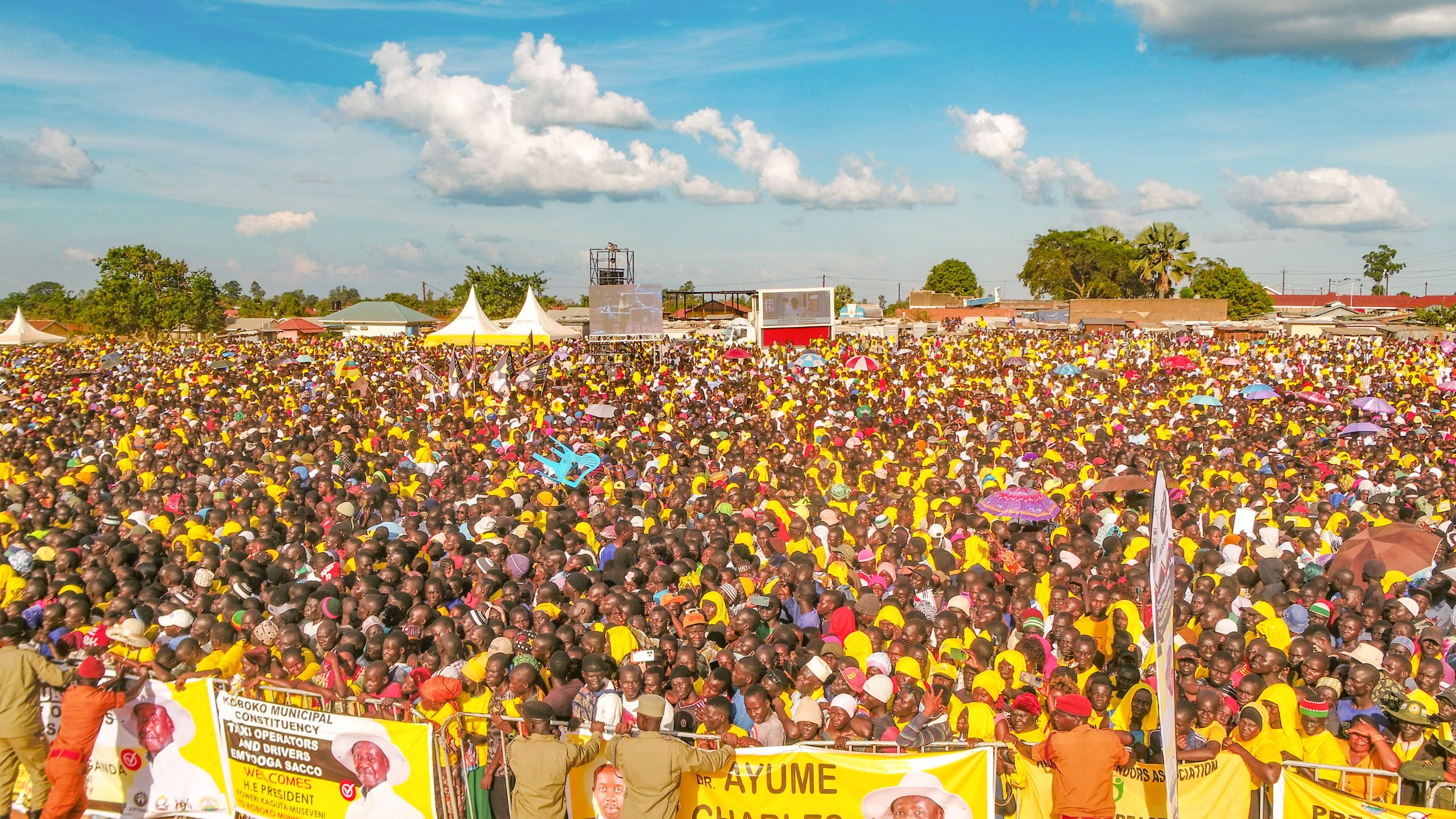
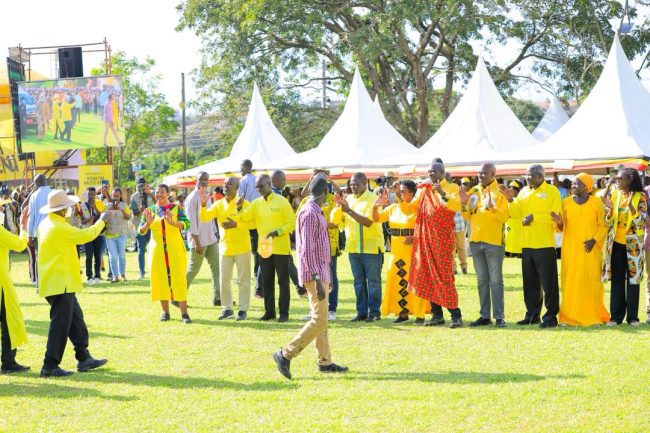
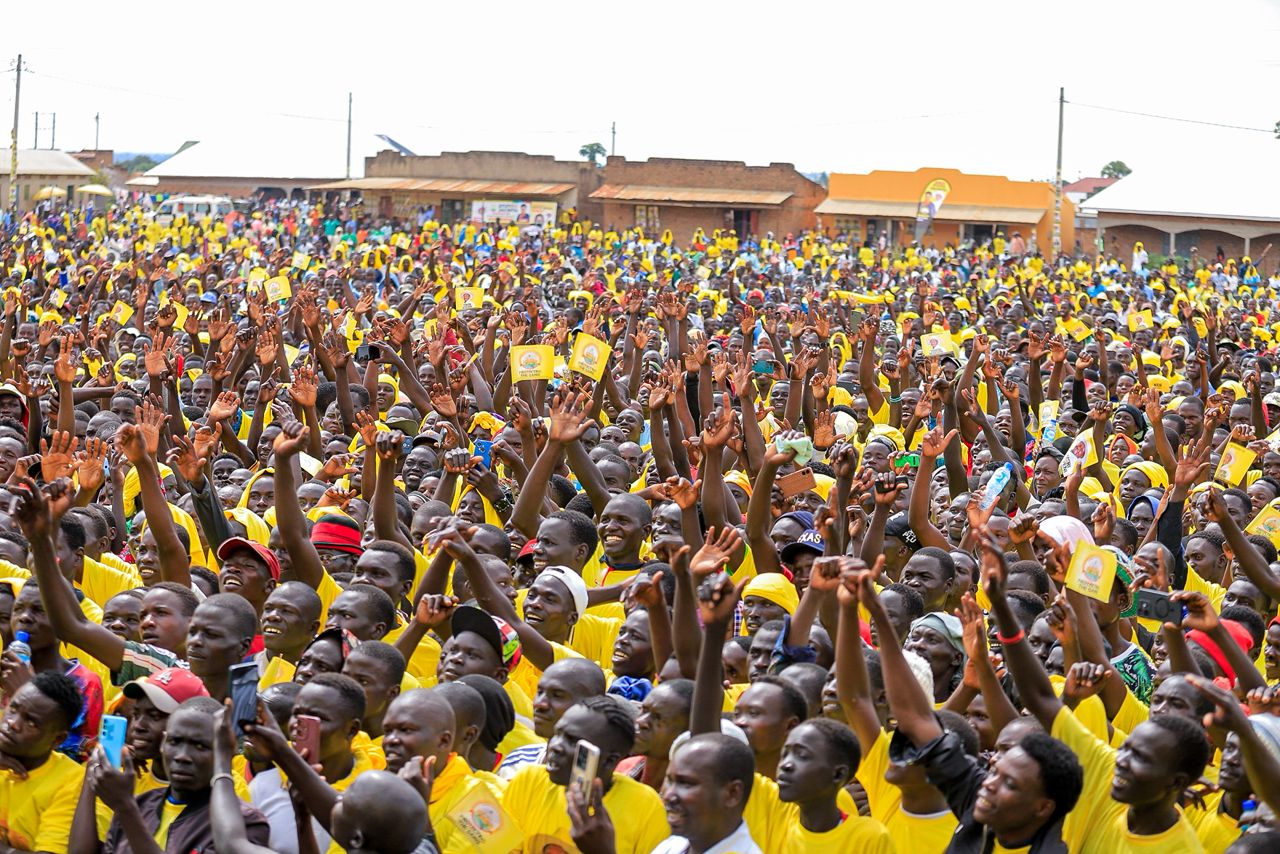
    Gulu City: A sea of yellow filled Kaunda Grounds in Gulu City today as thousands of enthusiastic supporters turned up to welcome President Yoweri Kaguta Museveni, the National Resistance Movement (NRM) presidential flag bearer, during a campaign rally that underscored the party’s achievements in the Acholi sub-region.

    With chants of support and flags waving high, the President addressed the energized crowd, reflecting on the journey from war to peace, and the transformation that has followed.

    “Uganda was at war for a long time, but now we have peace — not by accident, but because we built strong national institutions like the army, and maintained unity in politics,” President Museveni told the crowd, adding that peace is the bedrock upon which all progress has been made.

    The President listed major infrastructure projects that have transformed the region, including the Kampala–Gulu highway, the Karuma–West Nile road, and the Gulu–Nimule route, as well as ongoing works connecting Awere-Corner Kilak to Patongo.

    “These roads are not just for movement — they’re economic lifelines. We have also invested in electricity, water, railways, telephones, schools, and hospitals. This is what NRM calls economic and social infrastructure,” he explained.
    In his address, Museveni called on citizens to embrace modern methods of wealth creation and move away from subsistence agriculture.

    “Our people work hard, but using outdated methods. We must transition to commercial farming and use our land more efficiently,” he said.

    He reaffirmed the government’s commitment to programs such as NAADS, OWC, Entandikwa, and the Parish Development Model (PDM), promising continued support to households aiming to rise out of poverty.

    In the agricultural sector, he noted new focus areas including fish farming on swamp edges and livestock restocking in war-affected regions like Acholi, Lango, and Teso.

    “We agreed that each homestead should receive five cows. Initially some resisted, but it has now been accepted and we are moving ahead with implementation,” he said.

    The President challenged perceptions that jobs must come from government. “Government jobs are only about 480,000. But factories employ 1.3 million people. Real job creation comes from wealth creation. That’s why we focus on industry, agriculture, and the private sector,” he said.

    He also emphasized regional integration as key to sustaining Uganda’s industries. “Uganda produces 5 million tonnes of maize but consumes just 1 million. Without the East African market, maize, milk, cement, and beer industries would collapse. We need integration to sustain our economy.”

    Gulu City NRM Chairperson, Gifter Aber, praised the President for his inclusive leadership and commitment to development in the region.

    “Your Excellency, we thank you for empowering women, for universal education, and for strengthening our party structures. Gulu is thriving because of your leadership,” she said.

    She highlighted major developments, including education, where Gulu District has 47 government primary and 5 secondary schools, while Gulu City has 41 primary and 7 secondary schools. In healthcare, Gulu Regional Referral Hospital now features an ICU, CT scan, and two oxygen plants, while lower health centers are being upgraded. The Presidential Skilling Hub is training youth in vocational skills.

    On water and irrigation, 87% of Gulu villages now have clean water, and multiple solar-powered irrigation projects are underway.

    Economic empowerment programs have seen significant progress. PDM has disbursed over Shs 24 billion to more than 23,000 households in the city and district, while 54 Emyooga SACCOs serve over 41,000 members.

    The rally, held under the theme “Protecting the Gains, Making a Qualitative Leap into High Middle-Income Status,” drew participation from NRM Central Executive Committee members, MPs, religious and cultural leaders, and thousands of supporters.

    Museveni concluded by urging the people of Gulu and Acholi to continue supporting NRM to consolidate the progress already made. “Peace is here. Development is happening. Now is the time to create wealth. Let’s move together toward socio-economic transformation,” he said.

  • Museveni vows to resolve Acholi’s key issues as he campaigns in Nwoya

    Museveni vows to resolve Acholi’s key issues as he campaigns in Nwoya

    Nwoya: President Yoweri Kaguta Museveni who doubles as the NRM Presidential candidate 2026 has vowed to resolve long-standing challenges affecting the people of Acholi, including issues of compensation, education, restocking, and human-wildlife conflict.

    Speaking during a campaign rally in Anaka Town Council, the President said his government remains committed to addressing the concerns of communities that were heavily affected by past conflicts and infrastructural projects.

    He cited delayed compensation for residents displaced by the Karuma Hydropower Project, saying government had already paid UGX 11 billion, while UGX 48 billion remains pending. Museveni said he would instruct the Prime Minister to follow up on the matter to ensure that all affected families are fully compensated.

    The President also addressed the issue of crop destruction by elephants, which has affected farmers in parts of Nwoya and neighboring districts. He expressed concern that some of the animals continue to breach electric fences meant to protect communities, but assured residents that the government would ensure full implementation of the project to contain the elephants and compensate those affected.

    “I will instruct the Prime Minister to follow up on the compensation for all people whose crops were destroyed by elephants,” Museveni said.

    On education, the President reiterated his firm stance against charging fees in government schools, emphasizing that free education is a right, not a privilege. He condemned school administrators and local officials who continue to demand payments, saying such practices deny children from poor families a chance at a better future.

    “Those who block my policy of free education are like the kuzilinga—women who kill their children during birth. You are killing the future of our country by conserving ignorance,” Museveni said, after interacting with several youth who had dropped out of school but later acquired vocational skills through the Presidential Skilling Hubs.

    He commended the skilling programs for transforming lives, noting that many of the young people now produce high-quality shoes, garments, and furniture—items that used to be imported from countries like China and Italy.

    Turning to the issue of restocking livestock in post-conflict areas, Museveni explained that the government’s plan had initially faced legal disputes and delays, but a consensus was now being reached on how to implement it fairly.

    “We had challenges when some people went to court over the restocking program, turning it into a legal issue. But now, we have agreed that every homestead will receive a basic restocking package,” he said, adding that leaders from Teso, Lango, and Acholi had all endorsed the approach of giving each household a set number of animals.

    Museveni acknowledged, however, that Acholi required special consideration since it was the epicenter of the LRA war and suffered prolonged displacement. He said he had written to the Prime Minister to study a variation that would ensure fairness in compensation for genuine war-affected households.

    “Acholi suffered longer and bore the brunt of the insurgency. We are studying how to provide an additional support mechanism alongside the general restocking program,” the President explained.

    He further announced plans to establish a technical institute in the area and to upgrade Koch Goma Health Centre III to a Health Centre IV to improve service delivery.

    Museveni also thanked Adogoraj Meri Laquara Mabel for donating land for the NRM office in the area, calling her gesture an example of patriotism and commitment to national development.

    “These are the issues I wanted to share with you today—education, restocking, and compensation. We are going to handle them one by one,” he said.


  • Museveni ends West Nile campaigns with emphasis on wealth creation

    Museveni ends West Nile campaigns with emphasis on wealth creation

    President Yoweri Kaguta Museveni, the National Resistance Movement (NRM) flagbearer, concluded his campaign trail in the West Nile sub-region with a strong message centered on peace, development, and wealth creation.

    Addressing thousands of supporters in Adjumani district on Monday, the President reiterated that peace must be followed by tangible development to improve the livelihoods of Ugandans.

    “Peace must be followed by development,” Museveni said, emphasizing the importance of maintaining social and economic progress.

    He credited the success of immunization programs for reducing child mortality, noting that diseases such as measles had been largely controlled.

    The President highlighted several infrastructural achievements under the NRM government, pointing to the extensive road network that now connects various districts in the region.

    “When the NRM came, the tarmac road was stopping in Gulu. We have since repaired and extended it through Atiak, Adjumani, Laropi, all the way to Moyo, Yumbe, and Koboko,” Museveni said.

    However, he expressed concern over the poor state of the Obongi security road and directed the Ministry of Works to prioritize its maintenance.

    Museveni underscored that the foundation of national progress rests on peace, electricity, and good roads—followed by health and education.

    He urged leaders to prioritize these sectors when allocating national budgets, rather than focusing solely on salary increments for public servants.

    “It is not fair to demand higher salaries when roads are not done,” he said. “We are not against increasing salaries, but first things first—peace, roads, electricity, health, and schools.”

    He commended the Uganda People’s Defence Forces (UPDF) for their long-standing commitment to serve the country even with limited pay, likening their sacrifice to understanding a mother’s financial struggles.

    On health, the President lauded the impact of immunization in improving population health but expressed concern over the theft of drugs in government facilities.

    He revealed plans to enlist “God-fearing” individuals to monitor drug usage in the country’s 1,400 health centers, supplementing existing digital tracking systems.

    Turning to economic infrastructure, Museveni pointed out that development is visible through the expansion of electricity and road networks in the region.

    He urged citizens to take advantage of the peace and infrastructure to create wealth through productive activities.

    “The road affects everybody,” he said. “Let’s start with what benefits all of us, and then move to other things. But let’s do the minimum first.”

    Museveni also reminded the audience of Uganda’s turbulent past—from the wars of Idi Amin and the NRM’s own struggles against past regimes—to emphasize the value of the stability now enjoyed across the country.

    “Because of patriotism, pan-Africanism, and unity, we have defeated the wars. All Ugandans are victors,” he said, adding that reconciliation and cooperation remain central to the NRM’s governance philosophy.

    Museveni urged the people to consolidate peace by engaging in wealth creation initiatives, stressing that development must go hand in hand with stability.

  • MARACHA; Museveni talks tough on misuse of government funds

    MARACHA; Museveni talks tough on misuse of government funds

    President Yoweri Kaguta Museveni has issued a stern warning against the misuse of government funds, particularly those under the Parish Development Model (PDM) and the skilling hubs initiative, during his campaign rally in Maracha District.

    Accompanied by First Lady Janet Museveni, the President urged residents to come forward with information regarding any irregularities in the disbursement of PDM funds, promising immediate follow-up and investigation.

    “Anybody who has got information about getting less money on PDM, come and give your contact, your phone number to this armed officer here,” Museveni said while pointing at one of his personal assistants.

    “They are going to follow up and catch those who stole the money.”

    Museveni’s concerns arose from a question he posed to the crowd, asking whether those who received PDM funds had received less than Shs1m. Almost half of the crowd put up their hands in acceptance.

    Maracha District, with 91 parishes, has cumulatively received Shs 27.95b. Out of this, Shs27.576b (98.66%) has been disbursed to 30,695 beneficiary households.

    Earlier, Museveni had grilled the Deputy Resident District Commissioner, Monica Koliba, over the whereabouts of the Shs50m he disbursed to the account of the district graduates from the Presidential Skilling Hub in West Nile.

    The President immediately directed the party Vice Chairperson for Northern Region, Denis Hamson Obua to find out the whereabouts of the money.

    Later, Obua reported that the money was still intact in a bank account at Post Bank Arua Branch.

    Museveni expressed dissatisfaction with local government leaders, accusing them of failing to inform beneficiaries about government programs and acting as though the government is separate from the people it serves.

    He said such disconnection fosters corruption and hampers effective service delivery. “Our leaders aren’t doing their job the right way.

    Why aren’t they informing the beneficiaries?” he questioned. The President reaffirmed his position that government programs are meant to uplift the people, not benefit officials.

    On education, Museveni emphasized the need to restore free learning in government schools by removing unnecessary financial burdens like feeding and boarding from the education system. He proposed a return to the original structure of providing one primary school per parish and one secondary school per sub-county, where learners attend school during the day and return home.

    “In the next government, I want to reach an agreement with headteachers, PTAs, and foundation bodies to launch free education in government schools across Uganda,” he said.

    He acknowledged that 34 out of 91 parishes in Maracha still lack government primary schools and promised to address the gap.

    The President also stressed the need for citizens to distinguish between public infrastructure and personal wealth. He pointed out that while the government may build roads, if families remain in poverty, the real development hasn’t been achieved.

    “You don’t sleep on the tarmac road,” he said. “You sleep in your houses. If poverty is still in your house, it will be waiting for you when you return.”
    He explained that development is a shared asset, while wealth is personal and must be actively pursued through productive economic activity.

    Highlighting the importance of agriculture and modern farming techniques.


    On infrastructure, Museveni outlined ongoing and planned projects in West Nile. These include roads from Karuma to Koboko, Moyo to Yumbe and Koboko, Nebbi to Paidha, and Panyimur to Pakwach. He also confirmed the extension of high-voltage 132KV electricity from Karuma to meet increasing power demands caused by economic activity in the region and neighbouring South Sudan and DR Congo.

    He reaffirmed that these developments are guided by long-term plans, not short-term popularity.

    On a broader level, the President used his speech to advocate for patriotism and pan-Africanism. He reminded Ugandans that despite their tribal identities—whether Lugbara, Alur, or Madi—they are first and foremost Ugandans. He stressed that Uganda is a common market that benefits all its citizens, and even those in West Nile benefit from the country’s unity and stability.

    He cautioned against shallow political rhetoric and emphasized that leadership must be grounded in purpose and diagnosis of national challenges.

  • Museveni rallies thousands in Arua City to support NRM

    Museveni rallies thousands in Arua City to support NRM

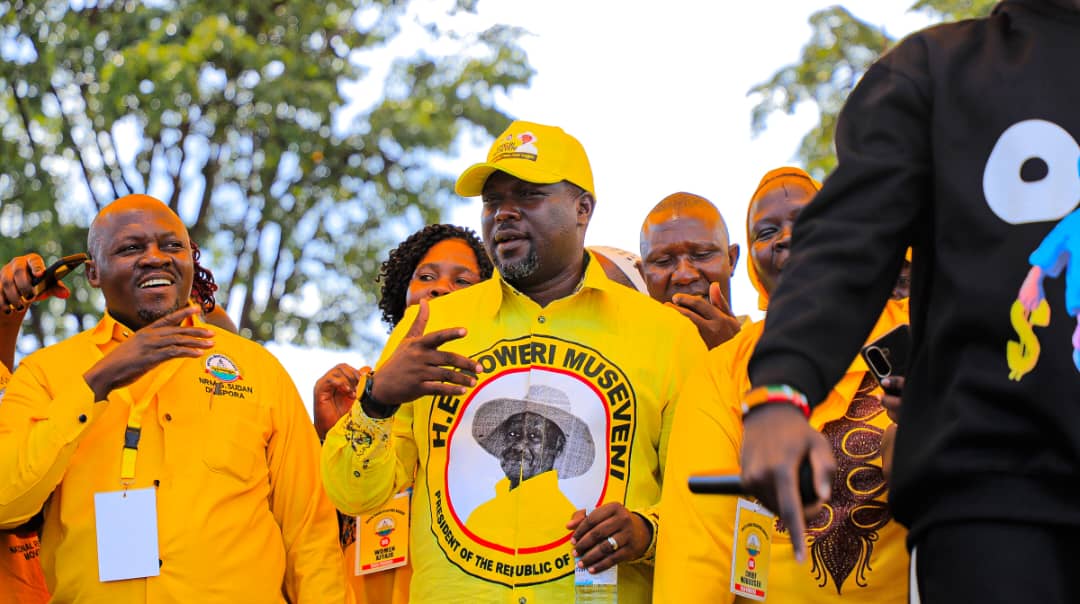
    Arua City: President Yoweri Kaguta Museveni and First Lady Maama Janet Museveni on Monday (yesterday) addressed thousands of jubilant supporters at the Arua Golf Course Grounds, rallying them to continue supporting the National Resistance Movement (NRM) for peace, development, and unity.

    President Museveni, who was warmly welcomed by residents from across West Nile, said the NRM had transformed Uganda from a country torn apart by division and conflict into one united by a shared vision of peace and progress.

    Museveni said one of the greatest contributions of the NRM since 1986 has been the restoration of peace and stability across the country.

    He explained that Uganda’s transformation was built on the rejection of sectarian politics based on tribe and religion — practices that had divided the nation in the early post-independence years.

    “The NRM opposed politics of sectarianism and marginalization. We built a national party that unites Ugandans regardless of tribe, religion, or gender. That is why we win on the first round,” the President said.

    He added that this unity has enabled the creation of strong national institutions like the army, police, judiciary, and civil service — all founded on merit rather than identity.

    President Museveni highlighted the NRM’s achievements in expanding education, noting that Arua District and Arua City now have a total of 120 government primary schools and 16 government secondary schools — seven in the district and nine in the city.

    “In 1961 when I was in Ntare School, there was not a single A-Level school in the whole of Northern or Eastern Uganda. Today, Arua alone has several secondary schools. That shows the journey we have walked,” he said.

    Museveni recalled introducing Universal Primary Education (UPE) in 1996 and later Universal Secondary Education (USE), aimed at ensuring free access to education for all Ugandan children.

    “My intention was to provide free education in government schools. Some people misunderstood it, but we have continued to push for it,” he said.

    The President also said the government had launched skilling programs across the country to equip youth with practical abilities for wealth creation. He revealed that the State House skilling hubs were his direct initiative to tackle unemployment and empower young people.

    “I started the skilling hubs under State House to teach young people practical skills. This is serious business — we are preparing our youth for a productive future,” Museveni noted.

    Museveni emphasized that national development depends on both economic and social infrastructure. He said NRM’s deliberate investment in roads, schools, hospitals, and electricity has laid a firm foundation for growth.

    “Development has two sides — economic infrastructure and social infrastructure. You cannot build the economy without investing in education, health, and security,” he said.
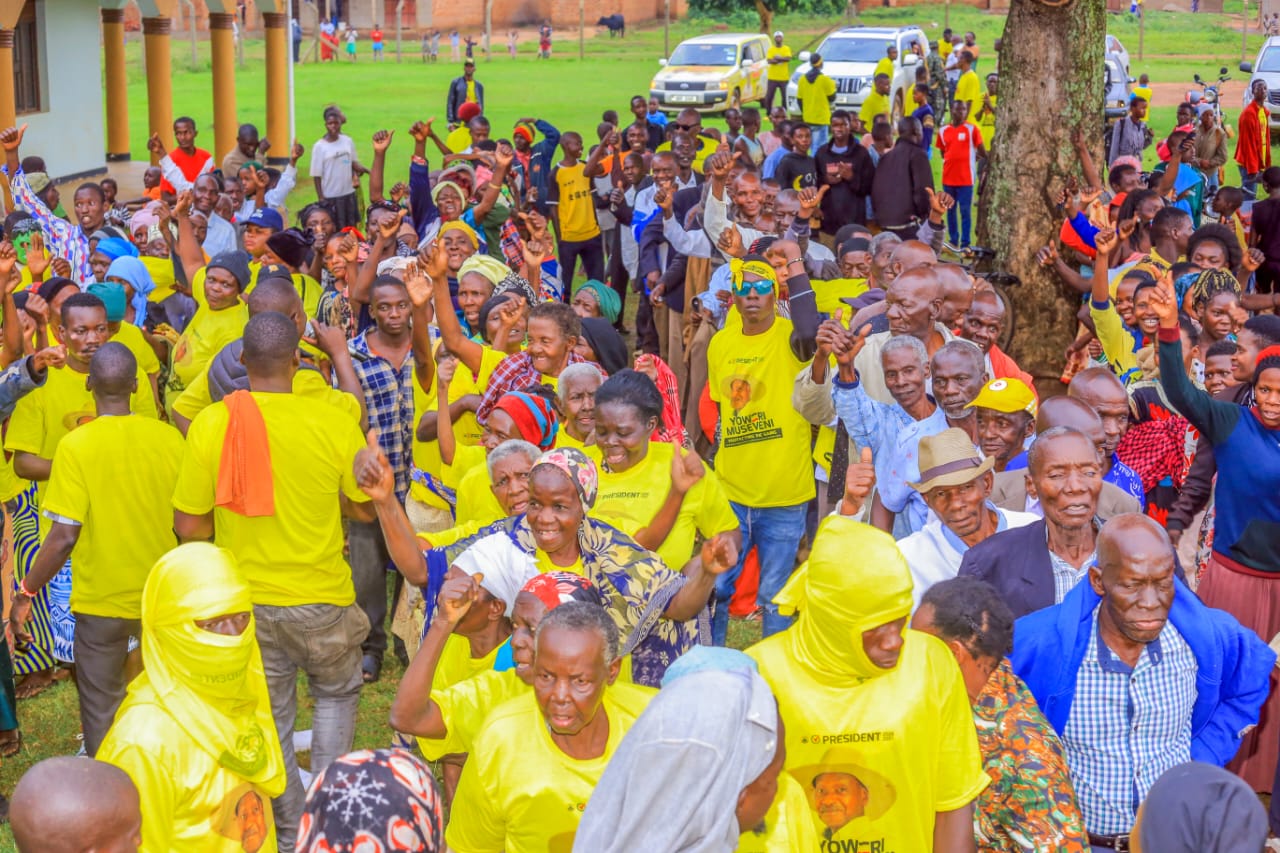
    First Lady Maama Janet Museveni thanked the people of Arua for their love and support, urging them to continue standing with the NRM and to safeguard the peace and unity the country now enjoys.

    The Arua rally is part of President Museveni’s ongoing nationwide campaign trail under the theme #ProtectingTheGains, aimed at consolidating the achievements made under NRM’s leadership and preparing Ugandans for continued socio-economic transformation.

  • Arua leaders hail Museveni for Peace, Development ahead of rally

    Arua leaders hail Museveni for Peace, Development ahead of rally

    Arua City: Leaders in Arua and across West Nile have expressed gratitude to President Yoweri Kaguta Museveni and the ruling National Resistance Movement (NRM) government for delivering peace, stability, and development to the region.

    The leaders spoke to journalists on Sunday after a meeting of the NRM District Campaign Task Force in Arua City, ahead of President Museveni’s campaign rally slated for Monday.

    Hon. Atima Jackson Lee Buti, the Member of Parliament for Arua Central Division and Government Regional Whip for West Nile, said the region was fully prepared to welcome President Museveni, whom he described as “a special gift from God to Uganda.”

    “As a host and NRM flag bearer, I want to welcome His Excellency to Arua and call upon all our supporters in Arua City and West Nile to come in big numbers,” Atima said.

    “We are going to vote for him again because of the enormous achievements ushered in by the NRM government, especially peace and stability.”

    He noted that under Museveni’s leadership, Uganda has enjoyed unprecedented peace that has allowed citizens to engage in business, travel freely, and live without fear.

    “That peace alone is enough reason to continuously vote for him,” he emphasized.

    Atima also pointed to major infrastructure improvements, including the tarmacked roads and modern street lighting that have transformed Arua City’s appearance.

    “If you go to the city centre, you see paved roads and street lights — it feels like you are in London,” he remarked.

    He further praised the government for extending the national electricity grid to West Nile for the first time in over a century.

    “Because of the good leadership of President Museveni, we were connected to the national grid in August last year. This is boosting industrial growth in the region,” Atima said.

    In the health sector, he highlighted the establishment of two regional referral hospitals in West Nile — in Arua and Yumbe — and the construction of new medical infrastructure including blood banks, ICUs, and OPD blocks.

    He also lauded the Parish Development Model (PDM) for empowering communities economically.

    “Arua City alone has received over 16 billion shillings through PDM, positively impacting household incomes,” he said, adding that the region is committed to giving Museveni over 99% of the vote.

    Lenia Charity Kevin, the NRM flag bearer for Vurra County, echoed Atima’s sentiments, noting that the connection to the national grid was a game-changer for the region.

    She urged government to attract more investors to boost industrialization and create jobs for young people.

    “We are grateful for the electricity, but now we need industries so that our youth can get employment,” Lenia said.

    “We also request for a major skilling hub in Arua District to supplement the one in Zombo.”

    She called for government support toward farming cooperatives and value addition, noting that Vurra is a food basket for West Nile.

    “Our farmers need better tools, cooperative support, and access to markets,” she said.
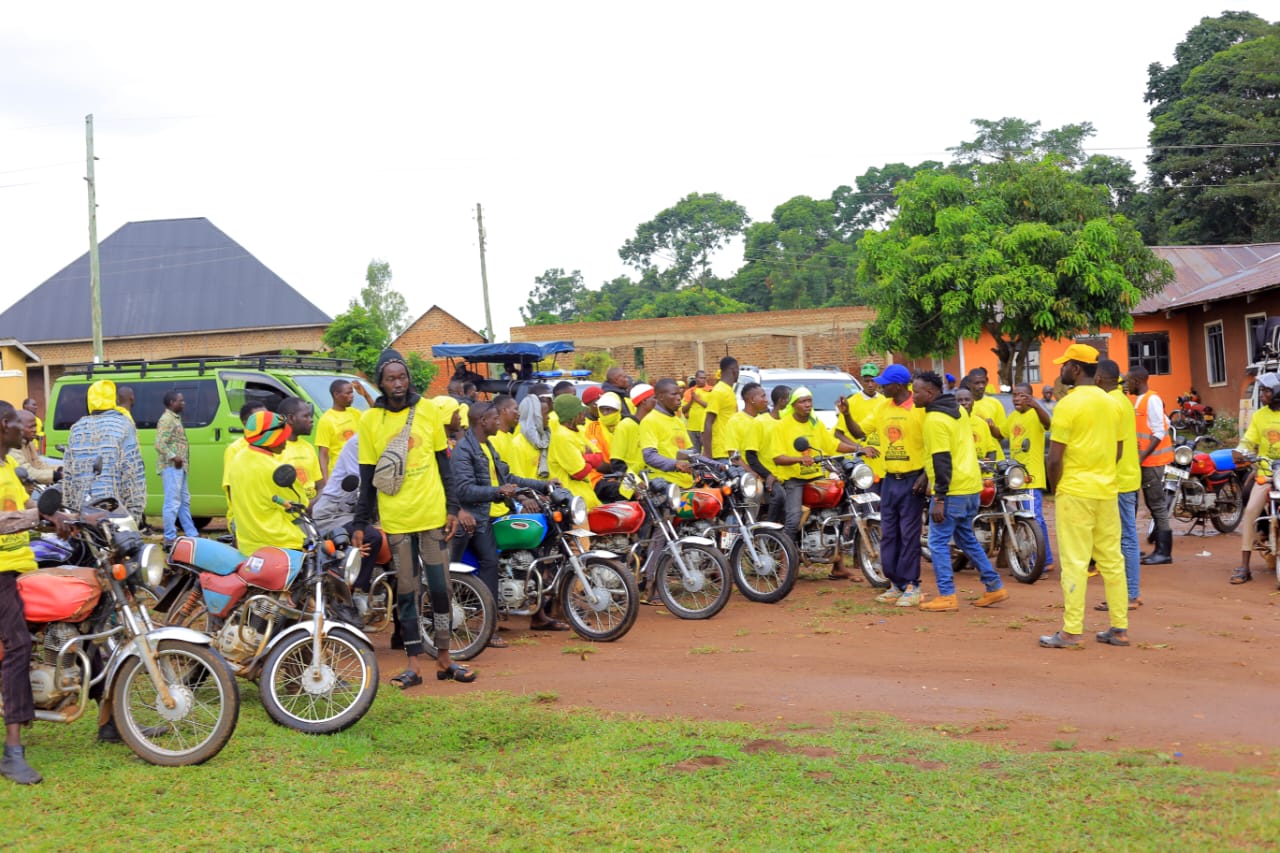
    Lenia also highlighted the need for a referral hospital in Arua District to complement the one in the city.

    “Our population is big, and a second referral hospital would greatly improve access to health services,” she noted.

    On wealth creation, she commended the PDM initiative but encouraged leaders to mobilize more households to participate.

    “We still have challenges of low household income, but PDM is already making a difference. We must get more people involved,” she said.
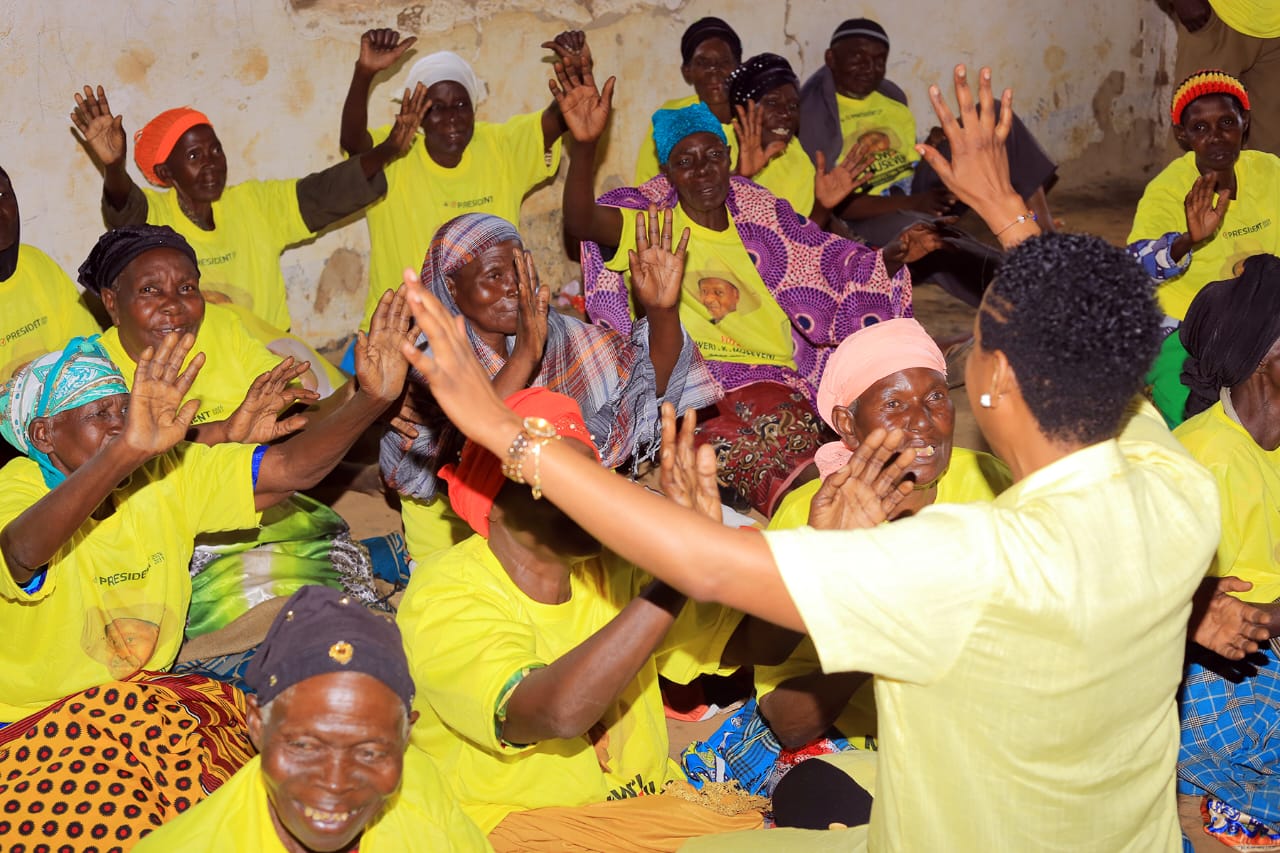
    The NRM Director of Finance, Hajjat Medina Naham Ojale, said all preparations were complete for Monday’s rallies in Madi-Okollo and Arua City, with massive crowds expected.

    “We are hosting three in one — the President, the NRM Chairman, and the Presidential Candidate — all in His Excellency Yoweri Kaguta Museveni,” she said.
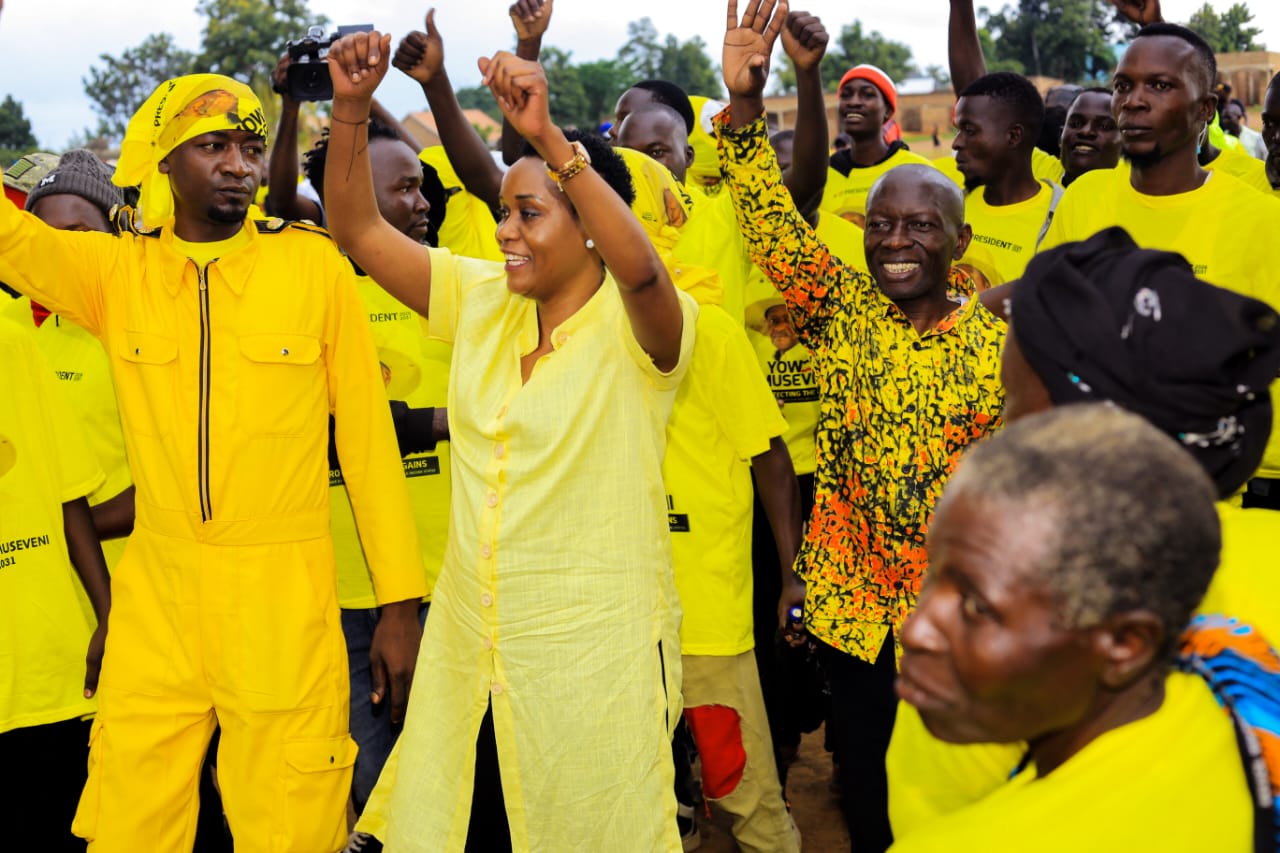
    “The enthusiasm here is overwhelming. People are ready to receive him massively.”

    Hajjat Medina noted that West Nile has reaped greatly from NRM’s leadership in areas such as peace, road infrastructure, power connectivity, and health services.

    “Because of President Museveni, we now have peace and security. In neighboring Congo and South Sudan, people cannot sleep peacefully, but our people here are safe,” she said.
    “We have tarmac connecting us to Kampala, factories creating jobs, and two regional referral hospitals — in Arua and Yumbe. Which other region in Uganda has that?”

    She added that the PDM funds — with each parish receiving Shs 100 million — have transformed livelihoods across the sub-region.

    She also praised government compensation for tobacco farmers and ex-servicemen, calling it a long-awaited relief for affected communities.

    “The people of West Nile are saying we are done with parties that don’t bring development,” she declared.
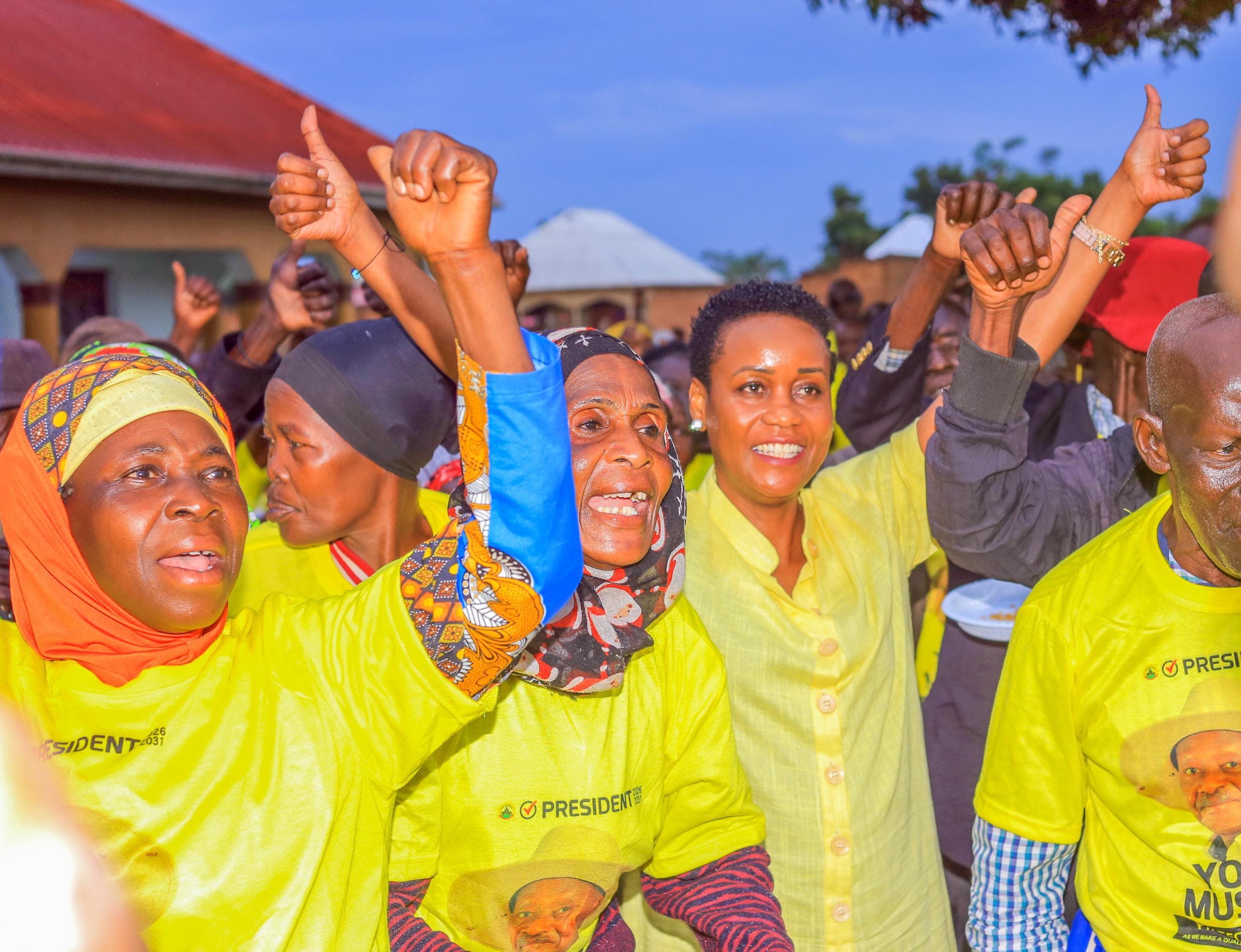
    “When you move around, you don’t see NUP or FDC. People only know NRM.”

    Hajjat Medina predicted a massive show of support at Monday’s rallies.

    “Out of 1.4 million voters in West Nile, our people have pledged 1.3 million votes for Mzee Museveni. The region is fully mobilized and ready,” she said.