Mbale City was yesterday the center of Uganda’s tourism as the nation marked World Tourism Day 2026 at Mbale Secondary School Grounds, and one of the standout figures was Ms. Rita Namuwenge, the National Coordinator Emyooga Program & PDM Consultant Eastern Uganda and former NRM Flag Bearer for Mbale City Woman MP Seat, famously known as Mama Emyooga.
The celebrations, held under the theme “Tourism and Peace: Digital Agenda and Artificial Intelligence to Redesign Tourism”, attracted thousands of revelers, cultural institutions, tourism players, government leaders and foreign guests.
This year’s national venue was deliberately chosen as Mbale City the Gateway to Elgon Tourism Region to promote unique attractions including Mt. Elgon National Park, Wanale Hill, Sipi Falls, Sisiyi Falls, Arabica Coffee, Malewa cuisine and the iconic Imbalu circumcision tradition.
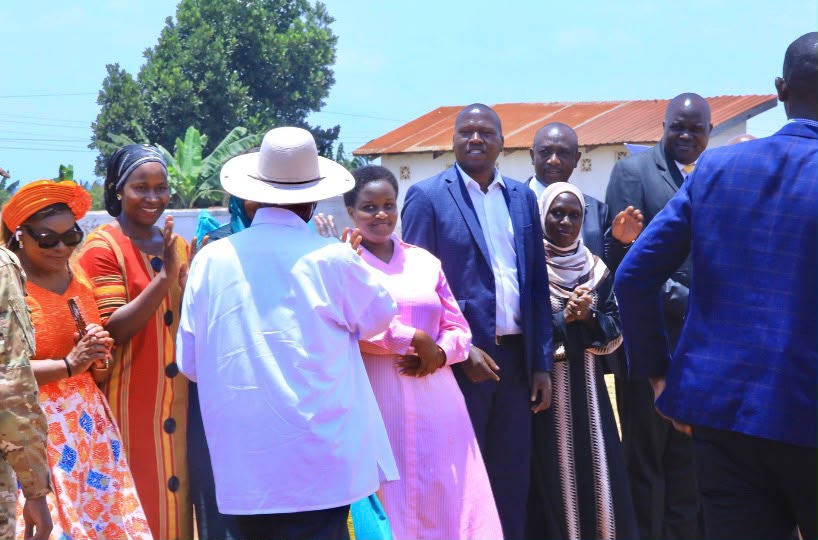
Ms. Rita Namuwenge joined dignitaries at the main grounds after a colorful procession from Cricket Grounds to Mbale SS. She was seen engaging with women groups, youth and local exhibitors, encouraging them to tap into tourism as a livelihood.
For us in Bugisu, tourism means jobs for our youth, markets for our coffee farmers, value for our Malewa and income for our mothers. Hosting World Tourism Day here is a golden opportunity to sell Mbale to the world.
The event was graced by H.E President Yoweri Kaguta Museveni, who made his first ever appearance at World Tourism Day celebrations, alongside tourism board CEO Juliana Kagwa and city leadership.
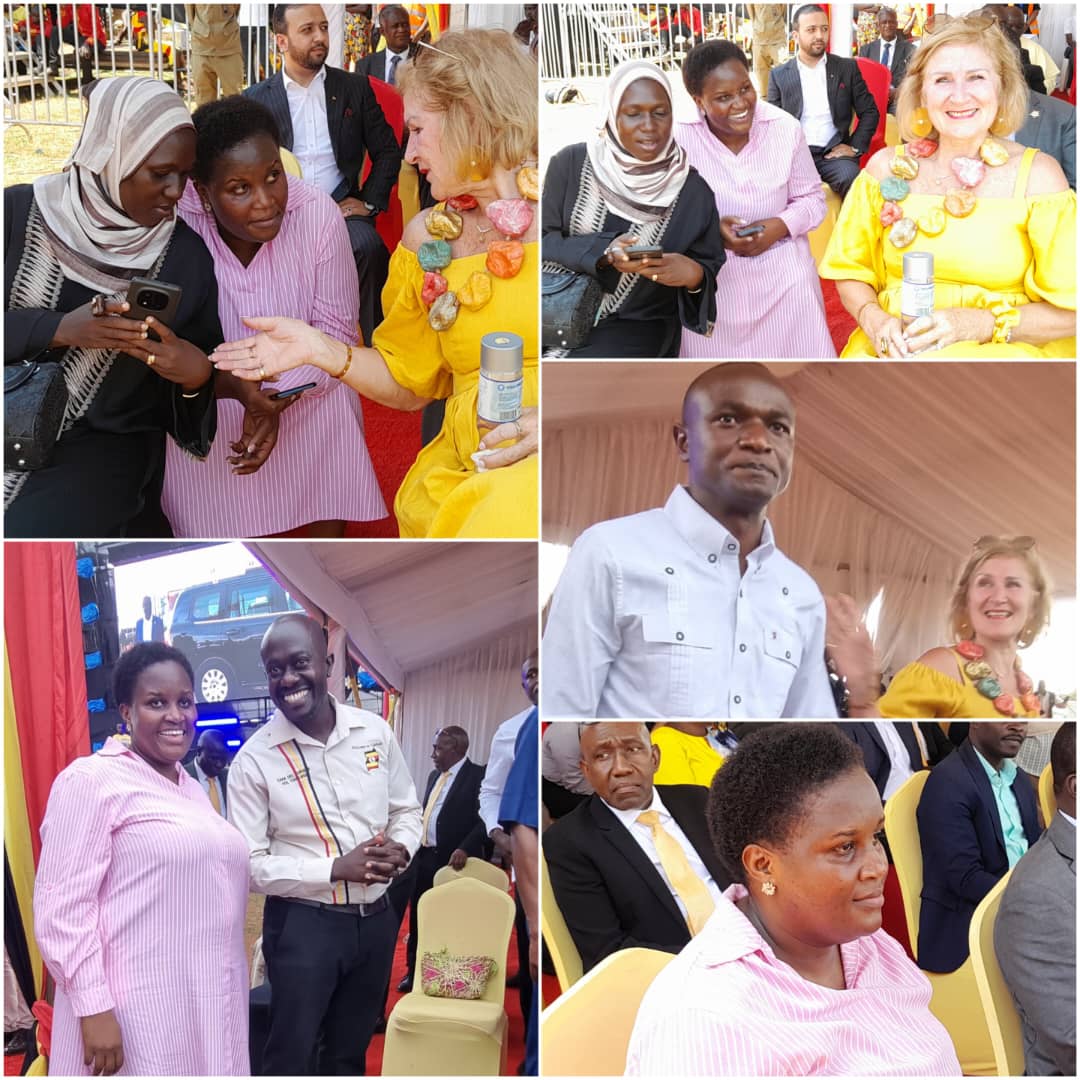
The Ambassador of the Kingdom of the Netherlands to Uganda, H.E. Angele Samura, was spotted with Emyooga National Coordinator Ritah Namuwenge during World Tourism Day celebrations at Mbale Secondary School grounds in Mbale City, held under the theme, “Digital Agenda and Artificial Intelligence to Redesign Tourism.”
Ms Namuwenge commended Saleh Naminya the Director of Casa Uganda Safaris & Lodges for his wonderful presentation on the issues hindering the development of Tourism industry in the region.
Namuwenge also emphasized the government to consider constructing key tourism infrastructure in Mbale city, including the Mbale–Nkokonjeru Road (Busamaga–Bufumbo Road) which links tourists to Wanale hills, Constructing the airstrip and upgrading the city stadium.
She said improved infrastructure would help unlock Mbale’s tourism potential and attract more visitors and investment to the region.
Speaking on behalf of development partners Samura, highlighted emerging opportunities for increased tourism investment and cooperation between Uganda and European partners, particularly in the hospitality sector.
She described Uganda as a destination with a broad tourism offering, including its rich natural environment, wildlife, wellness experiences, food and culinary culture, and diverse cultural heritage.
Samura said potential areas of cooperation include human capital development and skills training, sustainable hospitality practices, and the adoption of Artificial Intelligence (AI) and other digital technologies to improve tourism services and enhance visitor experiences.
Mbale: Residents of Burukuru Parish in Bukiende Sub-county, Mbale District, on Saturday offered land to a local developer Geoffrey Tsapwe Yaya to build a secondary school, seeking to end the long distances learners travel to access education.
The proposed school is expected to serve children who currently travel between 10 and 15 kilometres to Mulatsi Secondary School and Busano SS the nearest secondary schools, according to residents.
Residents further laments that the long journeys have contributed to school dropouts, early marriages and teenage pregnancies, particularly among girls.
Mr. Moses Kabale Mukamba, one of the residents who offered land for the project, said he accepted the proposal after the former area councillor suggested that residents could provide land if an investor was willing to establish a school.
“I consulted my wife, who welcomed the idea. I am now waiting to agree with my sons, but one of them has already supported the project. I am sure the others will also welcome it,” Kabale said.
His son, Timothy Mukamba Kabale, noted that the family had decided to support the project because of the difficulties children in the area face in accessing secondary education.
“When I was studying, I had to travel to Bubulo in Manafwa District to attend secondary school. If this opportunity comes near, we cannot block it. We are allowing our father to give the land for the good of our community,” he said.
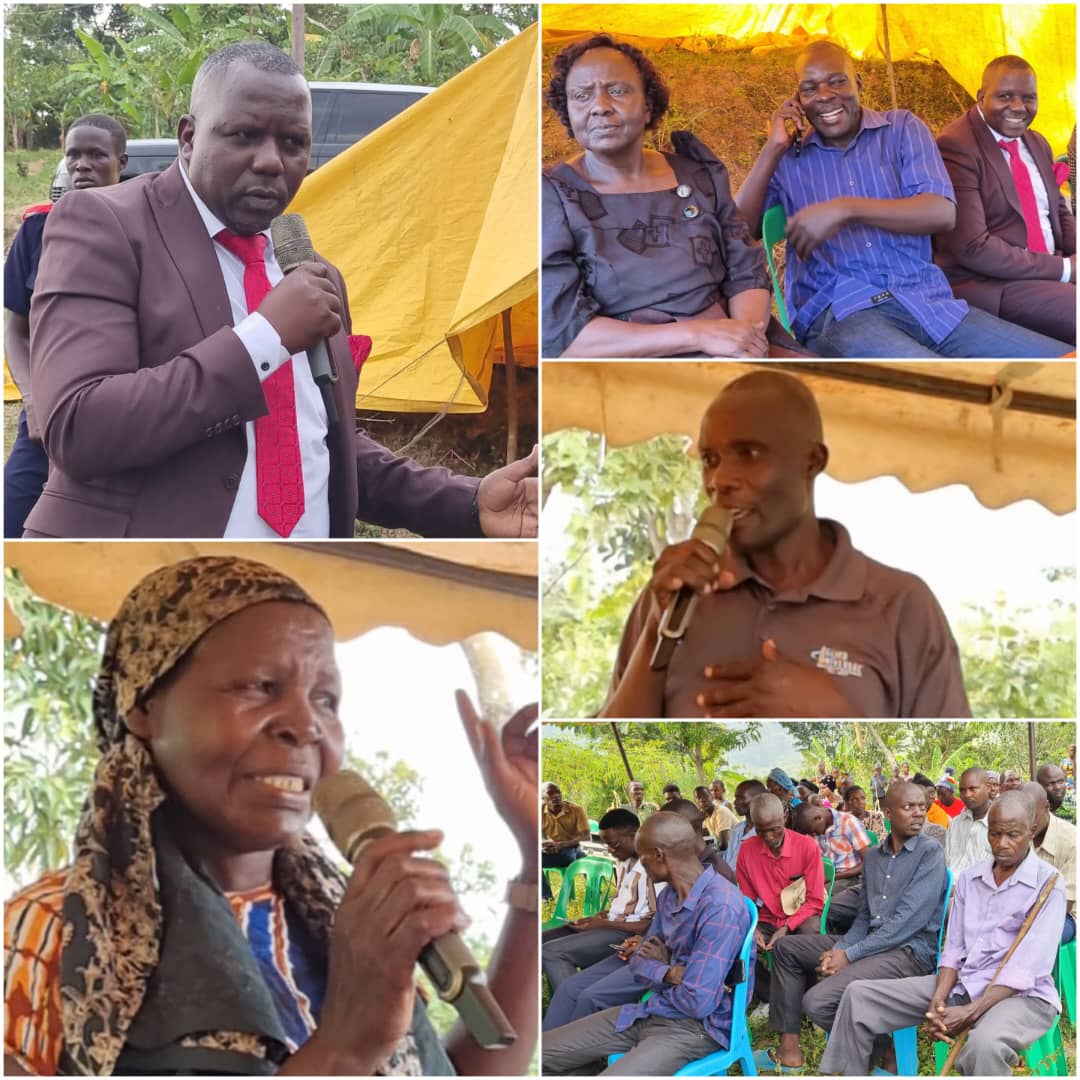
Rose Nambuya, the vice chairperson Bukiende Sub-county, said the community was struggling with poor roads and limited access to essential services, including health and education.
She noted that some girls are forced to walk long distances to school, exposing them to risks of sexual exploitation, men lure them with small gifts, resulting in teenage pregnancies, early marriages and school dropout.
In an interview with Bugisu Intellectual media, Geoffrey Tsapwe Yaya a developer said the residents of Burukuru parish approached him seeking help to address the education challenges in the area because the only secondary school is Mulatsi SS which is 15 Km away and the burning issue of a hospital.
“Today we were introducing the concept to the community members and confirming the sites. We now have two sites and, once we confirm one, we shall again invite all residents, landowners, community leaders and developers to form a steering committee and sign agreements before the project starts,” Tsapwe said.
He urged residents to support the initiative, saying government helps those who help themselves. Politics ended; now it is time to work for our people. We should not wait for politics to come before we address these challenges facing our communities because we’re one person we speak one language and one blood so we have to help each other in development.
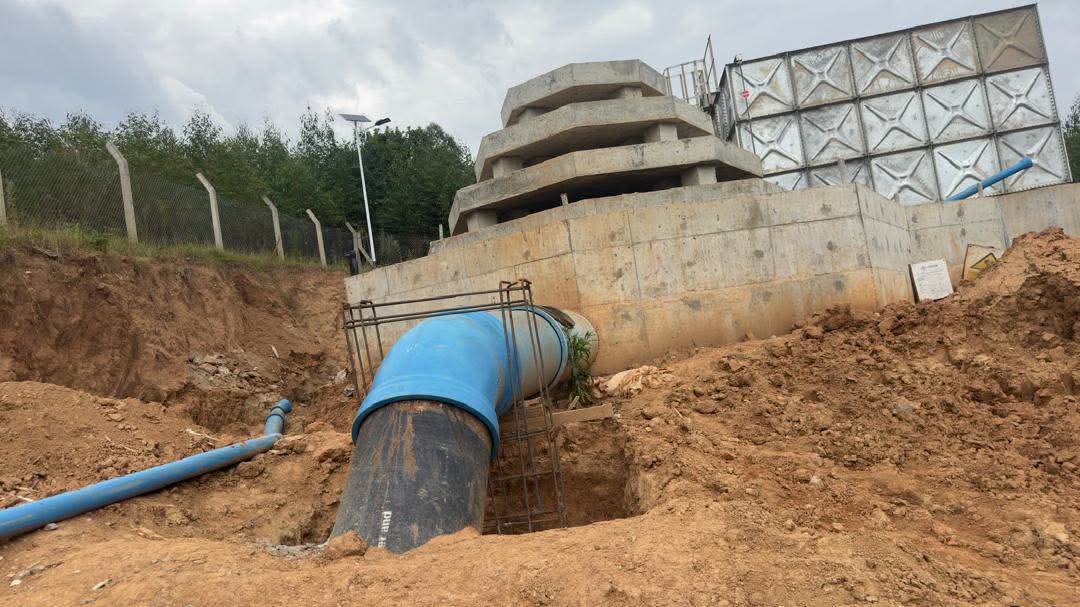
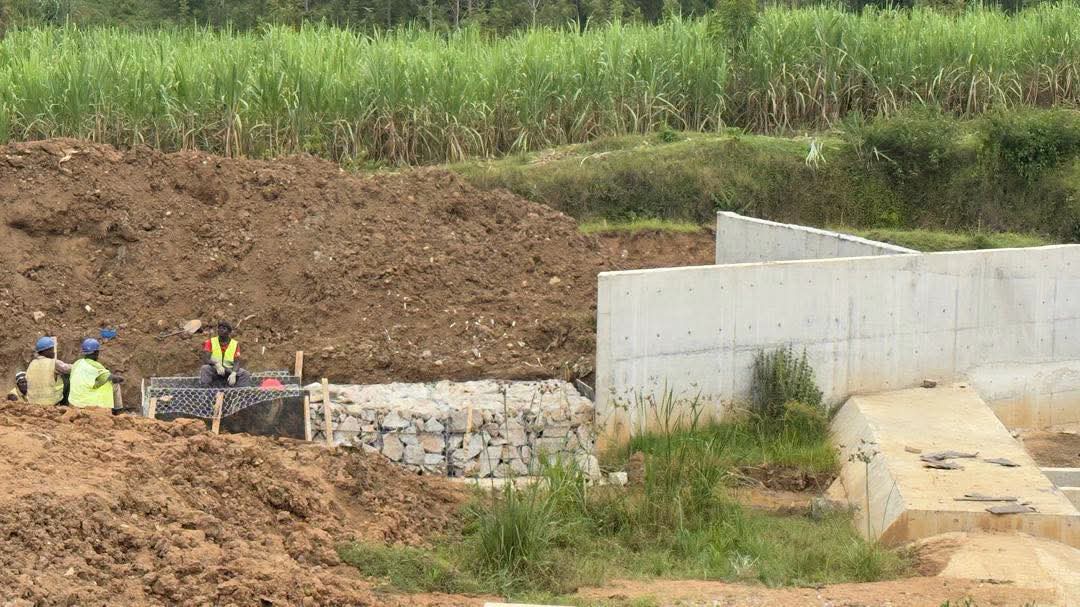
Mbale: The Government of Uganda, through the National Water and Sewerage Corporation is constructing the Mbale Water Supply and Sanitation Project.
The Project has reached 97% physical completion following a two-day monitoring mission and monthly progress review.
The exercise brought together the consultant, the contractor and NWSC’s project and Area teams to review progress and prepare for testing, commissioning and handover.
The team inspected the Namatala–Bungokho pipeline, Musola Reservoir, Bungokho Water Treatment Plant and Manafwa Water Treatment Plant.
Most components are substantially complete. The IUIU sewerage network, sewer rehabilitation, Busoba Reservoir, public sanitation facilities and distribution lines are all at 100%. Namatala Water Treatment Plant is at 98%, while Manafwa Water Treatment Plant stands at 93.3%.
Remaining work is largely finishing, testing and snag closure. At Manafwa WTP, this includes pipe and pump testing, water-tightness tests and minor finishing works.
Stakeholders agreed that a joint inspection should be carried out before final handover.
Once commissioned, the project is expected to improve access to safe water and sanitation in Mbale and surrounding towns.
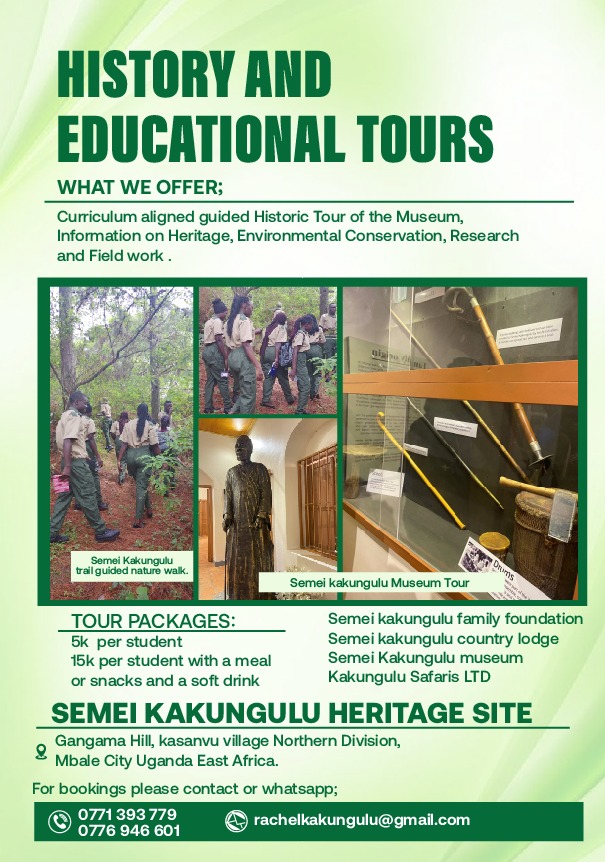
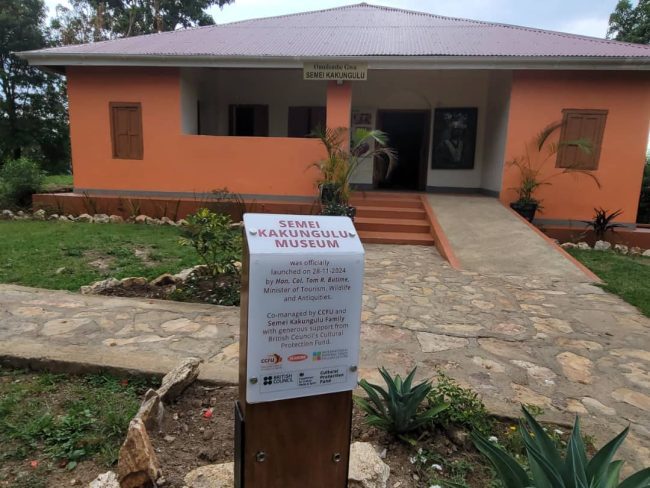
Semei Kakungulu Heritage Site has introduced educational tours targeting school institutions across the country.
They are honored to invite esteemed schools / institutions to experience their History and Educational Tours at the Semei Kakungulu Heritage Site.
The school Tour will include:
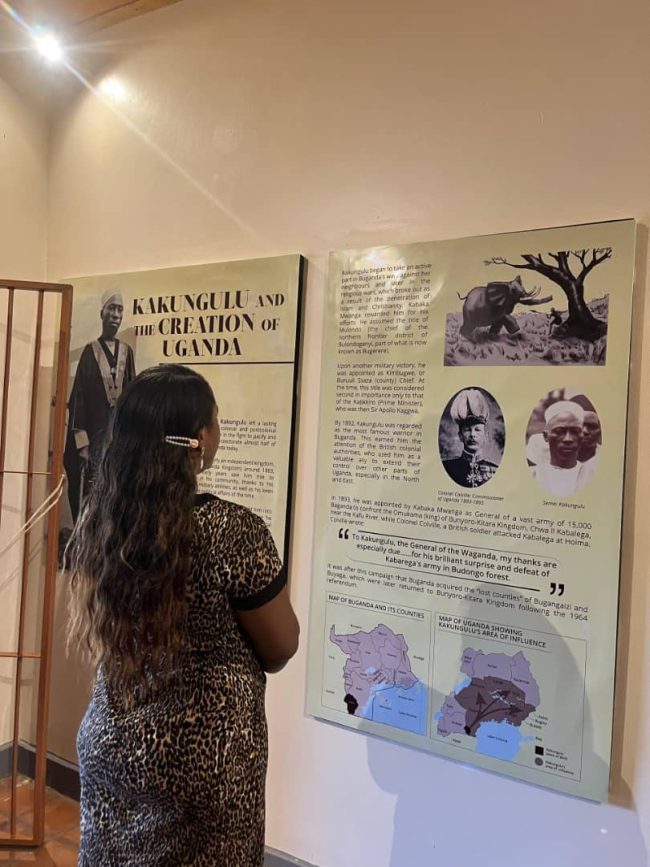
– Curriculum-aligned guided tour of the Semei Kakungulu Museum
– Learning sessions on Heritage and Environmental Conservation
– Research and Field Work opportunities for students and academia
– Hands-on activities like tree planting, coffee demonstration, and conservation projects
This experience connects classroom learning to real history, values, and community impact.
To Book or Request a Quotation, Please Contact them: WhatsApp or Call: +256 771 393 779 +256 776 946 601
As Governments, organizations work towards their climate goals, carbon credits have become an important tool in supporting global emission reduction efforts.
A carbon credit represents 𝗼𝗻𝗲 𝗺𝗲𝘁𝗿𝗶𝗰 𝘁𝗼𝗻 𝗼𝗳 𝗰𝗮𝗿𝗯𝗼𝗻 𝗱𝗶𝗼𝘅𝗶𝗱𝗲 𝗲𝗾𝘂𝗶𝘃𝗮𝗹𝗲𝗻𝘁 (𝗖𝗢𝟮𝗲) 𝗿𝗲𝗱𝘂𝗰𝗲𝗱, 𝗿𝗲𝗺𝗼𝘃𝗲𝗱, 𝗼𝗿 𝗮𝘃𝗼𝗶𝗱𝗲𝗱 𝘁𝗵𝗿𝗼𝘂𝗴𝗵 𝘃𝗲𝗿𝗶𝗳𝗶𝗲𝗱 𝗲𝗻𝘃𝗶𝗿𝗼𝗻𝗺𝗲𝗻𝘁𝗮𝗹 𝗽𝗿𝗼𝗷𝗲𝗰𝘁𝘀 such as reforestation, renewable energy, and methane capture.
While carbon credits can help balance unavoidable emissions, they are most effective when combined with direct efforts to 𝗿𝗲𝗱𝘂𝗰𝗲 emissions at the source.
The goal isn’t simply to offset emissions, it’s to 𝗿𝗲𝗱𝘂𝗰𝗲 them wherever possible and support meaningful climate action where reductions are not yet achievable.
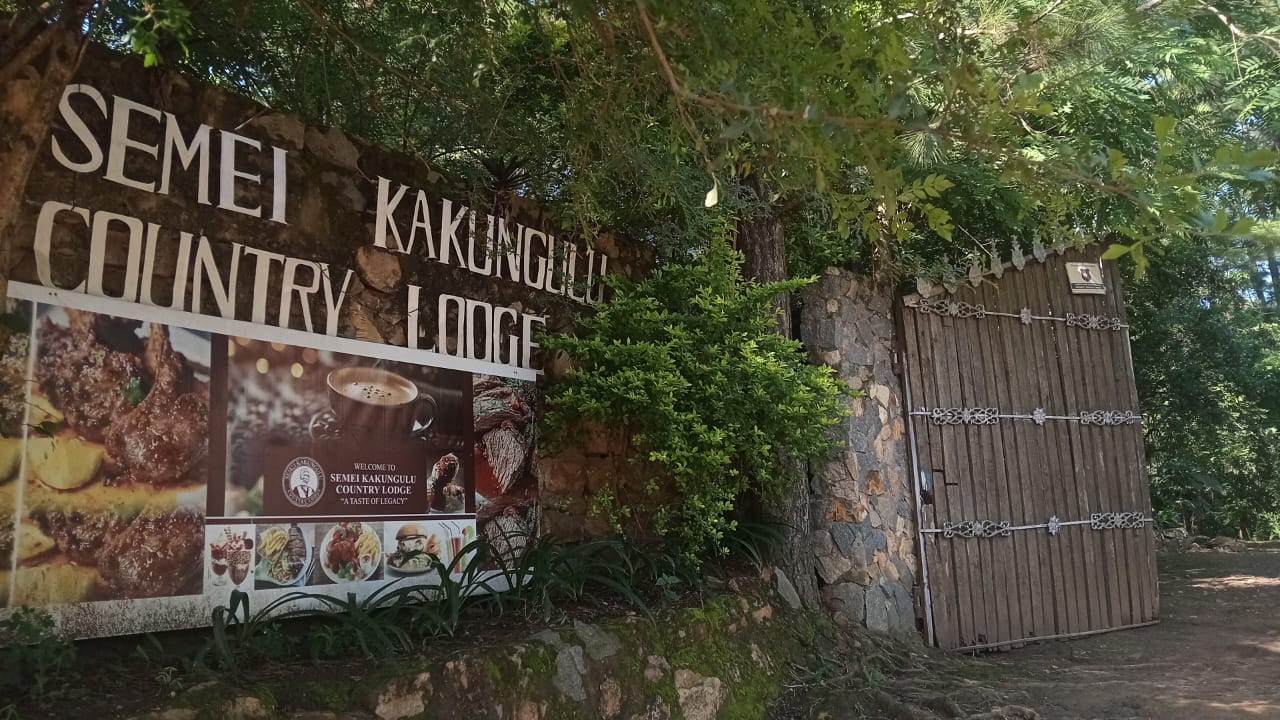
Escape to the enchanting Semei Kakungulu Country Lodge, set amidst lush greenery and stunning natural surroundings in Mbale. The lodge offers an unforgettable retreat where you can unwind in nature, explore rich cultural heritage, enjoy exquisite dining, and rest in comfortable accommodations.
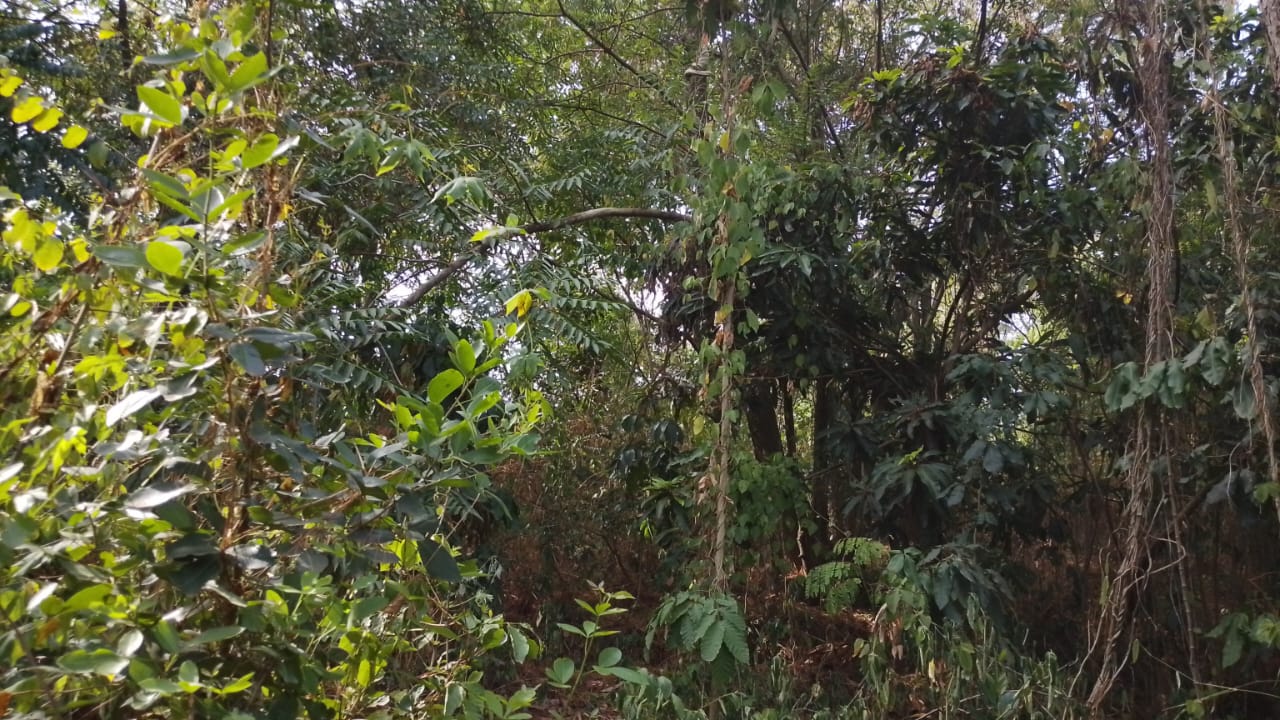
Nature & Atmosphere:Immerse yourself in the peaceful, tree‑lined environment with fresh air and scenic views. Perfect for nature walks, relaxation, and reconnecting with the outdoors.
Accommodation: Enjoy cozy, well‑appointed rooms that blend comfort with rustic charm, ensuring a restful stay.
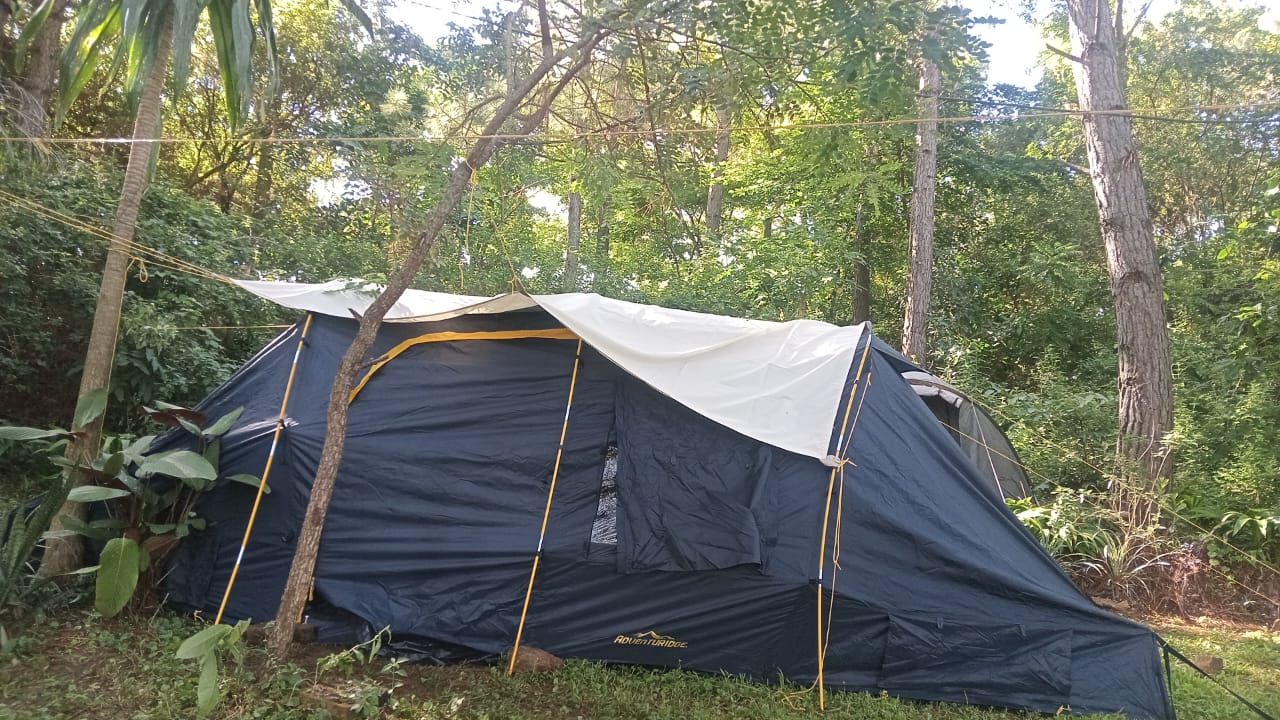
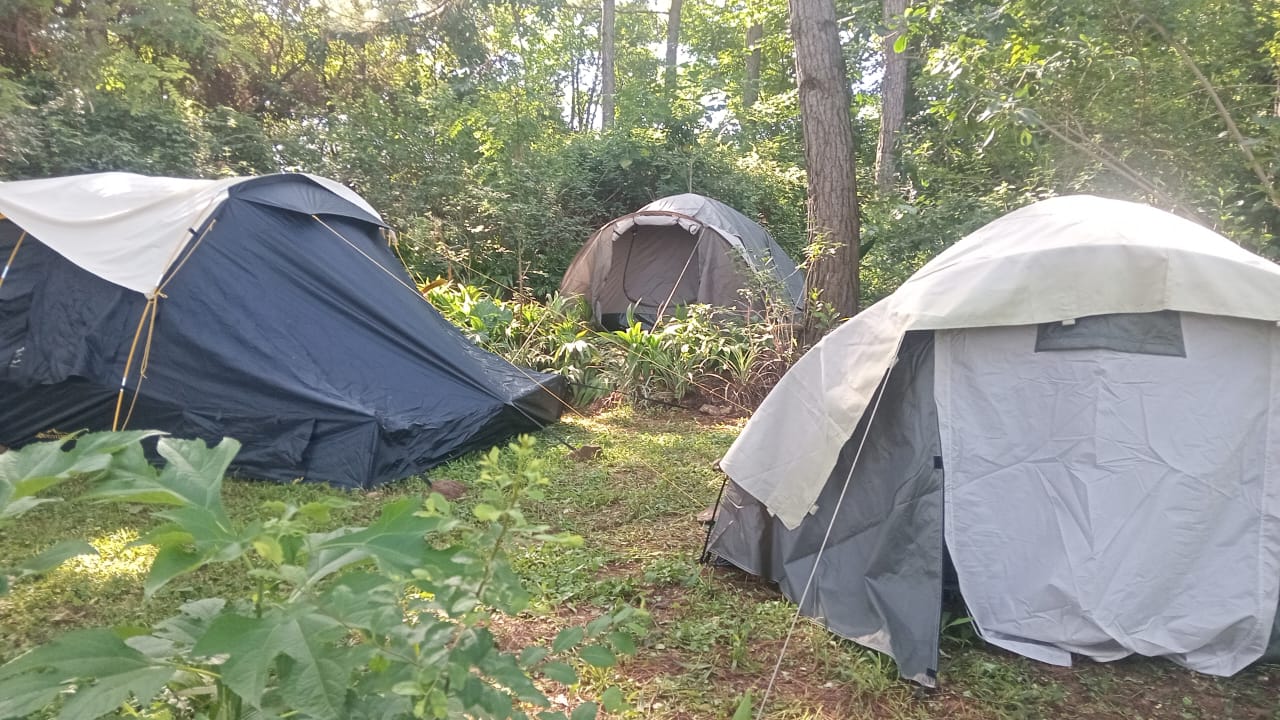
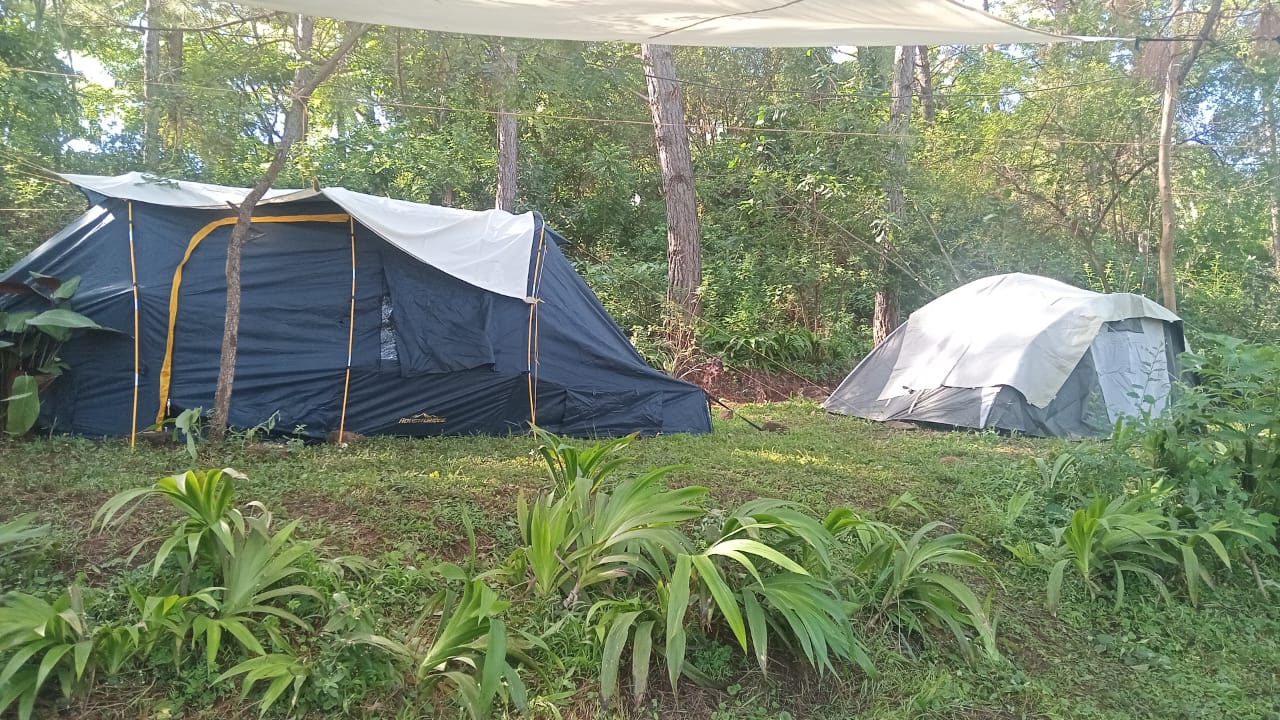
Camping Experience: Pitch your tent in our scenic campsite for just *Sh. 30,000 per night*. Wake up to birdsong and starry nights under the open sky.
Semei Kakungulu Museum: Discover the fascinating history and cultural exhibits at our on‑site museum, showcasing local heritage and traditions. Guided tours available for an enriching experience.
Dining: Savor delicious meals featuring local and international flavors, showcased in our inviting restaurant .
Activities: Explore nature trails, visit the museum, enjoy guided tours, and experience exceptional hospitality services.
Book your stay now at Semei Kakungulu Country Lodge & Museum and discover the perfect blend of nature, culture, comfort, and adventure.
Centenary Bank and Bees and Trees Uganda launched the Coffee Agroforestry for Environment and Livelihood Enhancement initiative, aimed at restoring degraded land, promoting environmental conservation, improving livelihoods, and strengthening financial inclusion.
The initiative aims to tackle the challenges of environmental degradation and rural poverty by blending tree planting, coffee farming and beekeeping as a pathway to restoring degraded land while creating new income opportunities for rural households.
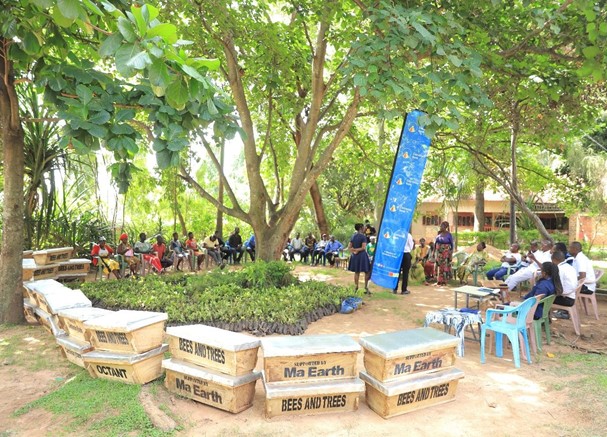
The partnership that was officially launched in Wokukiri village, Mbale district is bringing together farmers, women’s groups, youth leaders, local officials and bank staff to participate in tree planting, financial education and hands-on training in coffee agroforestry and sustainable beekeeping.
Farmers of Wokukiri village, Mbale district receiving modern bee hives
As a part of the initiative, Centenary Bank has so far contributed UGX 27 million to fund the planting of more than 6,000 coffee seedlings and 3,000 indigenous trees in Wokukiri. Additionally, the bank has provided 80 modern Kenya Top Bar (KTB) beehives to youth and women’s groups in the village, who received not only seedlings and hives, but also practical training in coffee agroforestry, sustainable beekeeping and financial management.
The farmers of Wokukiri village, like many across Uganda, depend heavily on smallholder agriculture. Mbale district, known for its hilly terrain and coffee-growing heritage, has seen vast areas of land degraded due to unsustainable farming practices and population pressures.
By integrating coffee, trees and bees into their farms, the project offers them not just a chance to heal the land but also to secure reliable incomes. Coffee provides a cash crop, trees improve soil fertility and micro climates and the bees enhance pollination while producing honey for sale. Bees and Trees Uganda, a youth-led social enterprise has long championed the integration of beekeeping and agroforestry on small farms. Their model focuses on farmers diversifying their incomes by producing crops and honey while also restoring tree cover and building resilience to climate change.
Farmers in Mbale district being trained on sustainable farming practices
“Our farmers are able to earn from crops and apiary at the same time,” Connie Olives, the Finance Manager of Bees and Trees Uganda said adding, “By planting trees, we increase resilience against climate change while boosting tree cover in degraded landscapes.”
Stephen Bright Sakwa, co-founder of Bees & Trees, also announced plans to further incentivize farmers to care for trees through the creation and sale of EcoCerts. Through this initiative, individuals around the world can contribute financially to long-term tree stewardship. Farmers will receive quarterly payments, with compensation linked to the number of trees that survive on their farms. Centenary Bank’s role went beyond funding. As part of its broader commitment to inclusive growth, the bank mobilized its staff to participate in the field activities, interact with the community and deliver financial literacy training.
Over 50 community members were introduced to formal banking for the first time, equipping them with the knowledge to save, responsible borrowing and the range of products that the bank offers to support smallholder farmers. Looking ahead, the long-term impacts of the project are expected to be wide-ranging. Environmentally, the more than 9,000 plants, both coffee and trees will contribute to land restoration in Wokukiri village, reversing years of soil degradation.
The beehives will boost pollination, improve yields of crops across the area while supporting biodiversity. Economically, the honey and coffee harvested in future seasons will provide reliable streams of income for farmers who have struggled with fluctuating harvests. By deliberately targeting women’s and youth groups, the initiative has also created a platform for empowering marginalized groups to take leadership in conservation and agribusiness.Agnes Nandutu, a farmer from Wokukiri Women’s Group expressed hope that their land, long exhausted by poor farming methods would once again become productive.
“For many years, we struggled with poor harvests and limited income. Now with coffee, trees and bees, we have hope that our land and families will be productive again,” she said.For the youth, the arrival of modern beehives represents a chance to enter agribusiness in a way that is affordable, practical and promising, given the ready markets for honey and Uganda’s strong coffee sector.
Ms. Annet Nandelenga, Branch Manager at Centenary Bank Mbale, reaffirmed the bank’s commitment to sustainability and financial inclusion. She said that the initiative fits into the bank’s wider strategy of championing financial inclusion while promoting social and environmental responsibility. “We believe that financial inclusion must go hand in hand with environmental sustainability. When we empower communities to restore their environment while building viable enterprises, we create lasting change,” Nandelenga said.
Every year, Centenary Bank dedicates 2% of its net profit towards impactful Corporate Social Investment initiatives such as this which transform lives in education, health, livelihoods, and the environment. The bank has also participated in various environmental sustainability initiatives, including tree planting campaigns and green financing initiatives, to combat climate change. In the past two years, the bank has planted over 70,000 trees in different parts of Uganda with an aim to build a greener and more sustainable Uganda.
As tree mapping and monitoring continue in Mbale, partners are confident that community ownership of the initiative will ensure high survival rates of the seedlings and long-term sustainability of the hives. Plans are underway to provide follow-up training so that farmers maximize the benefits of agroforestry and beekeeping.
This 18th century opulent Estate depicts the Flamboyant life of the colonial elites at that time.
While at this Estate, Tourists come face to face with the distant past led by experts (historic interpreters) in the field .
Tourists view a pricey collection of Semei Kakungulu artifacts which include ottoman style bed, pricey wooden furniture, diaries, photos, clothing, a Victorian golden mirror and his Jewish shabbat candle.
This opulent Estate Estate is one of the most visited heritage site in Eastern Uganda.
More than just a beautiful site, this serves a hub for Education, Conservation and Sustainable Development.
A collection of field notes, diaries, journals, videos are on display for researchers and academicians
Commentary by Racheal Kakungulu Kirama, Historian @ Semei Kakungulu Museum.
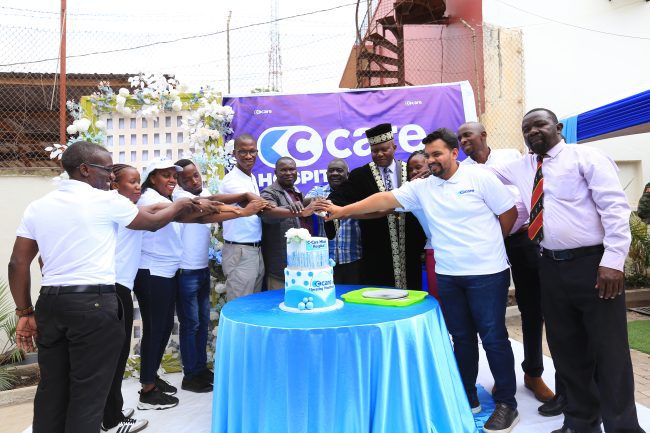
Mbale: In an exciting step towards transforming healthcare in Uganda, C-Care officially unveils its new fully-fledged hospital in Mbale, marking a significant milestone in the organization’s ongoing mission to extend accessible, world-class medical care to underserved regions across the country.
This expansion, which sees the transition of the clinic into a state-of-the-art hospital, introduces 30 admission beds, including a High Dependency Unit (HDU), two fully-equipped operating theatres, and a range of specialized services to enhance medical outcomes and patient experience.
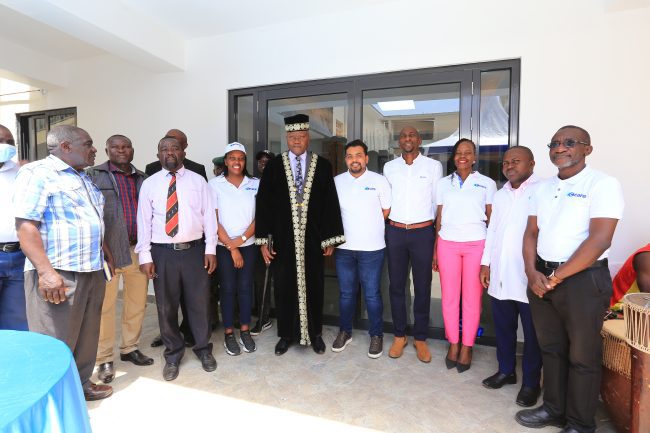
The launch of C-Care hospital, which promises world class expertise for the people of Mbale, was graced by several dignitaries including His Royal Highness Omukuka III Jude Mike Mudoma, Azhar Sundhoo, CEO C-Care Uganda, and Kasozi Asumani, Chairperson LC1, Pesa cell where the C-Care building stands.
Andrew Mugalu, General Manager C-Care hospital said, “The decision to establish a full hospital in Mbale is both timely and strategic. For years, the residents of Mbale and surrounding districts have faced challenges in accessing quality healthcare services, particularly for complex and critical conditions. With C-Care’s rich history of delivering exceptional medical care, this new hospital will bridge the healthcare gap by offering continuum of care, from emergency treatment to specialized services and follow-up care, all within close proximity to the community.”
C-Care Hospital Mbale not only enhances the patient experience, offering personalized, compassionate care, but also contributes to improving medical outcomes by ensuring that healthcare is more accessible, timely, and of the highest standard.
“We understand the frustrations that many people in Mbale have faced when seeking timely medical attention,” said Azhar Sundhoo, CEO of C-Care Uganda. “Our presence here now signifies a new chapter for healthcare in this region.
From offering specialized care to providing life-saving treatments, C-Care Mbale is designed to enhance the health and well-being of this entire community.”
This milestone is part of a broader vision for healthcare in Uganda, as C-Care works to revolutionize medical care across the country. With the opening of the Mbale hospital, C-Care continues its mission to expand its network of healthcare facilities, which now includes C-Care IHK, C-Care Mukono, and C-Care Gulu (soon to be operational), offering a full spectrum of services to communities in need.
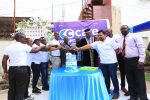
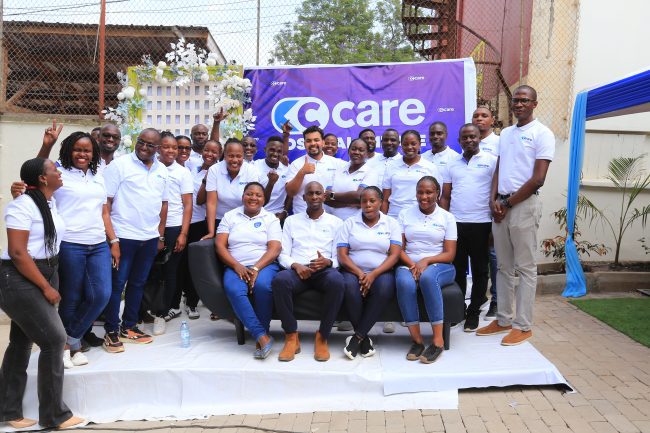
C-Care staff members pose for a photo with His Royal Highness Omukuka III Jude Mike Mudoma 5th R, Azhar Sundhoo, 5th L, CEO C-Care Uganda during the launch of C-Care Hospital in Mbale
“At C-Care, we recognize that healthcare is not just about treating diseases but also about building stronger, healthier communities. As part of its strategy, this branch will actively collaborate with local communities, offering health education programs, job training, and other initiatives that contribute to the overall well-being of the region,” added Mugalu.
C-Care Hospital Mbale is now officially open and ready to serve the Mbale community. The hospital invites residents to visit and explore the wide range of healthcare services now available, from emergency care to specialized treatment. “We are here for you, now more than ever. Trust C-Care Hospital Mbale for all your healthcare needs. We’re committed to providing comprehensive care that ensures your well-being today and, in the future,” concluded Mugalu.