Tag: EACOP

  • East Africa Crude Oil Pipeline (EACOP) Ltd, launches University scholarship with Tier One Electrical, Instrumentation, Telecommunications & Security Systems (EITS) Contractor

    East Africa Crude Oil Pipeline (EACOP) Ltd, launches University scholarship with Tier One Electrical, Instrumentation, Telecommunications & Security Systems (EITS) Contractor

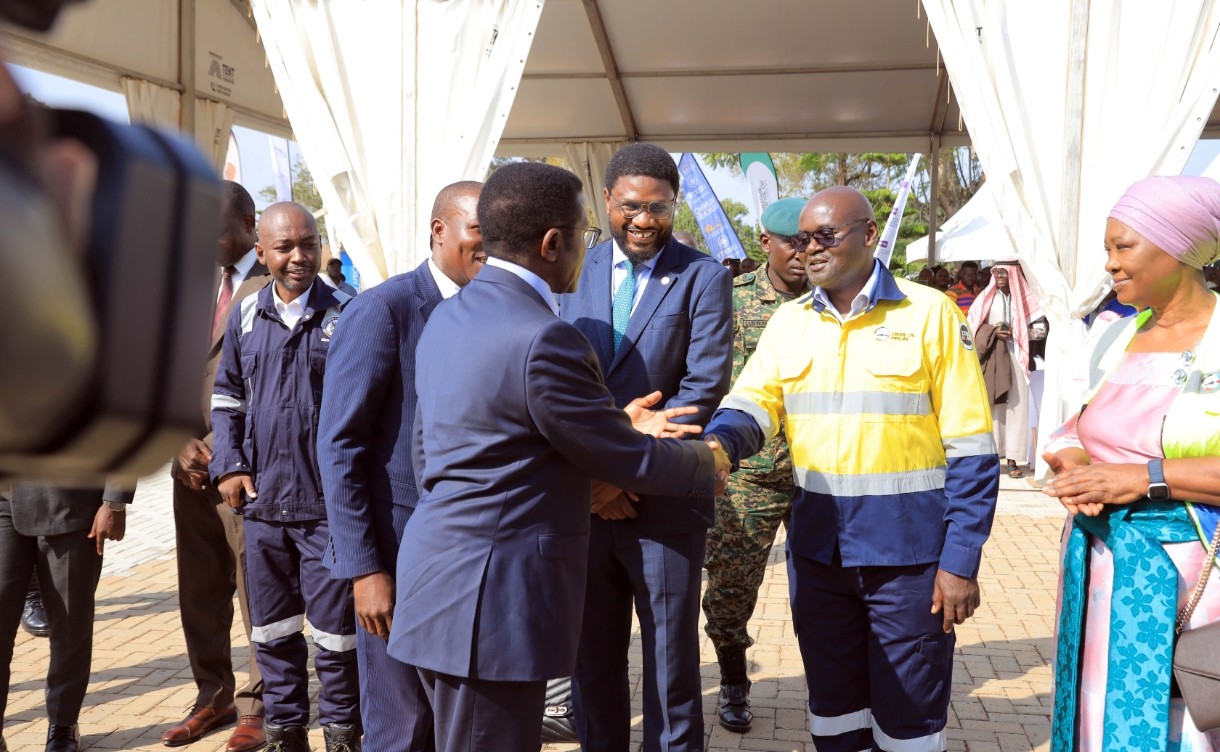
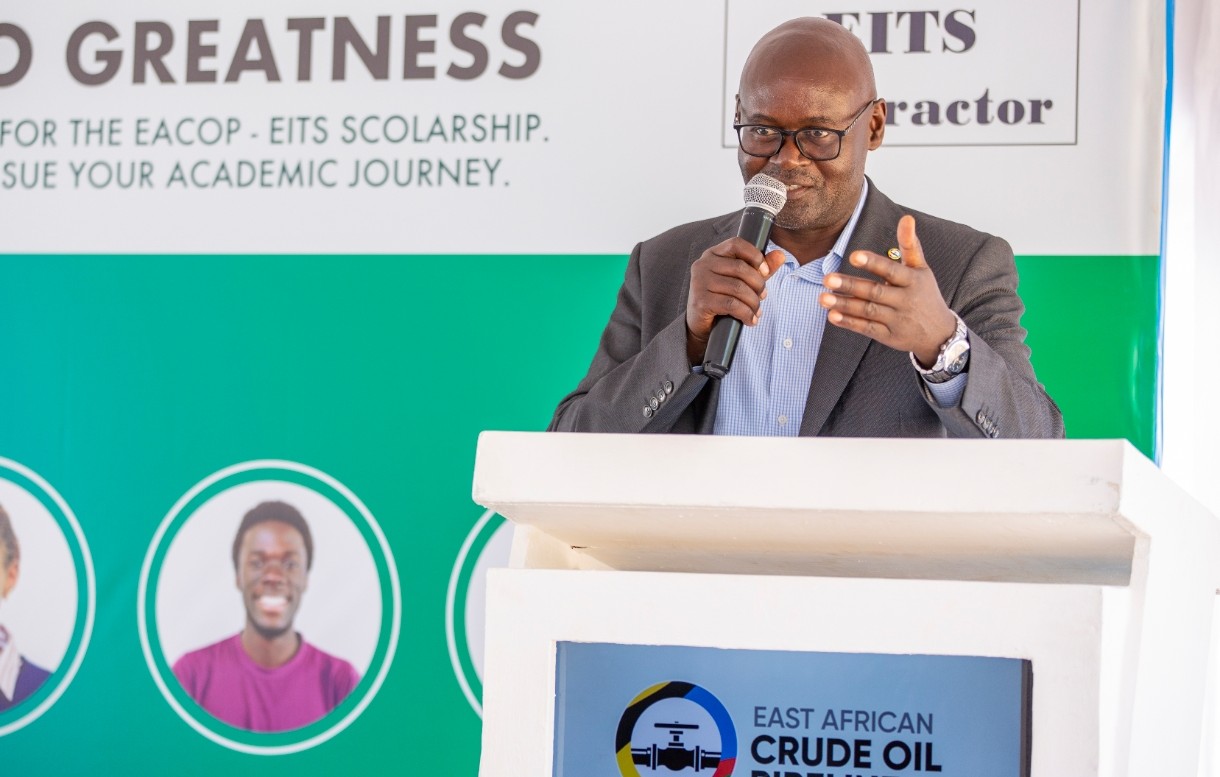
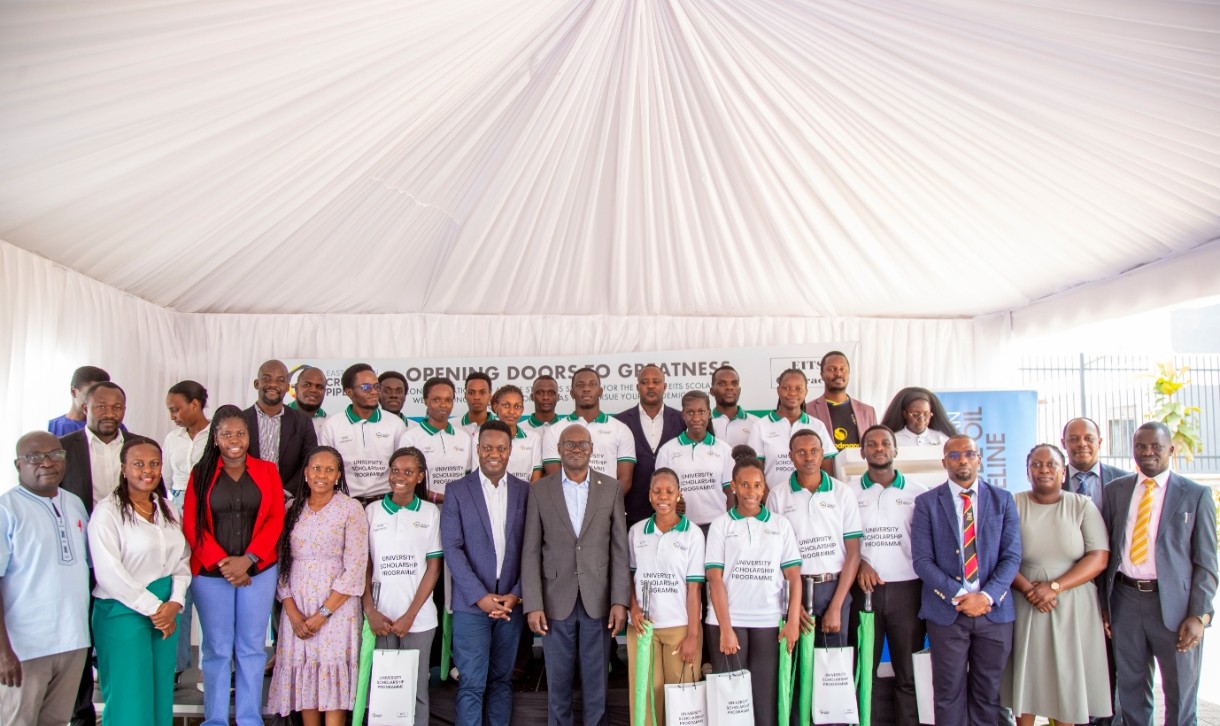
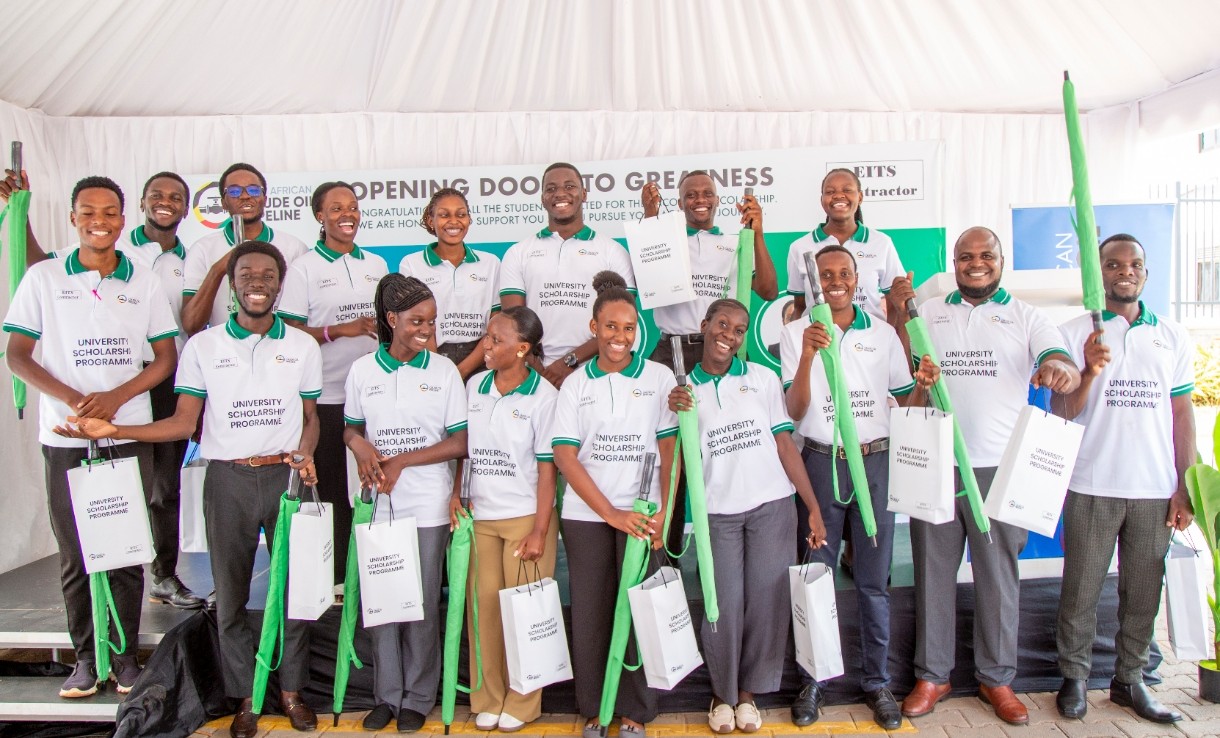
    Kampala: The East African Crude Oil Pipeline (EACOP) Ltd., together with its Tier One EITS contractor,officially launched a scholarship programme today to support 16 gifted but underprivilegedstudents pursuing Telecommunications Engineering and Computer Science at KyambogoUniversity (10) and Makerere University (6), respectively.

    The scholarships will enable the beneficiaries to complete their university studies. This programme is the second of its kind under the EACOP project in Uganda and reflects the continued commitment of EACOP andits contractors to creating lasting impact beyond project implementation.
    The scholarship selection process was conducted transparently and rigorously, including interviews with shortlisted candidates from each institution. Selection criteria includedacademic excellence, demonstrated financial need, genuine passion for the chosen field ofstudy, and a commitment to driving positive change. Seven of the 16 selected candidatesare female, underscoring the programme’s contribution to advancing women’sparticipation in Science, Technology, Engineering and Mathematics (STEM) fields.East African Crude Oil Pipeline (EACOP) Ltd. was established as a project company to develop, construct, and operate the pipeline system that will transport crude oil from Kabaale in Uganda to the Port of Tanga in Tanzania.
    A key focus of EACOP is to enhance National Content by sourcing local goods and services, while promoting skills development and knowledge transfer. In support of this objective, EACOP and its contractors have entered into Memoranda of Understanding (MoUs) with several professional bodies and institutions, including Uganda Petroleum Institute, Kigumba (UPIK), Makerere University,Kyambogo University, Nakawa Technical Vocational College, and the Institute of Surveyors of Uganda.

    Further efforts are underway to engage additional strategic institutions in preparation for the Operations Phase of the project. Through its capacity-building initiatives, EACOP and its contractors have welcomed 127interns and graduate trainees, demonstrating their commitment to developing young talent.

    In addition, through the Train-the-Trainer initiative, 808 hours of training have been deliveredto lecturers, technicians, and professors from tertiary institutions. The programme isdesigned to enrich national curricula by sharing emerging technologies and industry bestpractices informed by lessons from the EACOP project.
    Together, these initiatives reaffirm EACOP’s commitment to ensuring that the project contributes not only to infrastructure development, but also to sustainable skillsdevelopment and long-term capacity growth in the host countries.

  • EACOP & Buganda Kingdom ground break construction of Kabaka Daudi Chwa II EACOP Stadium Buddu in Masaka City

    EACOP & Buganda Kingdom ground break construction of Kabaka Daudi Chwa II EACOP Stadium Buddu in Masaka City

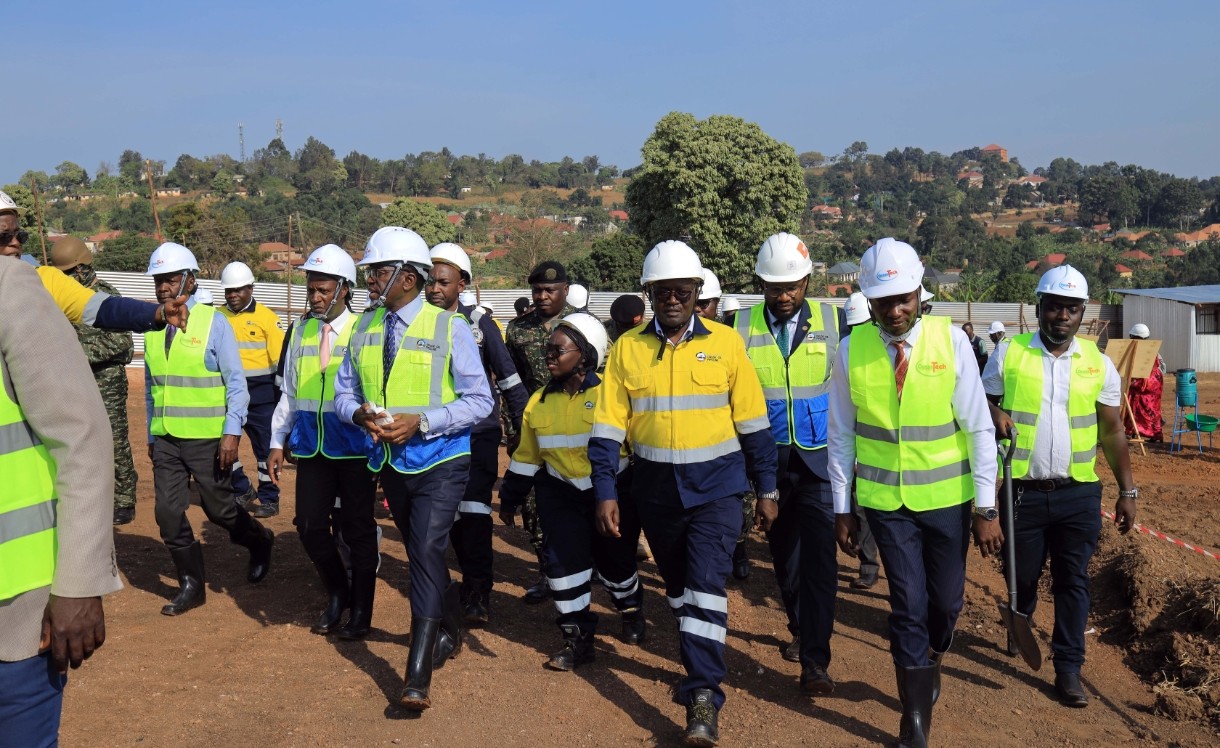
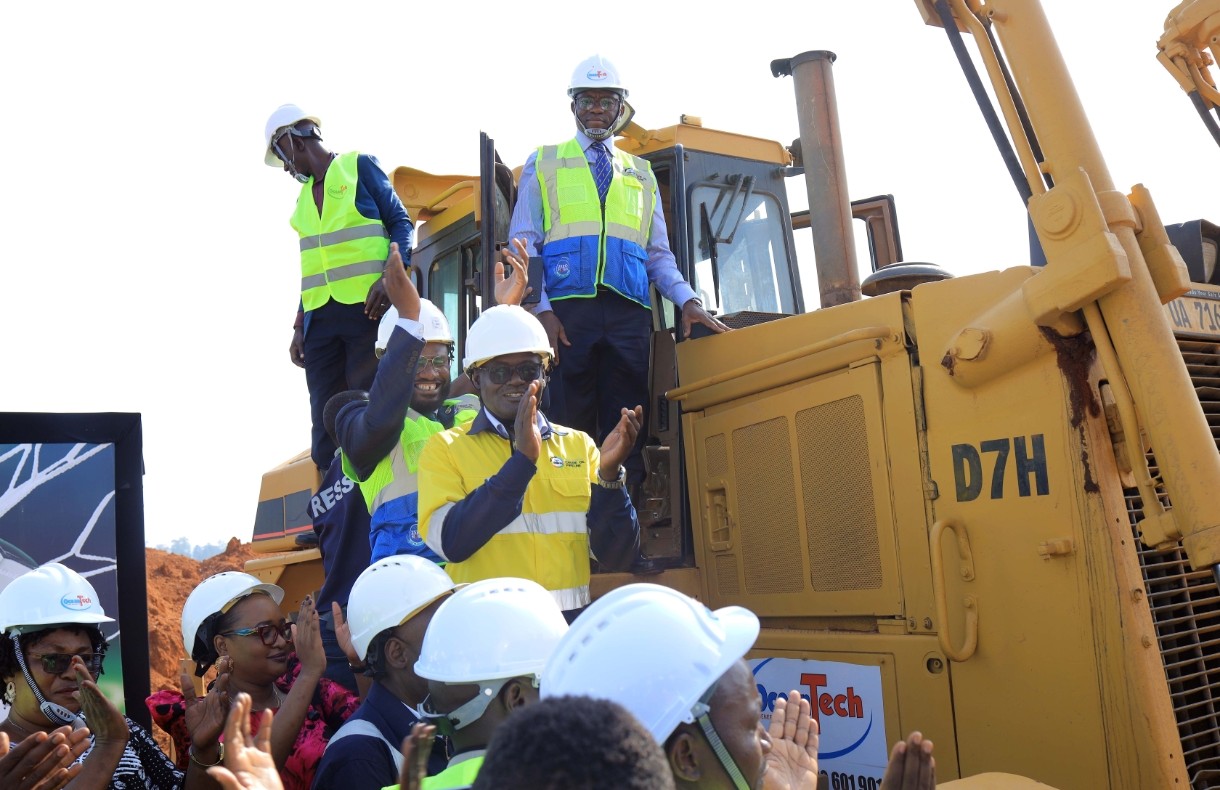
    Masaka City: East African Crude Oil Pipeline (EACOP) Ltd., in partnership with Buganda Kingdom has today broken ground on the construction of Kabaka Daudi Chwa II EACOP Stadium Buddu in Buddu Country-Masaka City.

    This initiative aligns with EACOP’s Social Economic Investment pillar- youth
    empowerment that focuses on deliberate interventions towards the social and economicwellbeing of communities along the pipeline.

    The Kingdom expressed its commitment towards this initiative by committing 10 acres for the construction of a state-of-the-art community sports center. EACOP made a financial contribution towards the construction of this facility, which is envisioned to nurture young talent, promote fitness, and serve as a hub for unity and community engagement.

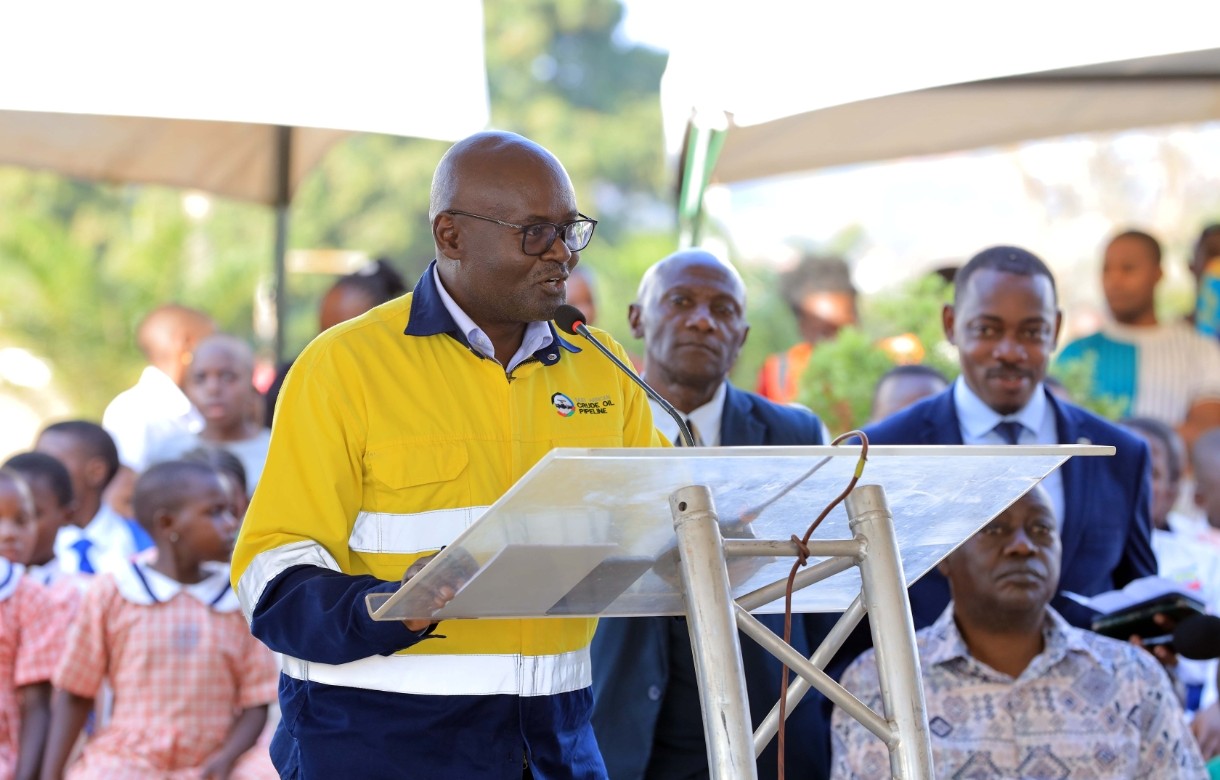
    Speaking at the groundbreaking ceremony, Mr. JB Habumugisha, the Deputy Managing Director of EACOP Ltd., said: “This groundbreaking ceremony reflects our long-term commitment to advancing sustainability and socio-economic development.

    By supporting the sports centre, we are investing in initiatives that will deliver lasting value for communities in which we operate.”

    The Katikkiro of Buganda, Owek. Charles Peter Mayiga, welcomed the partnership,
    noting: “The Kingdom cherishes collaborations that address critical needs such as youth empowerment. Through Kabaka Daudi Chwa II EACOP Stadium Buddu , we are happy to work with EACOP to create a legacy of resilience, opportunity, and growth for our
    people.”

    The construction of this stadium highlights the shared commitment of Buganda Kingdom and EACOP towards driving community transformation and development in Masaka and beyond.

    According to EACOP Ltd, the pipeline stretches 296 km, passing through 10 districts and 25 sub-counties and of these 7 districts lie within the Buganda Kingdom, covering 130 1villages across 4 of the Buganda Kingdom’s 18 counties.

    The districts and their respective counties include:
    • Gomba District (Gomba)
    • Kyankwanzi District (Singo)
    • Mubende District (Buwekula)
    • Sembabule District (Mawogola)
    • Lwengo, Kyotera, and Rakai Districts (Buddu)

    The stadium is a shared vision between EACOP and the Buganda Kingdom to foster
    sustainable regional development in Masaka and surrounding areas.

  • EACOP Champions Skills Transfer as Uganda Prepares for Sustainable Growth

    EACOP Champions Skills Transfer as Uganda Prepares for Sustainable Growth

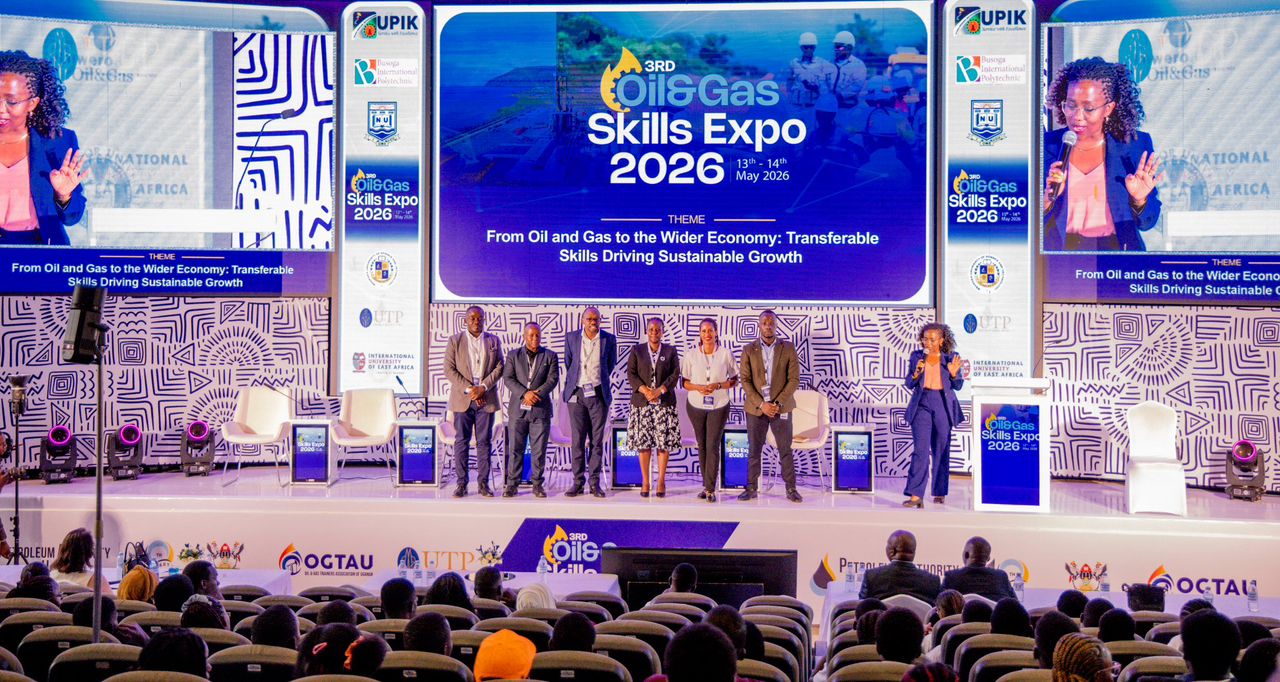
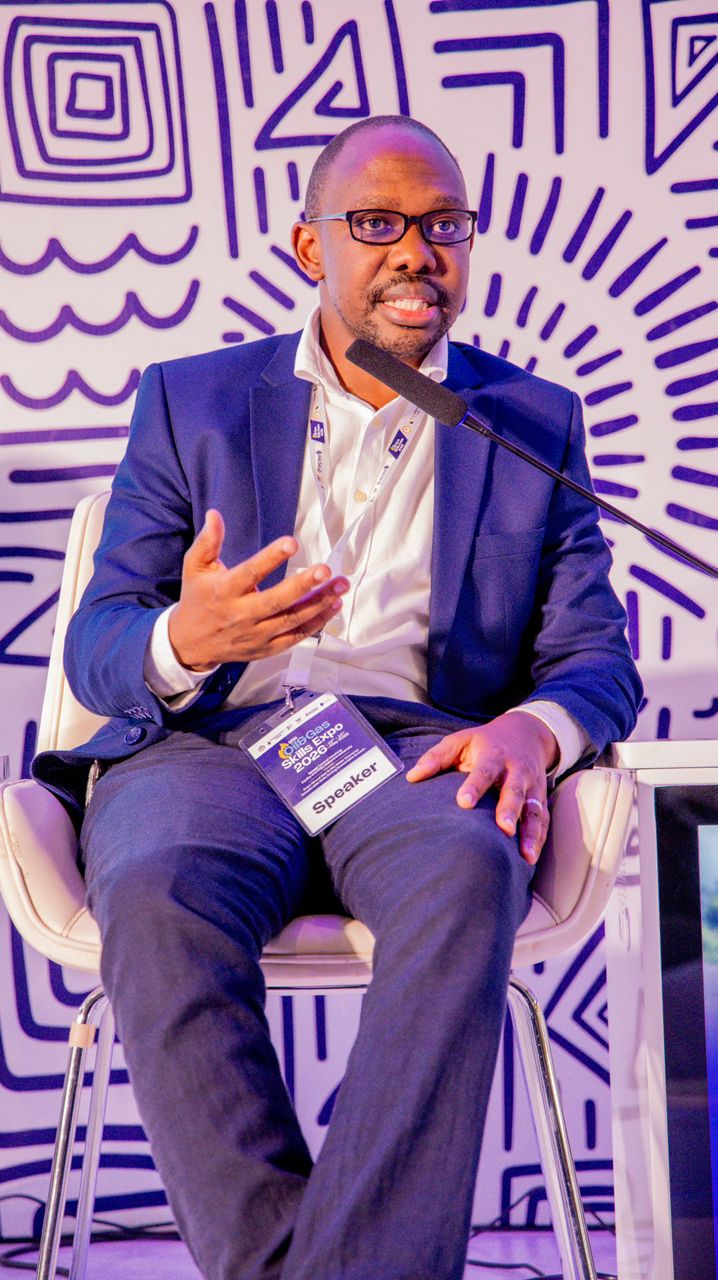
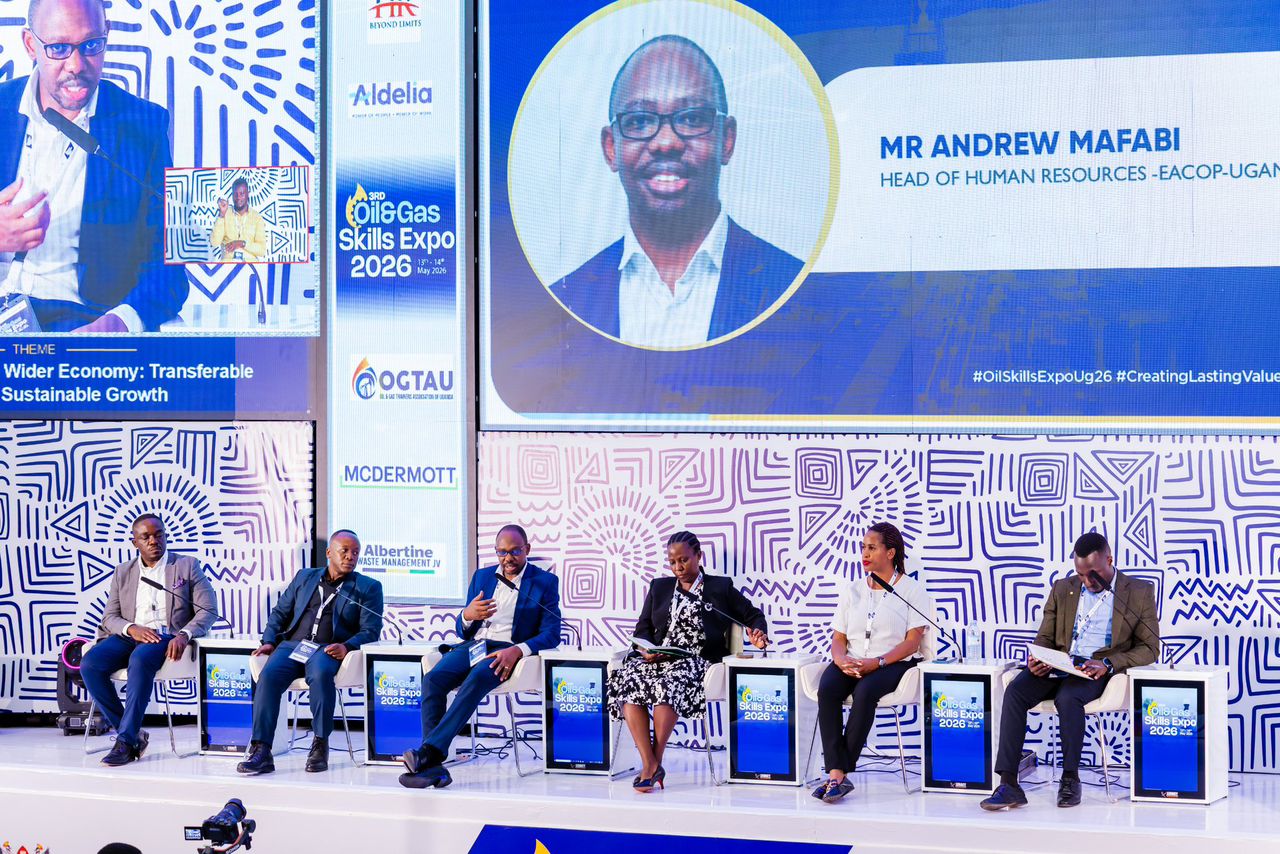
    As the country prepares for first oil in July 2026, the oil and gas sector is entering a transformative phase, and at the heart of this transition lies a powerful story of skills, capacity building, and national empowerment. At the recently concluded 3rd Oil and Gas Skills Expo 2026, hosted at Makerere University, the East African Crude Oil Pipeline (EACOP) reaffirmed its commitment to ensuring that Ugandans carry forward transferable skills into the wider economy.

    Speaking at the Expo, Andrew Mafabi, HR Manager at EACOP, called on universities and vocational institutions to adapt curricula to emphasize hands-on training, ensuring graduates are market-ready for both oil and gas operations and other industries. “The challenge for us as nationalists is ensuring our education system remains relevant,” Mafabi noted. “We need to shift the message toward hands-on experience. Looking at international benchmarks, like the Arabic model of vocational excellence, it’s clear that we must rethink how we educate the African graduate to ensure they possess the specific skills the market actually demands.”

    He further highlighted the importance of bridging the gap between skills and experience. While Ugandans now possess the technical capacity, exposure to real-world operations remains critical. “As nationals, we have the skills, but the biggest challenge has been experience. That’s why we are investing in attachments, overseas training, and practical exposure. For example, 141 trainees were taken abroad to acquire advanced skills that will be vital in operating the pipeline,” Mafabi explained.

    The Expo also showcased how businesses outside the oil and gas sector are benefiting. From DSTV installing thousands of units in worker camps to local hospitality providers expanding services, the ripple effect of oil and gas investments is reshaping Uganda’s economic landscape.Adding to this momentum, Rubondo Ernest, the Executive Director, Petroleum Authority Uganda, emphasized that the theme “From Oil and Gas to the Wider Economy: Transparent Skills Driving Sustainable Growth” reflects Uganda’s current stage of development.

    As the industry shifts from heavy infrastructure construction to commercial oil production, employment numbers will naturally reduce. However, the Authority highlighted that the skills acquired, ranging from welding and scaffolding to health, safety, and environment management, are highly sought after across other sectors such as construction, hospitality, and aviation.

    “The standards in the oil and gas sector are admired by other industries. Skills like plumbing, electrical work, and heavy goods vehicle driving are not confined to oil and gas, they are transferable to the wider economy,” Mr. Rubondo Ernest noted.

    This deliberate focus on national content development has already yielded impressive results. Over 21,000 direct jobs have been created in the sector, with 86% filled by Ugandans, alongside 50,000 indirect jobs and 140,000 induced jobs. More than 14,000 Ugandans have been trained and certified through collaborations between government, oil companies, and institutions such as Makerere University, Uganda Petroleum Institute Kigumba (UPIK), and Busoga Polytechnic Institute. Internationally recognized certifications like OPITO, EICTB, and City & Guilds have positioned Ugandan technicians to compete globally.

    Uganda’s approach reflects lessons from other oil economies from the international sector players. Norway invested heavily in training locals during its oil boom, creating a globally competitive workforce. Uganda’s certification programs (OPITO, City & Guilds) echo this approach. Uganda’s proactive training strategy helps avoid this trap. Skills from oil and gas, welding, engineering, safety, are highly transferable to renewables, giving Uganda a pathway into green energy industries.

    Uganda is poised to become East Africa’s hub for oil and gas expertise, exporting skilled labor regionally and globally. By embedding ESG standards and internationally benchmarked certifications, Uganda ensures its workforce remains competitive in a rapidly evolving global energy landscape. Ultimately, the message from both PAU and EACOP centered around human capital development.

    By equipping Ugandans with internationally benchmarked skills and practical experience, the sector is laying the foundation for sustainable growth across the wider economy.

  • EACOP Ltd. celebrates Milestone as 20 Local Specialists Graduate in Advanced Automatic Welding Technology

    EACOP Ltd. celebrates Milestone as 20 Local Specialists Graduate in Advanced Automatic Welding Technology

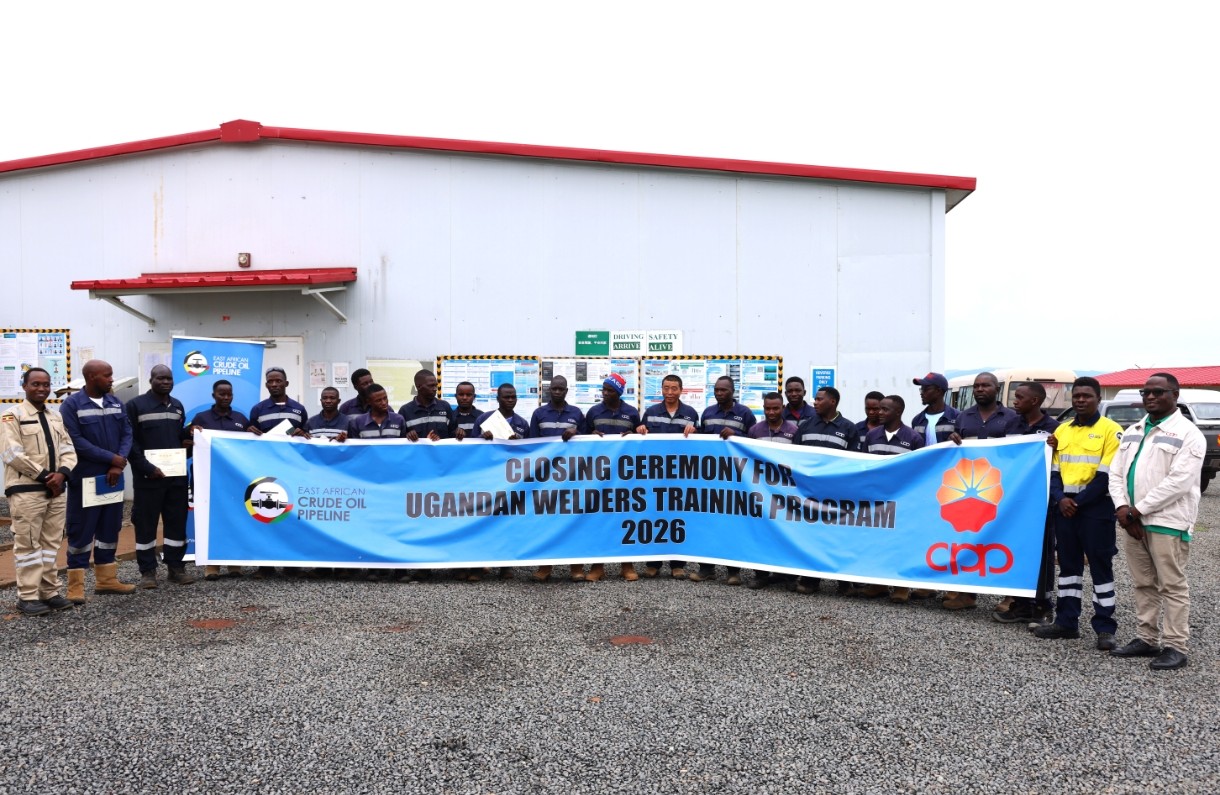
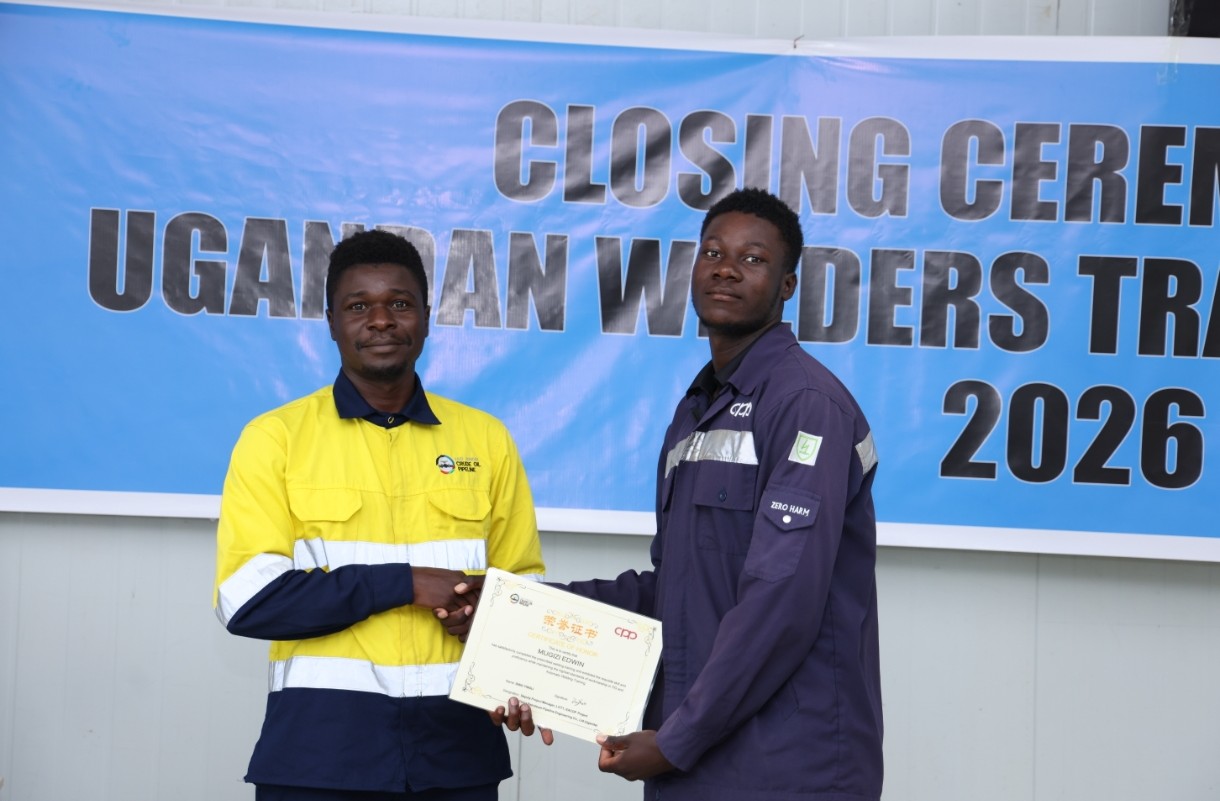
    The East African Crude Oil Pipeline (EACOP) Ltd, in partnership with China Petroleum Pipeline Engineering Co. Ltd (CPP Uganda), the main contractor for construction of the pipeline and Above Ground Installations (AGIs) successfully celebrated the graduation of 20 employees from a specialized Automatic Welding Training Program at the Tilenga Main Camp (TMC) in Buliisa District.

    The trainings are part of China Petroleum Pipeline Engineering Co. Ltd (CPP Uganda) commitments to National Content and more specifically technology transfer.

    This intensive program was designed to transfer advanced technical expertise to the local workforce, focusing on the operation of the CPP G 1990 Series Automatic Welding Machine.

    This technology is a cornerstone of modern pipeline construction, prized for its precision,efficiency , and ability to maintain rigorous quality standards across complex installations.

    The curriculum provided a comprehensive blend of theoretical and practical instruction, covering.

    The graduates were trained in Equipment recognition, debugging, advanced
    machine operation, Welding practice in 5G, flat, vertical, & overhead positions, Parameter setting, multi-pass welding, defect analysis, and international certification standards.

    This is what EACOP stands for, building a skilled workforce and, more importantly, a
    community of professionals ready to take responsibility for one of the most ambitious
    energy projects on the continent.

    Mr. Li Hua Ping, Senior Welding Expert at CPP Uganda, emphasized the long-term impact of the program:

    “This specialized training demonstrates our commitment to a localization
    strategy through knowledge transfer. These efforts not only improve the technical
    capabilities of local welders but also contribute to sustainable employment and the long- term development of Uganda’s oil and gas sector.”

    The graduation was attended by the EACOP Senior Leadership Team (SLT), officials from the Ministry of Energy and Mineral Development (MEMD), the Petroleum Authority of Uganda (PAU), and trainers from the China Petroleum Pipeline Engineering Co. Ltd (CPP Uganda)

    1By equipping local talent with skills aligned with international pipeline construction
    standards, EACOP and its contractors continue to demonstrate their commitment to
    economic growth, sustainability, and the empowerment of host communities.

  • EACOP grievance system boosts community trust as Uganda nears first oil

    EACOP grievance system boosts community trust as Uganda nears first oil

    The East African Crude Oil Pipeline (EACOP) has said its grievance redress mechanism is playing a central role in building trust with host communities as Uganda moves closer to first oil.

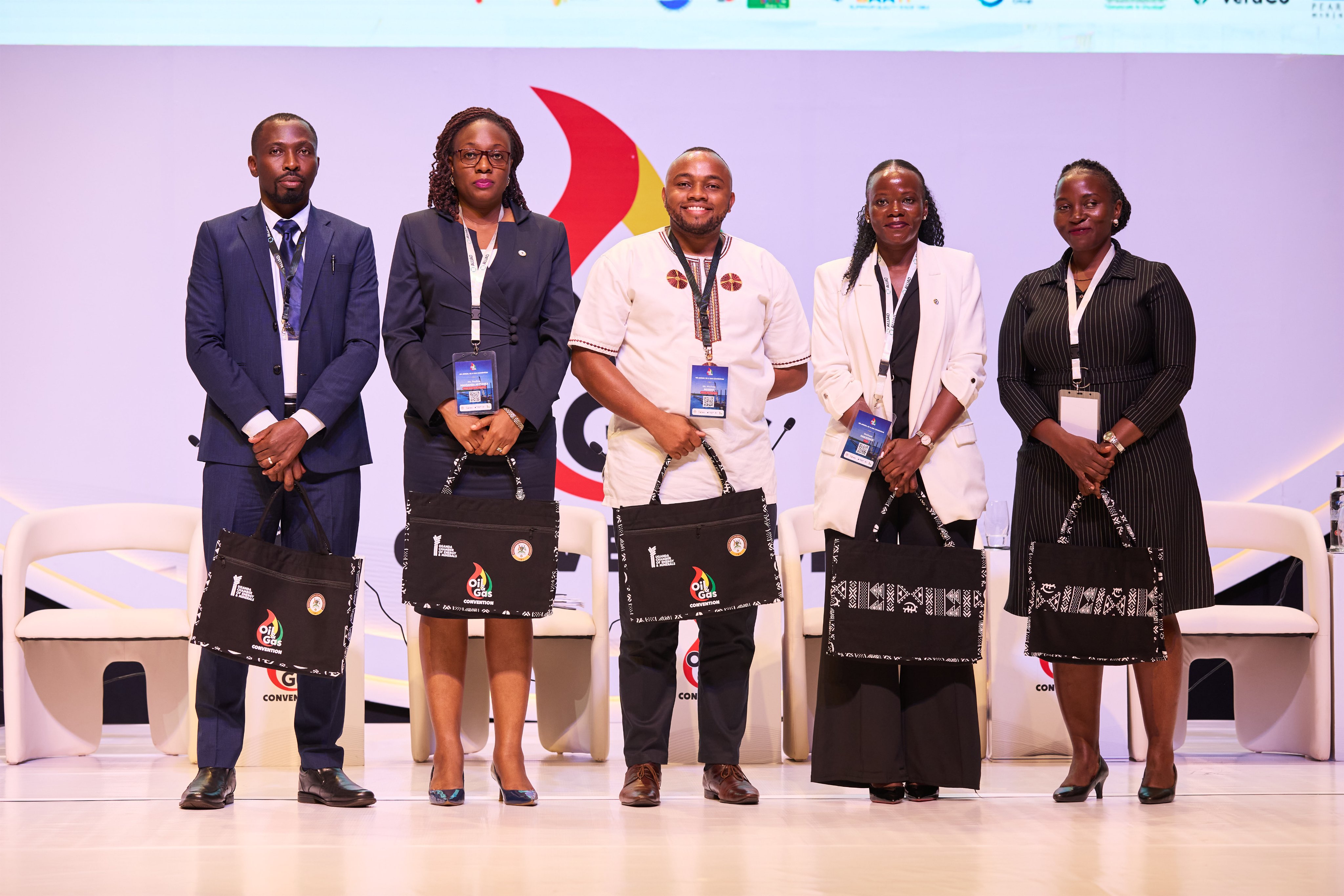
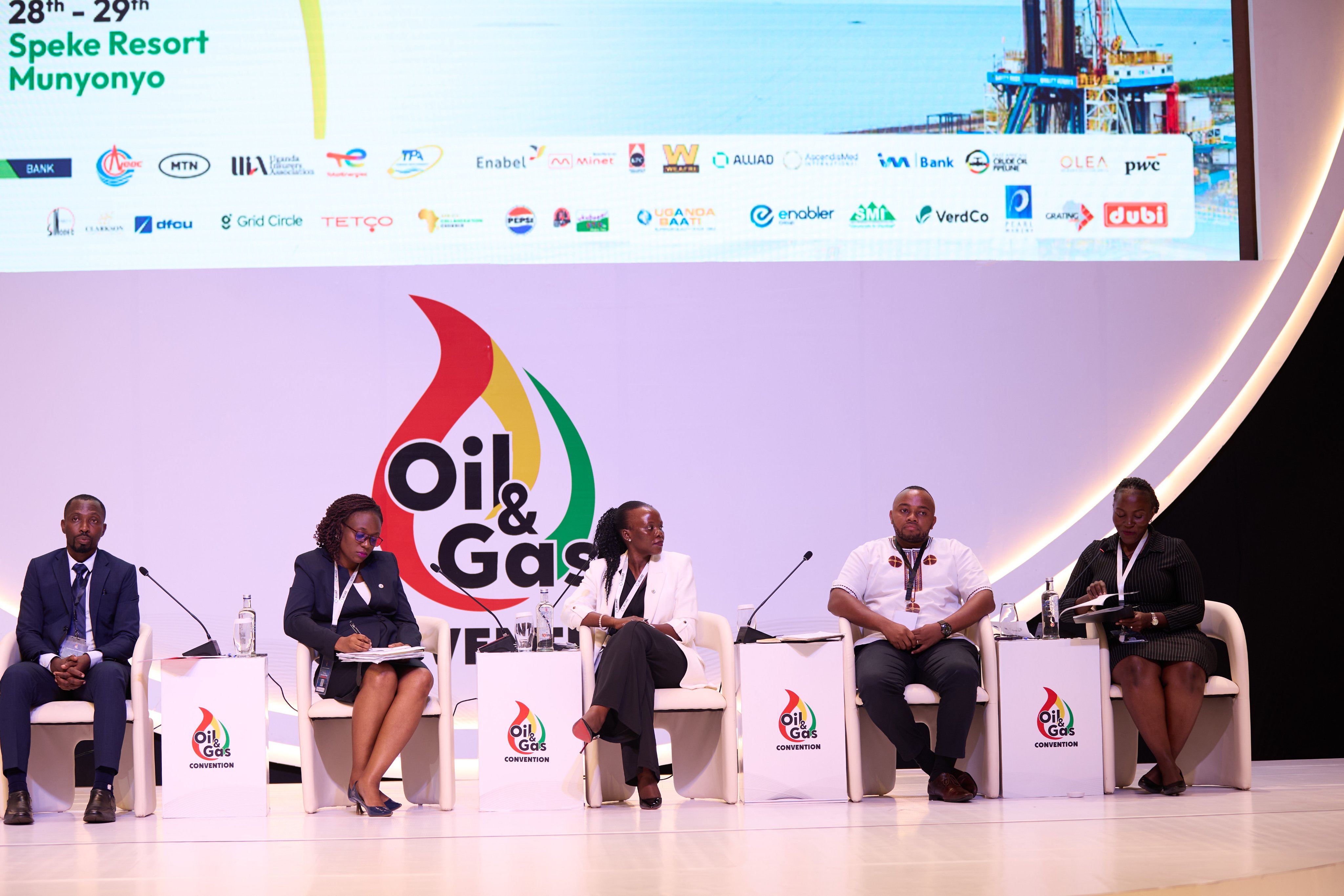
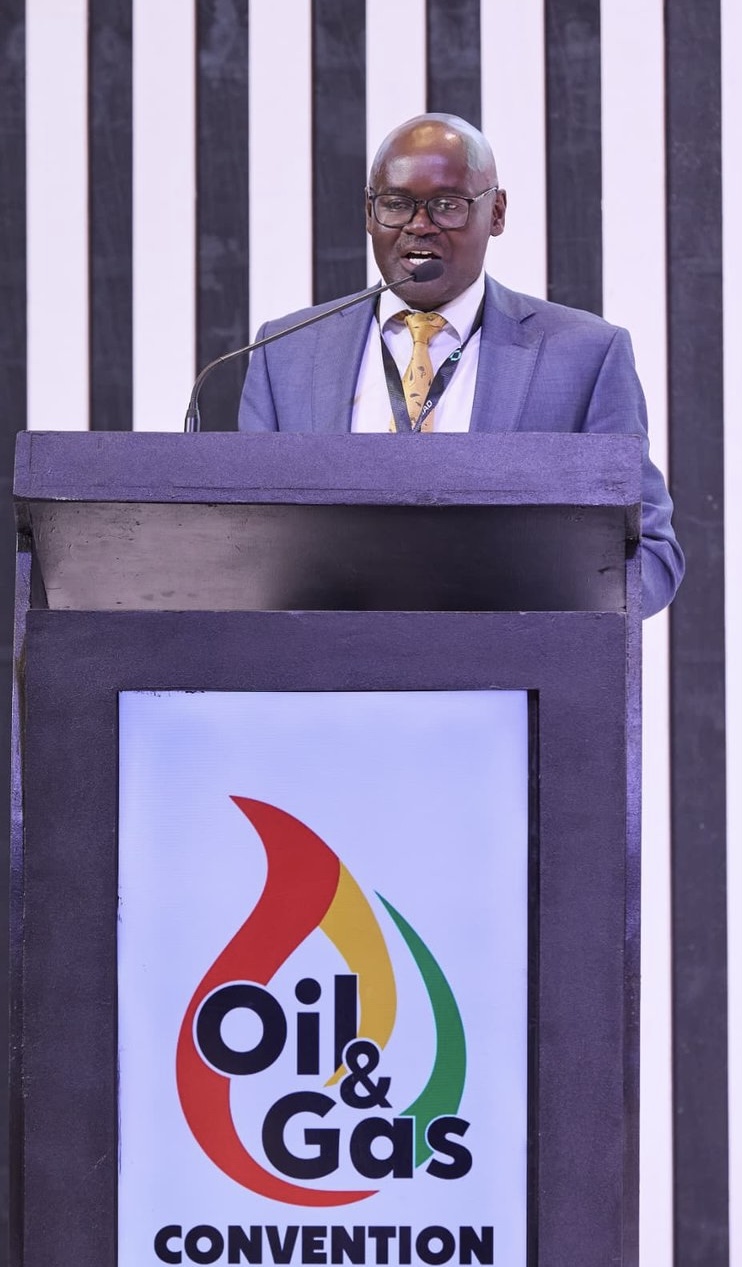
    Speaking at the 11th Annual Oil and Gas Convention, company officials revealed that more than 2,200 grievances have so far been registered and handled, a sign that affected communities are increasingly confident in using the system to raise concerns.

    Ms Barbara Nakayenze, the EACOP Human Rights Manager, said the mechanism has been designed to be accessible, with structures at village level, district consultative committees and local offices. “If people trust the system, they will use it. If they don’t, they will stay silent, and silence is dangerous for any project,” Ms Nakayenze said.

    EACOP officials added that feedback from communities has already influenced project decisions, particularly in areas with cultural and spiritual significance.

    Ms Rosie Birungi, the Social Performance Manager for Uganda and Tanzania, said parts of the pipeline route were adjusted to avoid graveyards and respect local traditions.

    “Listening is not about slowing down projects, it is about building trust and delivering better decisions,” Ms Birungi said. She noted that engaging communities and respecting cultural values has helped strengthen relationships and reduce potential conflict along the pipeline corridor. The company has also urged the public to use its toll-free lines and other engagement platforms to report grievances and seek information about the project. The focus on grievance handling comes at a time when stakeholders in the oil and gas sector are calling for more responsible and inclusive development.

    At the same convention, Ms Pauline Nansamba Mutumba, Director of Complaints, Investigations and Legal Services at the Uganda Human Rights Commission, warned that failure to respect human rights has led to the collapse of major projects across Africa.

    “Business and human rights is more than charity, it is about dignity and accountability,” Ms Mutumba said. She emphasised that safeguarding community rights is critical to the sustainability of investments in the extractives sector. Other Stakeholders said Uganda’s oil and gas industry has made deliberate efforts to balance economic opportunities with social responsibility, including strengthening oversight of contractors and improving transparency in handling complaints.

    They added that effective grievance mechanisms are not only an ethical requirement but also a practical tool for preventing disputes and maintaining stability.

    As Uganda edges closer to commercial oil production, industry players say integrating human rights into project implementation will be key to ensuring that the benefits of oil are shared and sustainable.

  • More Ugandans take up EACOP jobs as project nears completion

    More Ugandans take up EACOP jobs as project nears completion

    Ugandans are increasingly taking up the majority of jobs on the East African Crude Oil Pipeline (EACOP) project as it moves closer to completion, the company has announced.  EACOP Deputy Managing Director, John Bosco Habumugisha, made the remarks while presenting project updates at the two-day 11th Oil and Gas Convention held at Munyonyo Commonwealth Resort.

    Habumugisha said that as the project nears completion, many roles previously handled by expatriates are being transitioned to Ugandans, particularly those who have undergone sector-specific training. “We have a workforce count of over 4,000 people, spread between EACOP staff and its subcontractors. However, we are already scaling down on expatriates and ensuring that we transfer these jobs to nationals,” he said.

    According to Uganda’s Petroleum Directorate, the project is expected to generate 14,000 direct jobs, 45,000 indirect jobs, and 105,000 induced employment opportunities. Habumugisha noted that significant capacity building has been undertaken through trainings, internships, and international deployments in countries such as France, Malaysia, and Oman, all aimed at preparing Ugandans to take over technical roles.

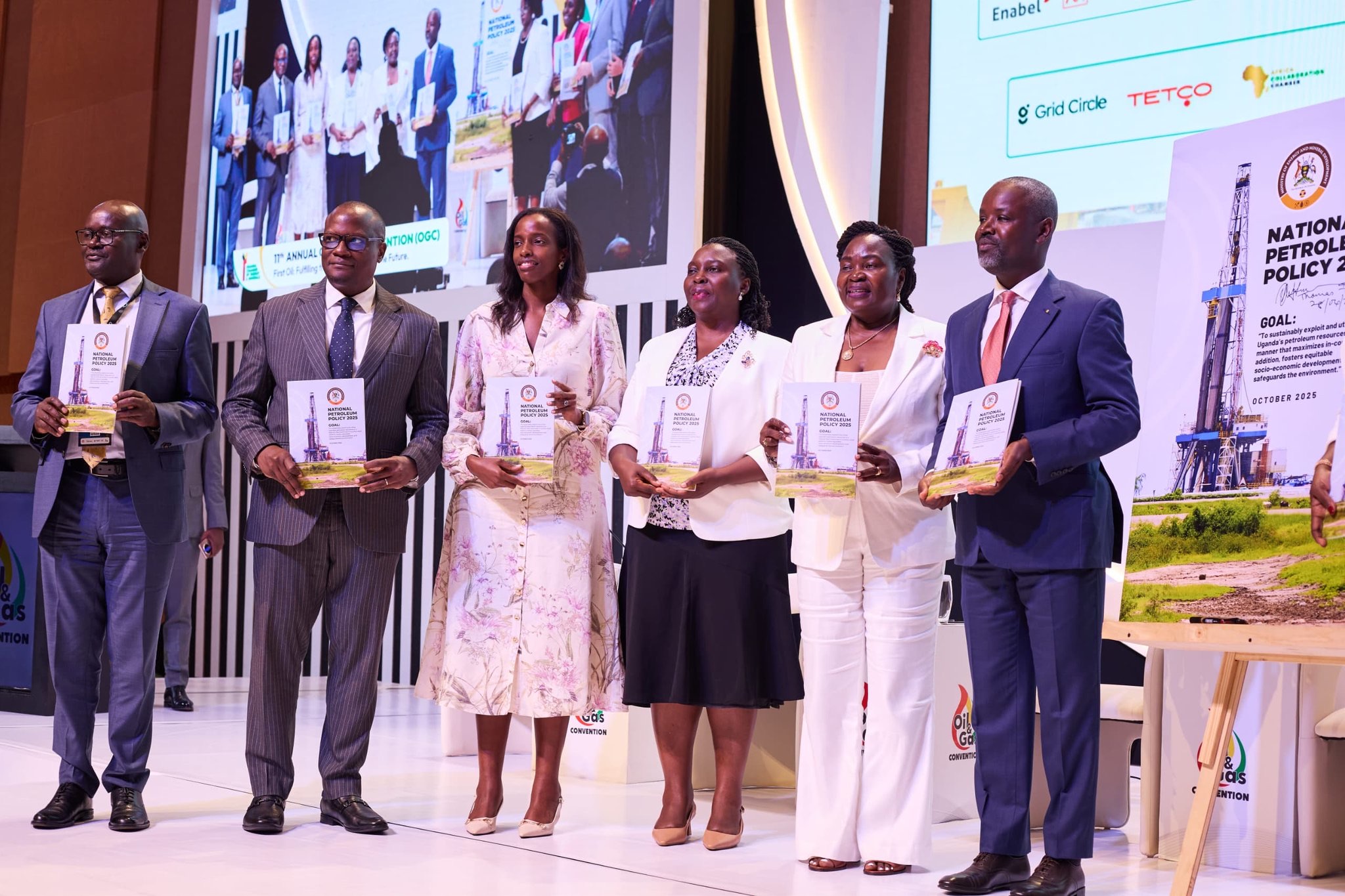
    EACOP Deputy Managing Director, John Habumugisha (L), Deputy Speaker of Parliament, Rt. Honourable Thomas Tayebwa (R), Minister of Energy and Mineral Development, Can. Dr. Ruth Nankabirwa (second from right) and other officials during the launch of the National Petroleum Policy at the conference

    He further reaffirmed the commitment to deliver the pipeline this year, with current progress at 84%. He said key components have already been completed, including the Tilenga feeder line, installation of marine loading arms for transferring crude oil into vessels, and insulation of crude oil tanks to maintain optimal temperatures. Work is currently focused on completing piping systems required to transport and process crude oil.“We made a commitment to deliver the pipeline this year and we will not stop until it is done,” Habumugisha said.

    Beyond the technical milestones, Habumugisha emphasized the project’s continuous community development initiatives along the pipeline corridor. These include reconstruction of schools, improvement of sanitation facilities, development of a sports complex in Masaka, clean water projects, and environmental awareness programmes such as the green schools initiative, which trains learners in tree planting, waste management, and school gardening.

    EACOP Deputy Managing Director, John Habumugisha, addresses conveners at the conference

    “The project is not only about oil but also about leaving a positive legacy in host communities,” he said.Habumugisha attributed the project’s progress to strengthened stakeholder relationships, including collaboration with the Catholic Church and the Bunyoro Kingdom, which has provided 500 acres of land for tree planting. This adds to more than 138,000 trees already planted in efforts to establish a “green petroleum hill.”

    At the conference, a National Petroleum Policy 2025 was launched, purposely to guide the oil and gas sector as it transitions from infrastructure development to commercial production. It focuses on enhancing exploration, sustaining production, maximizing value addition, and ensuring environmental protection. Uganda expects its first oil production in July, amid rising global oil price tensions, with production projected at over 60,000 barrels per day. The oil will be transported through the 1,443-kilometre pipeline from Kabale, Hoima in Uganda to Tanga, Tanzania.

  • How EACOP, a Smart Oil Pipeline system is  Life into East Africa

    How EACOP, a Smart Oil Pipeline system is Life into East Africa

    By John B. Habumugisha

    Uganda’s aspiration to integrate into the global community dates back to the 1850’s – the era of early explorers, whose construction of railways and ports laid the foundation for this connection. Years later, much of the infrastructure they left behind still forms the backbone of African economies.

    With the construction of new engineering projects like the Standard Gauge Railways in Kenya and Tanzania, the suspended 3. 2km Kigingo – Busisi Bridge across Lake Victoria and the East African Crude Oil Pipeline (EACOP); we are witnessing a significant shift – East Africa is deliberately investing in a future, employing local resources to design, lead and execute these projects – building intellectual capacity and the operational strength to manage them for their shared prosperity.

    The East African Crude Oil Pipeline (EACOP) is one of Africa’s most technologically advanced infrastructure systems – a “smart pipeline”, recognized as one of the most innovative in the world. Designed with precision, safety, and sustainability in mind, the Project continues to make steady progress, with overall completion now over 80%.

    All 1,443 km of the pipeline has been produced and delivered, of which 1,4G0 km has been welded, and 800 km backfilled. Reflecting EACOP’s strong commitment to National Content in Uganda and Tanziana, Ugandans now represent 91% of the workforce (2,878 out of 3,154 employees), contributing to every stage of the Project’s development.

    So, what makes it so ‘smart’?

    This isn’t just a steel tube in the ground. This pipeline has a digital nervous system. Imagine fibre-optic cables running alongside the pipe, constantly ‘listening and feeling’. They can detect a temperature change or a vibration, pinpointing a potential leak within a few meters, instantly. This core feature of the pipeline is next-generation environmental monitoring.

    At the heart of this system is the SCADA (Supervisory Control and Data Acquisition) network, the project’s “brain.” From central command centres, technicians can monitor pressure, flow rate, and the status of the 76 Main Line Block Valves (MLBVs) along the entire route, allowing for instant remote control and rapid isolation of any section. This is complemented by advanced construction techniques: 1,4G0km of pipe already welded using state-of-the-art methods, coated with Fusion Bonded Epoxy and polyurethane foam respectively for maximum corrosion resistance and thermal efficiency. The development of the Tilenga and Kingfisher upstream oil fields, which feed the pipeline, are massive projects.

    Crucially, the energy required to power these operations,and the pipeline’s Pump Stations have accelerated national power projects, adding significant megawatts to the national grid for public use. The EACOP will be largely powered by Uganda’s hydropower grid, potentially making it one of the lowest-carbon- footprint pipeline systems of its kind.

    Furthermore, the region has benefited from significant upgrades to logistical infrastructure. New and upgraded highways in the Albertine region are improving connectivity for communities far removed from the oil sector, unlocking new economic corridors.

    For me, however, the most profound infrastructure isn’t made of concrete or steel; it’s built by humans. Through the EACOP Academy and Universities partnerships, young locals/ nationals are being trained. Beyond creating pipeline workers, we’re creating welders, engineers, data analysts and project managers. Over 1,500 youth have already been trained, with hundreds more gaining international experience, thus building a skills base that will fuel every other sector for decades.

    So, imagine this: a farmer in Hoima sending fresh produce to markets faster on newly paved all-weather roads; a Ugandan engineer in Kampala monitoring a digital dashboard that spans two nations; a student from the EACOP Academy using their skills to build renewable energy plants in 2030+. That’s the future we are actually building. – The roads, the power lines, the airports, and the skills. That’s the real legacy. That’s the permanent infrastructure. The true judgment of EACOP will come 10 to 20 years from now, when we see if we leveraged this project to build a smarter, more connected, and more self-reliant Uganda and East Africa. The pipeline moves oil, but its greater purpose is to propel a region forward. We are finally moving from being a source of raw materials to becoming masters of our own complex, smart technological destiny.

    The author is the Deputy MD of EACOP.

  • EACOP hands over  Nyamasoga-Katooke Road project after completion

    EACOP hands over Nyamasoga-Katooke Road project after completion

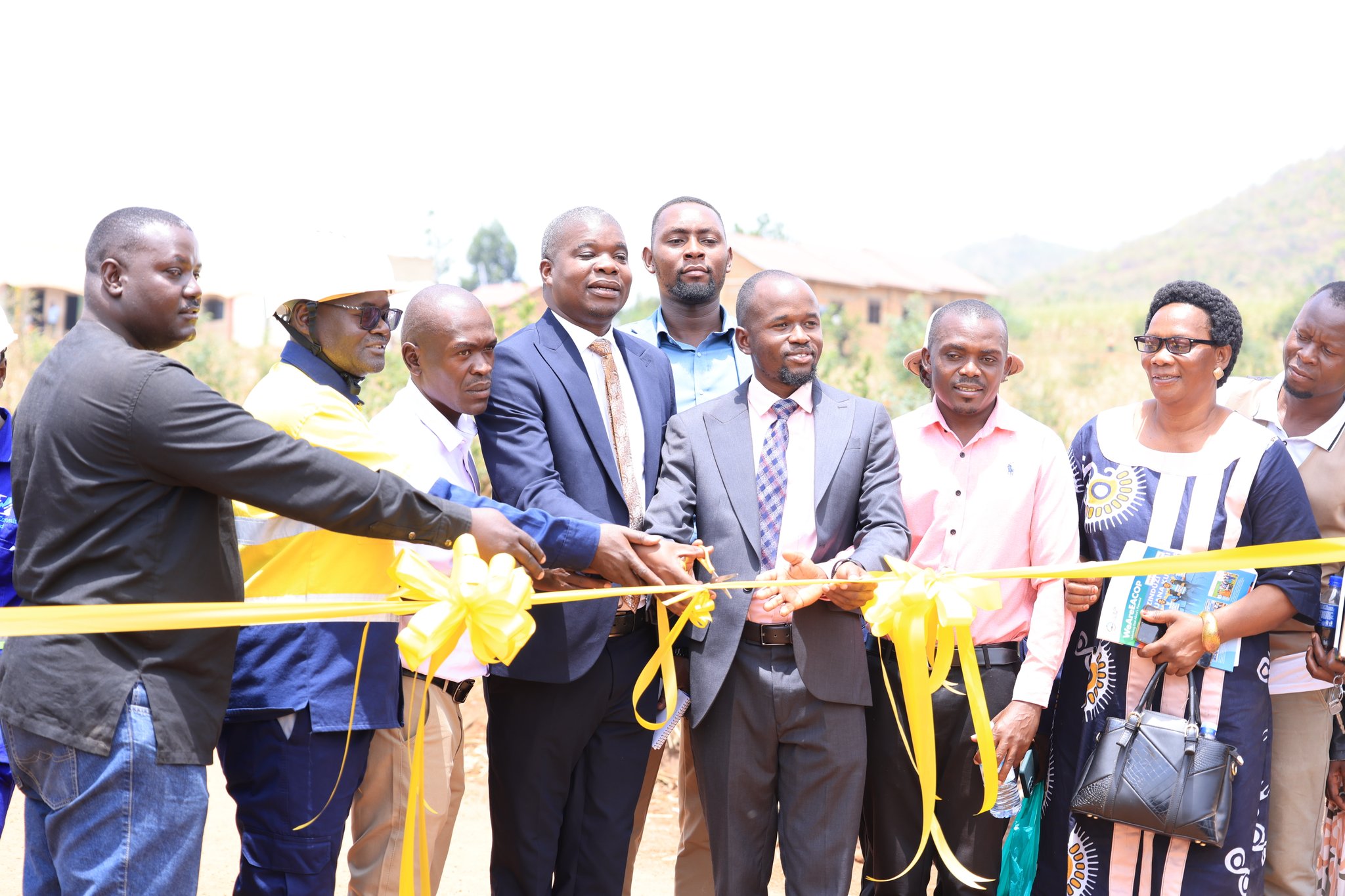
    Hoima: The East African Crude Oil Pipeline (EACOP) Ltd, the company leading the development of Uganda’s crude oil export pipeline, in partnership with Hoima City, has handed over the newly constructed Nyamasoga – Katooke Road under its Socio-Economic Investment (SEI) programme. This initiative aimed to enhance community livelihoods and improve local infrastructure, improve trade, and support everyday activities within areas along the pipeline
    route.

    Located in Buseruka Sub- County, Hoima District, the 7.5-kilometre murram road connects the villages of Kayera and Katooke, home to approximately 6,500 residents across more than 600 households. The Nyamasoga–Katooke Road will significantly enhance connectivity to the Kaiso–Tonya Highway, improving access to key trading centres such as Nyamasoga and Buseruka. The improved road network will also ease access to essential services including health facilities, schools, and local markets.

    Speaking at the handover ceremony, Mr. JB Habumugisha, Deputy Managing Director of EACOP Ltd., reaffirmed the company’s commitment to sustainable community development, noting: “EACOP remains committed to ensuring that the communities along the pipeline route benefit from improved infrastructure and social services. This road project demonstrates our dedication to supporting local development priorities in partnership with government authorities.”

    The project follows a community need submitted by the Hoima District leadership, aimed at improving transport and accessibility in the area. The road was in poor condition and impassable by vehicles. With its rehabilitation, the road is expected to enhance trade, improve access to markets and services, and boost economic activity in the region.

    In his remarks, Rodgers Mbabazi the Resident District Commissioner (RDC) for Hoima District expressed appreciation to EACOP for its continued collaboration and investment in community infrastructure, noting that such initiatives play a key role in advancing local development and improving the quality of life for residents. The road was officially handed over to the Resident District Commissioner of Hoima District, Mr Rodgers Mbabazi, in a ceremony attended by Local Councillors, Chief Administrative Officer and residents at a ceremony held at the Katooke trading centre, Hoima District.

  • EACOP urges Ugandan Companies to Compete for Oil and Gas Opportunities ahead of First Oil Extraction

    EACOP urges Ugandan Companies to Compete for Oil and Gas Opportunities ahead of First Oil Extraction

    The East African Crude Oil Pipeline (EACOP) has called on local companies in the oil and gas sector to actively compete for emerging business opportunities as the country nears the extraction of its first oil in July 2026.

    Speaking at the Supplier Development Forum held recently at Kampala’s Sheraton Hotel, EACOP Deputy Managing Director, John-Bosco Habumugisha emphasized the importance of readiness and competitiveness among local suppliers during the operational and commissioning phases of the project.

    “Participate in every opportunity that is announced. If you don’t win, use it to enhance your skills and improve for the next bid,” Habumugisha said.

    He highlighted key technical areas such as electrical, mechanical, telecom, instrumentation and control commissioning as immediate opportunities for Ugandan companies to build capacity and gain experience for larger contracts in the future.Habumugisha also reaffirmed EACOP’s commitment to continue training young Ugandans in the oil and gas sector, stressing that the emerging industry presents significant learning and employment opportunities for those willing to engage.

    Nick Mugira, the CEO of Inspire Africa, encouraged local companies to build and strengthen their profiles, document their bids, update websites, and market their services effectively. “EACOP has a lot of opportunities, but you the local companies here, you must present yourselves professionally and showcase your previous projects to compete for bigger contracts,” he said, emphasizing the importance of resilience in the face of initial setbacks.

    The forum brought together over 1,000 physical and virtual participants, from local companies dealing in electrical, water supply, psychosocial support, and other essential services required during the operational and commissioning phases of EACOP.

    EACOP currently engages a number of local suppliers across its target areas, including but not limited to transportation, security, waste management, foods and beverages, fuel supply, hotel and accommodation, civil works, land surveying, environmental studies and impact assessment, among others. The forum comes at a time when Uganda is preparing to commence oil production in July 2026, with crude oil expected to be transported through the 1,443-kilometre EACOP pipeline from Kabaale in Hoima District to the Chongoleani Peninsula near Tanzania’s Tanga Port. The pipeline is projected to transport up to 246,000 barrels of crude oil per day.

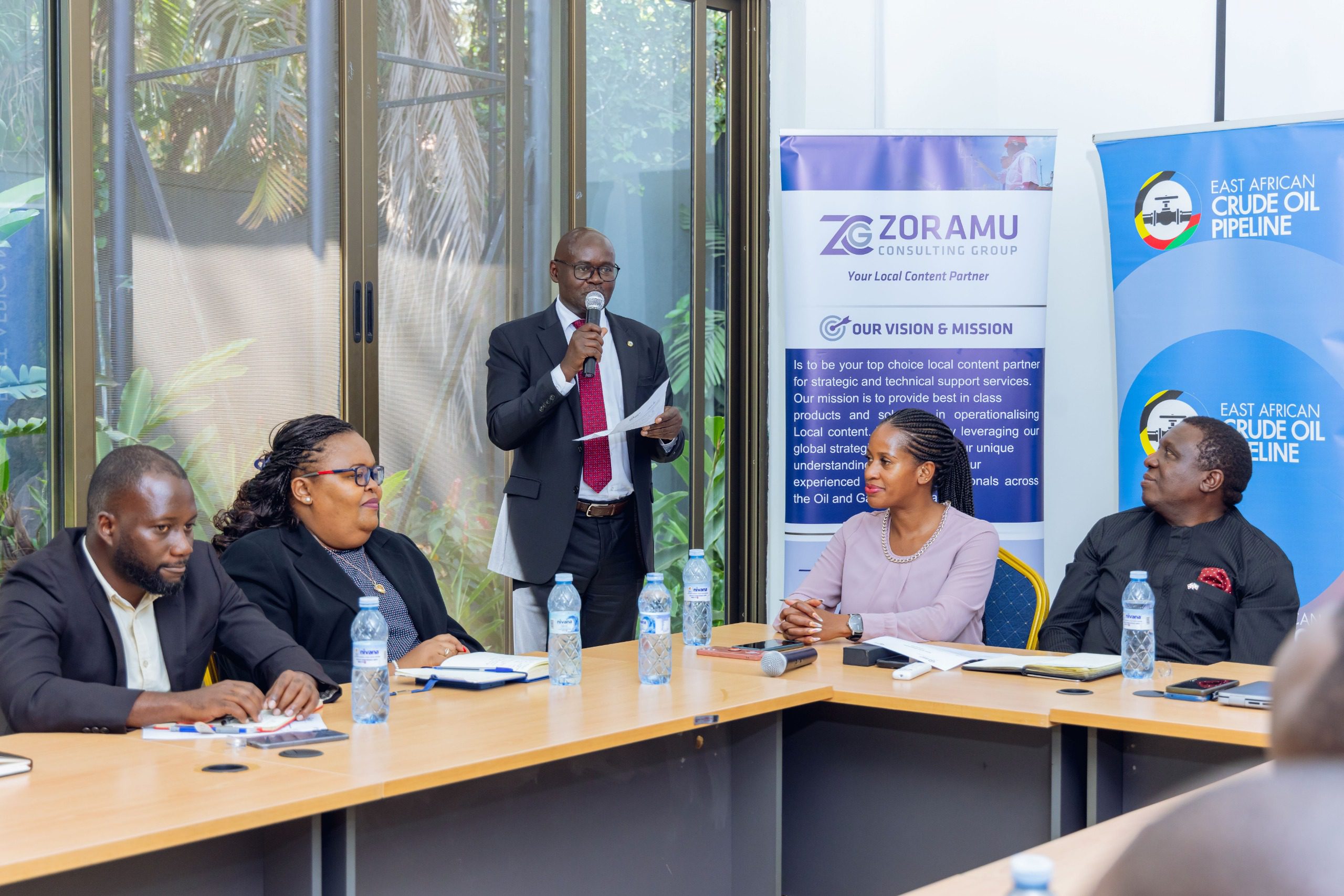
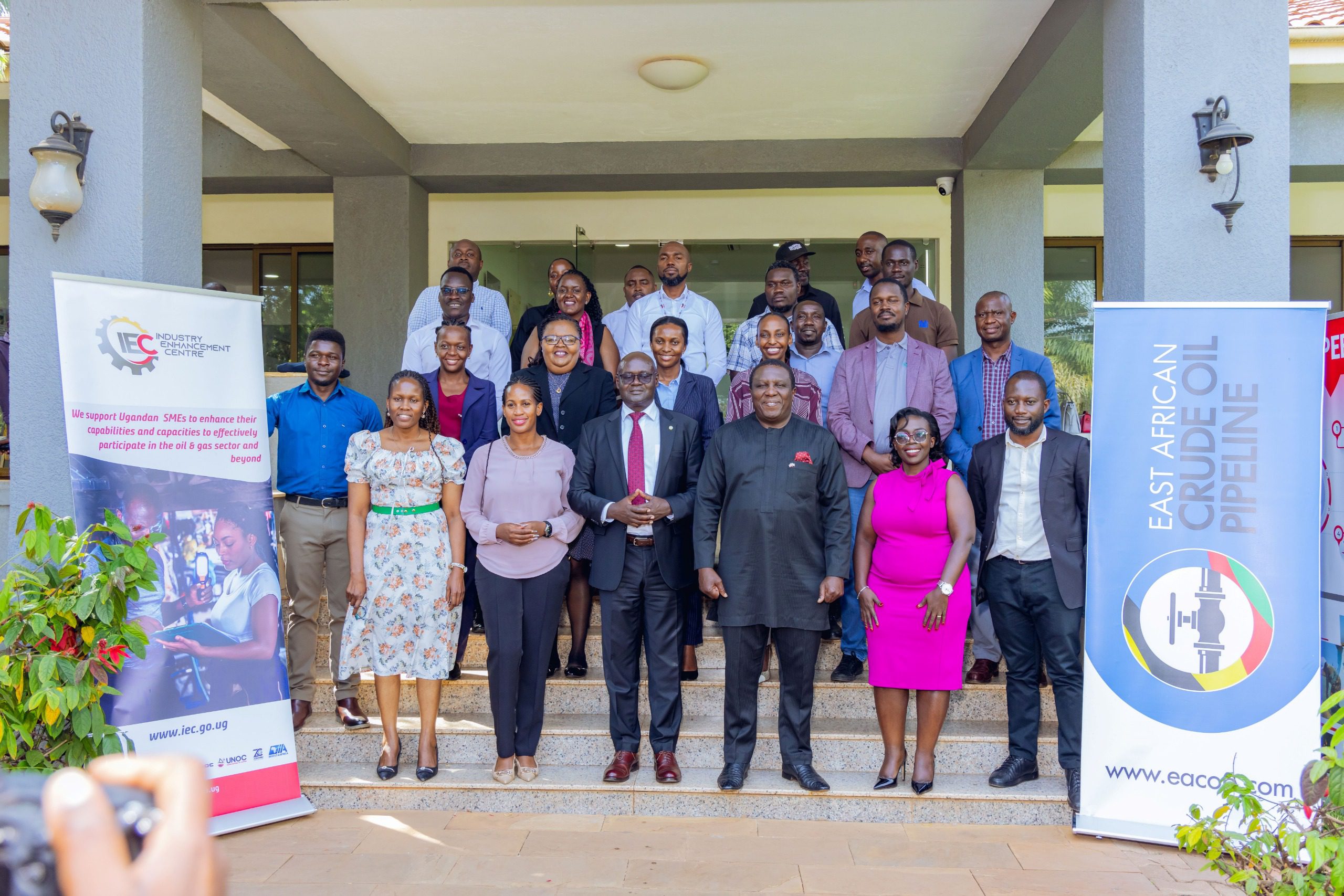
  • East African Crude Oil Pipeline (EACOP) Ltd. signs an MoU with Industry Enhancement Centre to strengthen National Content and Small and Medium-sized Enterprises (SMEs)capacity in Uganda

    East African Crude Oil Pipeline (EACOP) Ltd. signs an MoU with Industry Enhancement Centre to strengthen National Content and Small and Medium-sized Enterprises (SMEs)capacity in Uganda

    The East African Crude Oil Pipeline (EACOP) Ltd. has today signed a Memorandum of Understanding (MoU) with the Industry Enhancement Centre (IEC) to reinforce their shared commitment to advancing National Content initiatives and enhancing the capacity of Ugandan Small and Medium-sized Enterprises (SMEs).

    The IEC was established in 2024 by TotalEnergies EP Uganda (TEPU), in partnership with China National Offshore Oil Corporation Uganda Limited (CNOOC) and Uganda National Oil Company (UNOC), following recommendations from the 2013 Industrial Baseline Survey(IBS).

    The survey highlighted the need to strengthen local participation in the oil and gas sector. IEC’s core objectives are to support Ugandan enterprises in effectively engaging with the sector, diversify their services and workforce, and promote sustainable growth through training, advisory services, and consultancy on business operations and financing.Under this strategic partnership, EACOP Ltd. and Industry Enhancement Centre will: Collaborate on the prompt dissemination of opportunities from EACOP, its contractors, and sub-contractors to local companies within the IEC’s networks.

    Execute IEC-led trainings, outreaches, stakeholder engagements, and other capacity and skills development programs across Kampala and other districts in Uganda. Extend EACOP’s network to the IEC’s contractors, subcontractors, and stakeholders to support IEC’s programs and services. This MoU builds on EACOP’s ongoing efforts to strengthen local participation.

    To date, the East African Crude Oil Pipeline (EACOP) and its contractors have signed Memoranda of Understanding (MoUs) with a range of professional and industry training institutions,including the Institute of Surveyors of Uganda and the Uganda Industrial Research Institute.