Tag: Union Transport Alliance

  • Union Transport Alliance unveils ‘Battle For Glory’ Boxing Championship

    Union Transport Alliance unveils ‘Battle For Glory’ Boxing Championship

    Union Transport Alliance pledges support for young boxing talent as new promotions platform targets Uganda’s boxing fraternity

    Kampala:  Union Transport Alliance (UTA) has expanded its activities into sports promotion with the launch of Union Transport Boxing Promotions, unveiling the Battle for Glory boxing competition scheduled for October 17, 2026, at Club Obligato in Kampala.

    The initiative, according to UTA Chief Executive Officer and Business Production Advisor Fred Ssenoga, is intended to create a platform for young Ugandan boxers to showcase their talent and receive support as they pursue careers in the sport.

    Speaking during the official launch on Tuesday, September 29, 2026, Mr Ssenoga said UTA was not entering boxing primarily to collect gate collections from spectators, but to contribute to the development of young talent.

    “We have committed ourselves to support young talents through boxing. We are not after getting money; we won’t be targeting the gate finances from spectators. We need to promote young talents.”
    Ssenoga said UTA would work with boxing groups and associations across Uganda to identify and support talented boxers.

    “We shall promote and support talented boxers,” he said.
    He said the October 17 event would also provide an opportunity to expand UTA’s involvement in talent development beyond boxing, including supporting artists and musicians and creating platforms for their concerts and performances.

    Ssenoga further appealed to members of the public to attend the Battle for Glory in large numbers, saying public participation would give Ugandan boxing greater visibility.

    “We promise to fund and help the talented boxers with all requirements and at Obligato we appeal to people to attend in numbers to give boxing a huge visibility,” he said.
    Transport sector joins boxing drive
    The boxing initiative has also attracted support from representatives of different sections of the transport sector.

    Grace Buyera, who represented taxi operators under the UTOF Taxi Alliance, said transport operators were ready to support boxing talent through UTA.

    She pointed to existing talent among people working in the taxi sector and called for a wider ecosystem for developing sporting talent.

    “In taxi business we have a lot of talents, we have cyclists and I appeal to expand the ecosystem of talent development,” she said.
    Buyera also said Hajji Rashid Ssekindi, through the Union Transport Alliance, was ready to support the initiative.

    Building a wider UTA ecosystem
    Christopher Kawamala, Chairman of the United Sectors Forum, described UTA as an organisation whose strength comes from bringing different economic activities together.

    He said the informal sector had a responsibility to extend and promote UTA products across communities.

    “As informal sector we have the responsibility to extend Union Transport Alliance products,” he said.
    Kawamala said the network could reach communities from villages to shops while promoting products including Union Water and Union Jerry, describing this as part of the wider Union Transport Alliance ecosystem.

    The sports initiative therefore becomes another activity joining UTA’s expanding portfolio, with boxing positioned alongside its broader efforts to organise and support people within the transport and informal sectors.

    ‘Vuvuzela of boxing’
    Umar Kakaire, Chairman of Bus Transporters, also commended the initiative and pledged support for boxing as a sporting discipline.

    He said the transport community would help raise the profile of boxing in Uganda.

    “Boxing as sports discipline, we shall shout the vuvuzela of boxing in Uganda,” he said.
    Kakaire recalled the influence of international boxing icon Muhammad Ali and Ugandan boxing figures such as Ouma Kasimu, saying the transport fraternity should continue supporting talented boxers.

    “We used to support Muhammad Ali, and I used to hear Ouma Kasimu. I commend that we shall support them all as the Union Transport Alliance to support talents,” he said.
    Keeping the boxing tradition alive
    Ssentongo Musisi, Chairman of Trailer Drivers, welcomed the formation of Union Boxing Promotions, saying the initiative could help keep Uganda’s boxing tradition alive.

    He recalled the inspiration provided by boxing personalities including Justine Jjuuko and Nyakana, noting that his own father was also a supporter of boxing.

    For UTA, the Battle for Glory is consequently being presented as more than a single boxing event. It forms part of the alliance’s broader effort to build an ecosystem around the people connected to Uganda’s transport sector and create additional platforms for talent development.

    With the first Battle for Glory event set for October 17 at Club Obligato, organisers are now calling on boxing enthusiasts and members of the public to attend and give the sport the visibility needed to nurture the country’s emerging talent.

    For UTA, the message is clear: the road to economic empowerment can also pass through the boxing ring.

    Mr. Frank Mawejje, said he supports Frank Saku and he commended Mr. Fred Ssenoga’s vision as the business production advisor for Union Transport Alliance and said they are committed to making the boxing game visible.

    “I did alot of indispline while in school, I used to be in strikes at school for battle for food and meal card securing and he also requested to be part of boxers and got space for boxing competition after class with Mr. Hassan Sseku at City View High school,” he said.

    Christmas Tumusime, one of the Boxer operating at Mutasa Kafeero Plaza said he is ready to fight and take part in the competition.

  • Union Transport Alliance unveils ‘Battle For Glory’ Boxing Championship

    Union Transport Alliance unveils ‘Battle For Glory’ Boxing Championship

    Union Transport Alliance pledges support for young boxing talent as new promotions platform targets Uganda’s boxing fraternity

    Kampala: Union Transport Alliance (UTA) has expanded its activities into sports promotion with the launch of Union Transport Boxing Promotions, unveiling the Battle for Glory boxing competition scheduled for October 17, 2026, at Club Obligato in Kampala.

    The initiative, according to UTA Chief Executive Officer and Business Production Advisor Fred Ssenoga, is intended to create a platform for young Ugandan boxers to showcase their talent and receive support as they pursue careers in the sport.

    Speaking during the official launch on Tuesday, September 29, 2026, Mr Ssenoga said UTA was not entering boxing primarily to collect gate collections from spectators, but to contribute to the development of young talent.

    “We have committed ourselves to support young talents through boxing. We are not after getting money; we won’t be targeting the gate finances from spectators. We need to promote young talents.”
    Ssenoga said UTA would work with boxing groups and associations across Uganda to identify and support talented boxers.

    “We shall promote and support talented boxers,” he said.
    He said the October 17 event would also provide an opportunity to expand UTA’s involvement in talent development beyond boxing, including supporting artists and musicians and creating platforms for their concerts and performances.

    Ssenoga further appealed to members of the public to attend the Battle for Glory in large numbers, saying public participation would give Ugandan boxing greater visibility.

    “We promise to fund and help the talented boxers with all requirements and at Obligato we appeal to people to attend in numbers to give boxing a huge visibility,” he said.
    Transport sector joins boxing drive
    The boxing initiative has also attracted support from representatives of different sections of the transport sector.

    Grace Buyera, who represented taxi operators under the UTOF Taxi Alliance, said transport operators were ready to support boxing talent through UTA.

    She pointed to existing talent among people working in the taxi sector and called for a wider ecosystem for developing sporting talent.

    “In taxi business we have a lot of talents, we have cyclists and I appeal to expand the ecosystem of talent development,” she said.
    Buyera also said Hajji Rashid Ssekindi, through the Union Transport Alliance, was ready to support the initiative.

    Building a wider UTA ecosystem
    According to Mr. Christopher Kawamala, Chairman of the United Sectors Forum, described UTA as an organisation whose strength comes from bringing different economic activities together.

    He said the informal sector had a responsibility to extend and promote UTA products across communities.

    “As informal sector we have the responsibility to extend Union Transport Alliance products,” he said.
    Kawamala said the network could reach communities from villages to shops while promoting products including Union Water and Union Jerry, describing this as part of the wider Union Transport Alliance ecosystem.

    The sports initiative therefore becomes another activity joining UTA’s expanding portfolio, with boxing positioned alongside its broader efforts to organise and support people within the transport and informal sectors.

    ‘Vuvuzela of boxing’
    Umar Kakaire, Chairman of Bus Transporters, also commended the initiative and pledged support for boxing as a sporting discipline.

    He said the transport community would help raise the profile of boxing in Uganda.

    “Boxing as sports discipline, we shall shout the vuvuzela of boxing in Uganda,” he said.
    Kakaire recalled the influence of international boxing icon Muhammad Ali and Ugandan boxing figures such as Ouma Kasimu, saying the transport fraternity should continue supporting talented boxers.

    “We used to support Muhammad Ali, and I used to hear Ouma Kasimu. I commend that we shall support them all as the Union Transport Alliance to support talents,” he said.
    Keeping the boxing tradition alive
    Ssentongo Musisi, Chairman of Trailer Drivers, welcomed the formation of Union Boxing Promotions, saying the initiative could help keep Uganda’s boxing tradition alive.

    He recalled the inspiration provided by boxing personalities including Justine Jjuuko and Nyakana, noting that his own father was also a supporter of boxing.

    For UTA, the Battle for Glory is consequently being presented as more than a single boxing event. It forms part of the alliance’s broader effort to build an ecosystem around the people connected to Uganda’s transport sector and create additional platforms for talent development.

    With the first Battle for Glory event set for October 17 at Club Obligato, organisers are now calling on boxing enthusiasts and members of the public to attend and give the sport the visibility needed to nurture the country’s emerging talent.

    For UTA, the message is clear: the road to economic empowerment can also pass through the boxing ring.

    Mr. Frank Mawejje, said he supports Frank Saku and he commended Mr. Fred Ssenoga’s vision as the business production advisor for Union Transport Alliance and said they are committed to making the boxing game visible.

    “I did a lot of indiscipline while in school, I used to be in strikes at school for battle for food and meal card securing and he also requested to be part of boxers and got space for boxing competition after class with Mr. Hassan Sseku at City View High school,” he said.

    Christmas Tumusime, one of the Boxer operating at Mutasa Kafeero Plaza said he is ready to fight and take part in the competition.

  • ‘Union Transport Alliance is a complete chain’ — Fred Ssenoga

    ‘Union Transport Alliance is a complete chain’ — Fred Ssenoga

    New Union coffee project reveals how Uganda’s transport network is being turned into a wider ecosystem of products, services and economic opportunities

    By Brian Mugenyi

    Kampala: When Fred Ssenoga, the chief executive officer of Union Transport Alliance, says, “Union Transport Alliance is a complete chain,” he is describing an organisation that is increasingly difficult to confine to the traditional definition of a transport company.

    The latest illustration is coffee.

    Ssenoga has revealed that Union is working on a new coffee product for taking tea, a product whose formulation is still under process and also a target of $2billion Annual Coffee industry.

    The coffee has not yet reached the market.

    But its emergence has opened another window into what Union is becoming.

    Behind the proposed coffee stands a growing family of products and services—including Union Oil, Union Water and Union Sanitary Pads—all being developed under the Union brand.

    Together, they point to a strategy that is moving the organisation from simply transporting people and goods to building what Ssenoga describes as a complete chain.

    And that chain is increasingly connecting transport, products, technology, finance, distribution and the everyday needs of consumers.

    The coffee is not the story. The chain is
    Coffee, by itself, is not unusual.

    What is unusual is a transport alliance deciding that its economic future can also be found in the cup of coffee people drink.

    That is where Ssenoga’s statement becomes important.

    When he calls Union a “complete chain”, the implication is that transport is only one link in a much larger commercial system.

    A rider can provide mobility.

    A digital platform can connect a buyer and seller.

    A transport operator can participate in delivery.

    A Union-branded product can enter the same network.

    A consumer can become part of that market.

    The proposed coffee represents another link.

    It shows an organisation attempting to connect movement with consumption.

    From Union Oil to coffee
    Union’s expansion did not begin with coffee.

    Union Oil placed the organisation directly inside the operating economy of transport.

    For riders and drivers, fuel and lubricants are not luxuries. They are part of the daily cost of doing business.

    Union Water then moved the brand into an everyday consumer category.

    Union Sanitary Pads took Union further into household and social needs.

    Now coffee is being formulated.

    The products may appear unrelated.

    But from Ssenoga’s “complete chain” perspective, they share one thing: they can move through the same economic ecosystem.

    That is the emerging Union picture.

    A transport network with products attached to it.

    The road becomes a market
    This is perhaps the most interesting part of the Union experiment.

    Uganda’s transport operators already have something many businesses spend heavily trying to build: reach.

    Boda-boda riders and other transport operators move through communities every day.

    They reach trading centres.

    They reach neighbourhoods.

    They reach markets.

    They reach households.

    That network can carry more than passengers.

    It can carry products.

    This is particularly relevant as Union expands its digital-commerce ambitions.

    The organisation has been developing Union Online Duuka, an electronic marketplace intended to connect buyers, sellers and transport operators in a wider commercial ecosystem.

    In such a model, transport becomes part of the distribution infrastructure.

    The rider does not only take a passenger from point A to point B.

    The rider can potentially become the final link between a product and its customer.

    That is what makes Ssenoga’s “complete chain” argument more than a slogan.

    Coffee and Uganda’s value-addition challenge
    There is also a national economic dimension to the coffee idea.

    Uganda is a major coffee-producing country, but the economic conversation increasingly goes beyond growing and exporting raw agricultural commodities.

    Value addition means processing, branding, packaging, distribution and ultimately creating products that reach consumers in finished form.

    Union’s proposed coffee sits within that broader logic.

    The final formulation is still being worked on, meaning the product’s specifications, packaging, price and commercial scale are yet to be established.

    But the direction is significant.

    The idea is to move coffee closer to the final consumer under a Ugandan brand.

    And behind that brand is a transport network capable of helping move the product.

    The consumer is at the centre
    Perhaps the biggest strength of Union’s model is that it is built around people who are simultaneously workers, entrepreneurs and consumers.

    The boda-boda rider is not only a transporter.

    He buys water.

    He needs oil.

    His family uses sanitary products.

    He buys food.

    He takes tea.

    He drinks coffee.

    His customer is also a consumer.

    The shopkeeper is a consumer.

    The driver is a consumer.

    The wholesaler is a consumer.

    That creates a potentially large market around the same network.

    The challenge—and opportunity—is to organise that demand into a sustainable commercial system.

    Innovation is beginning to look different
    For many people, innovation means an application, artificial intelligence, an electric motorcycle or a new piece of technology.

    But Union’s coffee experiment suggests another form of innovation:

    connecting things that already exist in a new way.

    Transport already exists.

    Coffee already exists.

    Digital payments already exist.

    Retail already exists.

    What changes is the architecture connecting them.

    That is the logic behind the “complete chain”.

    A product is developed.

    A market is identified.

    A transaction is made.

    A digital platform facilitates it.

    A transport operator delivers it.

    The consumer receives it.

    Money circulates.

    Economic activity expands.

    But the chain must create value
    The idea remains an experiment.

    A complete chain is only meaningful if every link works.

    The coffee will have to meet consumer expectations.

    The products will have to maintain quality.

    Distribution will have to be efficient.

    Prices will have to remain competitive.

    The digital infrastructure will have to be reliable.

    And, most importantly, the wider ecosystem will have to translate innovation into real economic opportunity.

    That is where Union’s greatest test lies.

    A growing catalogue of products is not enough.

    The real measure will be whether those products create jobs, incomes, markets, value addition and better economic opportunities for the people connected to the Alliance.

    The Union picture is becoming clearer
    Seen separately, Union Oil is an oil product.

    Union Water is water.

    Union Sanitary Pads are sanitary products.

    The proposed coffee is a beverage.

    But viewed together, they tell a different story.

    They reveal an organisation trying to build an ecosystem in which transport is the starting point rather than the destination.

    That is the meaning behind Ssenoga’s words:

    “Union Transport Alliance is a complete chain.”
    The coffee is only one more link.

    The oil keeps the transport economy moving.

    The water serves daily consumption.

    The sanitary pads meet a household need.

    The digital platform connects commerce.

    The transport network moves people and products.

    And the consumer completes the cycle.

    For Uganda, the larger question is whether this kind of locally built ecosystem can turn the country’s enormous transport network into something more than a means of movement.

    Can it become a platform for production, distribution, consumption and wealth creation?

    Union is attempting to find the answer.

    For now, the coffee is still being formulated.

    But the chain Ssenoga describes is already taking shape.

    The road is no longer simply leading somewhere. At Union, the road itself is becoming part of the market.

  • Union Sanitary Pads registers early Success as Alleviating the Poverty Monster of Menstruation Battle among Girls in Schools roars Countrywide

    Union Sanitary Pads registers early Success as Alleviating the Poverty Monster of Menstruation Battle among Girls in Schools roars Countrywide

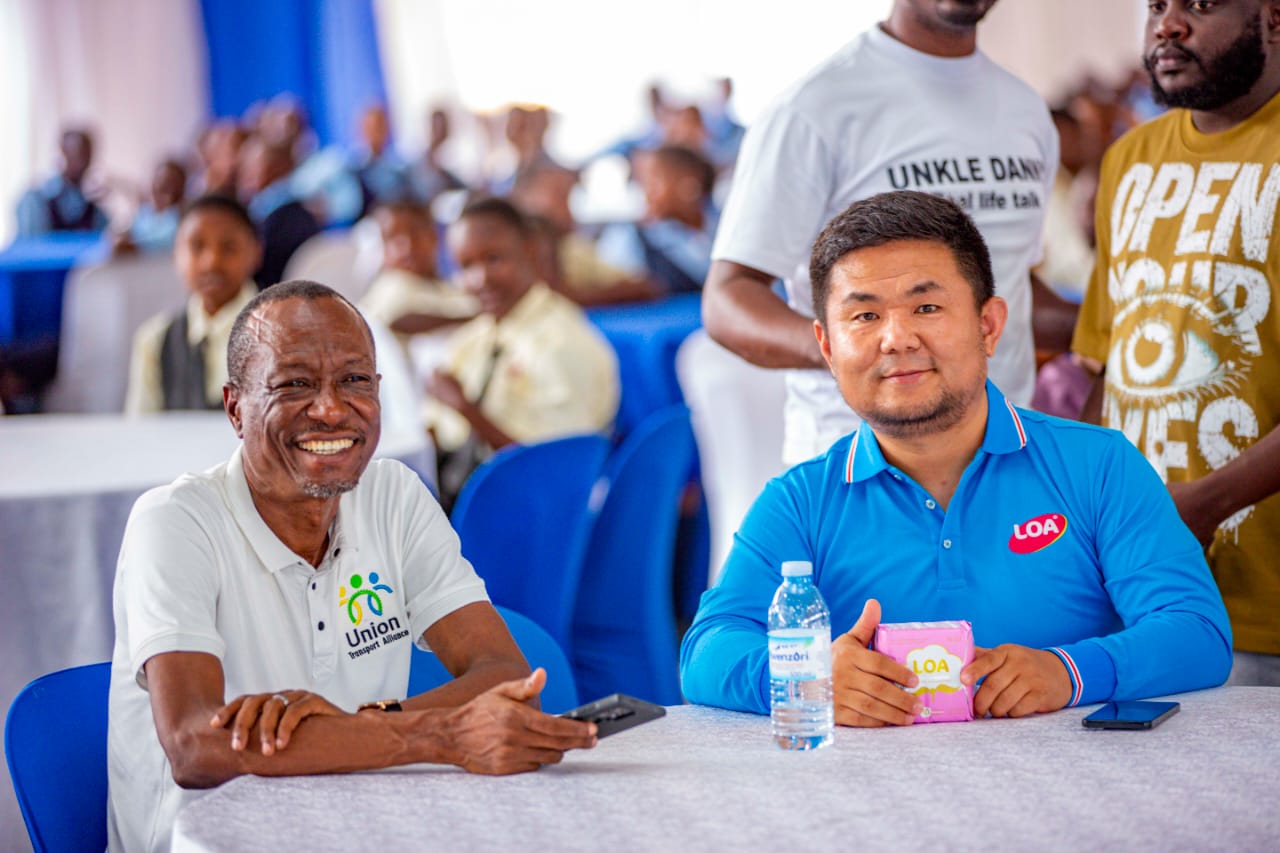
    Kampala: Every month, menstruation arrives as a natural biological process for millions of women and girls, but for some school-going girls in Uganda, it has remained a silent barrier threatening their education, confidence and dreams.

    The inability to access affordable and reliable menstrual hygiene products has forced some learners to miss classes, withdraw from school activities and struggle with embarrassment during their menstrual periods.

    Now, Union Transport Alliance (UTA) Chief Executive Officer Mr. Fred Ssenoga is leading a campaign aimed at confronting what he describes as the “poverty monster” of menstruation through the introduction of Union Sanitary Pads — an initiative designed to keep girls in school, restore dignity and improve menstrual health.

    Ssenoga says the campaign is built on the belief that no girl should lose valuable learning time because she cannot afford a sanitary product.

    “We are targeting students because education should never stop because of menstruation. Every girl deserves to remain in school with dignity, confidence and good health,” Ssenoga said.
    The Union Sanitary Pads package is being supplied to schools at Shs20,000, with the company saying the package is designed to support one learner for an entire academic year.

    Ssenoga says menstrual hygiene products should be viewed as an investment in education, health and the future of Uganda’s girl child.

    “Access to sanitary products should never depend on someone’s financial status. Affordable sanitary pads should be viewed as an investment in education, women’s health and Uganda’s future,” he said.
    Fighting menstrual poverty
    Across Uganda, menstrual hygiene remains closely linked to girls’ education outcomes. When learners lack access to sanitary products, some miss school, lose confidence and struggle to participate fully in classroom activities.

    According to the Uganda Bureau of Statistics (UBOS), Uganda has millions of female learners enrolled in schools, making menstrual health support an important factor in improving girls’ retention and completion of education.

    Ssenoga says the challenge affects not only learners but also women in workplaces and communities.

    “During their menstrual periods, many women become physically weak and mentally affected because of the discomfort they experience. Some struggle to perform effectively at work while others find it difficult to carry out family responsibilities,” he said.
    “That is why we created Union Sanitary Pads — to restore confidence, comfort and dignity to every woman and every girl child.”
    Margret Nasuwa: Quality and dignity for girls
    The campaign has attracted support from partners who believe menstrual hygiene is a key part of protecting girls’ wellbeing.

    Ms. Margret Nasuwa, Brand Marketing Manager at Ruka Pay, says their partnership with Union Transport Alliance is aimed at supporting a practical solution to a challenge affecting many girls.

    Nasuwa says Union Sanitary Pads offer girls an affordable, comfortable and reliable option that allows them to continue with school and daily activities without fear.

    “This partnership is about giving hope to girls and women by supporting access to quality menstrual hygiene products. No girl should miss school because she cannot afford a sanitary pad,” Nasuwa said.
    She explains that menstrual products should provide confidence and comfort, especially for learners who need to remain active in classrooms.

    “A girl needs to feel safe, comfortable and confident during her menstrual period. When she has access to a quality sanitary product, she can attend school, participate in class and continue with her normal activities without interruption,” she said.
    Nasuwa adds that affordability is a major advantage of the initiative because many families struggle to provide menstrual products for their daughters.

    “The importance of Union Sanitary Pads is that they are designed with affordability in mind while maintaining quality. We want girls from different backgrounds to have access to a product that supports their dignity and wellbeing,” she said.
    Protecting the girl child’s future
    Union Transport Alliance Ambassador Alice Natukunda says reducing menstrual poverty requires partnerships between schools, communities, companies and organisations.

    “Together we can reduce period poverty and ensure every girl remains in school,” Natukunda said.
    The campaign has appointed Ms. Diana Ampaire as the face of the Union Sanitary Pads initiative to lead awareness activities targeting schools and communities.

    Ampaire says the campaign is focused on ensuring menstruation does not interrupt education.

    “No girl should miss school because she cannot afford a sanitary pad. Every girl deserves dignity, confidence and an opportunity to achieve her dreams,” she said.
    For Ssenoga, the measure of success will not only be the number of sanitary pads distributed but the number of girls who remain in school and continue pursuing their ambitions.

    “When you support a girl to stay in school, you are investing in Uganda’s future. That is the vision behind Union Sanitary Pads,” he said.
    As Uganda continues addressing challenges affecting the girl child, Union Sanitary Pads represents a reminder that small interventions can create lasting change.

    Because for a girl with dreams of becoming a leader, professional or change-maker, a sanitary pad is not just a hygiene product.

    It is dignity.

    It is confidence.

    And it is an opportunity to keep her future alive.

  • Why Investors and Policymakers Should Partner with Union Transport Alliance to Rebuild Uganda’s Mobility Economy: Inside Fred Ssenoga’s Blueprint to Turn Transport into a National Growth Engine

    Why Investors and Policymakers Should Partner with Union Transport Alliance to Rebuild Uganda’s Mobility Economy: Inside Fred Ssenoga’s Blueprint to Turn Transport into a National Growth Engine

    Special Investment & Policy Feature

    By Brian Mugenyi

    mugenyijj@gmail.com

    Kampala: The words of Mr. Fred Ssenoga are always few, but they carry the confidence of a man whose vision stretches beyond the ordinary boundaries of business.

    He is a collected personality — calm in his conversations, measured in his decisions, yet driven by an unmistakable passion for transforming Uganda’s transport system into a stronger economic force.

    For Mr. Ssenoga, transport is not simply about vehicles moving on roads. It is about creating opportunities, connecting communities and building an economic ecosystem where mobility becomes a foundation for national growth.

    “Uganda’s transport sector should not only be viewed as a system of roads, vehicles and passenger movement. It must be seen as an economic ecosystem that supports manufacturing, trade, job creation and enterprise development.”
    — Fred Ssenoga, Managing Director, Union Transport Alliance

    At dawn, on a cool Friday morning before Kampala’s streets become a battlefield of engines, horns and hurried footsteps, thousands of economic transactions have already begun.

    Vehicles move through the city suburbs of Kamwokya and surrounding areas, carrying passengers, workers, traders and goods that keep the urban economy alive.

    Some are heading to markets. Others are transporting employees to workplaces, students to schools and businesses to their customers.

    Among the products supporting this mobility ecosystem is Union Oil, available at Shs40,000, according to Mr. Ssenoga.

    Away from Kampala’s busy streets, a farmer somewhere in the countryside is preparing produce for the market. A trader is waiting for supplies. A student is planning the journey to school. A factory worker is boarding transport to begin another day of production.

    Unknown to many, these individual journeys are connected by one powerful economic force — transport.

    A New Transport Investment Conversation

    For decades, Uganda’s transport conversation has largely revolved around roads, vehicles, traffic congestion and passenger movement.

    But a new investment debate is emerging.

    Can transport become more than movement?

    Can it become an economic ecosystem that creates industries, strengthens local manufacturing, expands markets and generates jobs?

    Mr. Ssenoga believes Uganda is at a point where transport must be repositioned as a strategic economic sector.

    “The future of transport is not only about owning vehicles. The future is about creating systems that connect businesses, consumers and opportunities.”
    — Fred Ssenoga

    His argument is simple but ambitious: Uganda should stop seeing transport merely as vehicles operating on roads and begin seeing it as a national economic artery connecting production, investment and consumers.

    The Untapped Economic Power of Movement

    Uganda’s economy moves on transport.

    A coffee farmer in Greater Masaka depends on logistics to reach buyers.

    A manufacturer in Kampala depends on distribution networks to access customers.

    A small business owner in a trading centre depends on affordable mobility to survive.

    A student depends on reliable transport to access education.

    Behind every economic activity is movement.

    And behind every movement is an investment opportunity.

    With a population exceeding 45 million people and its strategic location within the East African Community market of more than 300 million consumers, Uganda sits at a crossroads of regional commerce.

    Fred Ssenoga’s Transport-to-Economy Vision

    At the centre of Union Transport Alliance’s strategy is the belief that transport networks can become channels for delivering products, creating enterprises and expanding economic participation.

    The company’s ecosystem includes Union Oil, Union Water, Union Jerry and Union Sanitary Pads — products which Mr. Ssenoga says are designed to utilise transport networks as distribution highways connecting businesses with communities.

    According to Mr. Ssenoga, Union Oil is available at Shs40,000, while a student-focused package combining Union Water, Union Jerry and Union Sanitary Pads ranges between Shs2,000 and Shs20,000 for a full year in schools.

    “Our vision is to use transport networks as platforms that connect products, businesses and communities. Transport can become a pathway for economic empowerment.”
    — Fred Ssenoga

    The initiative, he explains, is not only about selling products.

    It is about creating an integrated economic chain where transport operators, businesses, schools and consumers participate in a shared marketplace.

    In this model, a boda boda rider, taxi operator or transport entrepreneur is no longer only a person moving passengers.

    They become part of a wider commercial network.

    They become a link between producers and consumers.

    They become participants in Uganda’s economic transformation story.

    Why Investors Should Pay Attention

    For investors searching for Uganda’s next growth opportunities, the transport sector offers possibilities beyond traditional mobility.

    A Job Creation Engine

    Transport already supports millions of livelihoods directly and indirectly through driving, vehicle maintenance, fuel supply, spare parts businesses, logistics and related services.

    A structured transport ecosystem can multiply these opportunities by connecting mobility with entrepreneurship.

    The question is no longer only:

    How many vehicles are operating?

    The bigger question is:

    How many businesses can grow because those vehicles exist?

    Why Policymakers Matter in the Transport Revolution

    For policymakers, the future of transport requires more than infrastructure expansion.

    It requires partnerships.

    Mr. Ssenoga believes government and private sector collaboration is essential.

    “When policymakers, investors and private sector innovators work together, transport can become one of Uganda’s strongest engines of economic transformation.”
    — Fred Ssenoga

    Government remains central in creating an environment where private investment can thrive through:

    Investor-friendly policies.
    Effective regulation.
    Affordable financing mechanisms.
    Safety standards.
    Public-private partnerships.
    Support for innovation.

    Uganda’s Vision 2040 identifies infrastructure development, private sector growth and industrialisation as critical pillars of transformation.

    The transport sector sits at the centre of all three.

    Without movement, industries cannot grow.

    Without connectivity, markets cannot expand.

    Without logistics, investment cannot reach its full potential.

    The Road Ahead: Building Uganda’s Economic Engine on Wheels

    The history of economic transformation around the world shows that nations grow when they create systems connecting people, products and opportunities.

    Transport has always been more than movement.

    It is the bridge between rural production and urban consumption.

    It is the link between entrepreneurs and markets.

    It is the foundation upon which modern economies are built.

    For Fred Ssenoga and Union Transport Alliance, Uganda’s transport future requires a new mindset — one where mobility becomes a catalyst for investment, innovation and inclusive growth.

    “The journey ahead is not only about building better roads or increasing the number of vehicles. It is about building an economic ecosystem where every journey creates value and every route creates opportunity.”
    — Fred Ssenoga

    Uganda’s transport revolution may not only be travelling on roads.

    It may be built around the economic opportunities those roads create.

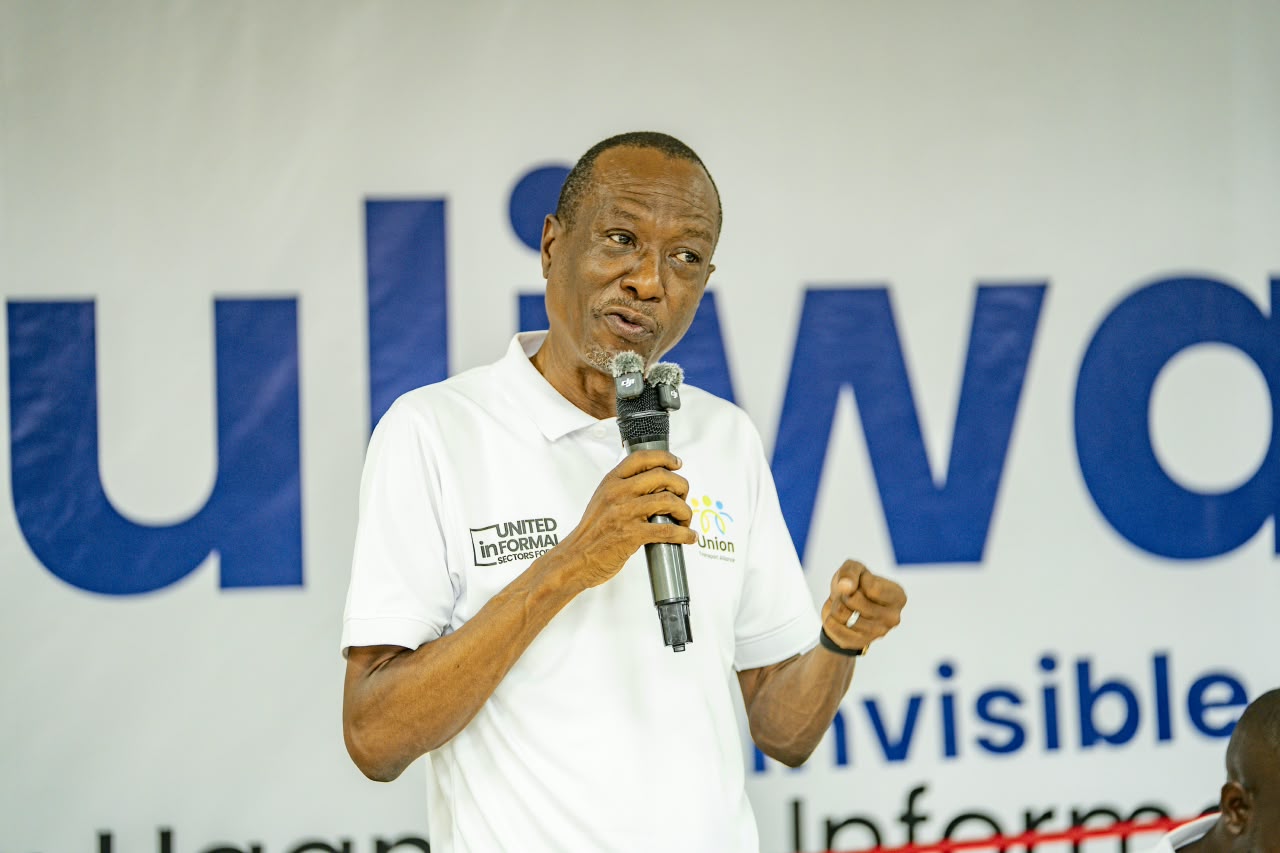
    Caption: Mr. Fred Ssenoga during the launch of Union Sanitary Pads, highlighting Union Transport Alliance’s vision of connecting transport, enterprise development and consumer solutions.

  • The Rise of the Union Transport Alliance: What Drives Mr Fred Ssenoga’s Vision for Uganda’s Transport Sector?

    The Rise of the Union Transport Alliance: What Drives Mr Fred Ssenoga’s Vision for Uganda’s Transport Sector?

    Special Investigation Report

    At the headquarters of the Union Transport Alliance, located at Luthien Towers in Kamwokya, Mr Fred Ssenoga is described by colleagues, Union Transport Alliance Ambassador Ms Alice Natukunda in his late 50s, as a down-to-earth figure who maintains a low public profile despite his growing influence in transport discussions.

    Inside the offices—furnished with modern fittings and displaying portraits associated with the organisation’s activities—branding linked to Union Transport Alliance products is visible, including Union Oil, Union Water and Union Sanitary Pads, which the organisation says are locally produced as part of its economic model.

    Mr Ssenoga, fully clad in a white shirt and grey with a golden watch, is described by Ms Natukunda as a transport thinker with a strong understanding of Uganda’s mobility systems and operational challenges facing drivers and operators.
    ” The epitome of knowledge and love to expand Uganda’s transport sector with Union Village to extend in all cities and districts in Uganda lays as his major goal,” shared Ms Alice Natukunda.
    His engagement in sector discussions aligns with oversight and coordination roles under the Ministry of Works and Transport, which is responsible for transport policy, regulation and infrastructure development in Uganda.

    Supporters of the Union Transport Alliance formalised in March 2026 boast with 10 million members country wide and 28 offices under services of 60 products with Union Sanitary Pads as the trending item led by the general manager Mr. say the organisation seeks to act as a bridge between transport operators and policy institutions in discussions around efficiency, safety and economic integration.

    Road safety concerns remain central
    Uganda continues to face a high number of road crashes, which authorities and advocacy groups say result in loss of life, injury and economic disruption.

    The Socialites Association of Uganda has been leading a 2024–2025 National Road Safety Campaign, focusing on public awareness, behavioural change and stakeholder collaboration to reduce road accidents.

    The organisation says road safety should be treated as a development priority, not only a transport issue, arguing that road crashes reduce productivity and increase pressure on public health systems.

    Mr Ssenoga’s transport agenda
    Mr Ssenoga says transport should go beyond moving passengers and goods to becoming a platform for enterprise development, employment creation and economic empowerment.

    Supporters describe him as an entrepreneur and mentor focused on integrating transport operators into wider economic structures.

    Through initiatives such as integrated transport services, Union Village housing concepts, and energy and supply services for drivers and vehicle owners, the organisation says it is building a transport ecosystem that supports livelihoods across the sector.

    This vision, according to supporters, aligns with Uganda’s long-term development framework under Vision 2040, which emphasises industrialisation and inclusive economic growth.

    The Union Transport Alliance estimates its network reaches close to one million people, including taxi operators, truck drivers and boda boda riders, as well as affiliated groups such as Riders Jambo boda boda associations.

    Expansion into affiliated products and services
    Beyond transport operations, the Union Transport Alliance has developed a range of affiliated products and services it says are intended to support transport workers and reduce operational costs.

    These include:

    Union Oil, a fuel-related support initiative
    Union Water, a clean water product
    Union Jerry, a logistics and transport support service
    Union Sanitary Pads, a locally produced hygiene product
    Union Spare parts, Union Boda Boda with affordable payment of Shs: 120,000 flexible daily payments.
    Union M10 smartphone with daily payments
    The organisation says these initiatives are designed to create internal value chains within the transport ecosystem while supporting employment and small-scale manufacturing.

    Policy observers say such diversification reflects a wider trend of transport-linked organisations seeking to integrate service delivery with enterprise development.

    Pricing of Union products
    The Union Transport Alliance says its products are structured to remain accessible to transport workers and households.

    According to the organisation, Union Sanitary Pads are sold at between sh1,600 and sh2,000, depending on distribution points and market conditions.

    The group also says Union Oil products are offered at competitive and affordable rates, aimed at reducing fuel and operational costs for transport operators. However, prices may vary depending on supply chains and market fluctuations.

    Independent verification of the full pricing structure was not immediately available at the time of reporting.

    Policy debate and economic questions
    Economists and transport analysts say Uganda’s transport debate is shifting from infrastructure expansion to questions of economic impact.

    Key questions being raised include:

    Who benefits from transport investment?
    Does it create sustainable employment?
    Does it support local enterprise development?
    Does it reduce poverty?
    Does it improve productivity?
    These issues are increasingly shaping discussions on how transport policy should evolve.

    Government and institutional framework
    The Ministry of Works and Transport remains the lead government institution responsible for transport infrastructure and regulation.

    Analysts led by Ms Alice Natukunda say effective collaboration between government and private sector actors is essential if transport is to deliver broader economic outcomes.

    Stakeholder led by Edison Kirabira, Civil Coordinator Operation Wealth Creation and Federation of Uganda Social Media Influencers argue that emerging transport-led business models, such as those promoted by the Union Transport Alliance, raise new questions about regulation, integration and sustainability.

    Investor and sector interest
    Uganda’s transport sector supports logistics, freight, manufacturing, tourism, insurance, warehousing and digital payment systems.

    For investors, the sector represents a large and expanding economic space, while for businesses, efficiency in transport directly affects operational costs and competitiveness.

    For citizens, improved transport systems translate into better access to employment, education and healthcare services.

    The road ahead
    Uganda has made significant investments in transport infrastructure over recent years. However, experts say the next phase will depend on how effectively infrastructure is translated into economic value.

    This includes strengthening systems, improving coordination, supporting local enterprises and ensuring road safety remains central to transport planning.

    Whether the Union Transport Alliance will play a lasting role in shaping Uganda’s transport policy direction remains to be seen.

    What is clear is that the country’s transport debate is evolving—from roads as physical infrastructure to transport as a wider economic system.

    In the long term, analysts say, the success of the sector will not only be measured by infrastructure built, but by its impact on livelihoods, economic opportunity and national development.