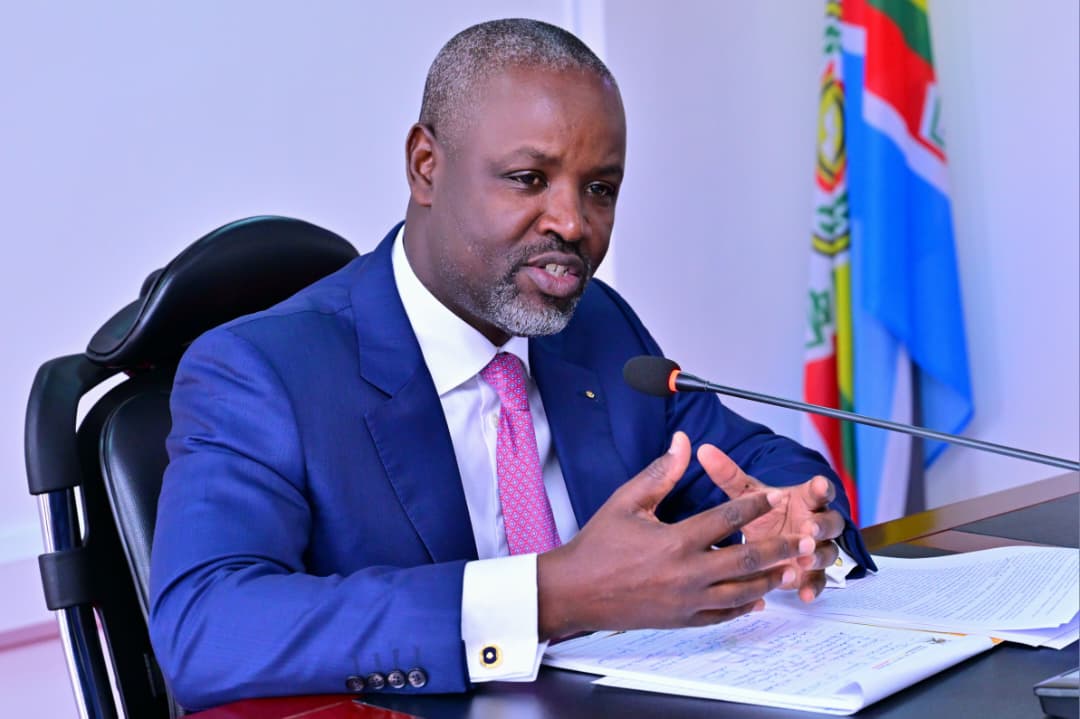
The Deputy Speaker of the Parliament of Uganda, Thomas Tayebwa, has backed a proposal to develop a comprehensive social protection law that would provide a strong legal framework for the implementation, coordination and financing of social protection programmes in Uganda.
Tayebwa said the proposed legislation would go beyond existing programmes and policies to establish clear legal provisions and sustainable financing mechanisms for interventions targeting vulnerable sections of society.
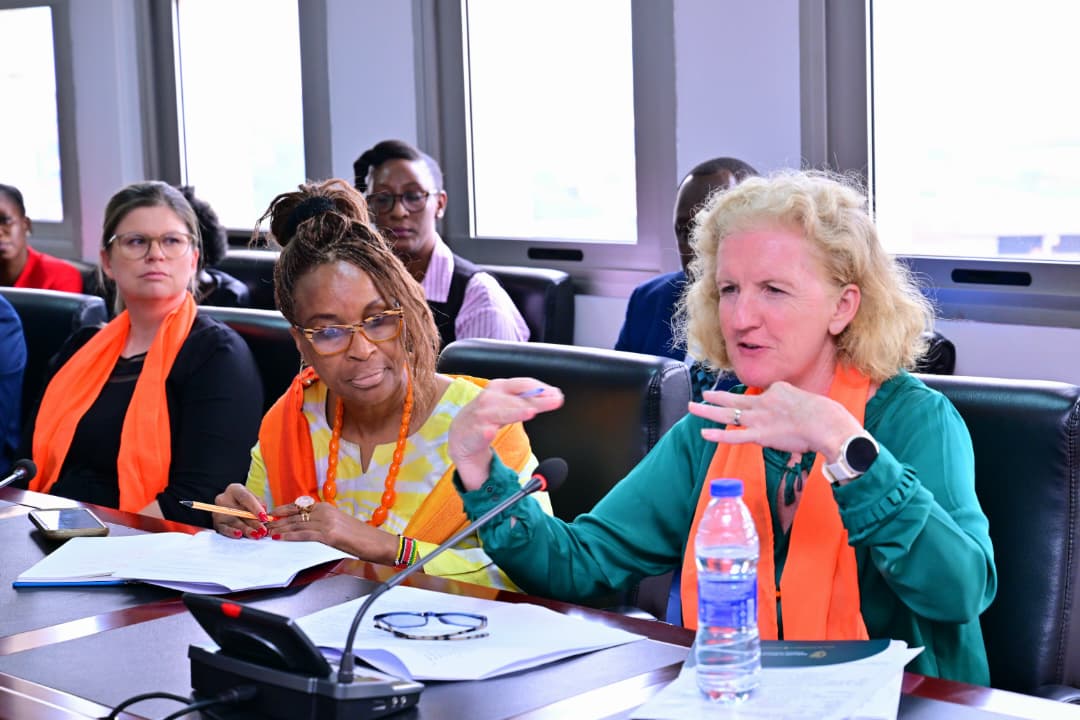
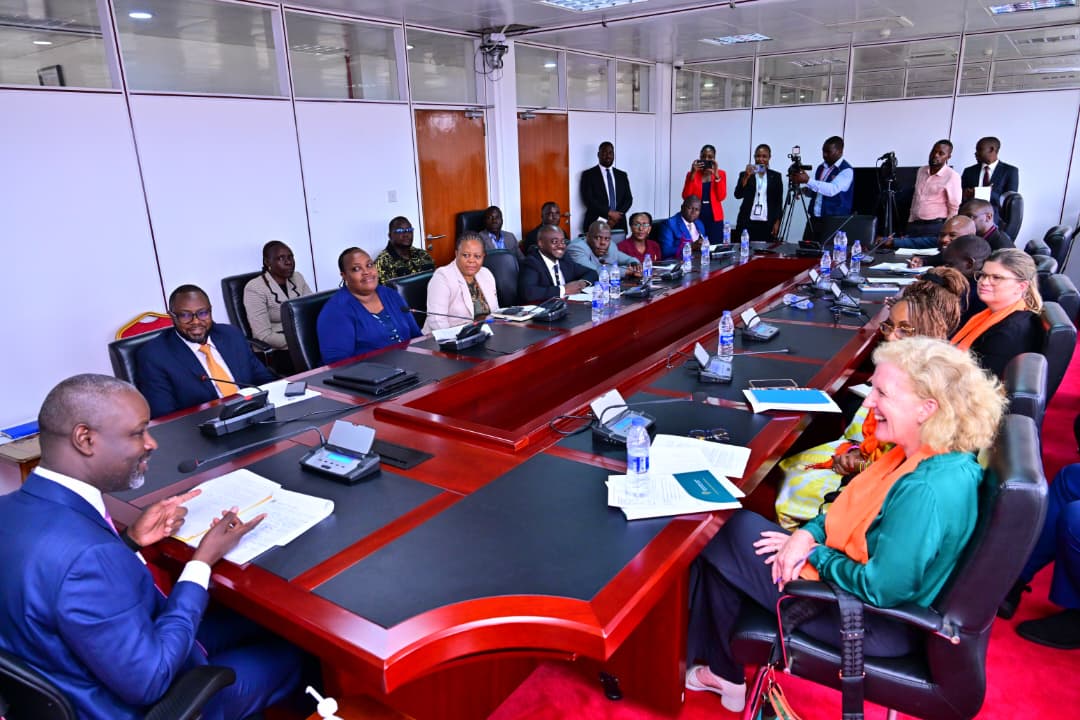
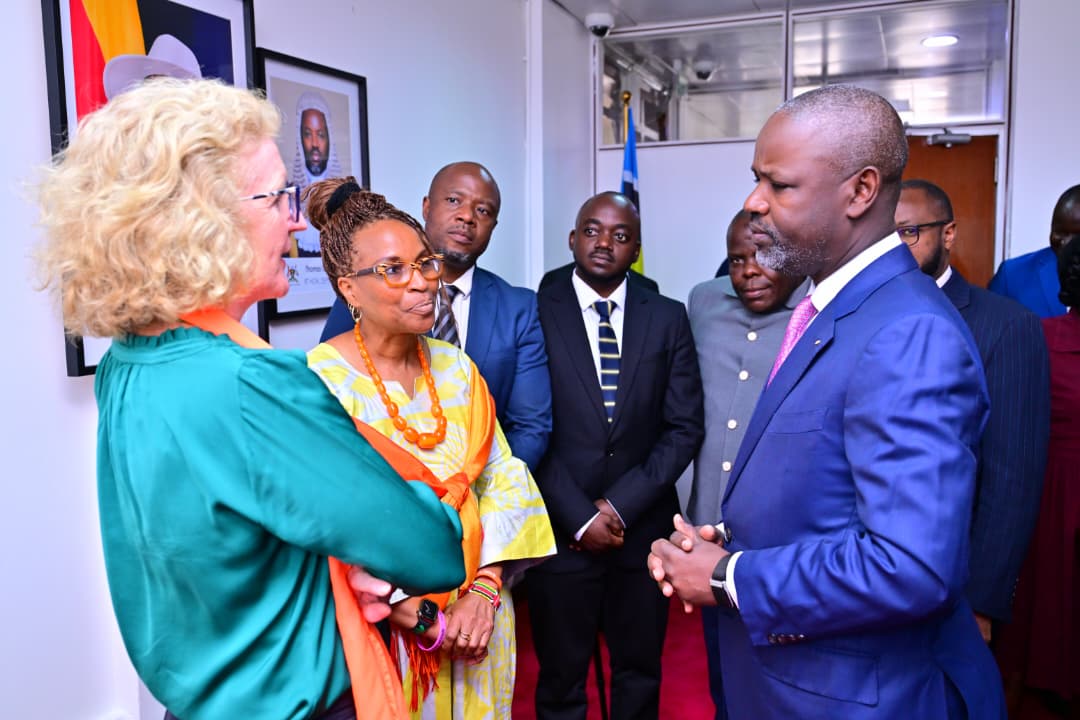
He made the remarks on Thursday while meeting members of the Parliamentary Forum on Social Protection and representatives of development partners, including the Ambassador of Ireland to Uganda, UNICEF and the World Food Programme (WFP).
Responding to a proposal by development partners, put forward by Ireland’s Ambassador, H.E Mags Gaynor for a unified legal framework, Tayebwa agreed that legislation was necessary to operationalise constitutional provisions on social protection and provide greater clarity on implementation.
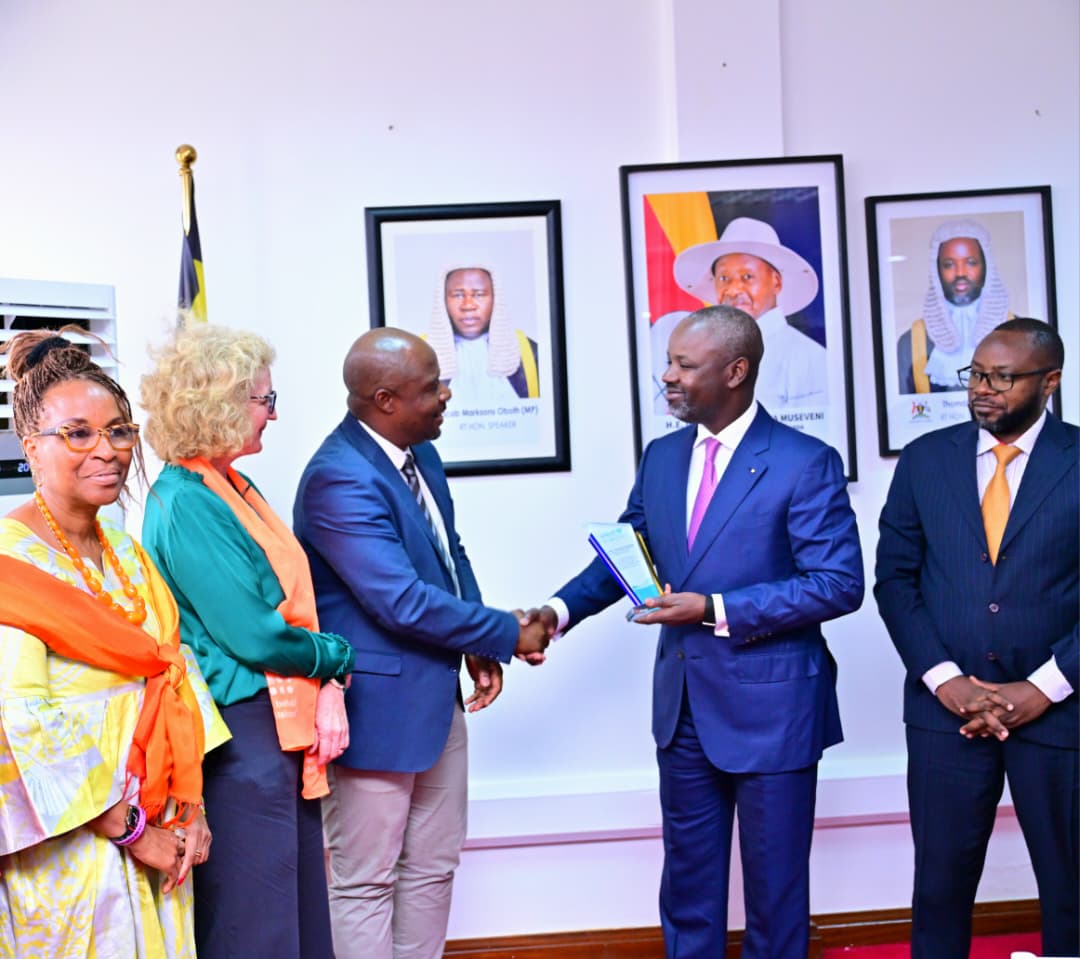
“We would need a law that would operationalise the provisions of the Constitution and go much deeper,” he said.
He urged the Parliamentary Forum to work closely with the Executive in pursuing the proposed legislation, noting that Parliament faces constitutional limitations under Article 93 regarding the introduction of private members’ bills with financial implications for the Consolidated Fund.
“Social protection is not charity. Social protection is a fundamental right that ensures that the dignity, the resilience and the contribution of every Ugandan is considered and is felt,” Tayebwa said.
Ambassador Gaynor commended Parliament’s advocacy for social protection, describing it as a strategic investment in human capital, poverty reduction, resilience and economic inclusion rather than a cost to society.
Senior Citizens Grant
Development partners also called for the speedy implementation of reforms to the Senior Citizens Grant, including lowering the eligibility age from 80 to 65 years and increasing the monthly grant from Shs25,000 to Shs35,000.
Gaynor said the proposed reforms would significantly increase the number of older persons eligible for support and called for stronger implementation capacity to ensure the programme effectively reaches beneficiaries.
The WFP Country Representative, Wanja Kaaria-Ndoho, highlighted the impact of interventions targeting elderly persons in Karamoja during the recent drought. She noted that approximately 10,000 older persons received support in June, helping them cope with the effects of drought.
She also disclosed that a second round of support was planned to benefit approximately 17,000 additional elderly persons across all nine districts of Karamoja, following an earlier intervention covering five districts.
Expansion of Child Disability Grants
Tayebwa also commended the collaboration between development partners and Parliament, which advocated for the allocation of Shs15 billion to the National Child Disability Assistance Programme.
The Chairperson of the Parliamentary Forum on Social Protection Kiconco Katabaazi Patrick, said the current allocation could only cover fewer than 30 districts and called for the programme’s nationwide expansion.
Tayebwa called for stronger monitoring and documentation of the programme’s impact to support efforts to secure additional funding.
National School Feeding Programme
The meeting also discussed a proposal by development partners for the government to consider a National School Feeding Programme, particularly for vulnerable communities where hunger undermines children’s education.
The WFP has been implementing interventions under the Karamoja Feeds Karamoja programme and with other partners, through which approximately 250,000 children benefited from take-home food rations during the drought. The support helped children remain in school and continue learning.
Tawanda Chinembiri, who represented UNICEF in the meeting said school feeding was critical in keeping children in school, particularly in Karamoja, where the availability of food can motivate pupils to attend classes.
“If you don’t feed the school children in Karamoja, if you don’t provide them food at school, then they will not come to school,” he said.
Tayebwa cautioned against adopting a blanket approach. While he supported a programme that targets Karamoja that places the responsibility of providing meals entirely on parents, noting that some households cannot afford even one meal a day.
“You can only pack if you have what to pack,” he observed
He said communities such as Karamoja require targeted interventions to ensure children remain in school and benefit from education.